Learning about ecosystems Normal Worksheets for Ages 5-8
3 filtered results
-
From - To
Discover the fascinating world of ecosystems with our "Learning about Ecosystems Normal Worksheets" designed for children ages 5-8. These engaging worksheets foster curiosity and understanding of the varied interactions within environments, from forests to oceans. Students will explore key concepts such as plant and animal habitats, food chains, and the importance of biodiversity through fun activities and illustrations. Perfect for enhancing classroom lessons or reinforcing learning at home, our worksheets encourage critical thinking and creativity. Help your young learners connect with nature and develop an appreciation for the ecosystem around them while building essential educational skills.
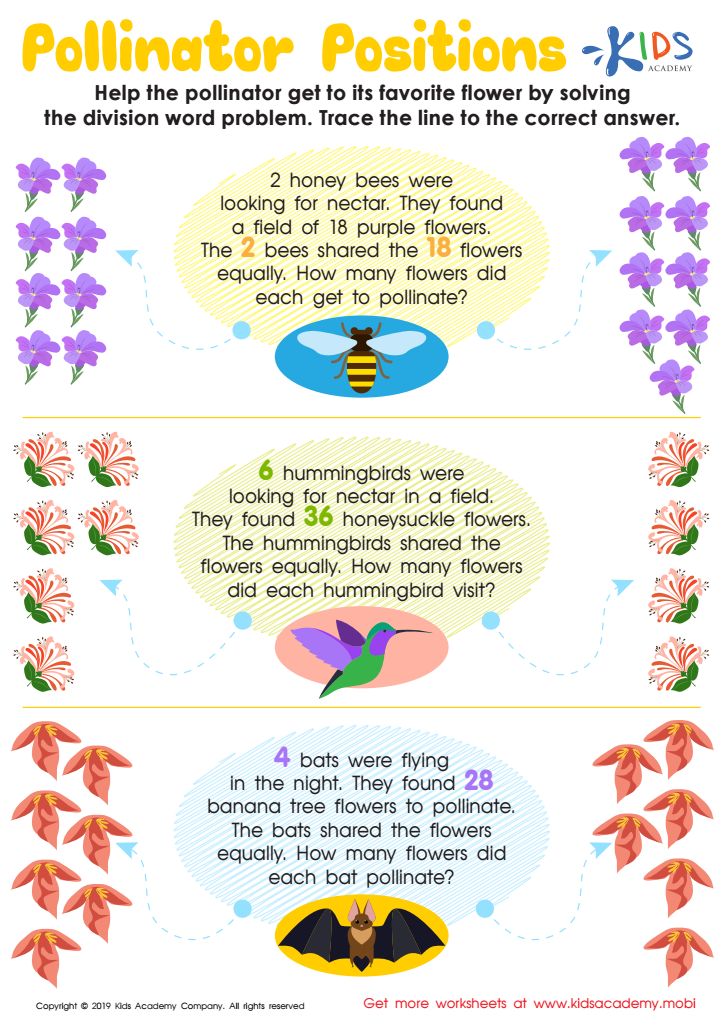
Pollinator Positions Worksheet
 Assign to My Students
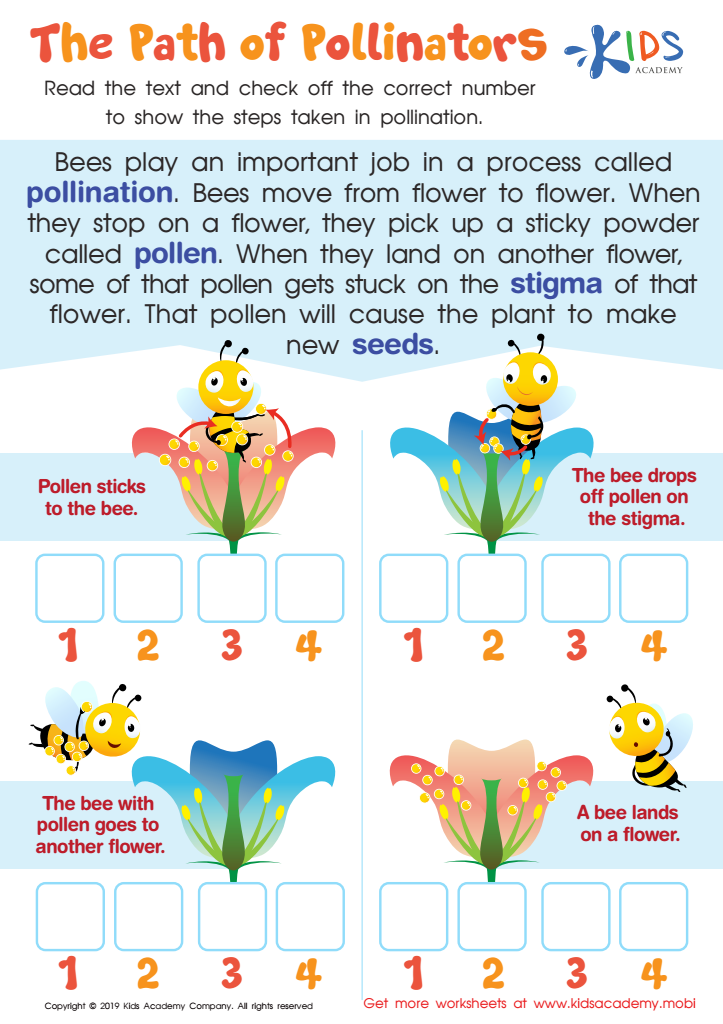
The Path of Pollinators Worksheet
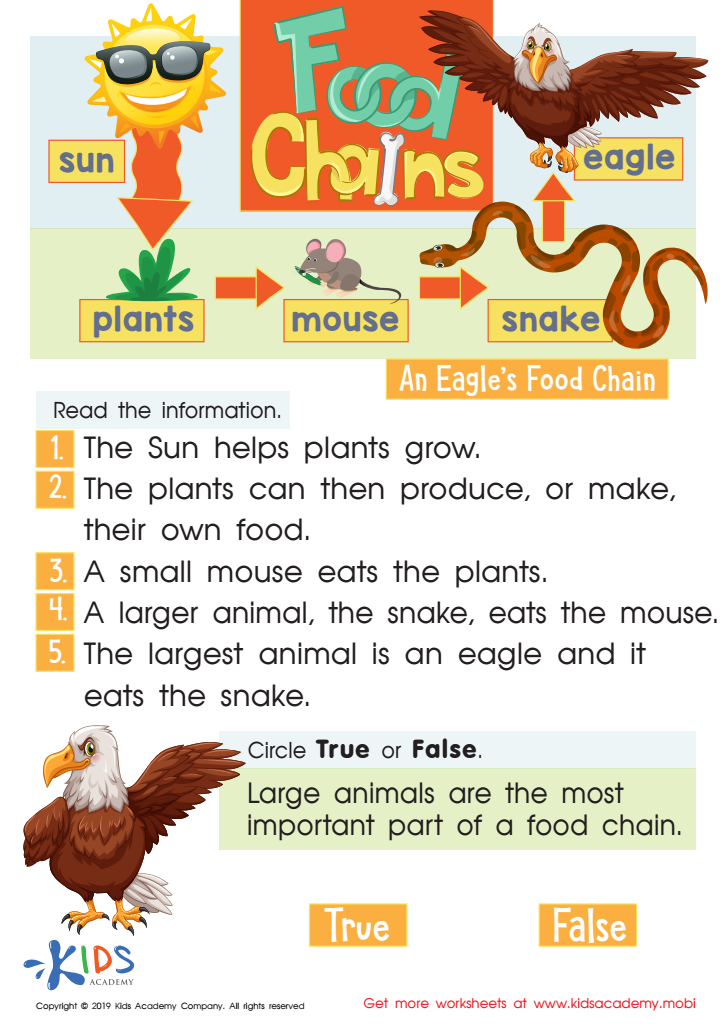
Food Chains Worksheet






Parents and teachers should care about teaching young children about ecosystems because it lays the foundation for their understanding of the environment, encourages curiosity, and fosters a sense of responsibility. At ages 5-8, children are naturally inquisitive, and learning about ecosystems helps them explore and connect with the world around them.
Ecosystems encompass the interactions between living things and their surroundings, promoting awareness of biodiversity and interdependence. By understanding these concepts, children can develop a deeper appreciation for nature, learning how plants, animals, and humans coexist.
Moreover, introducing ideas about ecosystems at an early age can inspire children to become stewards of the environment. This knowledge encourages them to think critically about issues such as conservation and sustainability, paving the way for responsible behaviors towards natural resources.
Additionally, lessons on ecosystems can be integrated into various subjects, including science and art, making learning holistic and engaging. It also nurtures teamwork and social skills through group activities, enhancing their cooperation with peers.
In summary, teaching about ecosystems not only enriches children's education but also empowers them to become informed and active participants in caring for the planet. This foundation can lead to lifelong learning and environmental stewardship.








