Practicing multiplication Normal Worksheets for Ages 5-8
3 filtered results
-
From - To
Boost your child's math skills with our "Practicing Multiplication Normal Worksheets" designed specifically for ages 5-8. These engaging worksheets make learning multiplication fun and effective, providing young learners with a solid foundation in essential math concepts. Each sheet features colorful illustrations and various problem types to keep kids motivated while reinforcing their multiplication skills. Teachers and parents can easily print these resources for flexible learning formats, whether at home or in the classroom. Empower your child’s confidence and proficiency in math with our thoughtfully crafted multiplication worksheets that inspire a love for learning while preparing them for future mathematical success!
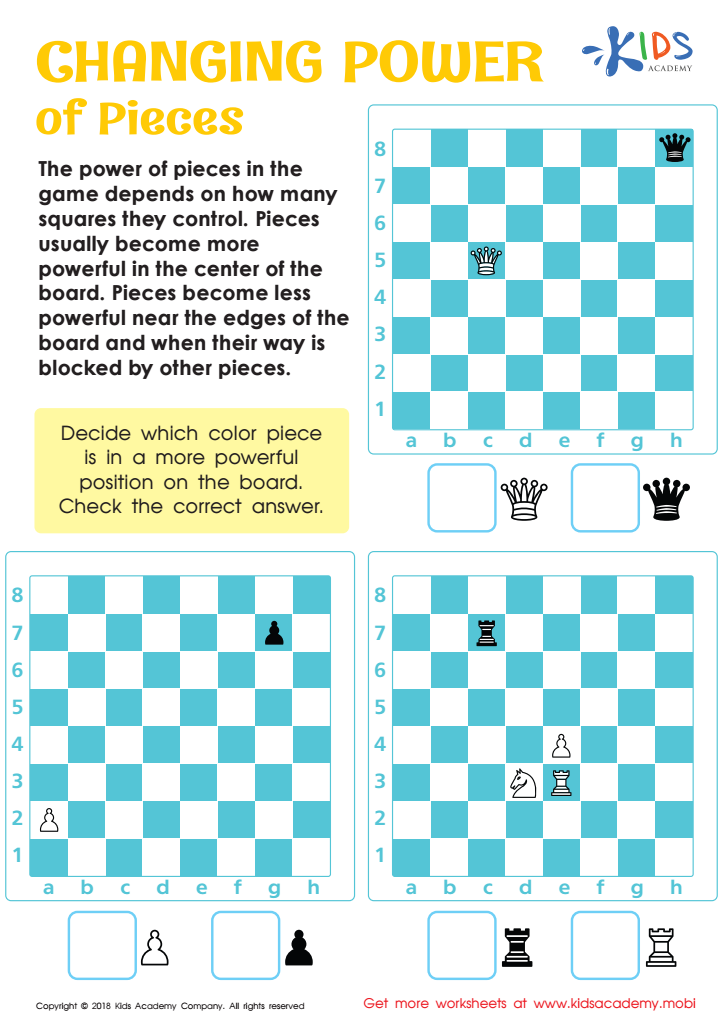
Changing Power of Chess Pieces Worksheet
 Assign to My Students
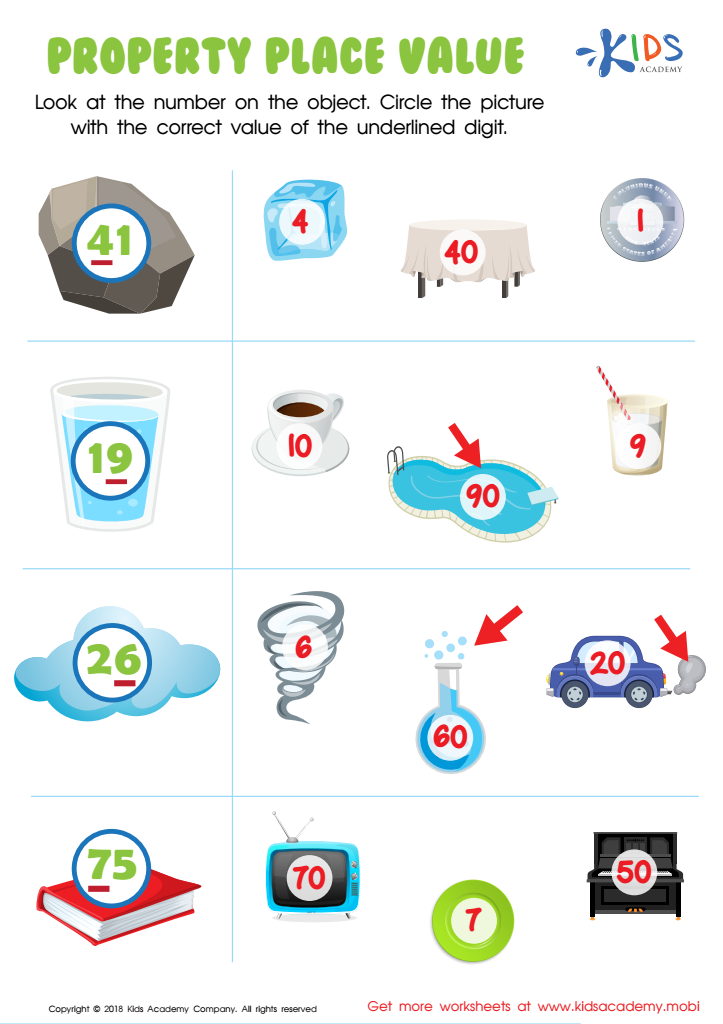
Property Place Value Worksheet
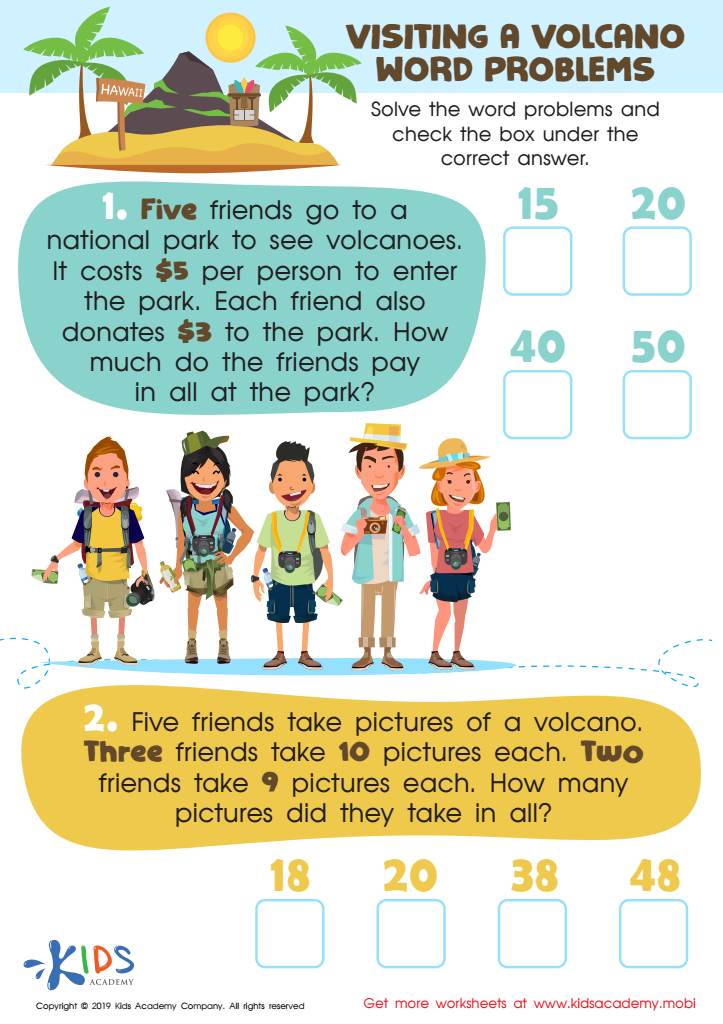
Visiting a Volcano Word Problems Worksheet







Practicing multiplication is essential for children aged 5-8 as it lays a foundational skill critical for their academic success and everyday life. At this developmental stage, children are not only enhancing their number sense but also learning to think logically and solve problems creatively. Multiplication serves as an introduction to more complex mathematical concepts such as division, fractions, and even basic algebra, which they'll encounter later in their education.
Furthermore, mastering multiplication helps build confidence. Children who can confidently multiply often feel empowered in math class, which enhances their overall attitude towards learning. This age group is also beginning to appreciate patterns and relationships between numbers, which multiplication inherently teaches.
Additionally, practicing multiplication fosters critical thinking and memory skills. For parents and teachers, providing consistent practice through games, visual aids, or interactive activities can make learning fun and engaging, reinforcing these skills in a supportive manner.
Ultimately, investing time and effort in practicing multiplication with children prepares them not only for academic challenges but also equips them with problem-solving skills that are valuable in real-world situations. Encouraging this practice at a young age can instill a lifelong appreciation for mathematics and learning in general.








