Understanding ecosystems Normal Worksheets for Ages 5-8
9 filtered results
-
From - To
Discover the wonders of nature with our "Understanding Ecosystems Normal Worksheets" designed specifically for children aged 5-8! These engaging worksheets introduce young learners to the fascinating world of ecosystems, exploring different habitats, plants, animals, and their interconnections. With colorful illustrations and interactive activities, kids will develop critical thinking skills and a deep appreciation for environmental science. From identifying various ecosystems to understanding food chains, these worksheets make learning fun and accessible. Perfect for classrooms or home learning, our resources foster a love for nature and encourage mindful stewardship of our planet. Empower your child's learning journey today!
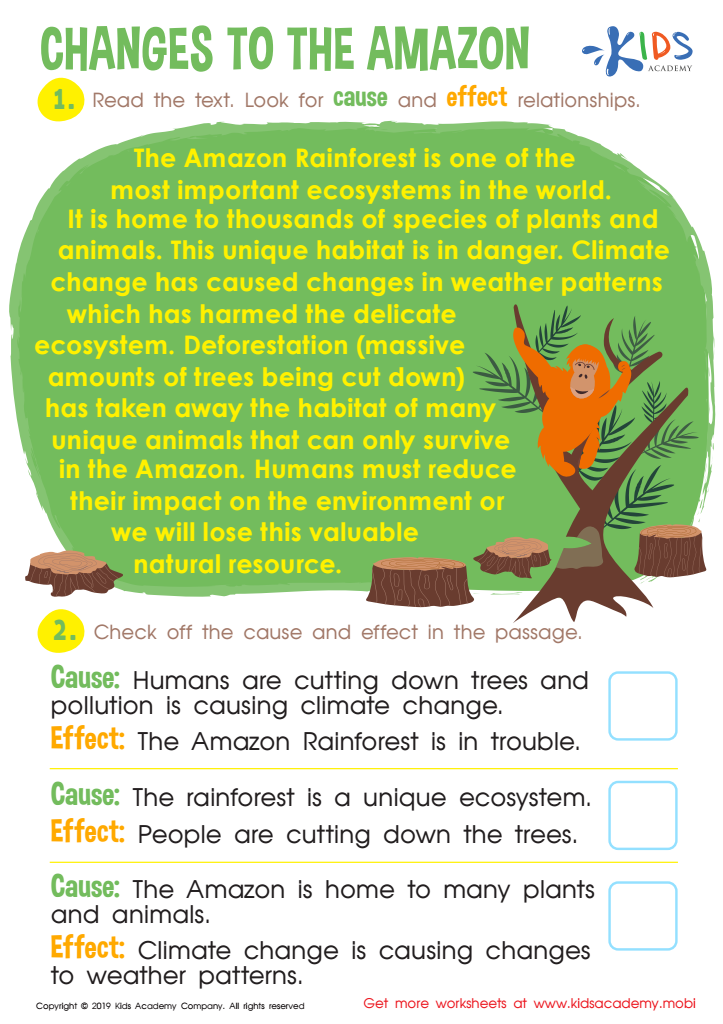
Changes to the Amazon Worksheet
 Assign to My Students
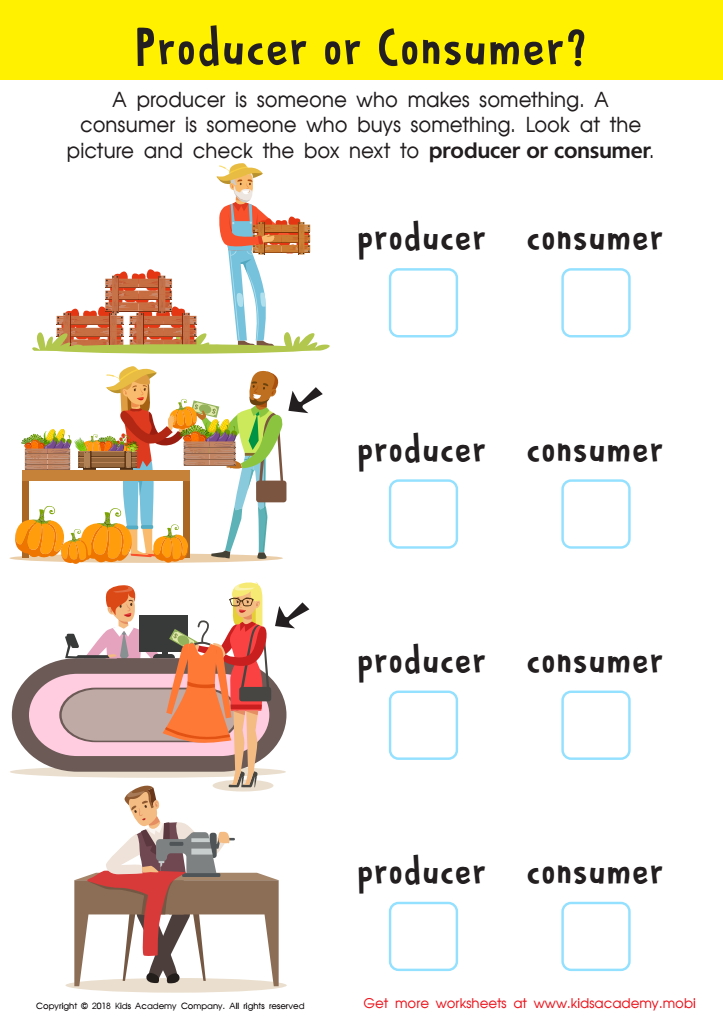
Producer or Consumer? Worksheet
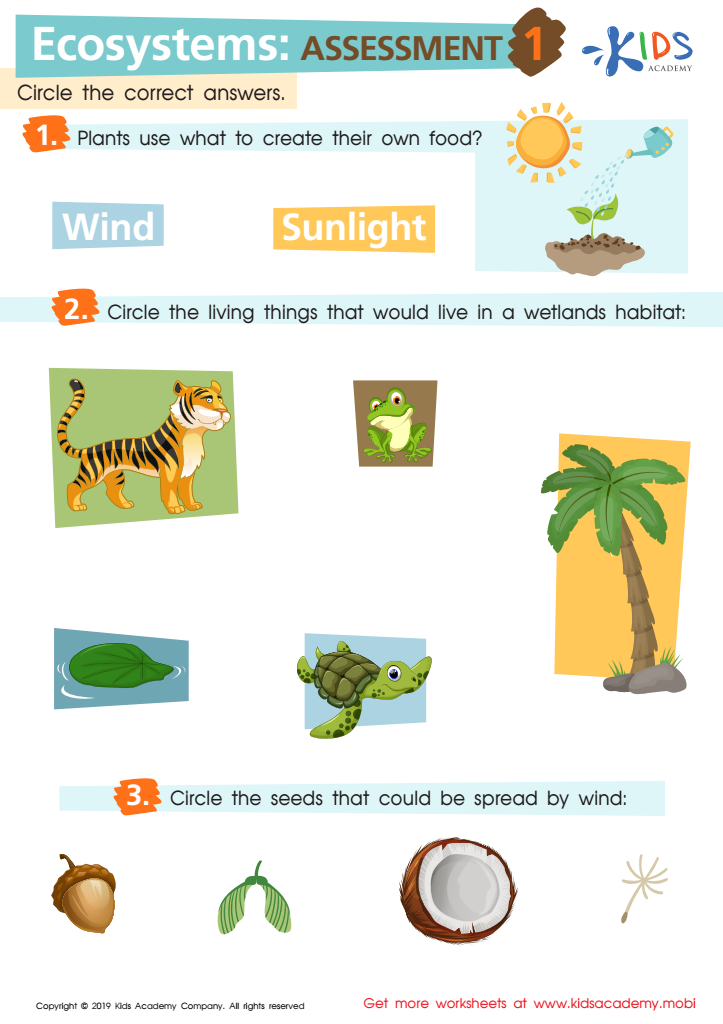
Ecosystems: Assessment 1 Worksheet
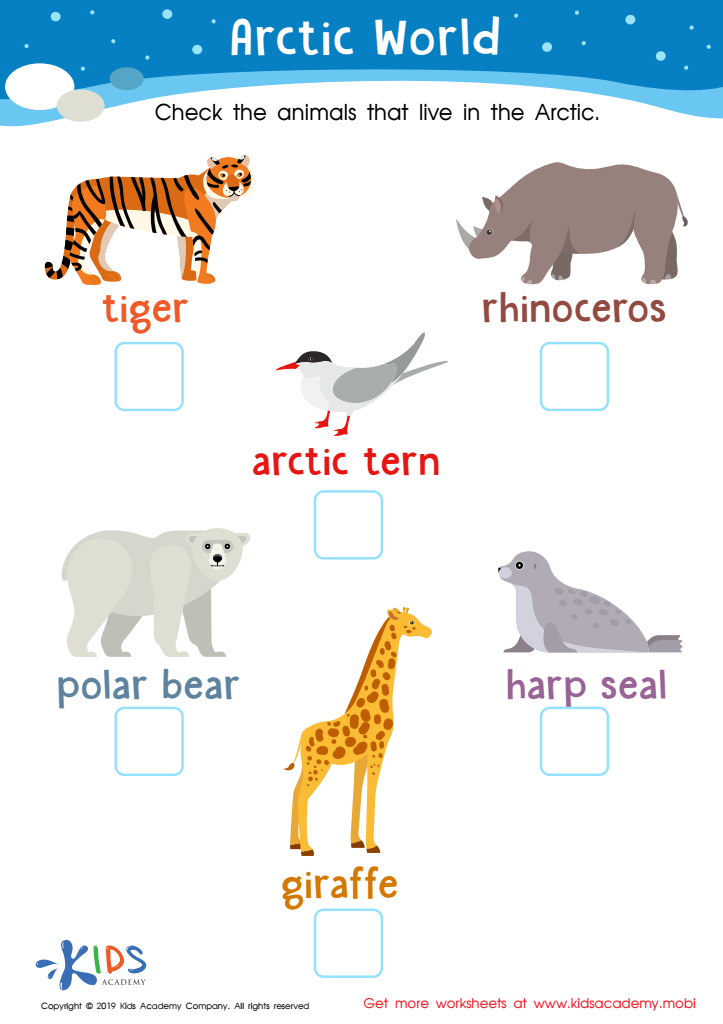
Arctic World Worksheet
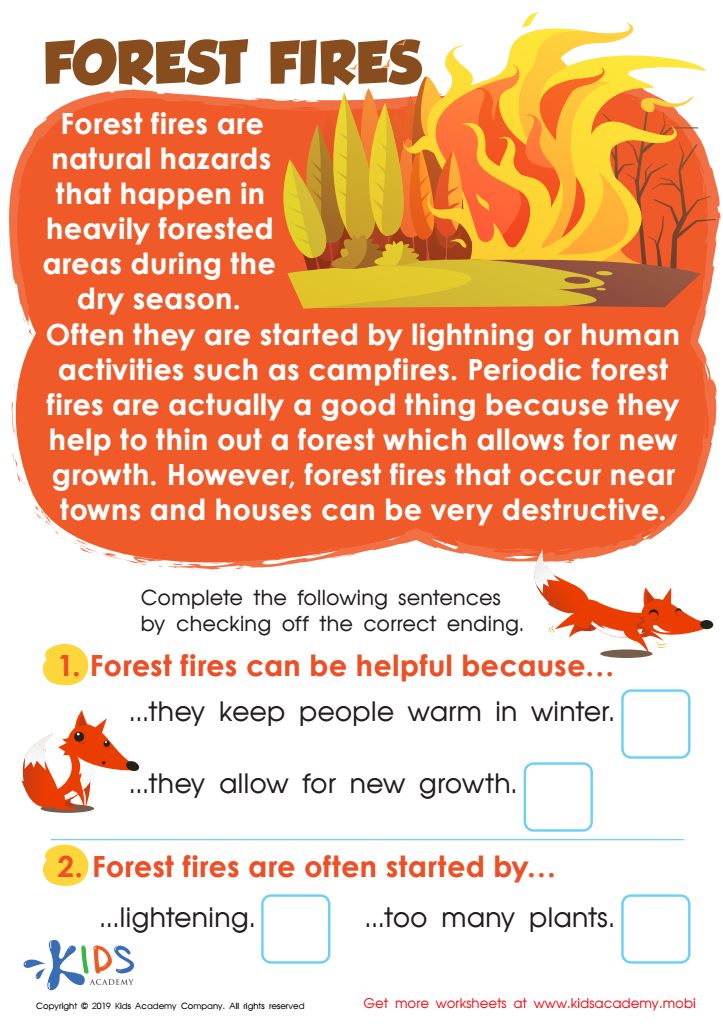
Forest Fires Worksheet
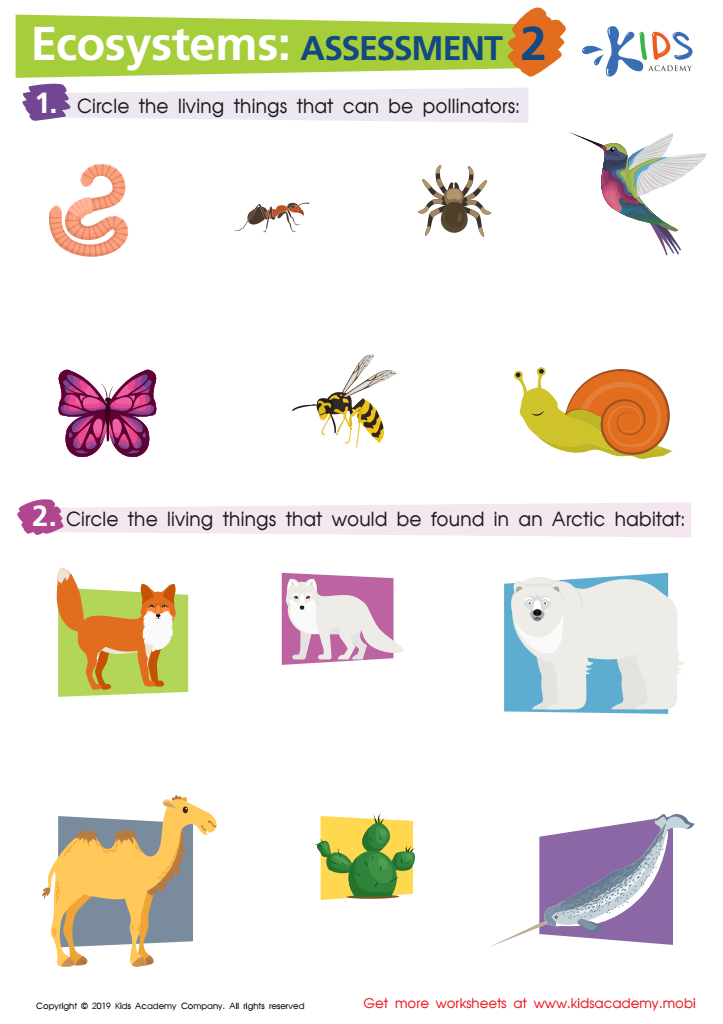
Ecosystems: Assessment 2 Worksheet
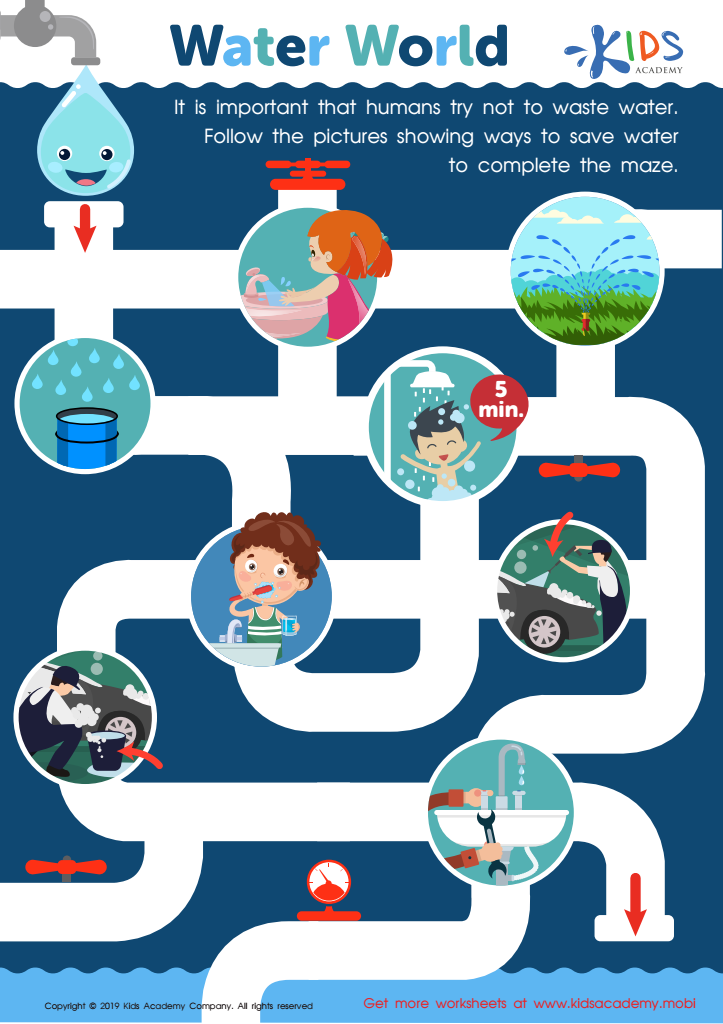
Water World Worksheet
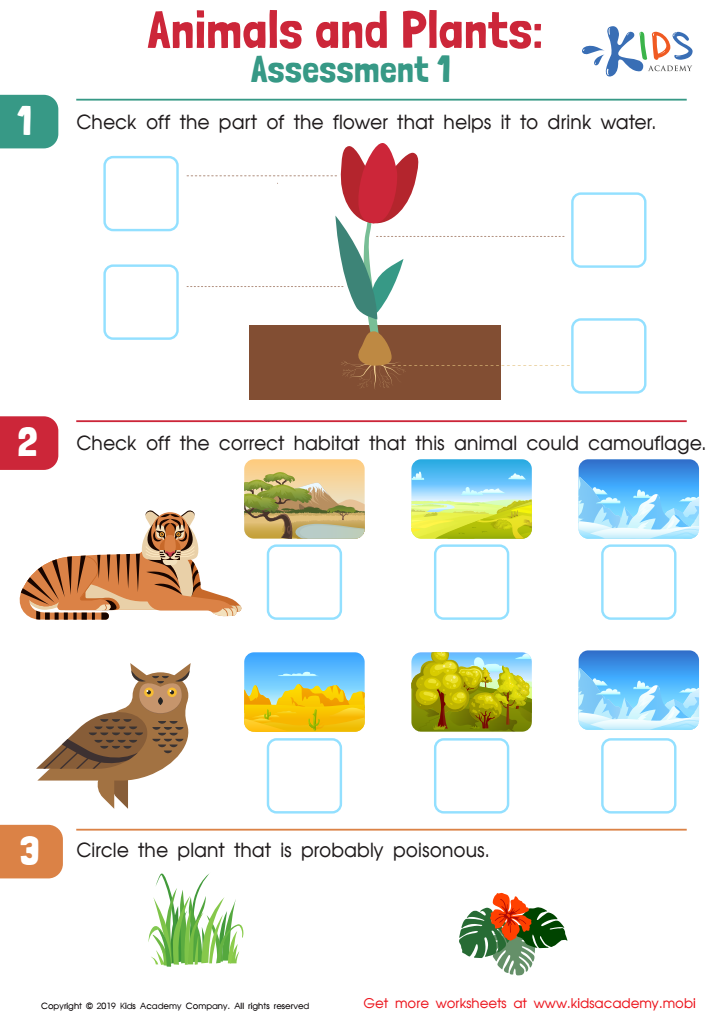
Animals and Plants: Assessment 1 Worksheet
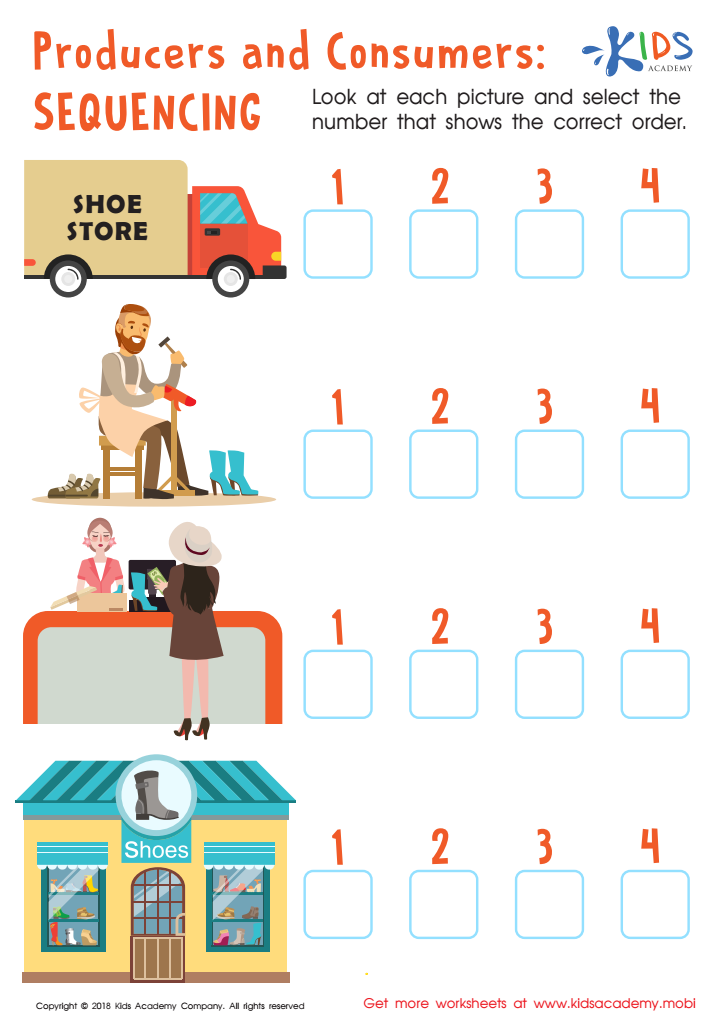
Producers and Consumers: Sequencing Worksheet






Understanding ecosystems is vital for children aged 5-8 because it fosters curiosity about the natural world and lays the foundation for responsible stewardship of the environment. At this age, children are naturally inquisitive and eager to learn, making it the perfect time to explore how living organisms, including plants, animals, and humans, interact within their surroundings.
Teaching kids about ecosystems helps them appreciate biodiversity and understand the importance of each component, from tiny insects to towering trees. This knowledge can spark a lifelong love for nature and encourage children to protect their environment. By engaging with ecosystems through hands-on experiences, such as nature walks or garden projects, parents and teachers can nurture empathy and a sense of responsibility towards living things.
Moreover, learning about ecosystems strengthens critical thinking and problem-solving skills. Children can observe how changes in one part of an ecosystem impact the whole, preparing them to tackle real-world challenges, such as climate change and habitat destruction. Ultimately, empowering children with an understanding of ecosystems fosters environmental awareness and inspires them to become informed, caring adults who value and protect the planet for future generations.








