Cognitive Development Normal 2D Shapes Worksheets for Ages 5-8
5 filtered results
-
From - To
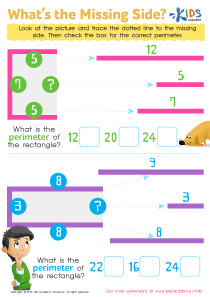
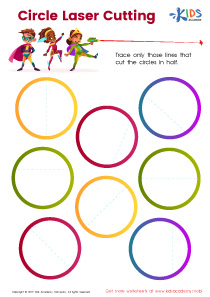
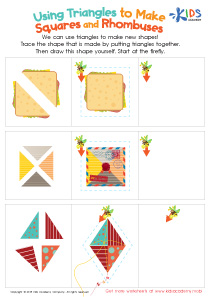
Explore our engaging 2D shapes worksheets designed for children ages 5-8, focusing on cognitive development through fun and interactive learning. These worksheets provide young learners with essential skills to identify, recognize, and differentiate various 2D shapes, laying a strong foundation for their mathematical understanding. From circles to squares, triangles, and rectangles, our activities promote critical thinking and problem-solving abilities. Each worksheet is created to capture children's imaginations and foster a love for learning. Perfect for classroom use or at-home practice, these cognitive development resources are ideal for nurturing young minds as they embark on their educational journey.
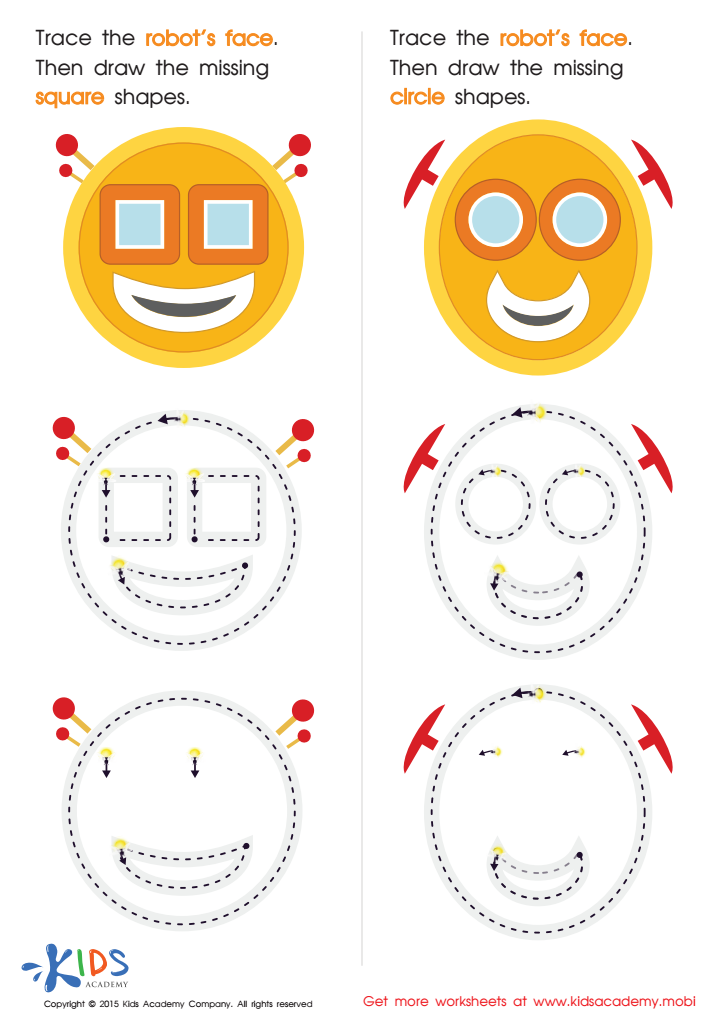
Practicing to Draw Circles And Squares Printable
 Assign to My Students


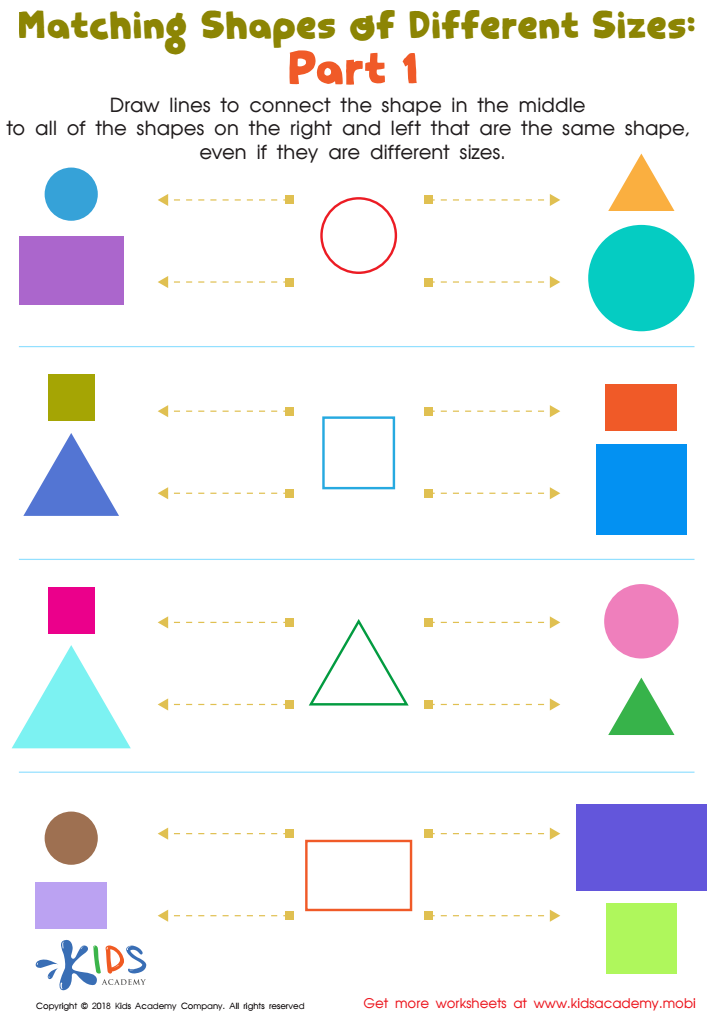
Geometry: part 1 Worksheet
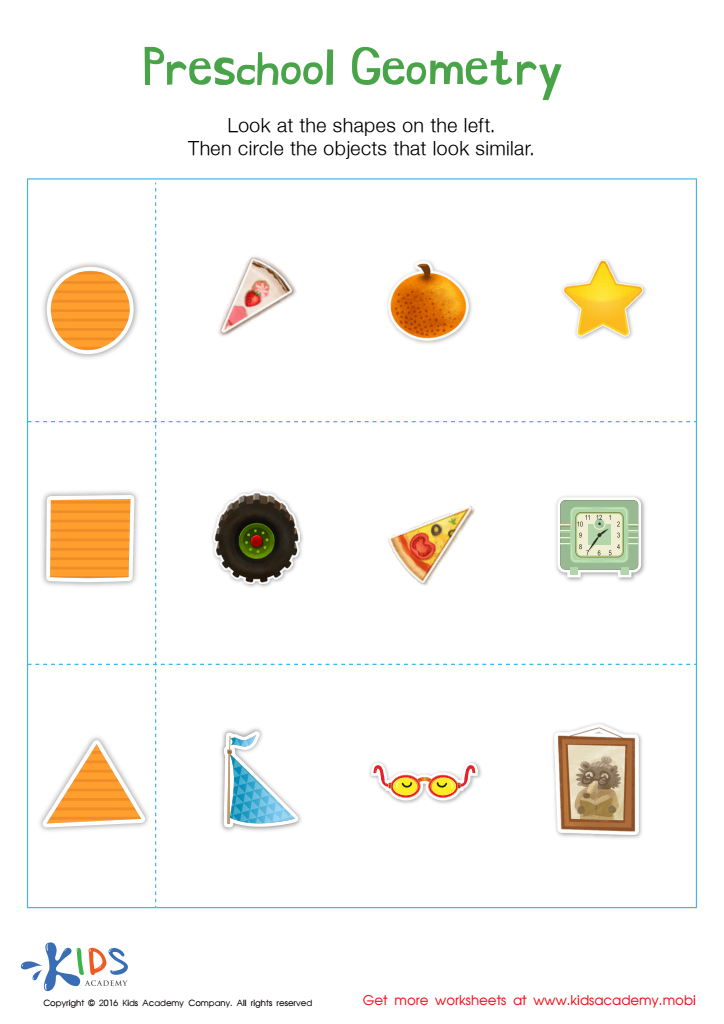
Preschool Geometry Match Up Worksheet
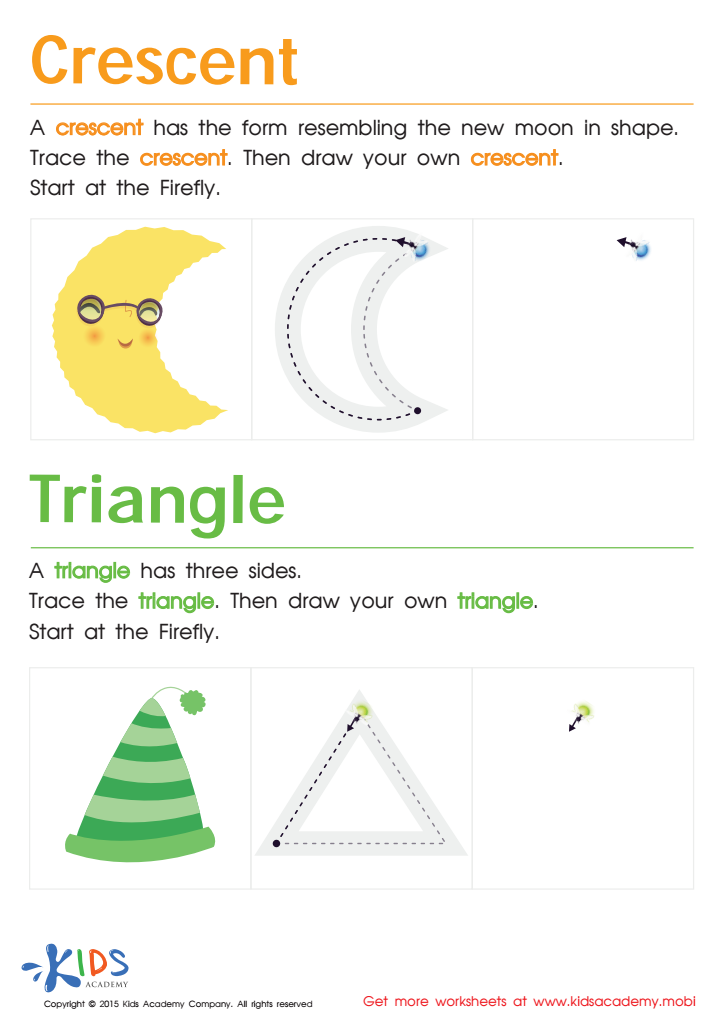
Learning to Draw Crescents And Triangles Worksheet
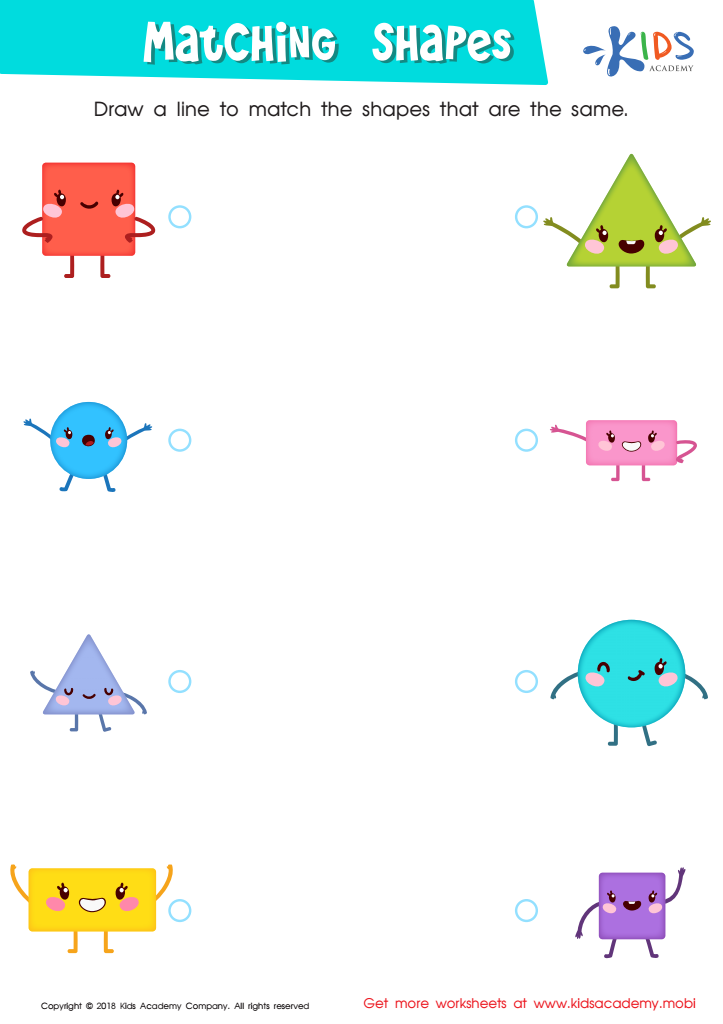
Matching Shapes Worksheet








Parents and teachers should prioritize cognitive development in children aged 5-8, particularly regarding 2D shapes, because this foundational knowledge significantly influences their overall learning trajectory. Understanding 2D shapes helps children develop spatial awareness, an essential skill for mathematical reasoning, geometry, and problem-solving. By learning to identify, classify, and manipulate shapes, children enhance their ability to think logically and critically.
Moreover, familiarity with shapes lays the groundwork for more advanced concepts in math and science later in school. It also supports literacy development; children who can discern shapes can better navigate texts and images, improving reading comprehension and visual literacy.
Encouraging children to explore and discuss shapes fosters their observational and communication skills, enhancing their ability to articulate thoughts and engage in collaborative learning. These experiences contribute to their emotional and social development as well, as they learn to share ideas and build confidence.
Ultimately, fostering cognitive skills like the recognition and manipulation of 2D shapes equips children with vital tools necessary for academic success and everyday problem-solving, setting a solid foundation for lifelong learning. The earlier we nurture these skills, the more well-rounded and capable our children will become.