Problem-Solving Skills Normal 2D Shapes Worksheets for Ages 5-8
5 filtered results
-
From - To
Boost your child's math abilities with our "Problem-Solving Skills Normal 2D Shapes Worksheets," designed for ages 5-8! These engaging and interactive worksheets focus on fundamental 2D shapes like circles, triangles, squares, and rectangles. Children will enhance their problem-solving skills, logical reasoning, and spatial awareness while having fun. Perfect for classroom use or at-home practice, our expertly designed exercises make learning shapes enjoyable and effective. Cultivate a strong mathematical foundation in your young learners today with our easy-to-download and print worksheets. Visit our website for your first set of engaging and educational worksheets now!
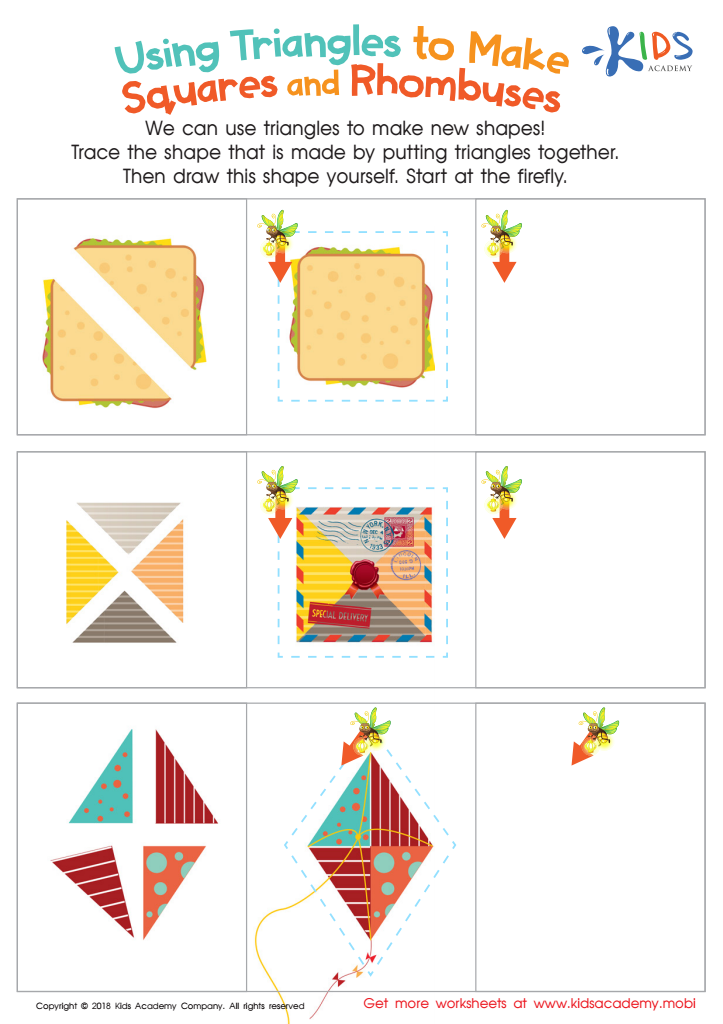
Using Triangles to Make Squares and Rhombuses Worksheet
 Assign to My Students


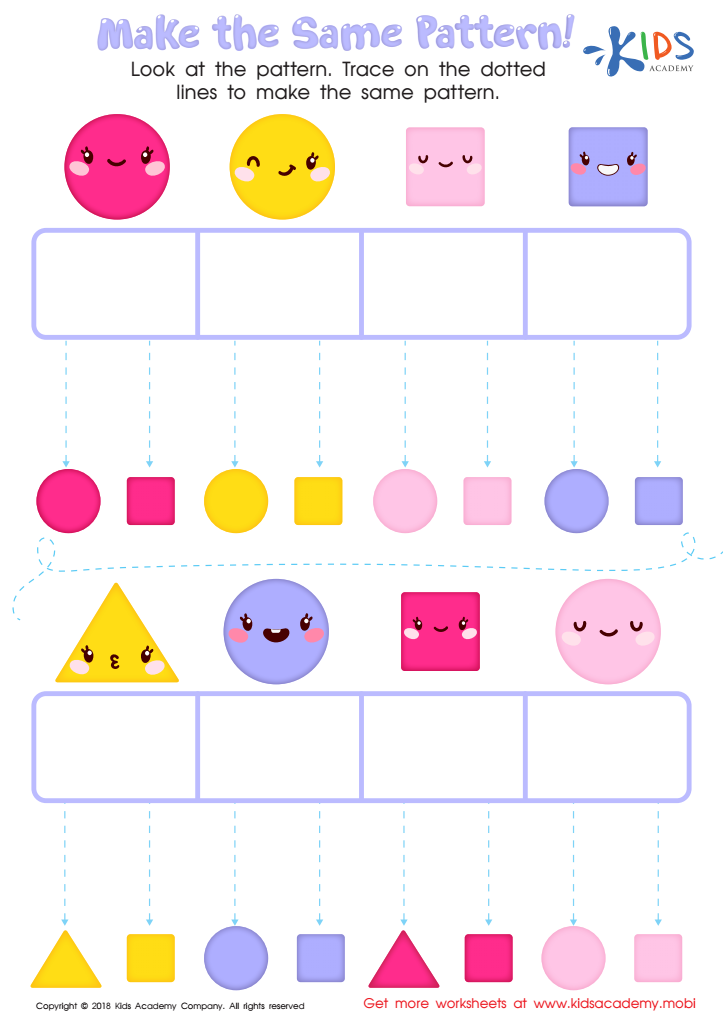
Make the Same Pattern Worksheet
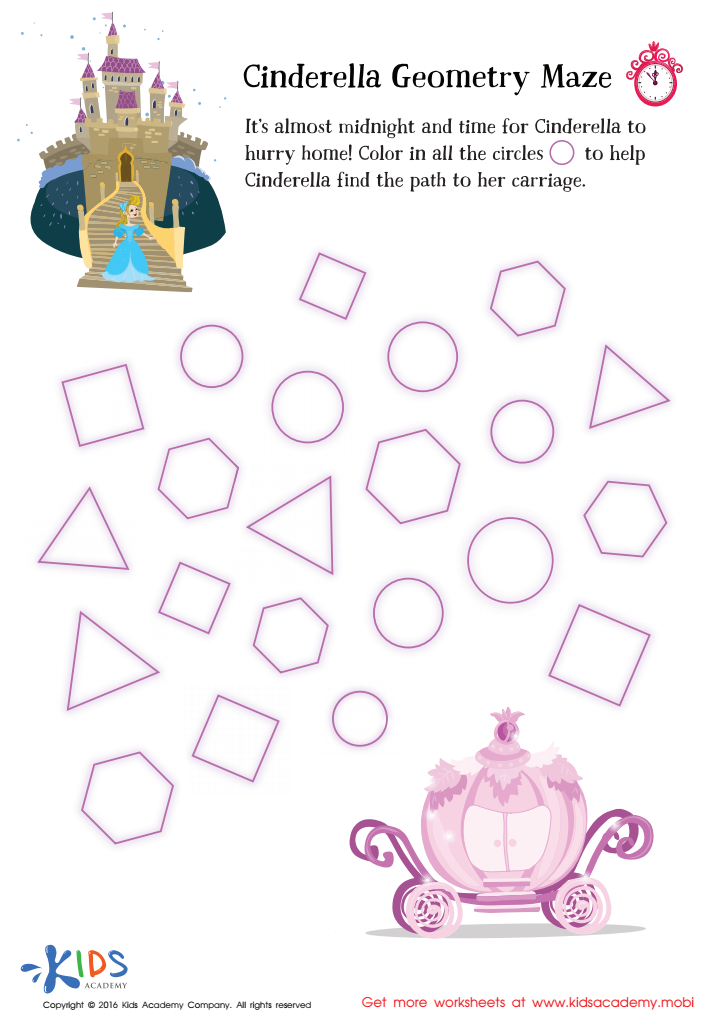
Cinderella Geometry Maze Worksheet
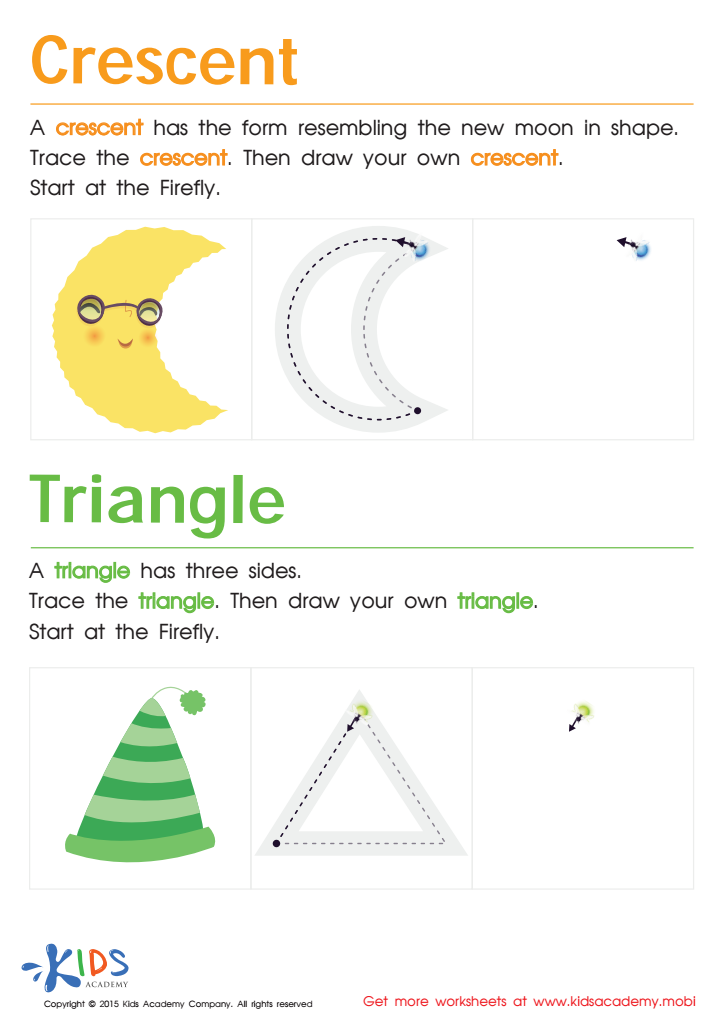
Learning to Draw Crescents And Triangles Worksheet
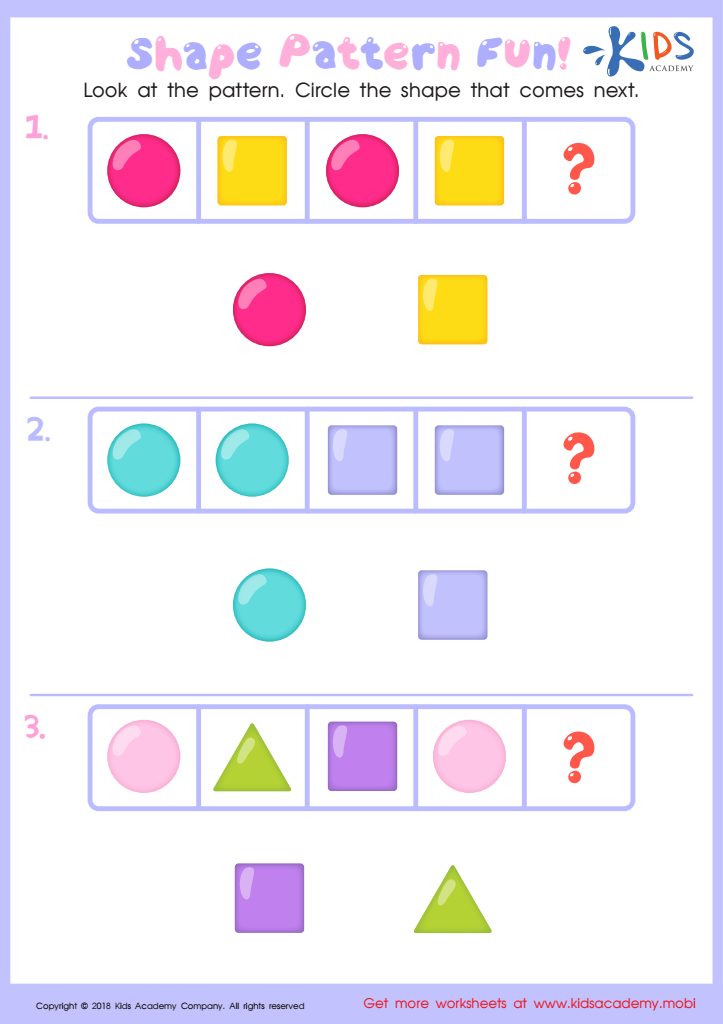
Shape Pattern Fun Worksheet








Parents and teachers should care about developing problem-solving skills with normal 2D shapes for children aged 5-8 because these foundational skills nurture critical thinking, spatial awareness, and cognitive development. At this impressionable age, young minds are highly receptive and ready to grasp new concepts, making it an ideal time to introduce problem-solving activities using shapes like squares, circles, triangles, and rectangles.
Engaging children in tasks that involve identifying, sorting, and assembling 2D shapes helps strengthen their ability to recognize patterns and organize information, which are vital for later success in mathematics and various academic subjects. By solving problems with these shapes, children also learn to visualize and manipulate objects mentally, enhancing their spatial reasoning skills, an important aspect of STEM education.
Furthermore, working with 2D shapes fosters perseverance and boosts self-confidence. Children learn to approach tasks methodically, experiment with solutions, and overcome challenges, building resilience. This process aids their social-emotional development by teaching patience and collaborative skills, especially when activities are done in groups.
In sum, developing problem-solving skills with 2D shapes equips children with essential, transferable skills that go beyond academics, helping them become independent thinkers and effective communicators in everyday life.