Critical Thinking Normal Addition & Subtraction Worksheets for Ages 5-8
6 filtered results
-
From - To
Discover our engaging "Critical Thinking Normal Addition & Subtraction Worksheets" designed for children aged 5-8! These worksheets not only reinforce essential math skills through fun and interactive problems but also promote critical thinking. By challenging students to solve real-life scenarios and think beyond basic calculations, young learners develop problem-solving abilities that set them up for future success. Ideal for both classroom and home use, our resources include a variety of exercises tailored to different learning levels. Equip your child with the tools they need to thrive in mathematics while fostering a love for learning. Start enhancing their math skills today!
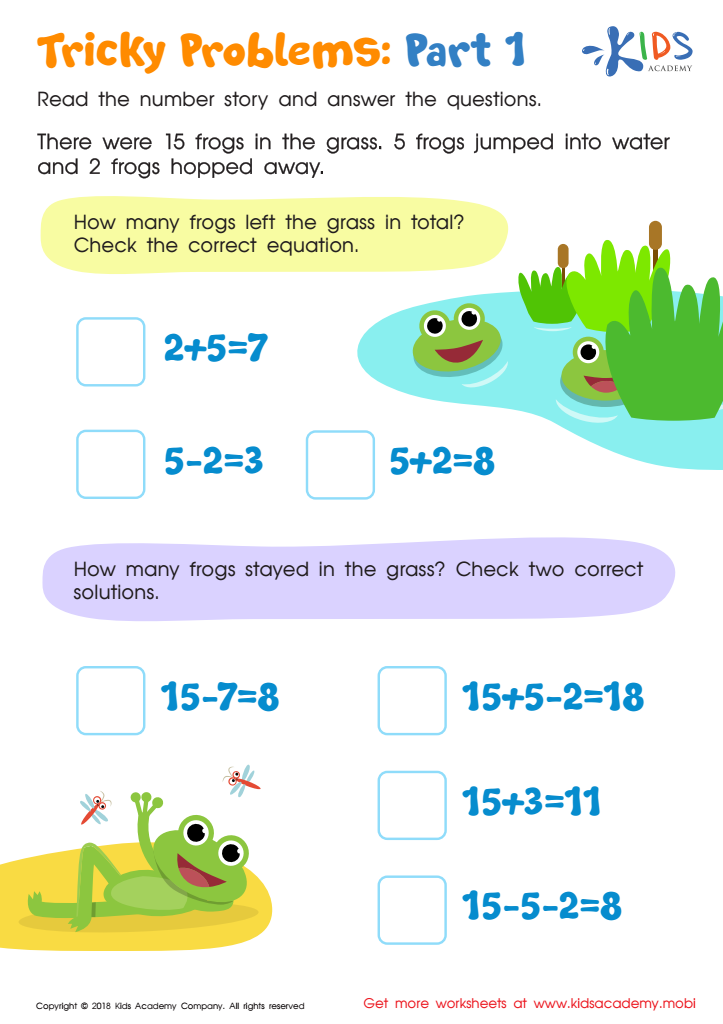
Tricky Problems Worksheet: Part 1
 Assign to My Students
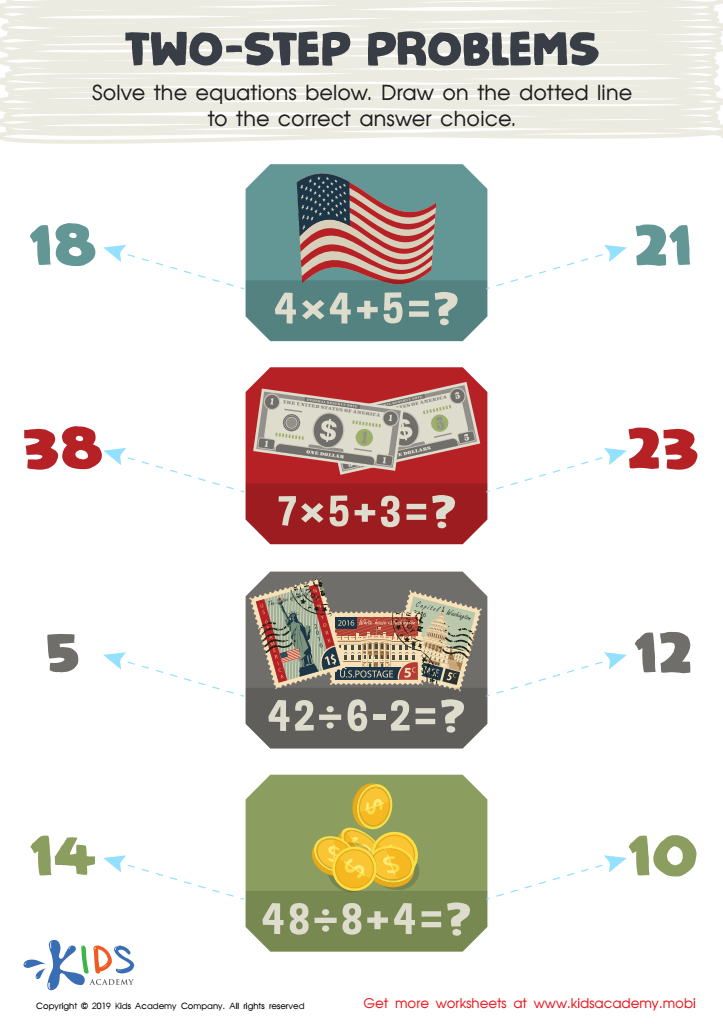
Two-Step Problems Worksheet
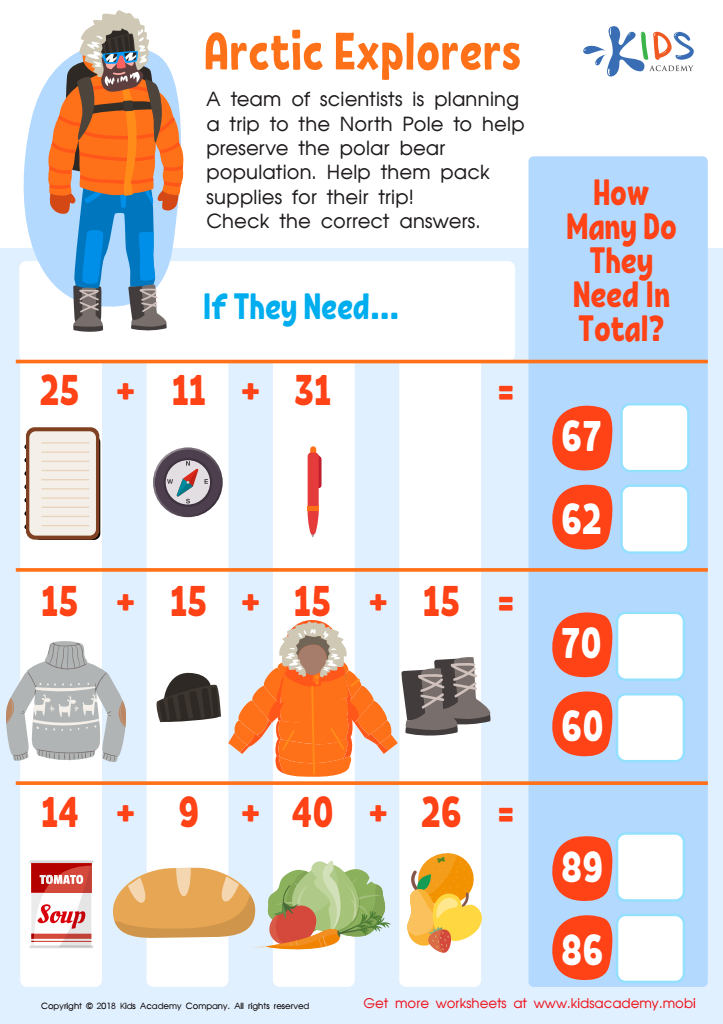
Arctic Explorers Worksheet
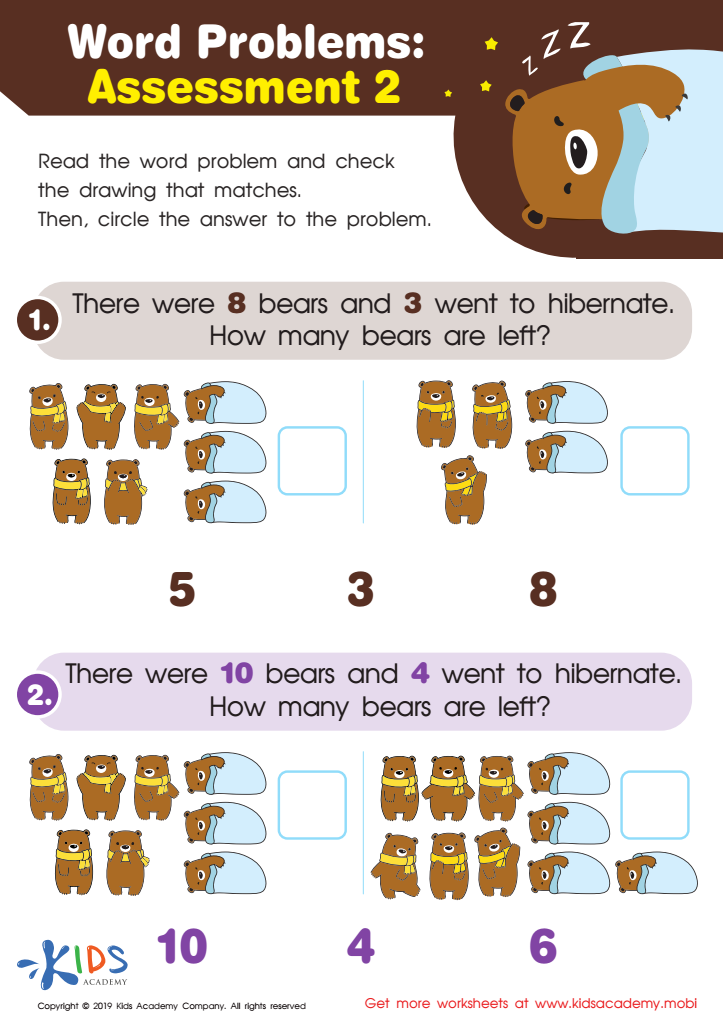
Word Problems: Assessment 2 Worksheet
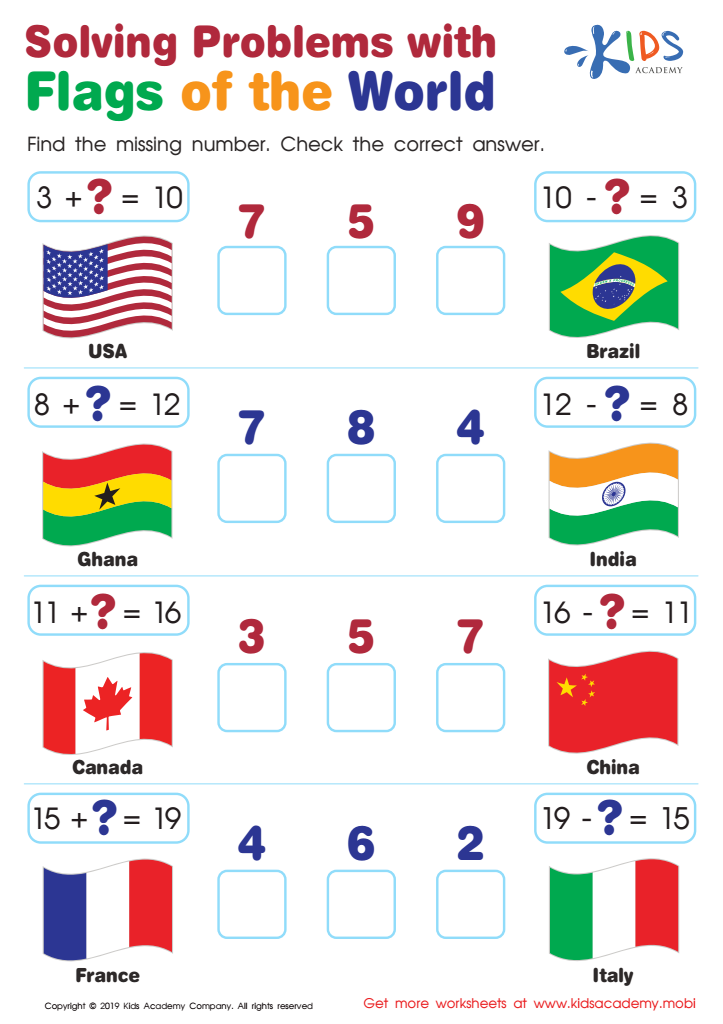
Solving Problems with Flags of the World Worksheet
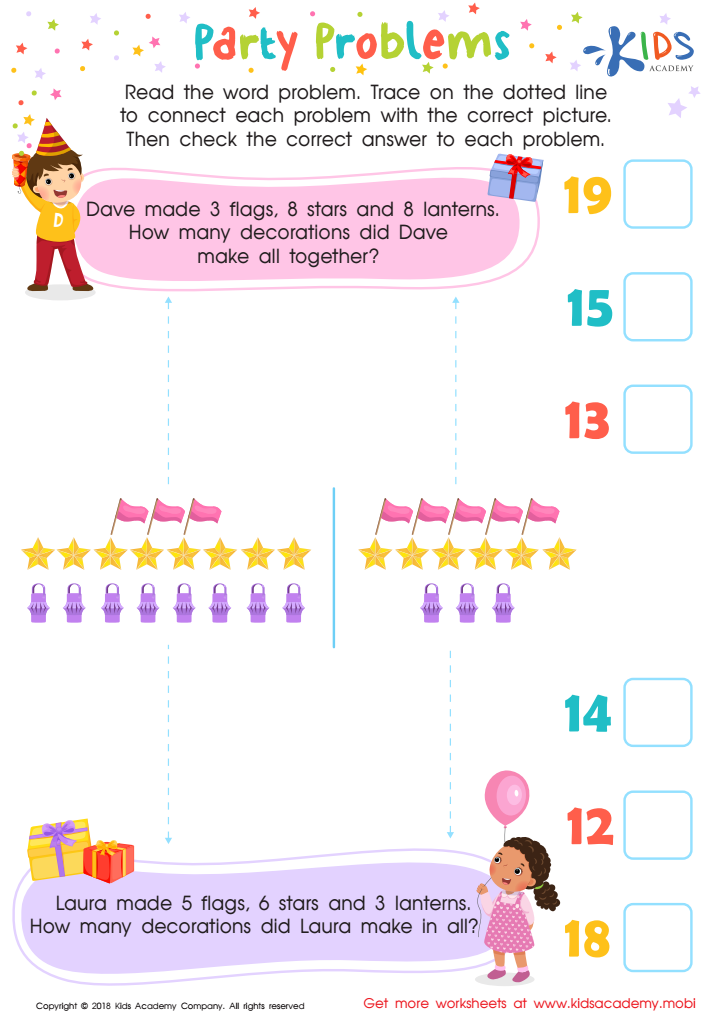
Party Problems Worksheet








Critical Thinking in Normal Addition and Subtraction is essential for children aged 5-8 as it lays the foundation for effective problem-solving and reasoning skills. During these formative years, children are naturally curious and eager to explore mathematical concepts. Encouraging critical thinking helps them understand not just how to perform calculations but also why these operations are necessary, which enhances their overall comprehension of math.
When parents and teachers prioritize critical thinking, they promote a deeper engagement with the subject matter. Instead of rote memorization, children learn to approach problems systematically and develop strategies for finding solutions. This fosters resilience and adaptability, skills that are invaluable not only in mathematics but also in everyday life situations.
Beyond math, critical thinking in early education cultivates a growth mindset, enabling children to approach challenges with confidence. It encourages discussions, collaborations, and explorations of diverse problem-solving methods. As children communicate their thought processes, they develop language and social skills.
Moreover, nurturing these skills now prepares children for more complex concepts in later stages of education, ensuring they become not just capable mathematicians but also critical thinkers in a rapidly changing world. Thus, engaging children in critical thinking about addition and subtraction is crucial for their holistic development.








