Number Recognition Normal Addition & Subtraction Worksheets for Ages 5-8 - Page 2
42 filtered results
-
From - To
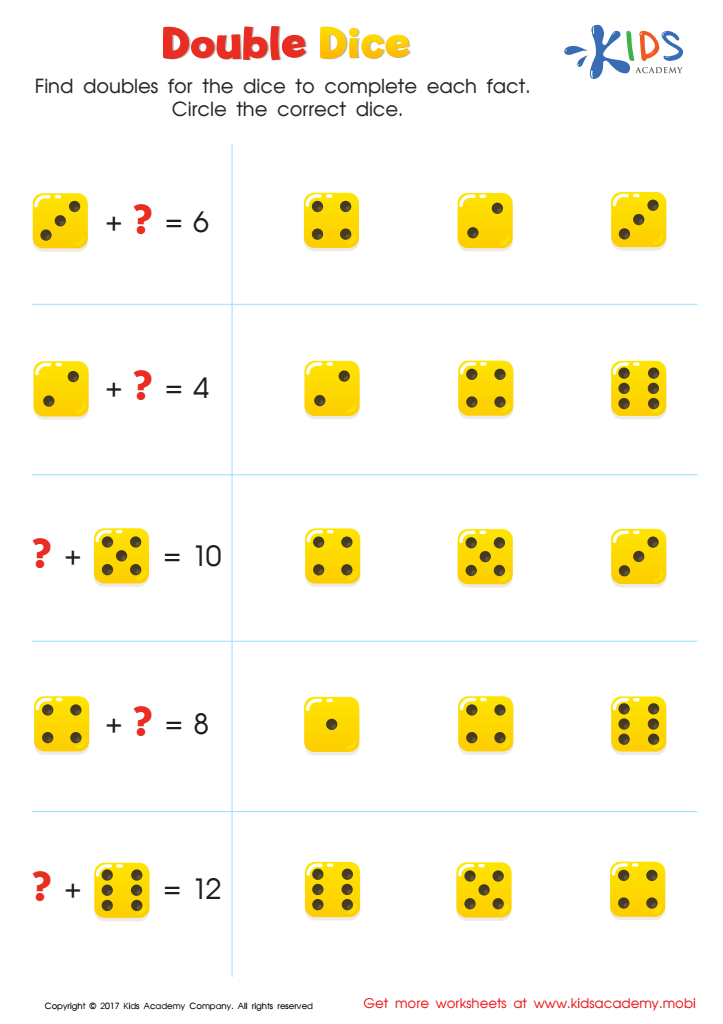
Addition Facts: Double Dice Worksheet
 Assign to My Students
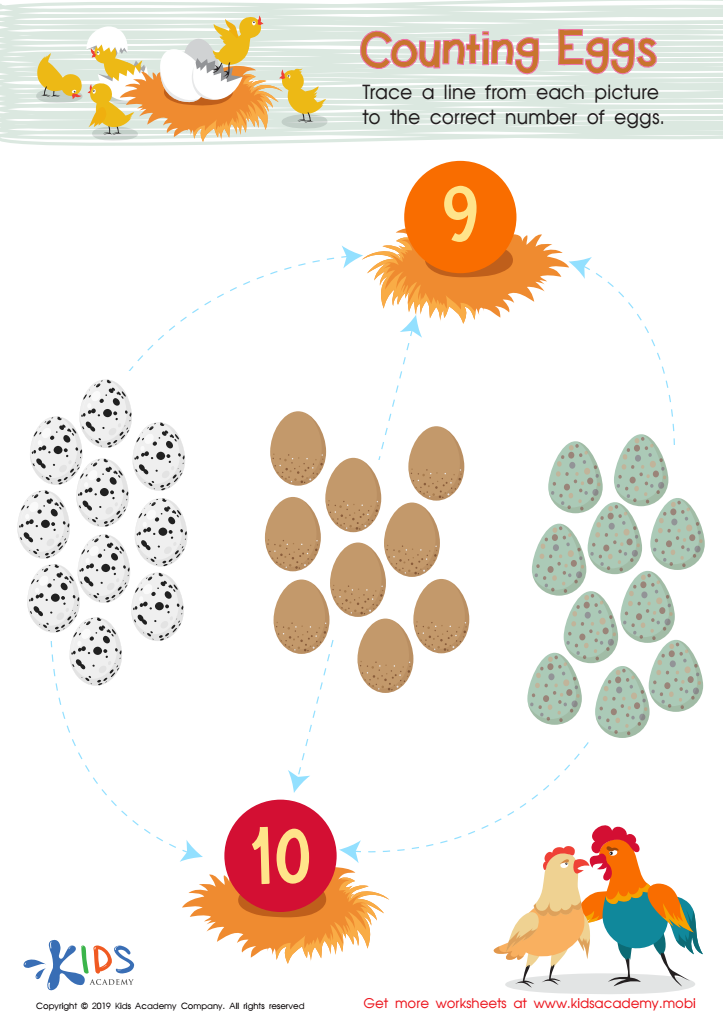
Counting Eggs Worksheet
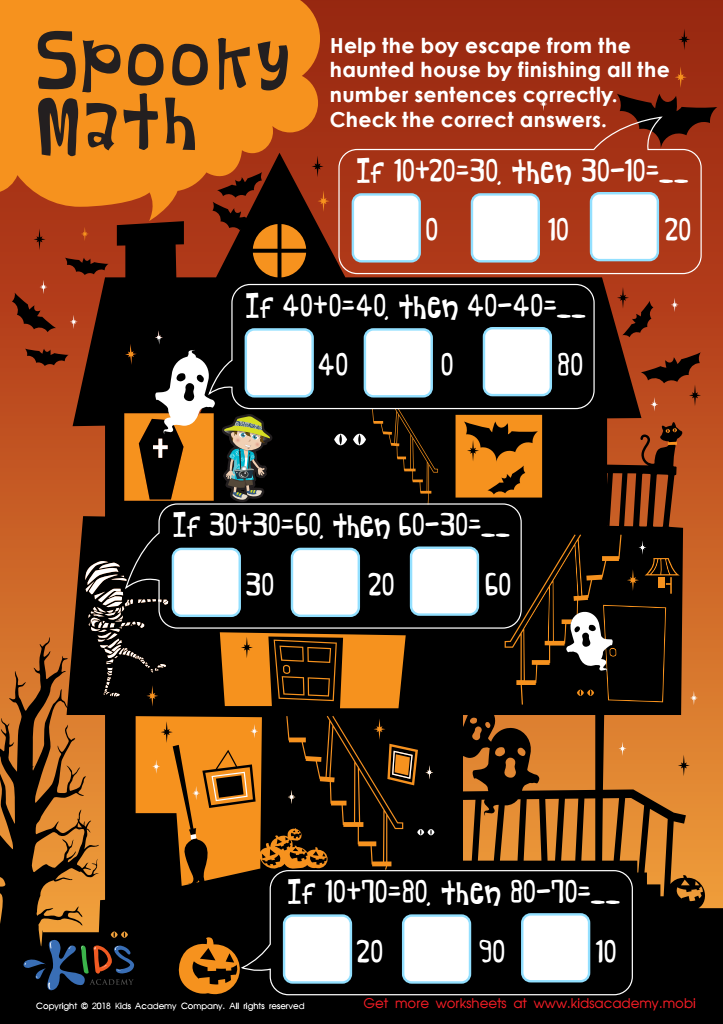
Subtract Tens: Spooky Math Worksheet
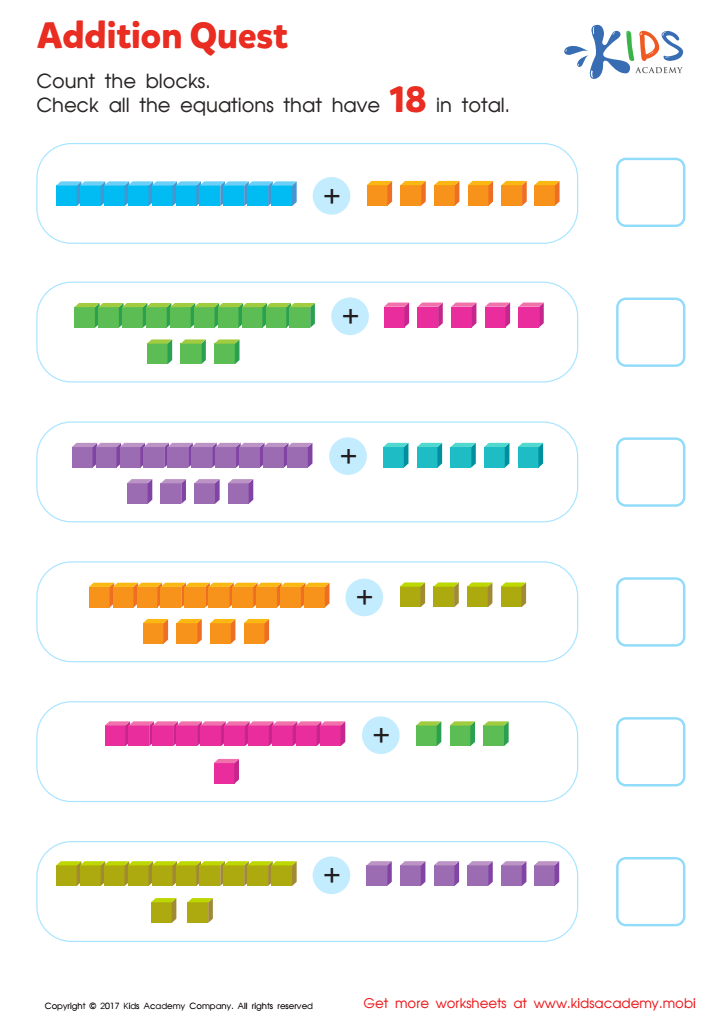
Addition Quest Worksheet: Part 2
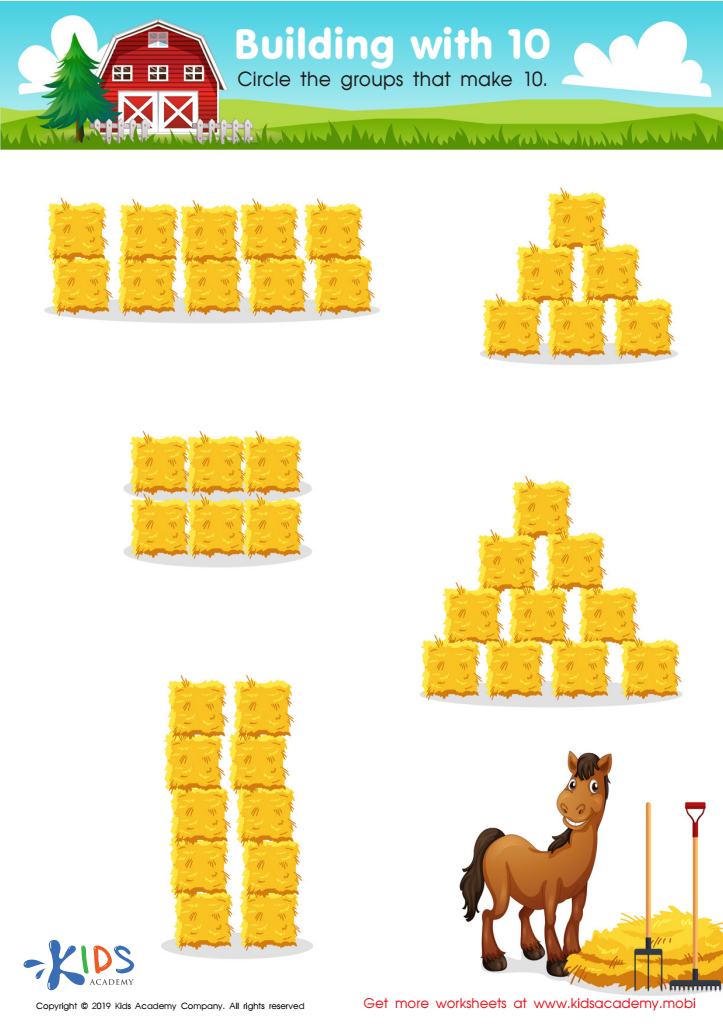
Building with 10 Worksheet
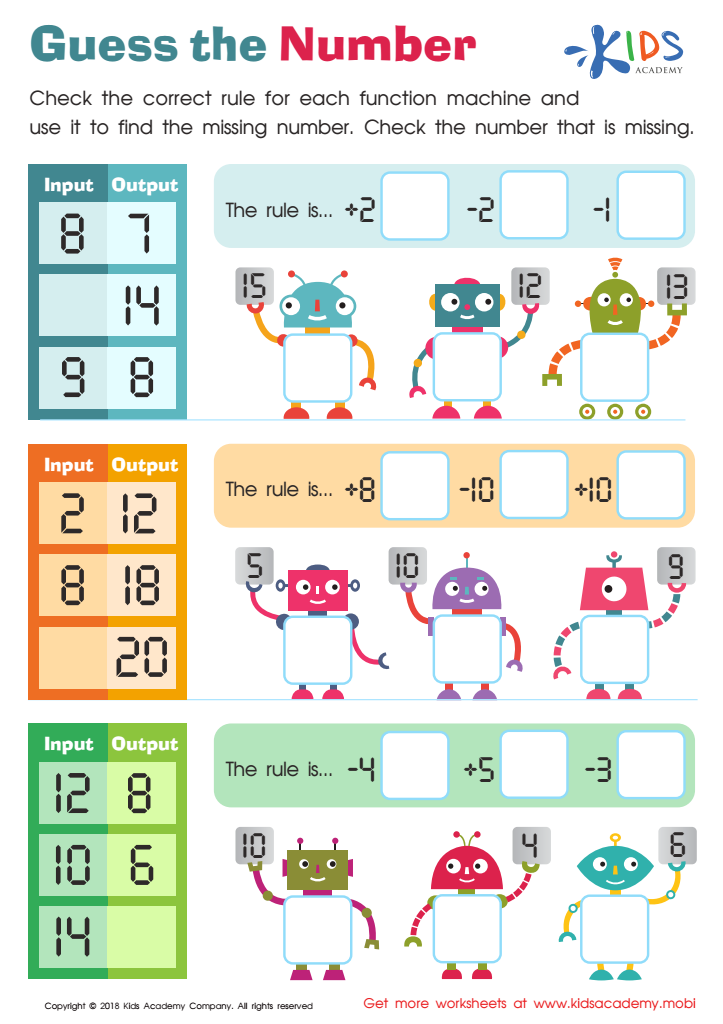
Guess the Number Worksheet
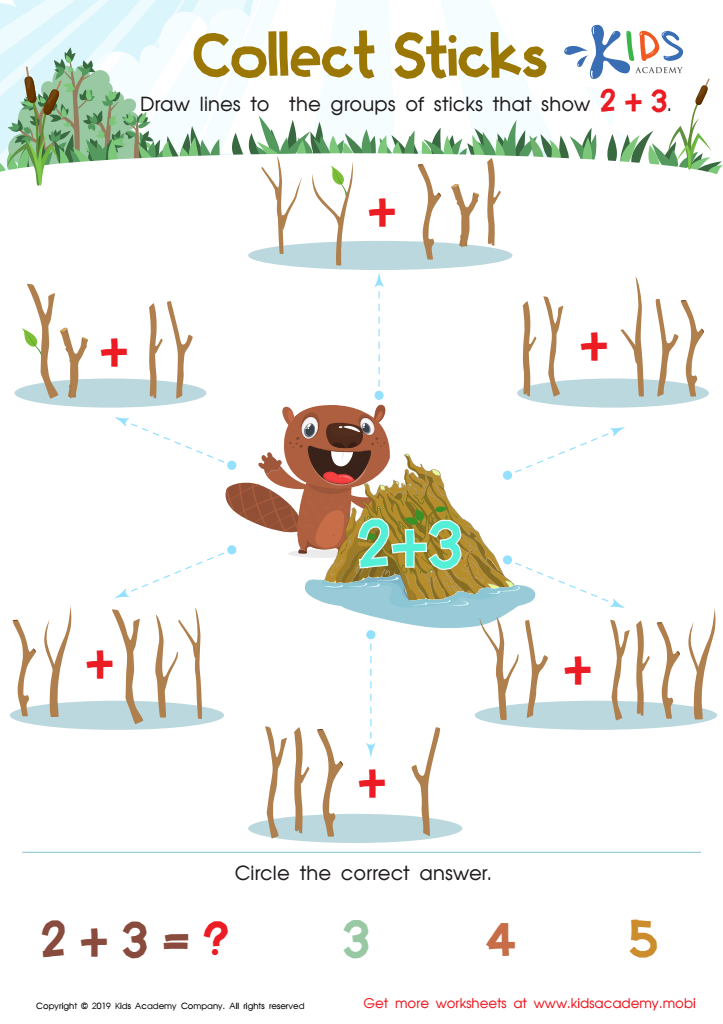
Collect Sticks Worksheet
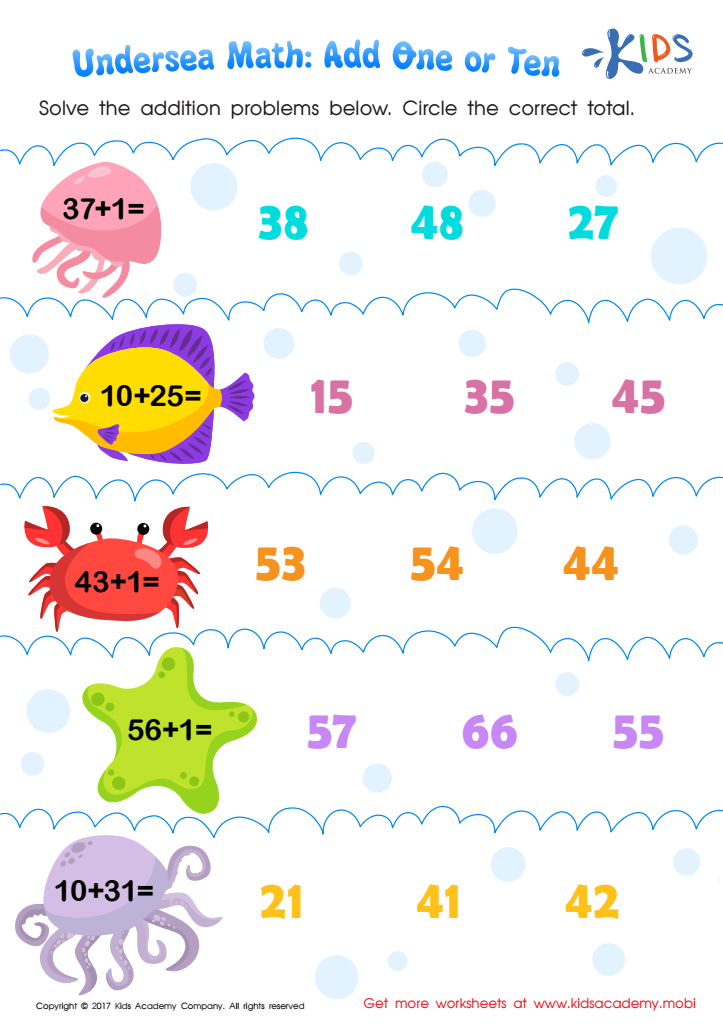
Undersea Math Worksheet
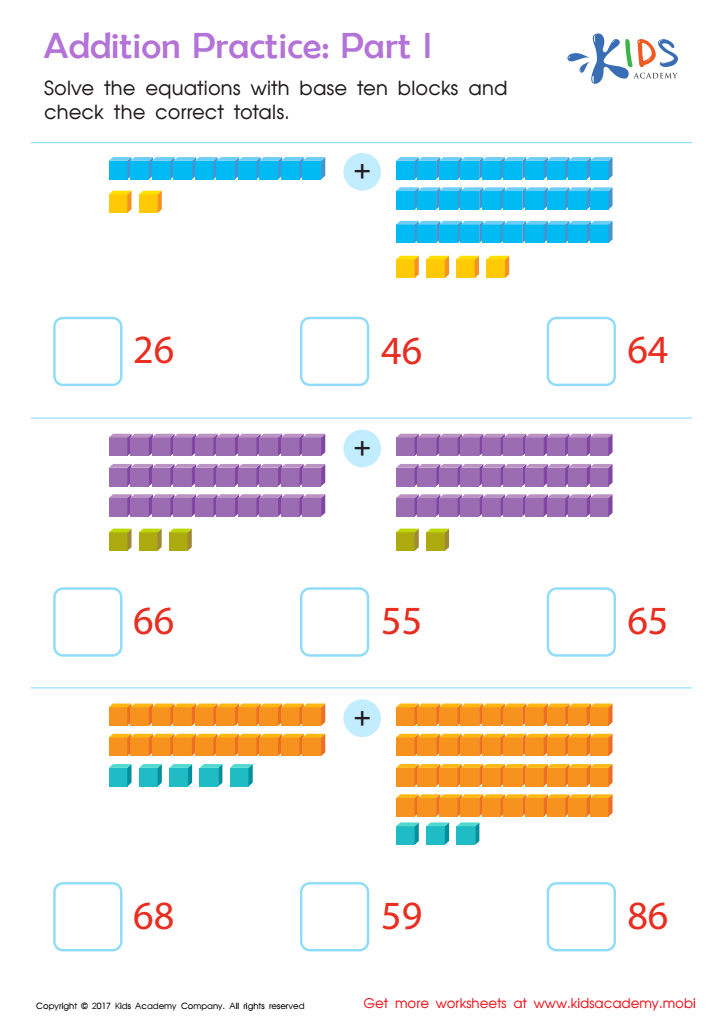
Addition Practice Sheet: Part 1
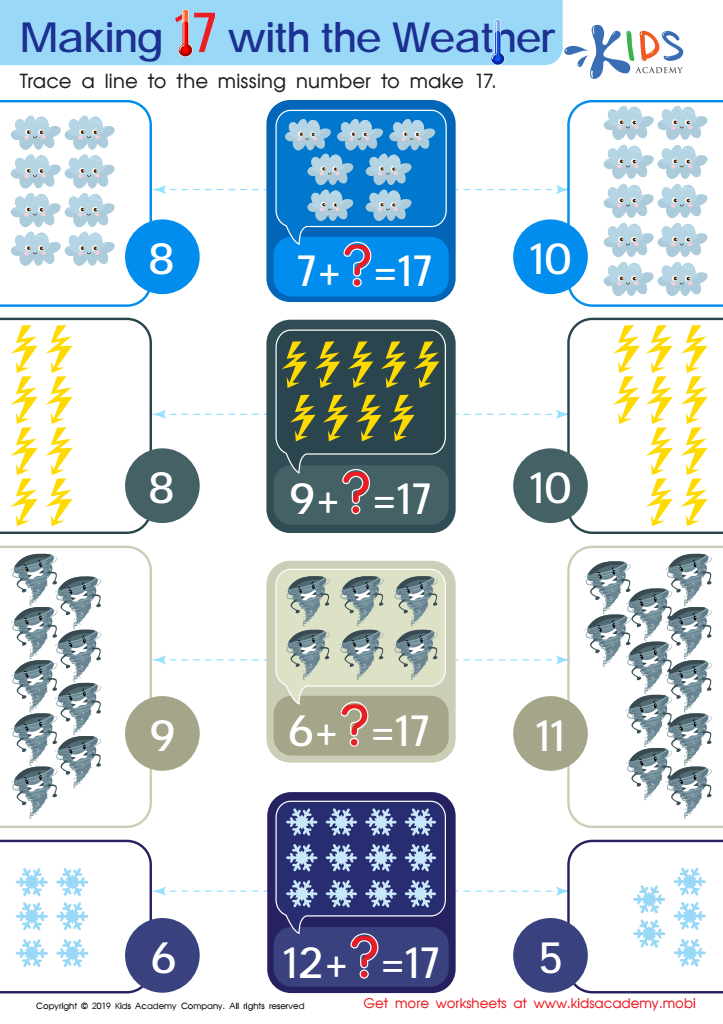
Making 17 with the Weather Worksheet
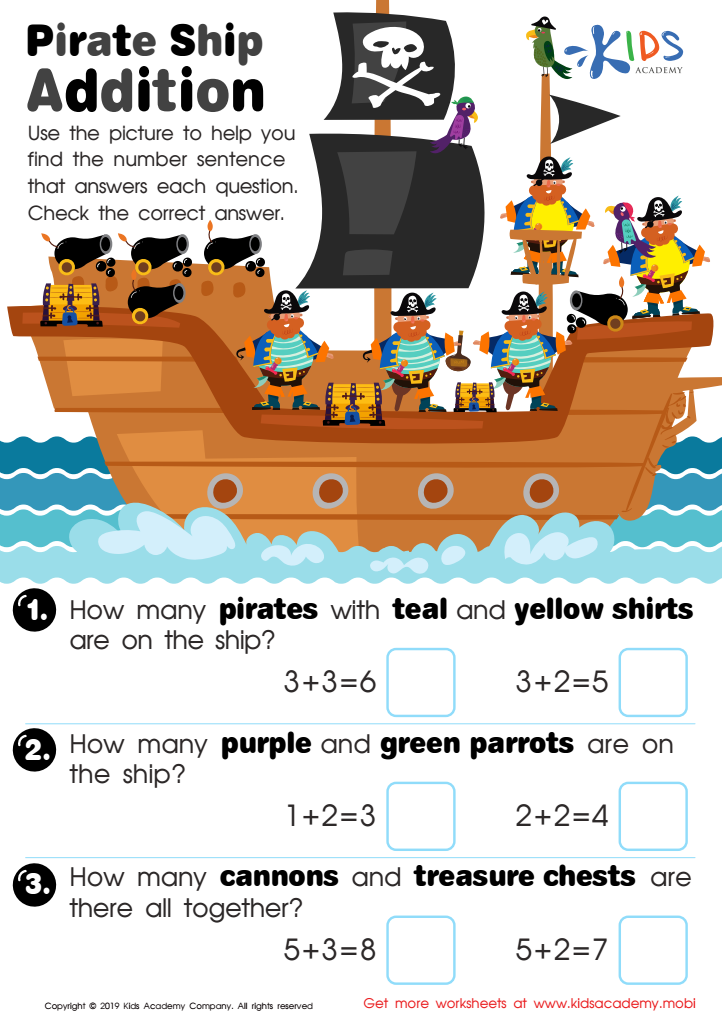
Pirate Ship Addition Worksheet
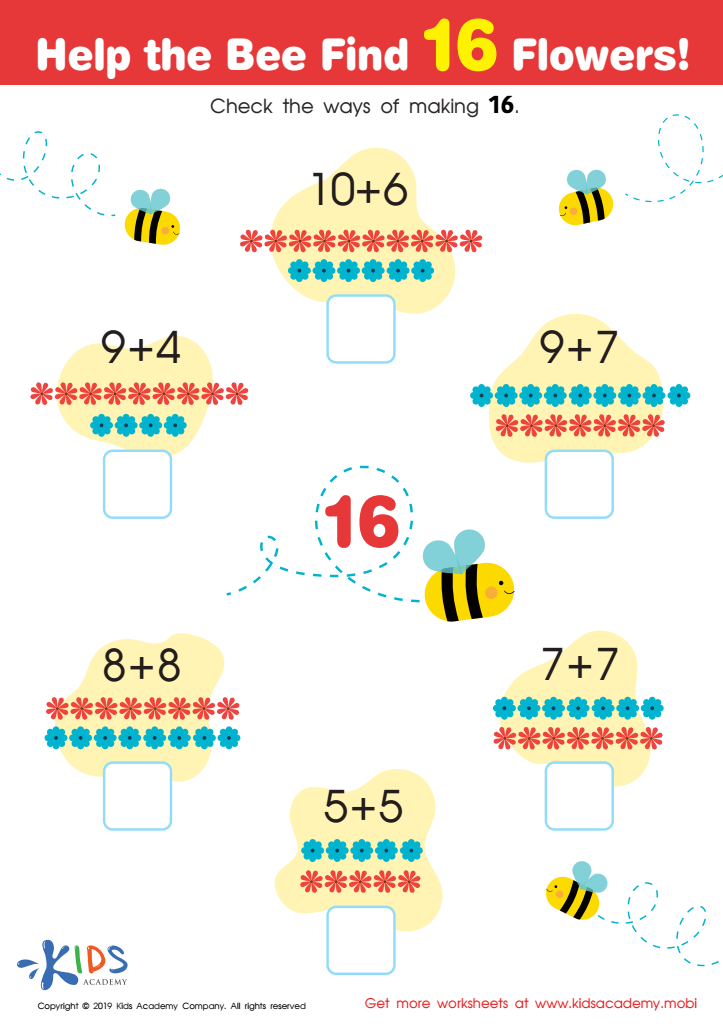
Help the Bee Find 16 Flowers Worksheet
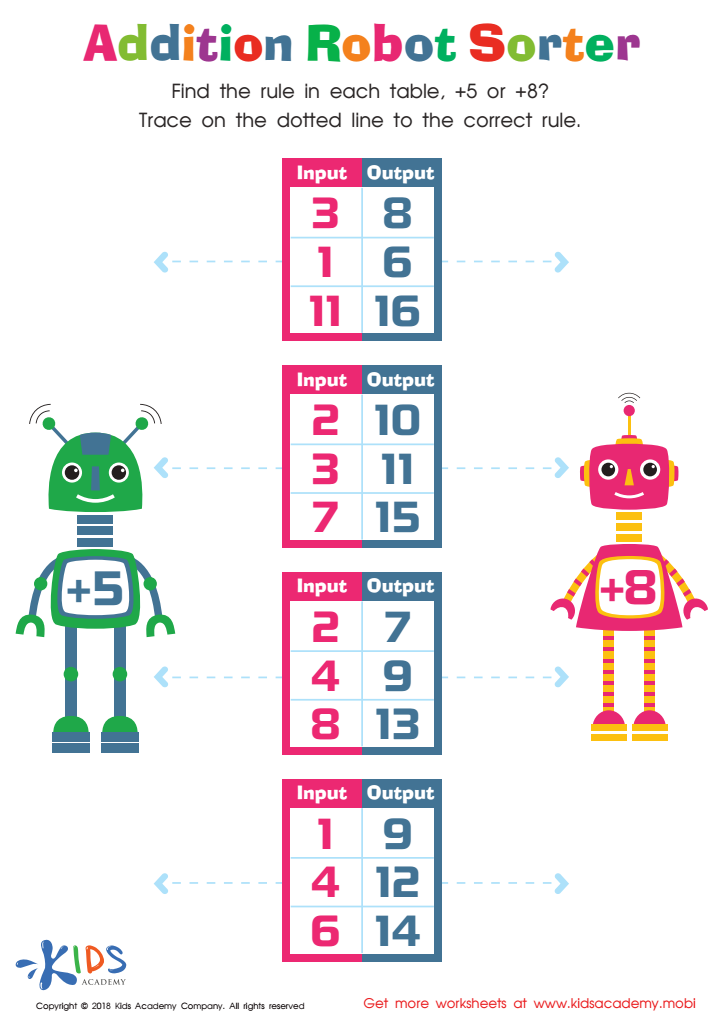
Addition Robot Sorter Worksheet
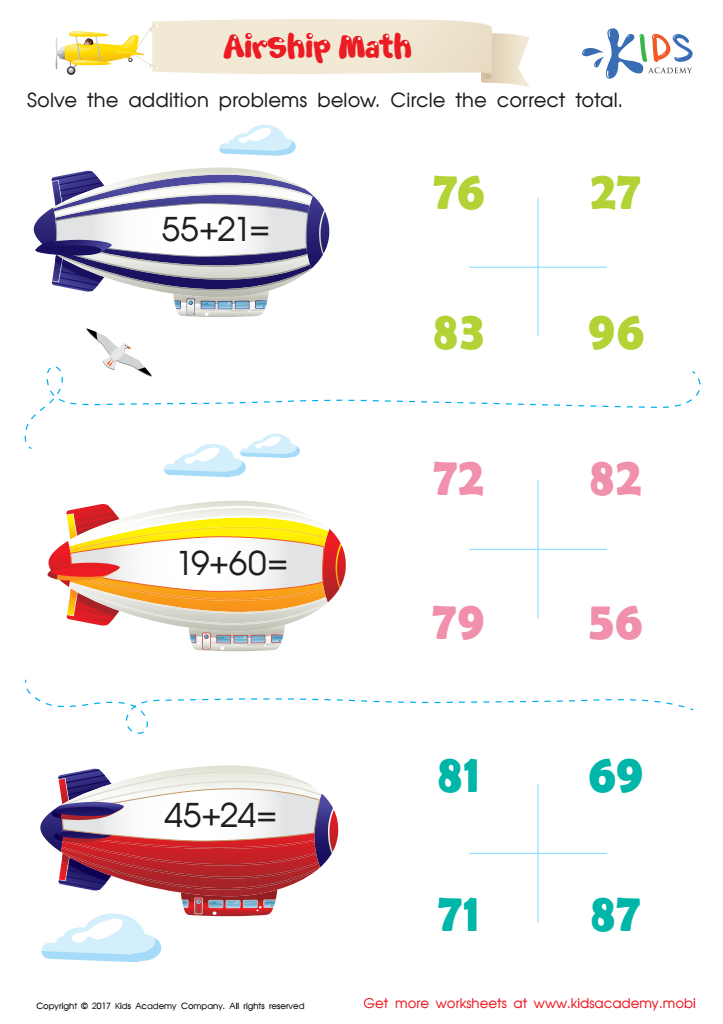
Airship Math Addition Printable
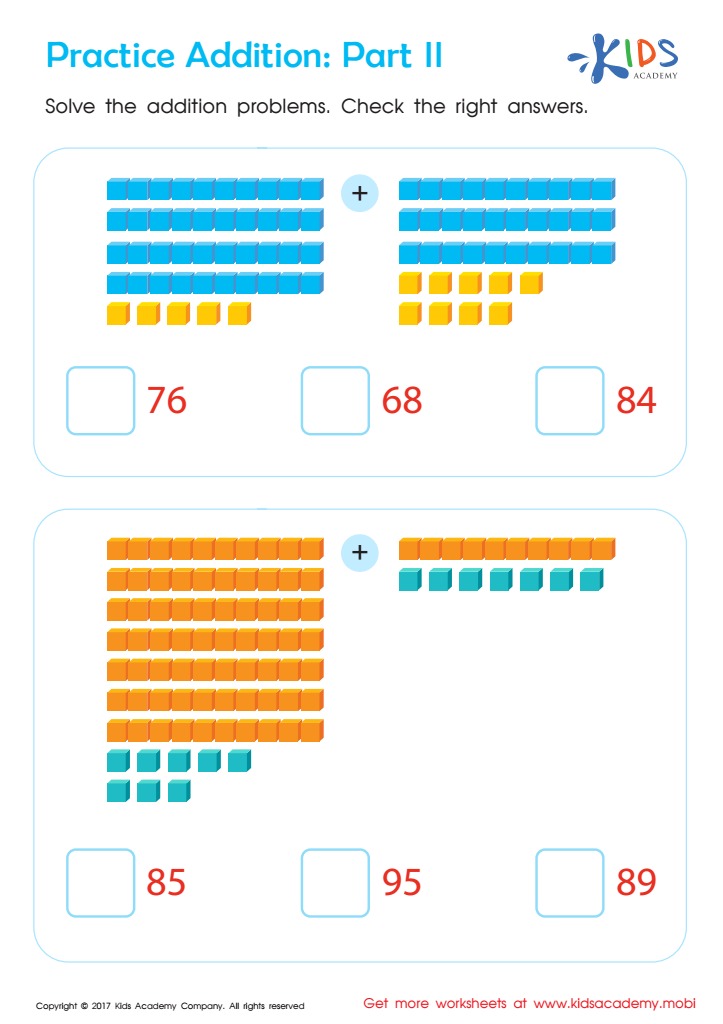
Practice Addition: Part 2 Worksheet
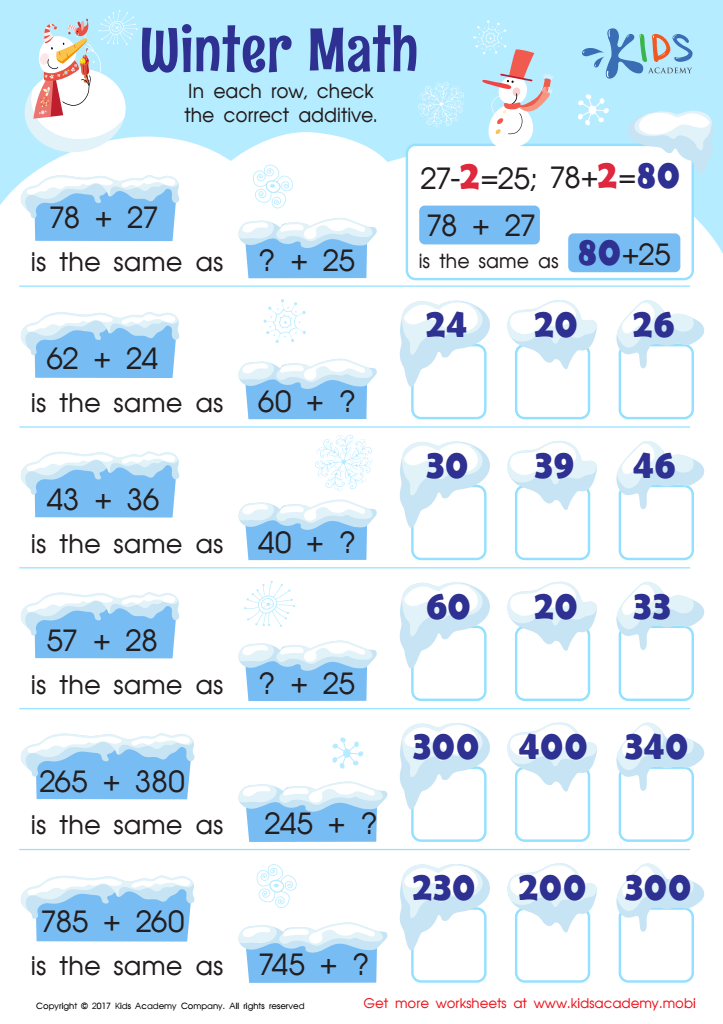
Free Addition Worksheet
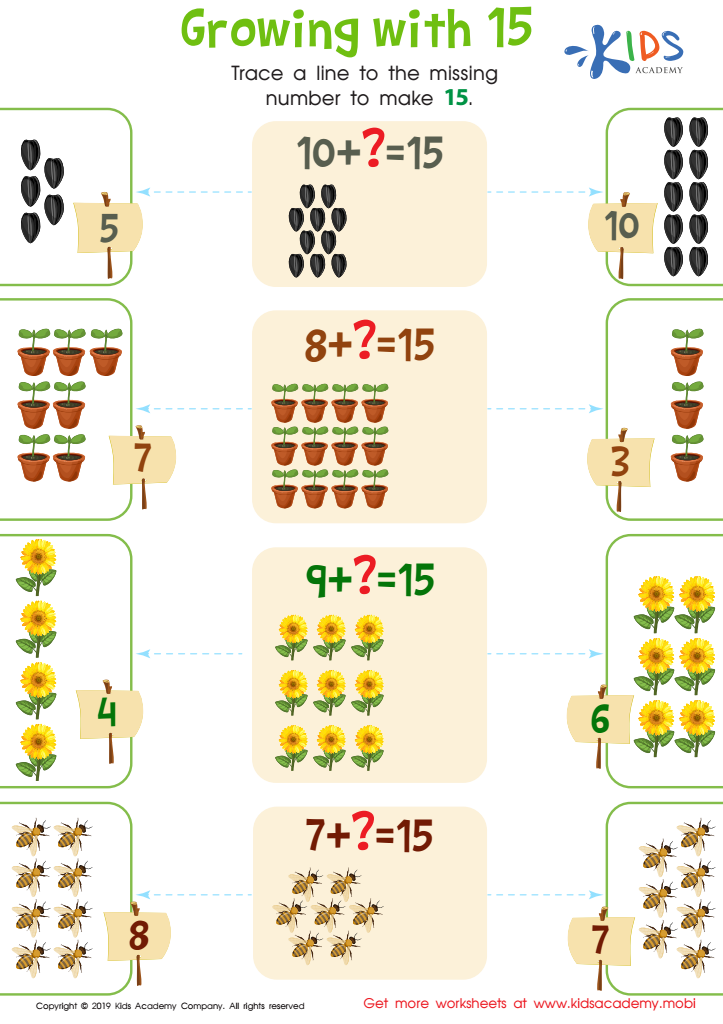
Growing with 15 Worksheet
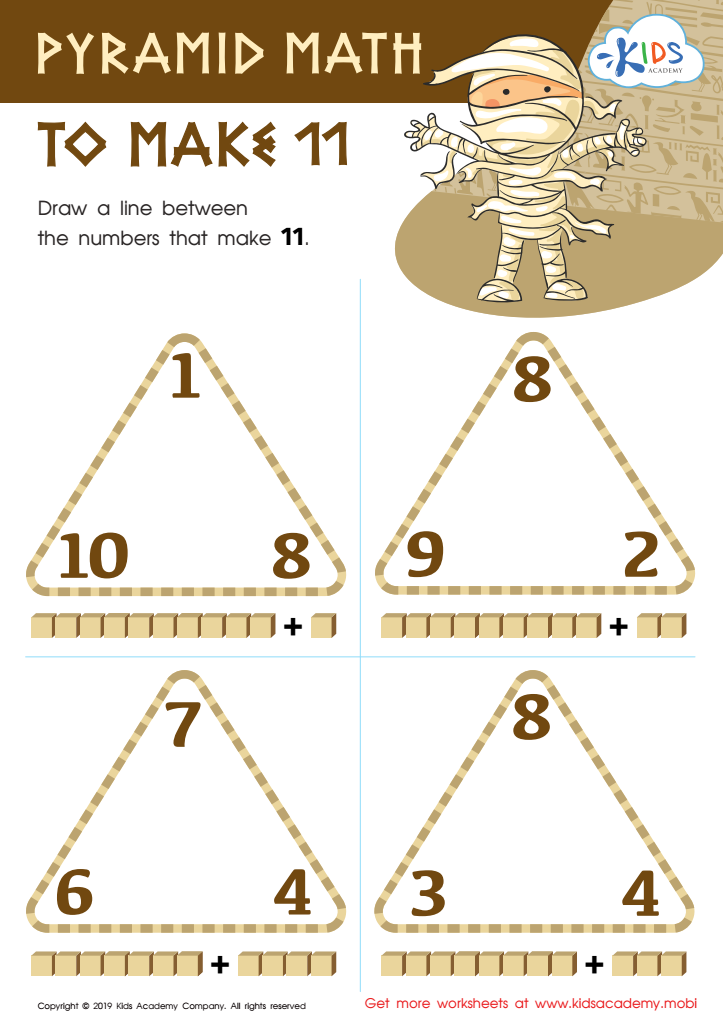
Pyramid Math to Make 11 Worksheet








Number recognition, along with normal addition and subtraction, is crucial for children aged 5-8 for several reasons. During these early formative years, foundational math skills are developed, which are essential for future learning and daily life. Understanding numbers allows children to identify and compare quantities, fostering critical thinking and problem-solving abilities.
Parents and teachers should care because number recognition is linked to early literacy, leading to better academic performance overall. When young learners grasp basic math concepts, it boosts their confidence and motivates them to tackle more complex problems as they progress. Additionally, mastering addition and subtraction provides children with the skills needed for real-world applications, such as budgeting, cooking, and sharing equally.
In a rapidly evolving world increasingly reliant on technology, fostering mathematical skills early creates a solid basis for future STEM education. Engaging in activities that focus on these skills can enhance children's cognitive development and stimulate their curiosity about math. Moreover, collaborative games and exercises result in social development, turning learning into an enjoyable experience. By prioritizing number recognition and arithmetic at this age, parents and teachers prepare children not only for academic success but also for emerging challenges in their personal and professional lives.








