Comparative analysis Normal Math Worksheets for Ages 5-8
3 filtered results
-
From - To
Discover the benefits of our Comparative Analysis Normal Math Worksheets specifically designed for children aged 5-8! These engaging worksheets help young learners develop essential math skills through comparative problem-solving. Kids can explore concepts such as greater than, less than, and equal to, fostering critical thinking and analytical skills. Each worksheet aligns with educational standards, ensuring age-appropriate challenges that build confidence and mastery. With varied formats and colorful designs, students stay motivated while learning. Perfect for classroom use or home practice, our resources support teachers and parents in guiding children through their early math journey. Empower your child with fun math practice today!
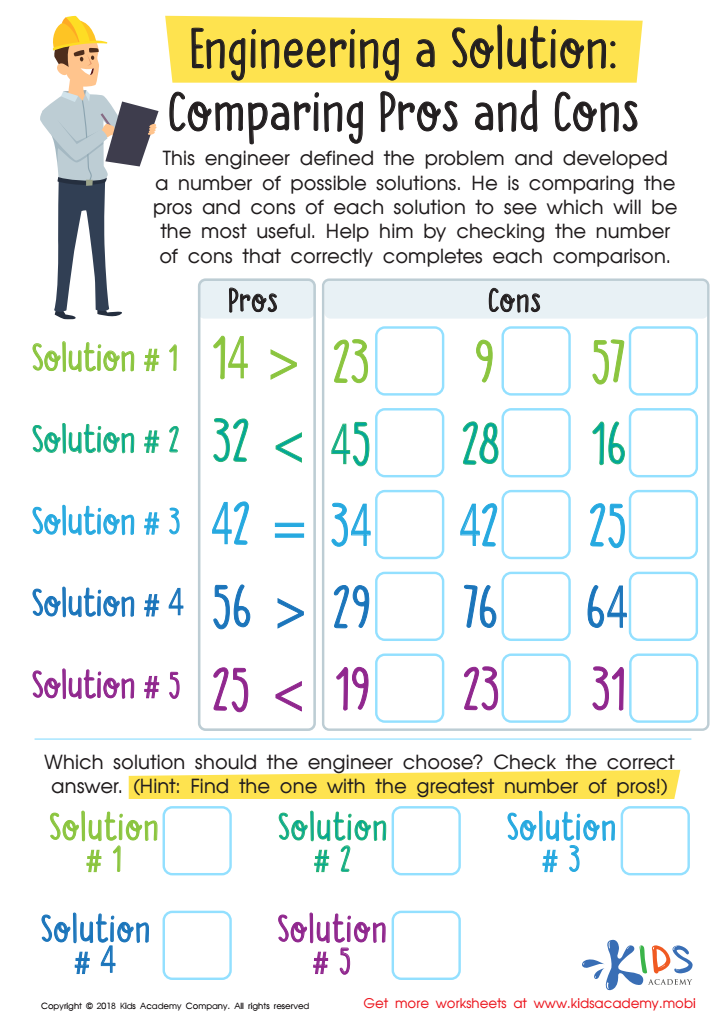
Engineering a Solution: Comparing Pros and Cons Worksheet
 Assign to My Students
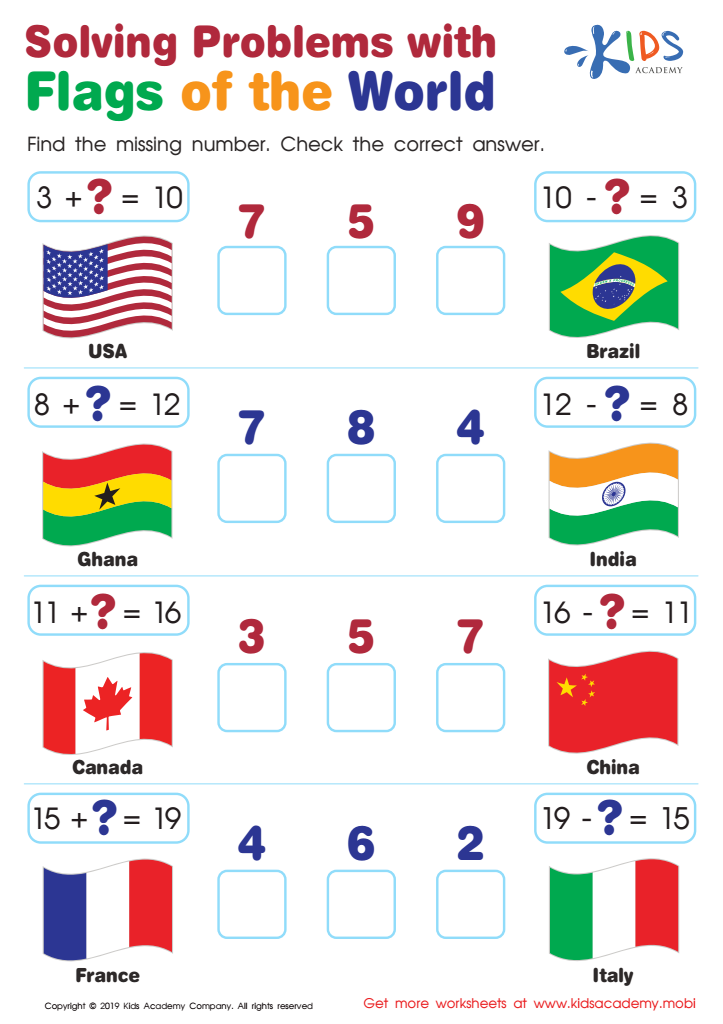
Solving Problems with Flags of the World Worksheet
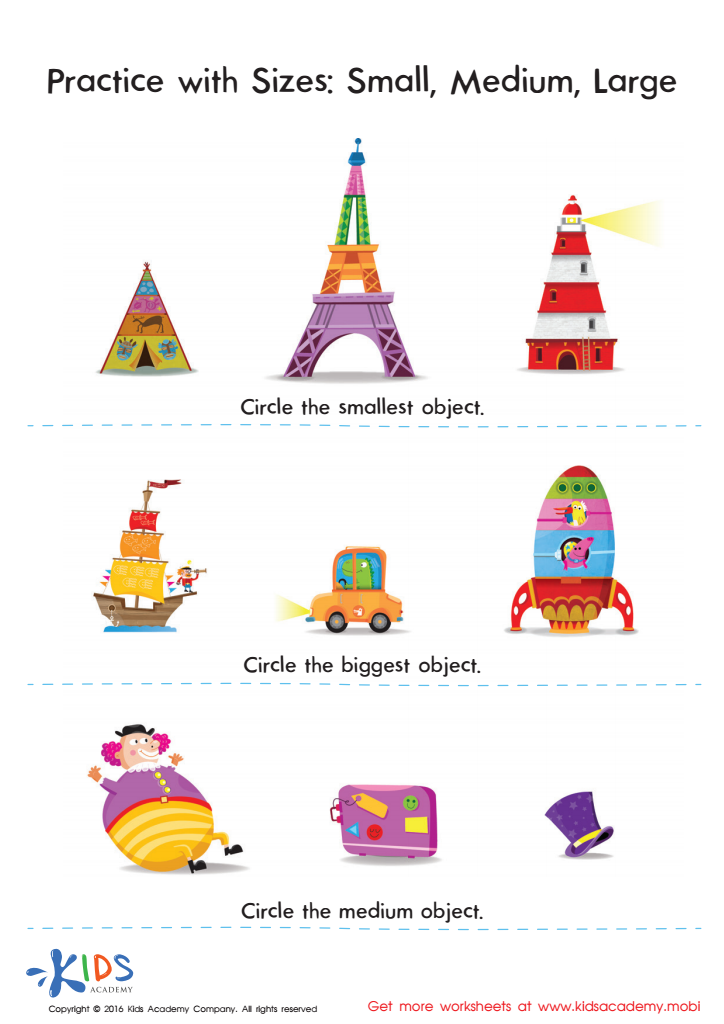







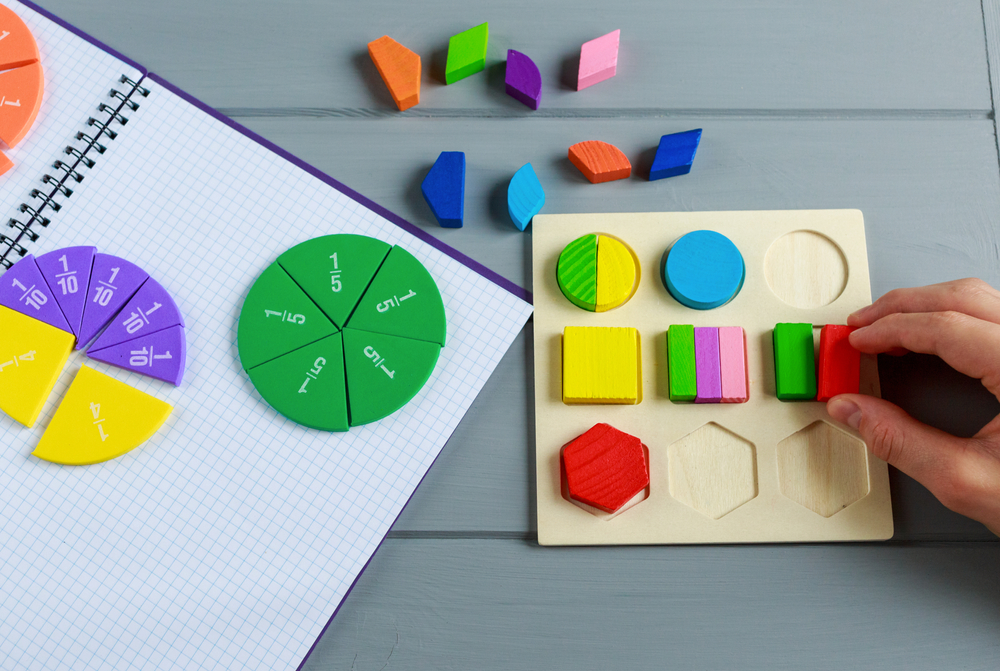
Comparative analysis in normal math for children ages 5-8 is crucial for fostering a deep understanding of mathematical concepts. During these formative years, children transition from basic number recognition to understanding various operations, patterns, and relationships in math. By focusing on comparative analysis, parents and teachers can help children discern similarities and differences between various math concepts, enhancing critical thinking skills and aiding in problem-solving abilities.
Engaging children in activities that encourage them to compare quantities, shapes, or sequences lays the groundwork for higher-level math understanding. This approach breaks lessons down into relatable terms, making challenging math ideas more accessible for young learners. It also promotes a mindset of inquiry, encouraging children to explore mathematical ideas rather than simply memorizing procedures.
Furthermore, fostering comparative skills can build a strong mathematical foundation that has lasting implications on future learning. Engaging discussions around comparisons helps children articulate their reasoning and enhances their communication skills. Ultimately, when parents and teachers prioritize comparative analysis in math, they support children’s holistic growth, making math not only a subject they learn but also a skill they become excited about. Therefore, recognizing its value in early education is vital in shaping math competence and confidence in our young learners.








