Normal Reading Worksheets for Ages 5-8 - Page 13
354 filtered results
-
From - To
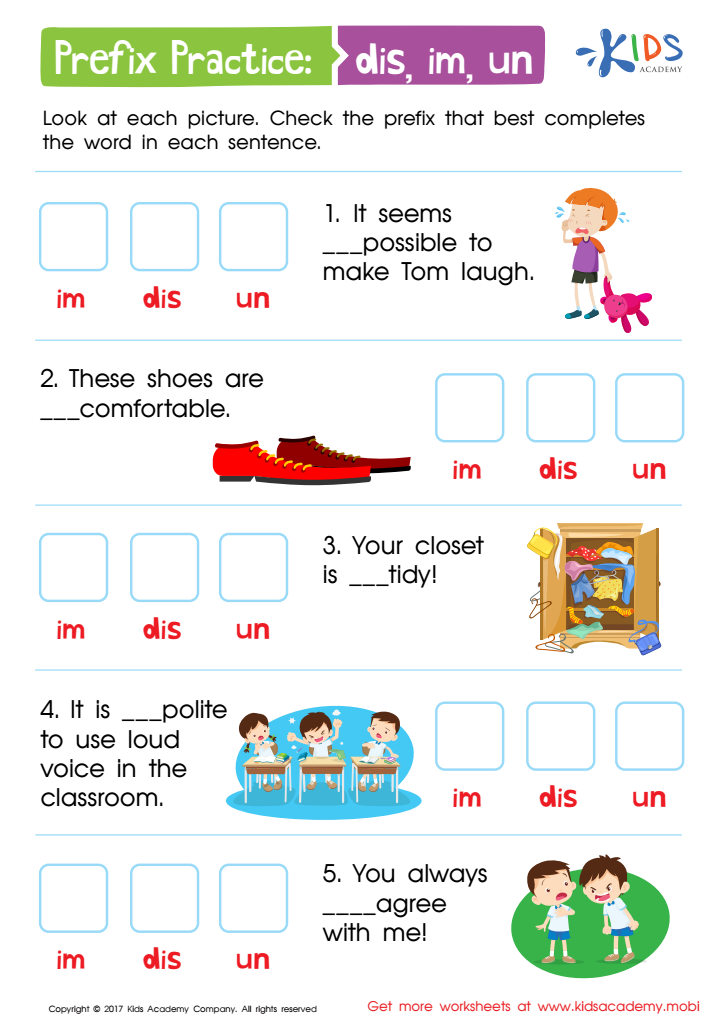
Prefix Practice Worksheet: DIS, IM, UM
 Assign to My Students
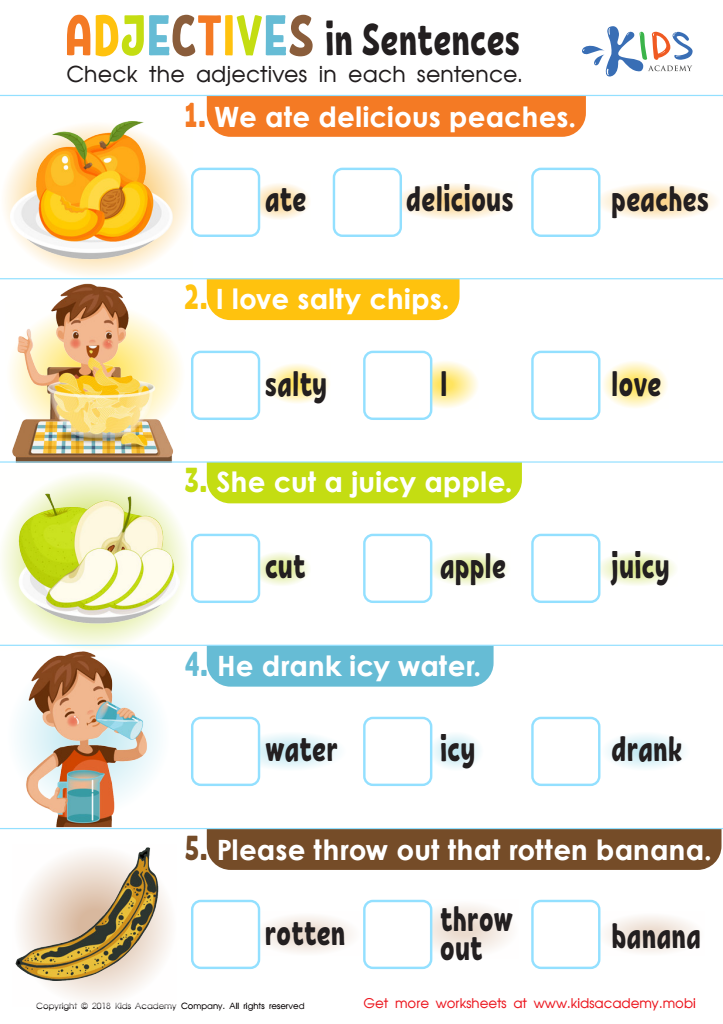
Adjectives in Sentences Worksheet
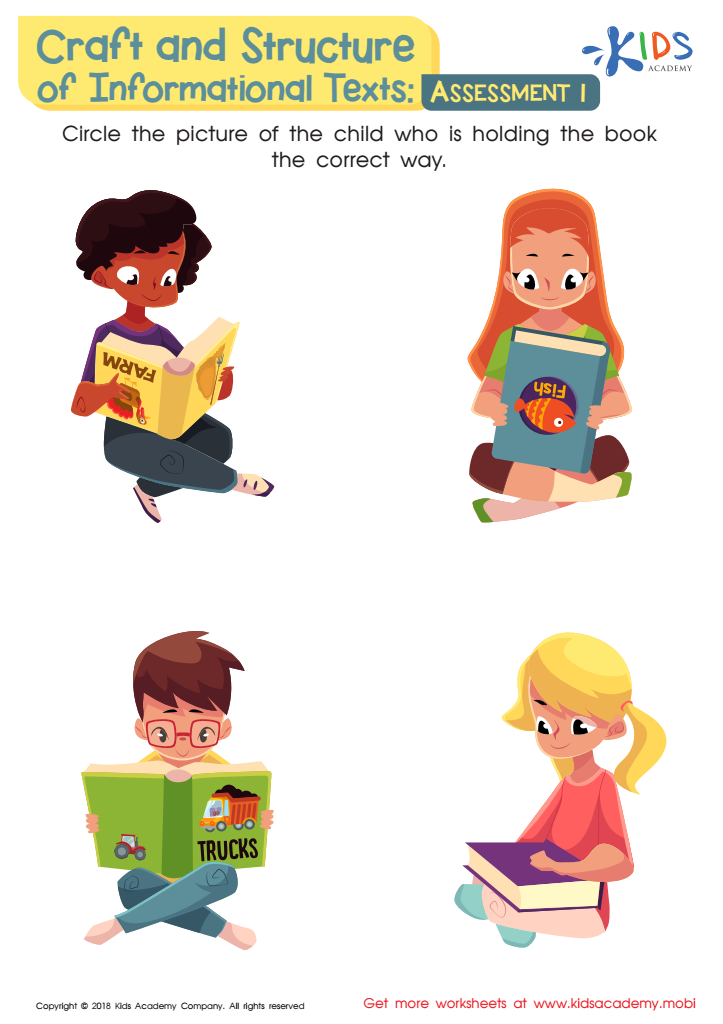
Craft and Structure of Informational Texts: Assessment 1 Worksheet
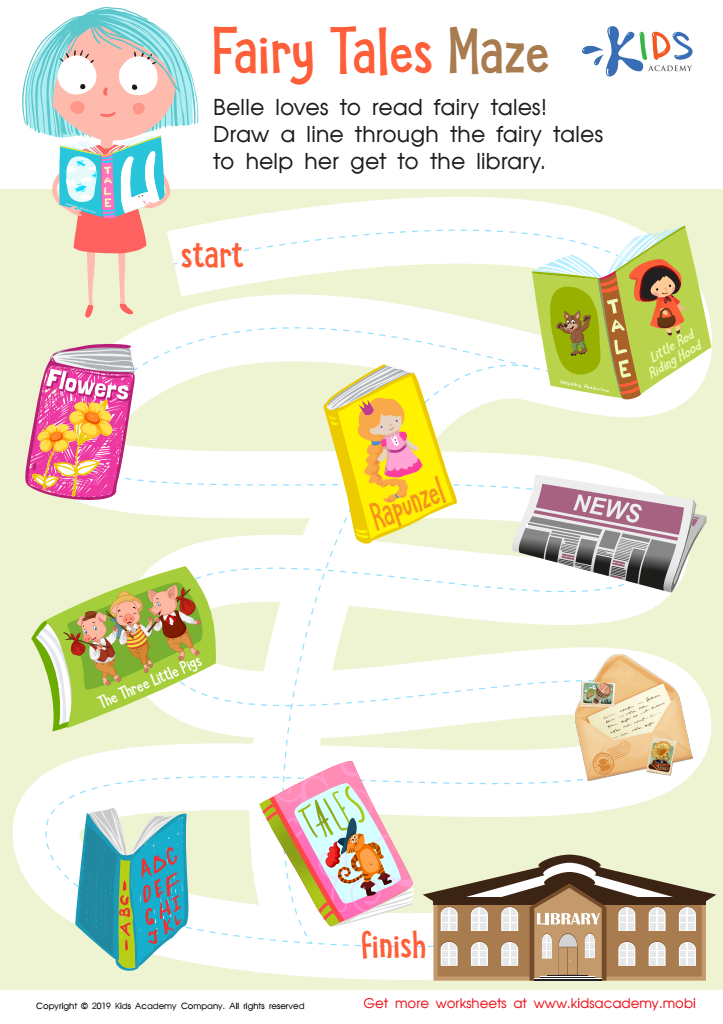
Fairy Tales Maze Worksheet
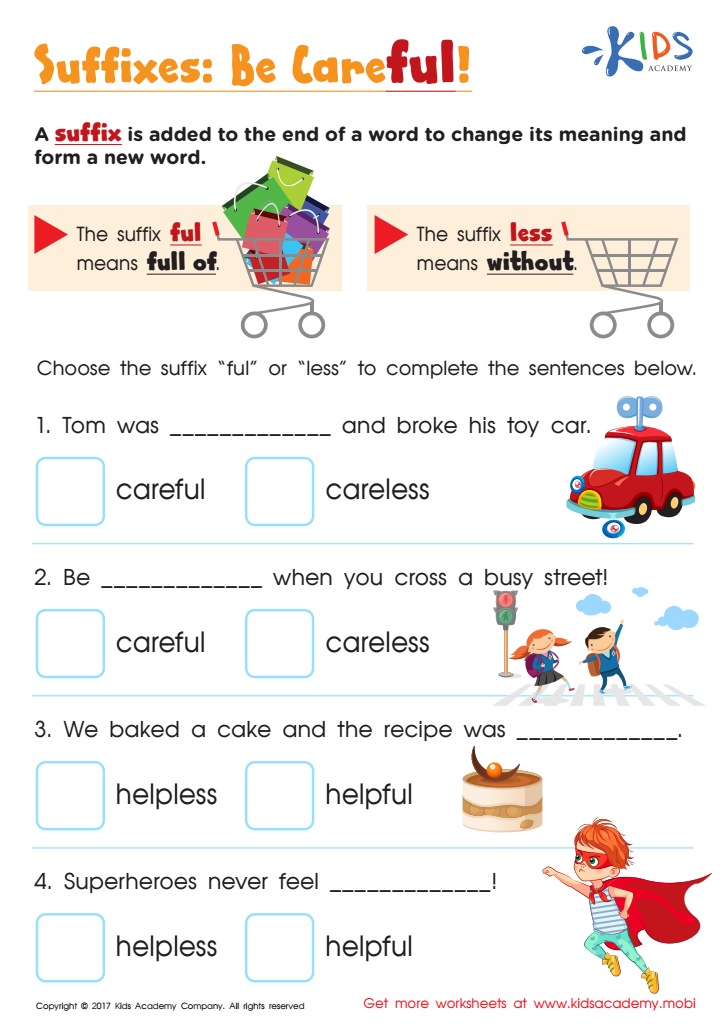
Suffixes Ful and Less Worksheet
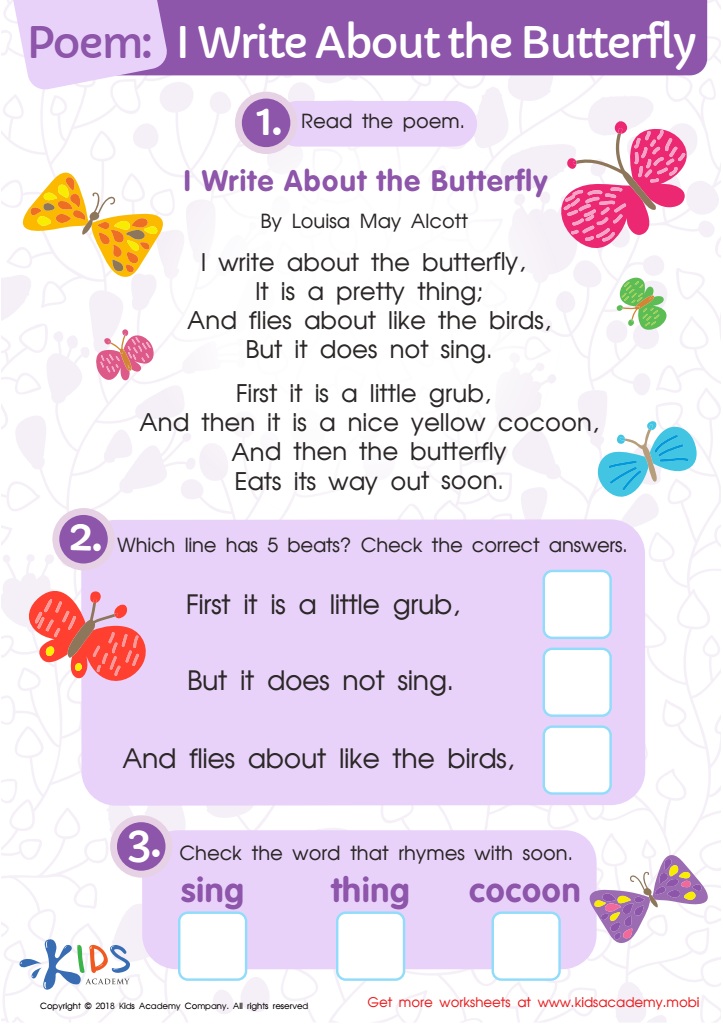
Poem: I Write About The Butterfly Worksheet
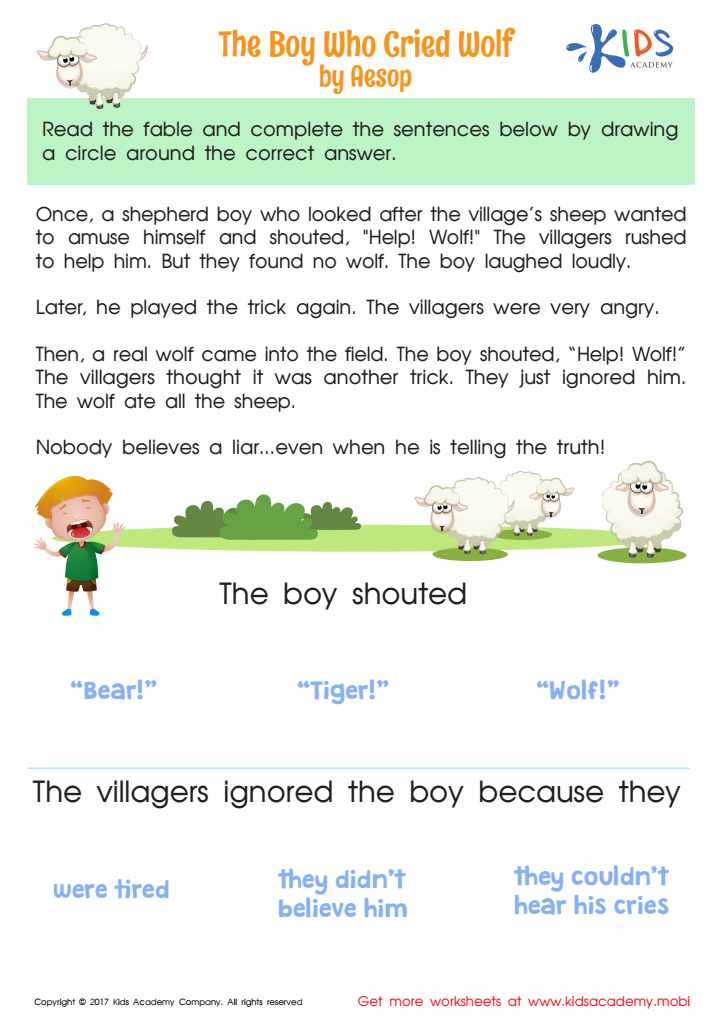
The Boy Who Cried Wolf Worksheet
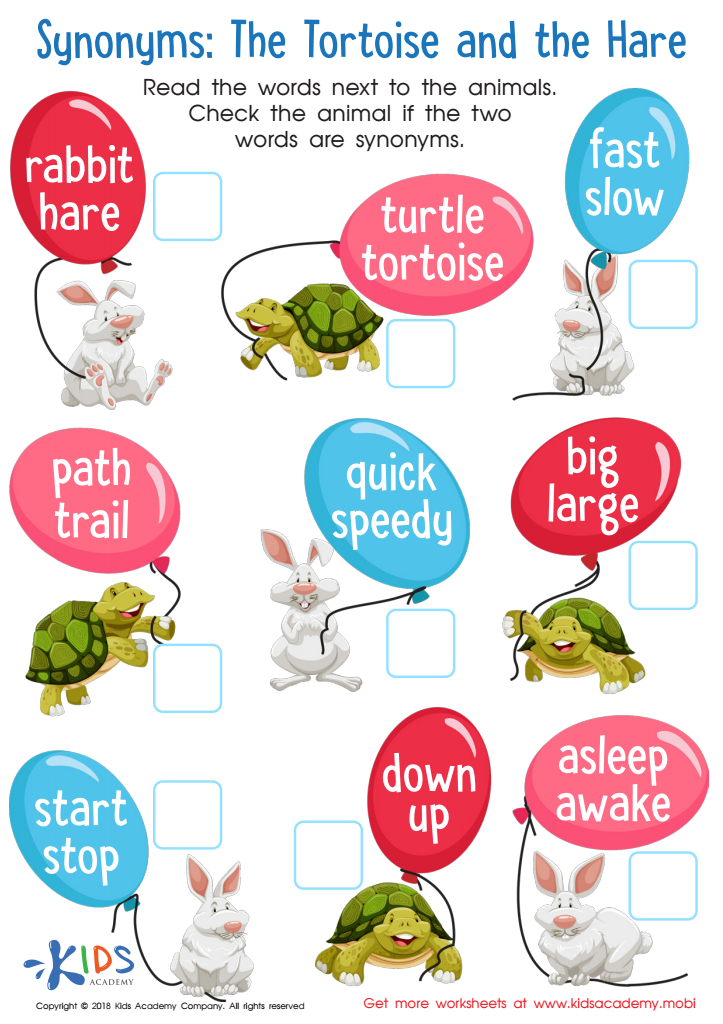
Synonyms: The Tortoise and Hare Worksheet
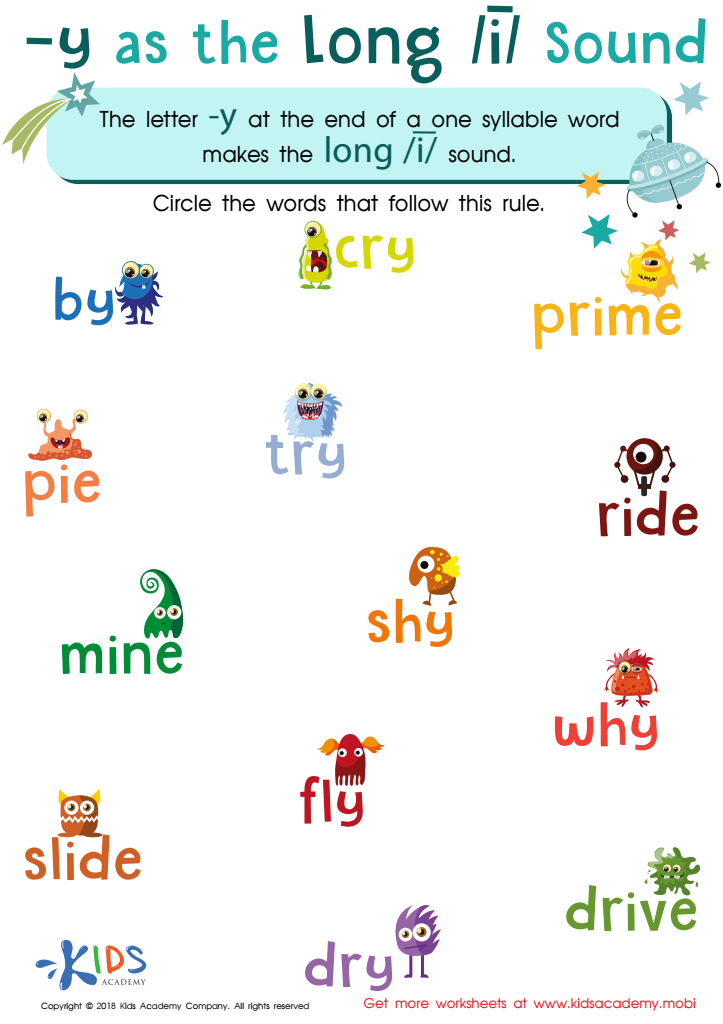
Reading: Y as Long I Worksheet
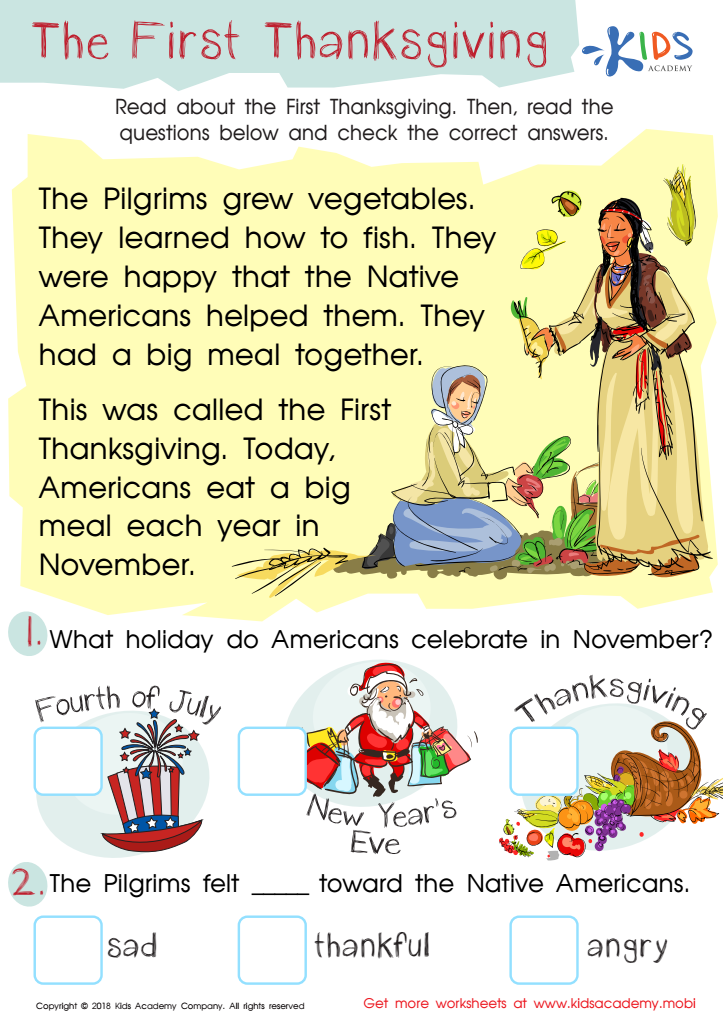
Assessment: First Thanksgiving Worksheet
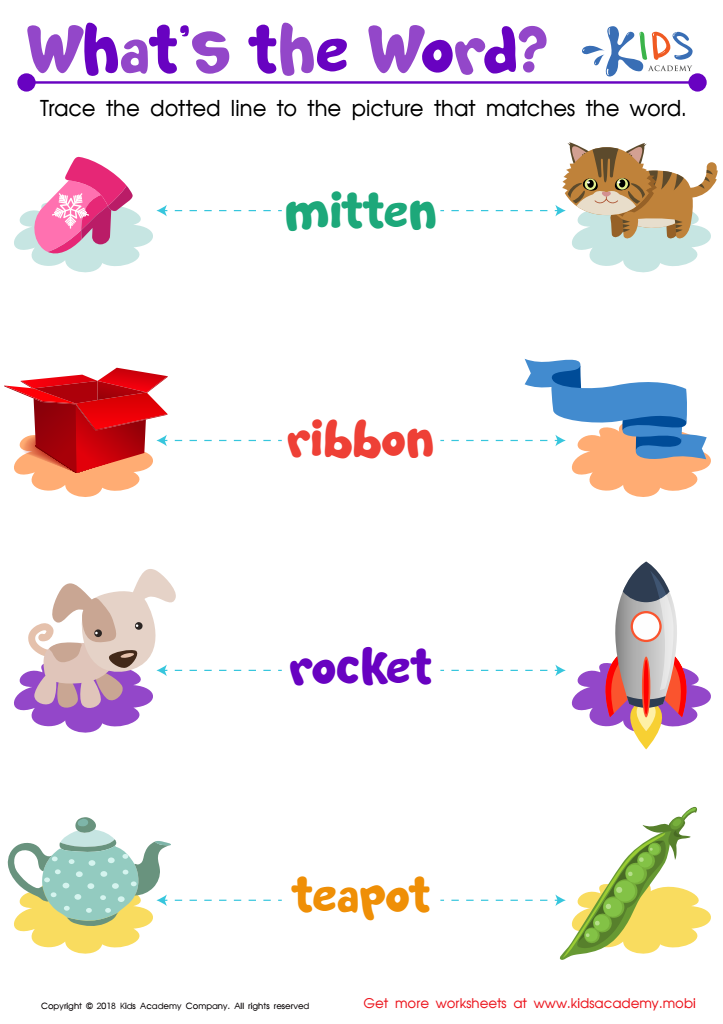
Reading: What's Word Worksheet
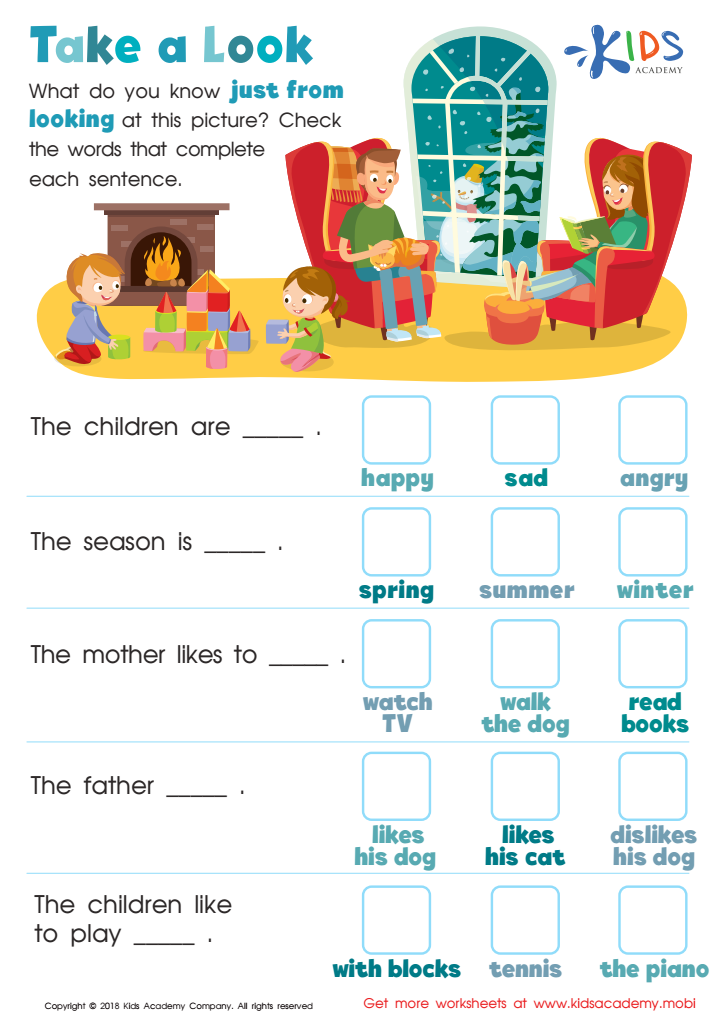
Take a Look - Part 1 Worksheet
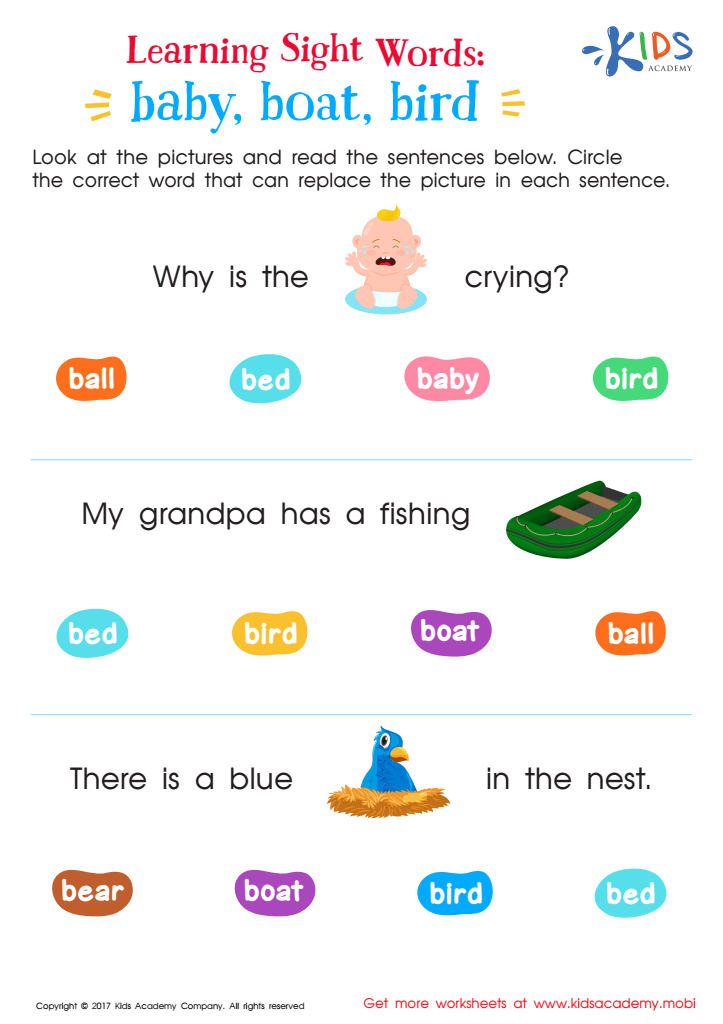
Baby, Boat, Bird Worksheet Sight Words Worksheet
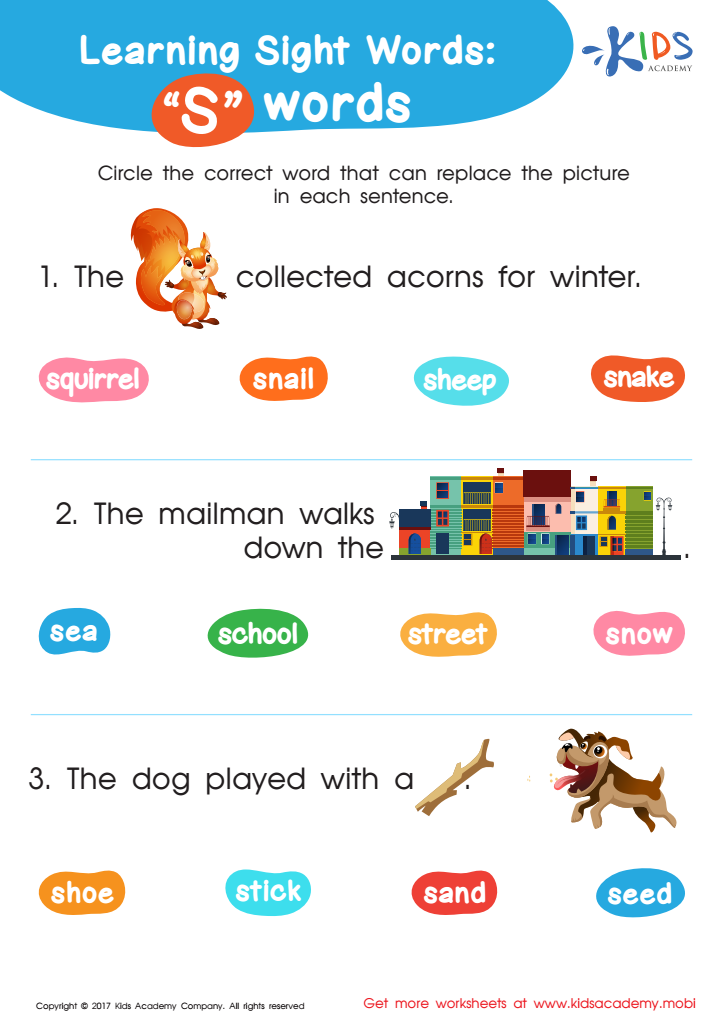
S Words Sight Words Worksheet
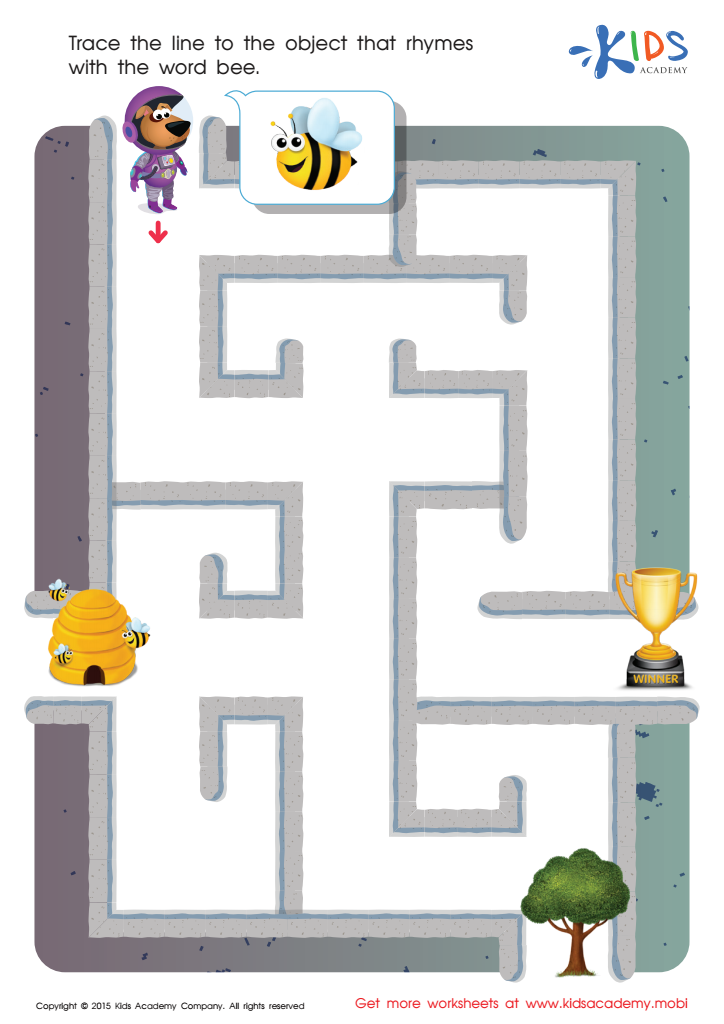
Bee Rhyming Words Worksheet
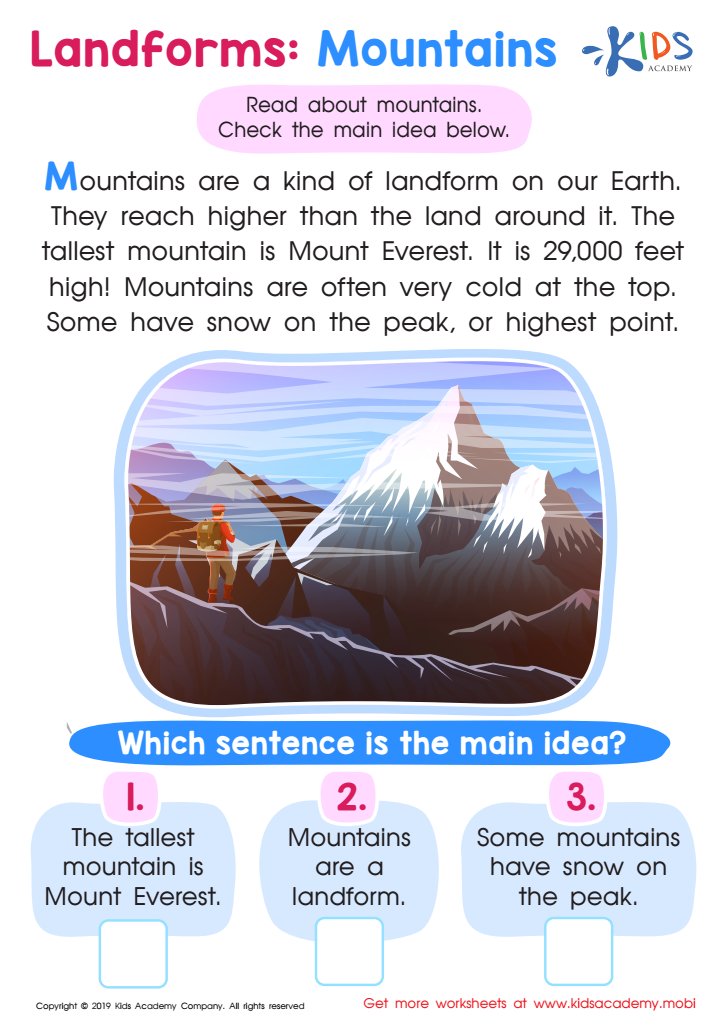
Landforms: Mountains Worksheet
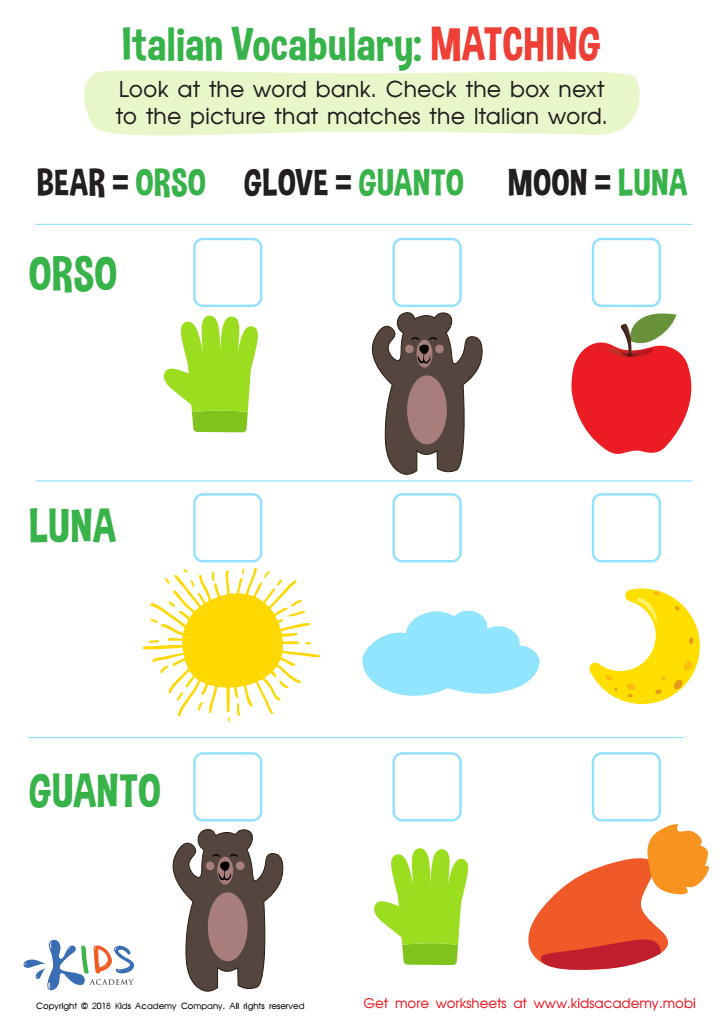
Italian Vocabulary Matching Worksheet
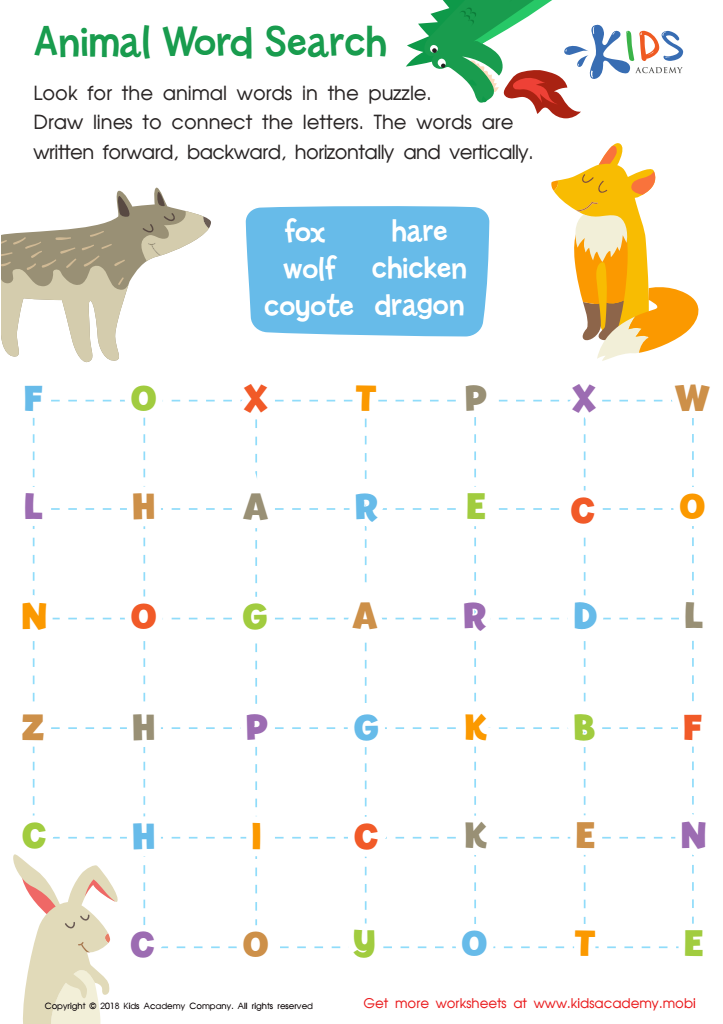
Animal Word Search Worksheet
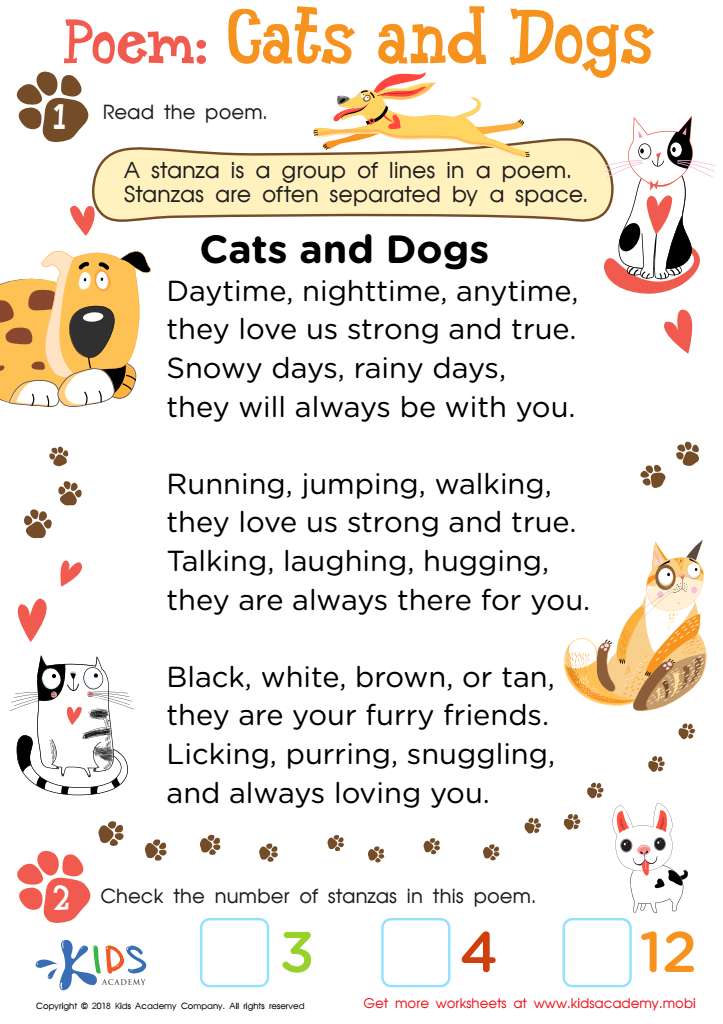
Poem: Cats and Dogs Worksheet
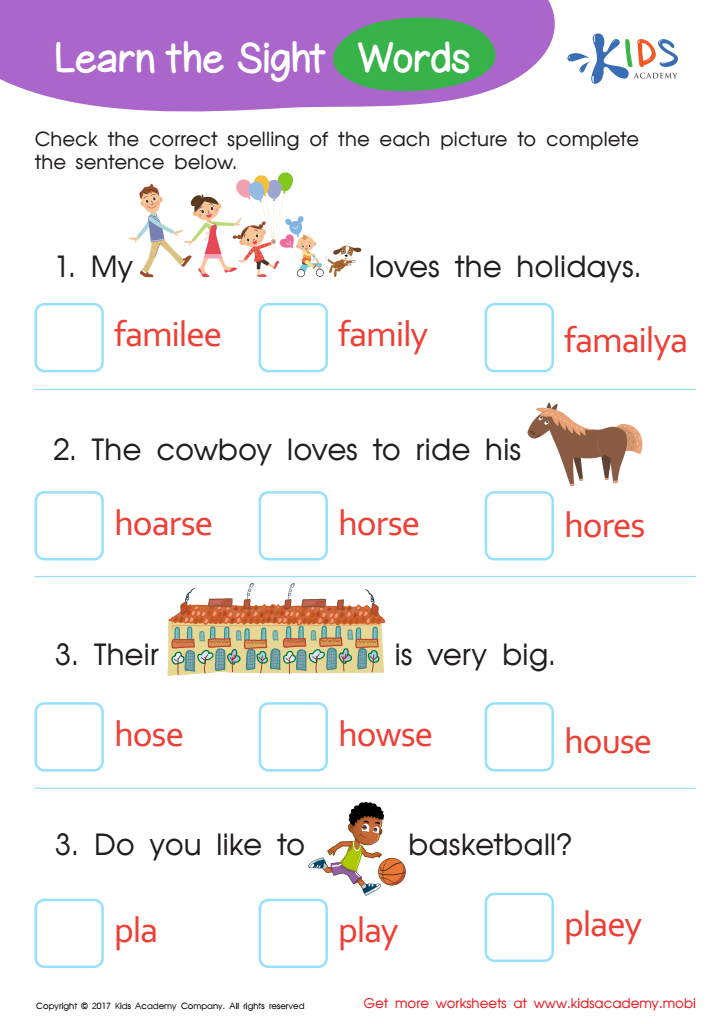
Family, Horse, House, Play Sight Words Worksheet
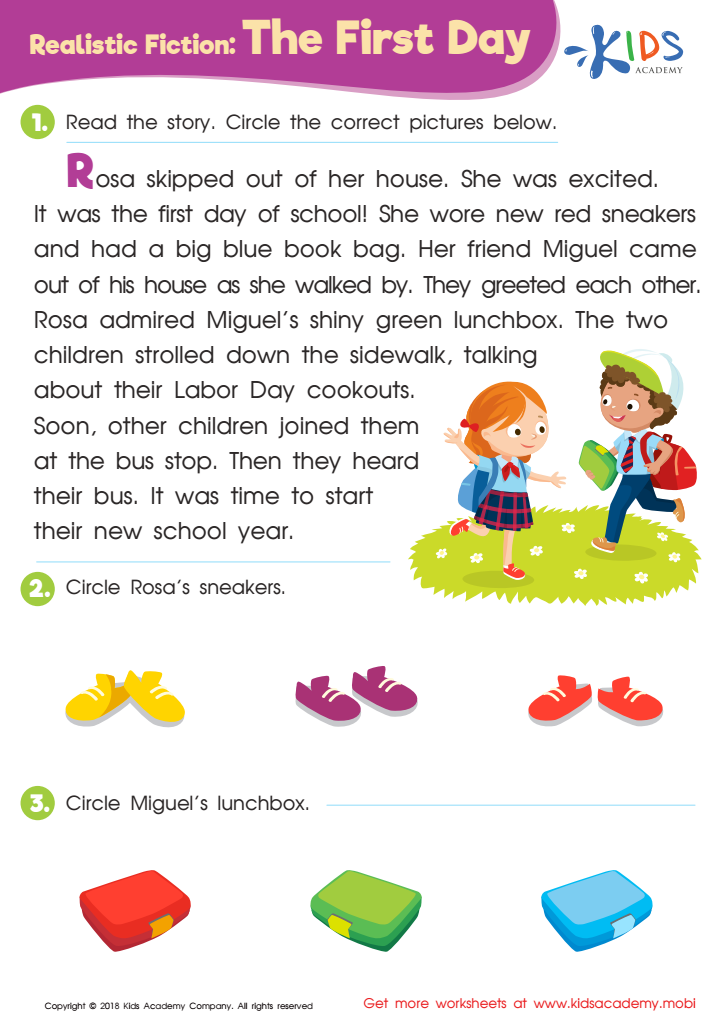
Realistic Fiction: The First Day Worksheet
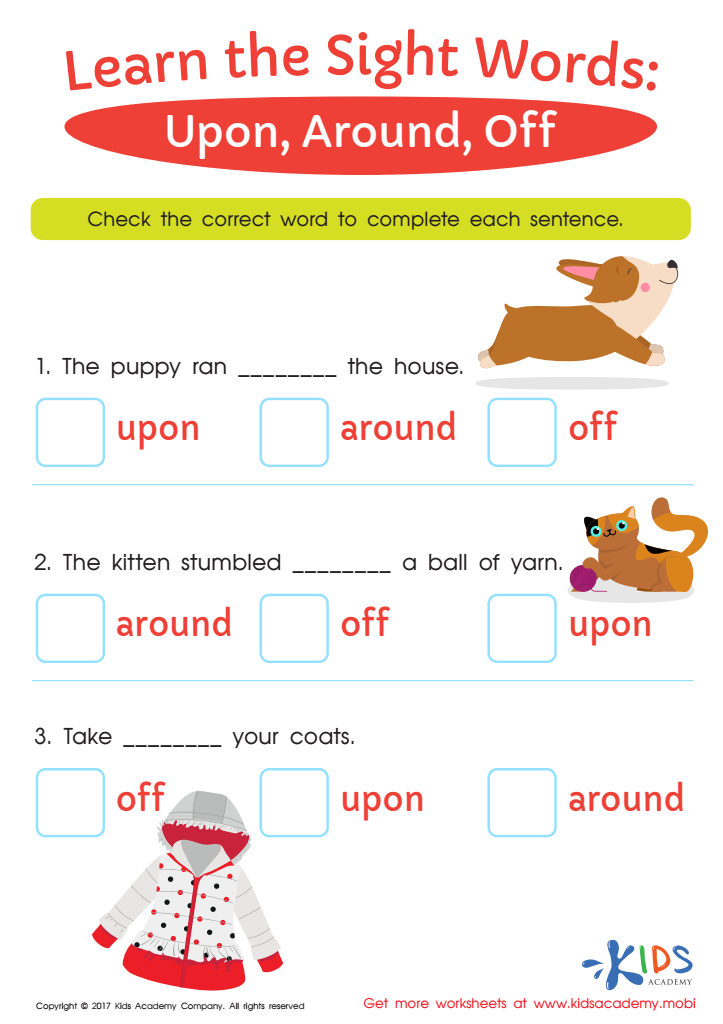
Upon, Around, Off Sight Words Worksheet
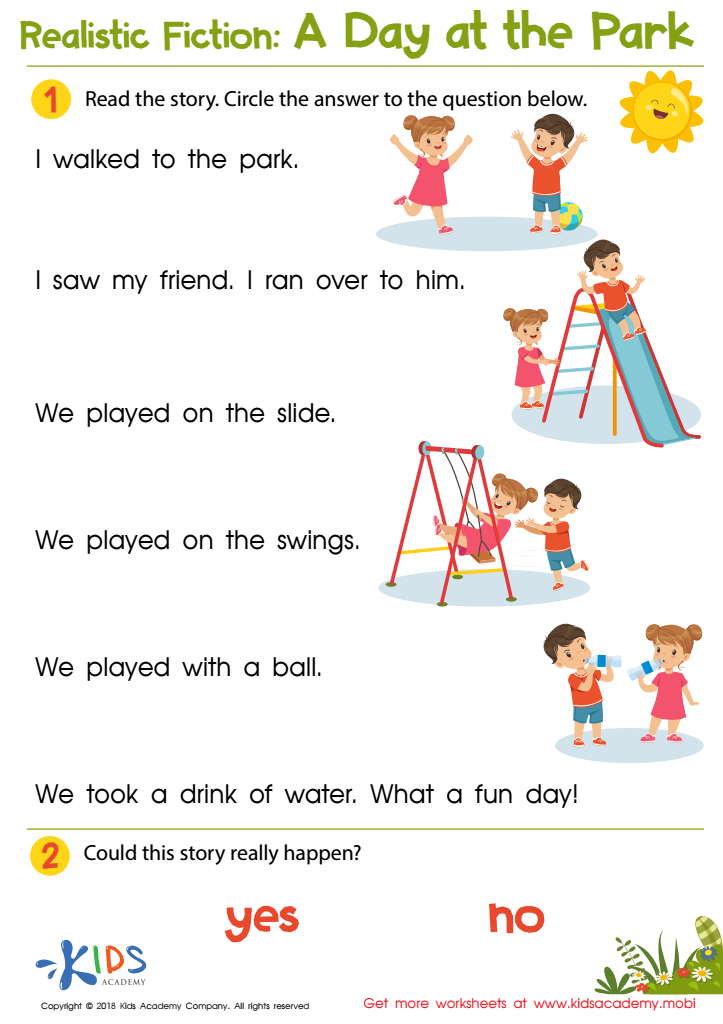
A Day at the Park Worksheet
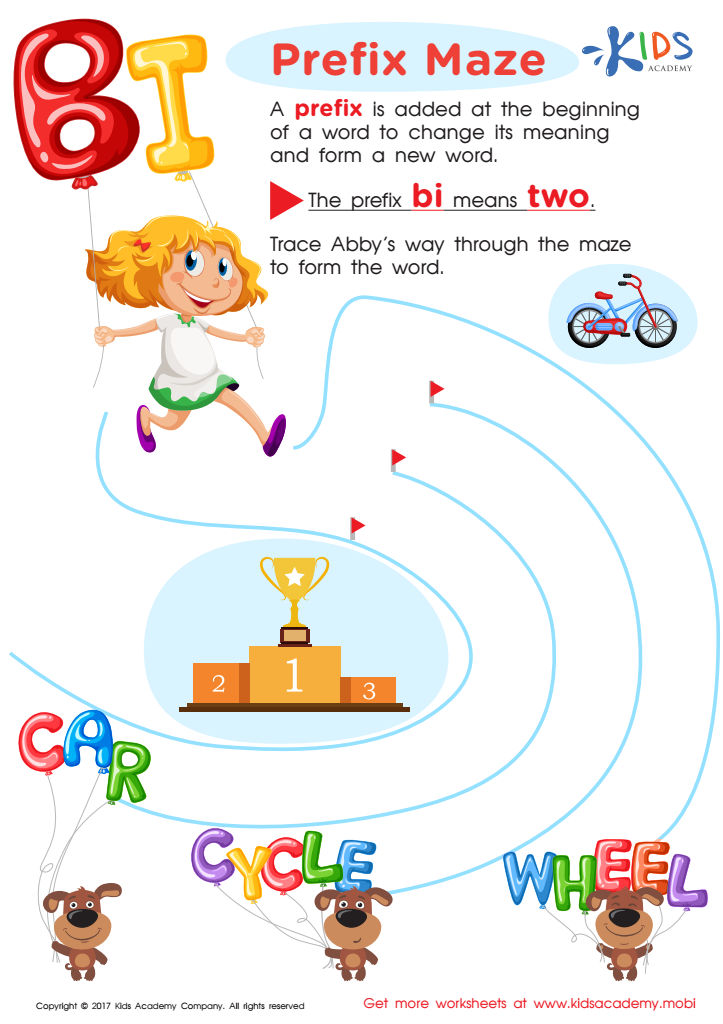
Prefix Bi Words Worksheet






.jpg)
Parents and teachers should prioritize normal reading development for children ages 5-8 because it sets a crucial foundation for future academic success and lifelong learning. At this age, children's brains are highly receptive to language, making it the perfect time to cultivate literacy skills. Normal reading milestones, such as recognizing letters, decoding words, and understanding basic sentence structure, are essential building blocks that contribute to overall comprehension and cognitive development.
Furthermore, reading enhances vocabulary, ranging from simple to complex words, which supports effective communication skills. Strong reading abilities also foster a love for books and exploration, encouraging creativity and critical thinking. Developments in reading can significantly impact children's self-esteem and confidence, laying the groundwork for positive attitudes toward learning.
On a broader scale, proficient reading skills are linked to academic achievement across subjects into higher education. Early intervention to support reading can mitigate future challenges, ensuring that each child retains the joy of learning. Importantly, when parents and teachers actively engage in reading activities, they cultivate a collaborative environment that reinforces the value of literacy, nurtures relationships, and enhances a child's capability to thrive both personally and academically in an increasingly complex world.








