Vocabulary enhancement Normal Science Worksheets for Ages 5-8 - Page 2
41 filtered results
-
From - To
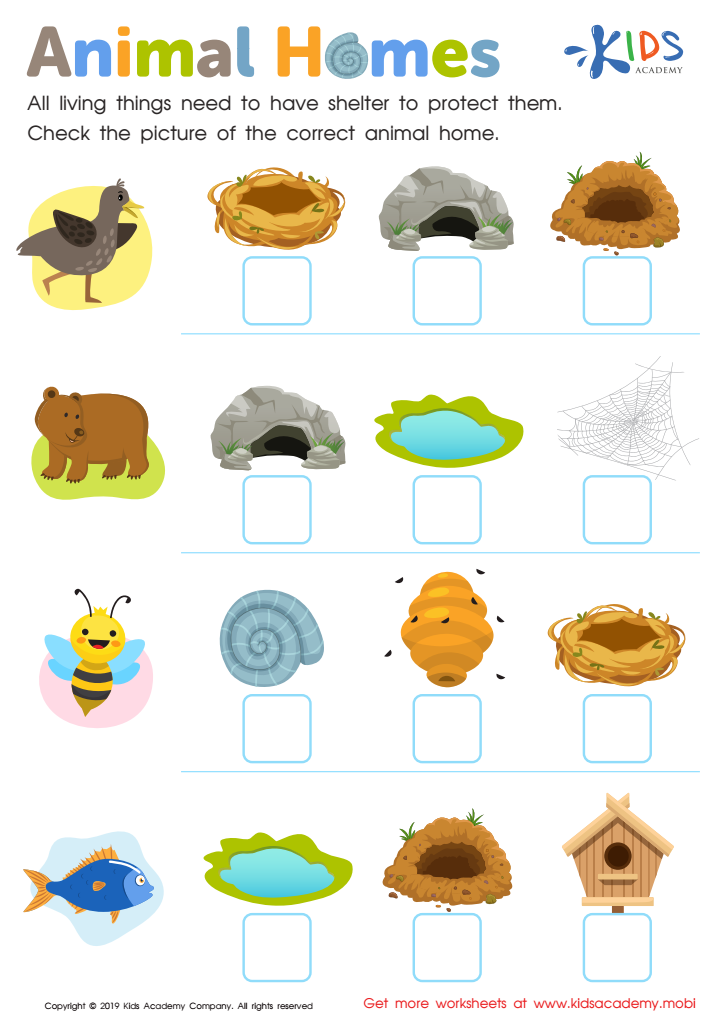
Animal Homes Worksheet
 Assign to My Students
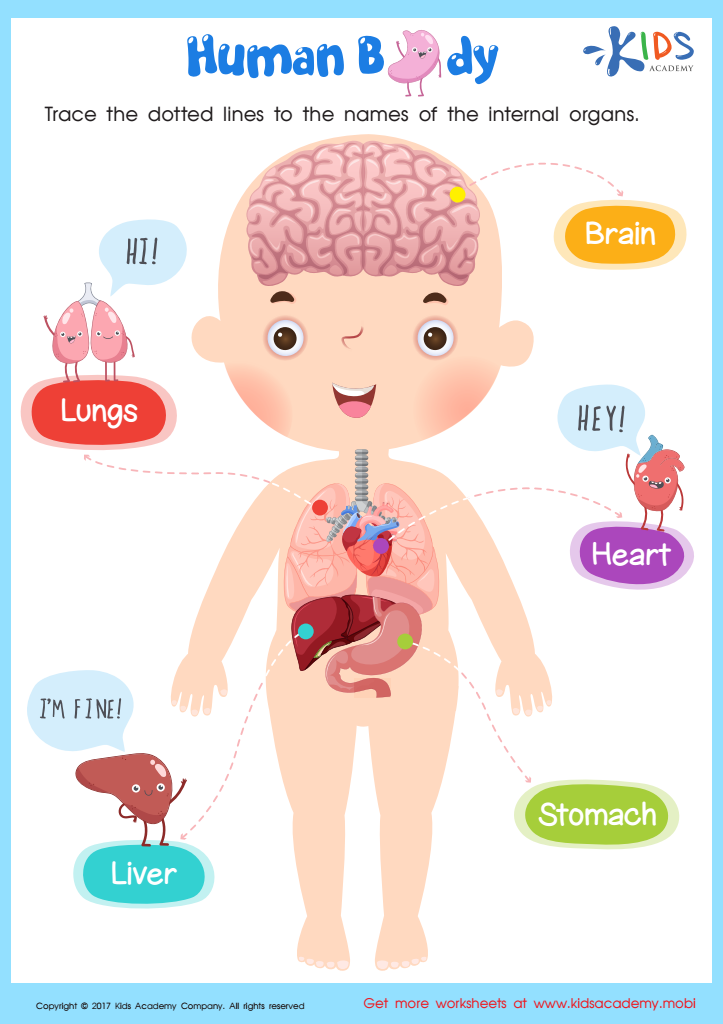
Human Body Worksheet
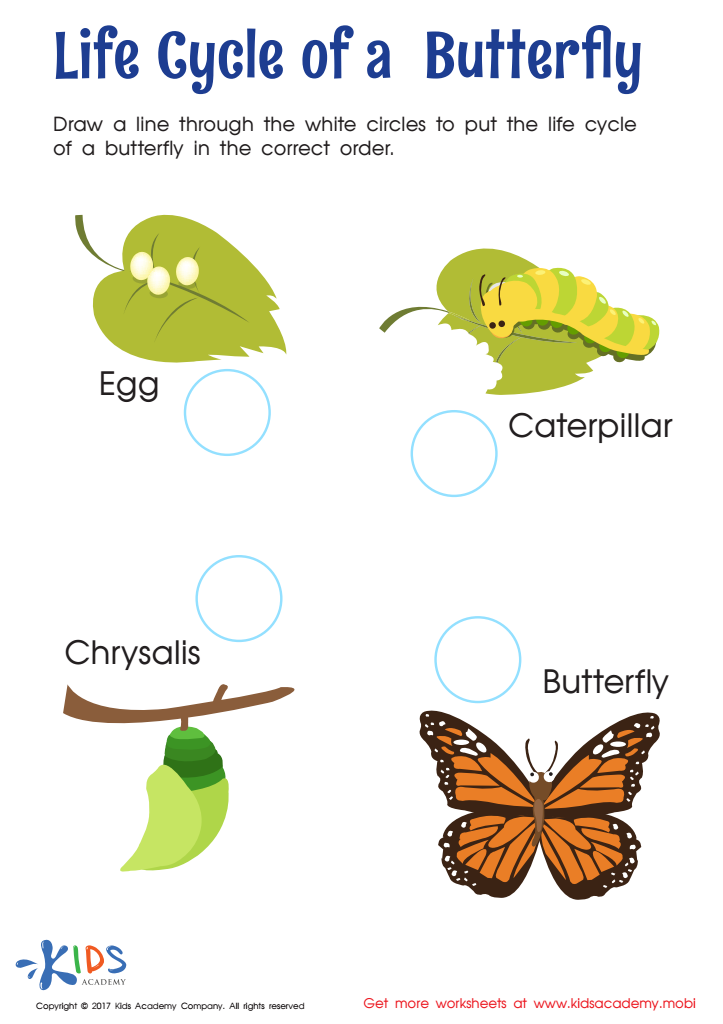
Life Cycle of Butterfly Worksheet
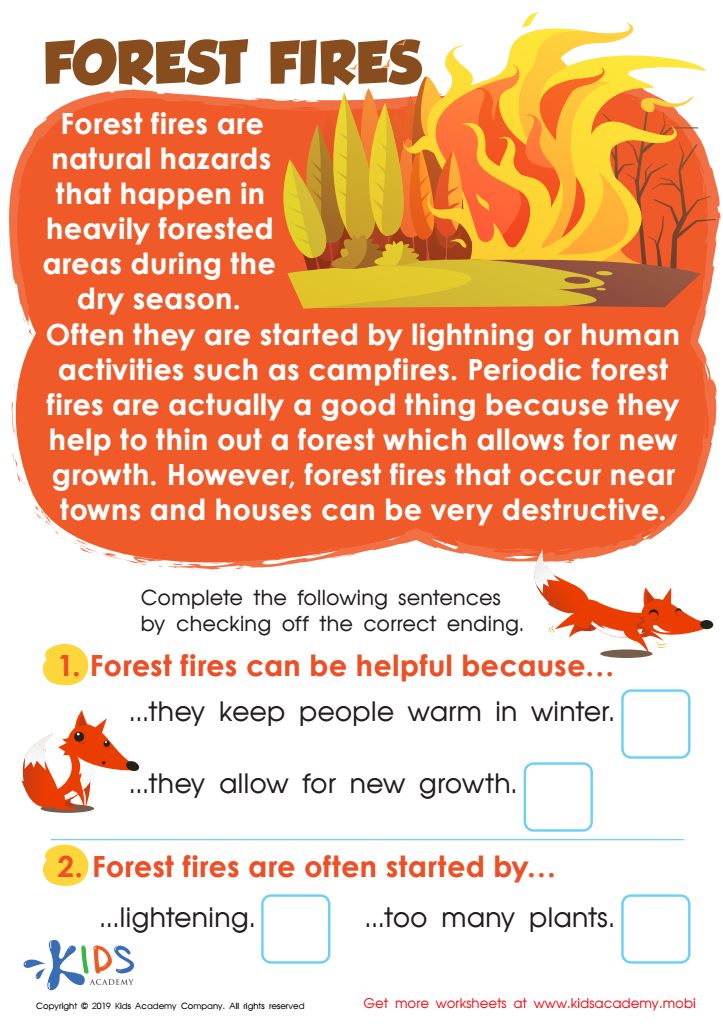
Forest Fires Worksheet
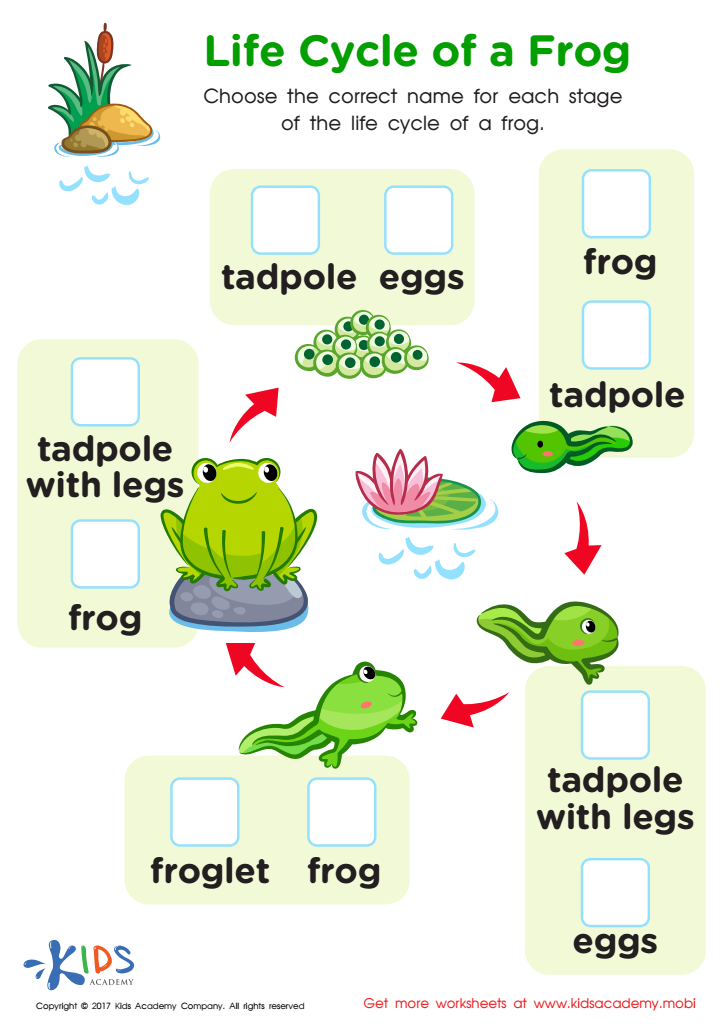
Life Cycle Frog Printable
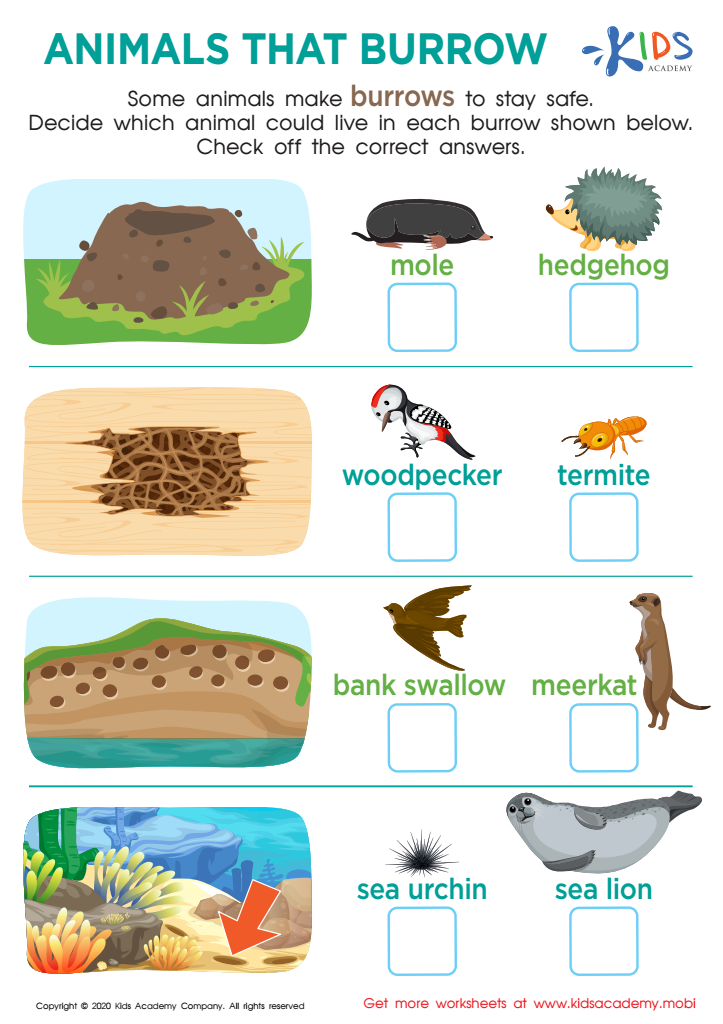
Animals That Burrow Worksheet
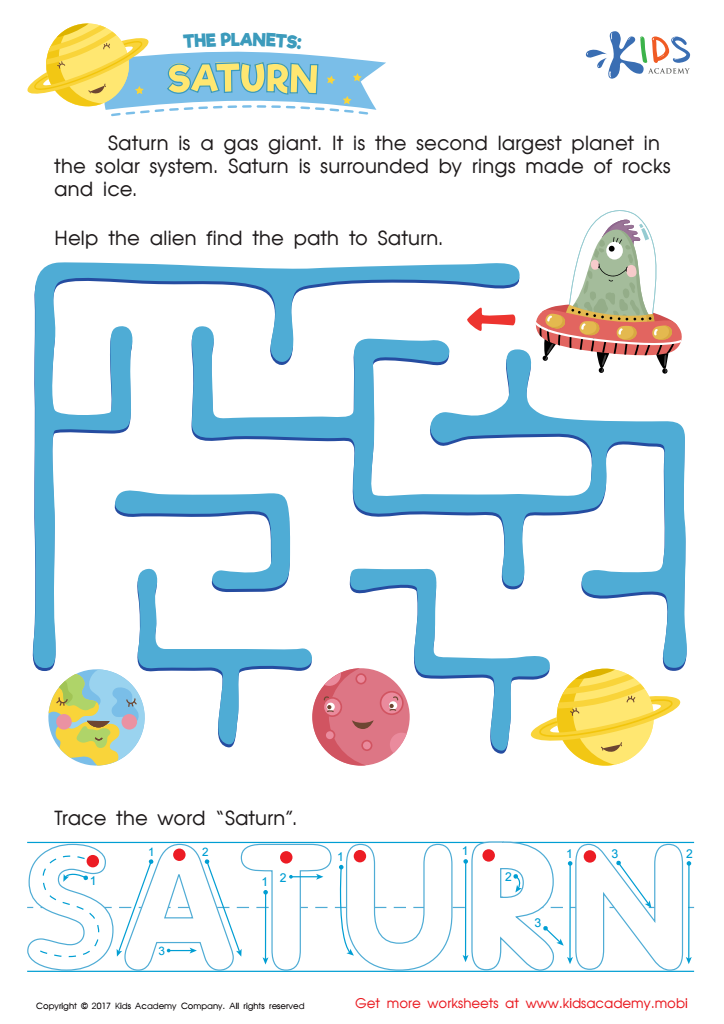
The Planets: Saturn Printable
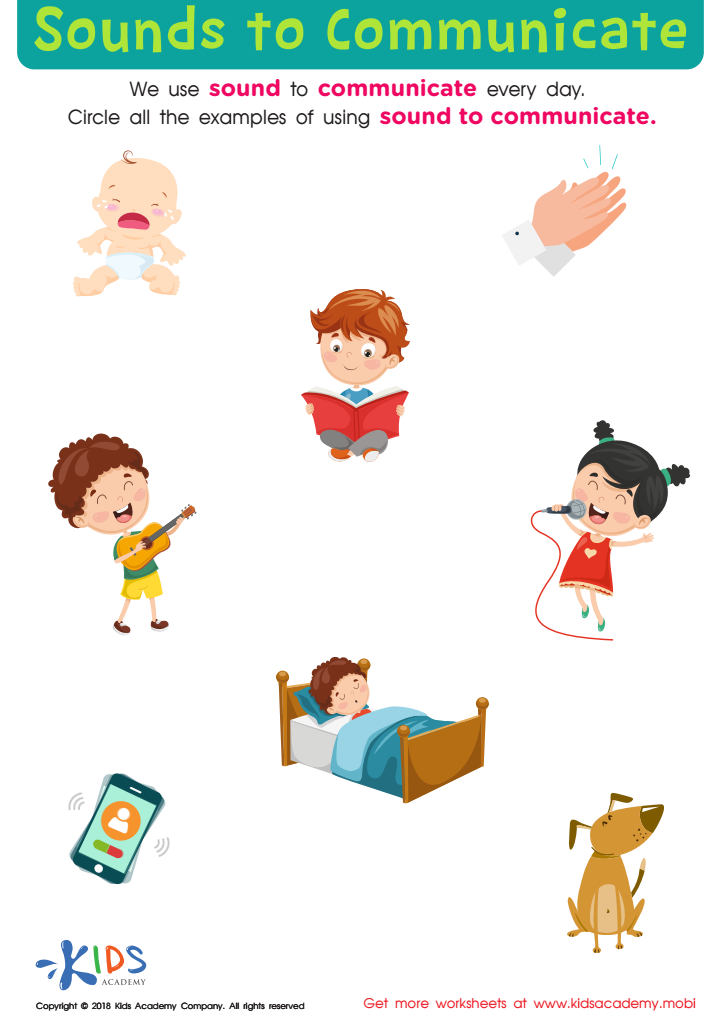
Sounds to Communicate Worksheet
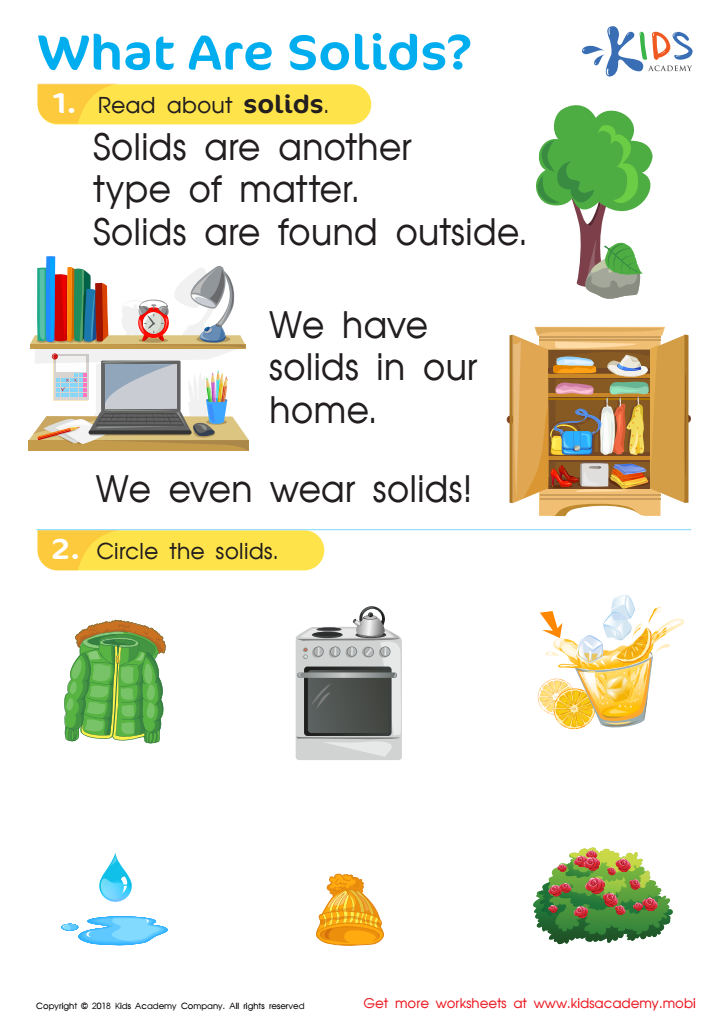
What Are Solids? Worksheet
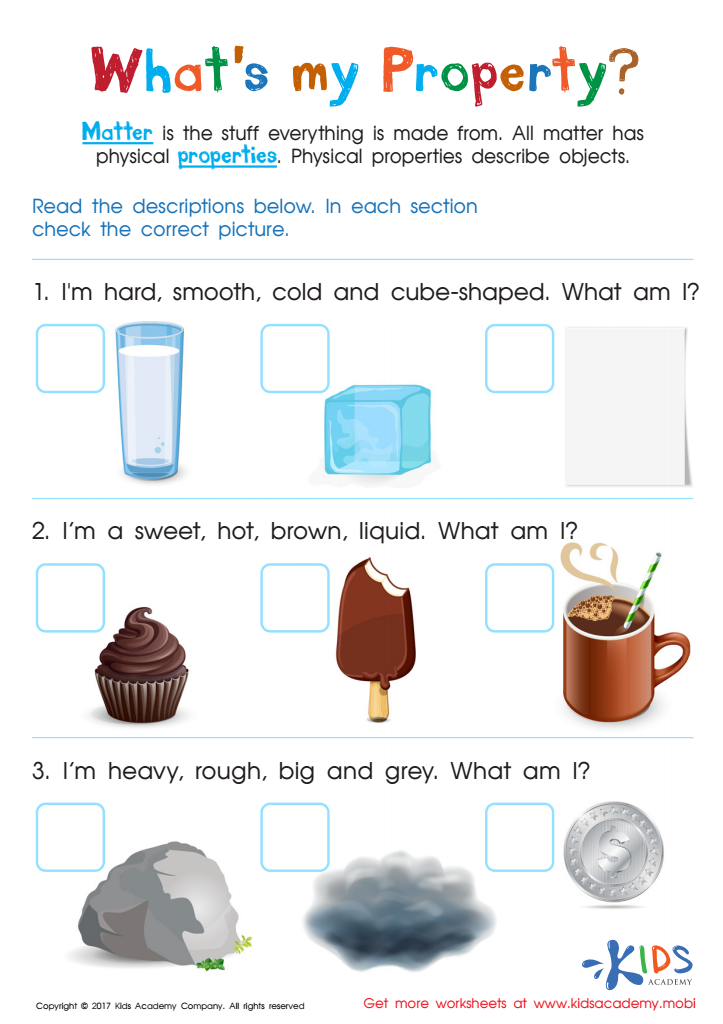
Physical Properties Of Matter Worksheet
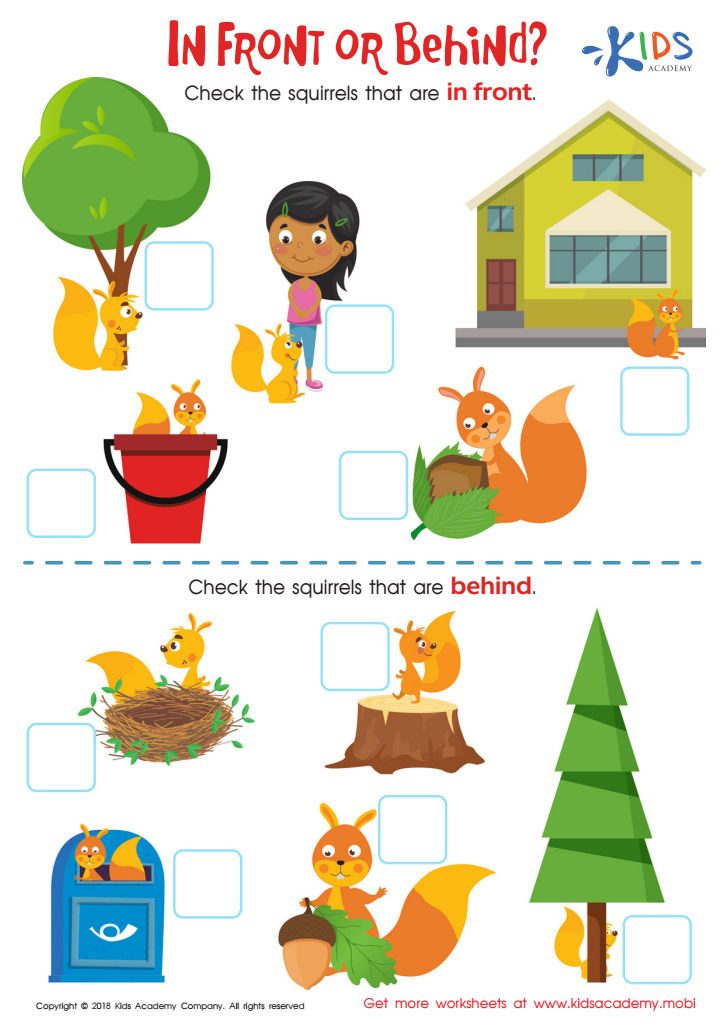
In Front or Behind: Part 2 Worksheet
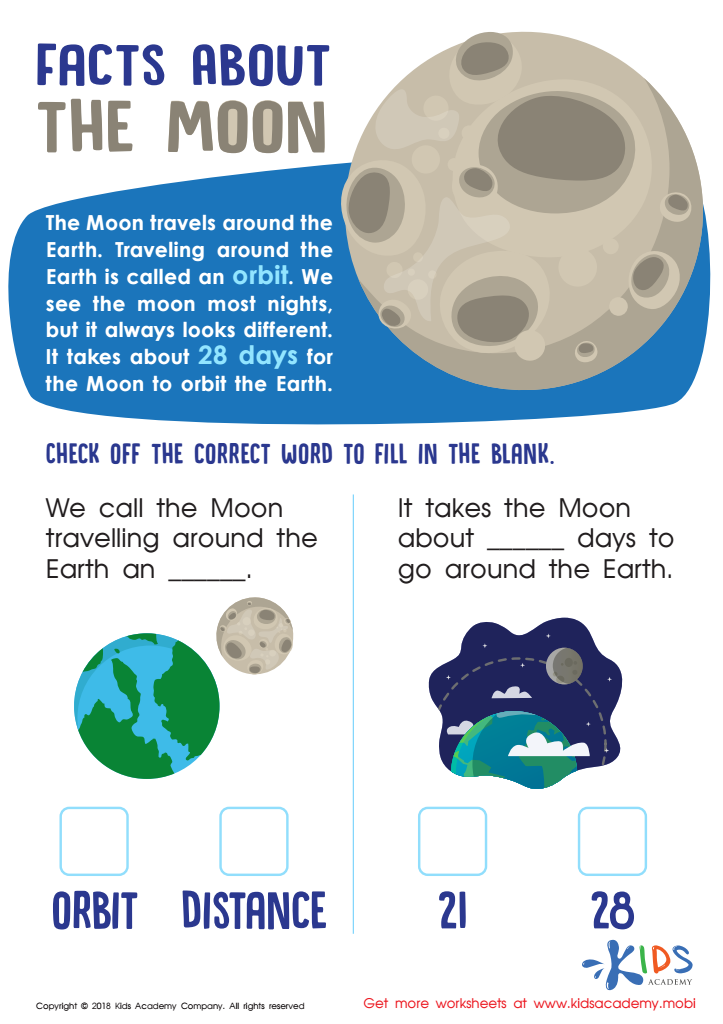
Facts About the Moon Worksheet
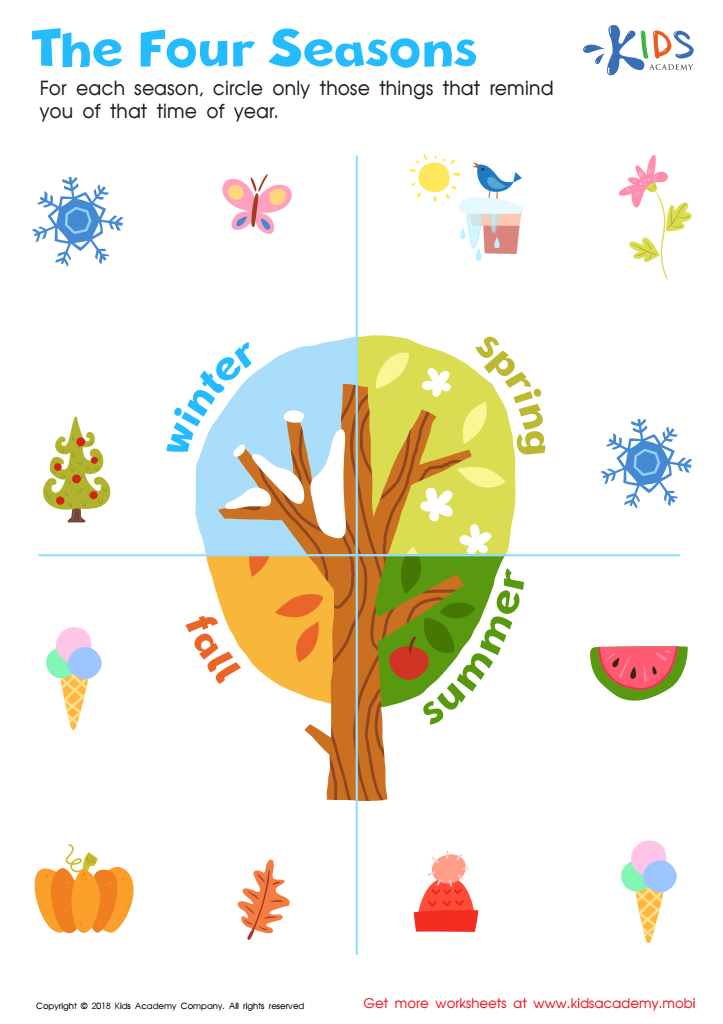
The Four Seasons Worksheet
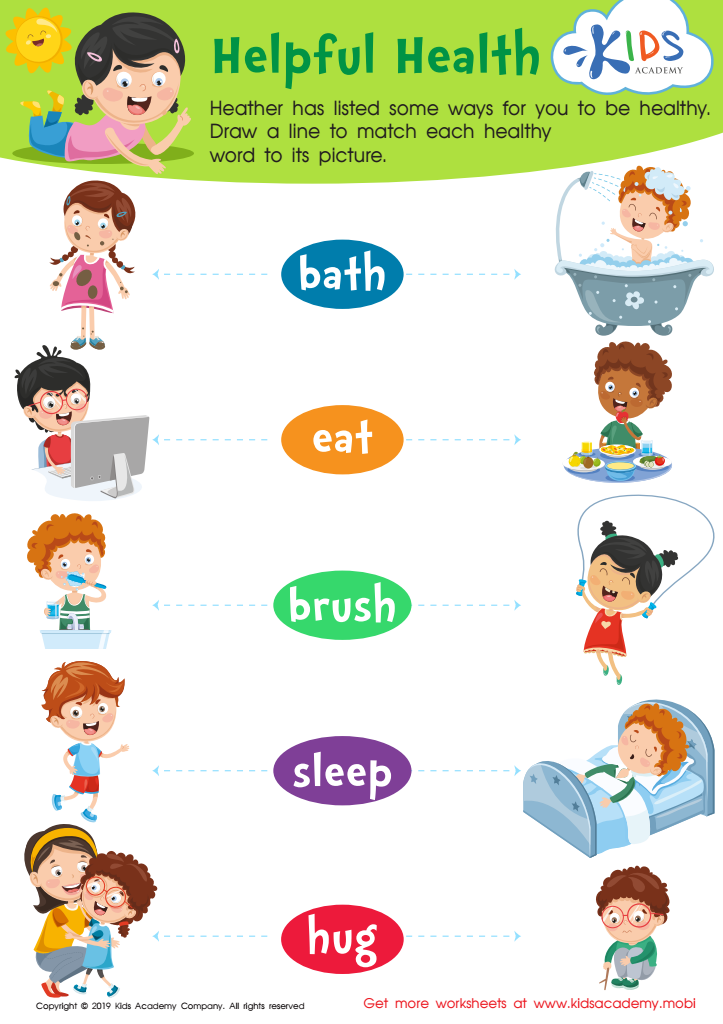
Helpful Health Worksheet
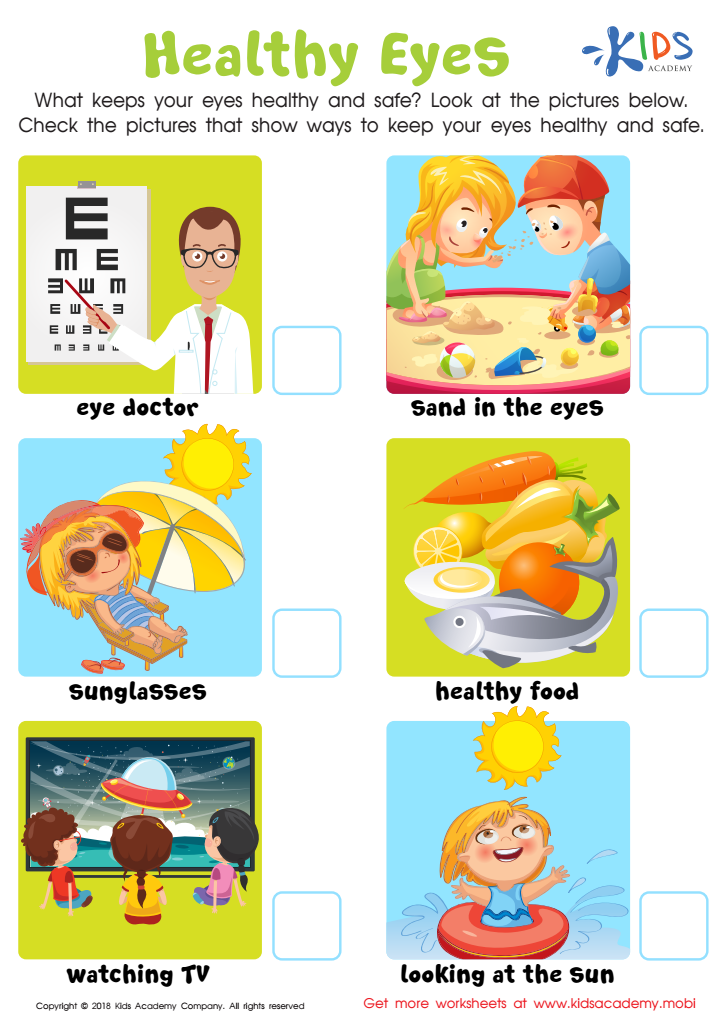
Healthy Eyes Worksheet
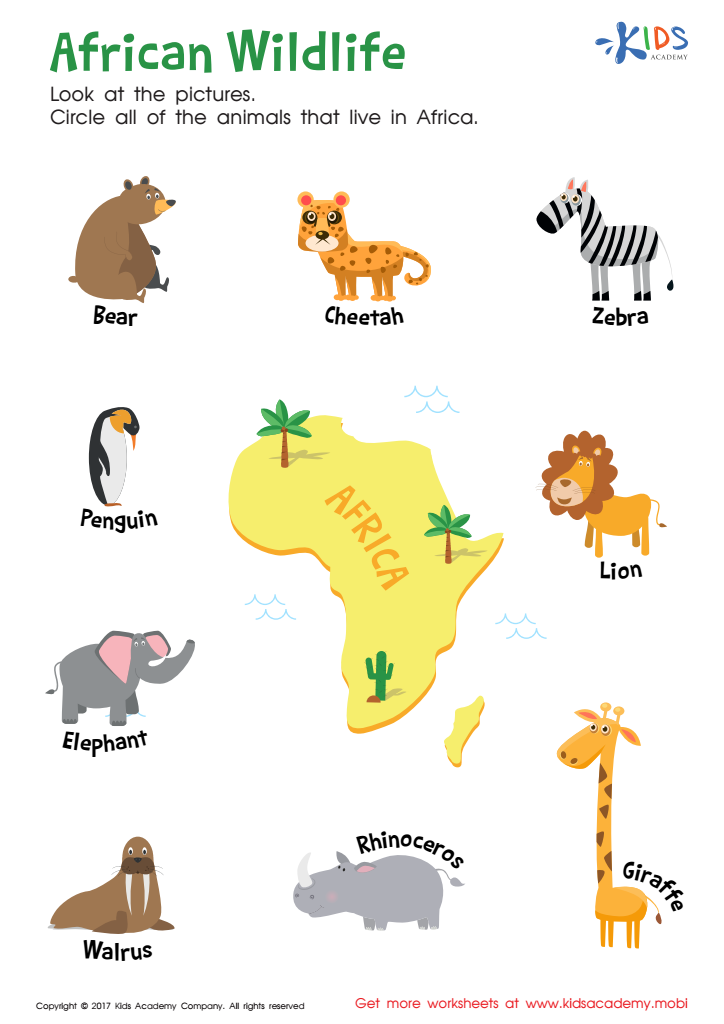






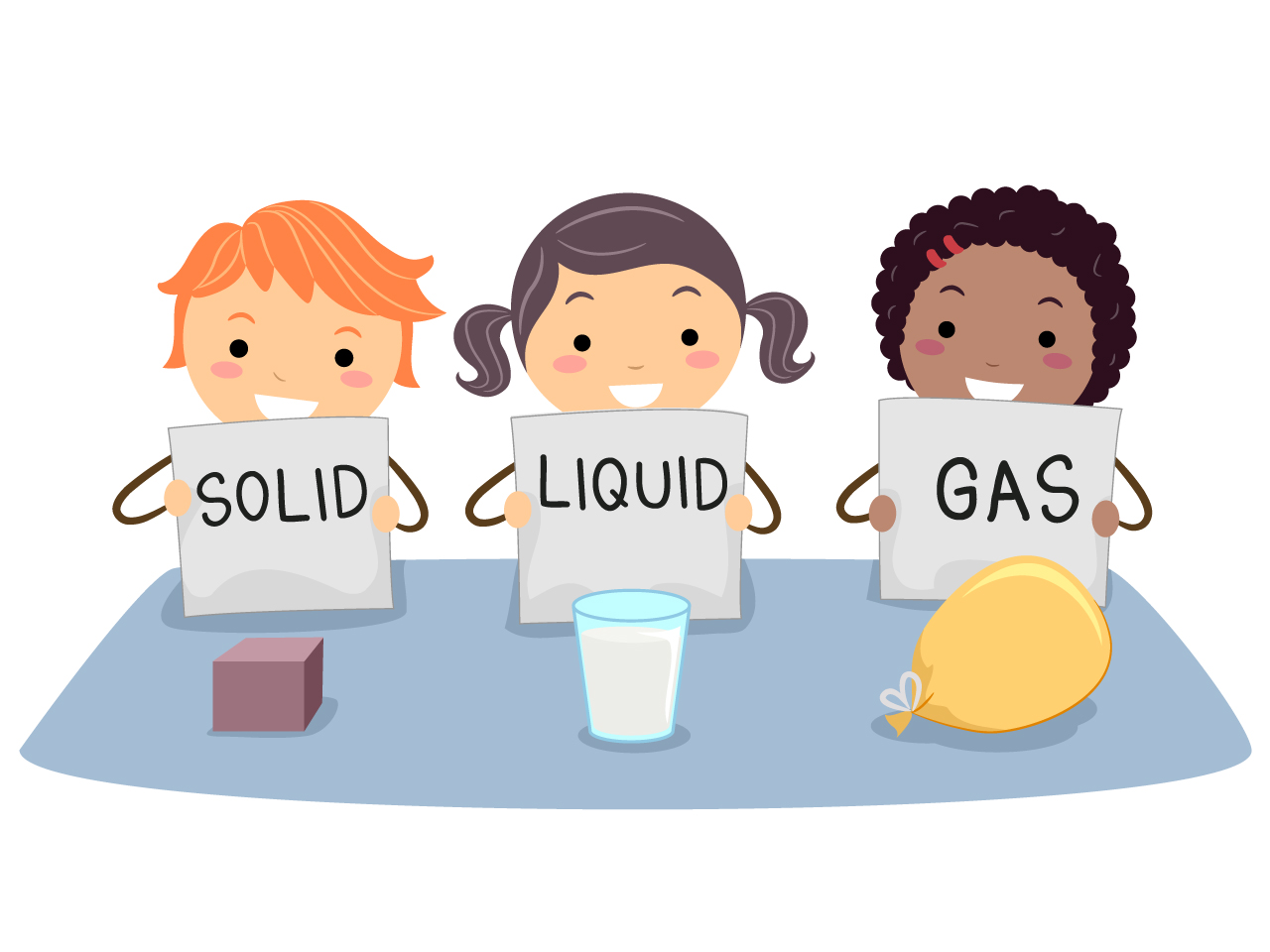
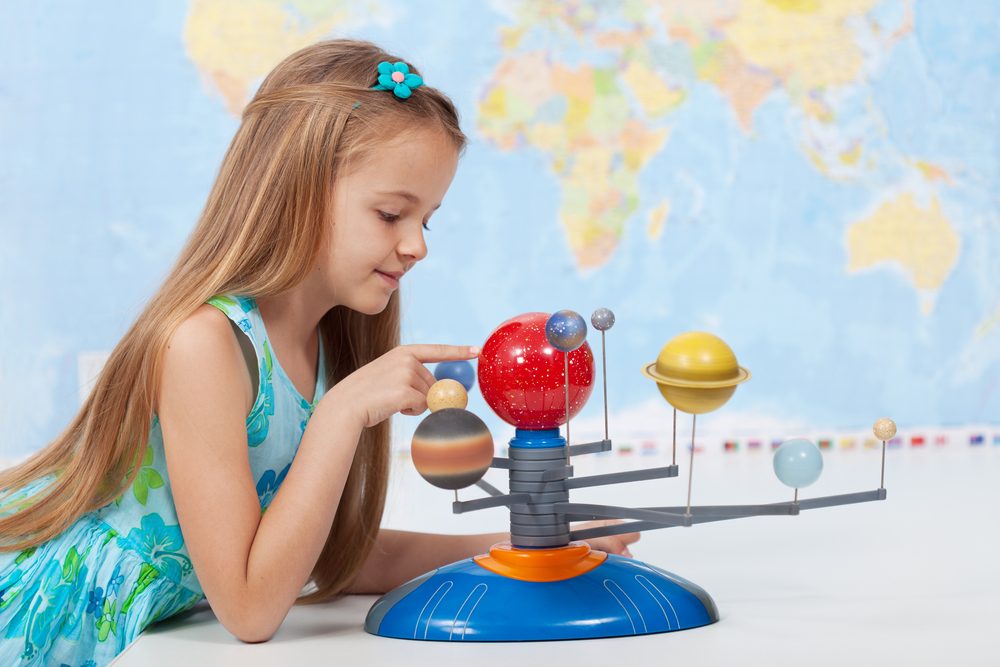
Vocabulary enhancement in the context of normal science for children ages 5-8 is crucial as it lays a solid foundation for their future academic and intellectual development. At this age, children are at a critical stage of language acquisition. Introducing scientific vocabulary not only enriches their linguistic repertoire but also sparks curiosity and an early interest in the natural world.
Understanding specific terms gives children the tools to describe observations accurately, ask informed questions, and comprehend basic scientific concepts. For example, learning the names of different plants, animals, or physical phenomena encourages children to explore their environment with a keener eye, leading to a deeper understanding and retention of knowledge.
Moreover, a robust vocabulary is linked to enhanced reading comprehension, an essential skill across all subjects. Children equipped with an extensive vocabulary tend to perform better in standardized tests and exhibit higher levels of critical thinking. Teachers and parents who focus on vocabulary enhancement also inadvertently support children's social and communication skills, enabling them to articulate thoughts more clearly and engage more confidently in discussions.
In essence, early science vocabulary enrichment fosters a love of learning, develops critical thinking, and establishes a strong linguistic and cognitive foundation crucial for future academic success. This, in turn, empowers young children to become well-rounded, inquisitive learners.







