Reading comprehension Normal Social Studies Worksheets for Ages 5-8 - Page 2
67 filtered results
-
From - To

The Presidential Symbol Worksheet
 Assign to My Students
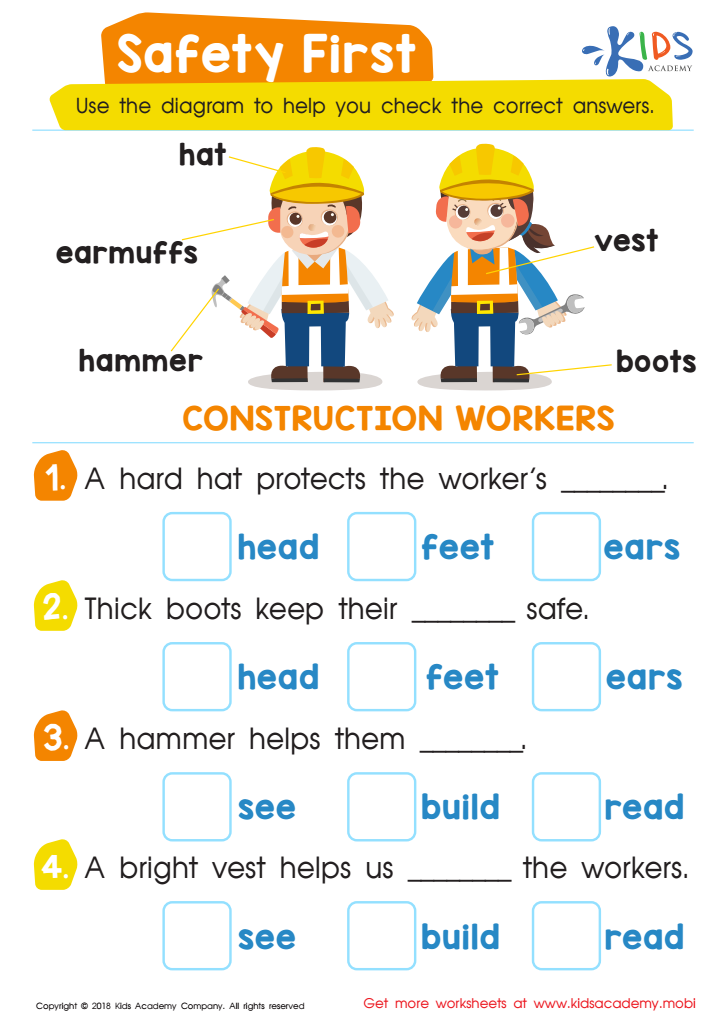
Safety First Worksheet
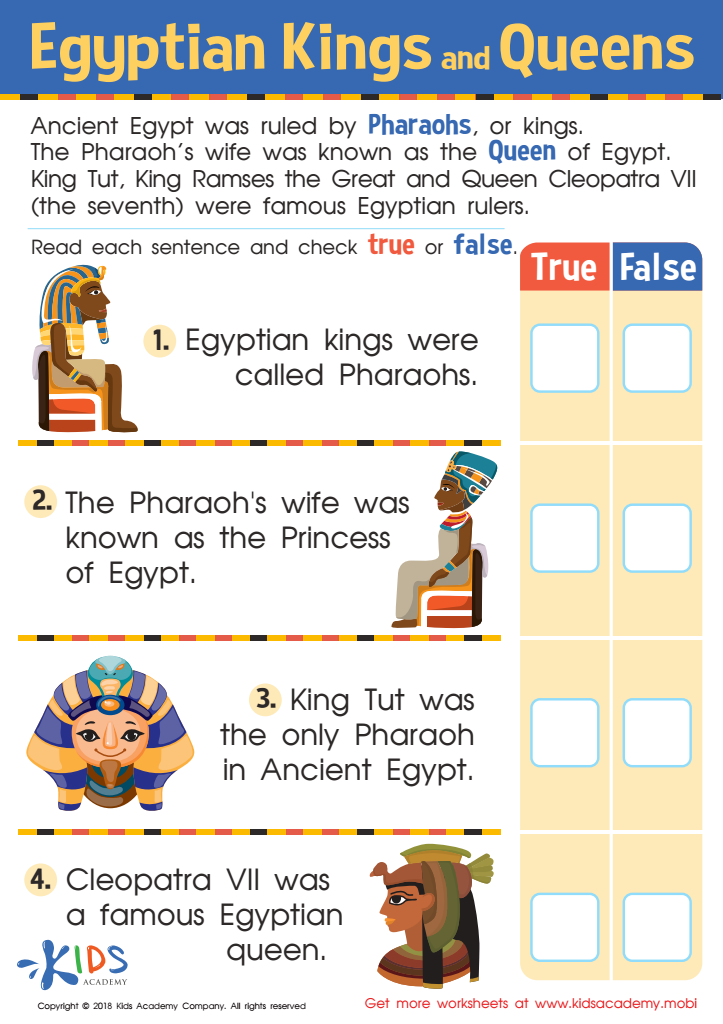
Egyptian Kings and Queens Worksheet
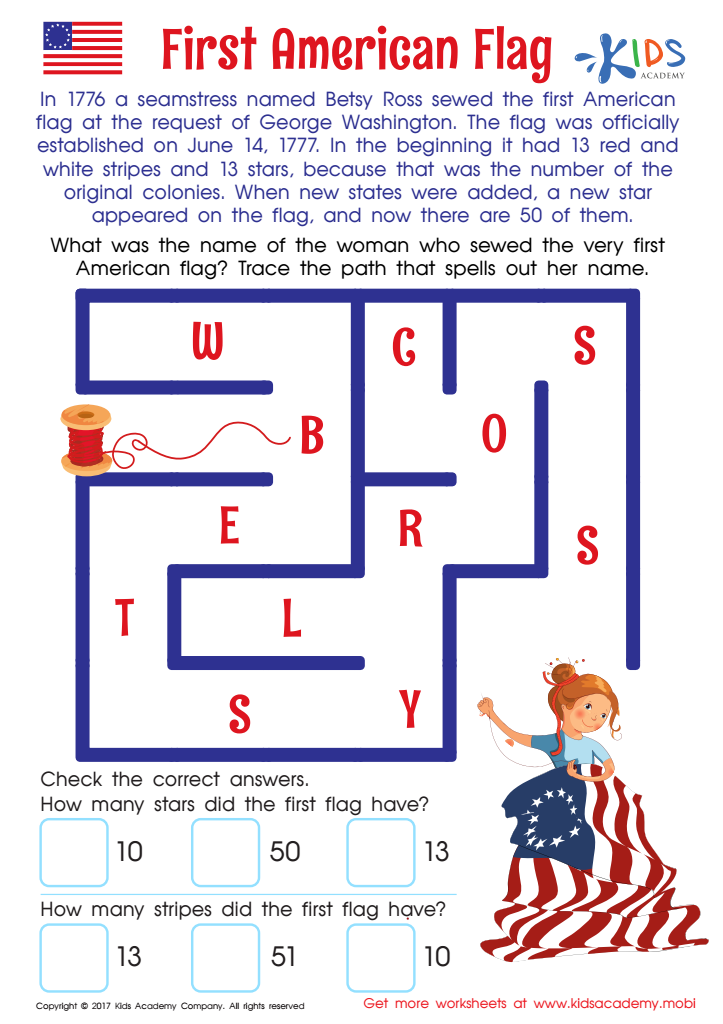
First American Flag Worksheet
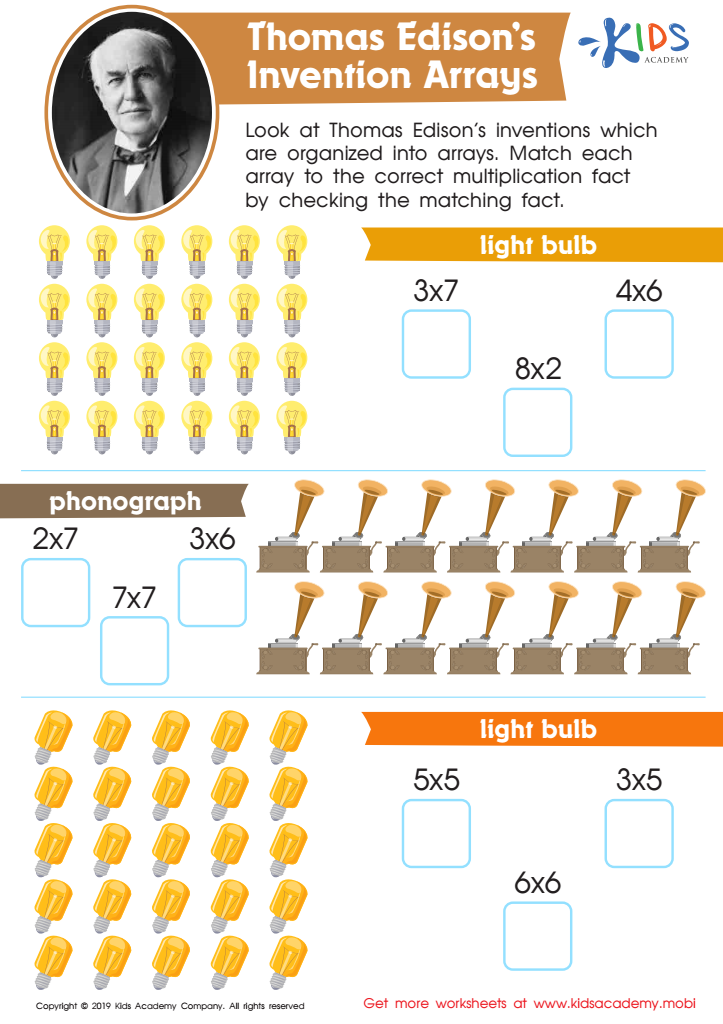
Thomas Edison’s Invention Arrays Worksheet
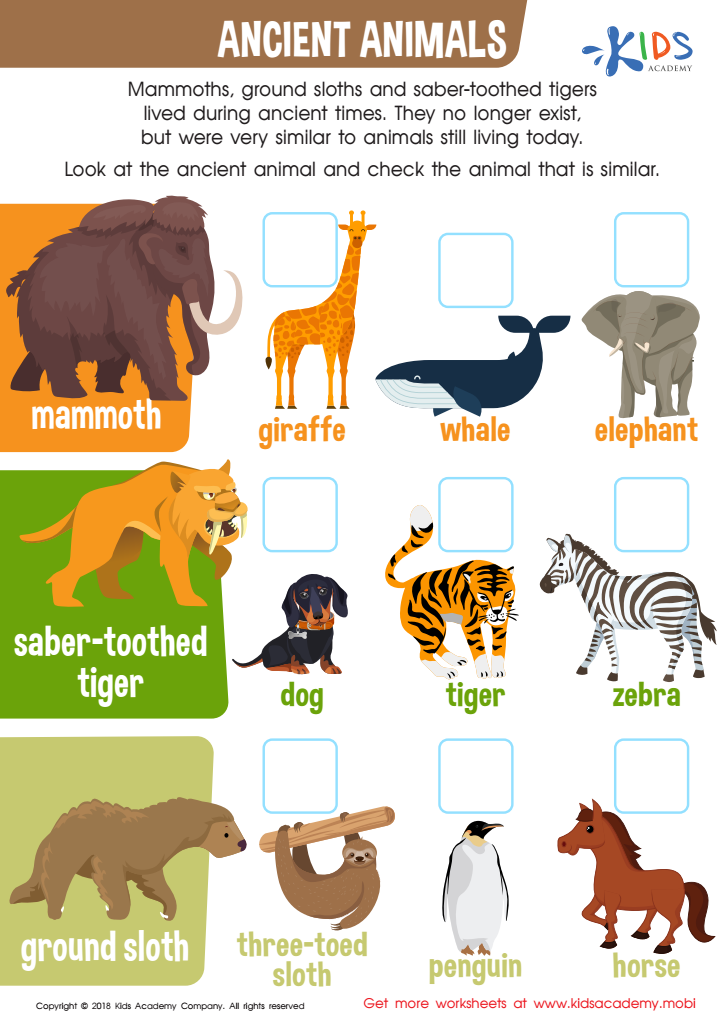
Ancient Animals Worksheet
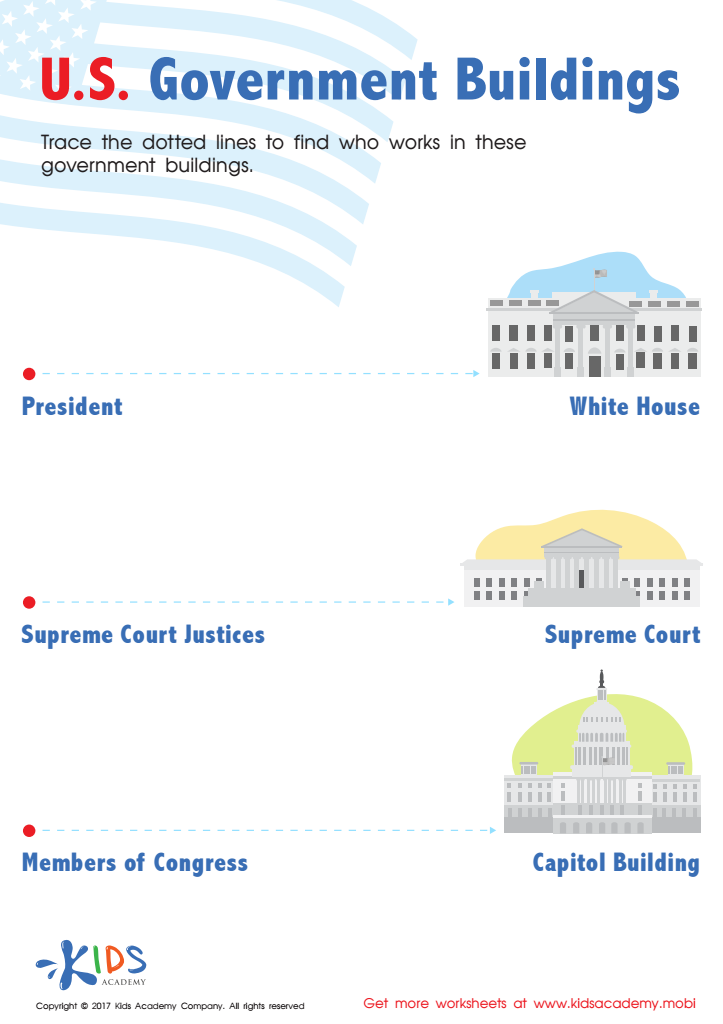
US Government Buildings Printable
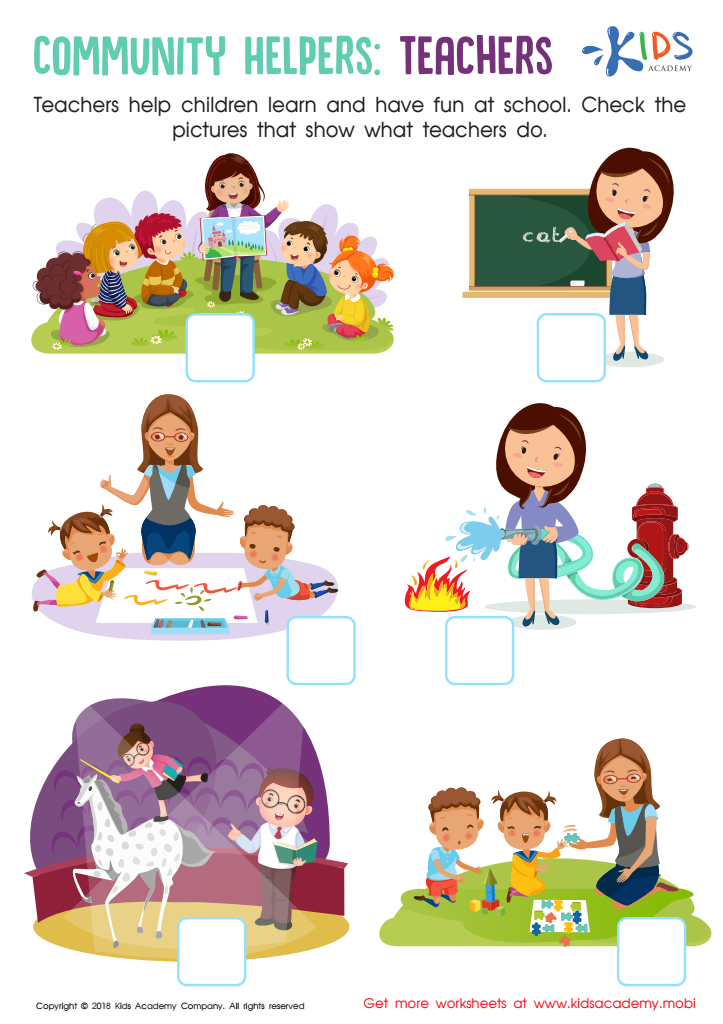
Teachers Community Helpers Worksheet
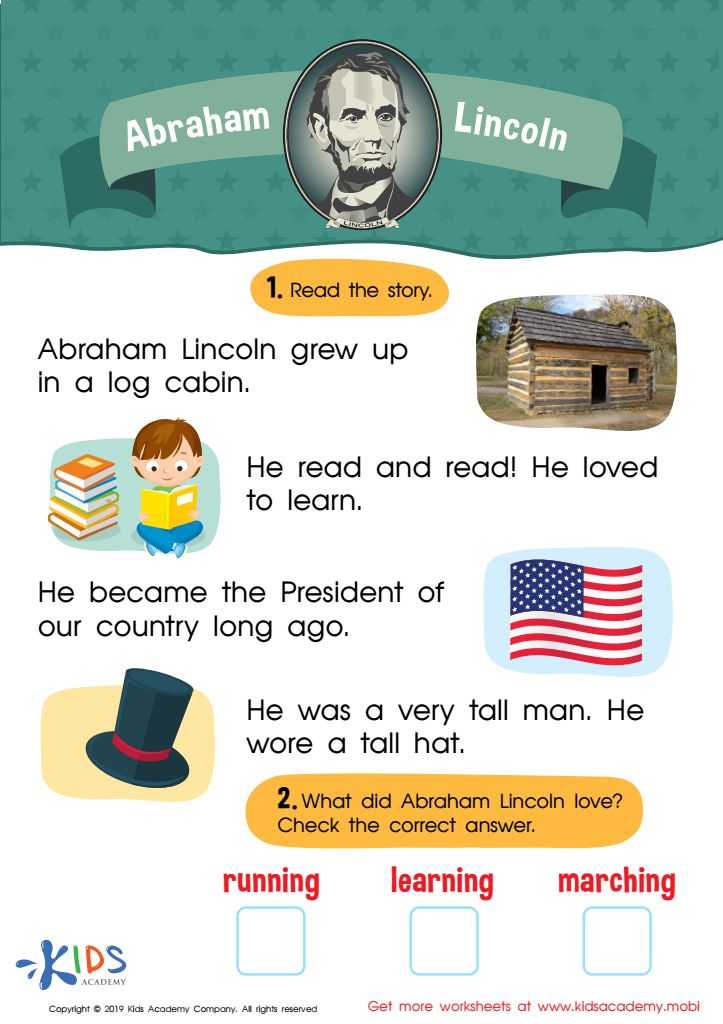
Abraham Lincoln Worksheet
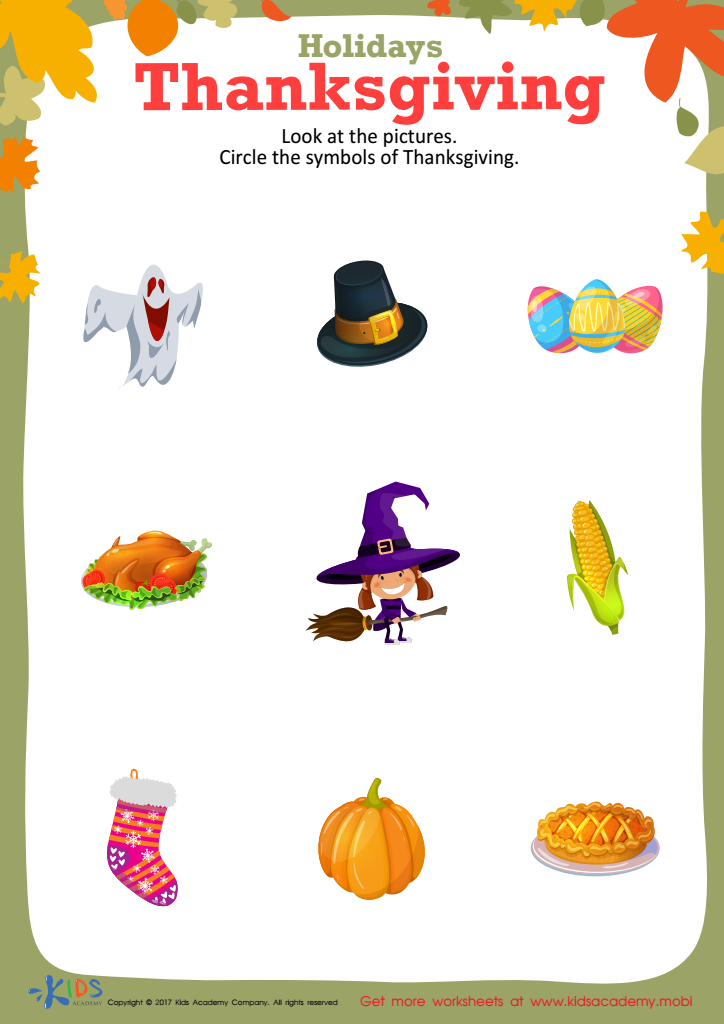
Thanksgiving Holiday Printable

National Parks Printable
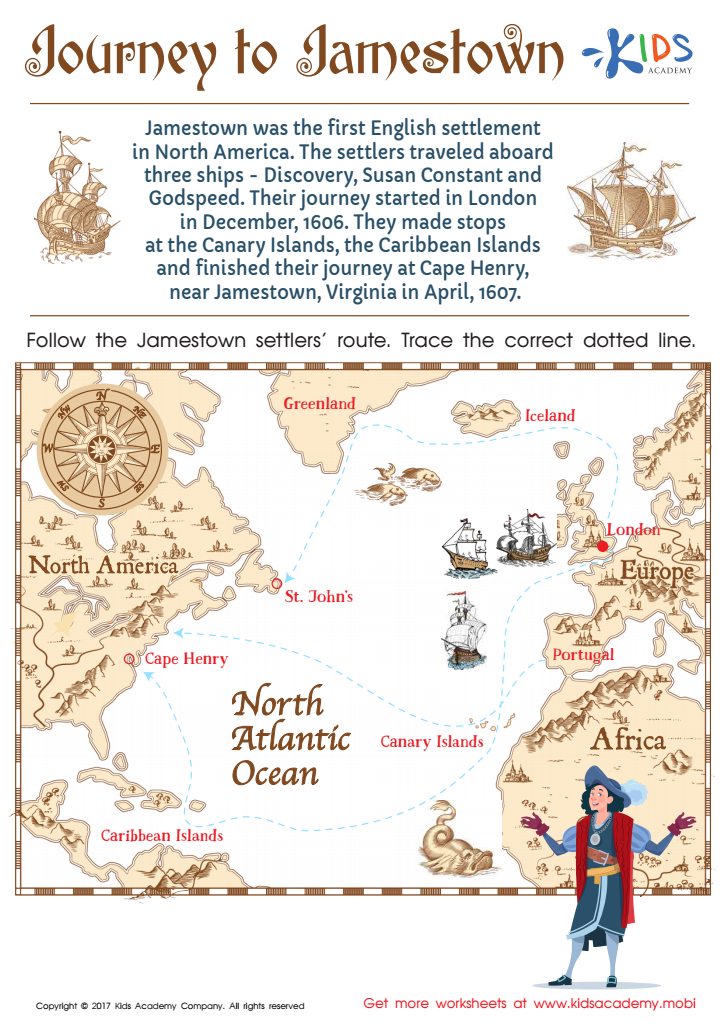
Journey to Jamestown Worksheet
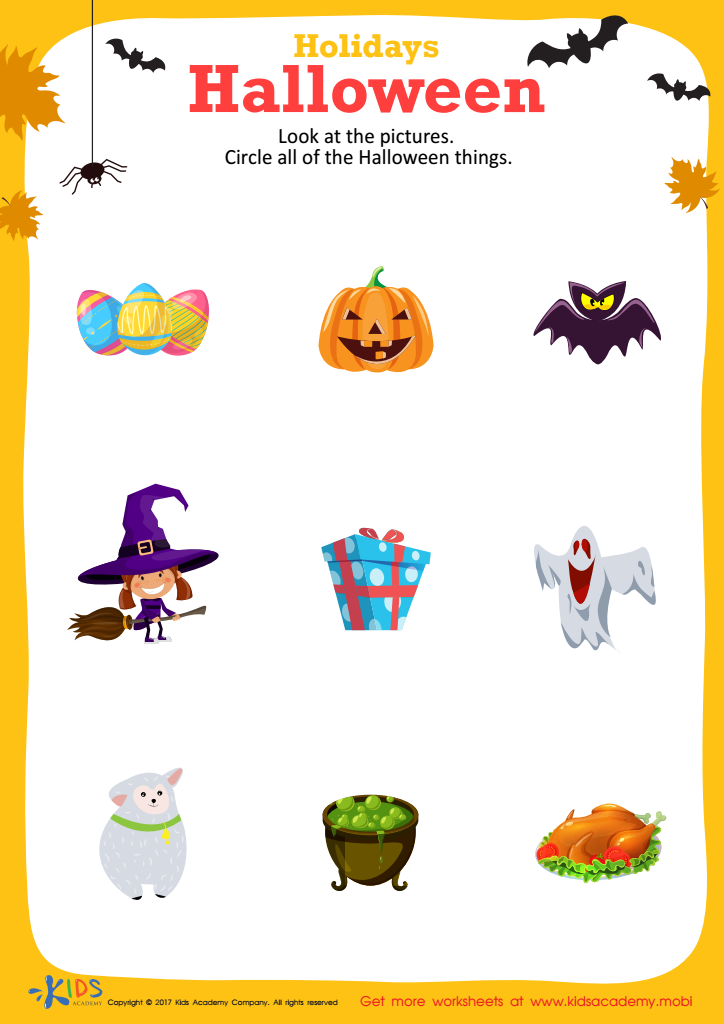
Halloween Holiday Worksheet
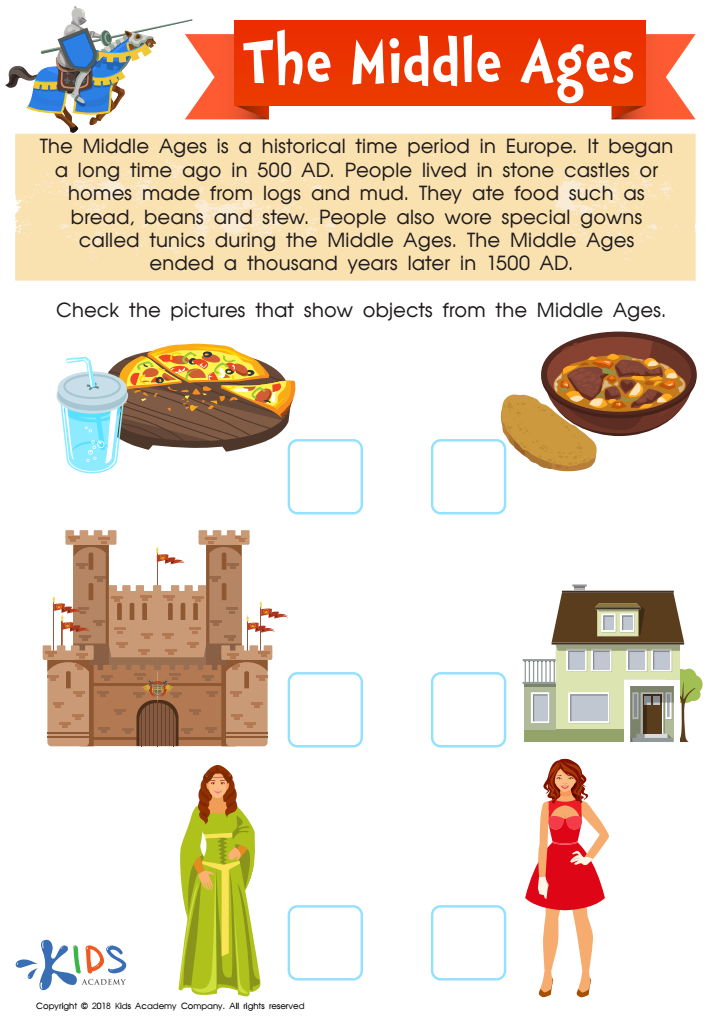
The Middle Ages Worksheet
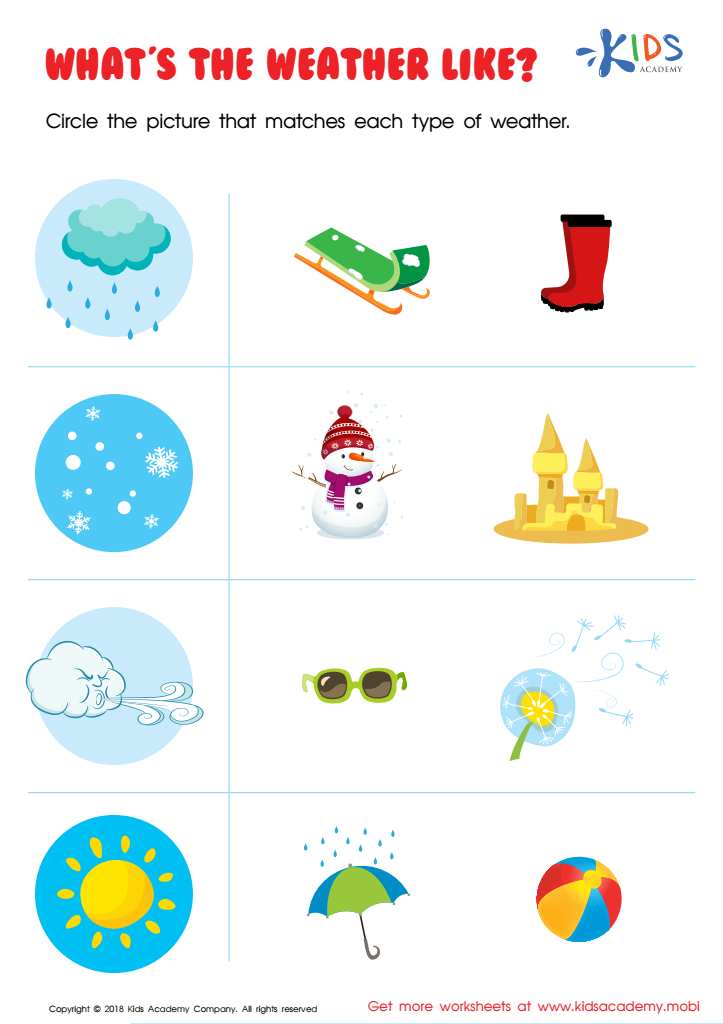
What's the Weather Like? Worksheet
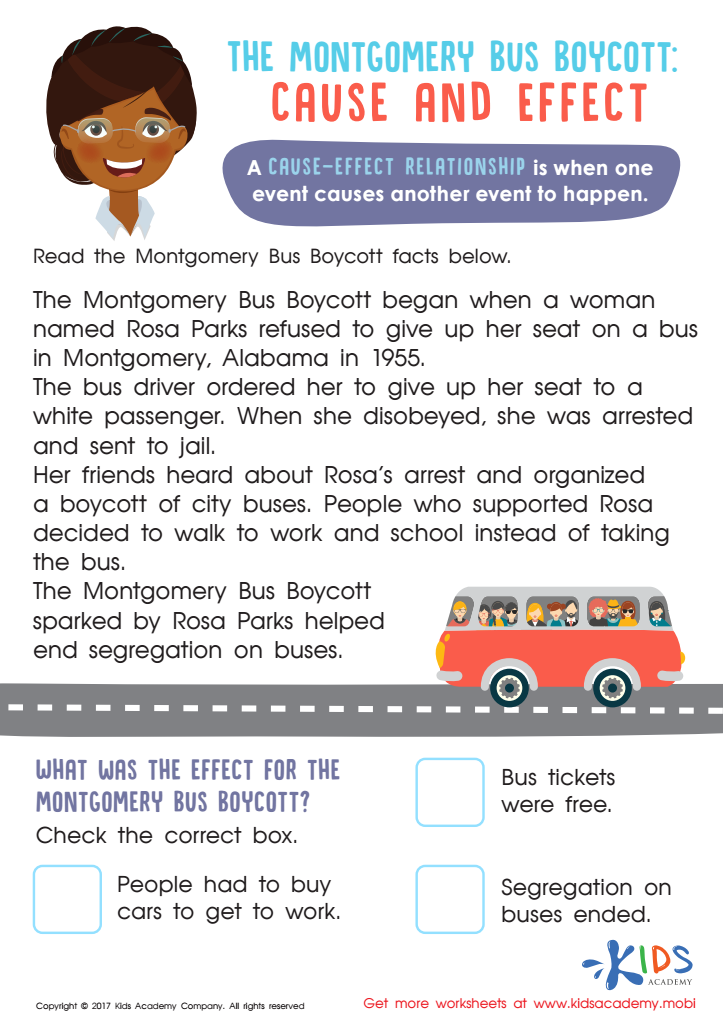
The Montgomery Bus Boycott Cause and Effect Worksheet
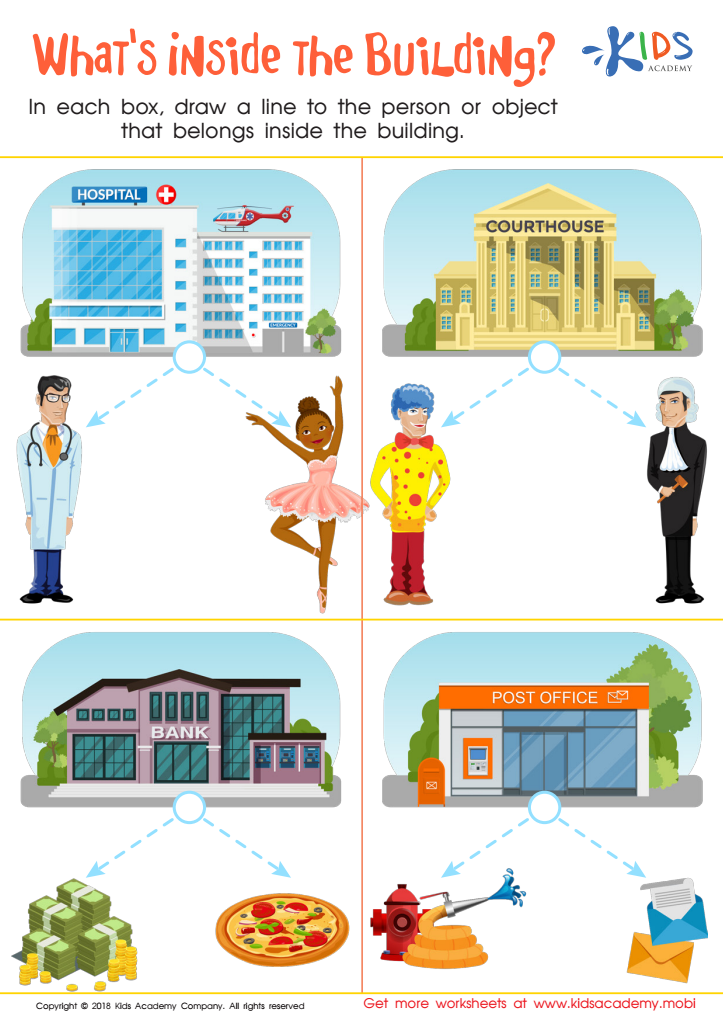
What's Inside the Building? Worksheet
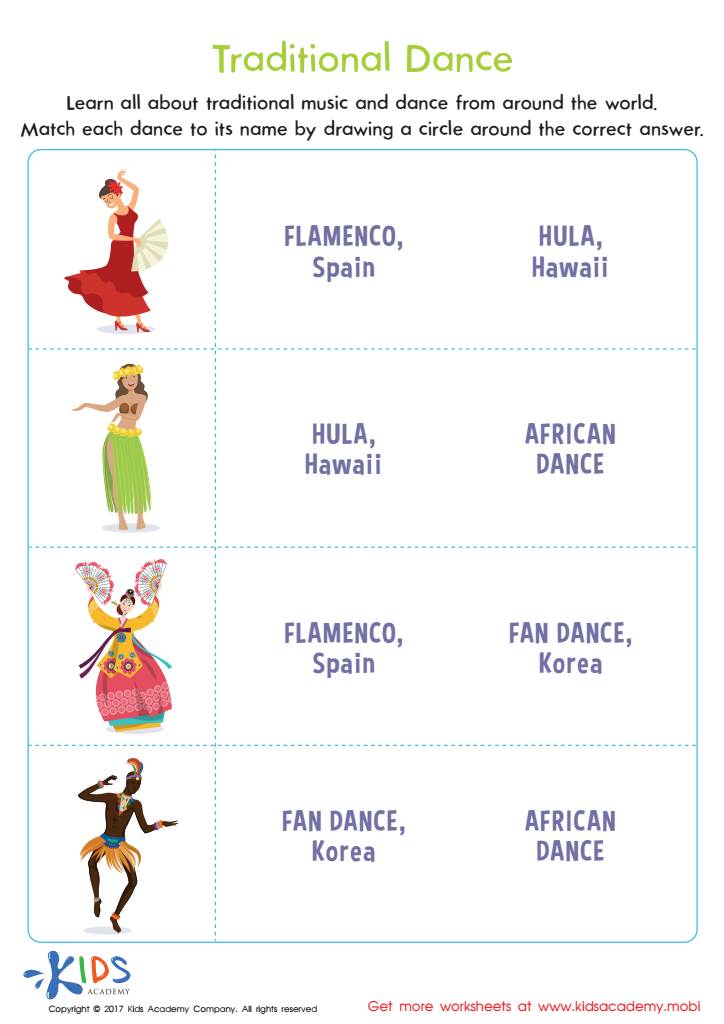
Traditional Dance Printable
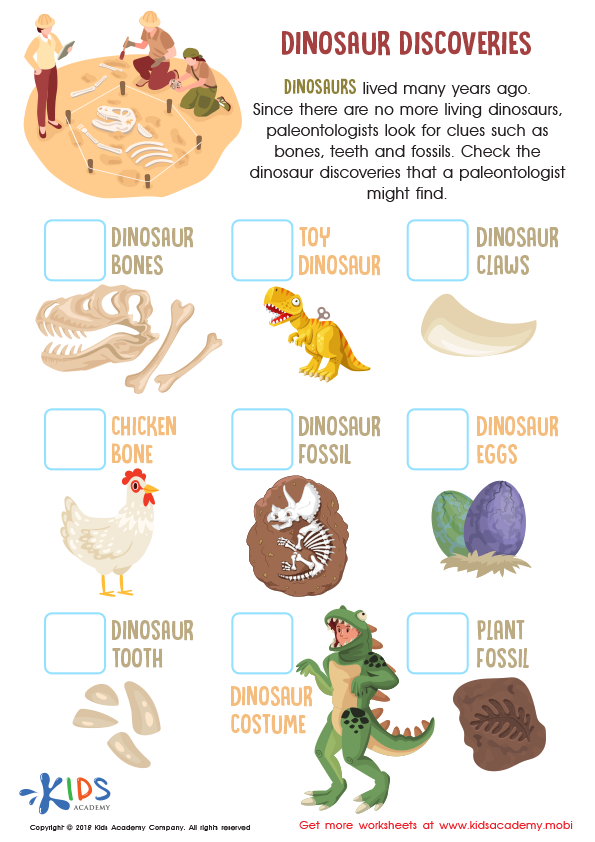
Dinosaur Discoveries Worksheet
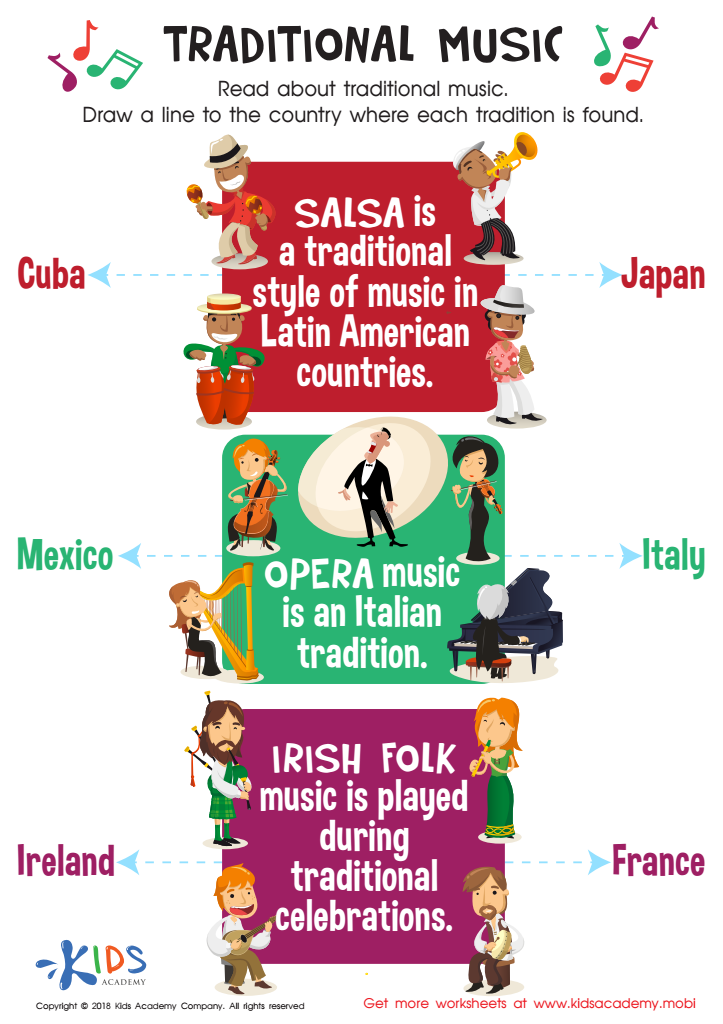
Traditional Music Worksheet
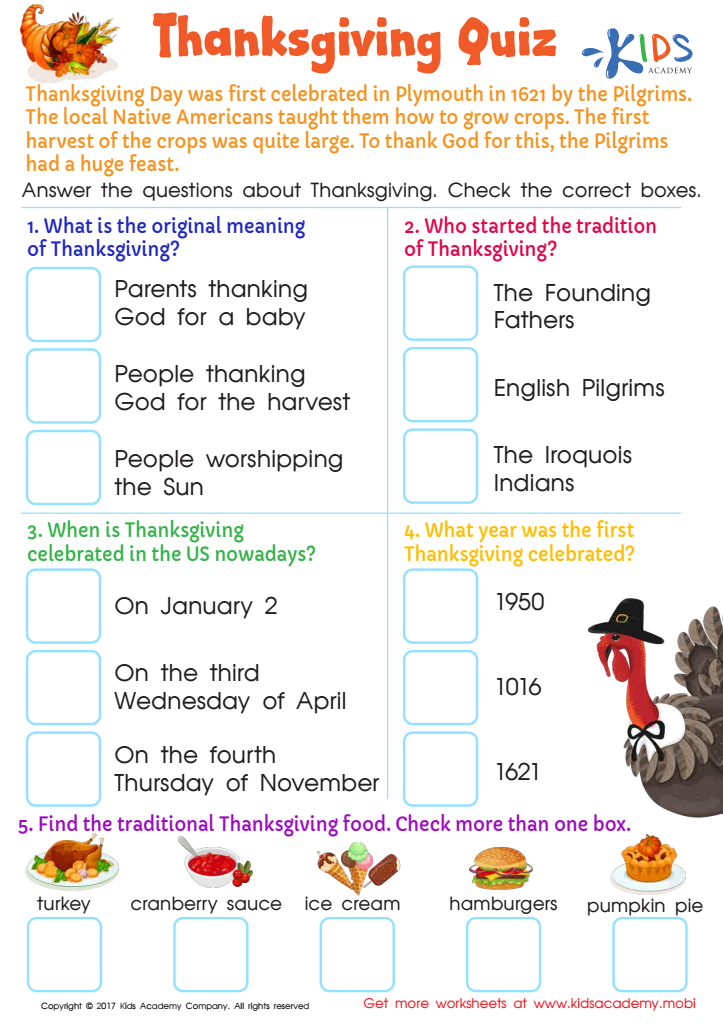
Thanksgiving Quiz Worksheet
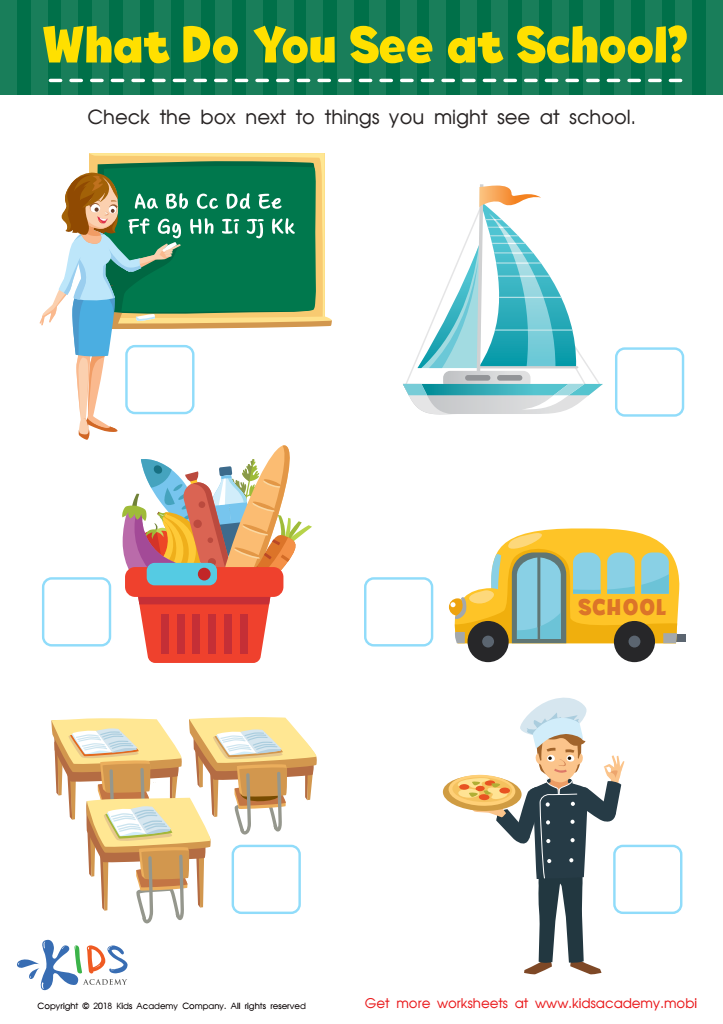
What Do you See at School? Worksheet
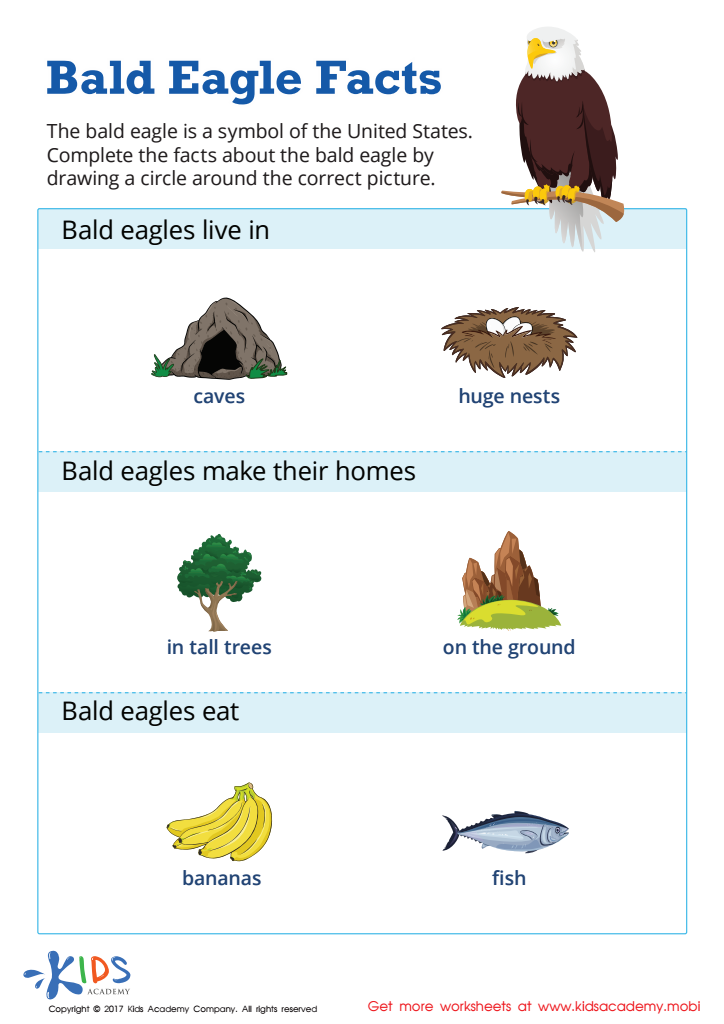
Bald Eagle Facts Worksheet
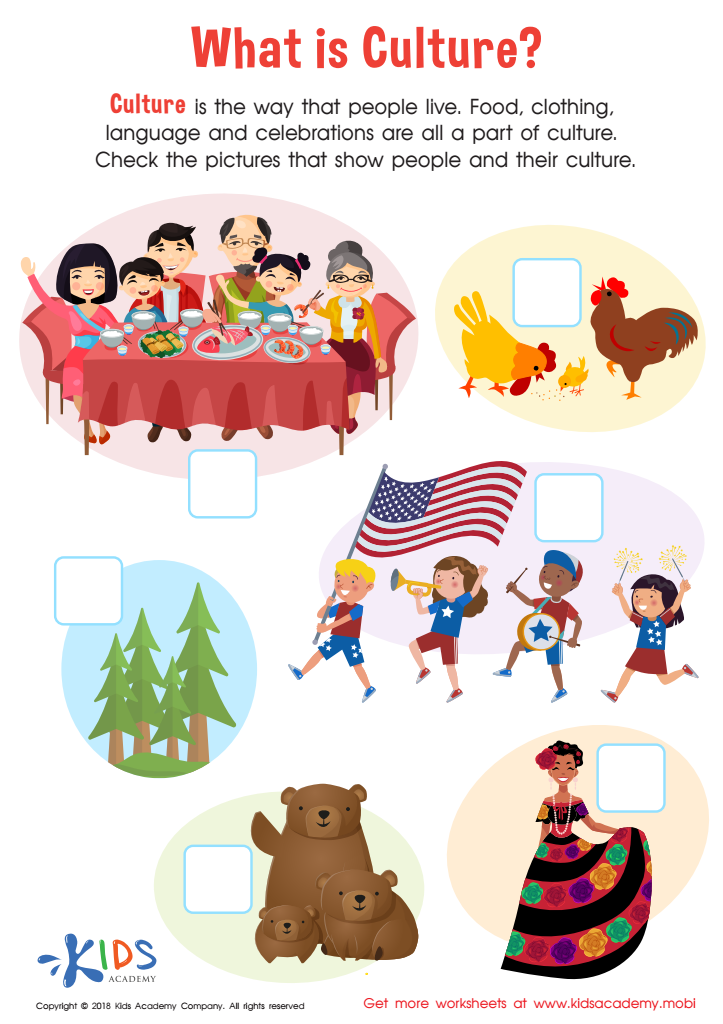
What Is Culture? Worksheet








Reading comprehension in normal social studies for children aged 5-8 is important because it lays the foundational structure for both academic and social development. At this age, children are transitioning from learning to read to reading to learn, and comprehension skills enable them to grasp key concepts in social studies, such as community, diversity, and citizenship.
Developing reading comprehension in social studies enriches children’s understanding of the world around them. It provides context for historical events, cultural differences, and civic responsibilities, fostering empathy, critical thinking, and a sense of belonging in a diverse society. When children understand stories about how their neighborhood works, why rules are important, and who the significant community helpers are, they become more aware and respectful citizens.
Furthermore, social studies reading comprehension improves vocabulary and cognitive skills. As children encounter new terms and concepts, they learn to make connections, infer meanings, and summarize information—skills that are beneficial across all subjects. Reading about social studies helps students form links between their personal experiences and wider community dynamics, enhancing their overall educational engagement and curiosity.
For parents and teachers, investing in reading comprehension within social studies ensures children are not only academically prepared but also socially and emotionally equipped to interact positively with the world around them.