Normal Writing Worksheets for Ages 5-8 - Page 2
179 filtered results
-
From - To
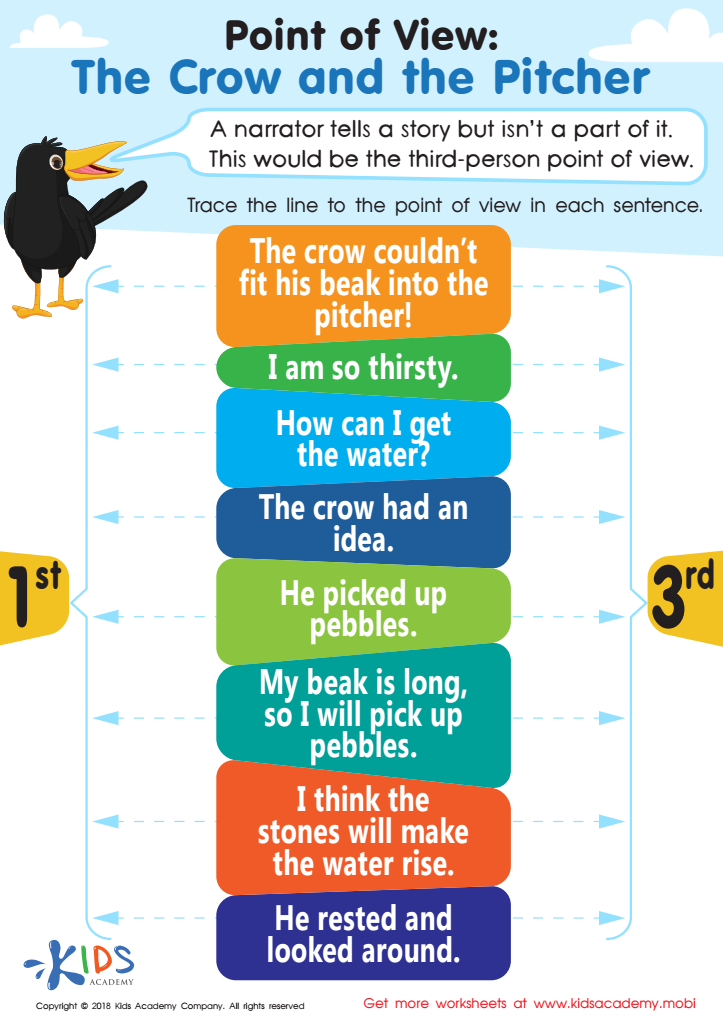
Point of View: The Crow and the Pitcher Worksheet
 Assign to My Students
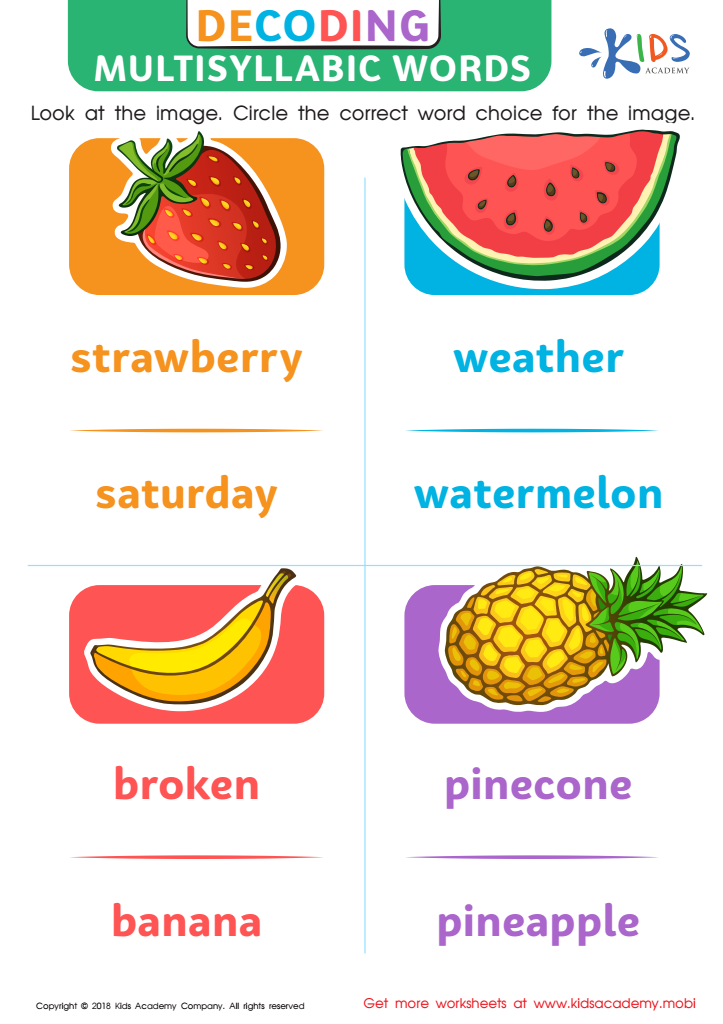
Decoding Multisyllabic Words Worksheet
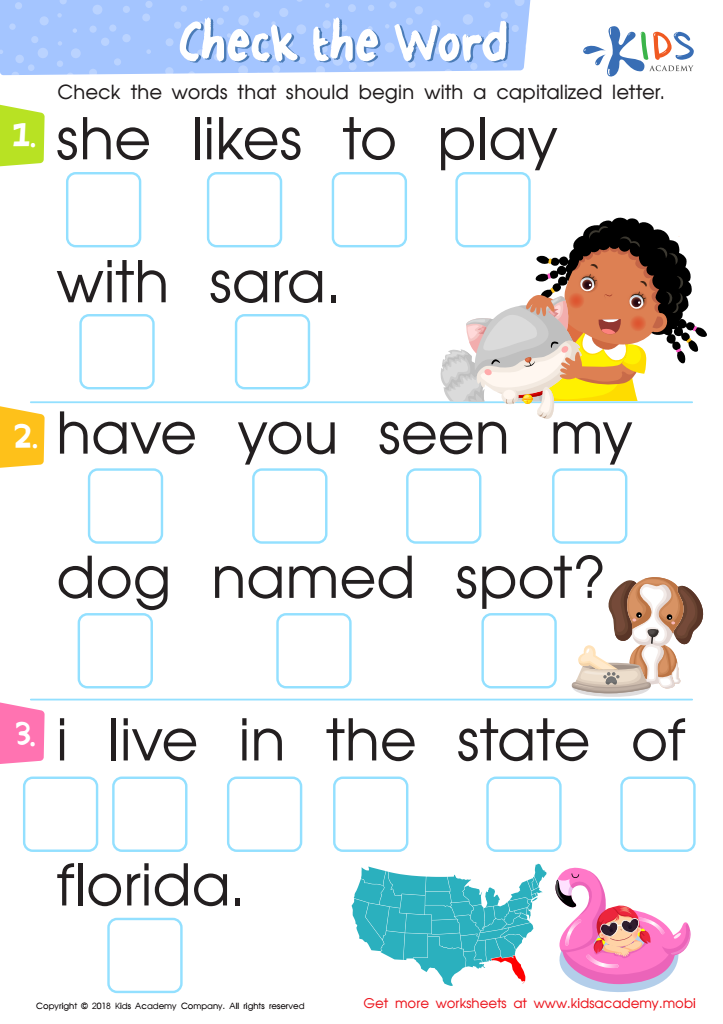
Check the Word Worksheet
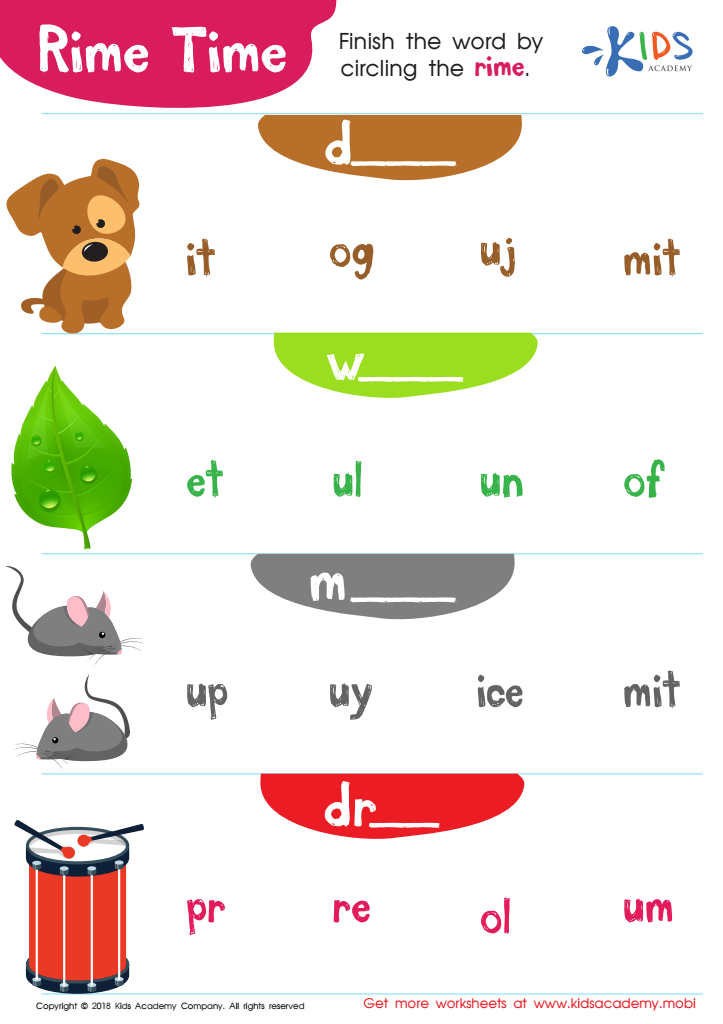
Rime Time Worksheet
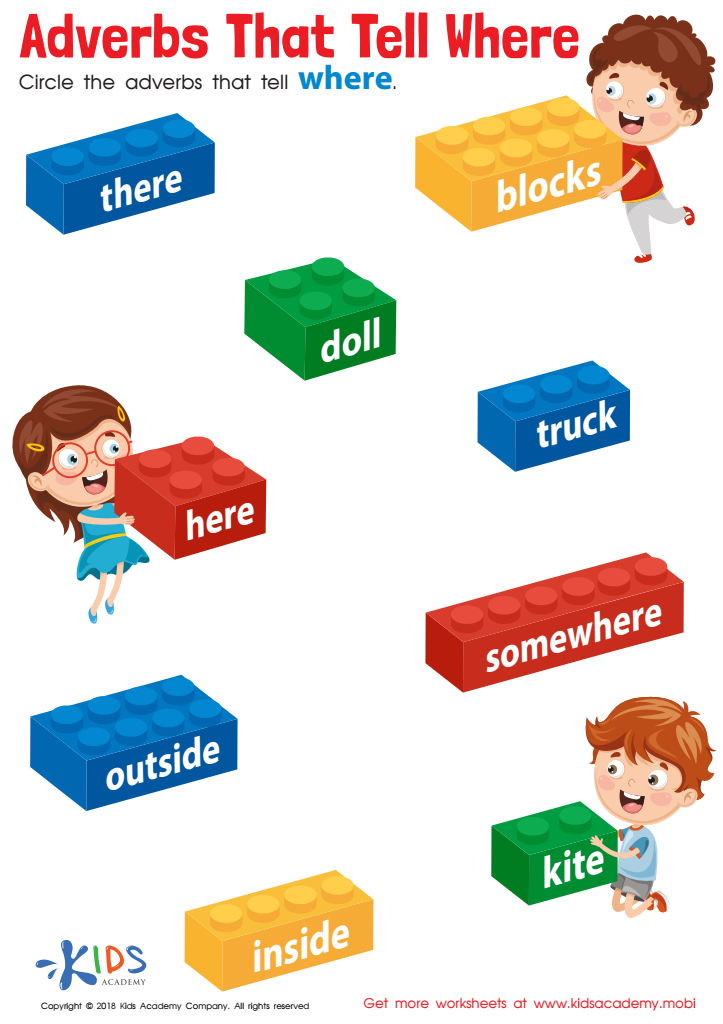
Adverbs That Tell Where Worksheet
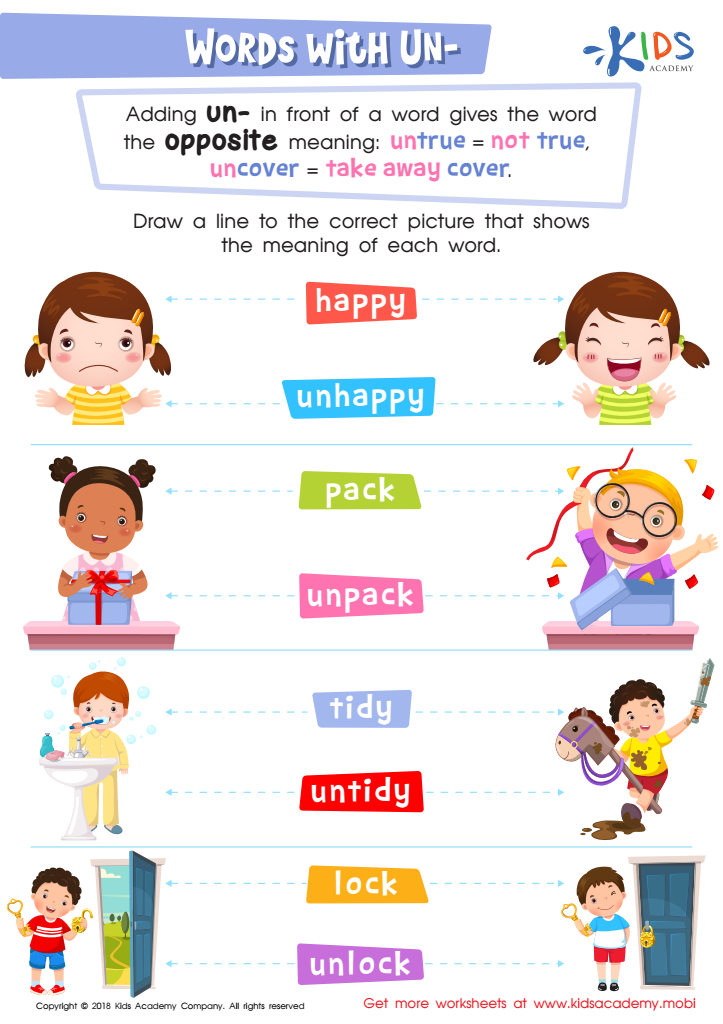
Words with Un– Worksheet
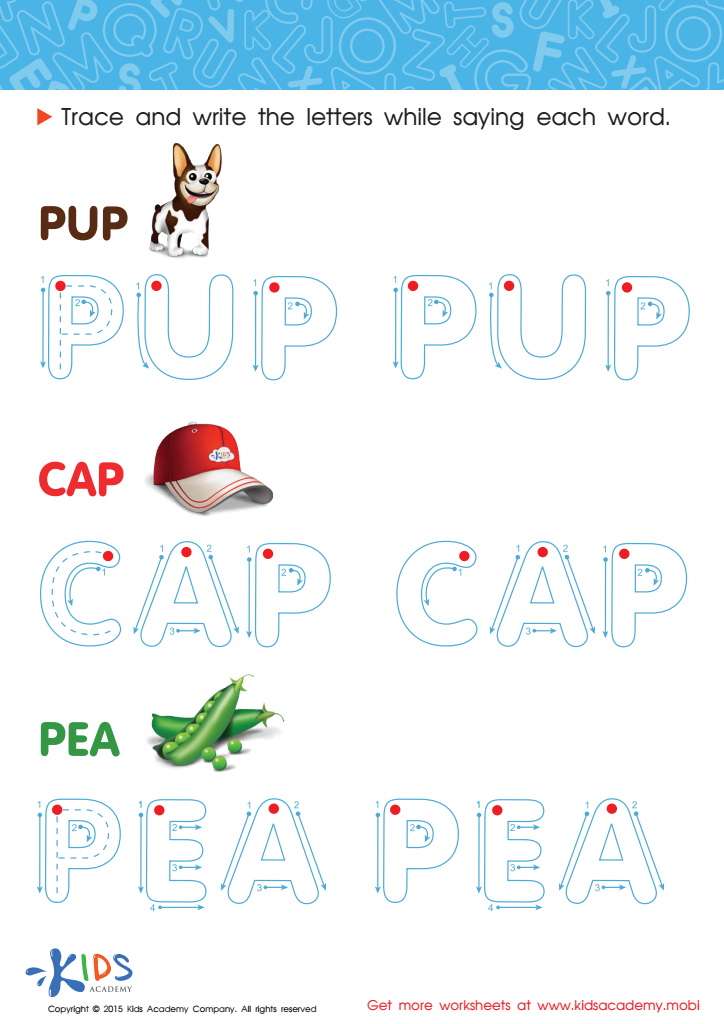
A Pup, a Cap and a Pea Spelling Worksheet
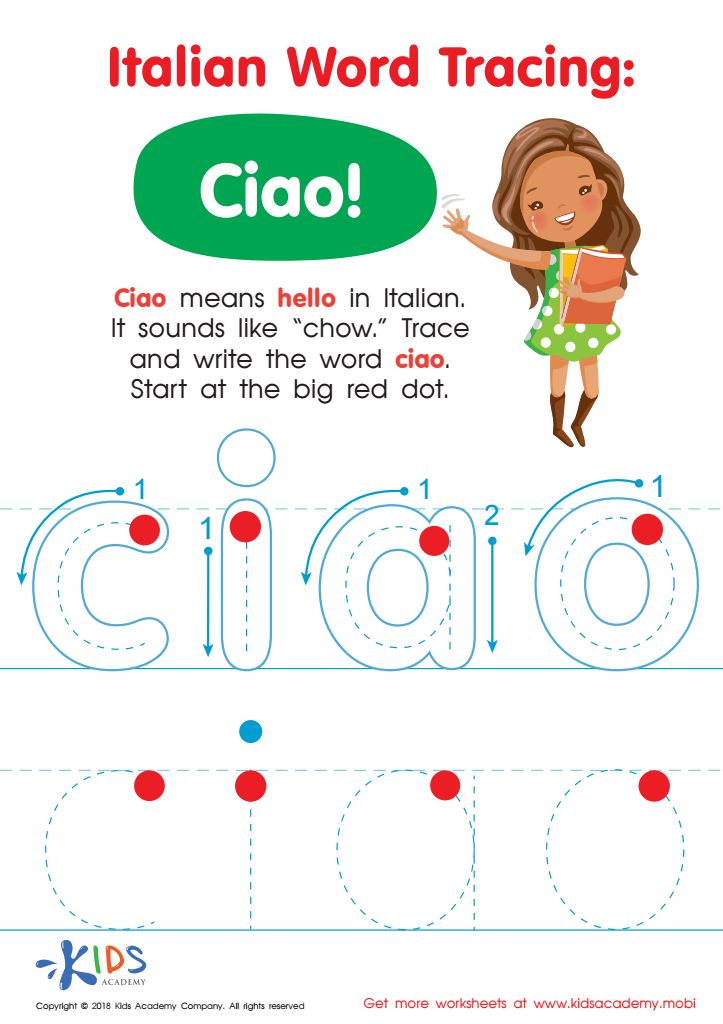
Italian Word Tracing: Ciao Worksheet
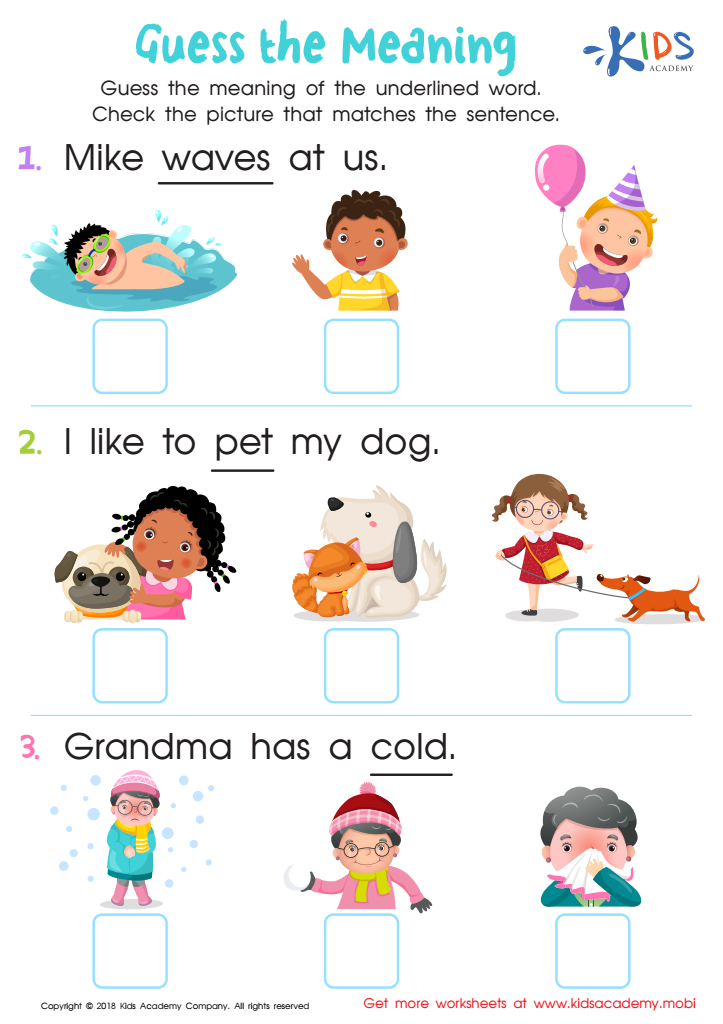
Guess the Meaning Worksheet
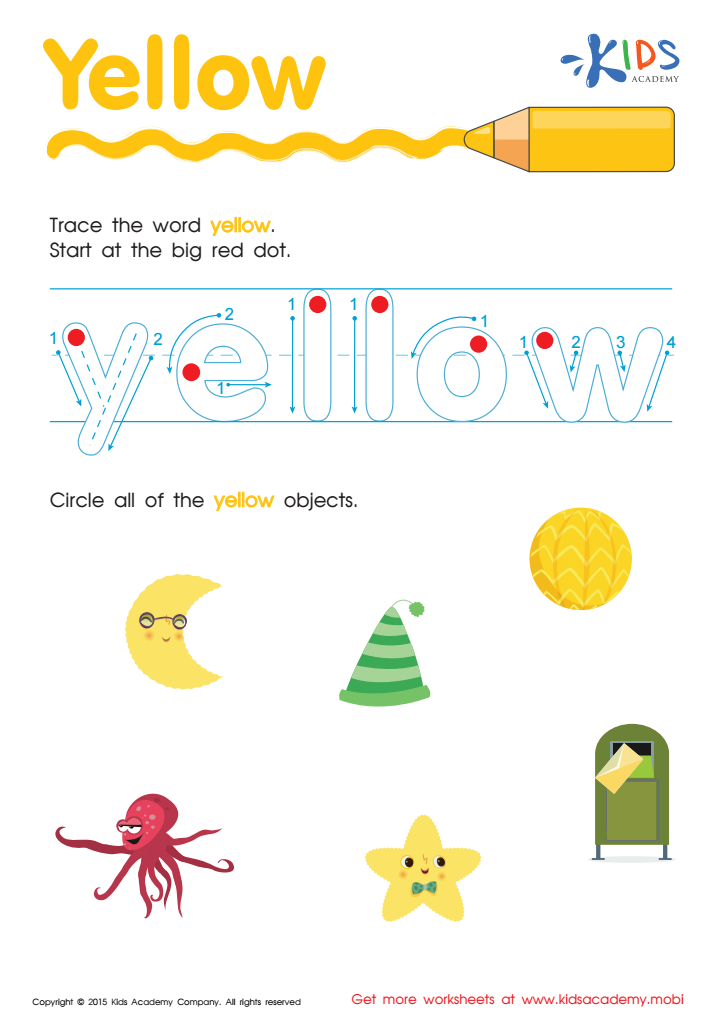
Yellow Tracing Color Words Worksheet
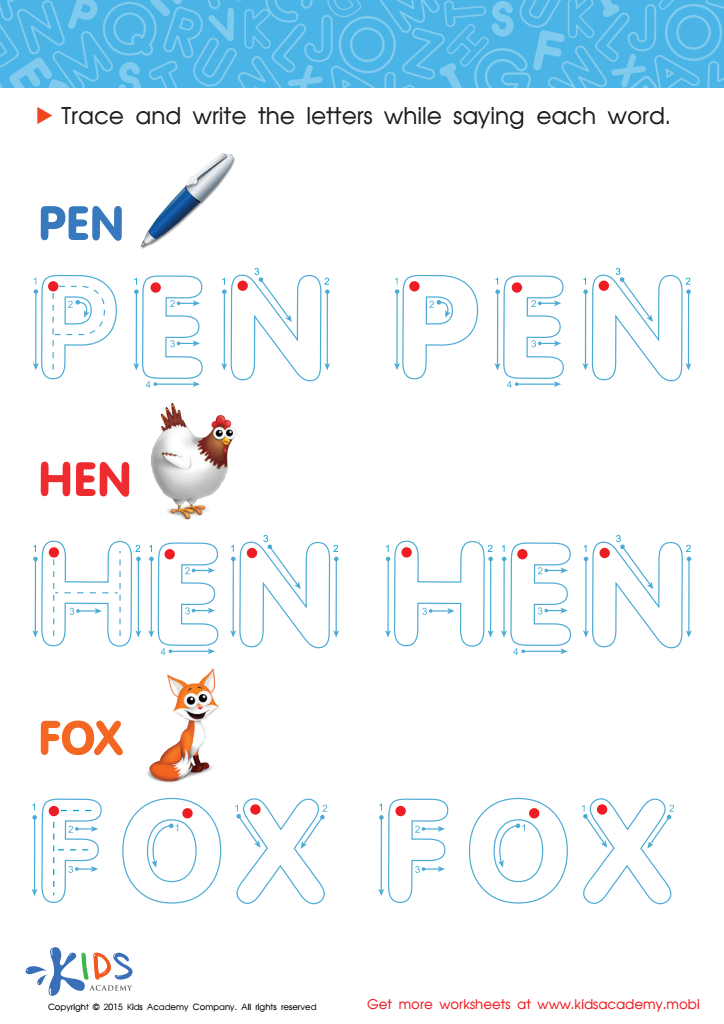
A Pen, a Hen and a Fox Spelling Worksheet
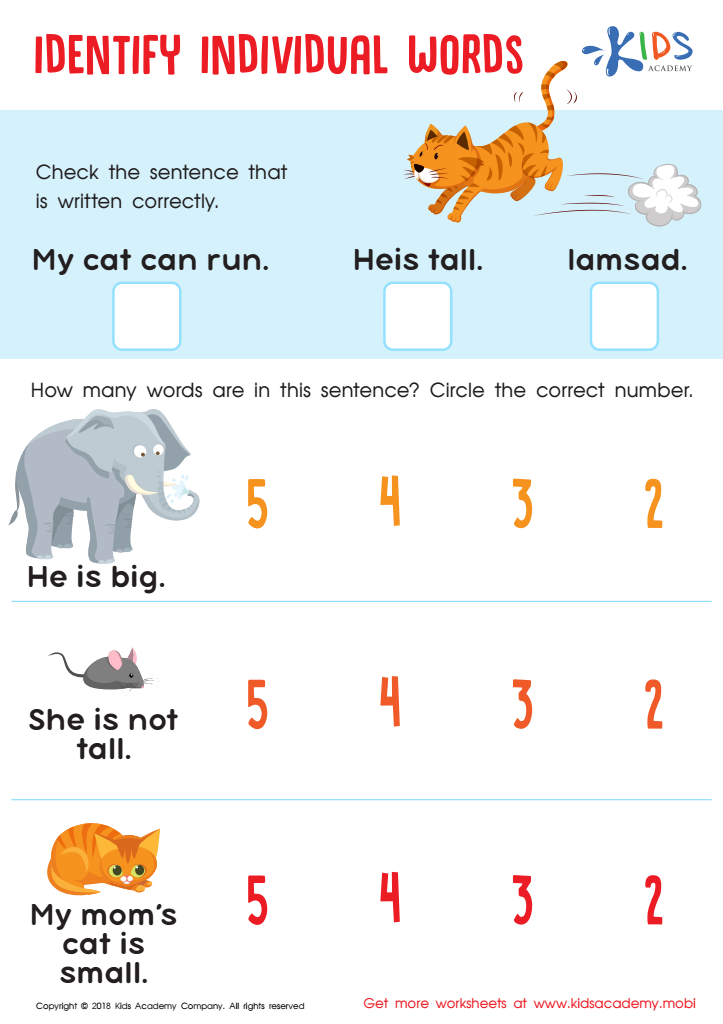
Identify Individual Words Worksheet
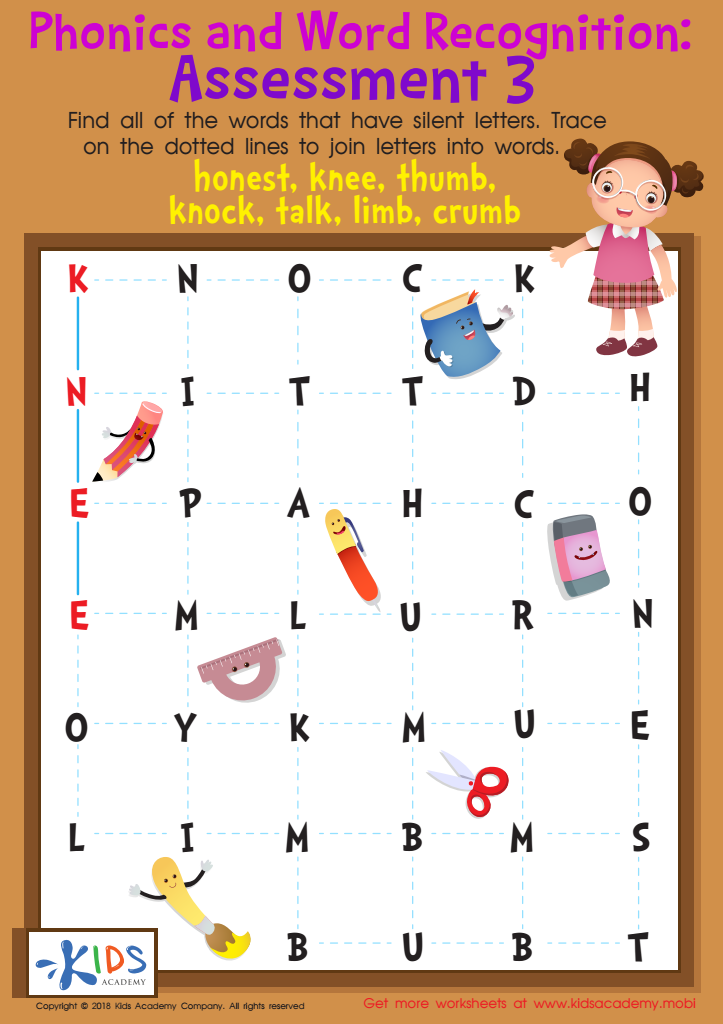
Phonics and Word Recognition: Assessment 3 Worksheet
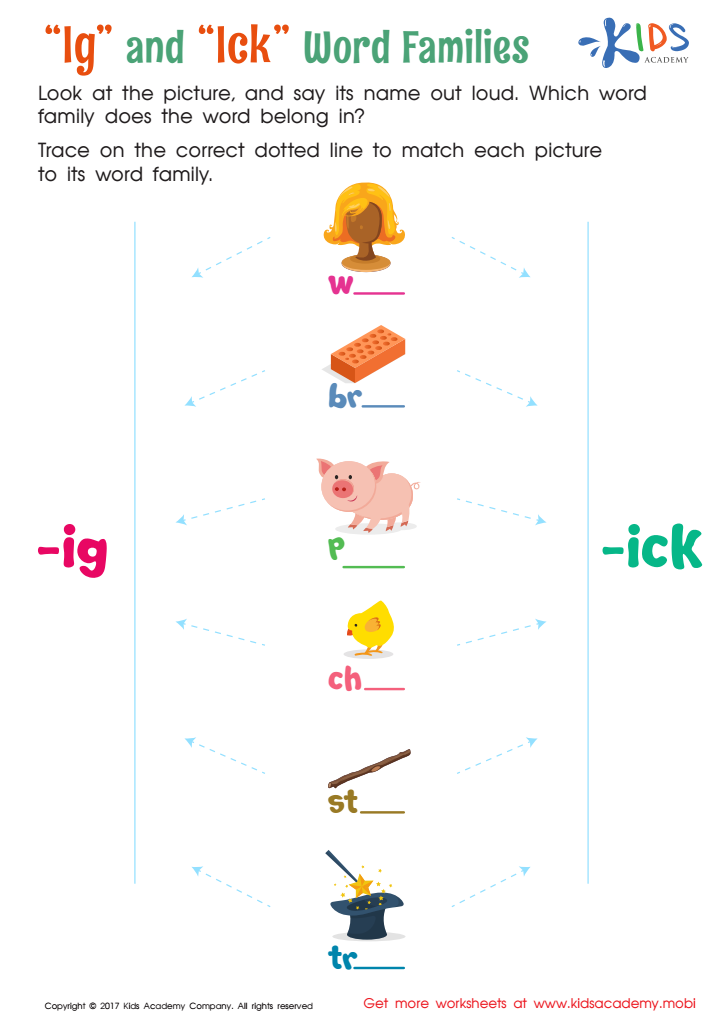
Words Families "ig" and "ick" Spelling Worksheet
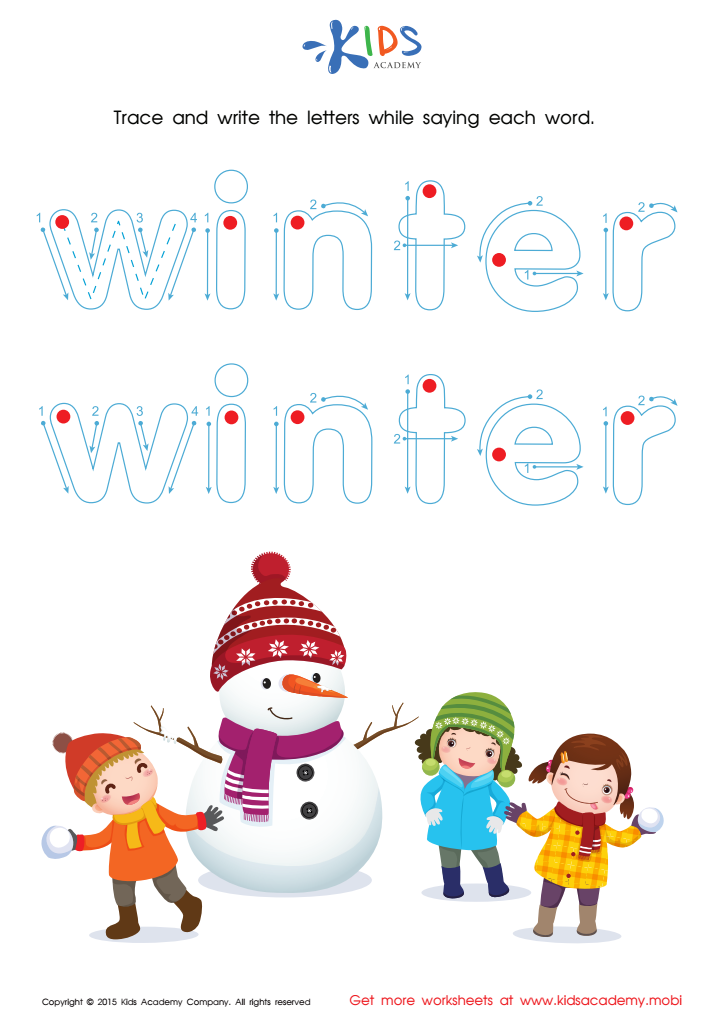
Snowman Tracing Winter Words Worksheet
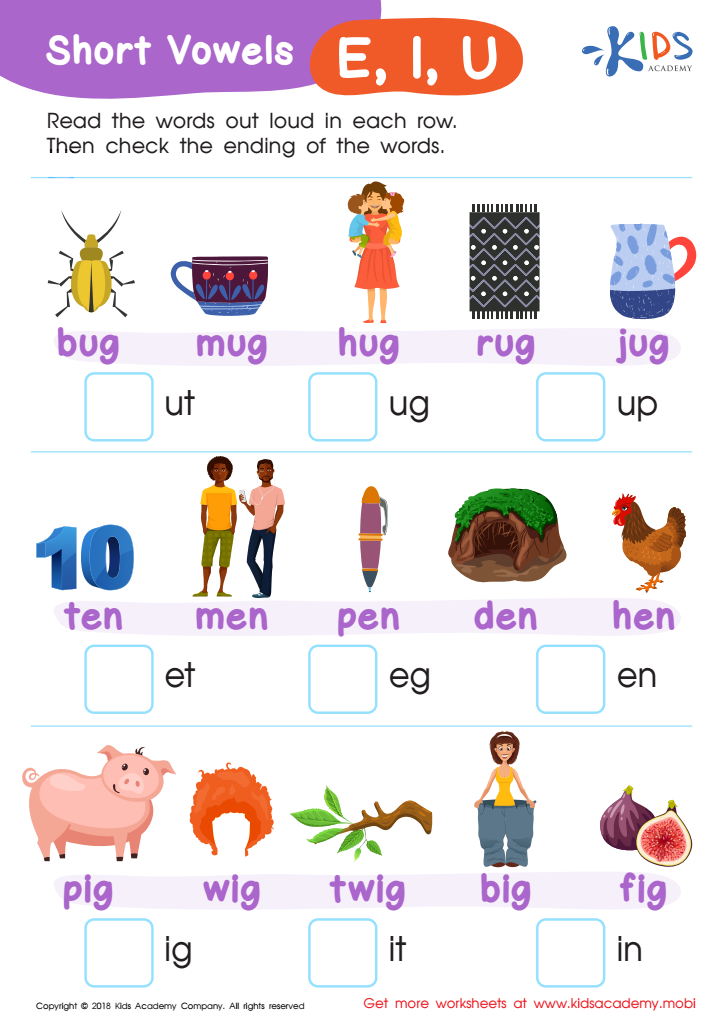
Short Vowels /e/, /i/, and /u/ Worksheet
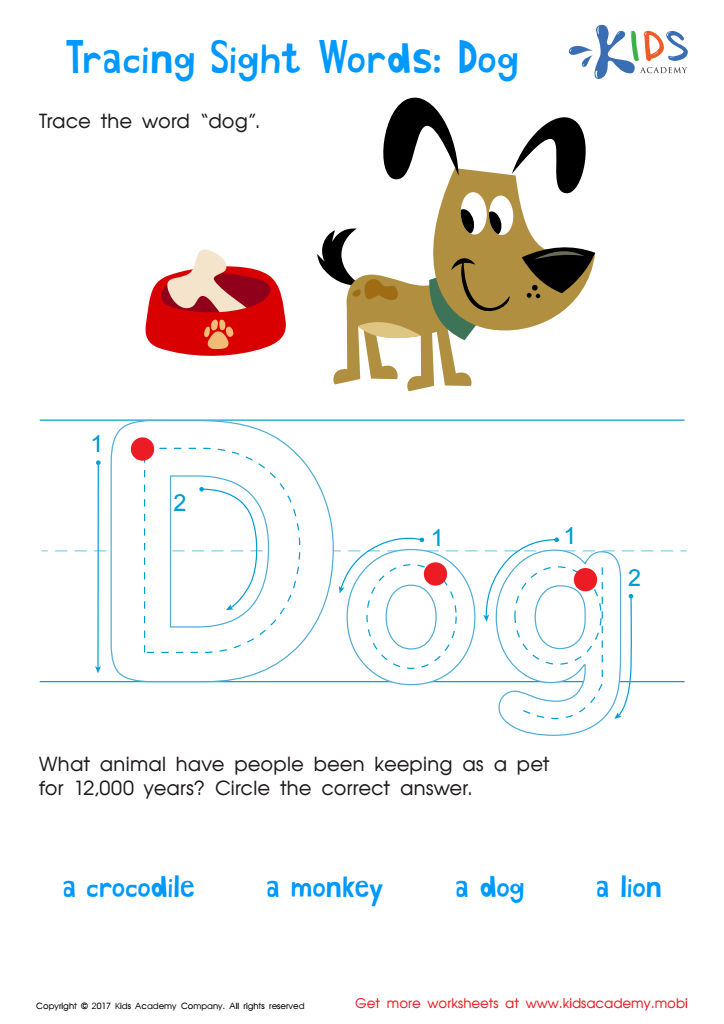
Dog Worksheet Sight Words Worksheet
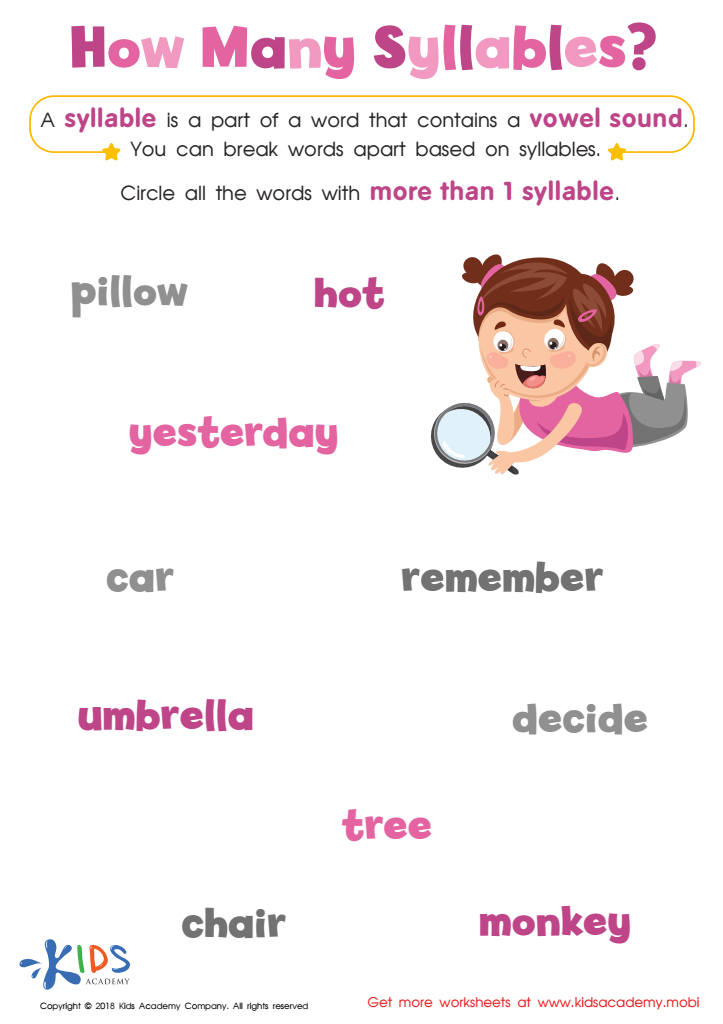
Reading: How Many Syllables Worksheet
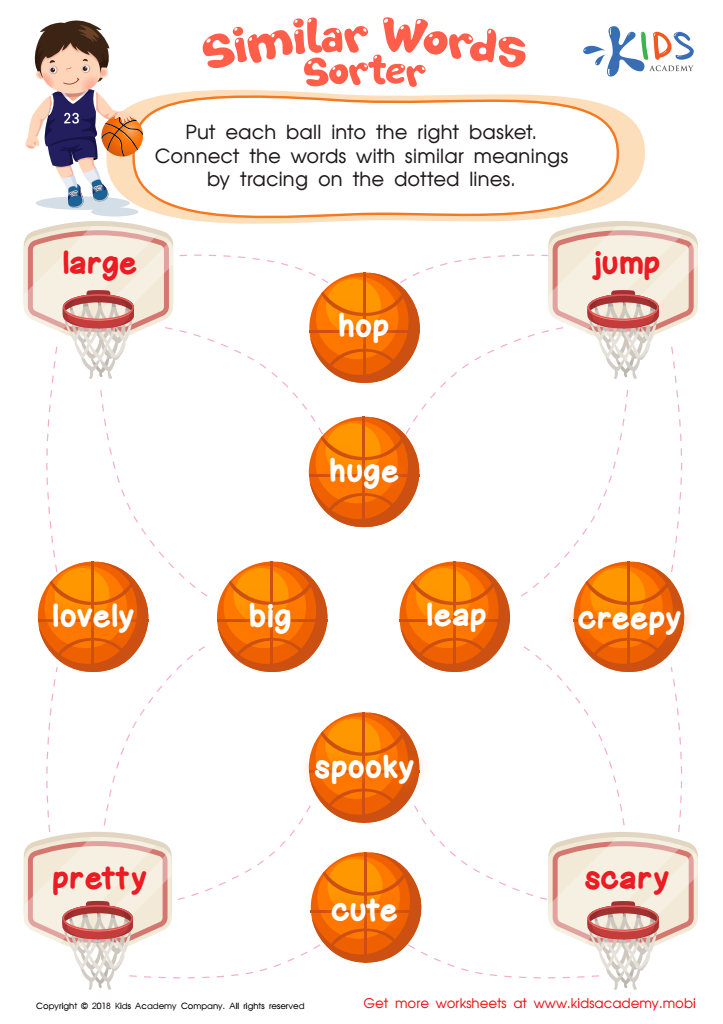
Similar Words Worksheet
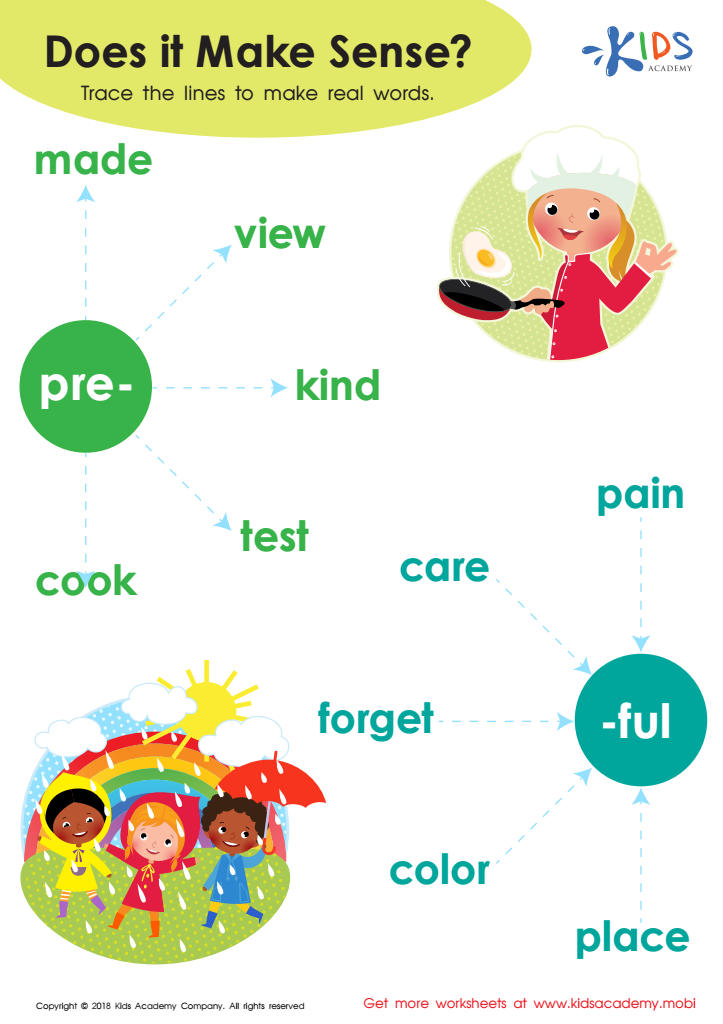
Prefix pre– and Suffix ful– Worksheet
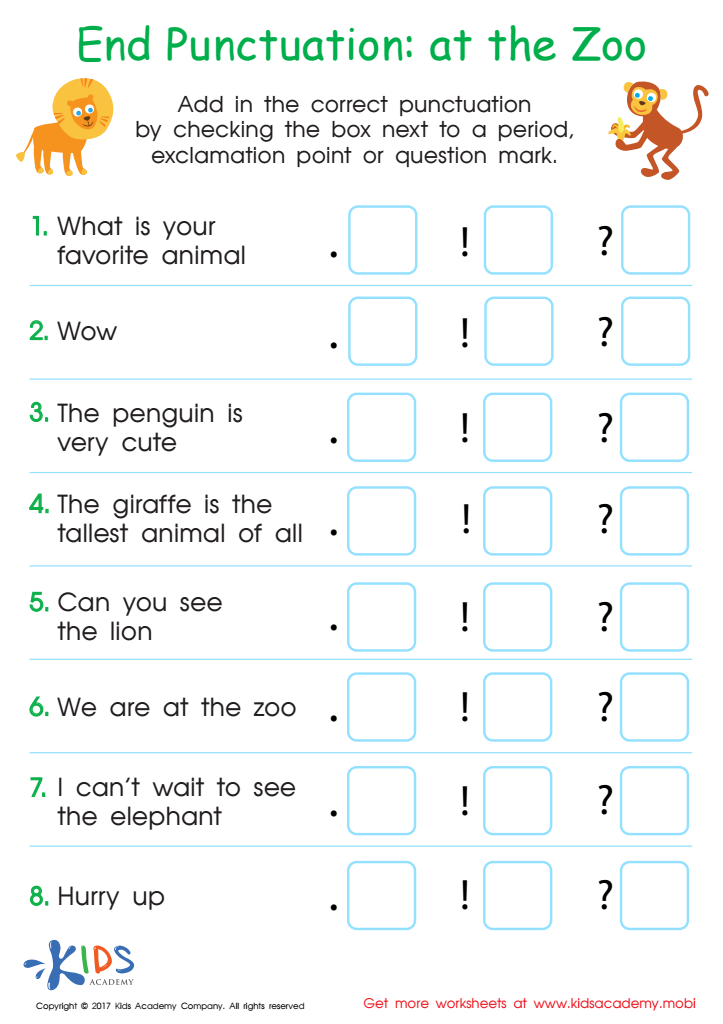
End Punctuation: At the Zoo Worksheet
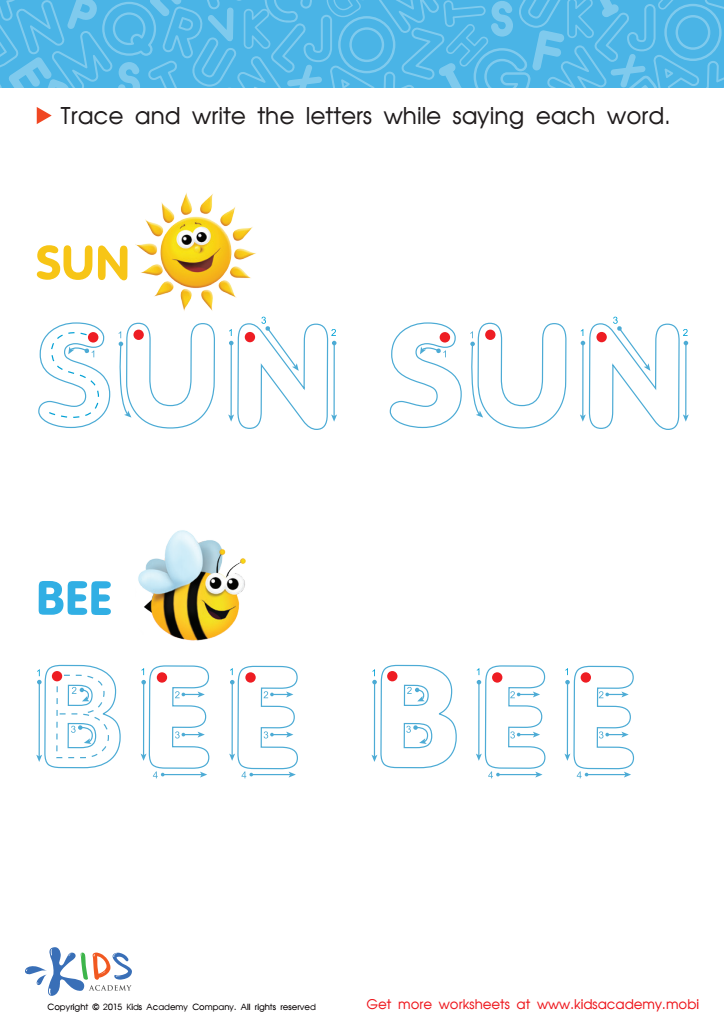
The Sun and a Bee Spelling Worksheet
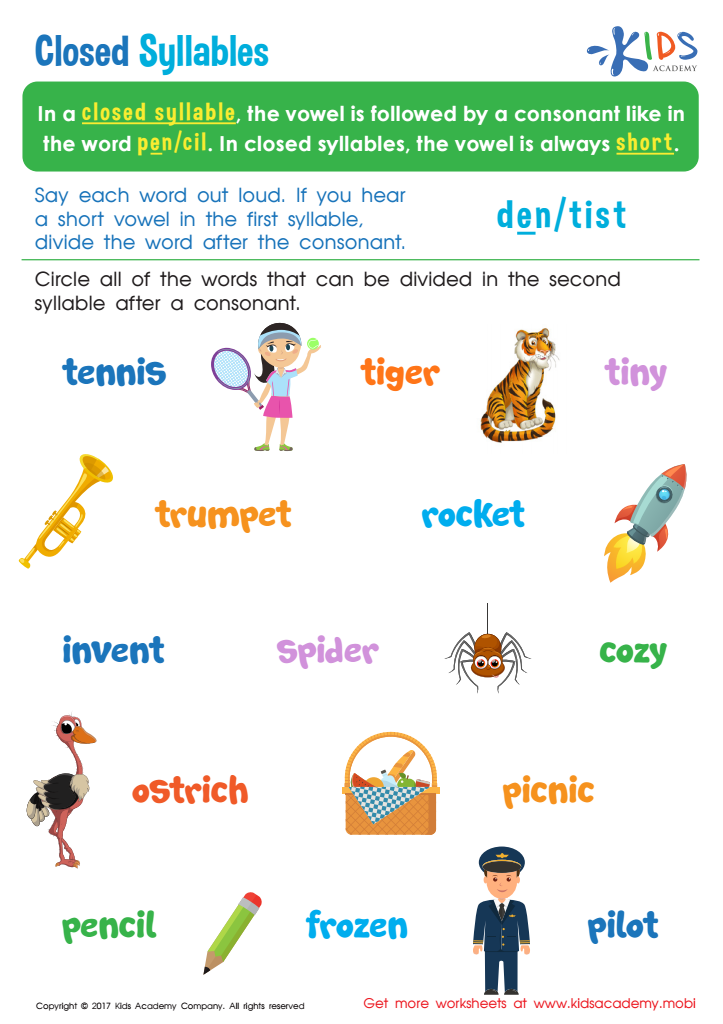
Closed Syllable Spelling Worksheet
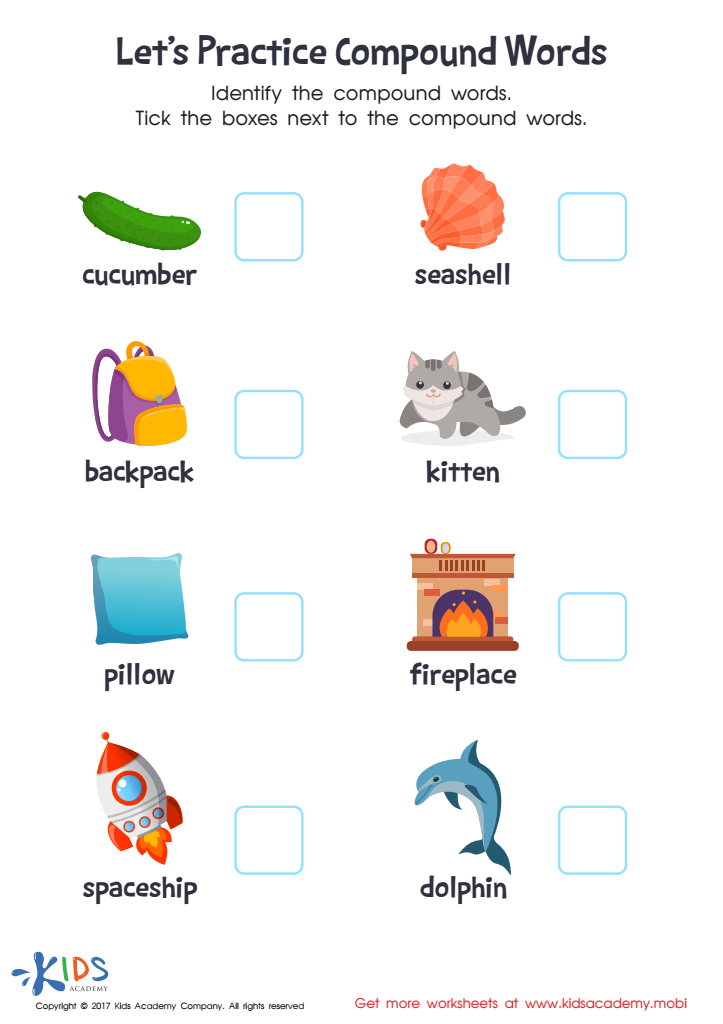
Let's Practice Compound Words Word Structure Worksheet


.jpg)




Parents and teachers should recognize the importance of normal writing development in children ages 5-8 because it forms the foundation for literacy skills critical in their academic and personal futures. During these formative years, children transition from recognizing letters to becoming proficient in writing complete sentences. This process enhances not only their ability to communicate thoughts and stories effectively but also strengthens reading skills.
Understanding writing norms helps adults provide the appropriate guidance and tools needed for meaningful progress. Encouraging proper letter formation, spacing, and eventually, sentence structure increases a child’s confidence and competency in writing tasks. Poor early writing habits can lead to difficulties in written expression and hinder academic performance across subjects, as writing is integral to all areas of learning.
Moreover, the act of writing reinforces cognitive development by sparking critical thinking, memory retention, and organizational skills. Emotionally, as children see their writing ability improve, their self-esteem and motivation grow, underscoring their sense of accomplishment. By actively monitoring and fostering proper writing practices from an early stage, teachers and parents alike contribute significantly to a child's comprehensive development, setting them on a balanced path for future success in both education and life's broader challenges.