Normal Consonants Worksheets for Ages 5-9 - Page 2
26 filtered results
-
From - To
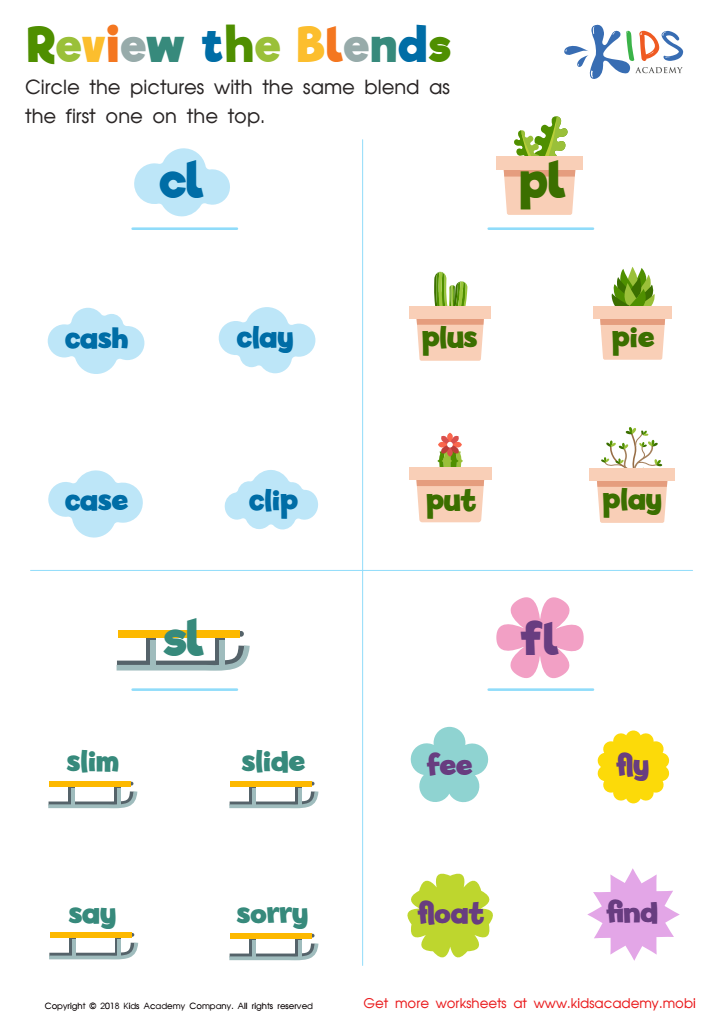
Review the Blends Worksheet
 Assign to My Students
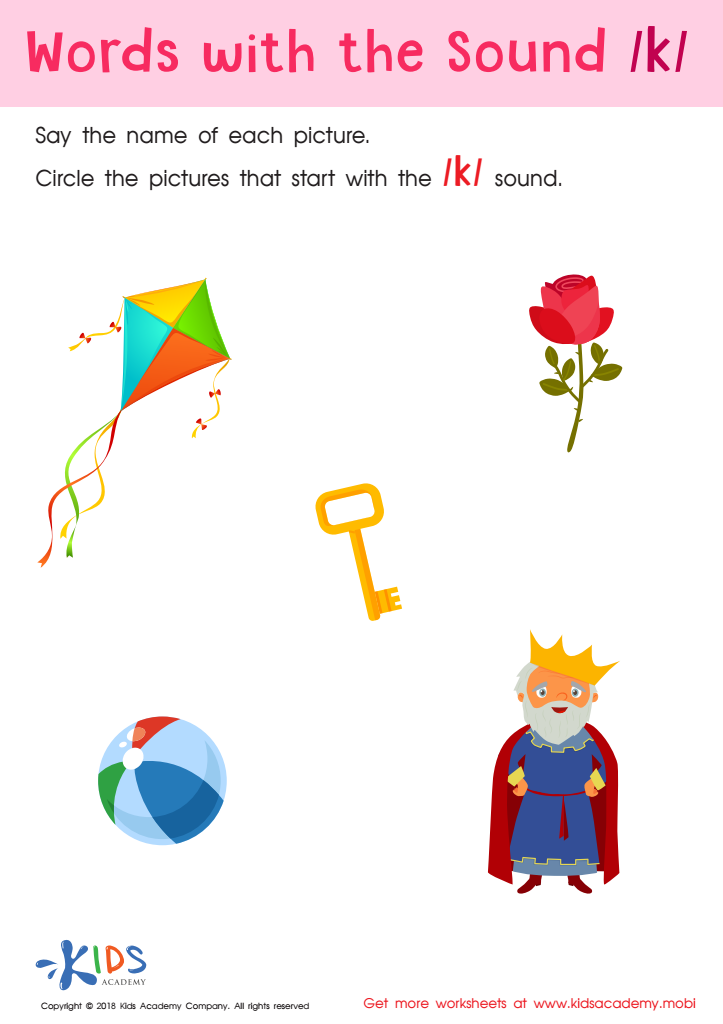
Words with sound k Reading Worksheet



Understanding normal consonants is crucial for children aged 5-9 as it serves as a foundation for their reading and speaking skills. During these formative years, children develop their phonological awareness, which significantly impacts their literacy development. Normal consonants, such as /b/, /t/, /m/, and /n/, are essential building blocks for children to decode words, improving their reading fluency.
For parents and teachers, focusing on consonant sounds helps children articulate words more clearly, enhancing their communication skills. Proper pronunciation and sound recognition stimulate cognitive development, as children connect sounds with letters and meanings.
Additionally, engaging in activities that involve consonant sounds can promote social skills, as children learn to express themselves effectively and interact confidently with peers. Listening, repetition, and practice play vital roles in embedding these consonant sounds, making it crucial for parents and teachers to create a supportive and interactive learning environment.
By prioritizing the understanding of normal consonants, adults ensure that children are better equipped for academic success, enhancing their overall confidence and enthusiasm for learning. Ultimately, fostering a strong grasp of these sounds lays the groundwork for proficient reading and communication skills that will benefit children throughout their education.






