Color Identification Normal Worksheets for Ages 5-9
26 filtered results
-
From - To
Explore our engaging "Color Identification Normal Worksheets for Ages 5-9" designed to make learning colors fun and effective. Perfect for early learners, these printable worksheets help children master color recognition and enhance their attentiveness through playful activities. With vibrant illustrations and age-appropriate exercises, kids will enjoy matching, sorting, and identifying colors within exciting themes. These worksheets encourage cognitive development and creativity, ensuring a solid foundation in learning skills. Ideal for home or classroom use, our color identification worksheets support different learning paces, making them a versatile tool for educators and parents alike. Download today and watch your child's color knowledge flourish!
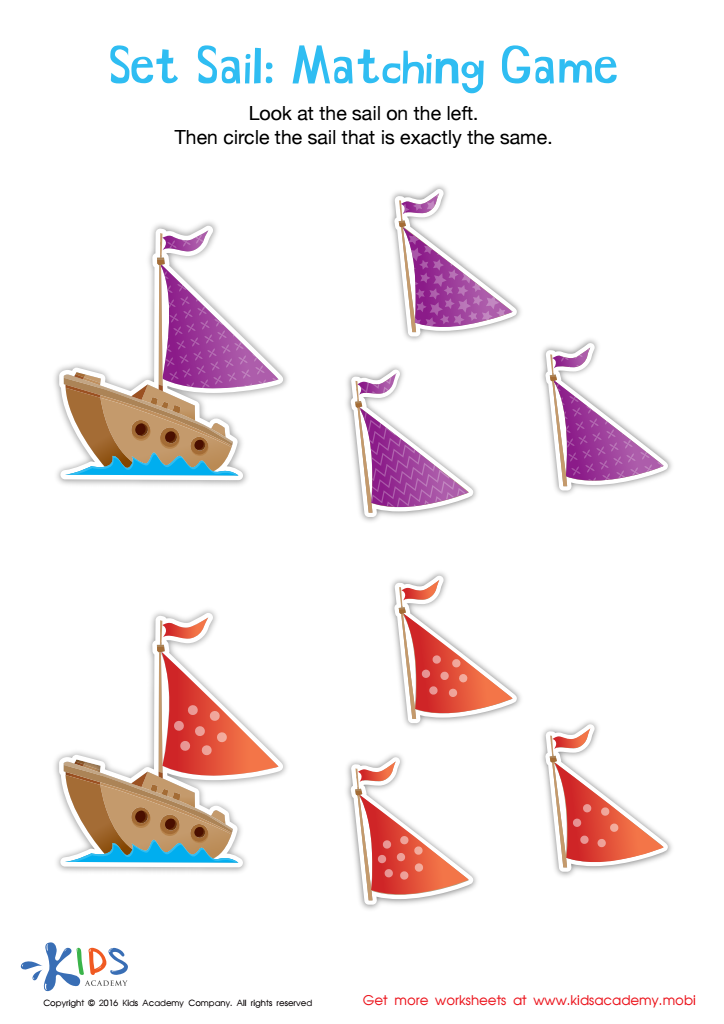
Set Sail Worksheet
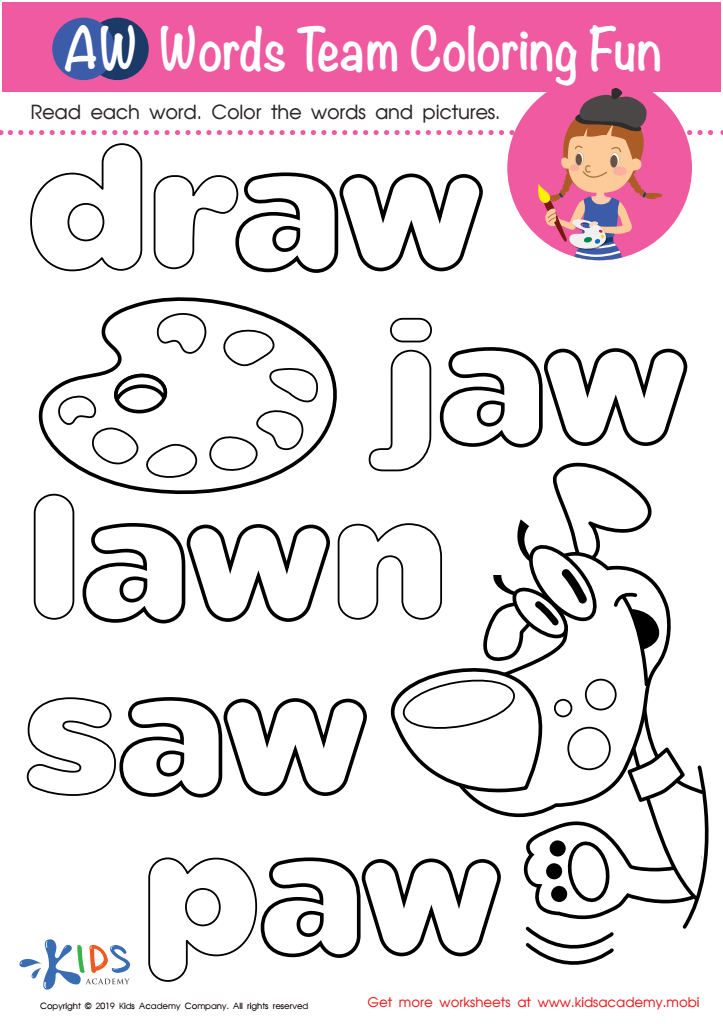
AW Words Team Coloring Fun Worksheet
 Assign to My Students
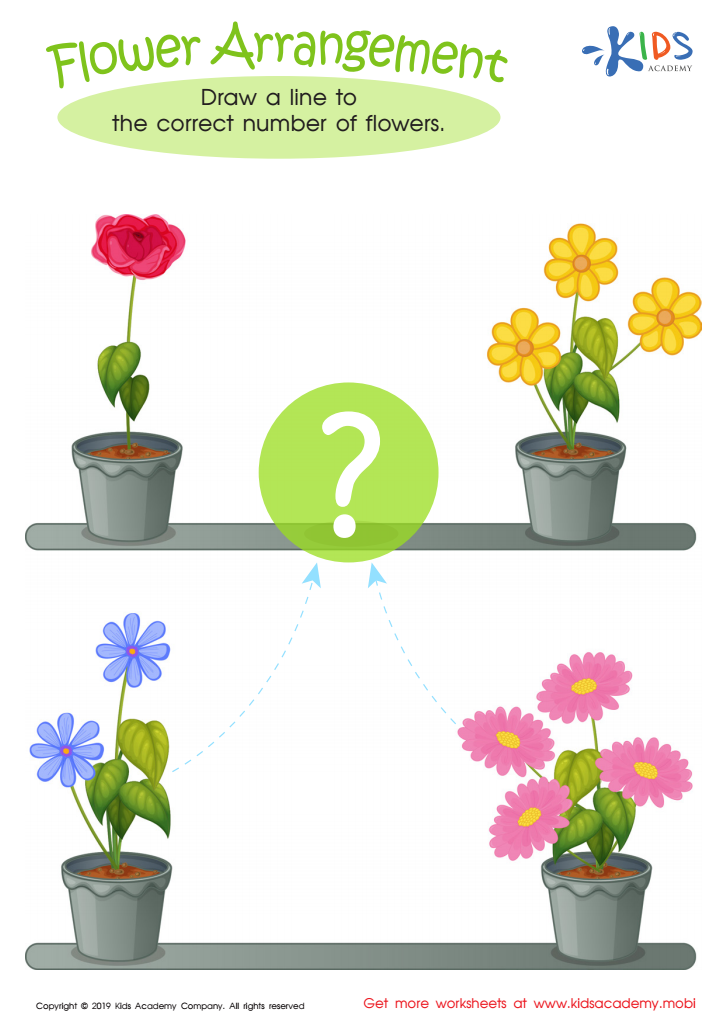
Flower Arrangement Worksheet
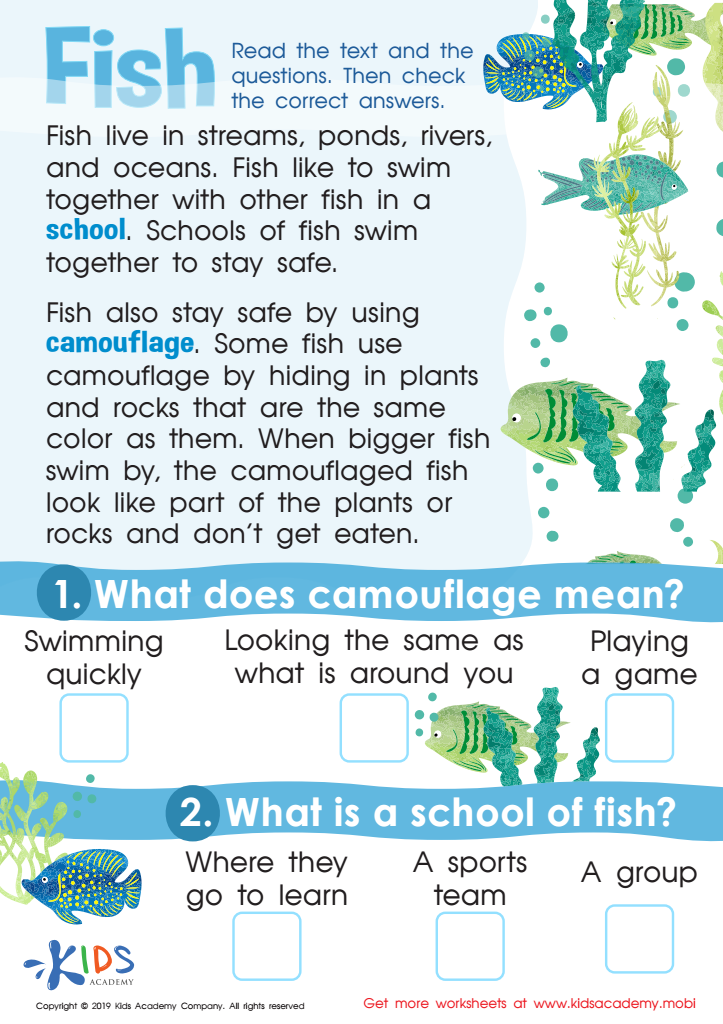
Fish Worksheet
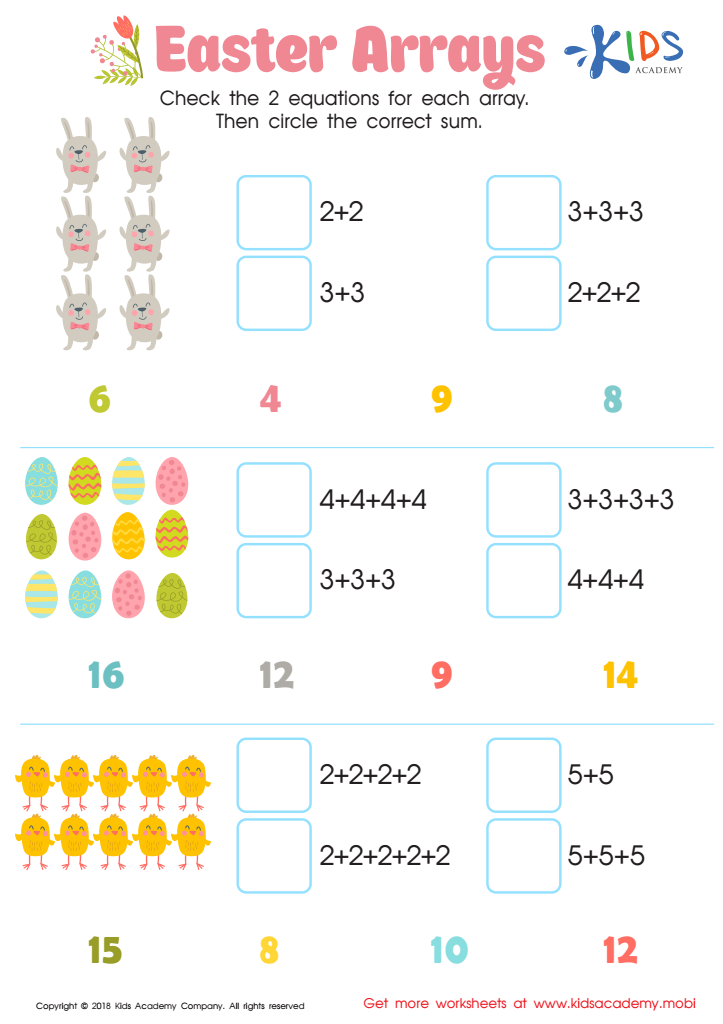
Easter Arrays Worksheet
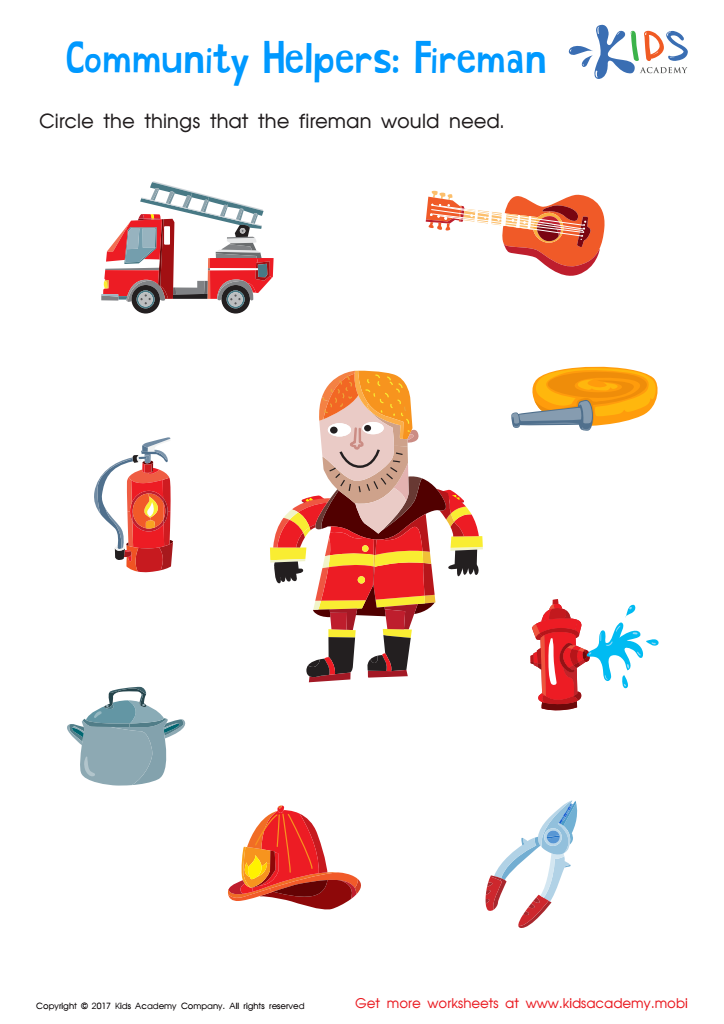
Fireman Worksheet
Halloween: A Funny Monster Worksheet
Assign to My Students
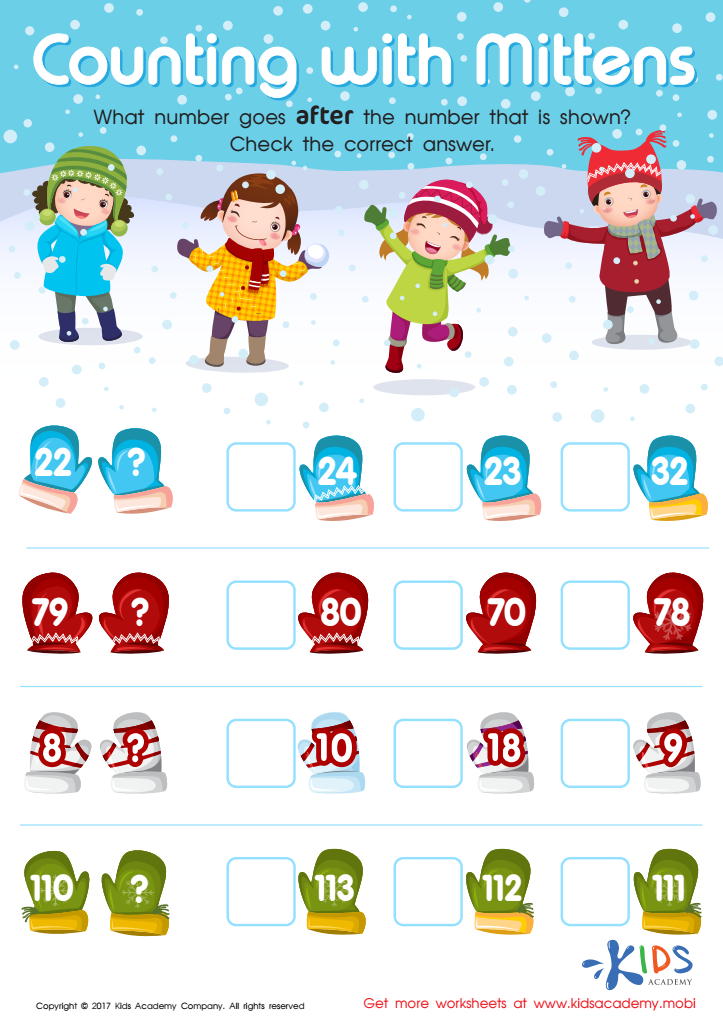
Counting with Mittens Worksheet
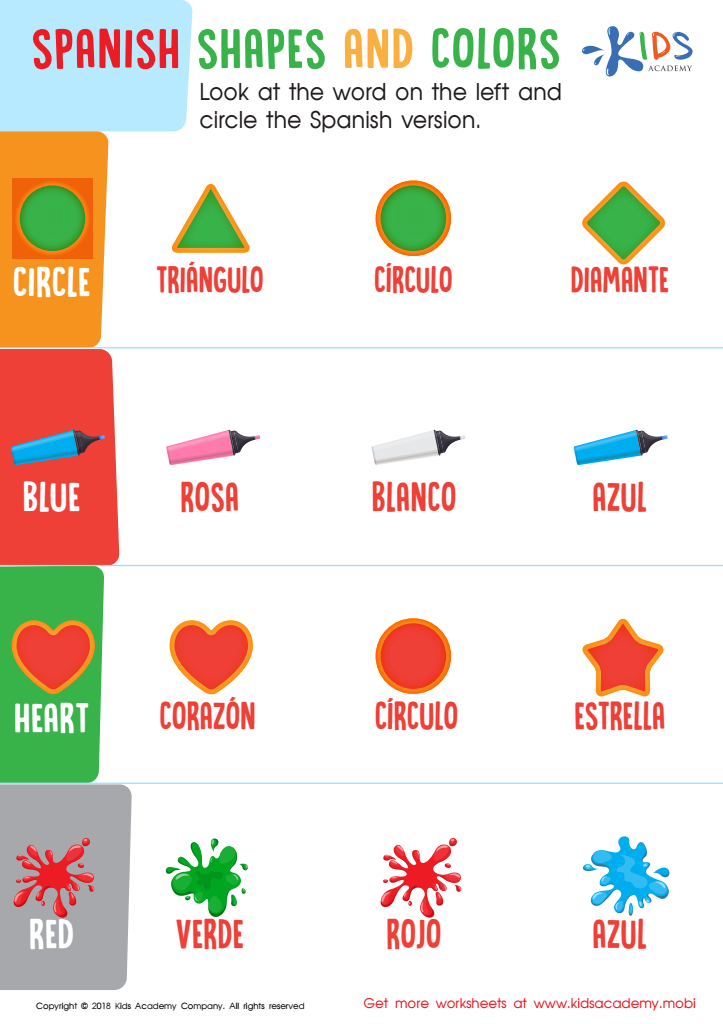
Spanish Shapes and Colors Worksheet
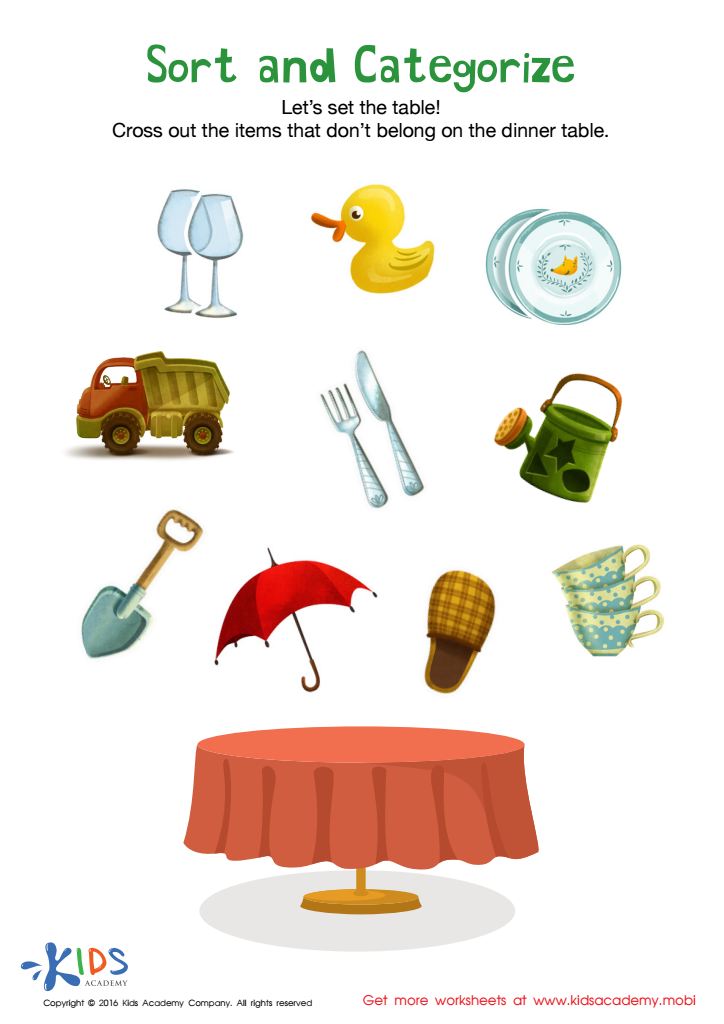
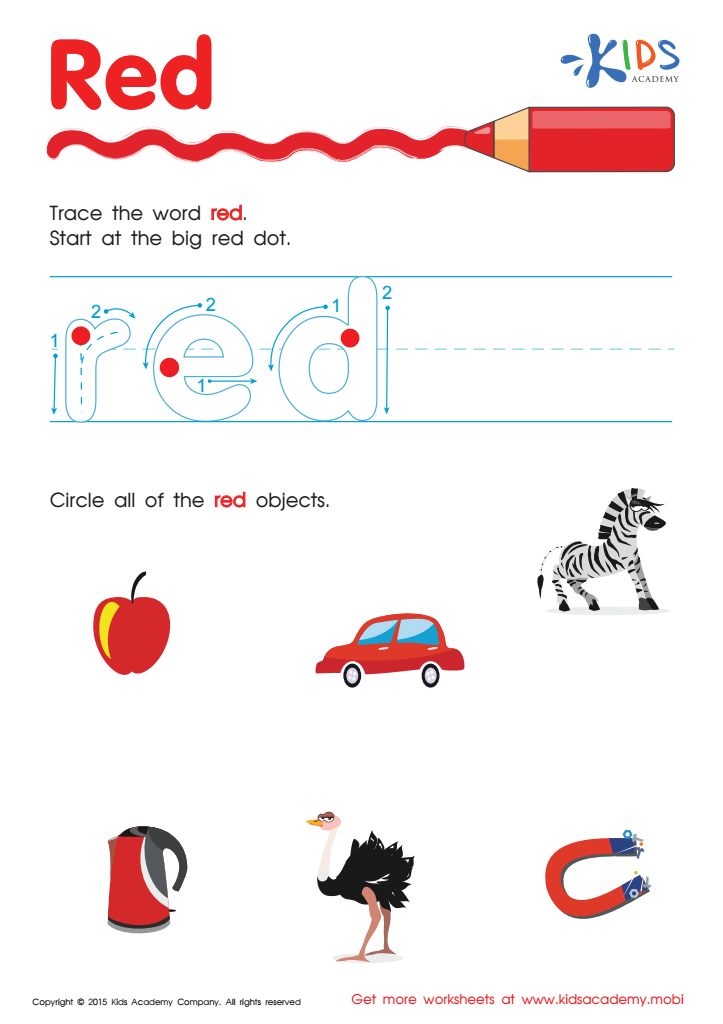
Red Tracing Color Words Printable
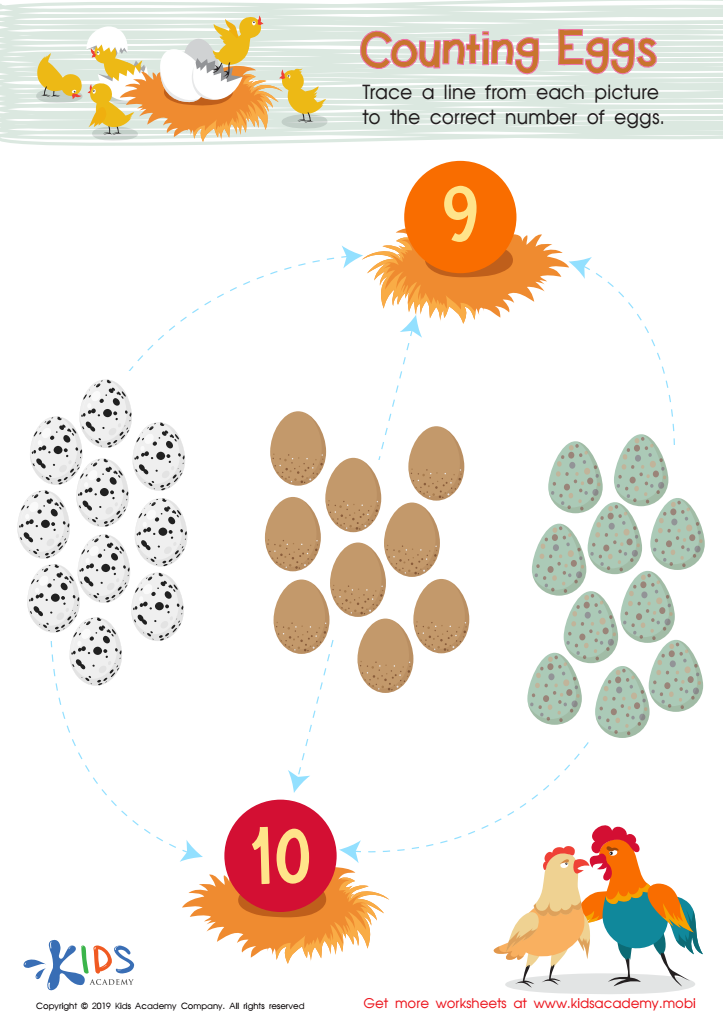
Counting Eggs Worksheet
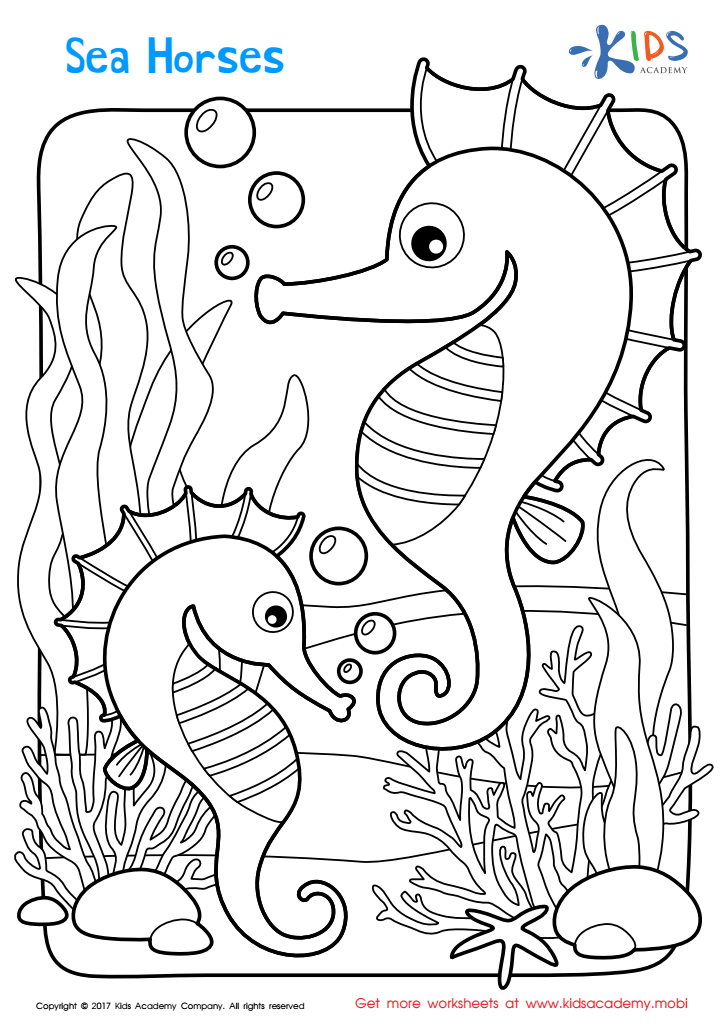
Sea Horses Printable
Assign to My Students
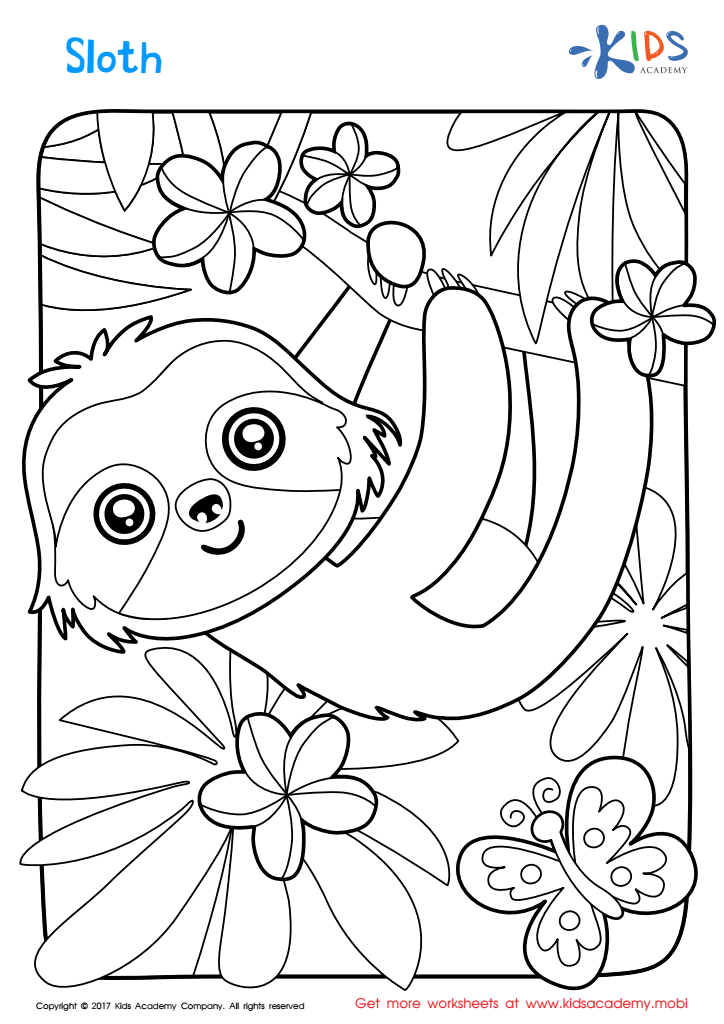
Sloth Worksheet
Assign to My Students
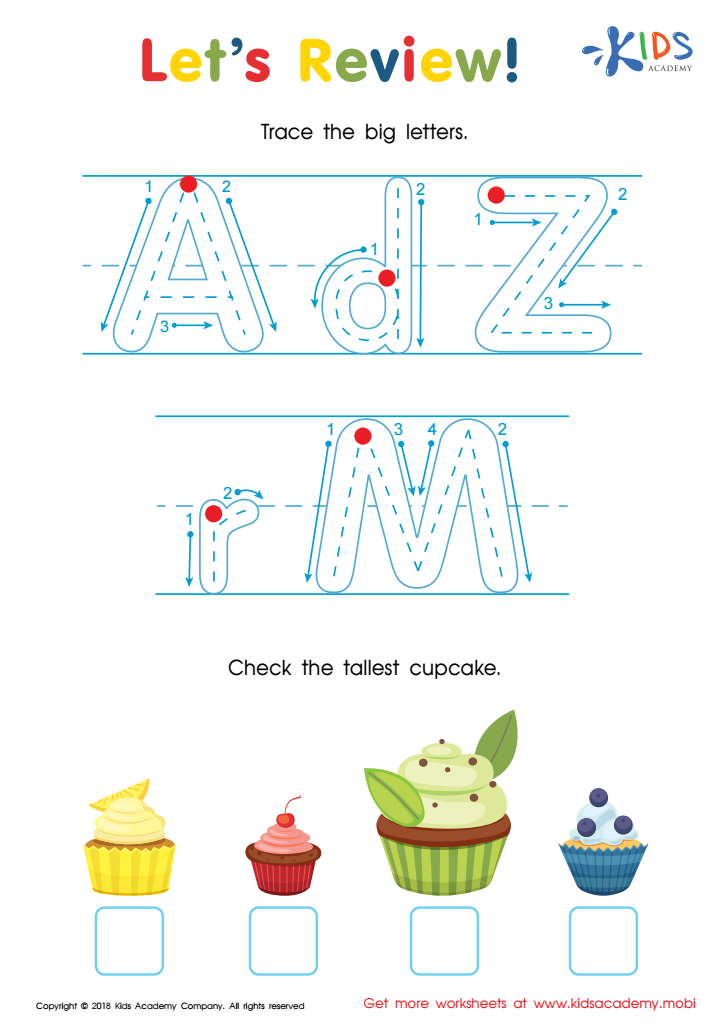
Let's Review! Big Letters Worksheet
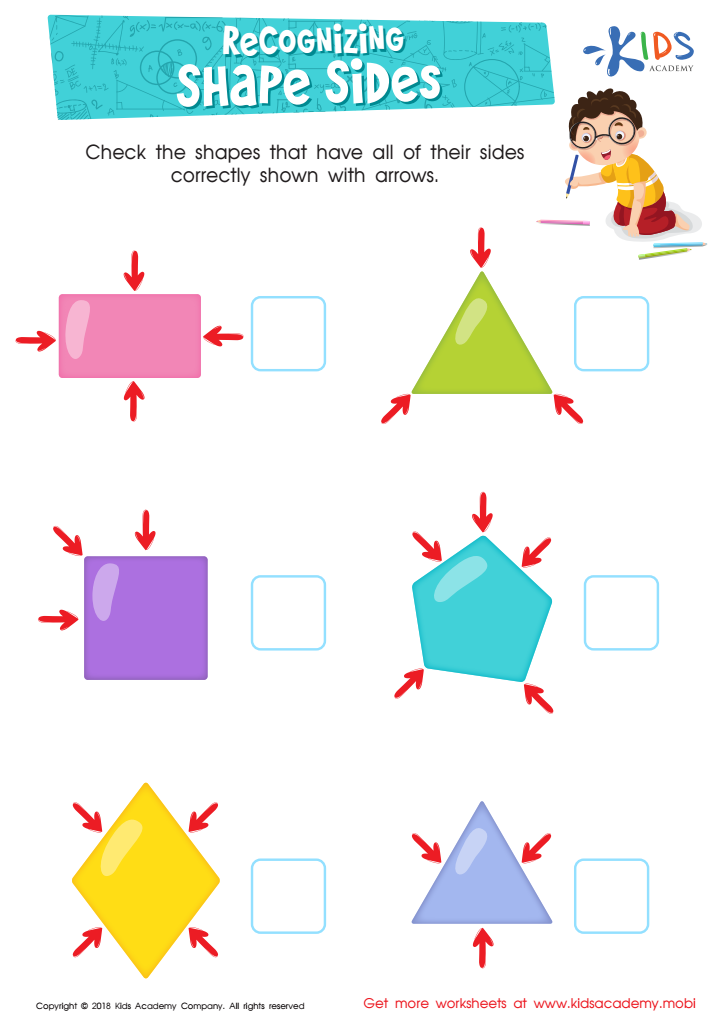
Recognizing Shape Sides Worksheet
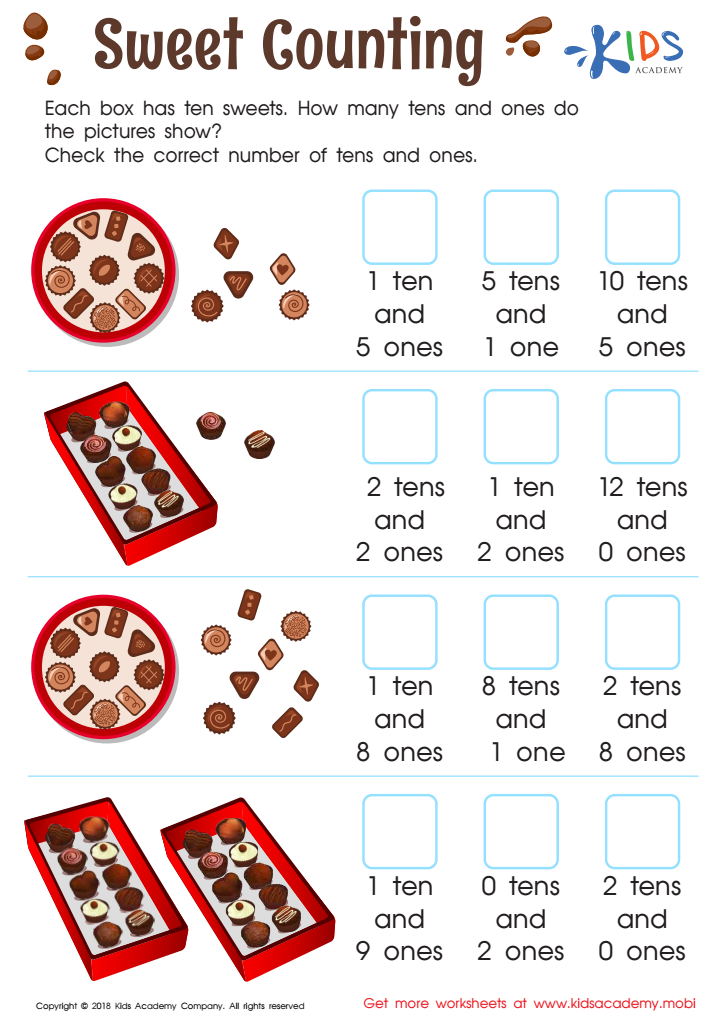
Sweet Counting - Part 2 Worksheet
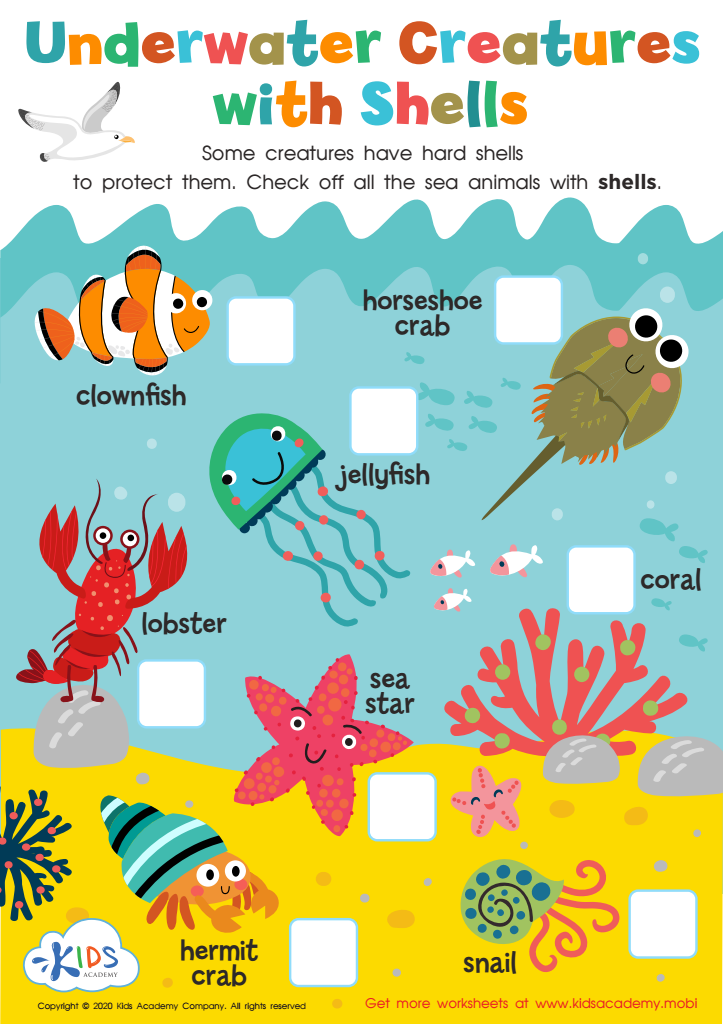
Underwater Creatures with Shells Worksheet
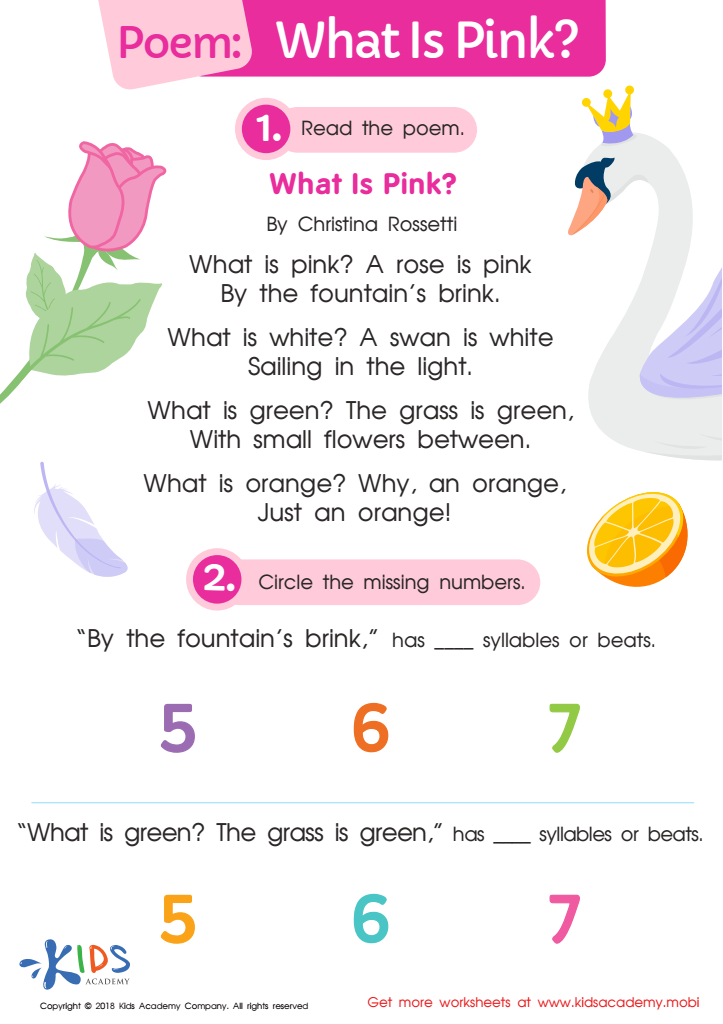
Poem: What Is Pink? Worksheet
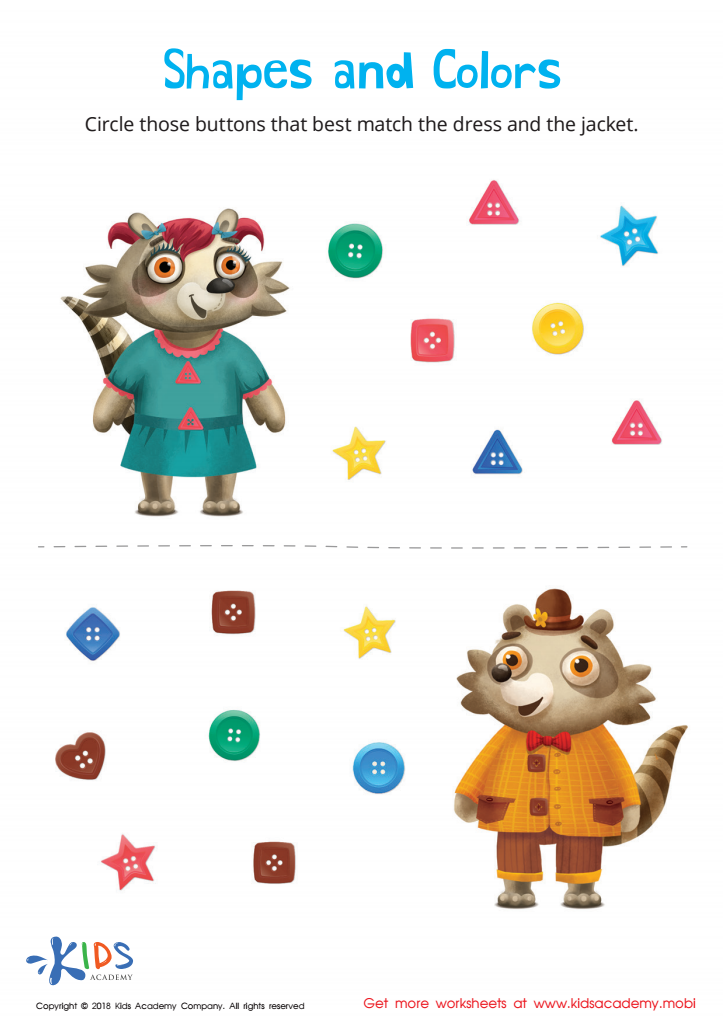
Shapes and Colors Worksheet
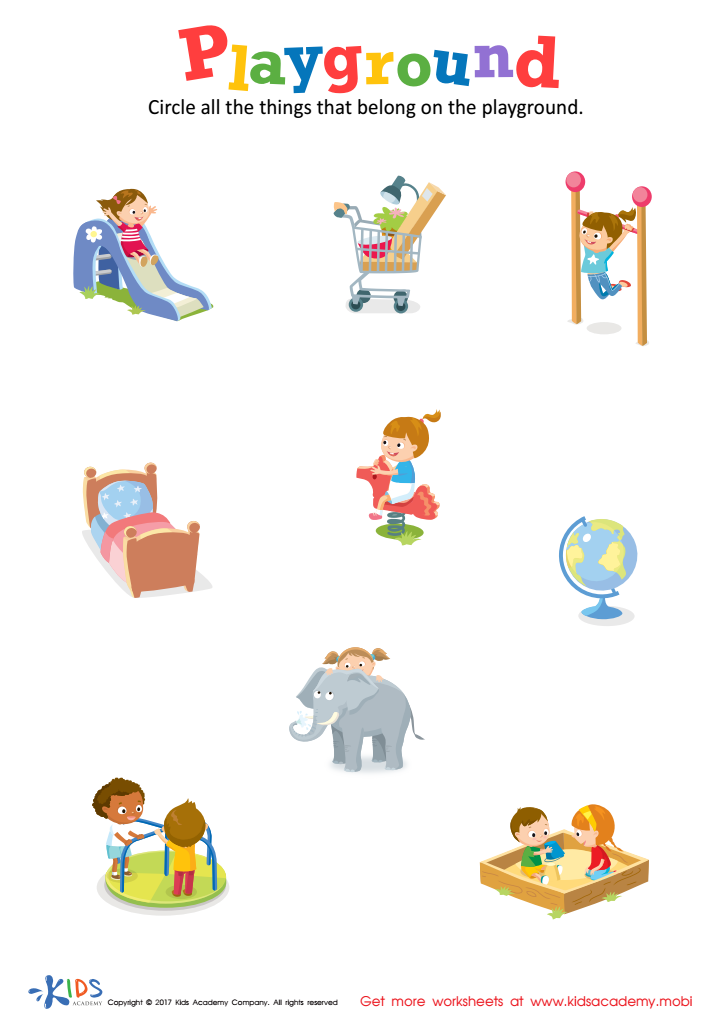
Playground Worksheet
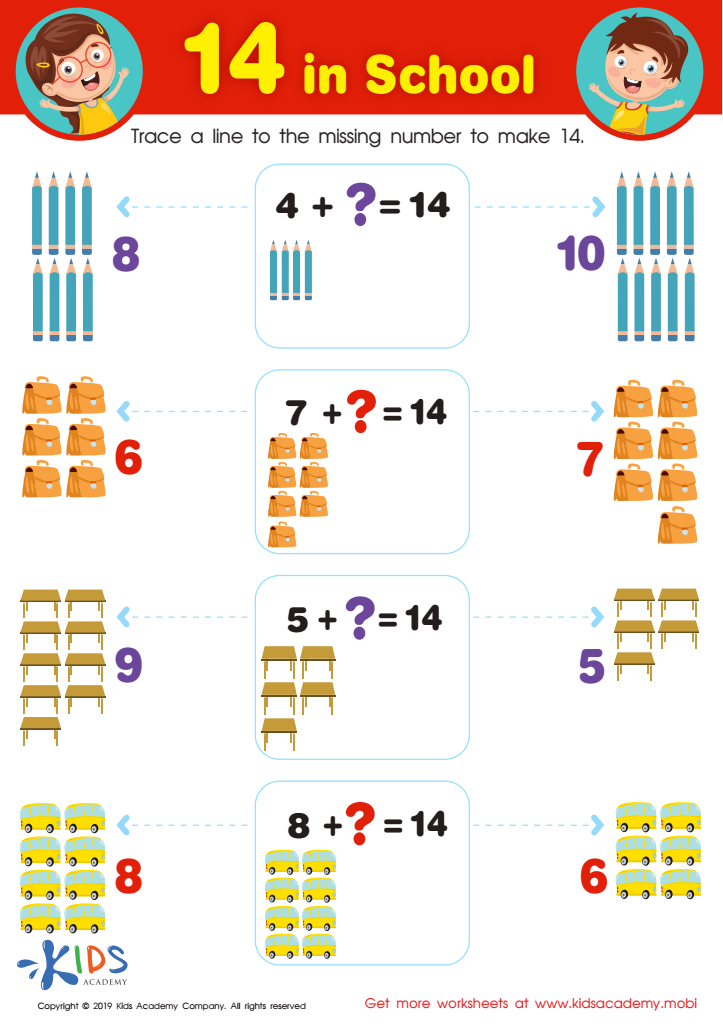
14 in School Worksheet
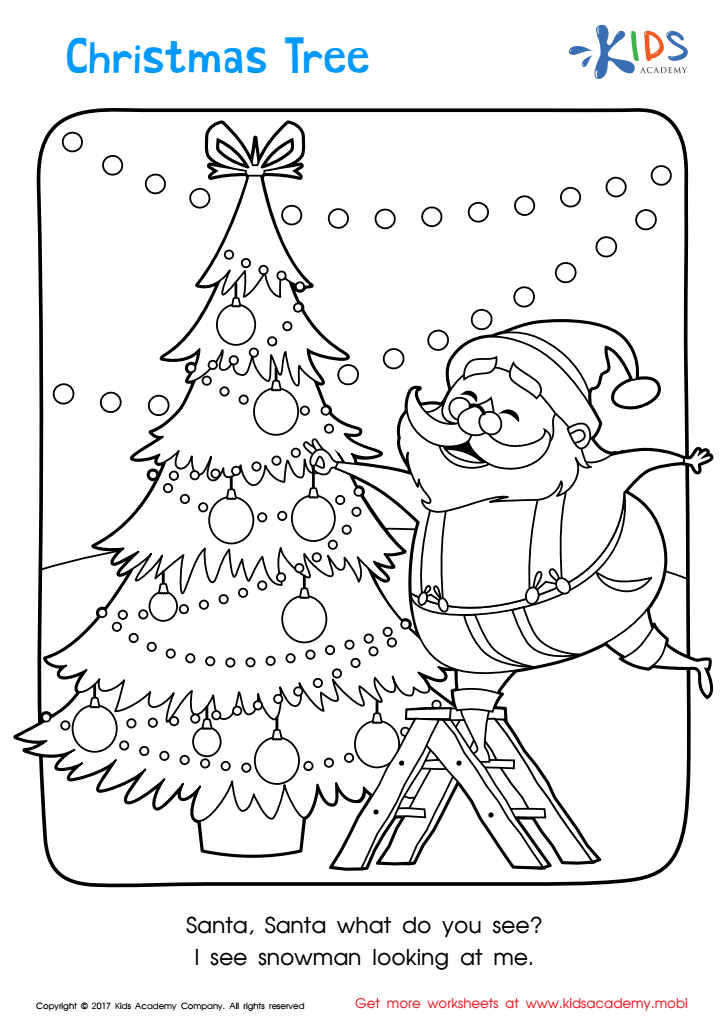
Christmas: Christmas Tree Printable
Assign to My Students







Color identification is a fundamental skill for children ages 5-9, serving as an essential building block for cognitive development, communication, and emotional growth. Understanding and identifying colors is crucial in early childhood education as it relates to several core areas:
Cognitive Development: Color recognition enhances memory by associating objects with their hues. This fundamental grouping skill forms the basis for more complex cognitive processes, such as categorization and logical reasoning.
Communication: Recognizing and naming colors is integral to language development. When children describe objects or express their preferences using colors, they expand their vocabulary and improve their descriptive language skills. This is essential for effective communication both in the classroom and in everyday social interactions.
Emotional Growth: Colors can significantly affect mood and behavior. Teaching color recognition helps children articulate their feelings, contributing to emotional intelligence. For instance, children may use colors to express emotions or preferences, which nurtures their ability to understand and manage their emotions.
Learning Enhancement: Much of early education is visually oriented. Tasks such as reading, math, and spatial awareness are more accessible when children recognize and understand colors. Color-coded systems and materials help in conveying information effectively and making learning interactive and engaging.
Hence, ensuring children develop robust color identification skills can lay a foundation for successful educational and personal growth. Given these diverse benefits, teachers and parents should prioritize color identification in early childhood education.








