Understanding ecosystems Normal Worksheets for Ages 5-9
9 filtered results
-
From - To
Discover our engaging "Understanding Ecosystems" worksheets designed specifically for children aged 5-9. This resource provides a fun introduction to the wonders of ecosystems, helping young learners explore how plants, animals, and their environments interact. With colorful illustrations and interactive exercises, these worksheets foster critical thinking and creativity while aligning with educational standards. Topics include food chains, habitats, and the importance of preserving nature. Ideal for home or classroom use, these worksheets will help children build knowledge about the natural world and develop a sense of responsibility towards the environment. Start their journey into ecology today with our easy-to-follow activities!
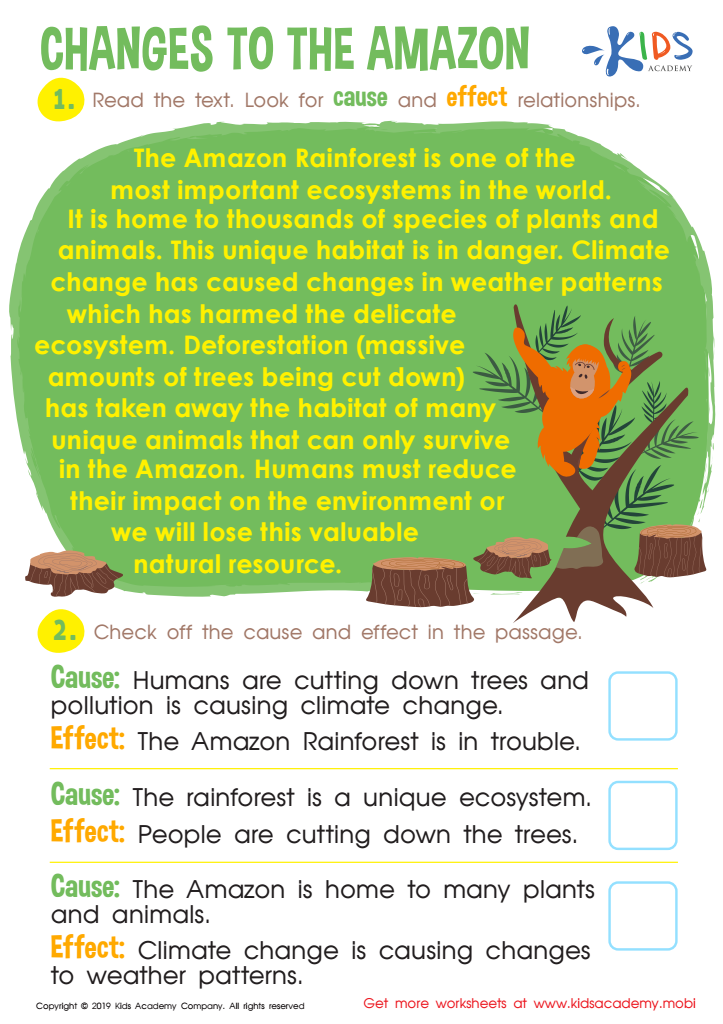
Changes to the Amazon Worksheet
 Assign to My Students
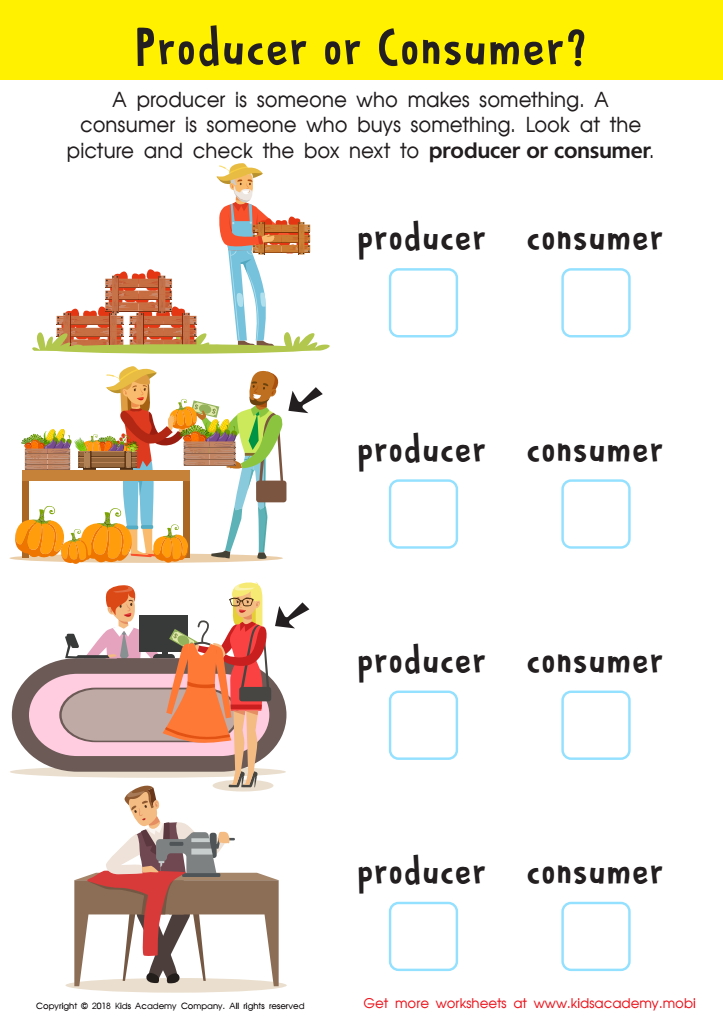
Producer or Consumer? Worksheet
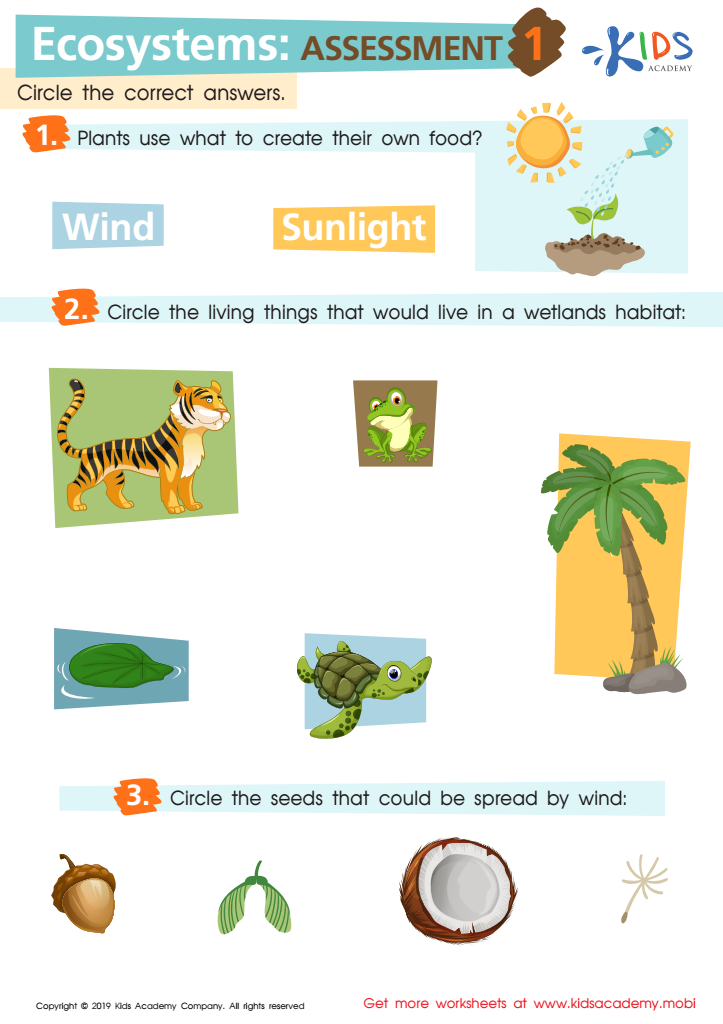
Ecosystems: Assessment 1 Worksheet
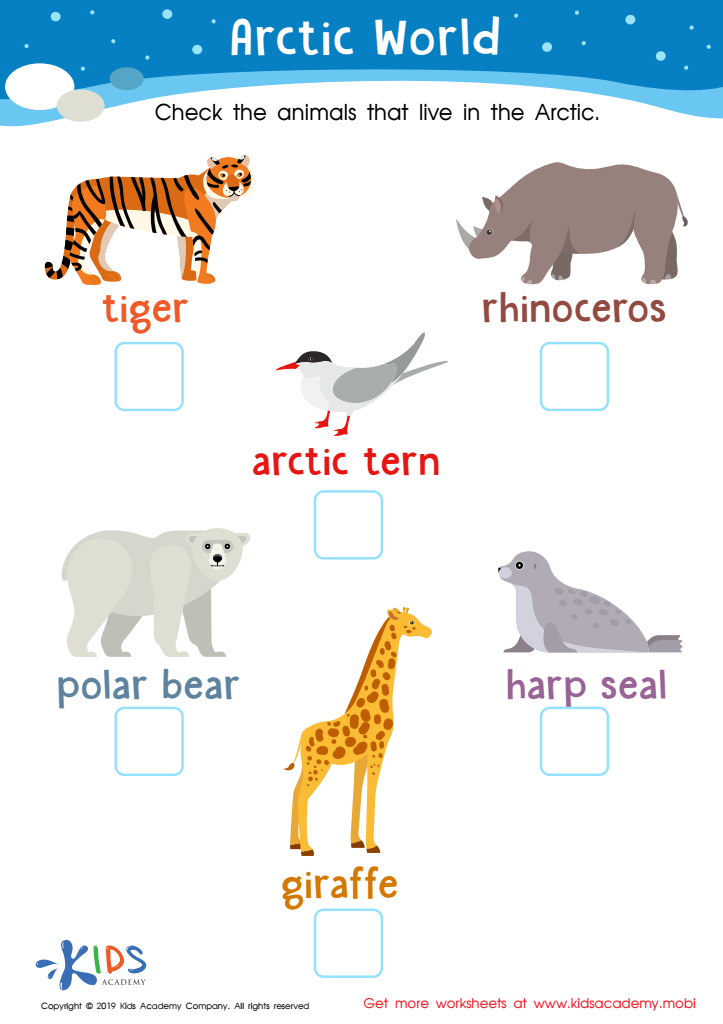
Arctic World Worksheet
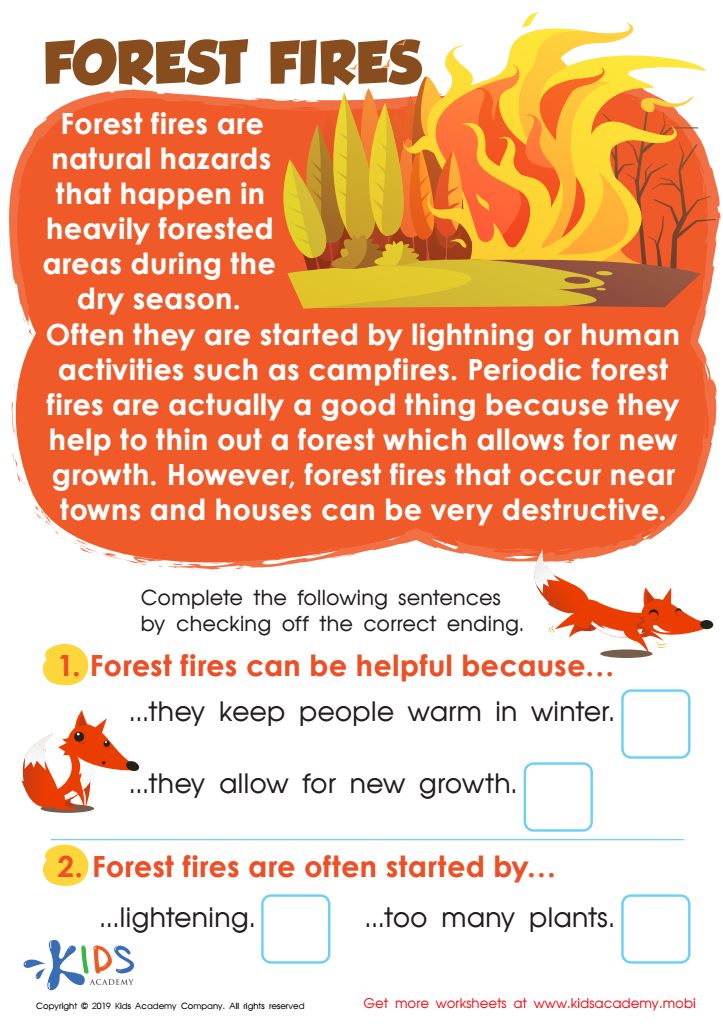
Forest Fires Worksheet
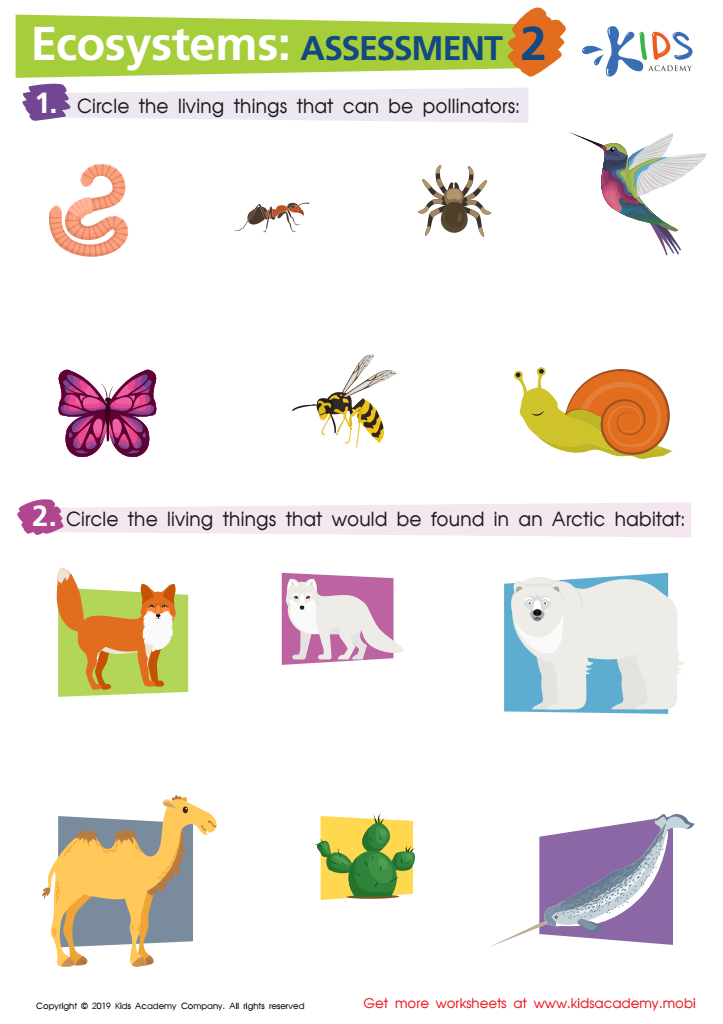
Ecosystems: Assessment 2 Worksheet
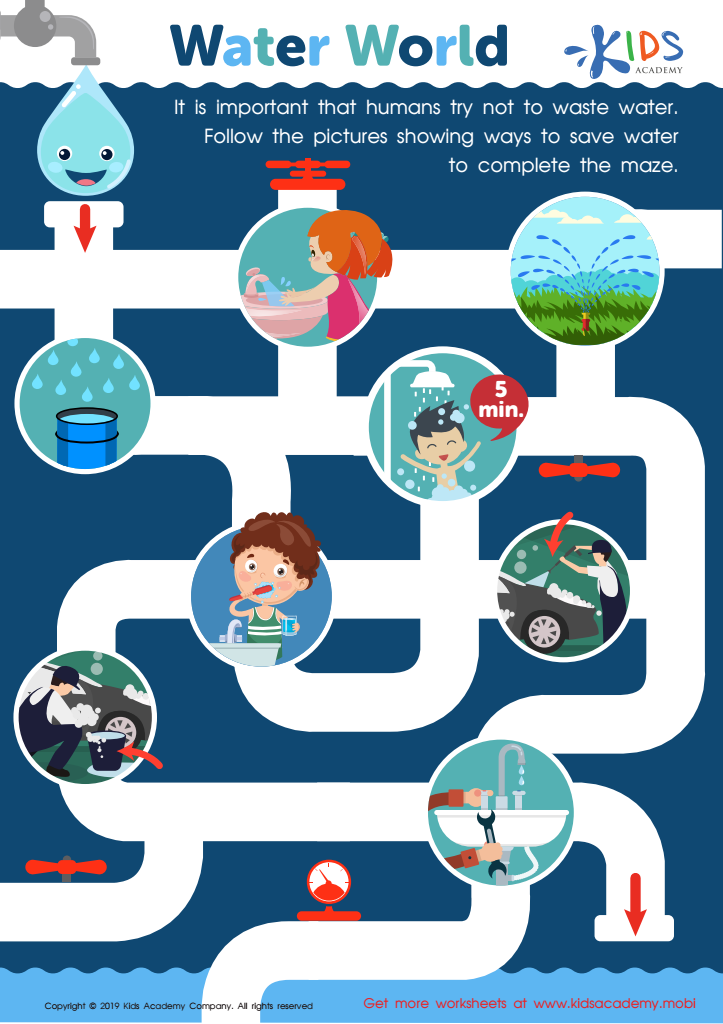
Water World Worksheet
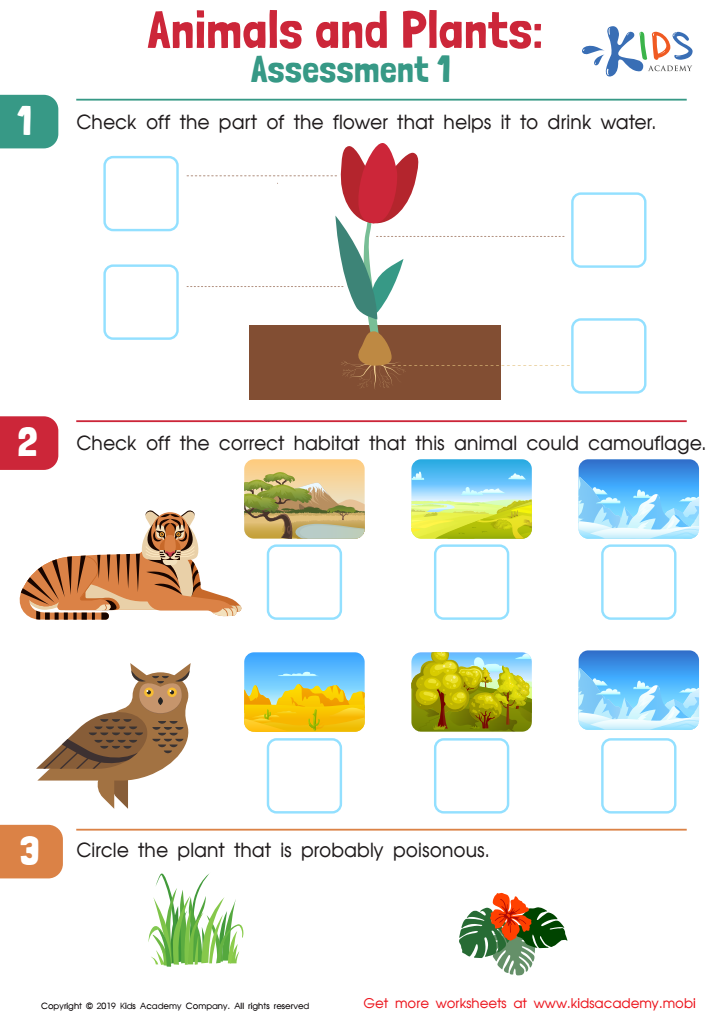
Animals and Plants: Assessment 1 Worksheet
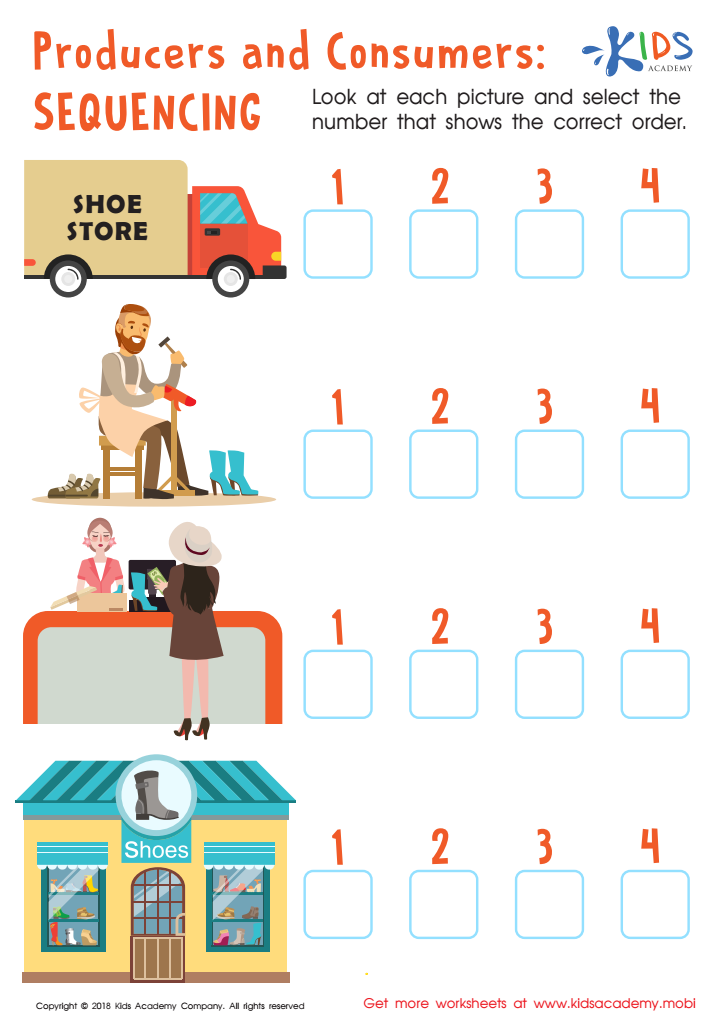
Producers and Consumers: Sequencing Worksheet






Understanding ecosystems is essential for children aged 5-9 because it nurtures their natural curiosity and fosters a sense of responsibility towards the environment. Ecosystems are communities where living things, like plants, animals, and even tiny bacteria, interact with each other and their surroundings. Teaching children about these systems can ignite their love for nature, encouraging them to explore the world around them.
When parents or teachers engage children in talking about ecosystems, they help them understand the importance of biodiversity, such as how each species plays a role in keeping the environment healthy. This knowledge can lead to a deeper appreciation of wildlife and habitats, shaping future environmental stewards.
Additionally, learning about ecosystems promotes critical thinking and problem-solving skills. Children explore concepts such as food chains, habitats, and human impacts on nature, leading to informed discussions about sustainability and conservation. This foundation helps them understand complex issues later in life.
Ultimately, educating young children about ecosystems fosters a connection to the planet while encouraging empathy and respect for all living beings, skills crucial for nurturing responsible future citizens. Thus, investing time in understanding ecosystems at a young age lays the groundwork for a healthier, more sustainable future.








