Normal Addition & Subtraction Worksheets for Ages 5-9 - Page 8
171 filtered results
-
From - To
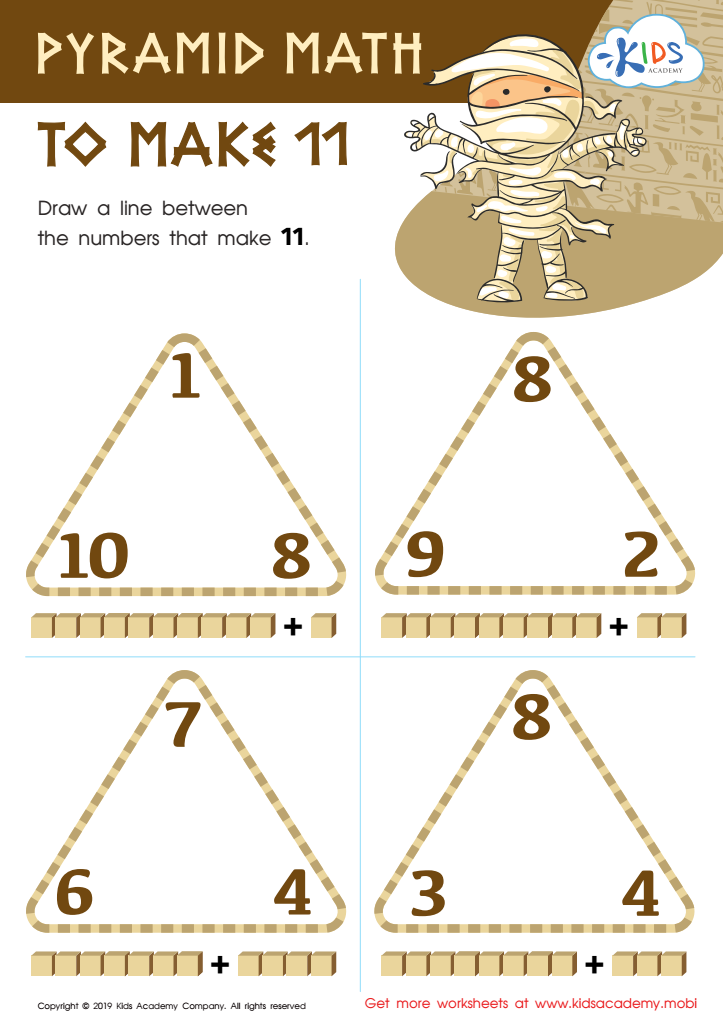
Pyramid Math to Make 11 Worksheet
 Assign to My Students
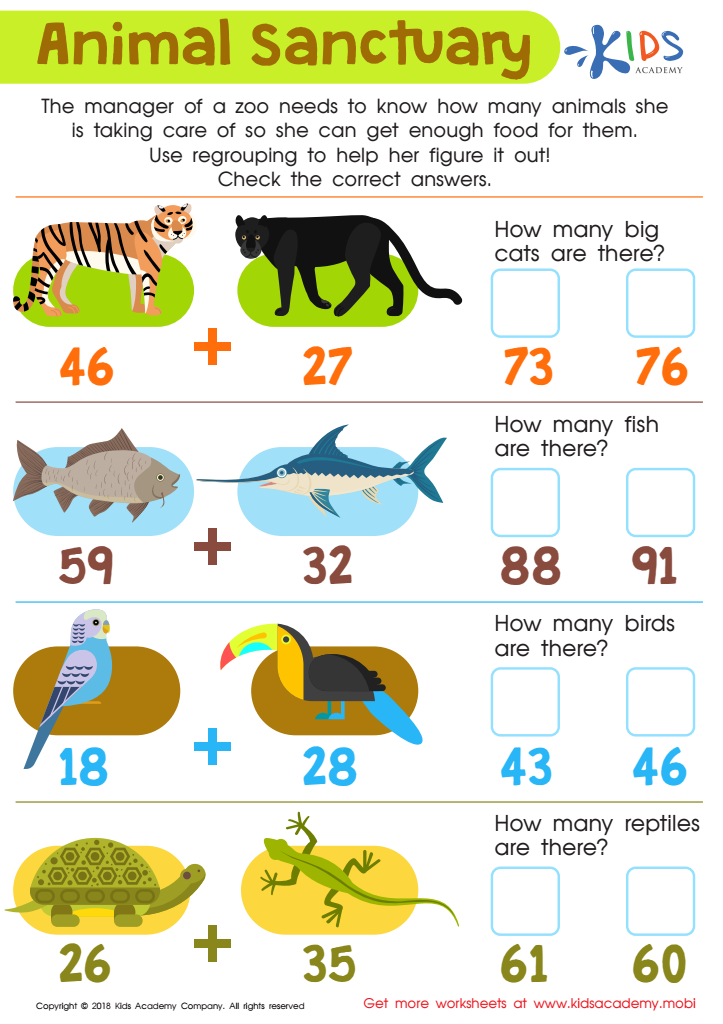
Animal Sanctuary Worksheet
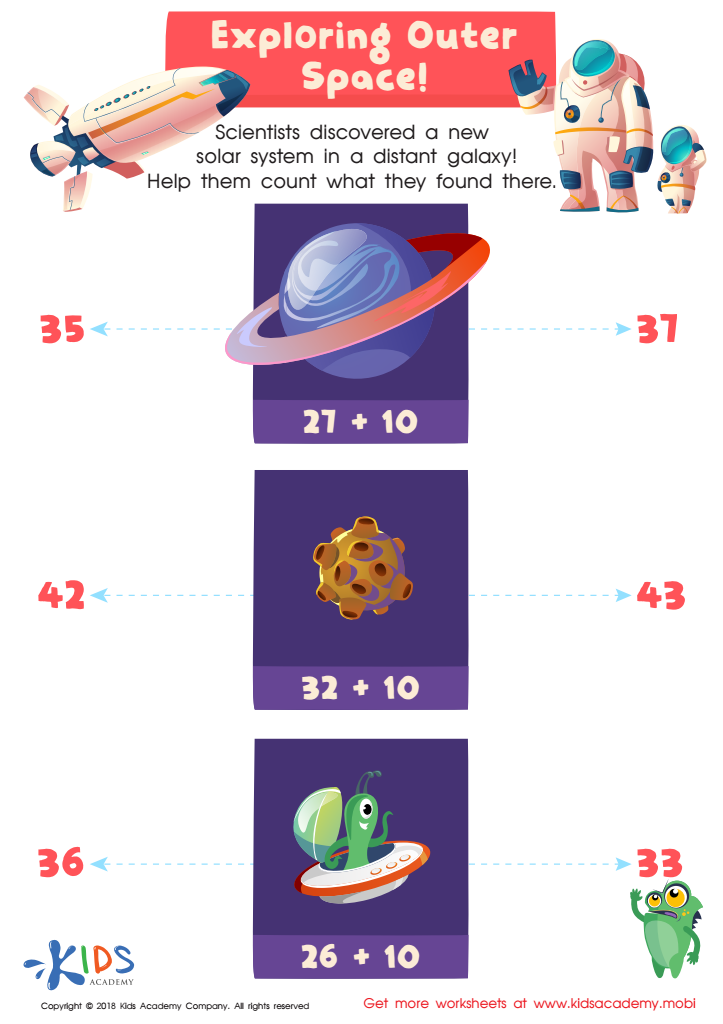
Exploring Outer Space Worksheet








Teaching normal addition and subtraction to children aged 5-9 is paramount for their cognitive development and academic success. At this stage, foundational math skills are being established; children learn to recognize numbers, count, and understand the basic principles of addition and subtraction. Mastery of these skills not only supports their current curriculum but also lays the groundwork for more complex mathematical concepts they will encounter in later grades.
Furthermore, arithmetic competency boosts children’s confidence in their abilities, fostering a positive attitude towards math—a subject that many students struggle with. Parents and teachers play crucial roles in encouraging this positive experience. Engaging children through fun activities, manipulatives, and games can make these concepts more relatable and enjoyable, promoting a lifelong love for learning.
When children grasp normal addition and subtraction, they enhance their critical thinking and problem-solving skills, as these are essential for real-world applications. Additionally, familiarizing children with these operations allows them to participate fully in classroom discussions and group activities, further enhancing their social skills. By supporting children in mastering these foundational skills, parents and teachers provide them with the necessary tools to navigate not just their academic journey, but everyday life challenges effectively.








