Normal Comparing Numbers Worksheets for Ages 5-9 - Page 2
32 filtered results
-
From - To
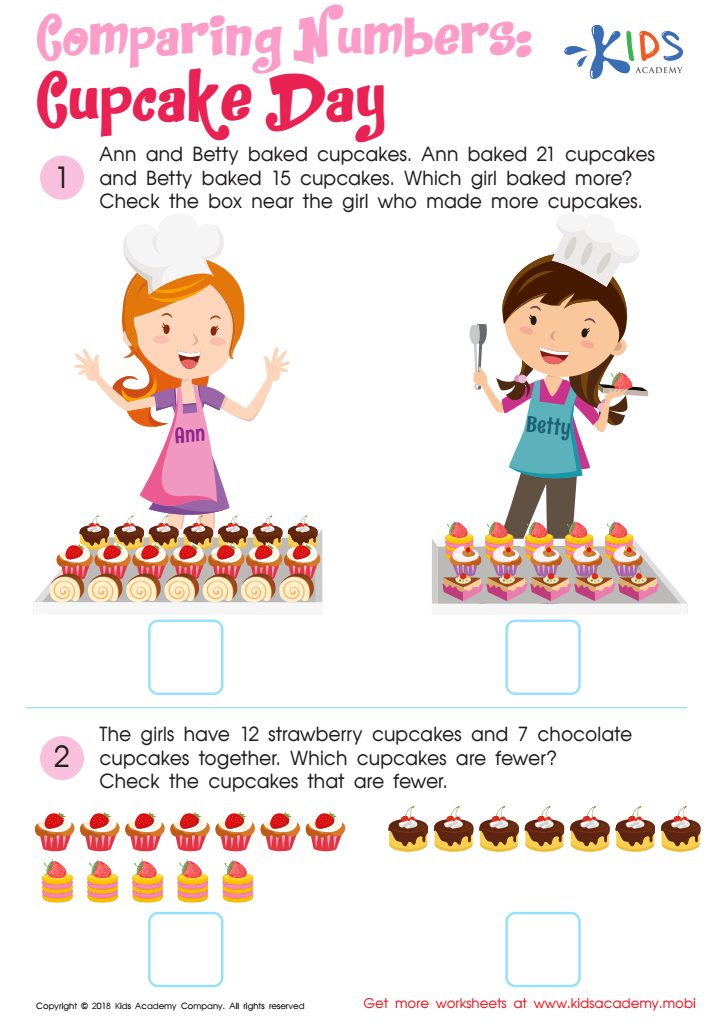
Cupcake Day Worksheet
 Assign to My Students
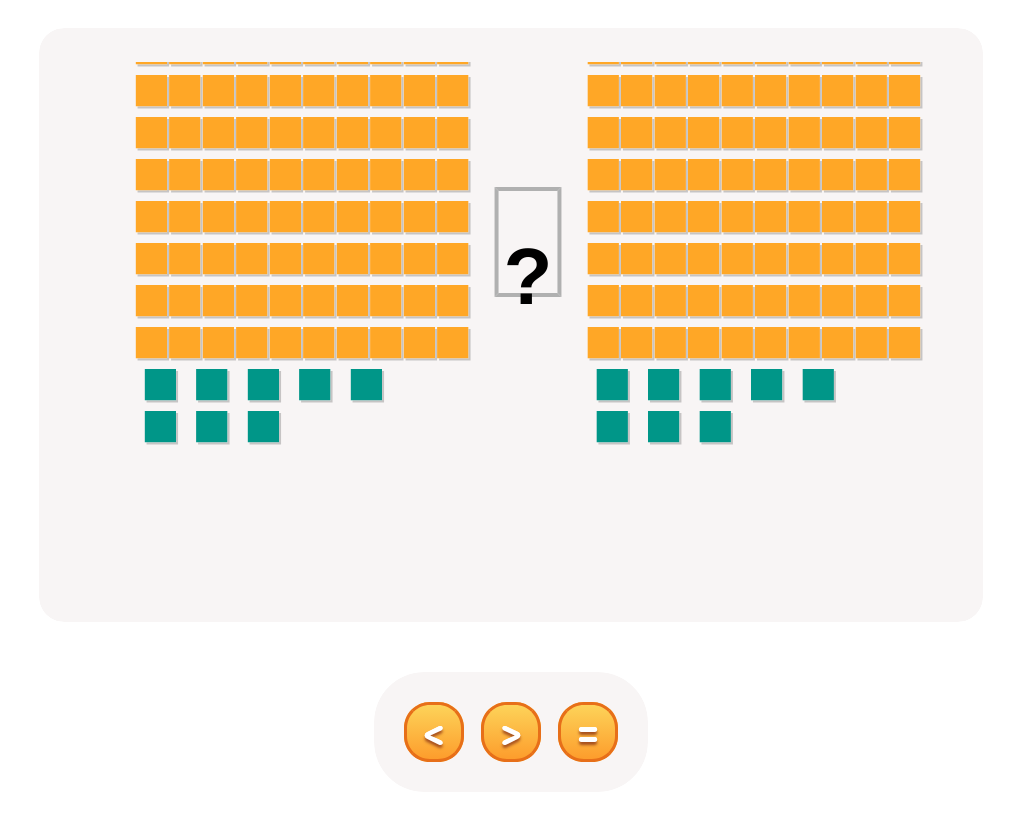

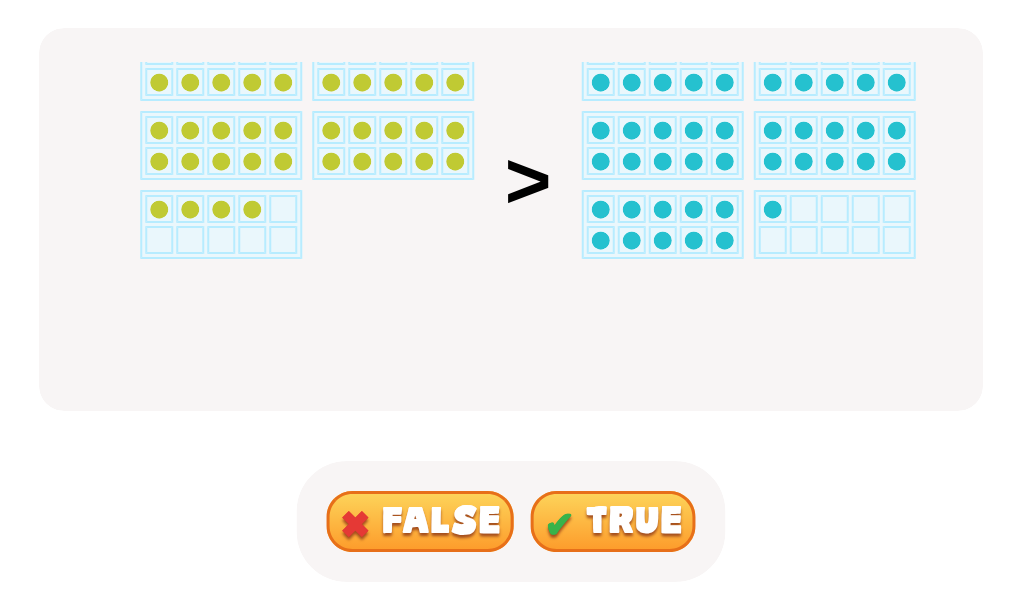
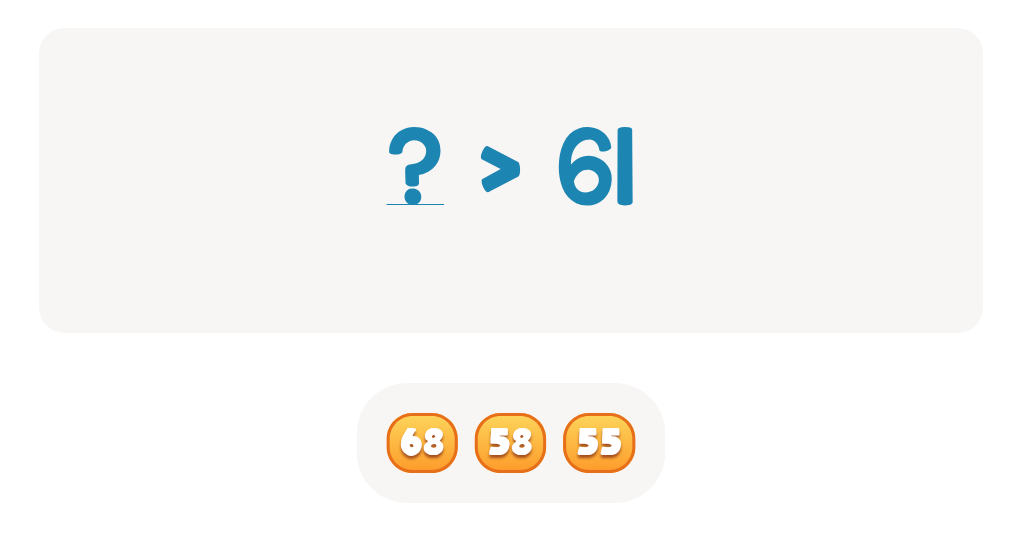
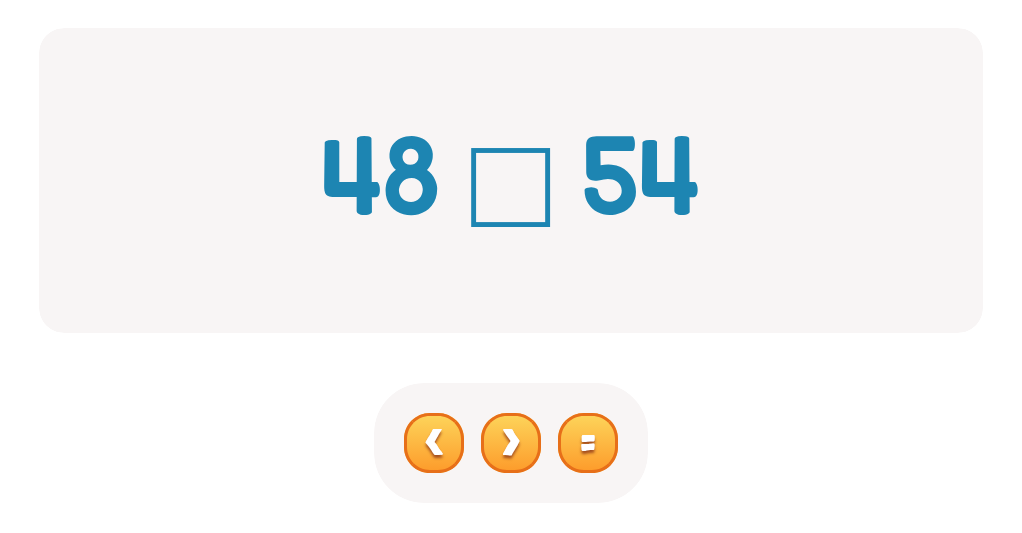
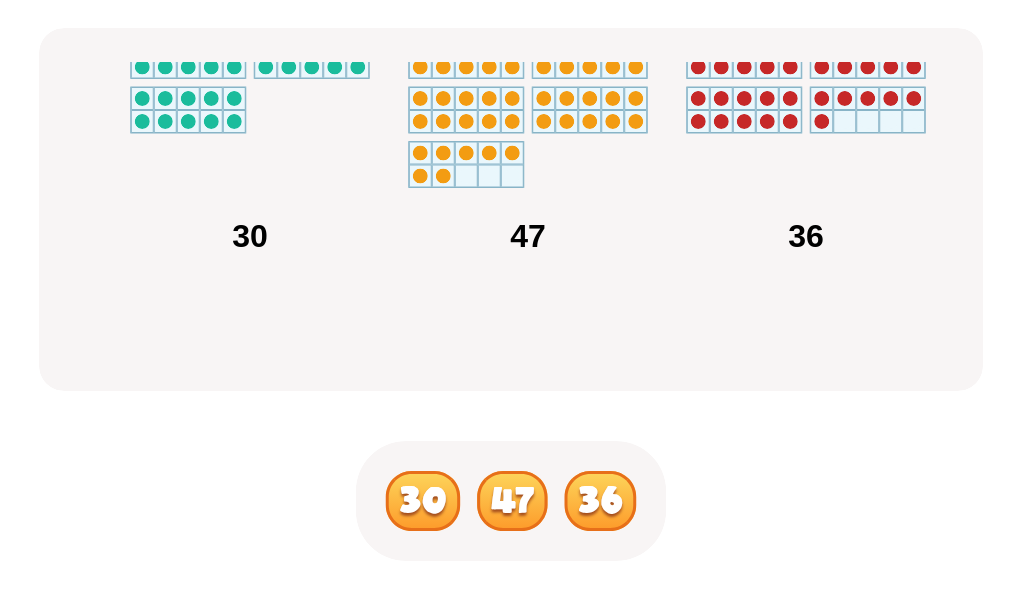
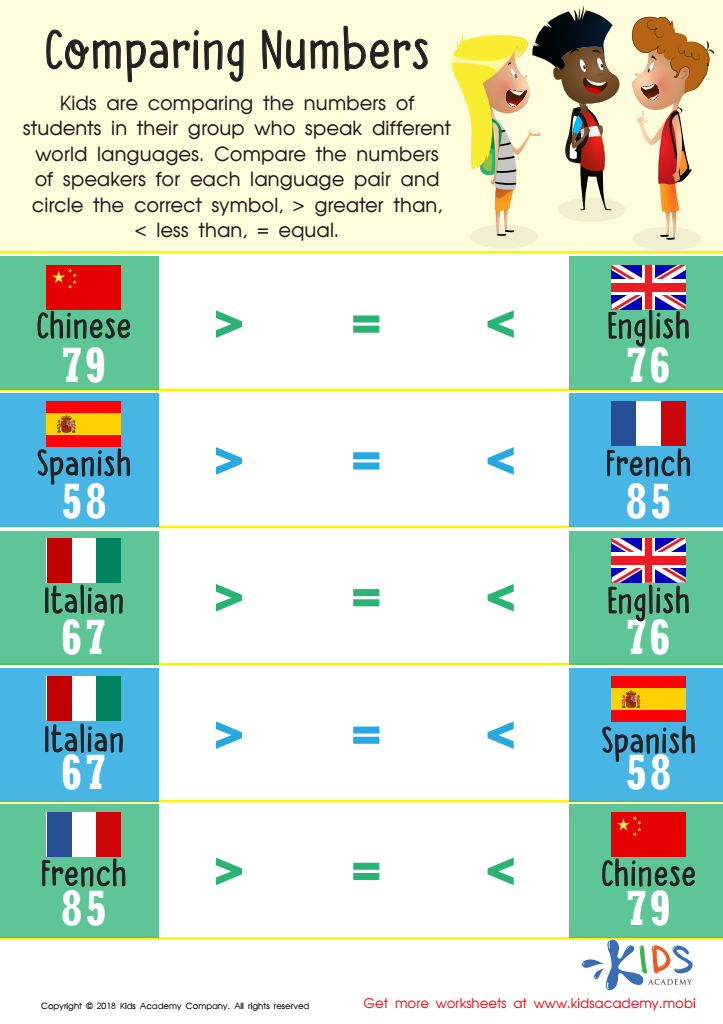
Comparing Numbers Worksheet for 1st Grade
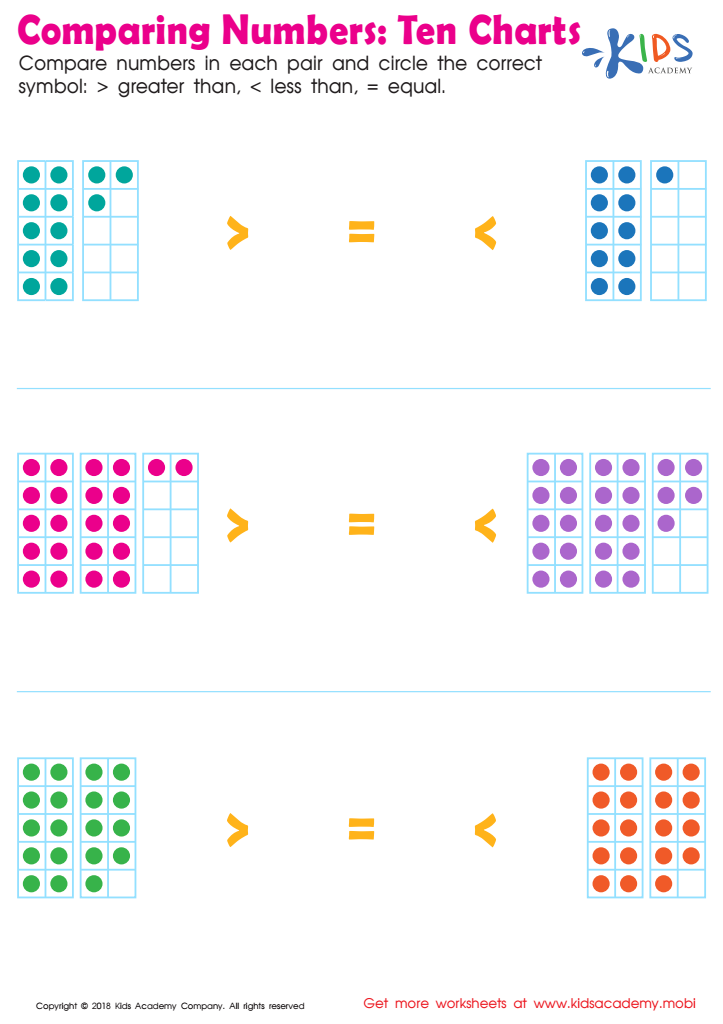
Ten Charts Worksheet
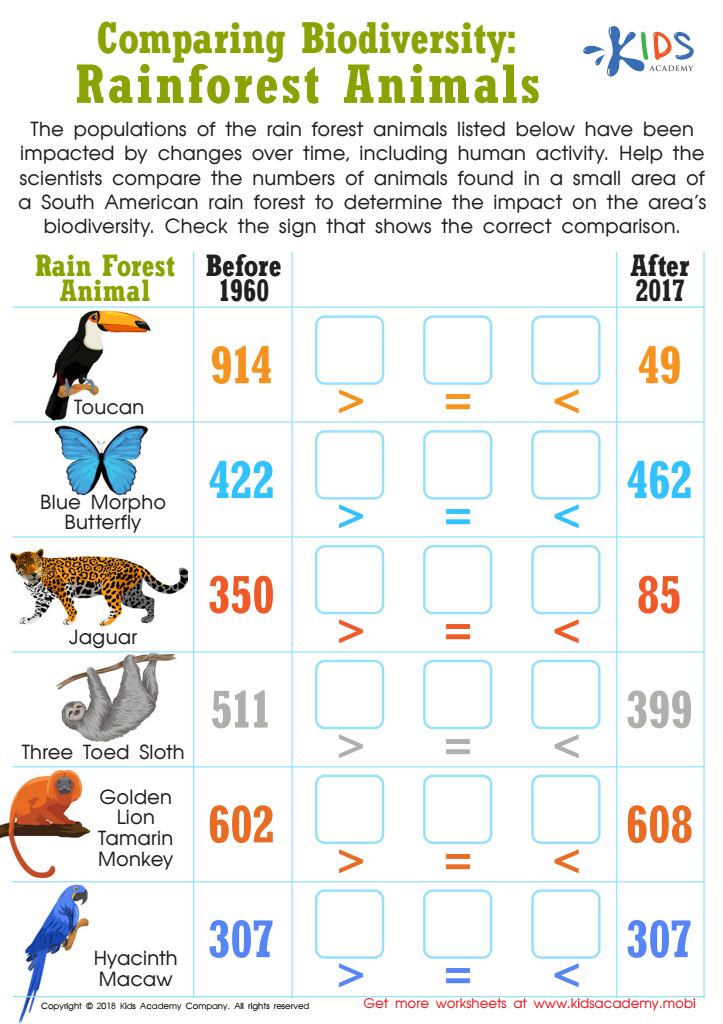
Comparing Biodiversity: Rainforest Animals Worksheet
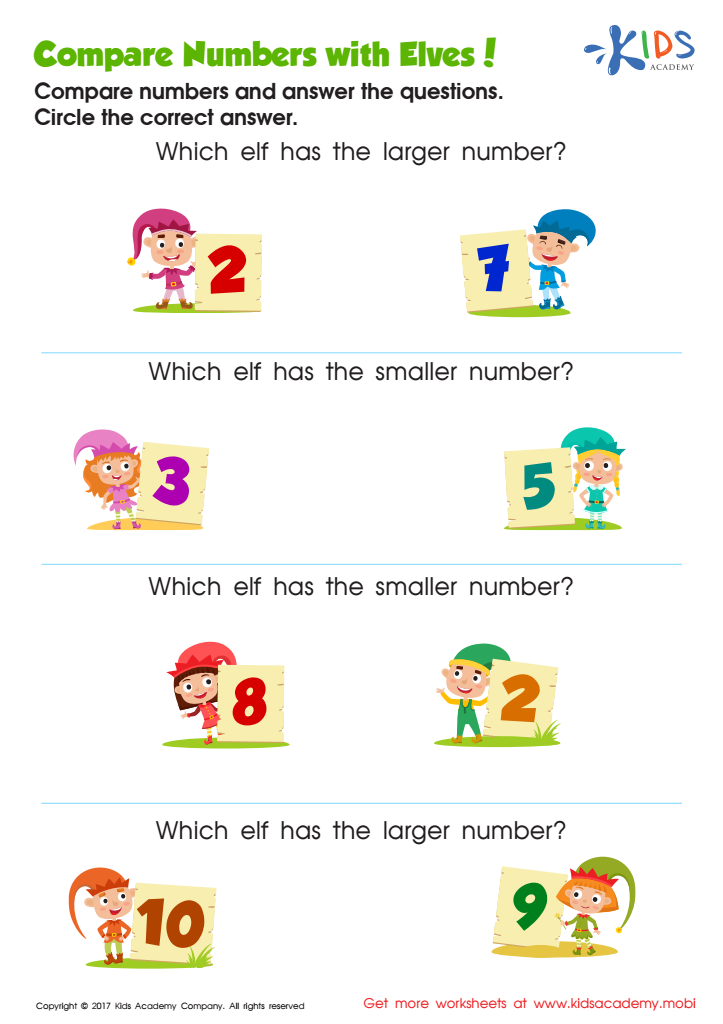
Comparing Numbers Worksheet for Kindergarten
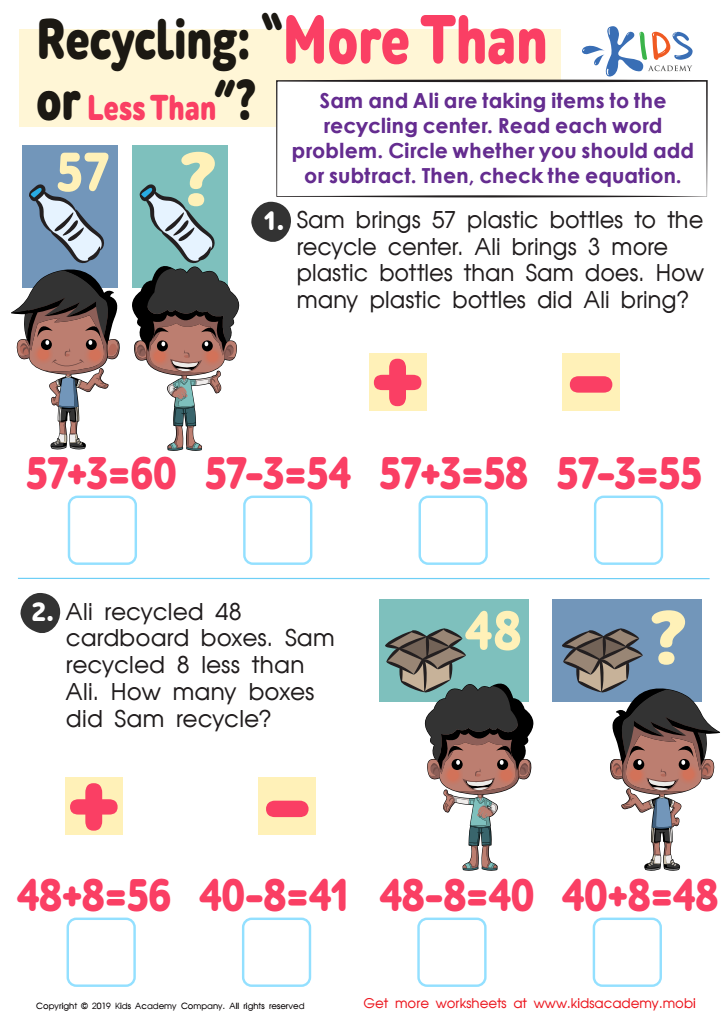
Recycling - More or Less Worksheet
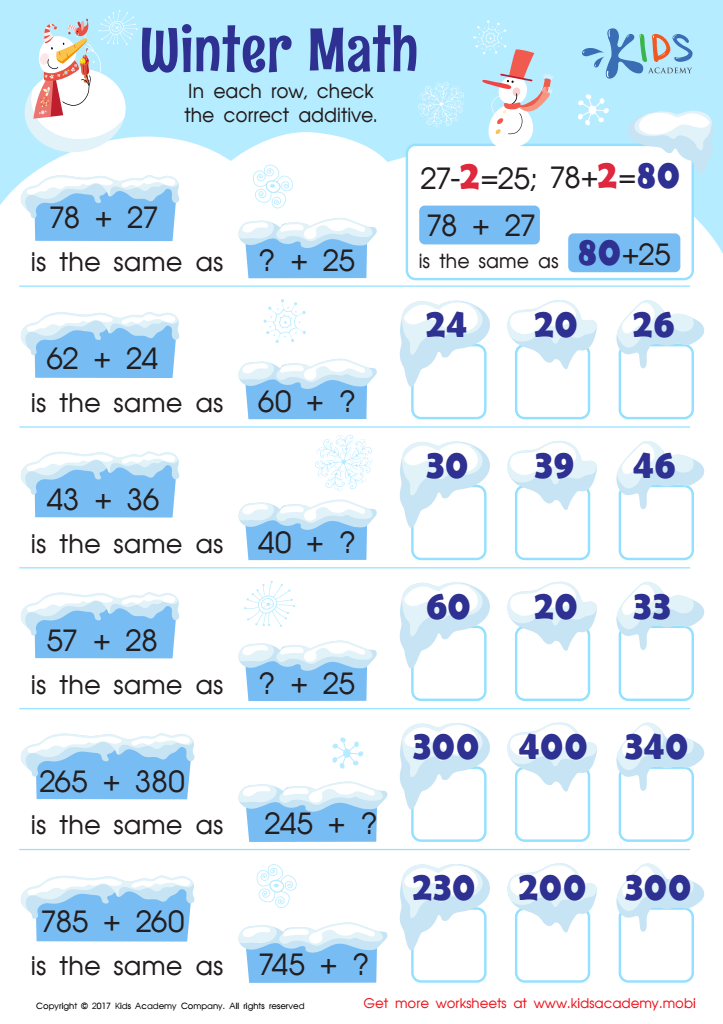
Free Addition Worksheet
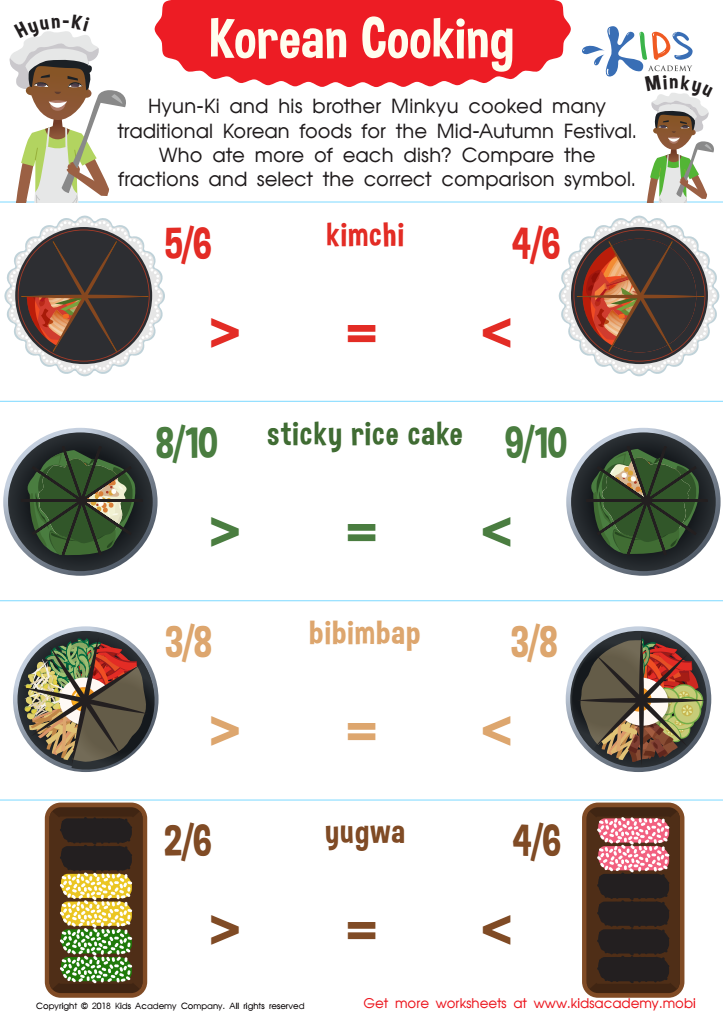
Korean Cooking Worksheet




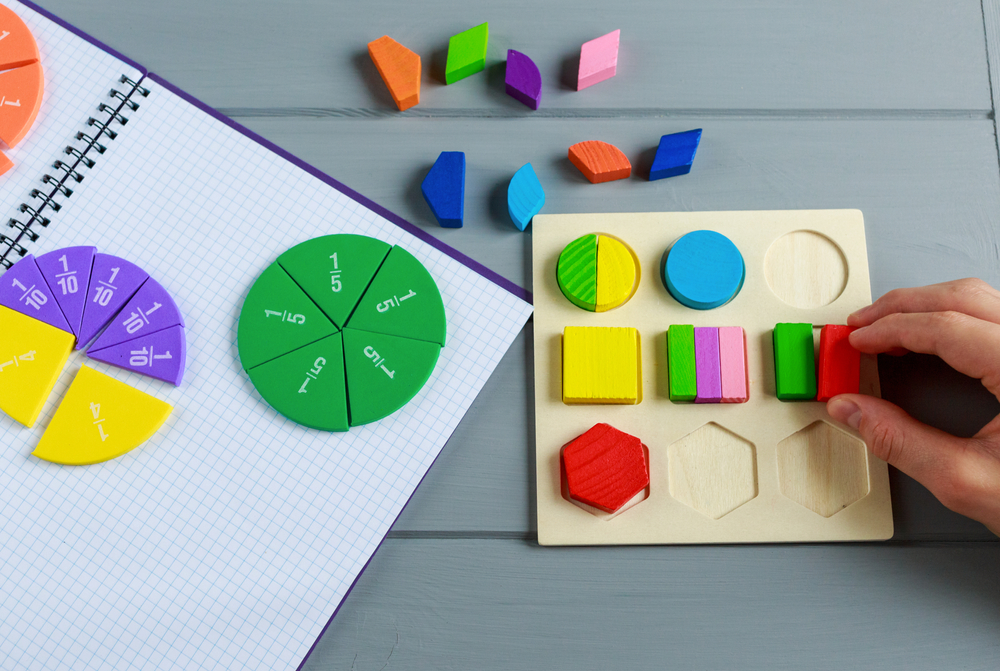


Parents and teachers should carefully consider the importance of teaching comparing numbers to children aged 5-9 for several essential reasons. Mastering this skill forms a foundational pillar for further mathematical learning and everyday decision-making. Comparing numbers enables children to grasp not only the concepts of 'greater than,' 'less than,' and 'equal to,' but also to develop critical thinking and analytical skills.
At this age, children are naturally curious and are beginning to understand the world beyond their immediate environments. By guiding them through exercises that compare quantities and numbers, adults can help them improve their numerical literacy. This process sets the stage for more complex arithmetic functions, such as addition and subtraction, and ultimately for algebra and beyond.
Additionally, understanding number comparison is crucial in practical life situations, such as determining how many apples are in one basket compared to another, or figuring out which route to take to minimize walking time. Developing this skill boosts a child’s confidence when they encounter more challenging math problems and fosters positive attitudes toward mathematics.
In conclusion, embedding comparing number exercises in the curriculum for ages 5-9 creates a supportive learning environment. It not only builds basic arithmetic foundations but also hones problem-solving abilities and sets the stage for academic achievement across various disciplines.