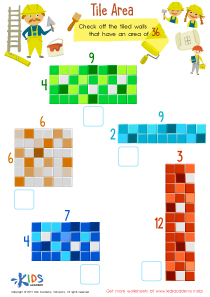
Normal Numbers Worksheets for Ages 5-9 - Page 3
237 filtered results
-
From - To
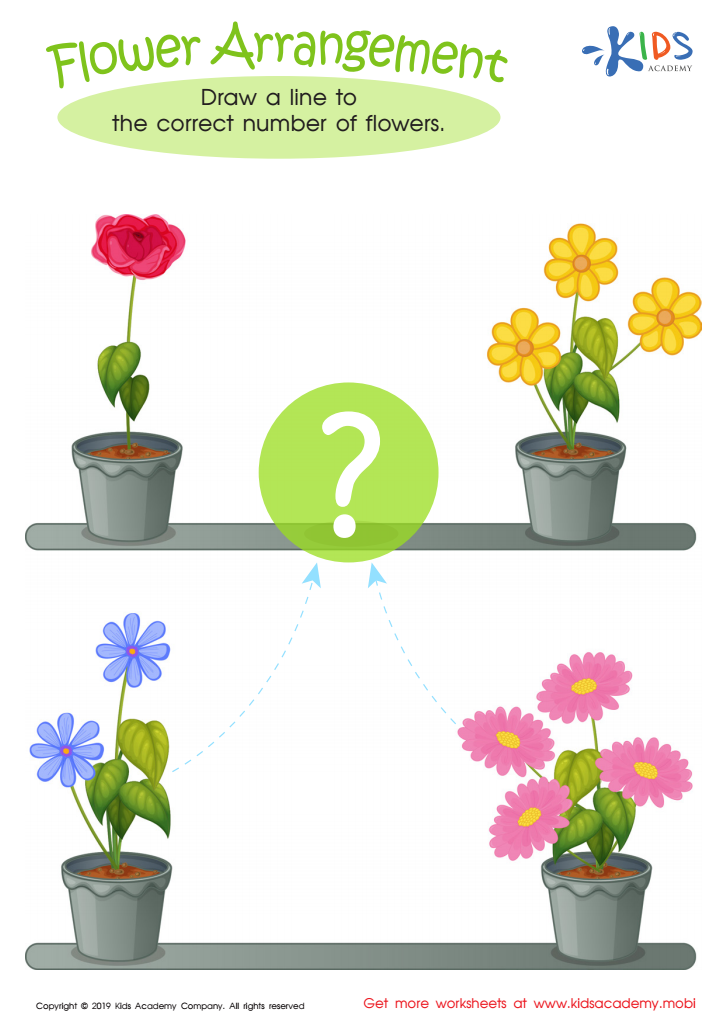
Flower Arrangement Worksheet
 Assign to My Students
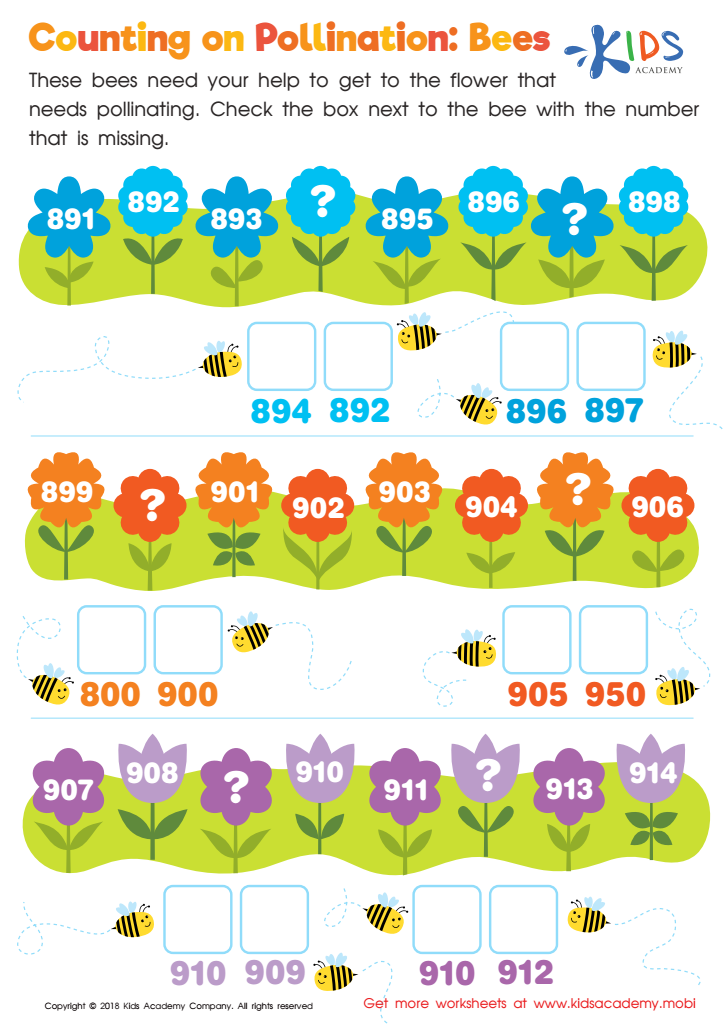
Counting on Pollination: Bees Worksheet
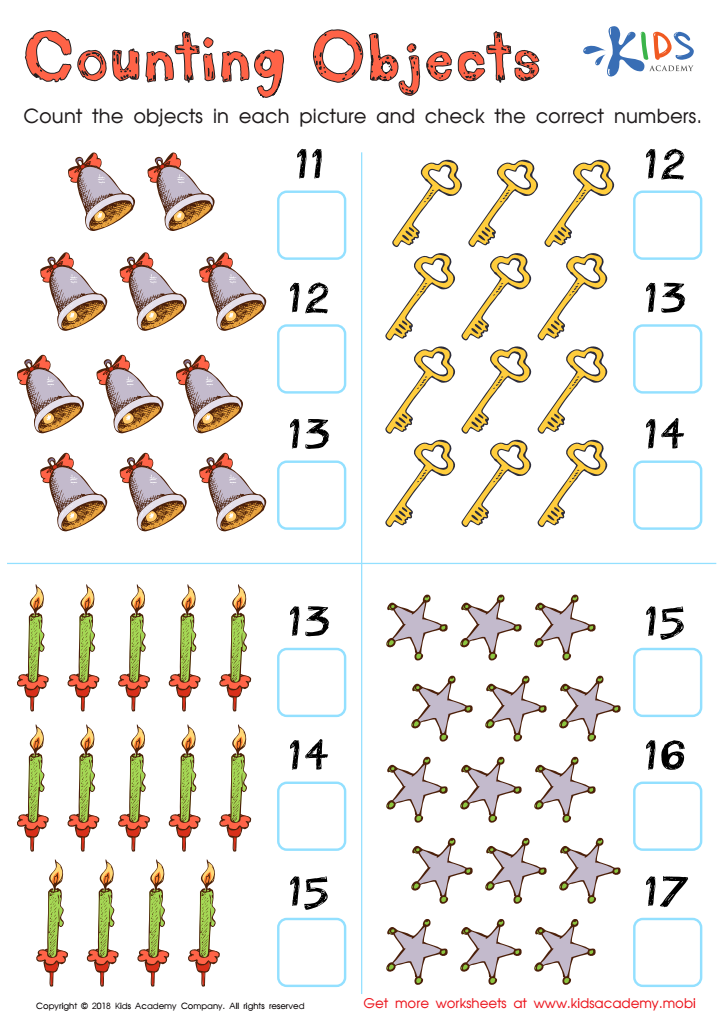
Counting Numbers Worksheet For Kindergarten
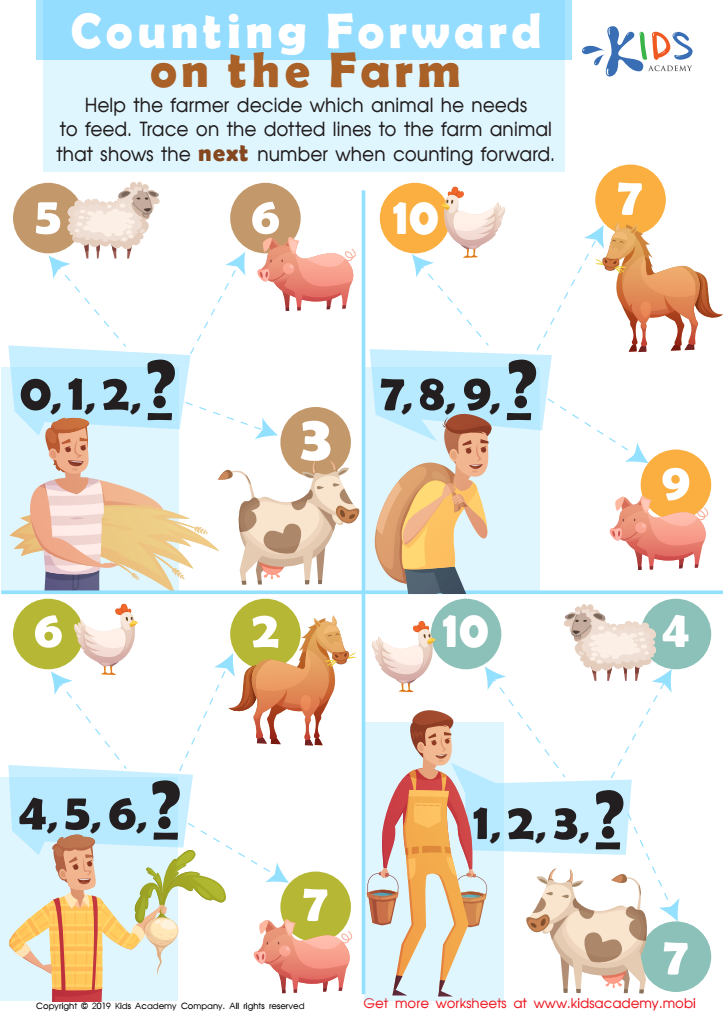
Counting Forward On the Farm Worksheet
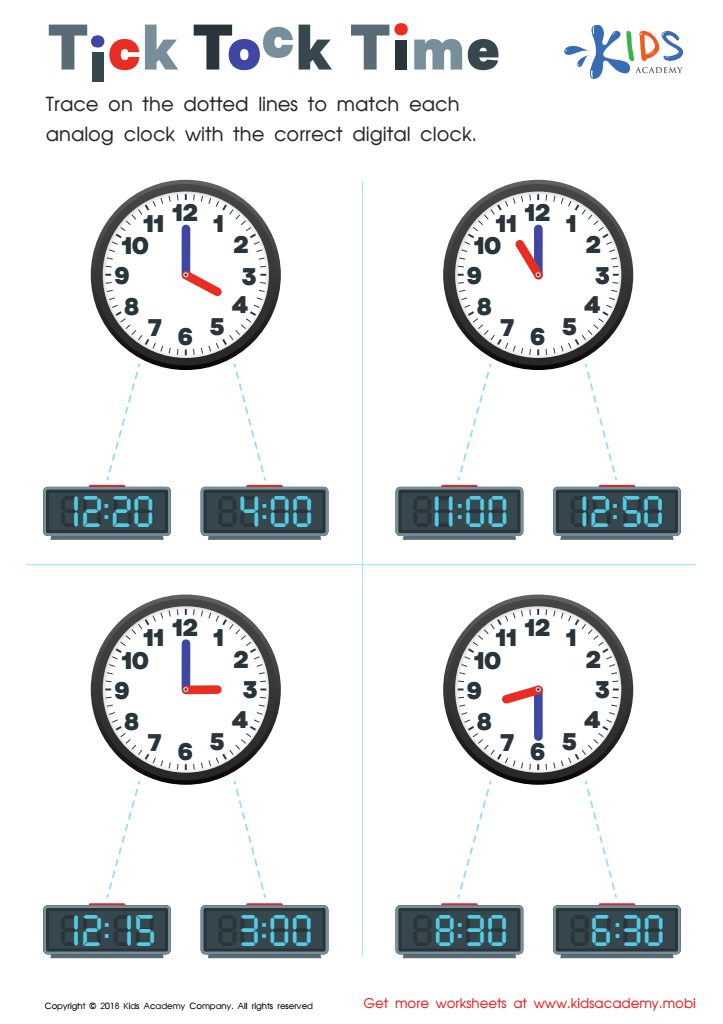
Tick Tock Time Worksheet
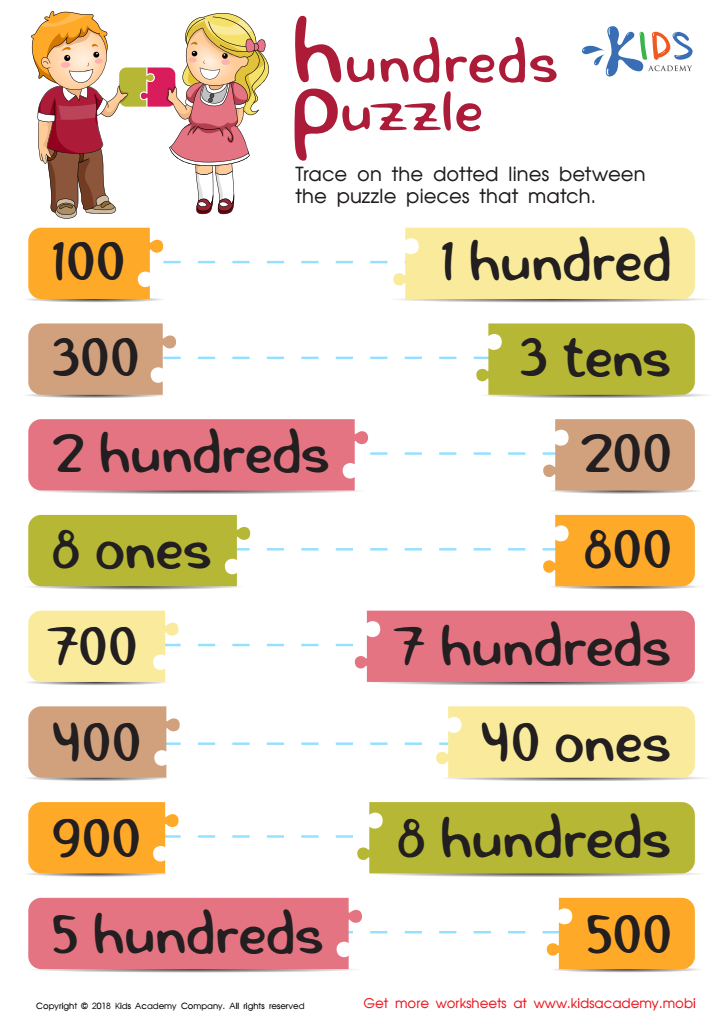
Hundreds Puzzle Worksheet
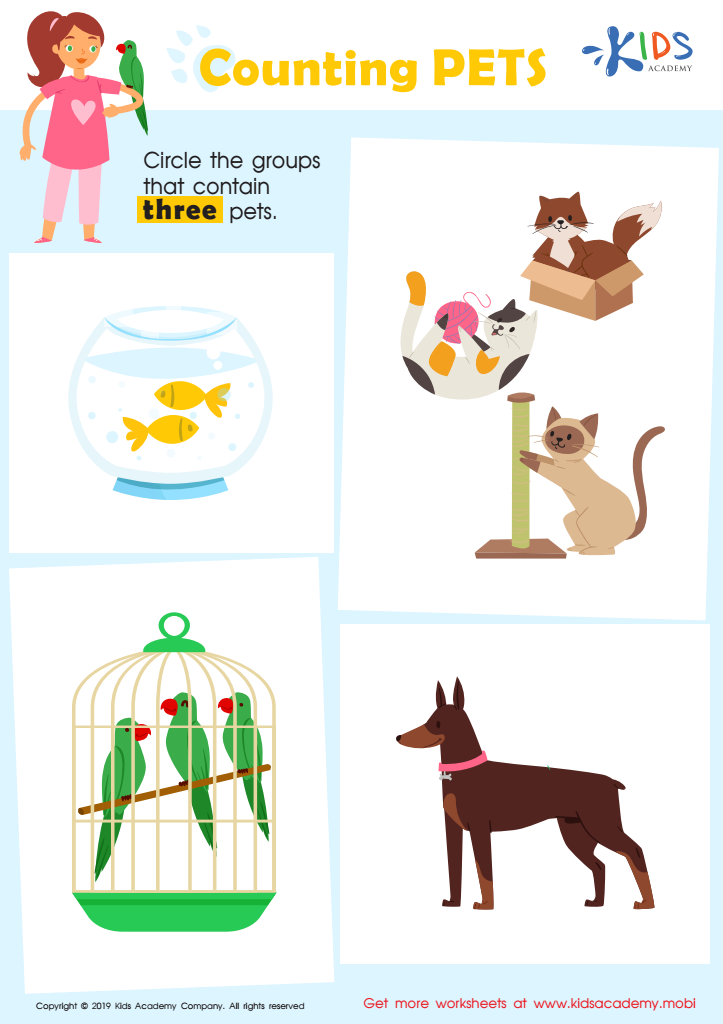
Counting Pets Worksheet
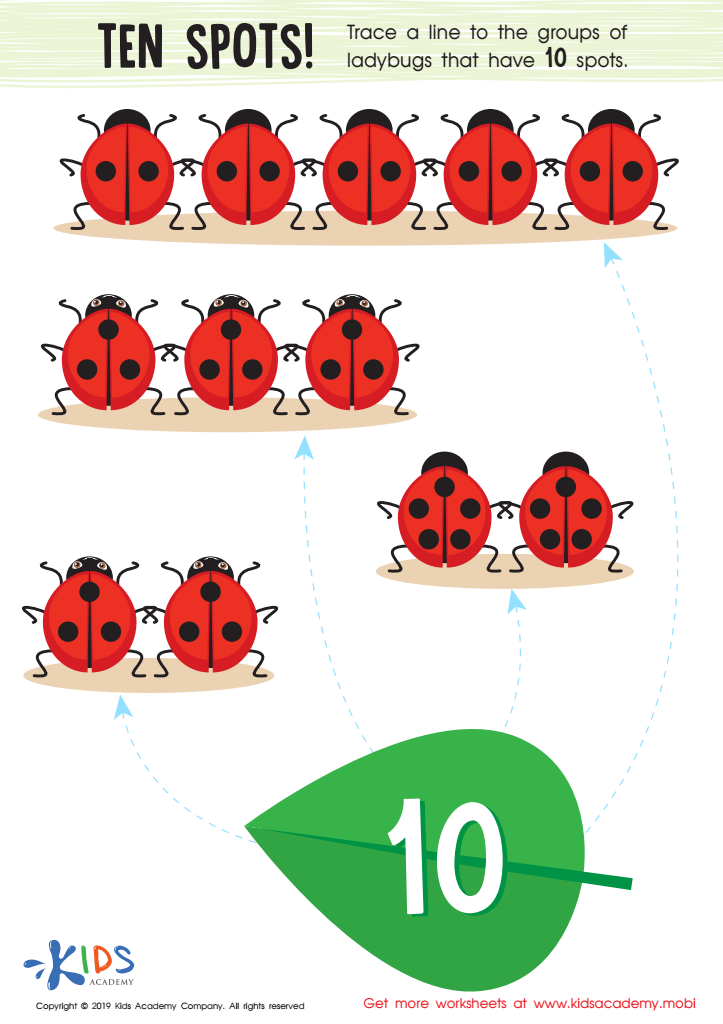
Ten Spots Worksheet
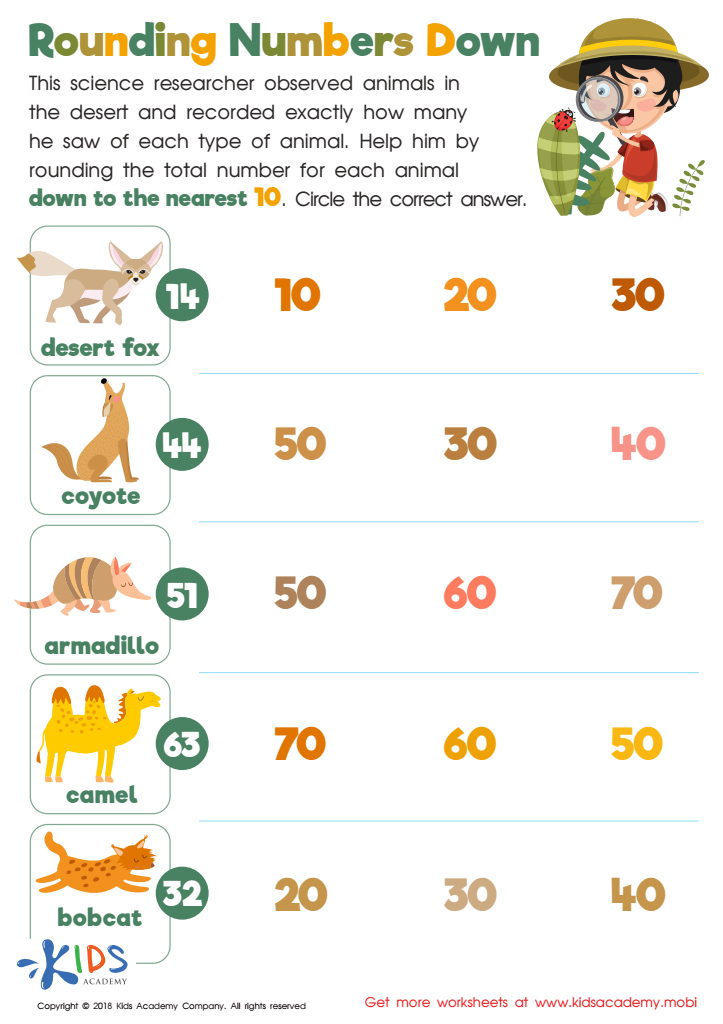
Rounding Numbers Down Worksheet
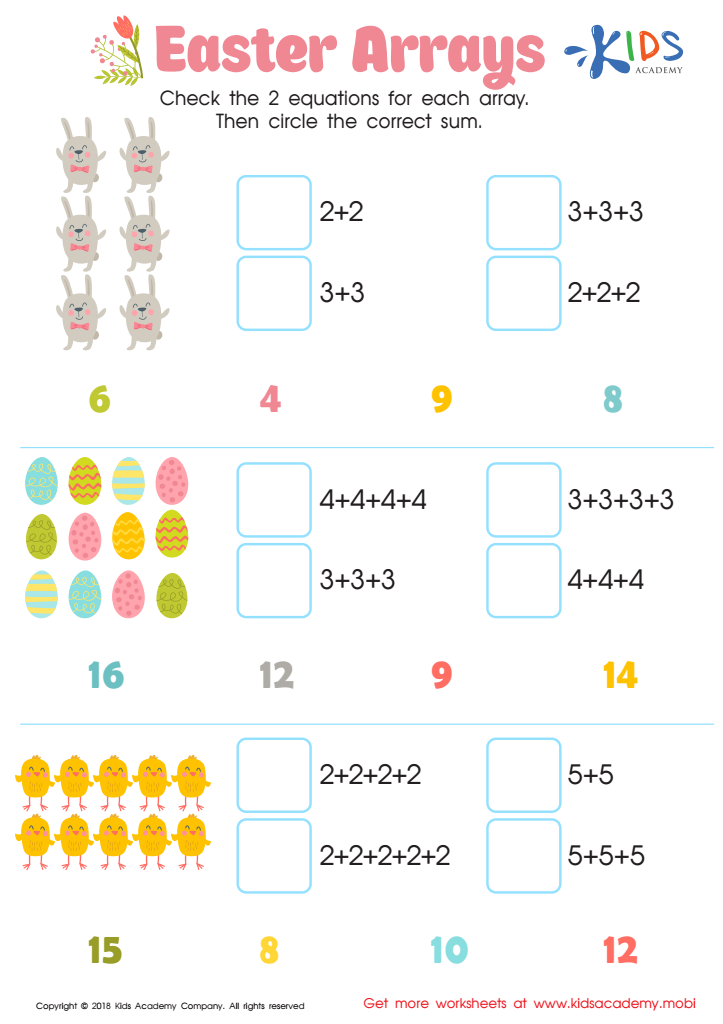
Easter Arrays Worksheet
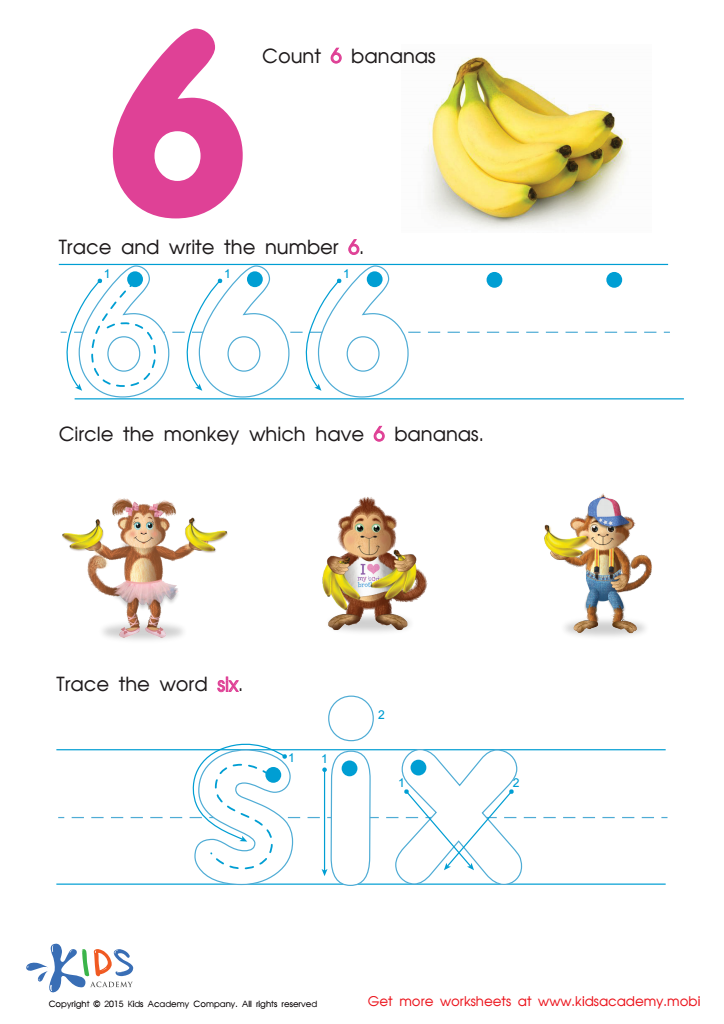
Tracing And Writing Number 6 Worksheet
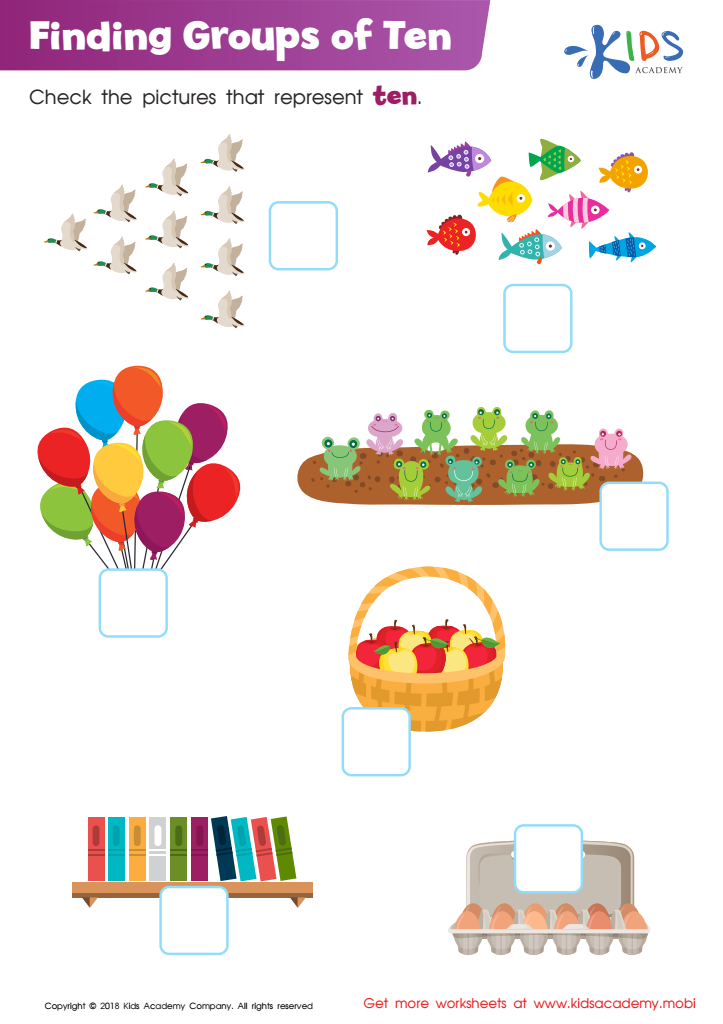
Finding Groups of Ten Worksheet
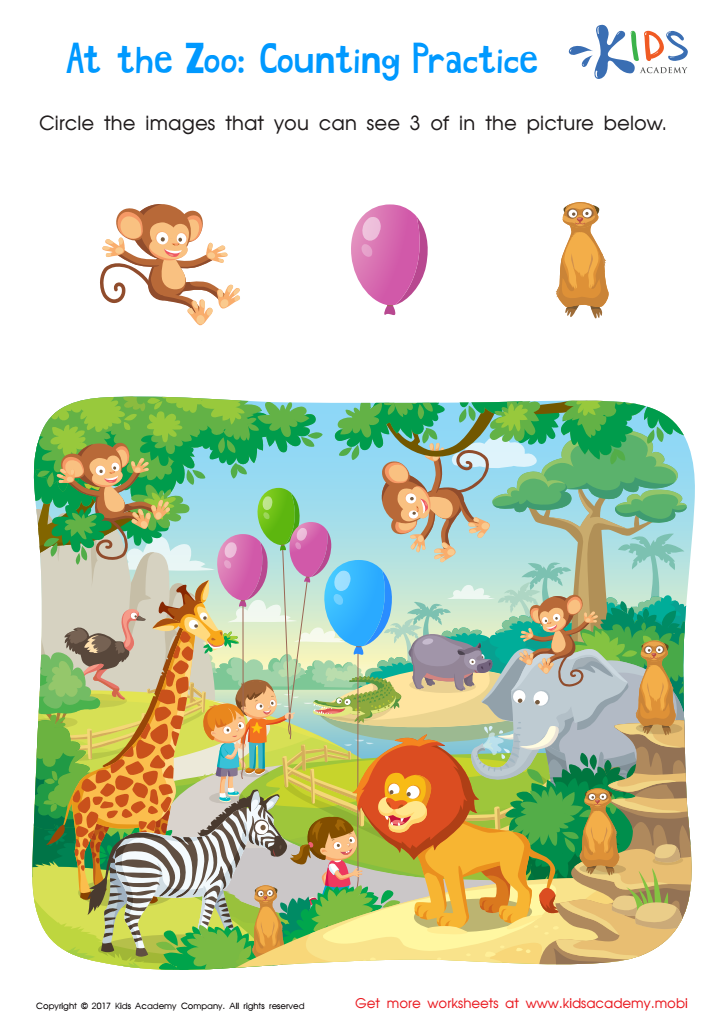
At the Zoo: Counting Practice Worksheet
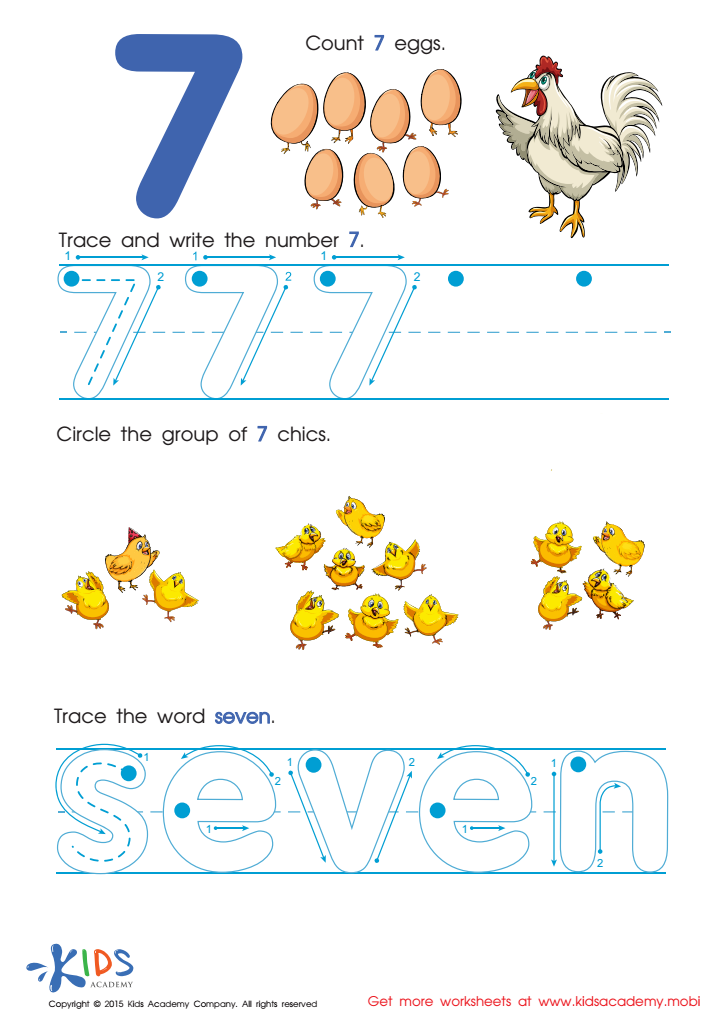
Trace And Write Number 7 with Fun Worksheet
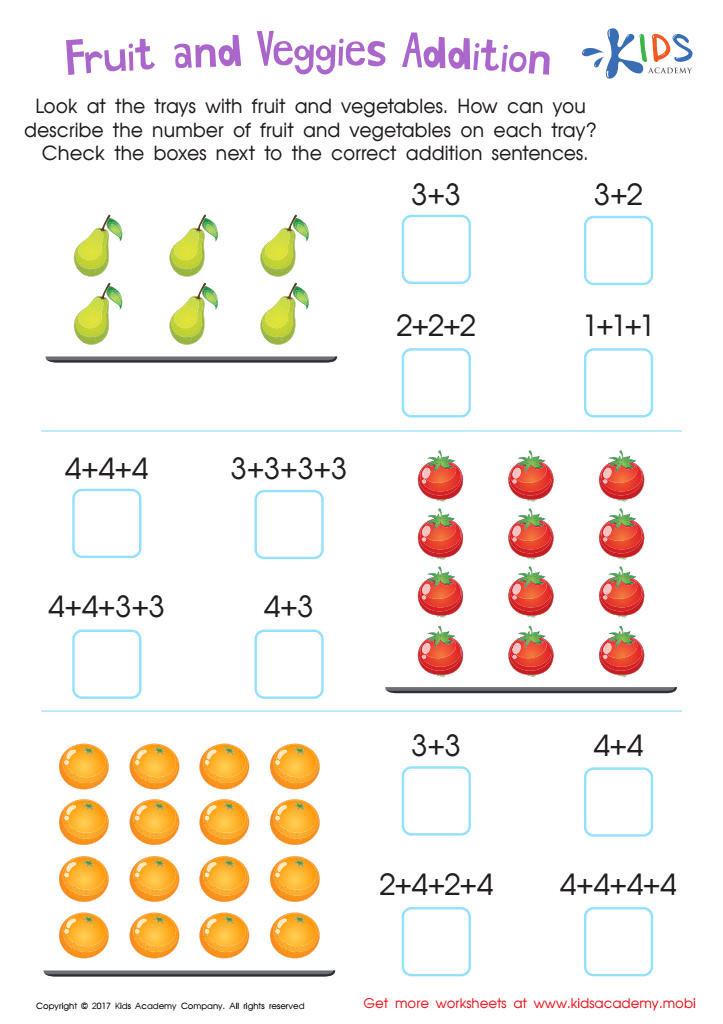
Fruit and Veggies Worksheet
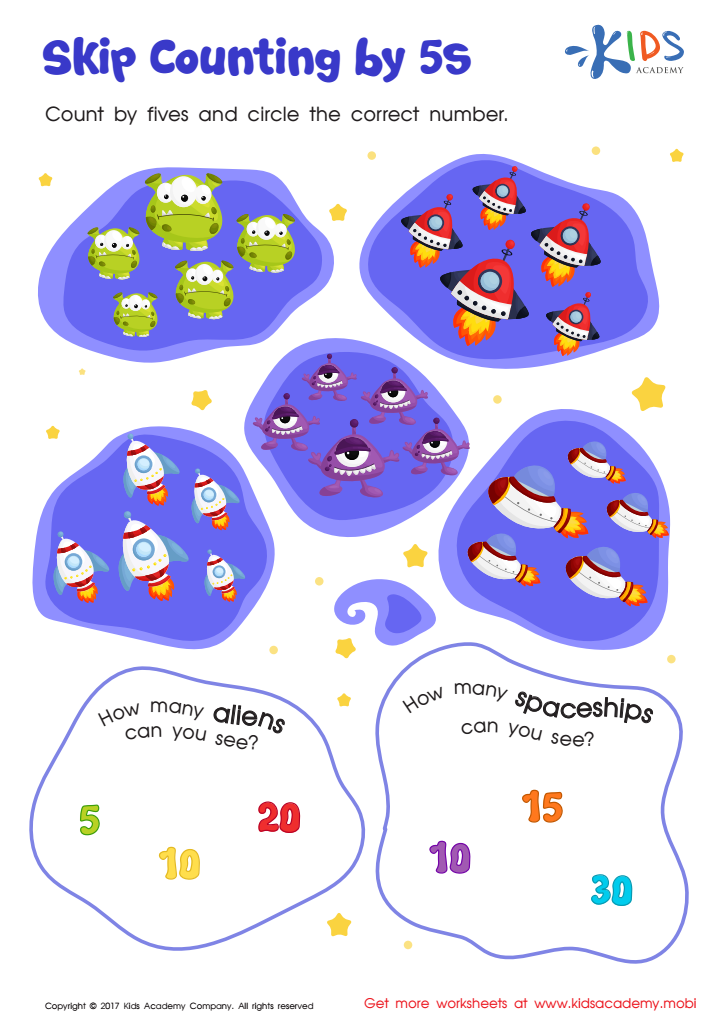
Skip Counting by 5s: Aliens and Spaceships Printable
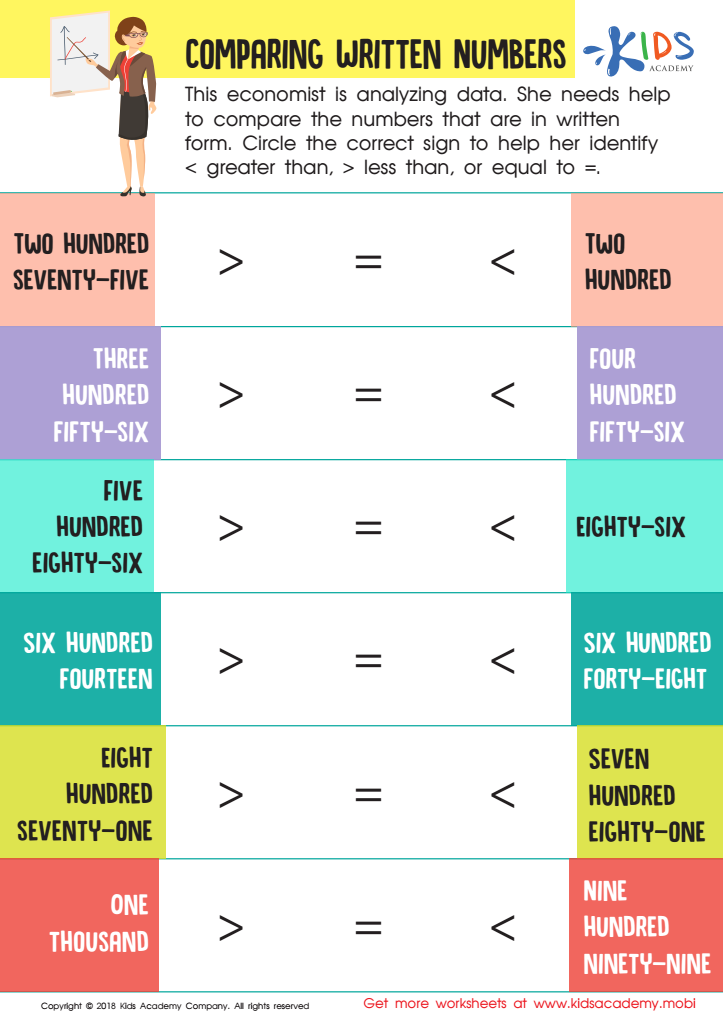
Comparing Written Numbers Worksheet
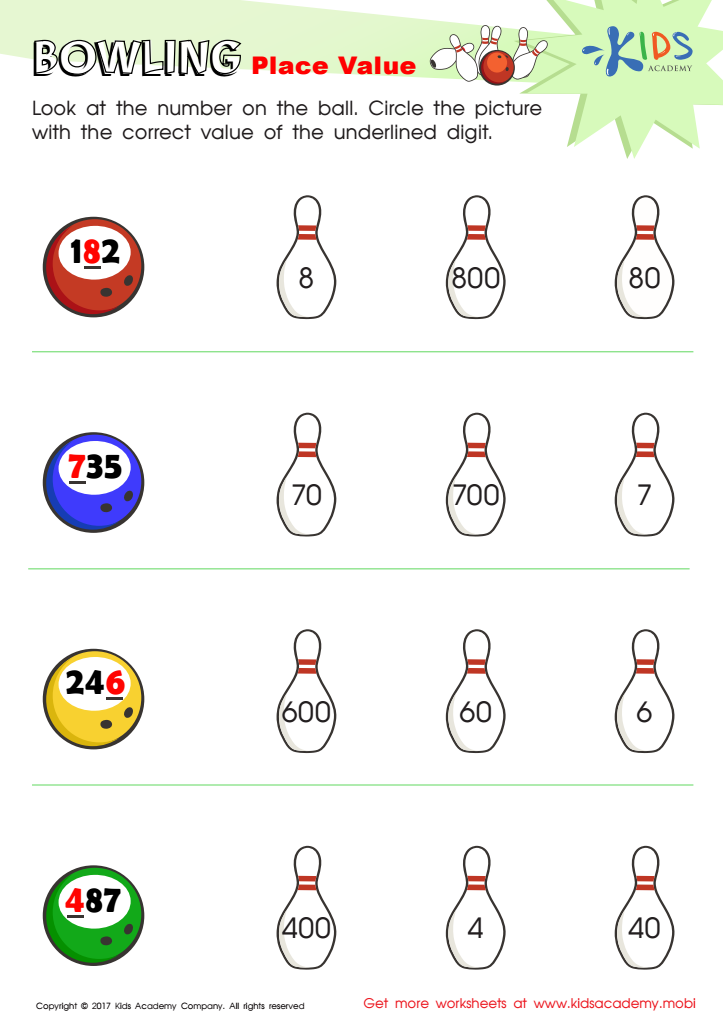
Place Value Worksheet
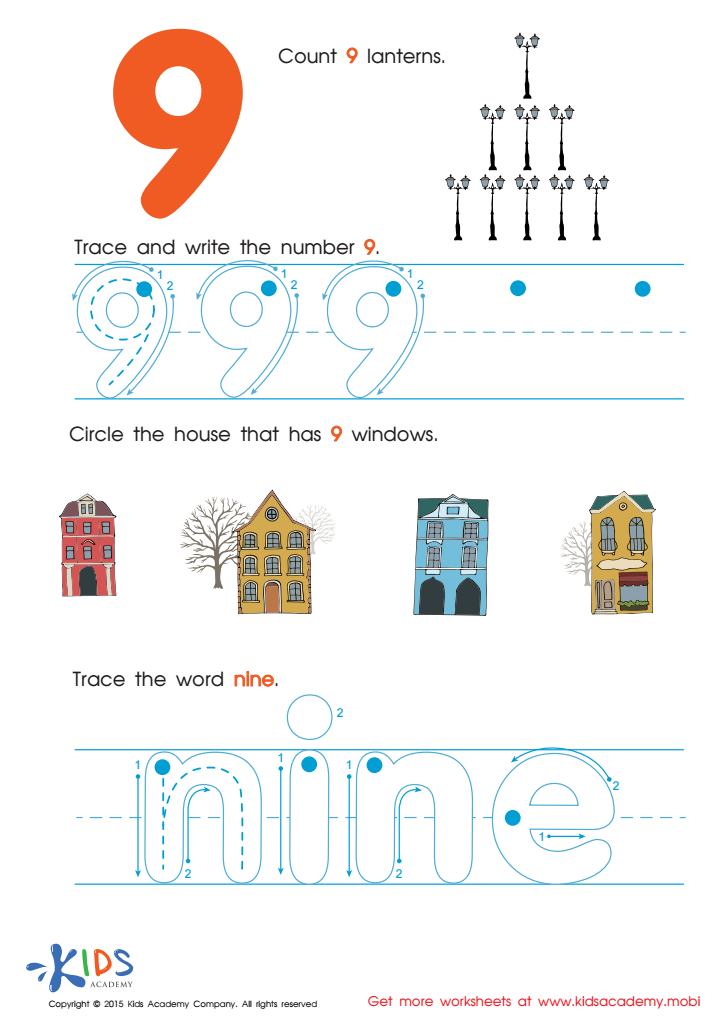
Tracing And Learning to Write Number 9 Worksheet
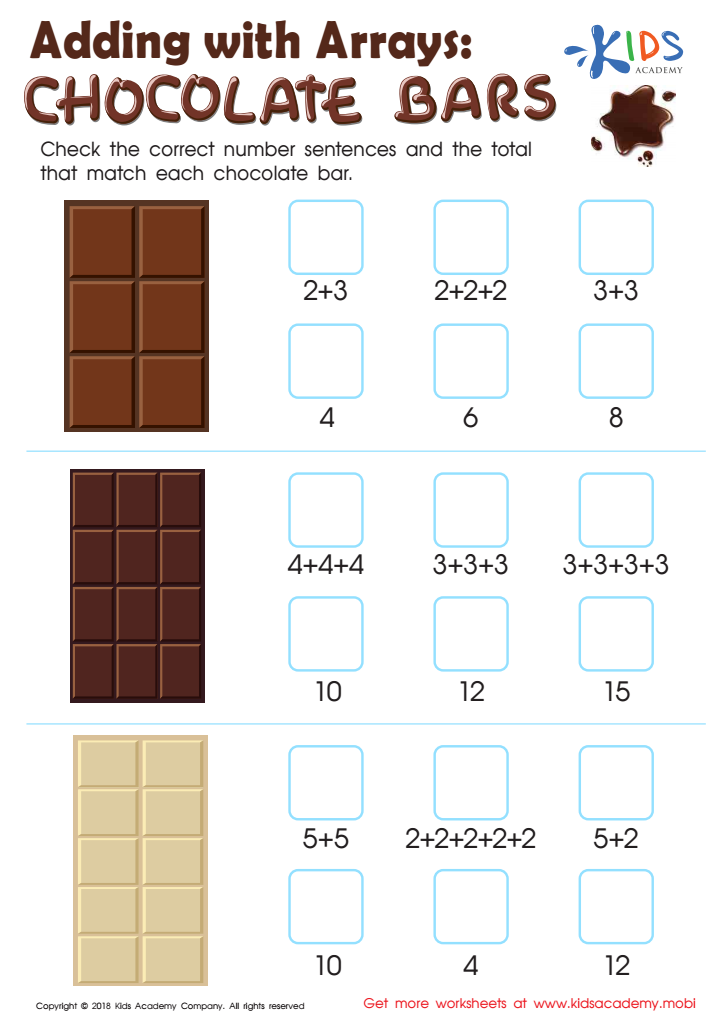
Adding with Arrays: Chocolate Bars Worksheet
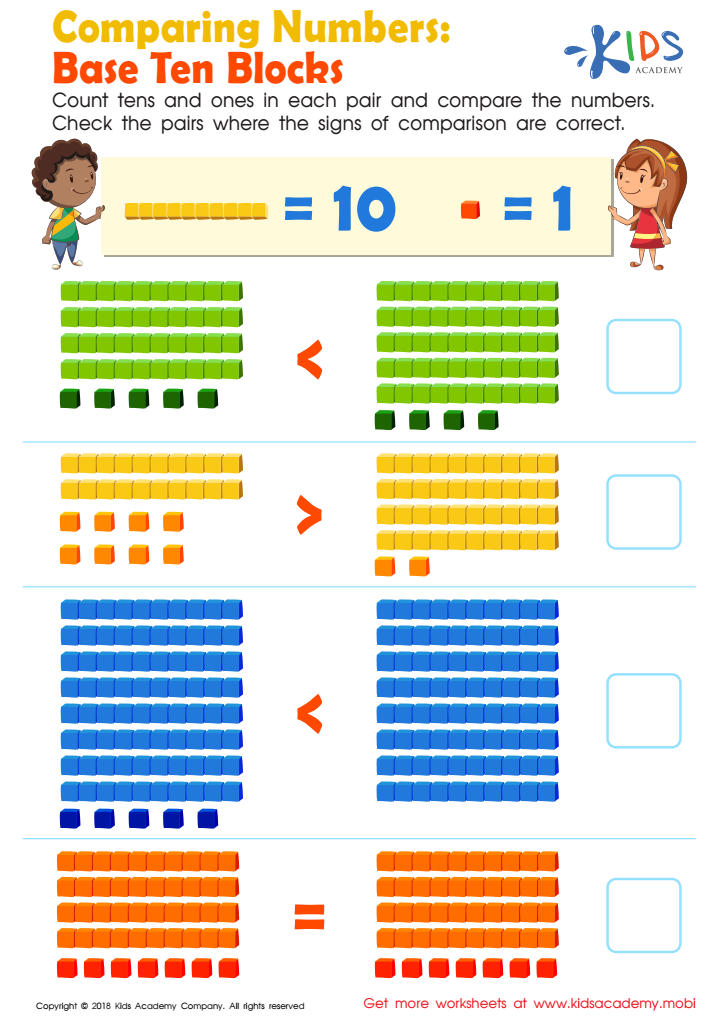
Comparing Numbers: Base Ten Blocks Worksheet
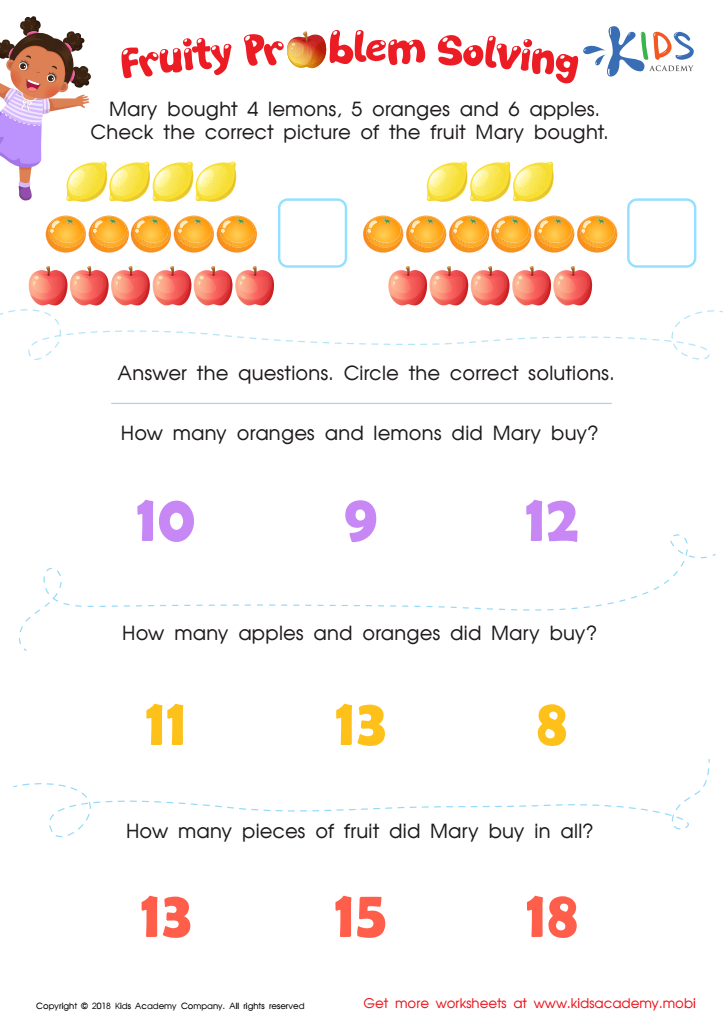
Fruity Problem Solving Worksheet
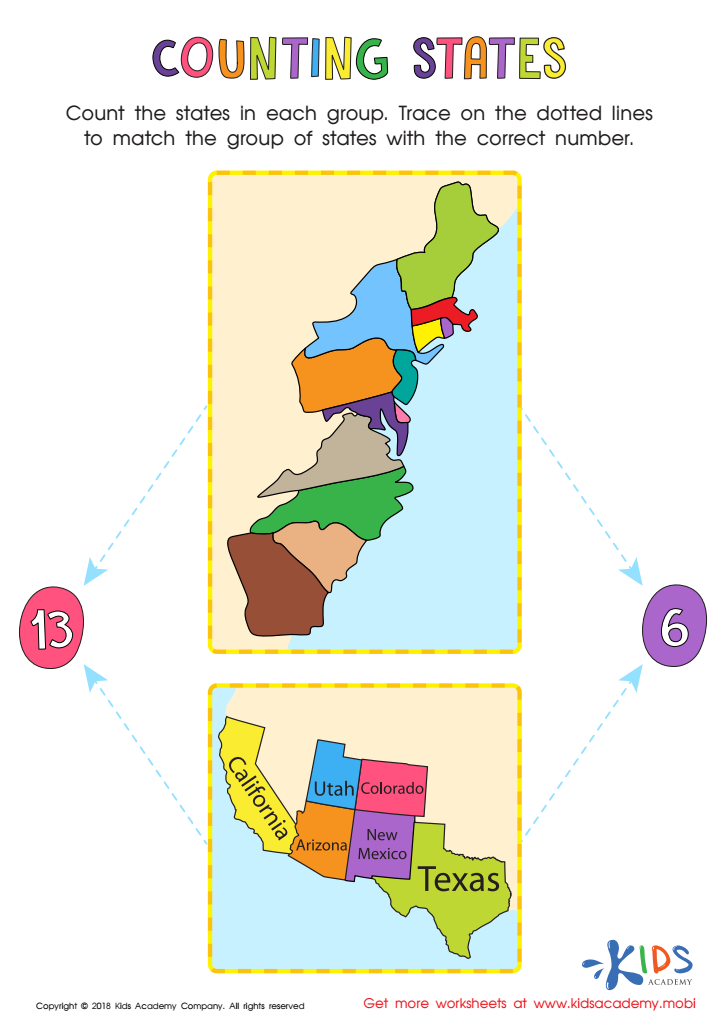
Counting States Worksheet







Normal numbers are fascinating and fundamental concepts in mathematics that can easily capture the interest of children aged 5-9. Understanding normal numbers offers children insight into patterns and randomness, which can enhance their mathematical thinking. For parents and teachers, emphasizing normal numbers fosters critical reasoning skills and encourages an early appreciation for the beauty of mathematics.
Introducing young learners to normal numbers—numbers where each digit appears with equal frequency—can spark curiosity and exploration. By engaging with concepts of grouping, counting, and probabilities, children can develop strong foundations for more complex topics later in their education. Activities such as counting, sorting, and experimenting with numbers can be incorporated into daily routines or classroom settings, making learning interactive and enjoyable.
Furthermore, discussing normal numbers strengthens problem-solving skills. Kids learn that mathematics is not just about computation but also involves understanding relationships and making predictions based on observed patterns. Involving parents, teachers can create home activities or games where children can identify normal numbers in everyday life, further solidifying their comprehension.
In summary, normal numbers provide a fun and engaging way to enhance mathematical understanding and reasoning in young learners, encouraging a lifelong love for mathematics and critical thinking.