Color Identification Normal Math Worksheets for Ages 5-9
12 filtered results
-
From - To
Welcome to our Color Identification Normal Math Worksheets for Ages 5-9! Designed to engage young learners, these worksheets blend foundational math skills with exciting color recognition activities. Perfect for preschool and early elementary students, our printable resources encourage children to explore colors while practicing number identification, counting, and basic math operations. Engaging illustrations and interactive exercises promote visual learning and help develop essential critical thinking skills. Teachers and parents can easily integrate these worksheets into daily practice, making math enjoyable and colorful. Foster a love for learning and help your child thrive with our delightful worksheets tailored for young minds!
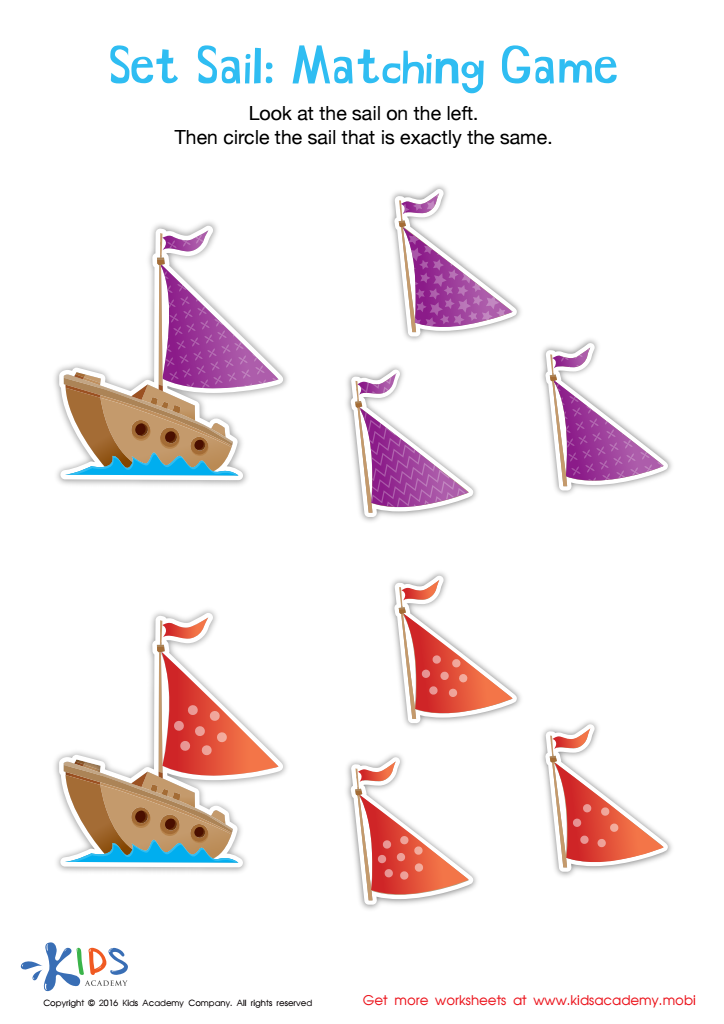
Set Sail Worksheet
 Assign to My Students
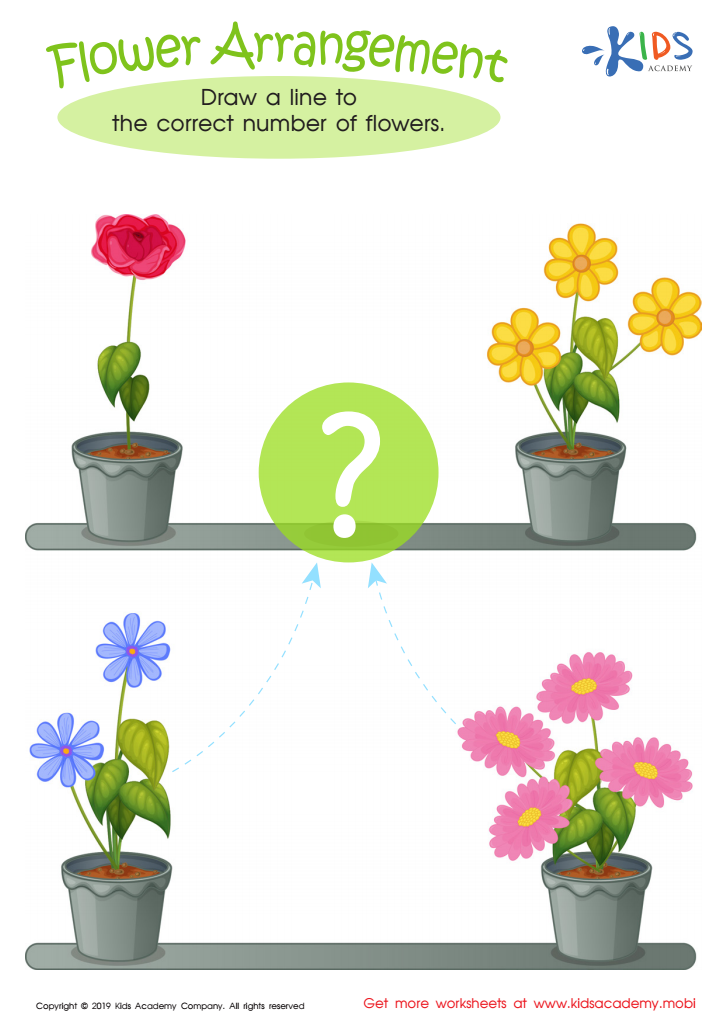
Flower Arrangement Worksheet
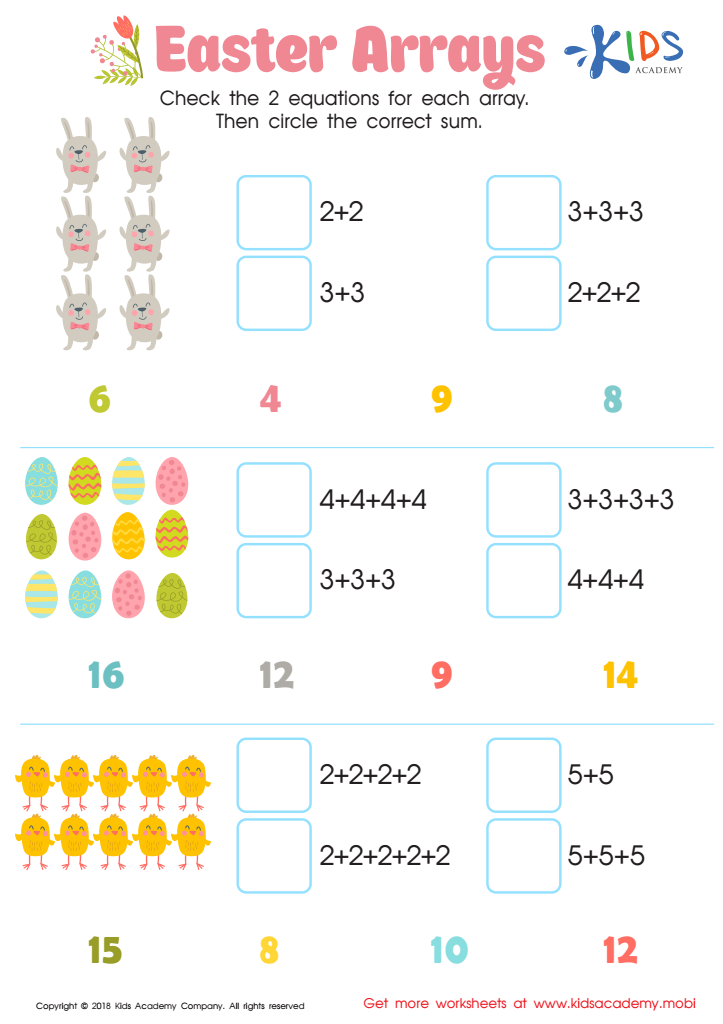
Easter Arrays Worksheet
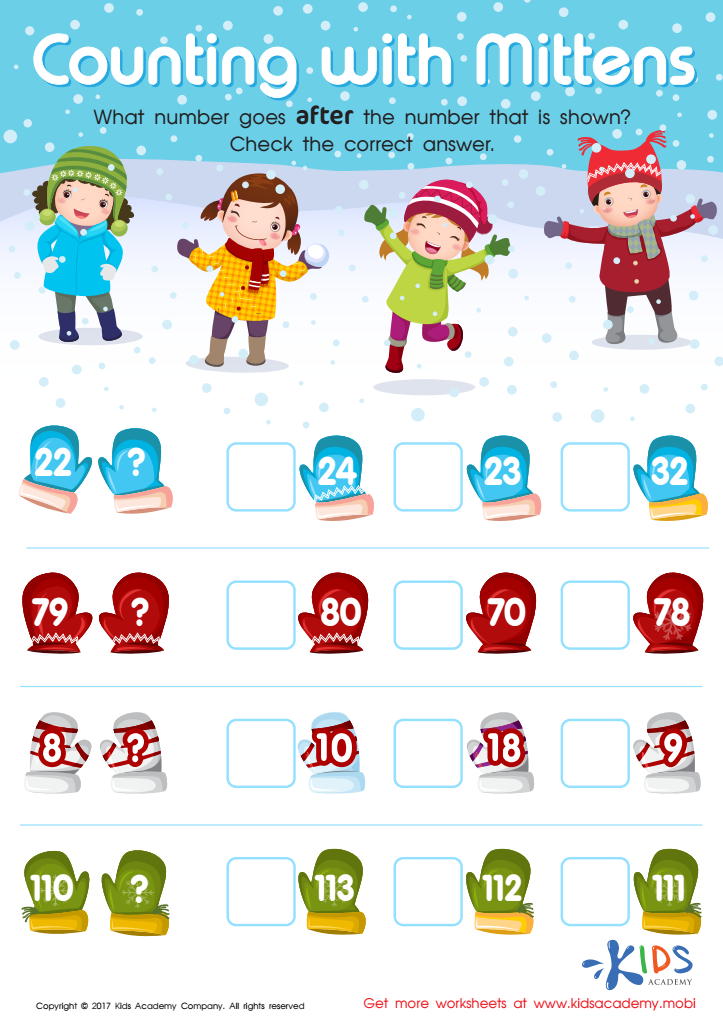
Counting with Mittens Worksheet
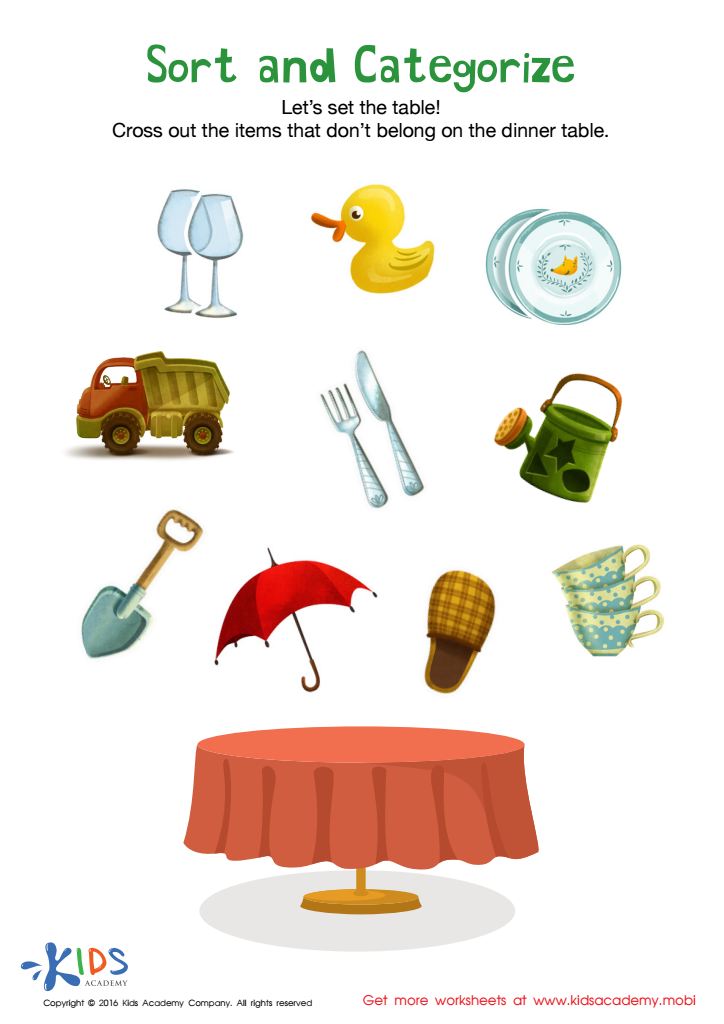
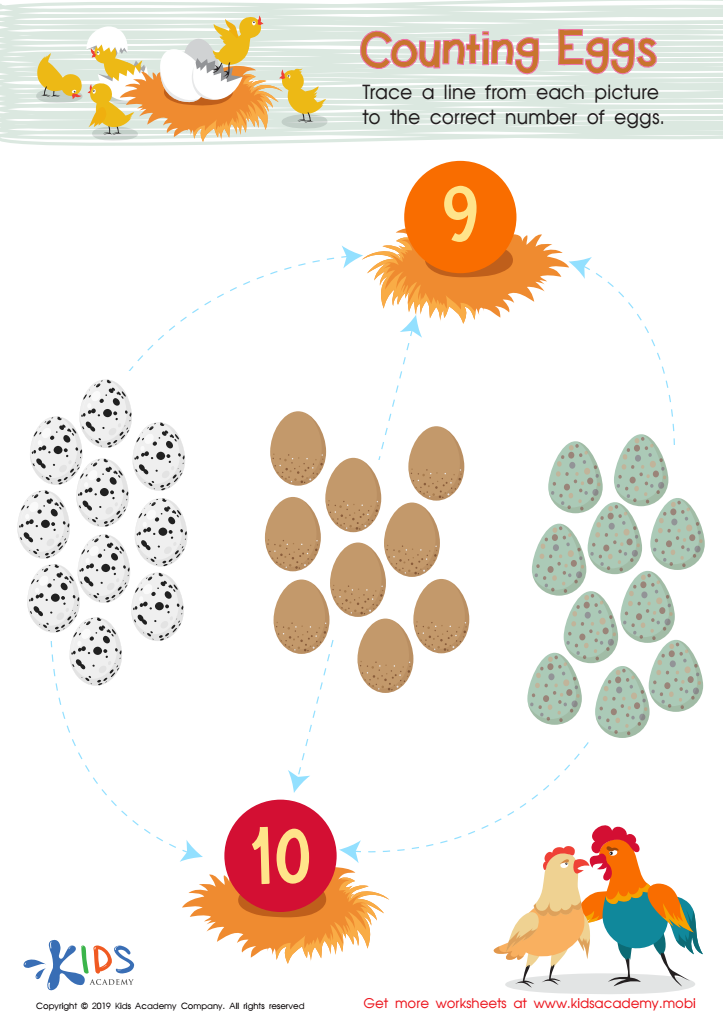
Counting Eggs Worksheet
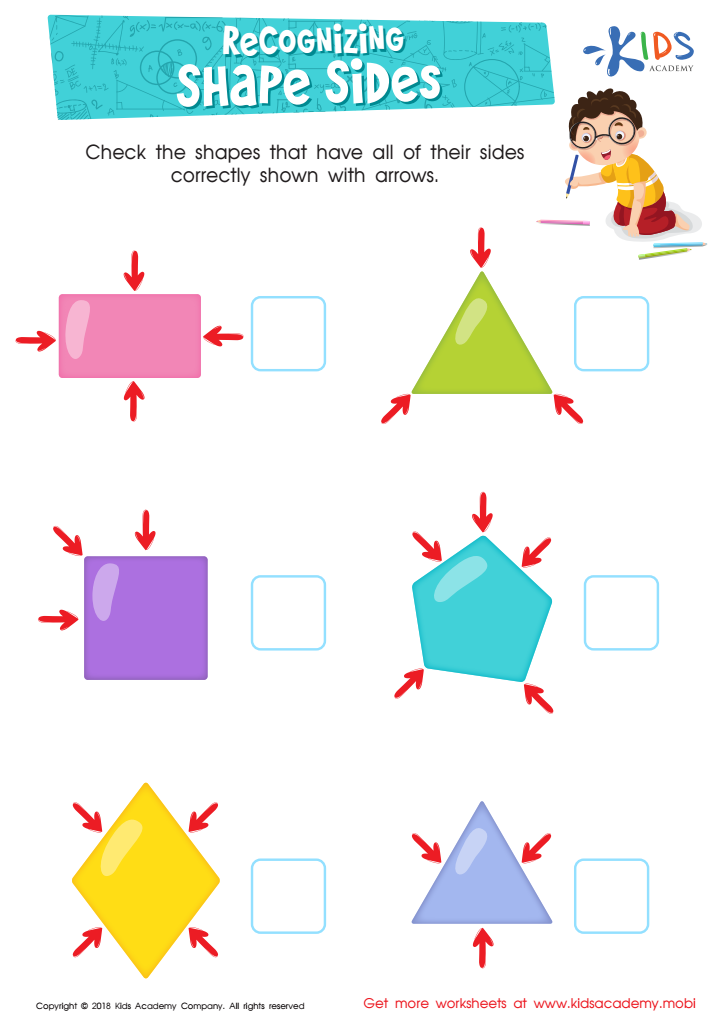
Recognizing Shape Sides Worksheet
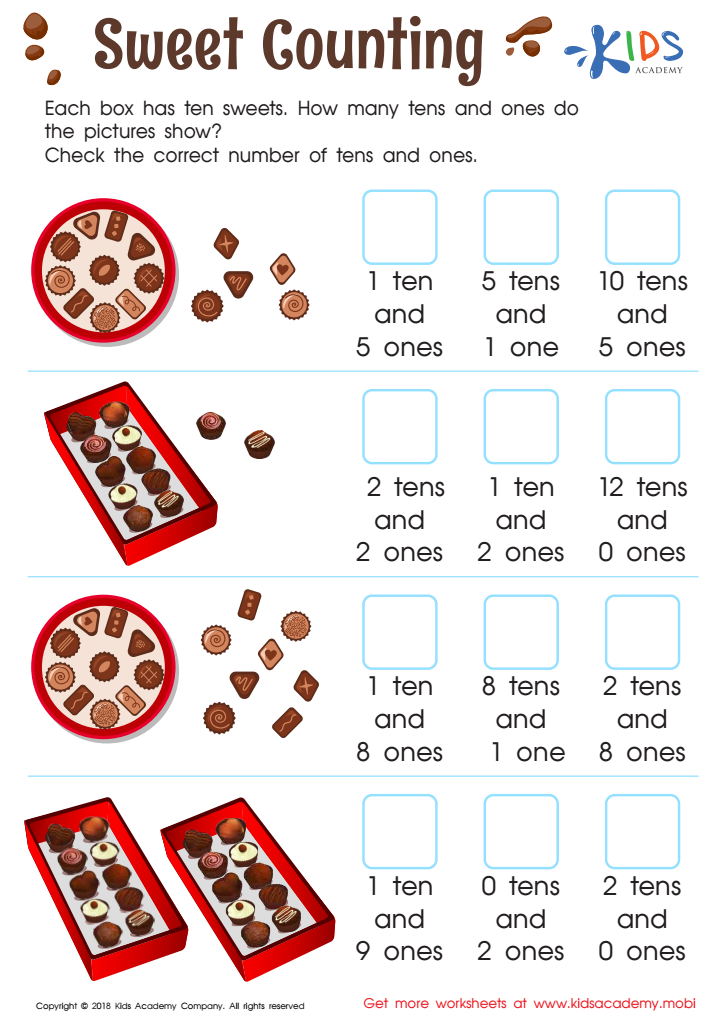
Sweet Counting - Part 2 Worksheet
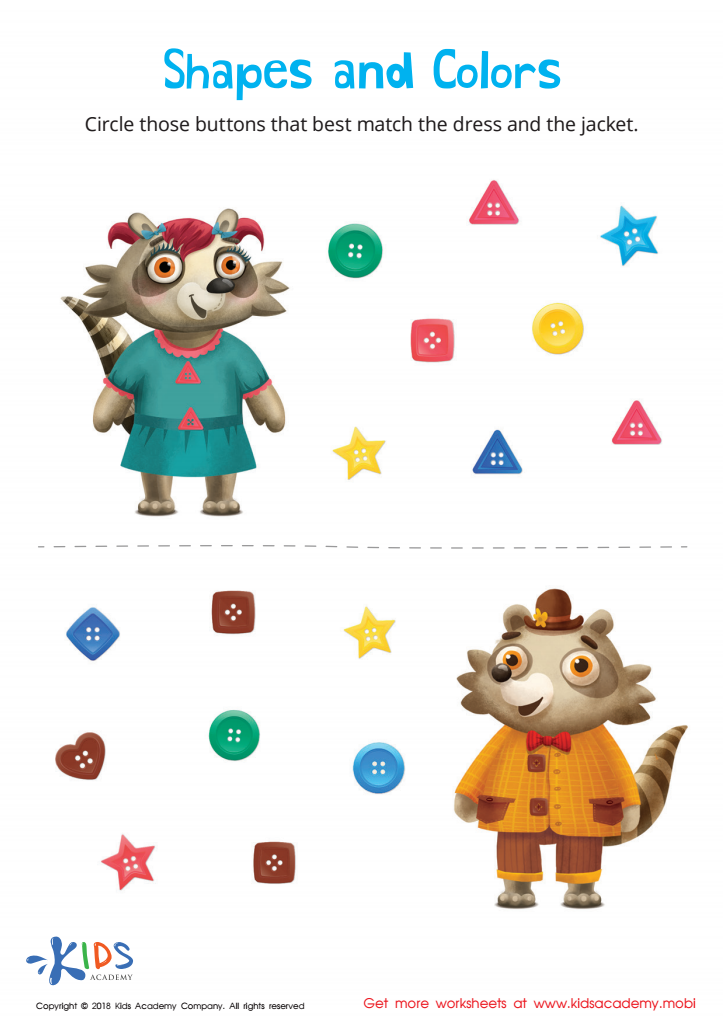
Shapes and Colors Worksheet
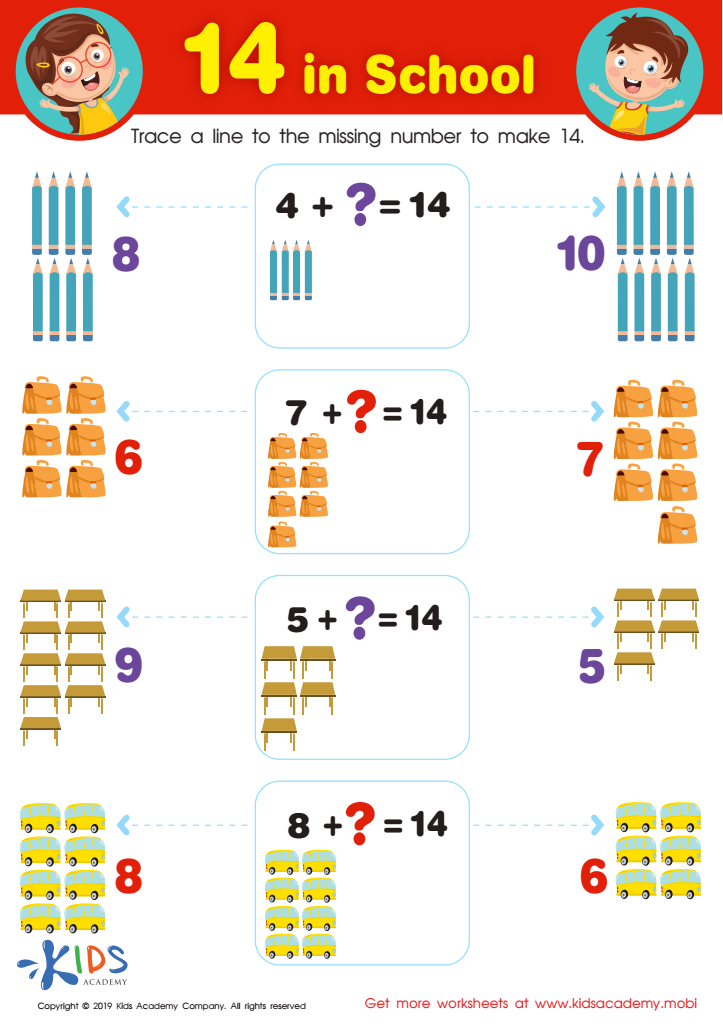
14 in School Worksheet
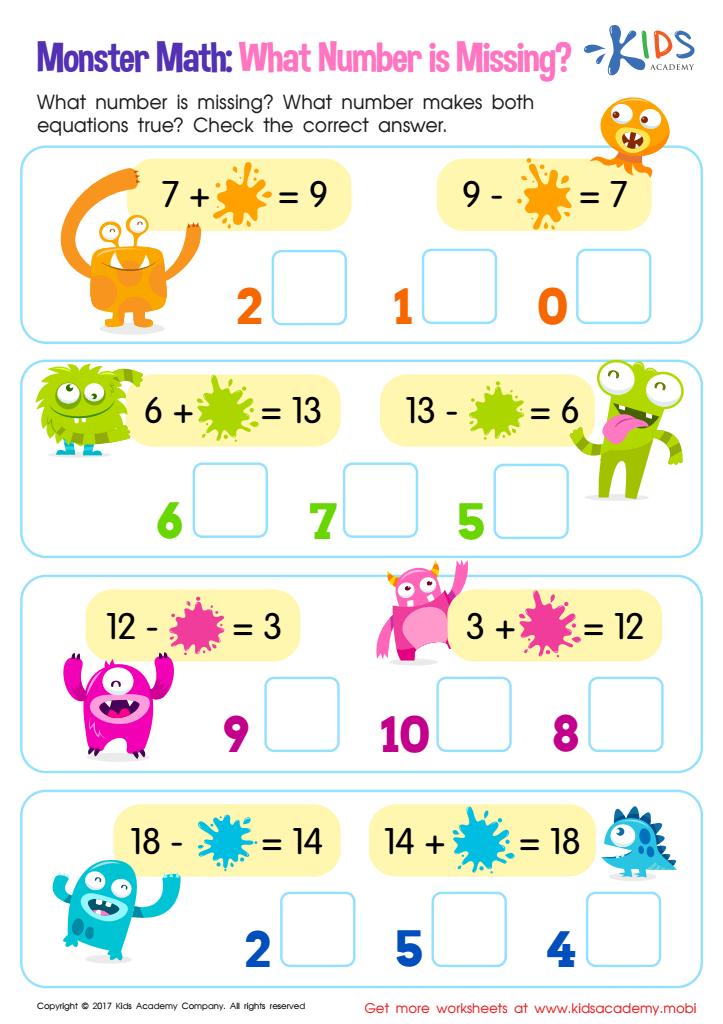
Missing Number: Monster Math Worksheet
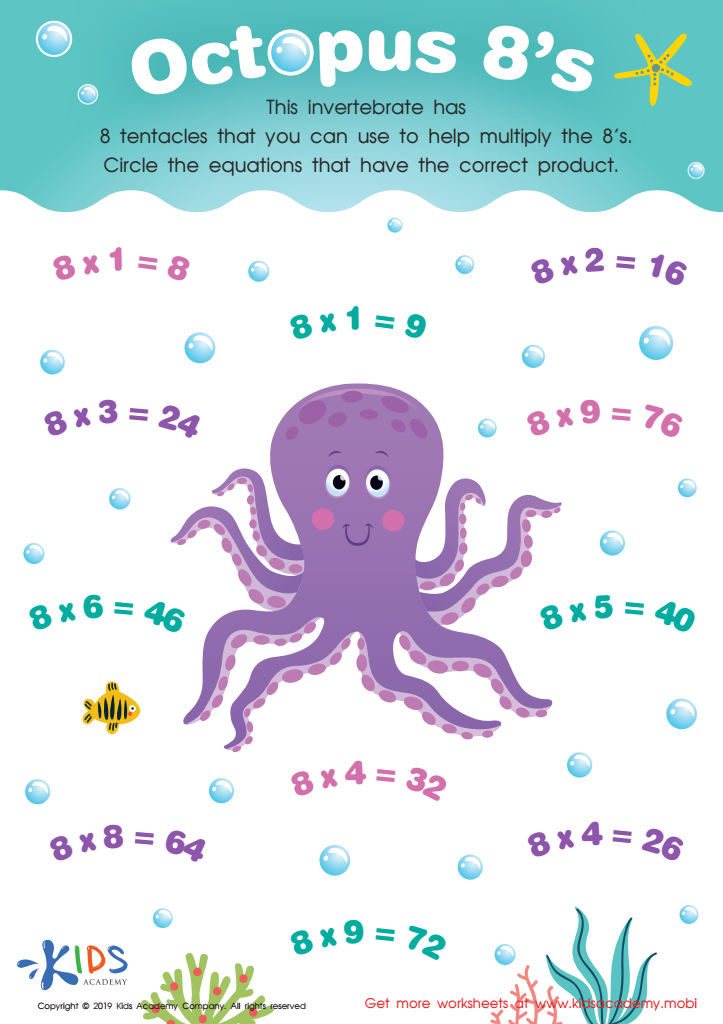
Octopus 8’s Worksheet







Parents and teachers should care about color identification in normal math for ages 5-9, as it plays a fundamental role in early cognitive development and learning. During this critical age range, children are not merely learning to recognize colors; they are also developing crucial skills such as pattern recognition, categorization, and, subsequently, problem-solving abilities. Color identification aids children in making connections between different concepts, such as sorting objects by color or using colors to represent data in simple graphs, thereby enhancing their understanding of math as an abstract concept.
Moreover, incorporating colors in math activities can make learning more engaging and enjoyable. Children are naturally drawn to vibrant colors, and using them in mathematical tasks can capture their attention and stimulate their interest. This engagement can be vital in building a positive attitude towards math, which may influence their confidence and performance in the subject later on.
Additionally, teaching colors alongside numbers helps foster creativity and expression, making math feel more accessible and less intimidating. Ultimately, recognizing the importance of color identification in math equips children with the foundations they need, ensuring they build skills in a fun, interactive manner, setting a positive trajectory for their educational journey.








