Logical thinking Normal Matching Worksheets for Ages 5-9
3 filtered results
-
From - To
Foster your child's logical thinking skills with our captivating Normal Matching Worksheets for ages 5-9, available exclusively on Kids Academy. These carefully designed activities provide engaging interactions to strengthen critical thinking, pattern recognition, and problem-solving abilities. Each worksheet is thoughtfully crafted to be both fun and educational, enhancing your child's cognitive development while retaining their interest. Ideal for both classroom environments and home practice, these resources are essential tools for any young learner's success. Discover the perfect blend of enjoyment and learning with Kids Academy's Logical Thinking Matching Worksheets, and watch your child's skills flourish.
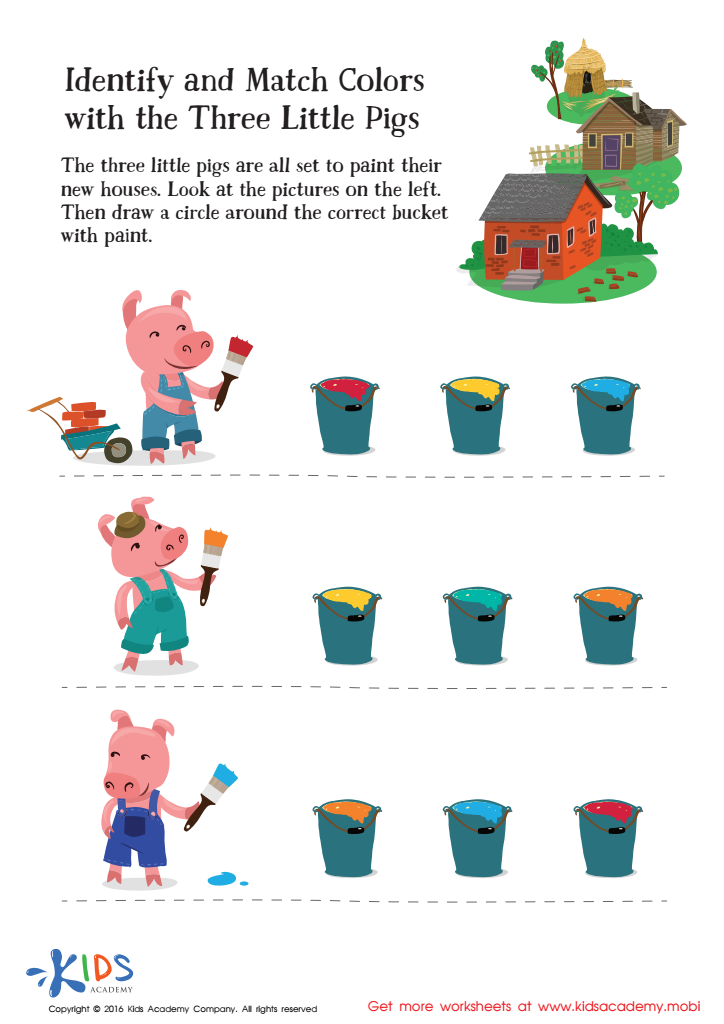
Fairy Tale Worksheet: Identify and Match Colors with Three Little Pigs
 Assign to My Students
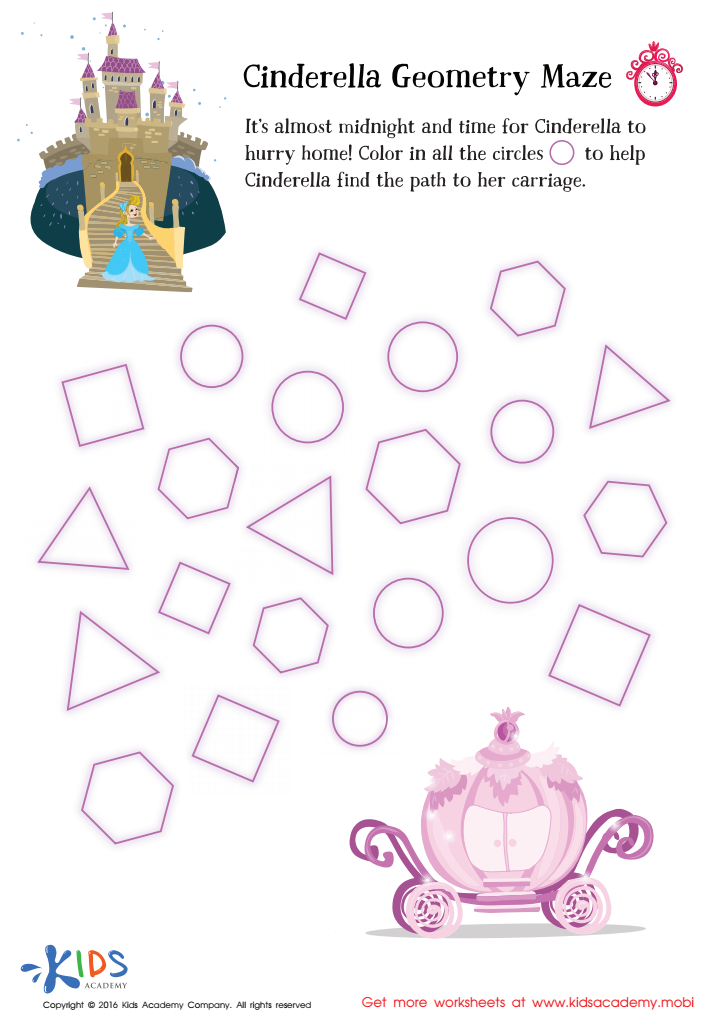
Cinderella Geometry Maze Worksheet








Parents and teachers play a crucial role in the cognitive development of children, especially in fostering logical thinking skills. At ages 5-9, children's brains are highly receptive, making it an ideal time to introduce activities that enhance these cognitive abilities. Logical thinking helps children understand and interpret the world around them, promoting problem-solving skills that are essential both in academic settings and daily life.
Engaging children in normal matching activities, such as pairing similar objects or categorizing items, strengthens their ability to recognize patterns and relationships, foundational components of logical reasoning. These activities enhance memory, concentration, and analytical skills, preparing children for more complex mathematical and scientific concepts they will encounter in the future.
Furthermore, developing logical thinking aids in language acquisition, as children learn to construct sentences in a coherent and meaningful way. It improves their abilities to follow instructions and complete tasks efficiently. Socially, these skills help children understand cause-and-effect relationships, fostering better decision-making and reasoning in social interactions.
Investing time and effort into nurturing logical thinking in early years is crucial. It lays a strong foundation for future academic success and everyday problem-solving, making it an essential aspect of early childhood education.








