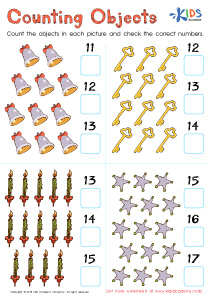
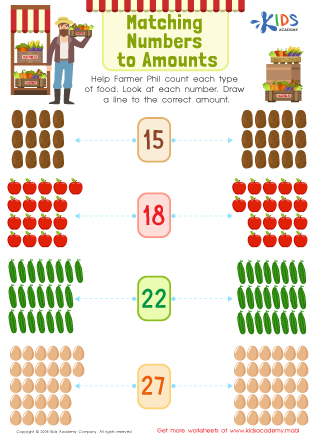
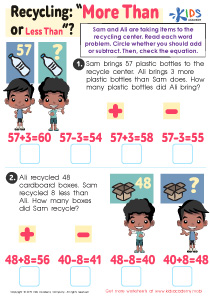
Counting skills Normal Tracing Numbers Worksheets for Ages 5-9
12 filtered results
-
From - To
Enhance your child's counting skills with our engaging Normal Tracing Numbers Worksheets, designed specifically for ages 5-9. These worksheets provide a structured yet fun approach to learning numbers, allowing children to trace and engage with each digit. Your young learners will develop fine motor skills and number recognition as they complete various exercises tailored to their developmental stage. With interactive activities that promote hands-on learning, your child will gain confidence in their counting abilities. Dive into the world of numbers and make math enjoyable with our carefully crafted worksheets that inspire curiosity and academic growth! Perfect for home or classroom use.
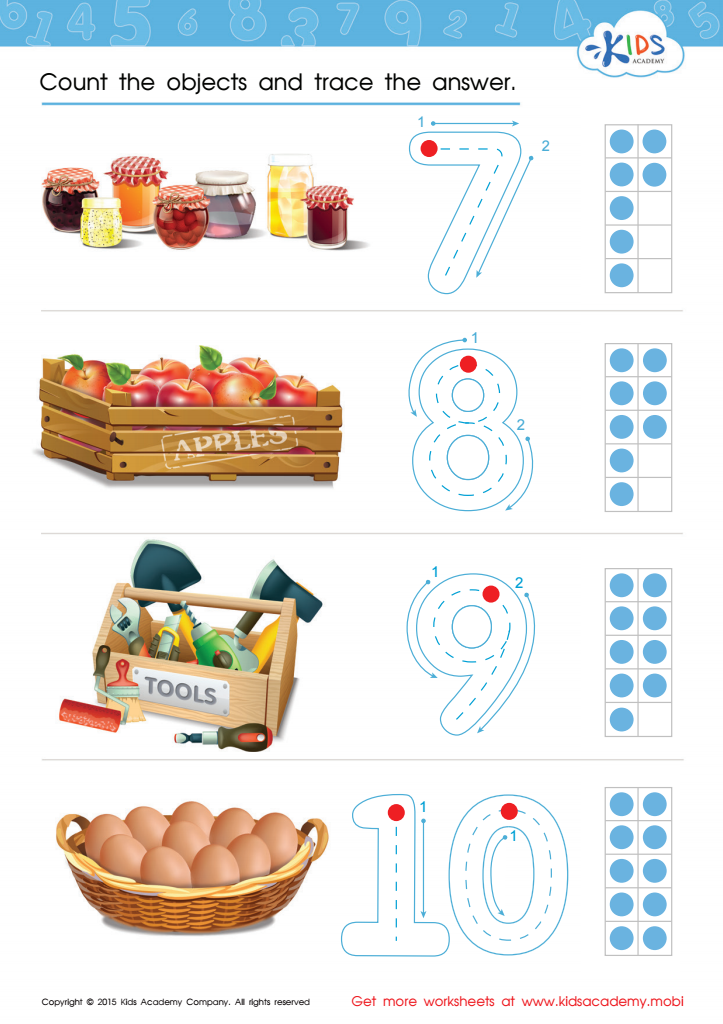
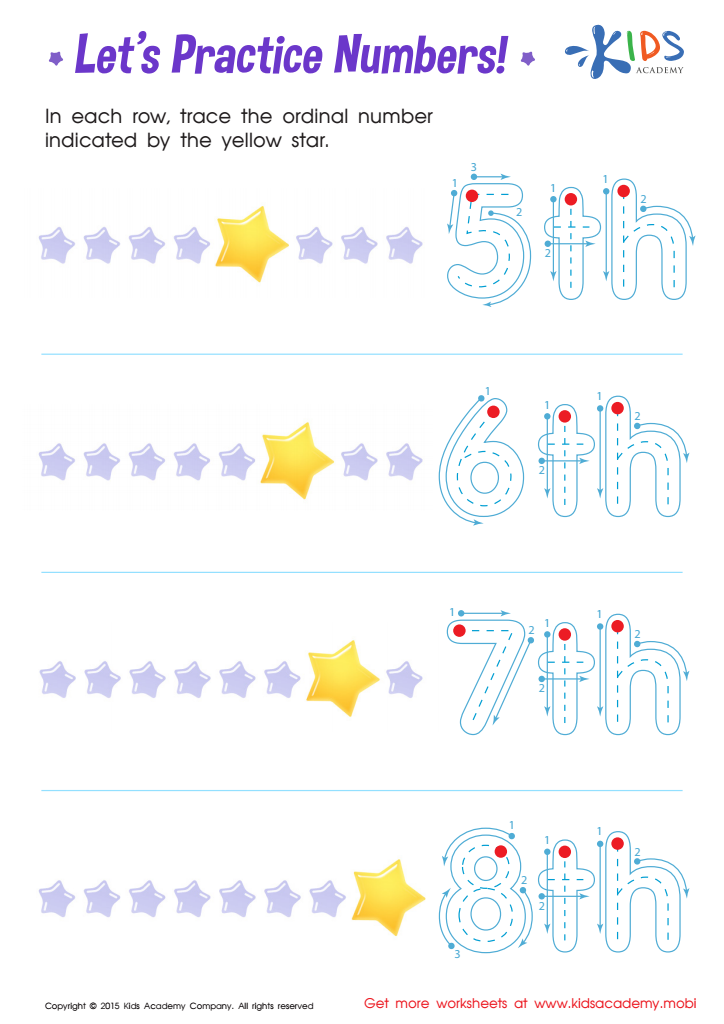
Count and Trace 7 – 10 Worksheet
 Assign to My Students
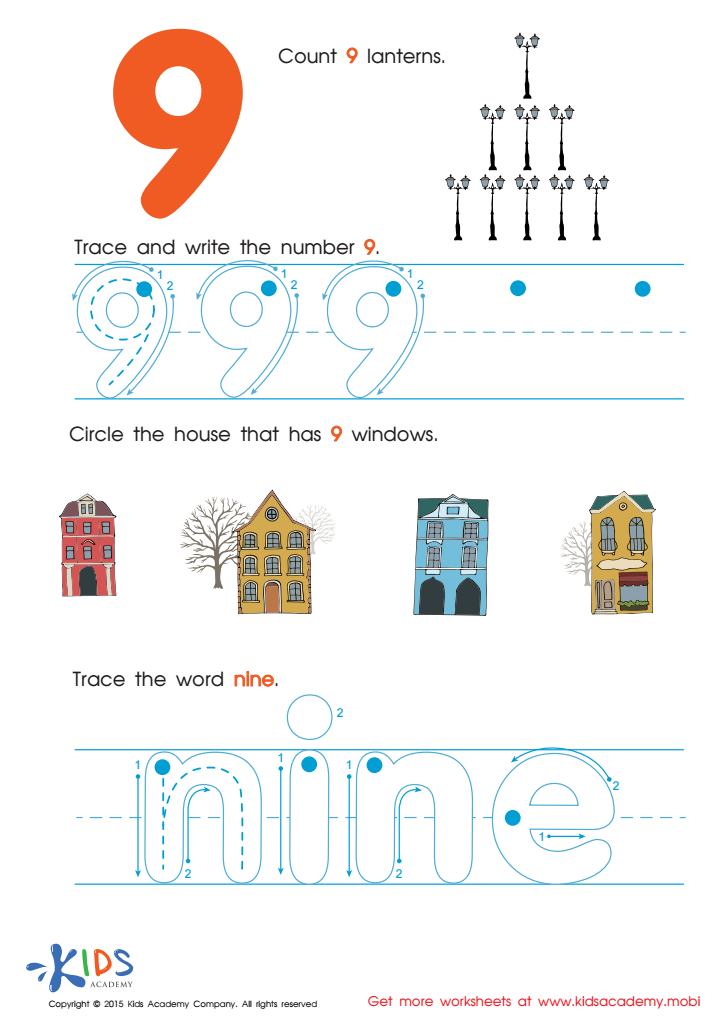
Tracing And Learning to Write Number 9 Worksheet
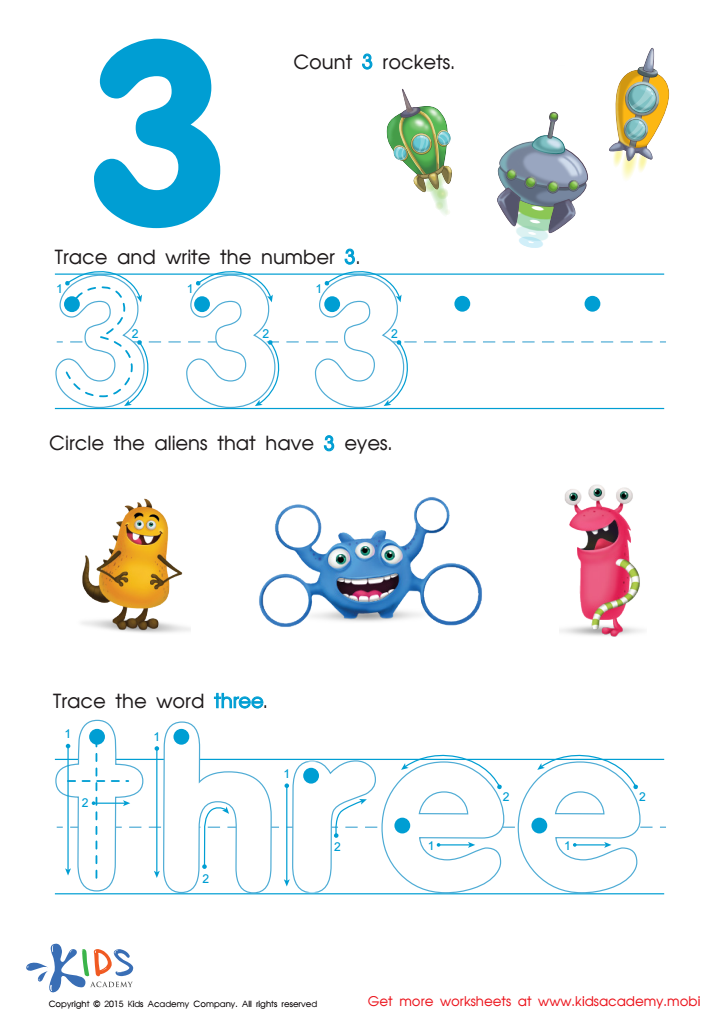
Learning Number Three Worksheet
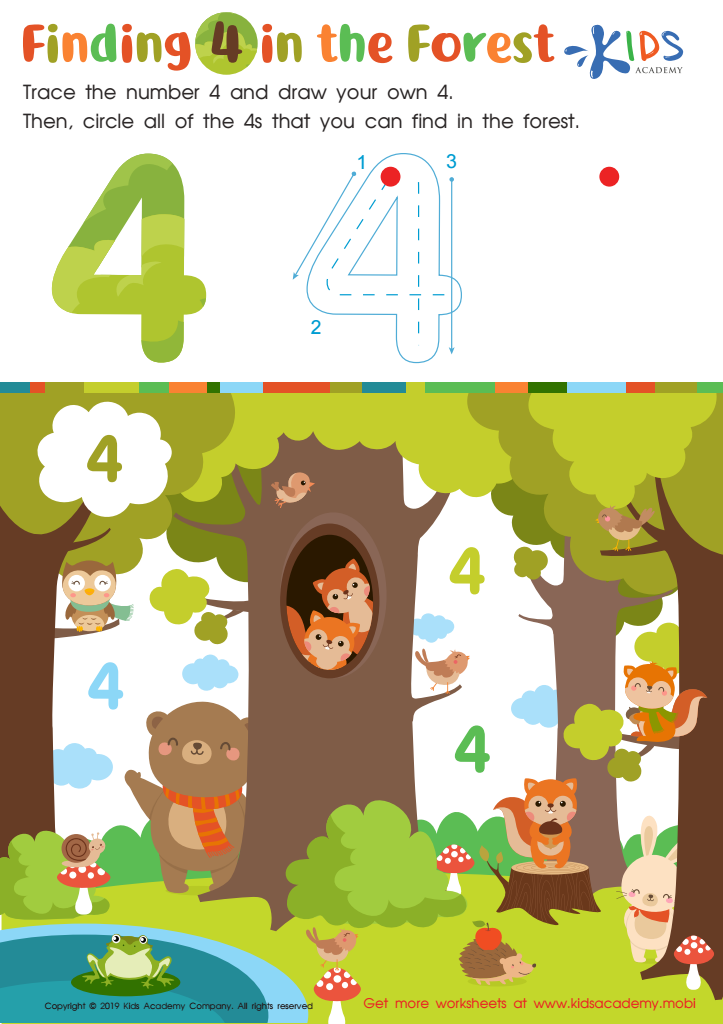
Finding 4 in the Forest Worksheet
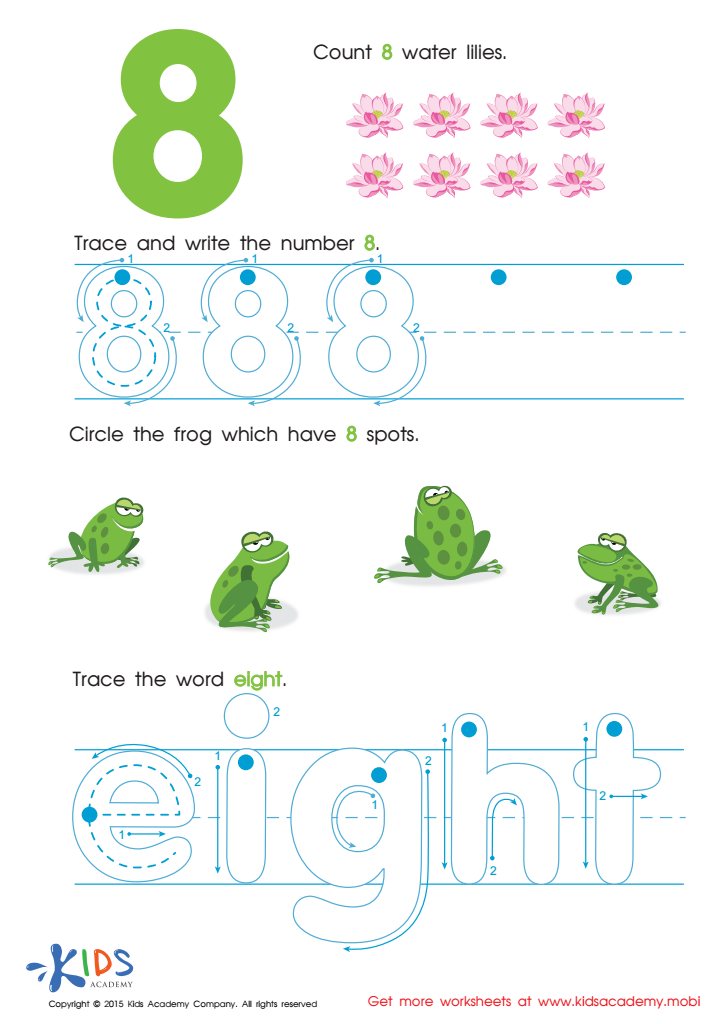
Learn Number 8 Easily Worksheet
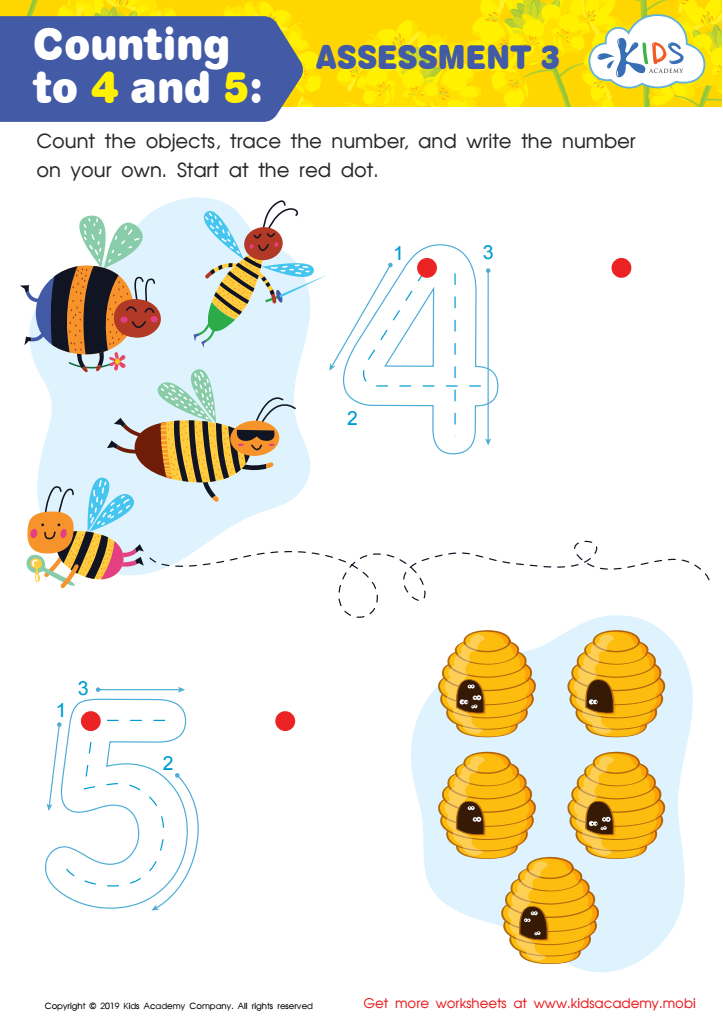
Counting to 4 and 5: Assessment 3 Worksheet
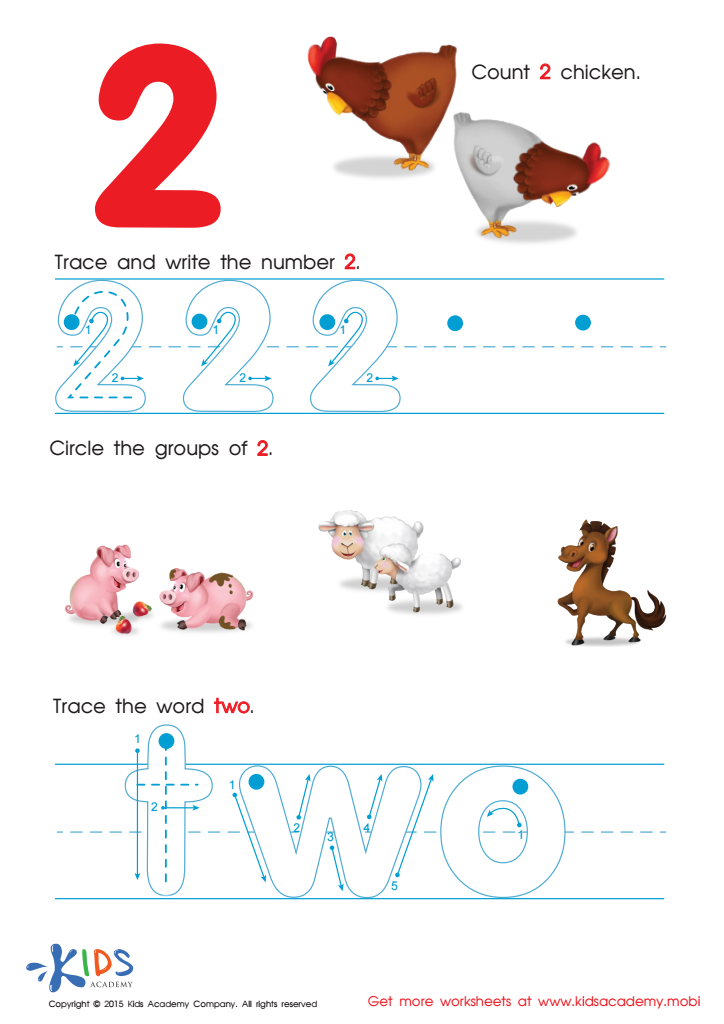
Learn to Write the Number 2 Worksheet
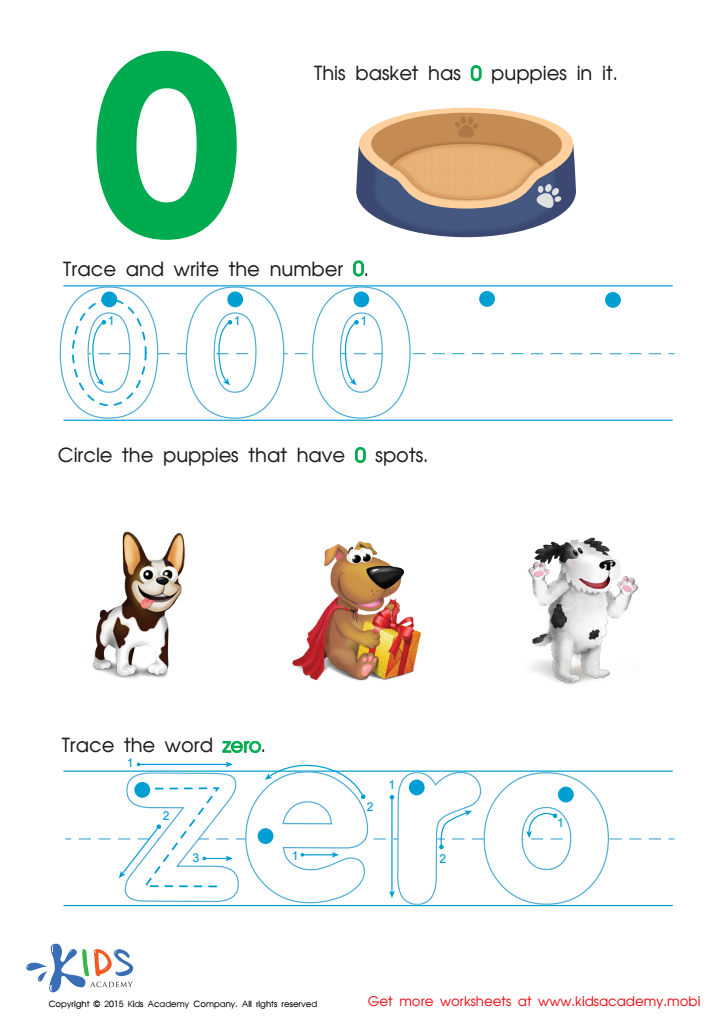
Trace And Write Number 0 Worksheet
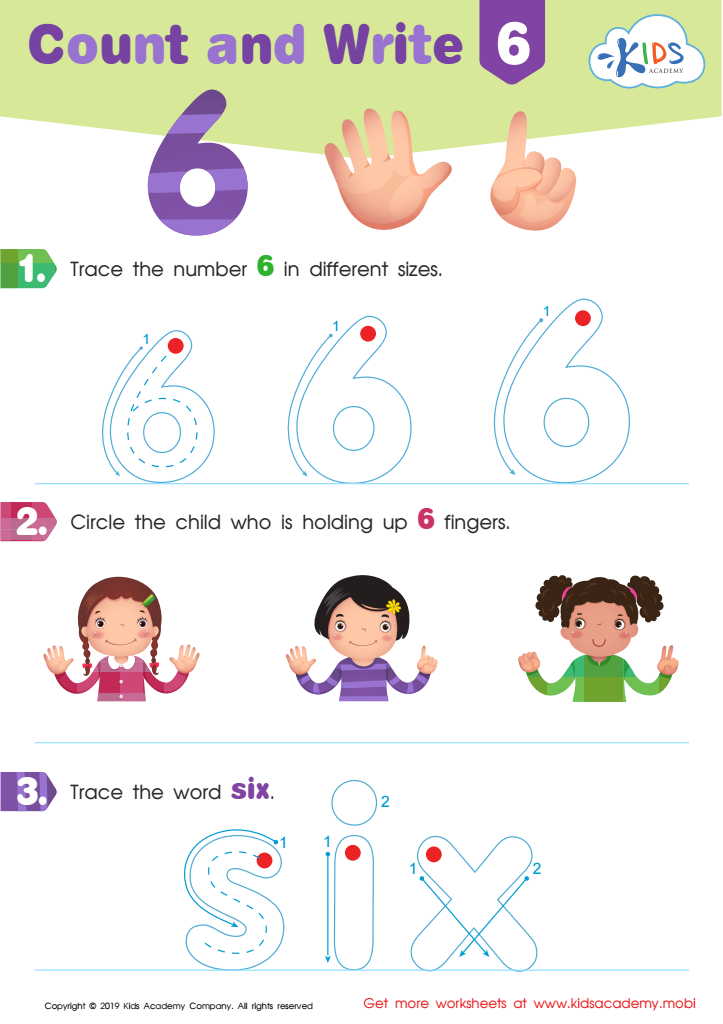
Count and Write 6 Worksheet
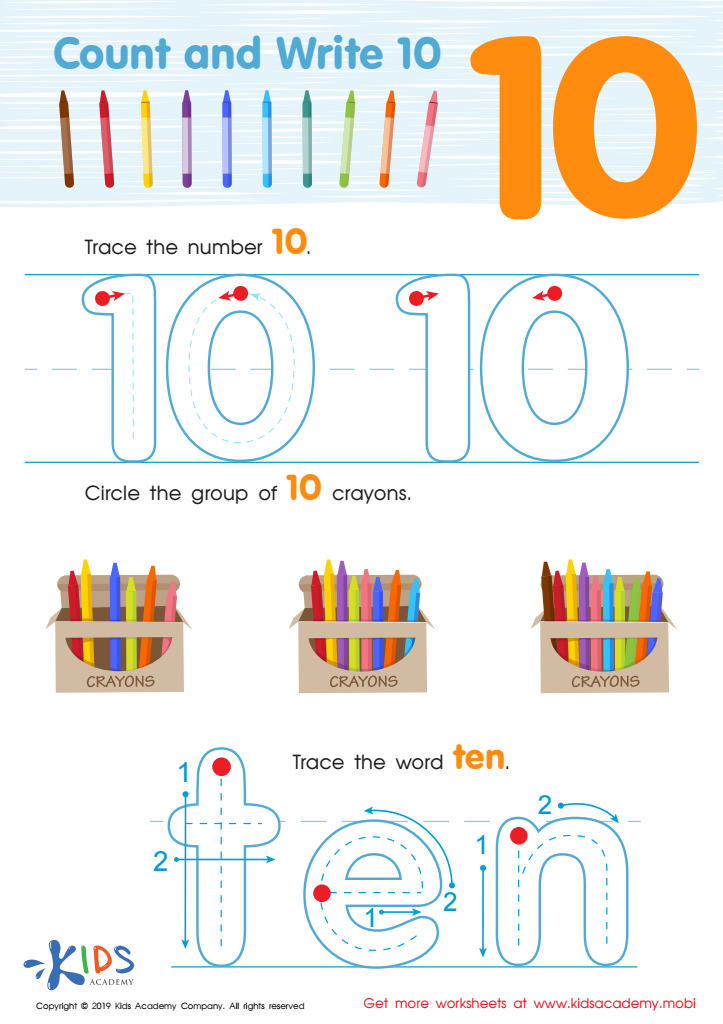
Count and Write 10 Worksheet
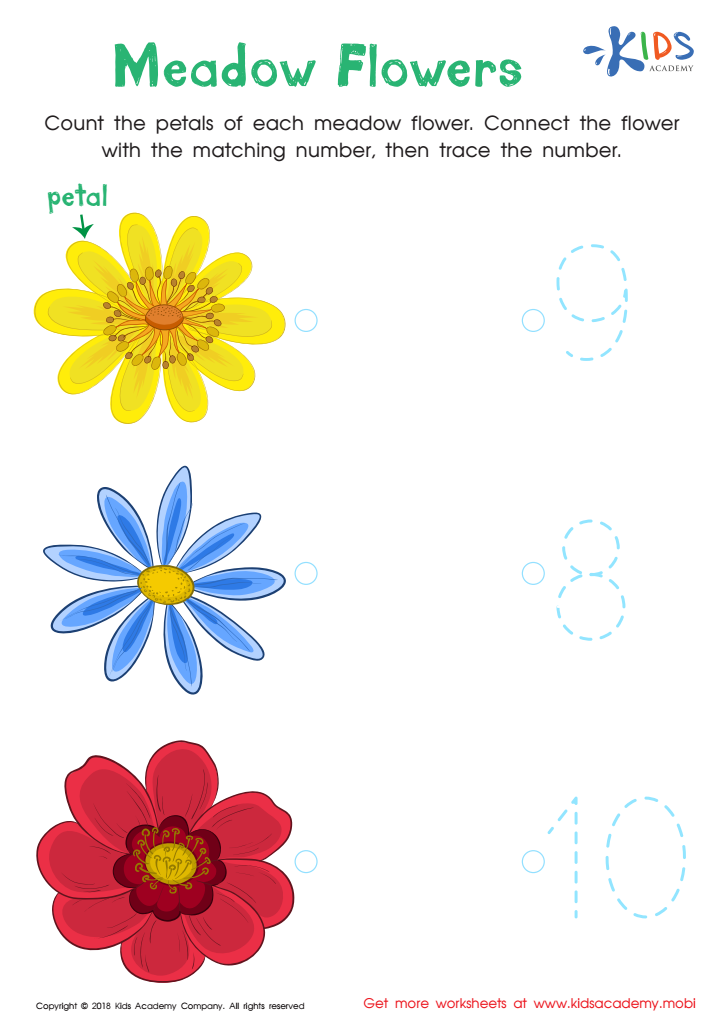
Kindergarten Number Tracing: Medow Flowers Worksheet








Counting skills and tracing numbers are fundamental components of early childhood education for children aged 5 to 9. Parents and teachers should care about these skills as they serve as the building blocks for later mathematical understanding. Counting provides children with a basic sense of quantity, which is essential for understanding more complex mathematical concepts in the future.
Tracing numbers enhances fine motor skills, which are crucial for writing and other daily activities. This process helps children develop hand-eye coordination, dexterity, and control over writing instruments. As they trace, they not only solidify number recognition but also improve their ability to write numbers legibly and confidently.
Moreover, counting fosters critical thinking and problem-solving skills. Engaging children in counting activities, such as using objects, games, or songs, encourages active participation and makes learning enjoyable. It also promotes cognitive development by connecting numeric symbols with quantities.
By focusing on these fundamental skills, parents and teachers equip children with tools that will instill a positive attitude toward math, helping them transition smoothly to more advanced concepts later in schooling. Ultimately, nurturing counting skills and number tracing lays a foundation for lifelong learning and future academic success.