Handwriting practice Normal Writing Worksheets for Ages 5-9
14 filtered results
-
From - To
Our "Handwriting Practice Normal Writing Worksheets for Ages 5-9" are designed to help young learners develop essential writing skills. These engaging worksheets combine fun activities with effective writing exercises to improve handwriting fluency and letter formation. Tailored precisely for the developmental needs of 5 to 9-year-olds, each worksheet encourages neatness, consistency, and eye-hand coordination. Perfect for classroom use or at-home practice, our worksheets support children in mastering proper writing techniques while fostering confidence and enthusiasm in their learning process. Empower your child’s writing journey with our comprehensive and enjoyable handwriting practice resources.
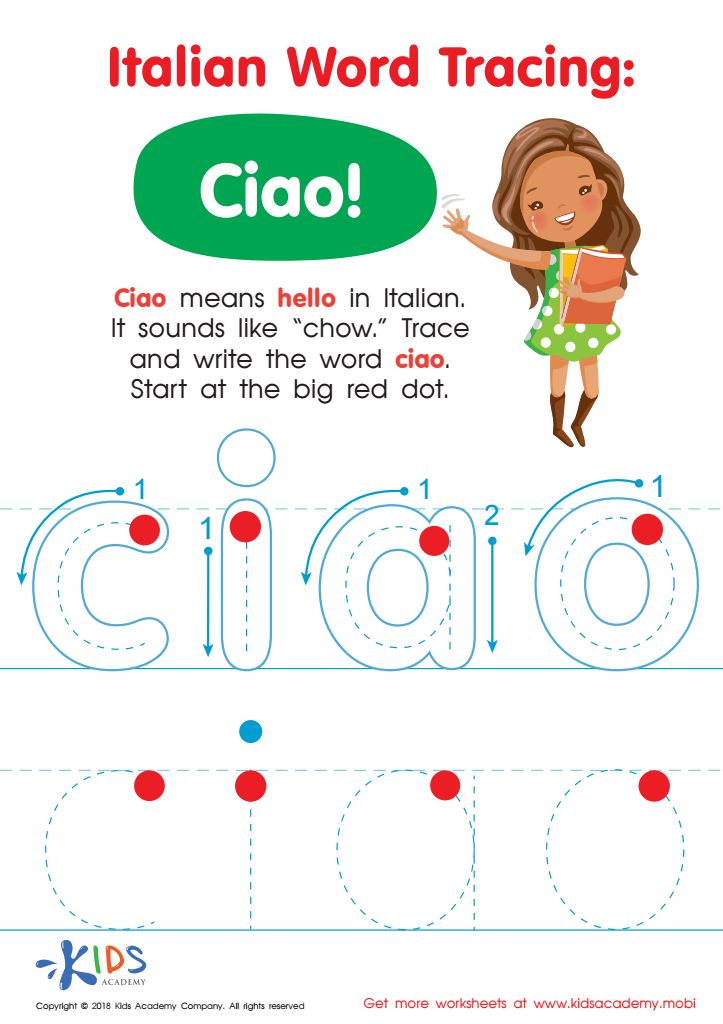
Italian Word Tracing: Ciao Worksheet
 Assign to My Students
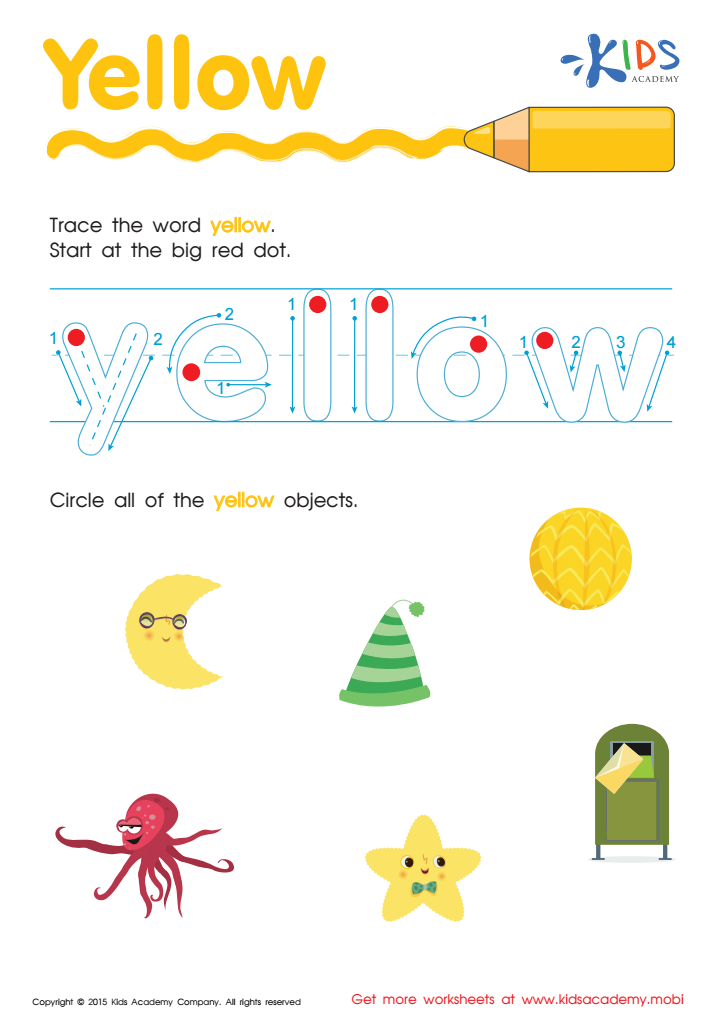
Yellow Tracing Color Words Worksheet
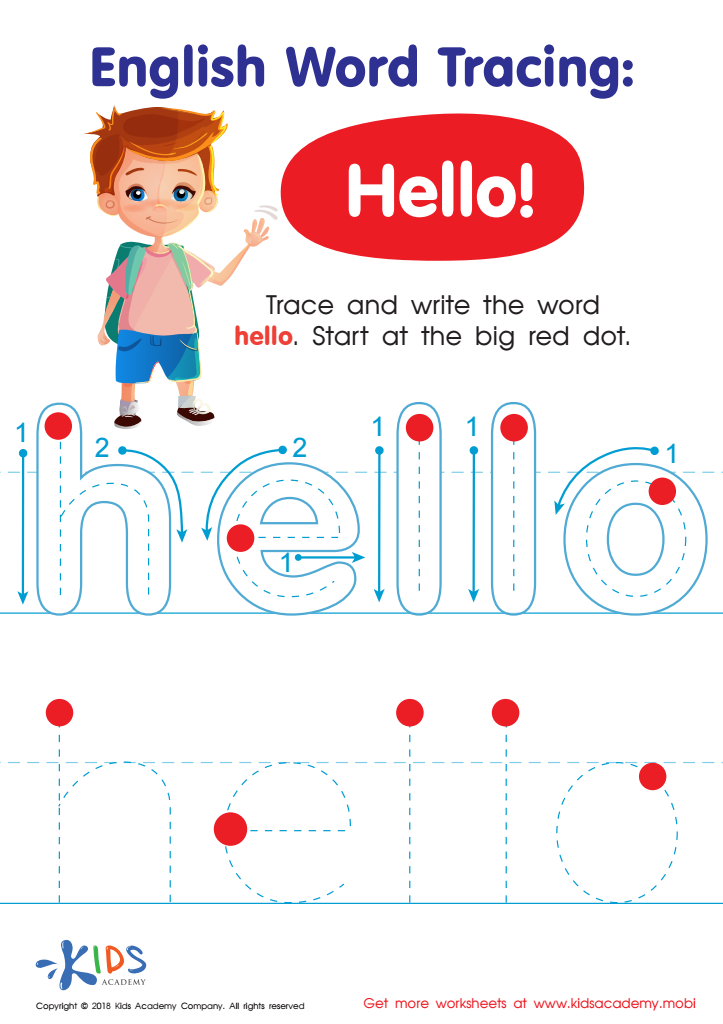
English Word Tracing: Hello Worksheet
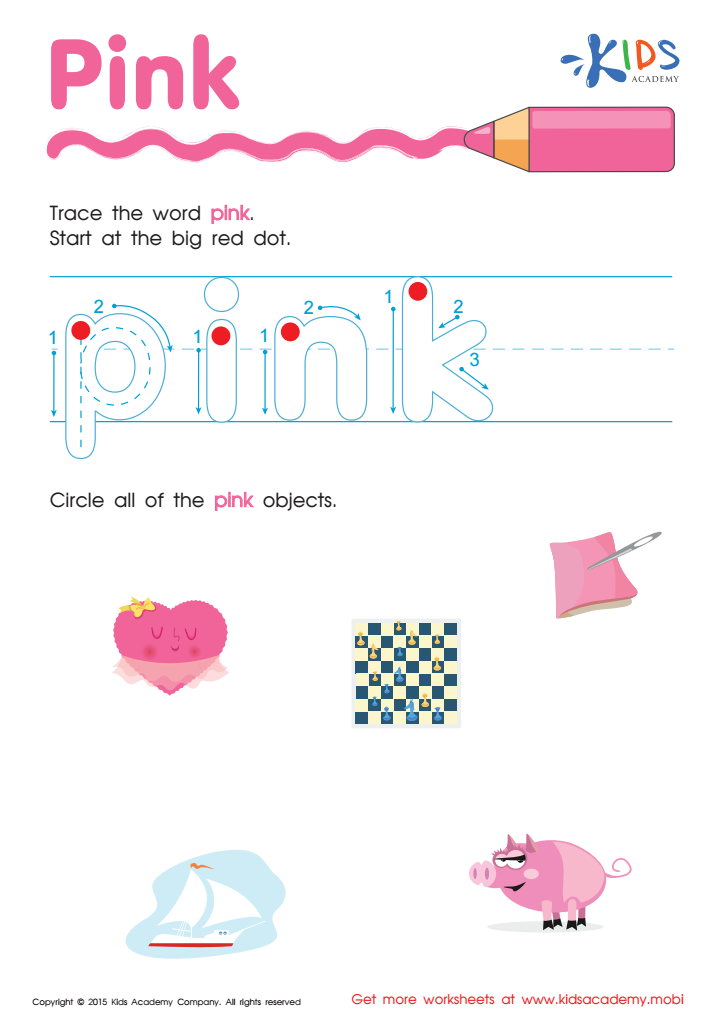
Pink Tracing Color Words Worksheet
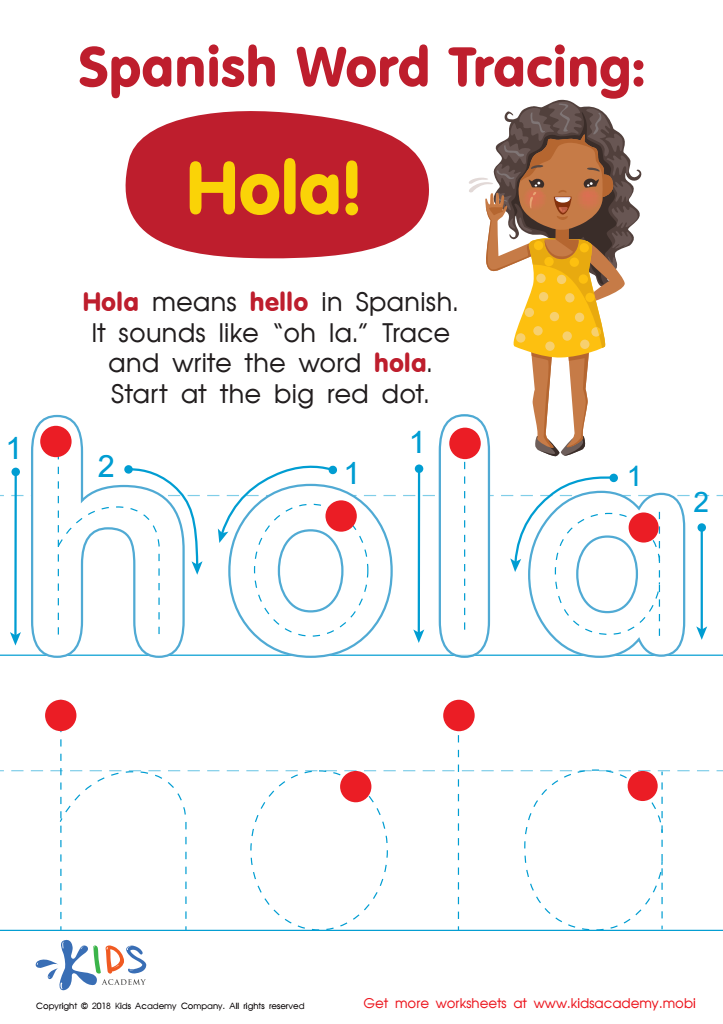
Spanish Word Tracing: Hola Worksheet
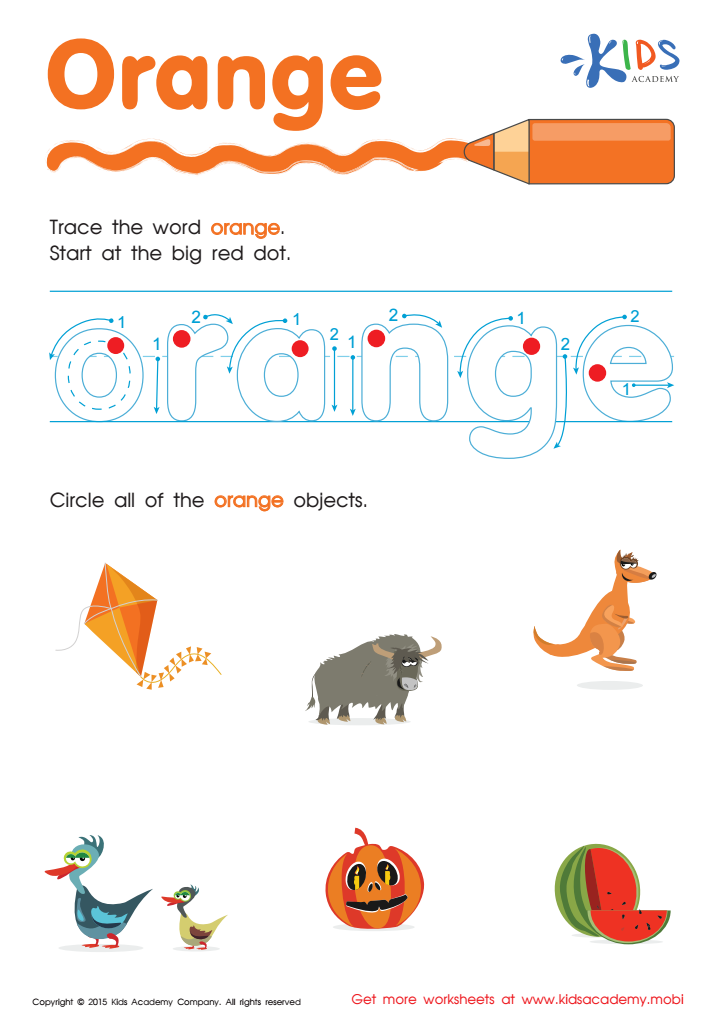
Orange Tracing Color Words Worksheet
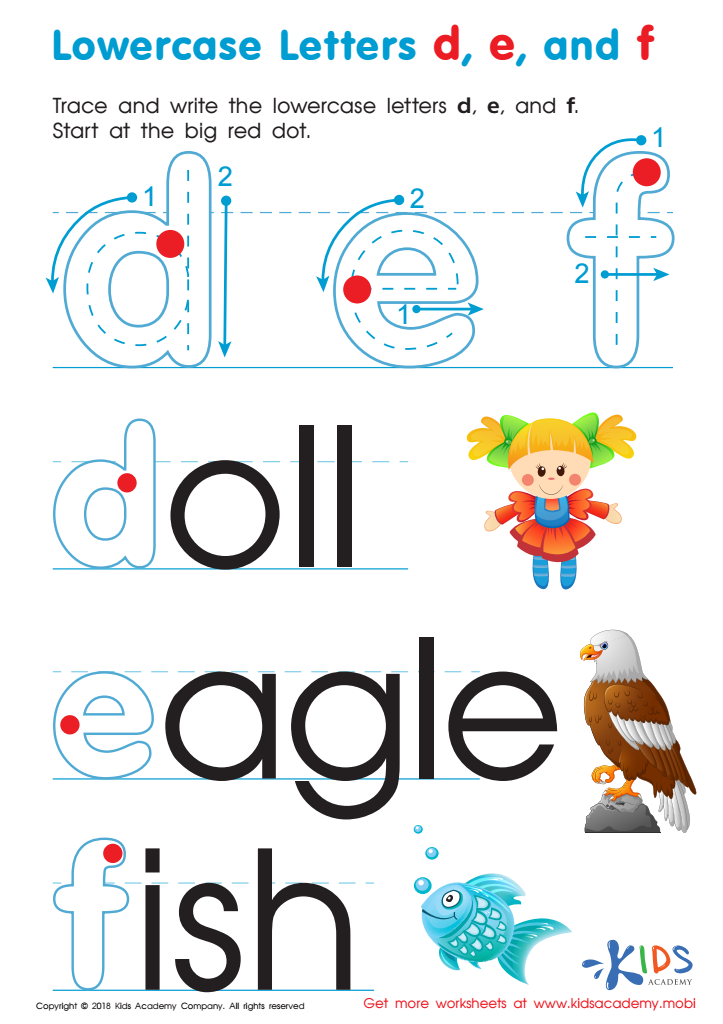
Lowercase Letters d e f Worksheet
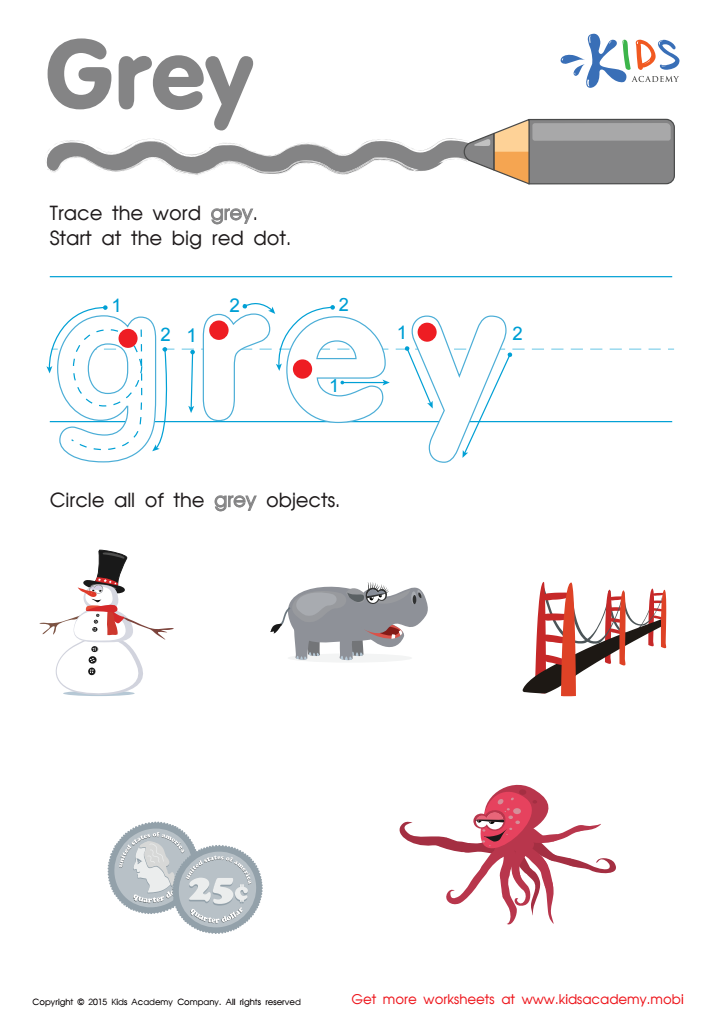
Grey Tracing Color Words Worksheet
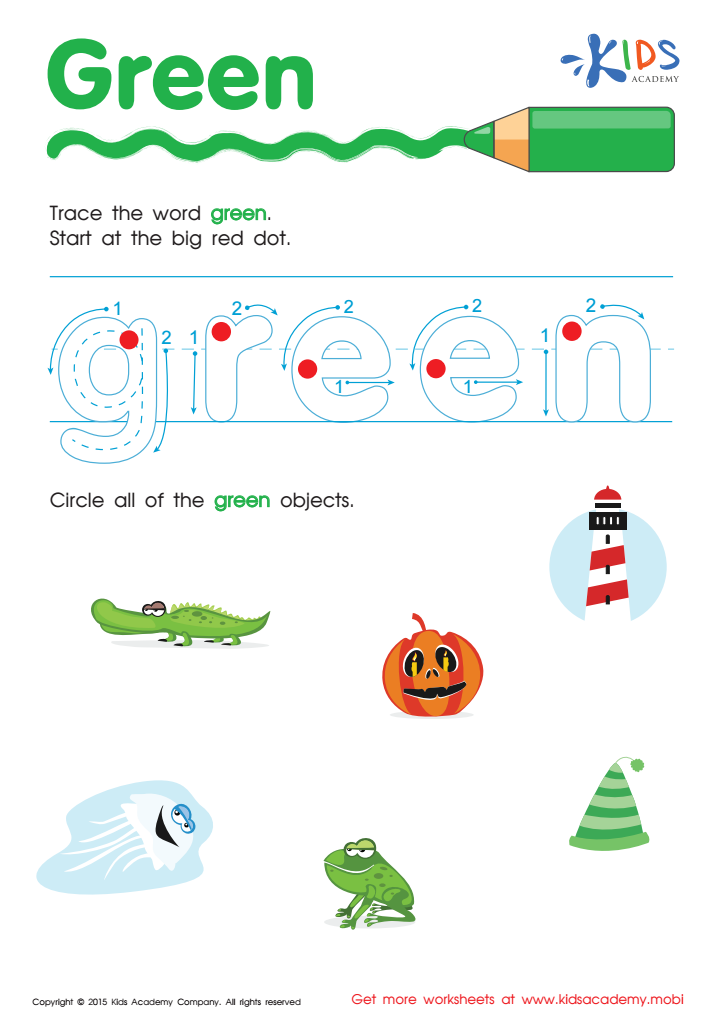
Green Tracing Color Words Worksheet
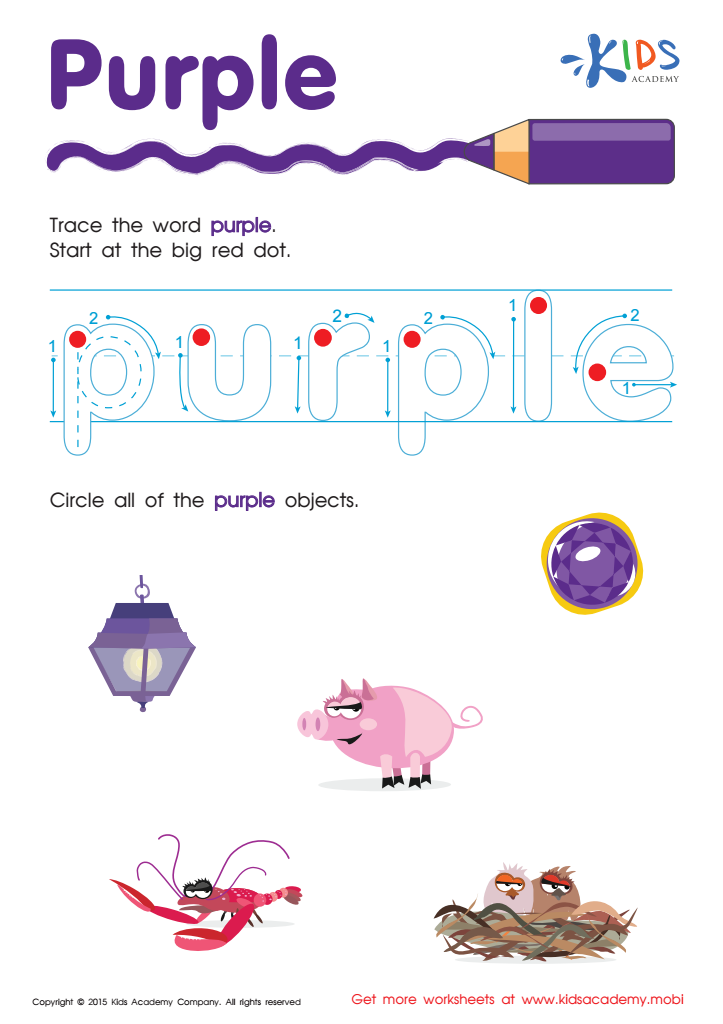
Purple Tracing Color Words Worksheet
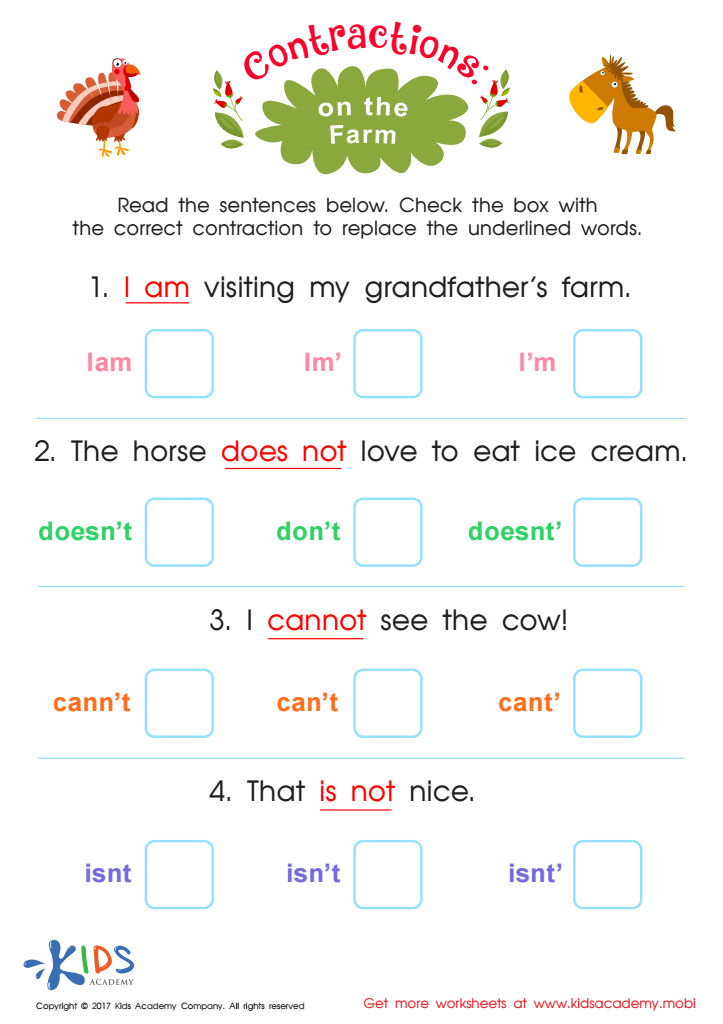
Contractions: On the Farm Printable
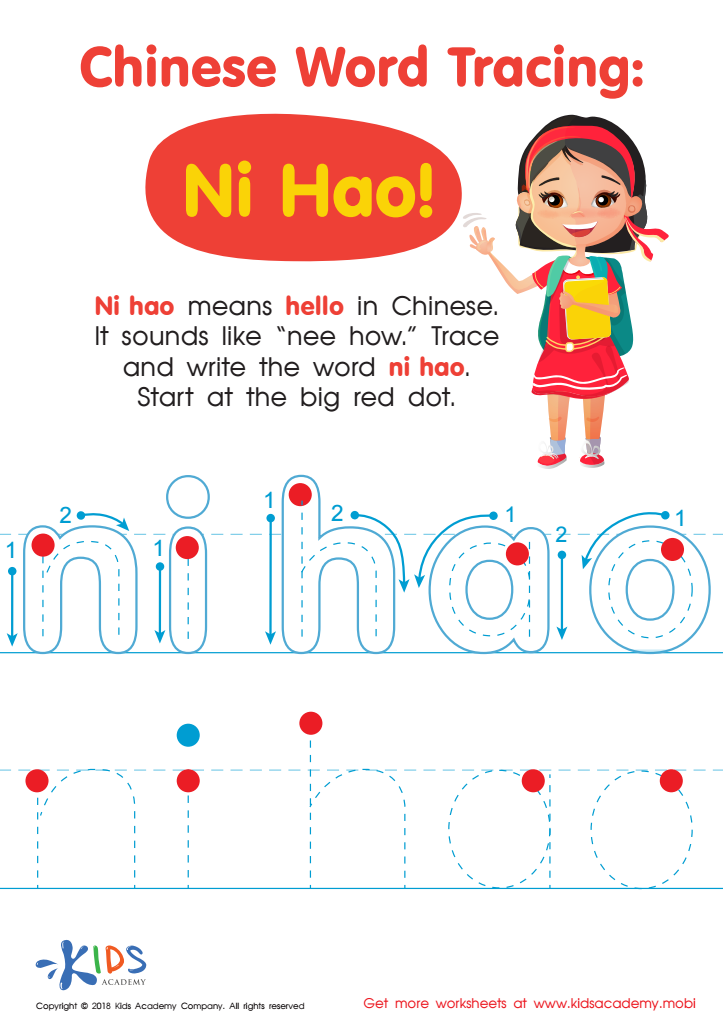
Chinese Word Tracing: Ni Hao Worksheet
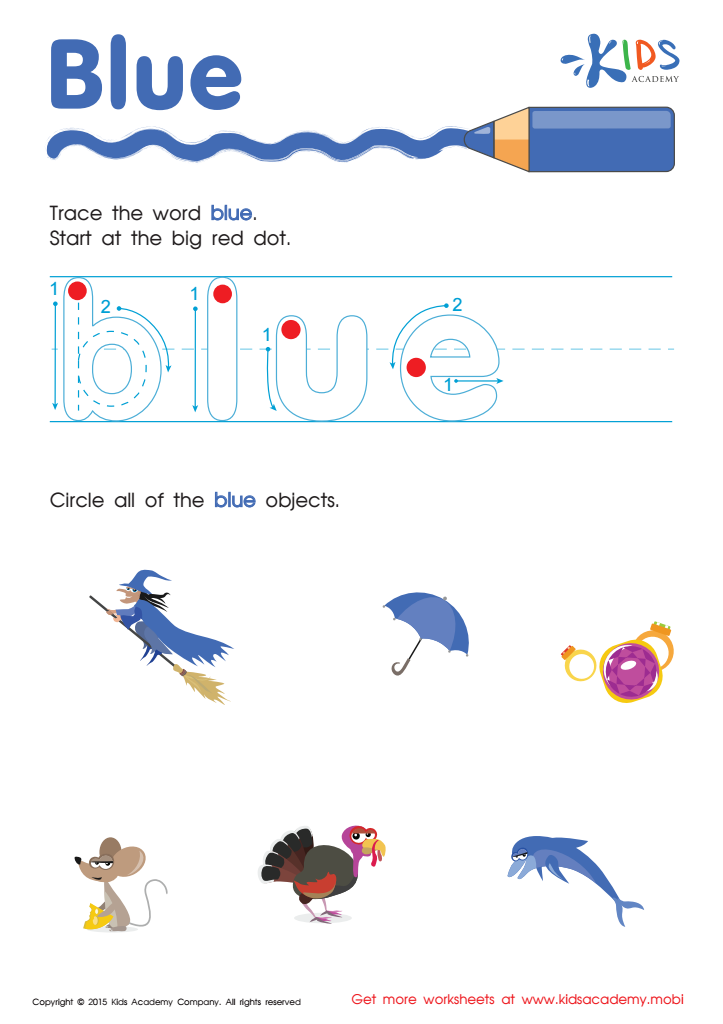
Blue Tracing Color Words Printable
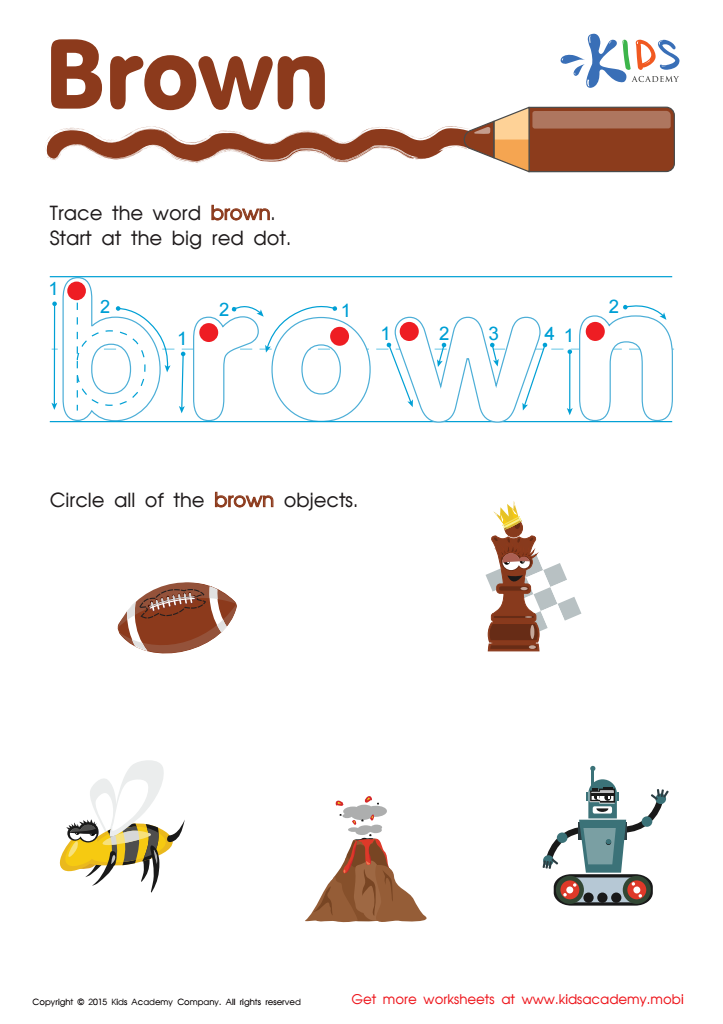
Brown Tracing Color Words Worksheet





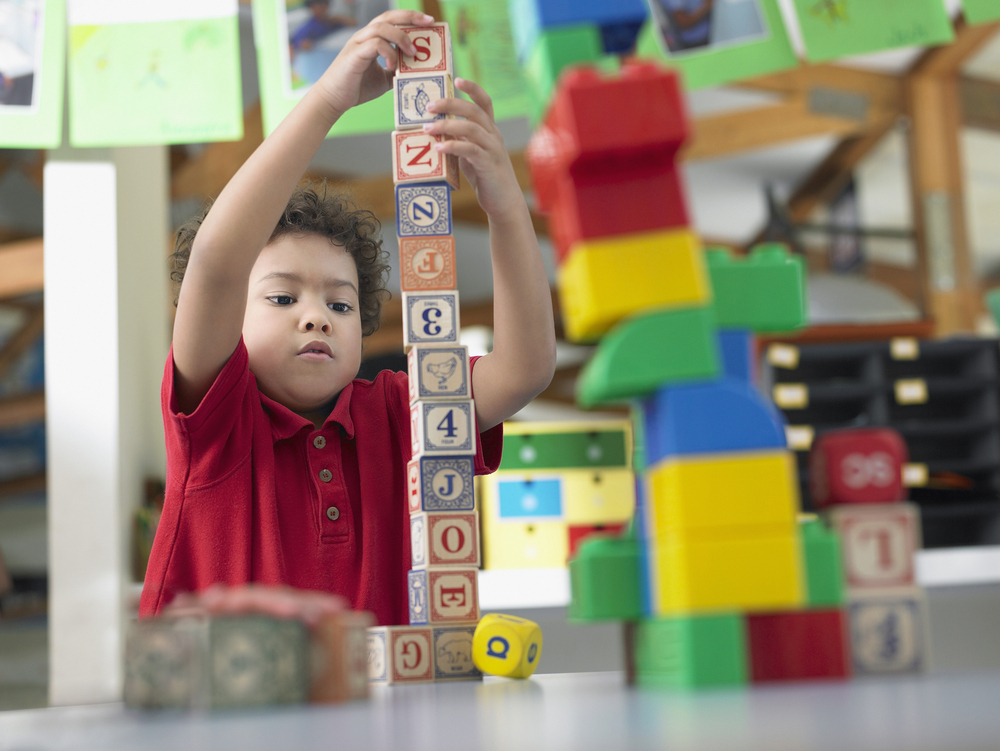
Handwriting practice is crucial for children aged 5-9 due to its immense impact on their academic and cognitive development. At this critical age, children are developing foundational skills that influence their future learning. Handwriting enhances fine motor skills as children manipulate their fingers to create letters and shapes, thus improving coordination.
Additionally, learning to write by hand engages different parts of the brain compared to typing, stimulating areas linked to thinking, memory, and language. This neural engagement strengthens cognitive processing and helps in better comprehension and retention of information. Handwriting practice also fosters a sense of accomplishment and boosts confidence as children visually track their progress.
Furthermore, solid handwriting skills support literacy development. As children practice forming letters, they connect sounds with symbols, aiding in phonics and reading abilities. Writing by hand helps them internalize and understand the structure of language, paving the way for improved writing proficiency.
From a social standpoint, clear handwriting is crucial for classroom interactions and assessments. Poor handwriting can lead to miscommunication and stress, making written work hard to decipher for teachers and peers.
In essence, robust handwriting practice equips children with essential skills that transcend mere writing, influencing broader cognitive, academic, and social facets of childhood development.