Critical thinking skills Normal Worksheets for 5-Year-Olds
5 filtered results
-
From - To
Unlock the potential in your little learner with our Critical Thinking Skills Normal Worksheets designed for 5-year-olds. Our printable worksheets at Kids Academy encourage curiosity, problem-solving, and logical thinking through engaging activities that captivate young minds. Featuring puzzles, matching games, and simple math challenges, these worksheets offer fun, educational experiences that foster cognitive growth. Perfect for both classroom settings and at-home learning, our materials help children build a solid foundation in critical thinking that supports future academic success. Start your child’s essential skill development today with Kids Academy's expert-crafted resources.
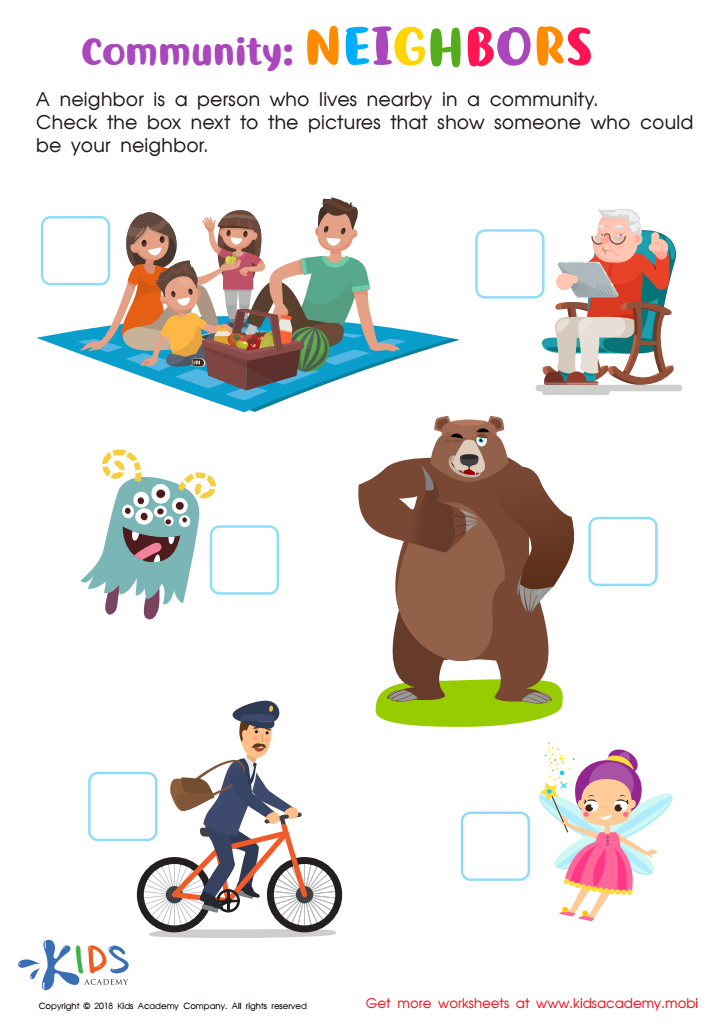
Community: Neighbors Worksheet
 Assign to My Students
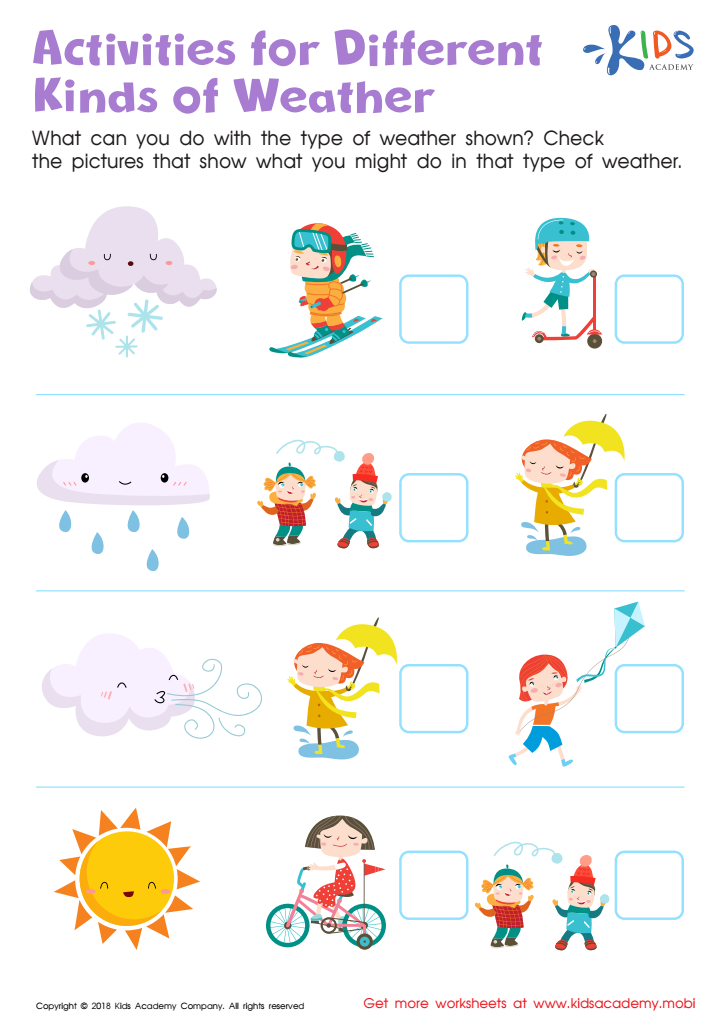
Activities for Different Kinds of Weather Worksheet
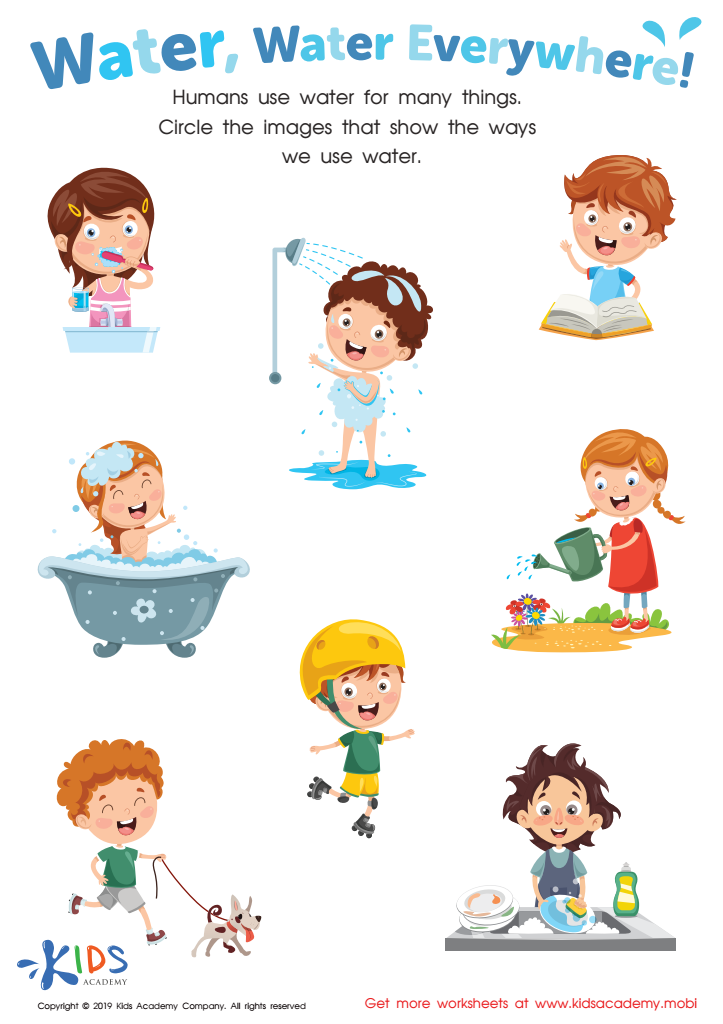
Water, Water Everywhere! Worksheet
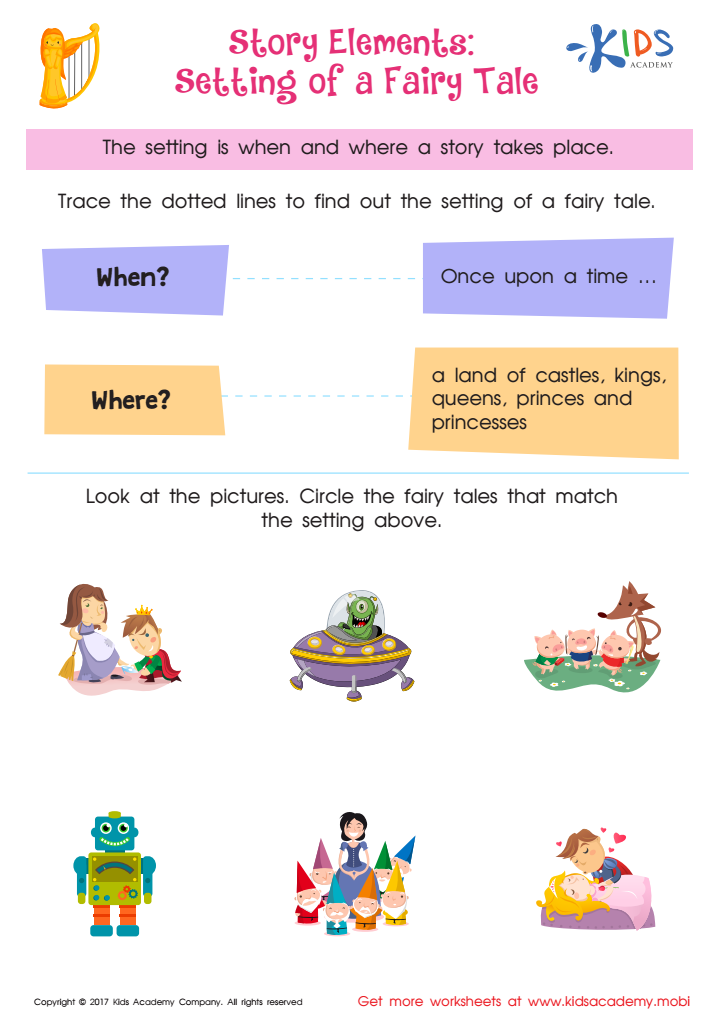
Story Elements: Setting of a Fairy Tale Printable
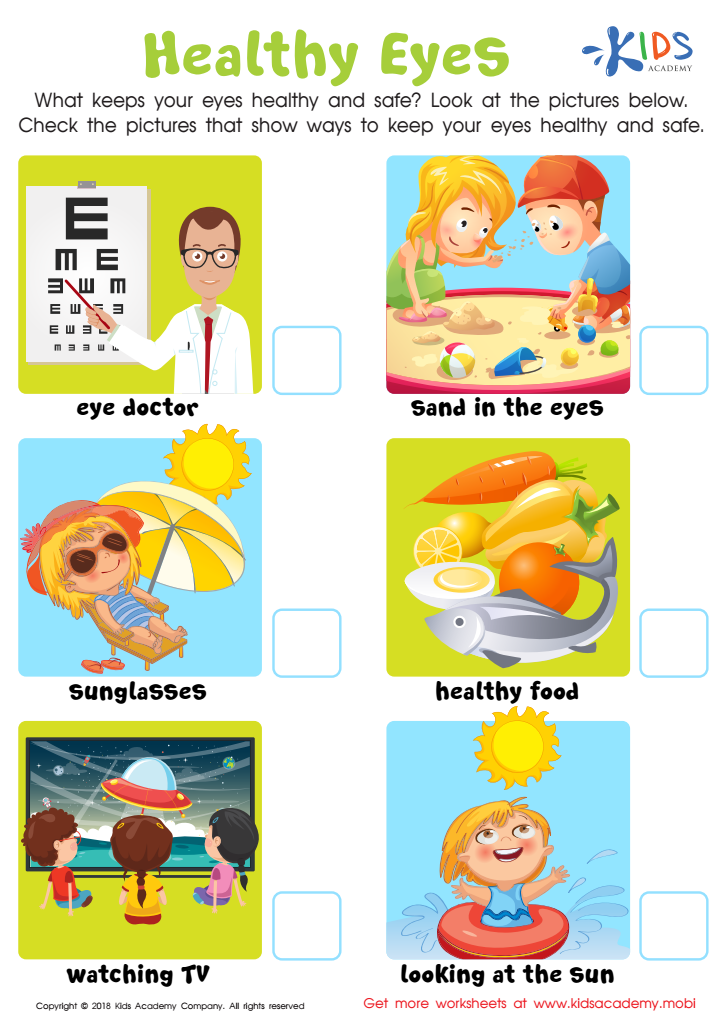
Healthy Eyes Worksheet







Cultivating critical thinking skills in 5-year-olds is fundamental for their holistic development. At this age, children's brains are like sponges, soaking up information and experiences at an astounding rate. By encouraging critical thinking, parents and teachers help young children develop a foundation for problem-solving, creativity, and emotional intelligence.
When children learn to think critically, they become adept at analyzing situations, identifying patterns, and making reasoned decisions rather than acting impulsively. This not only aids in academic learning but also in everyday interactions and future challenges. For instance, a child who can critically think will better understand story narratives, solve basic math problems, and navigate social dynamics more effectively.
Moreover, fostering these skills promotes lifelong learning and curiosity. A child encouraged to ask "why" and seek reasons will likely carry these habits into adulthood, becoming a more self-sufficient and adaptive individual. It's not just about acquiring knowledge, but understanding how to use and question that knowledge constructively.
In essence, by prioritizing critical thinking, parents and teachers equip children with the tools they need to thrive intellectually, socially, and emotionally. It's an investment in the development of independent thinkers and proactive problem-solvers, fostering a generation capable of handling the complexities of the ever-evolving world continuum.








