Handwriting practice Normal Worksheets for 5-Year-Olds - Page 3
56 filtered results
-
From - To
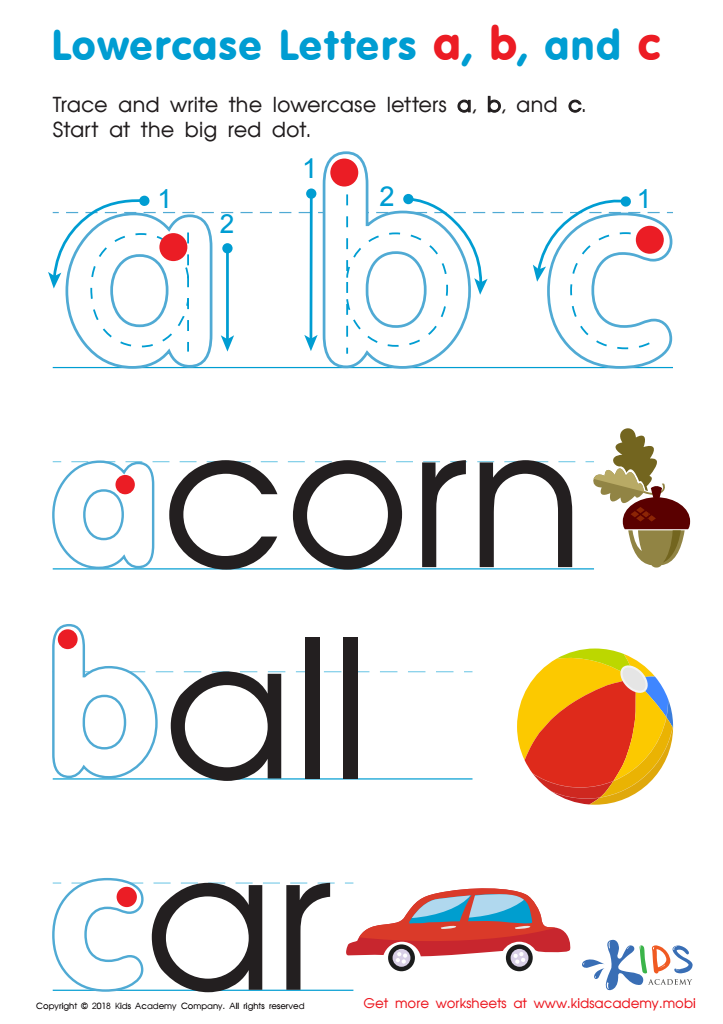
Lowercase Letters a b c Worksheet
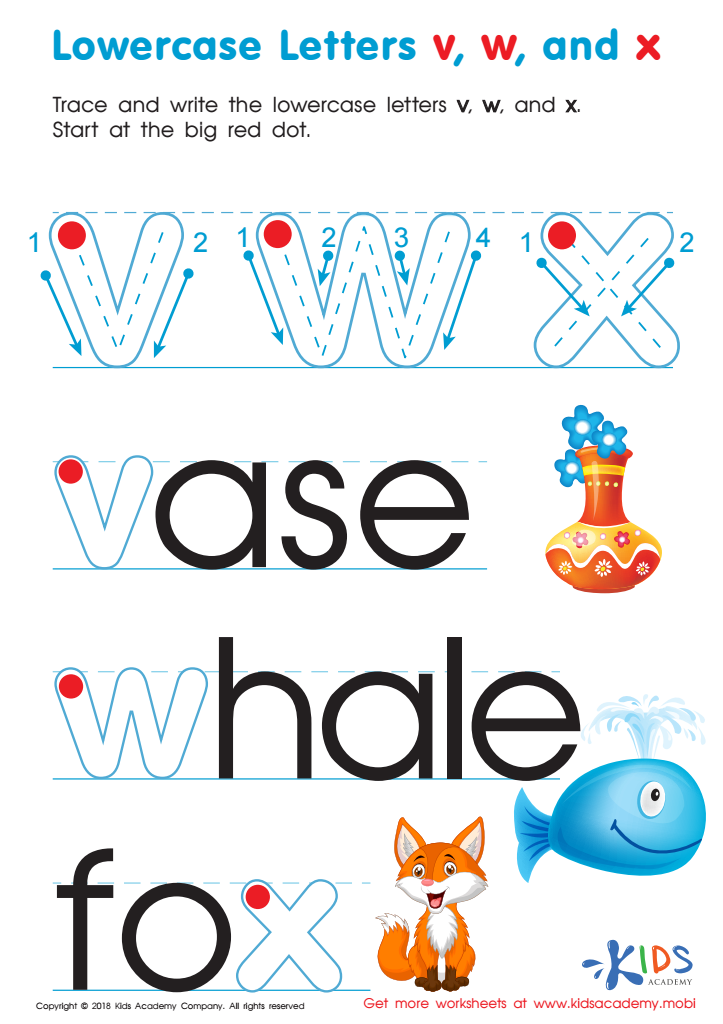
Lowercase Letters v w x Worksheet
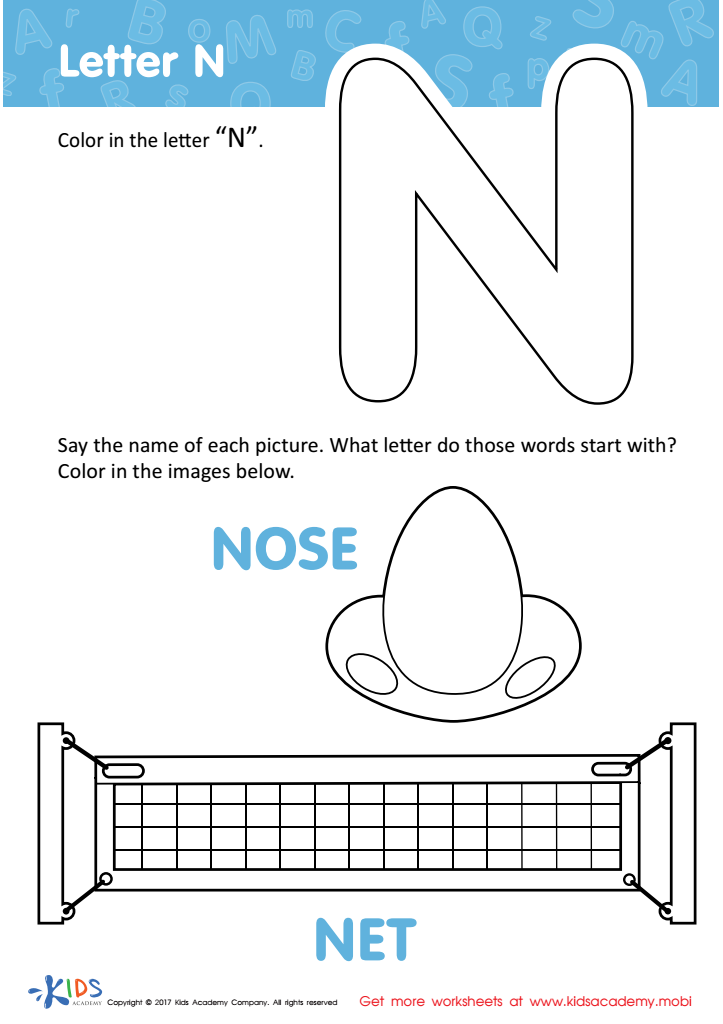
Letter N Coloring Sheet
 Assign to My Students
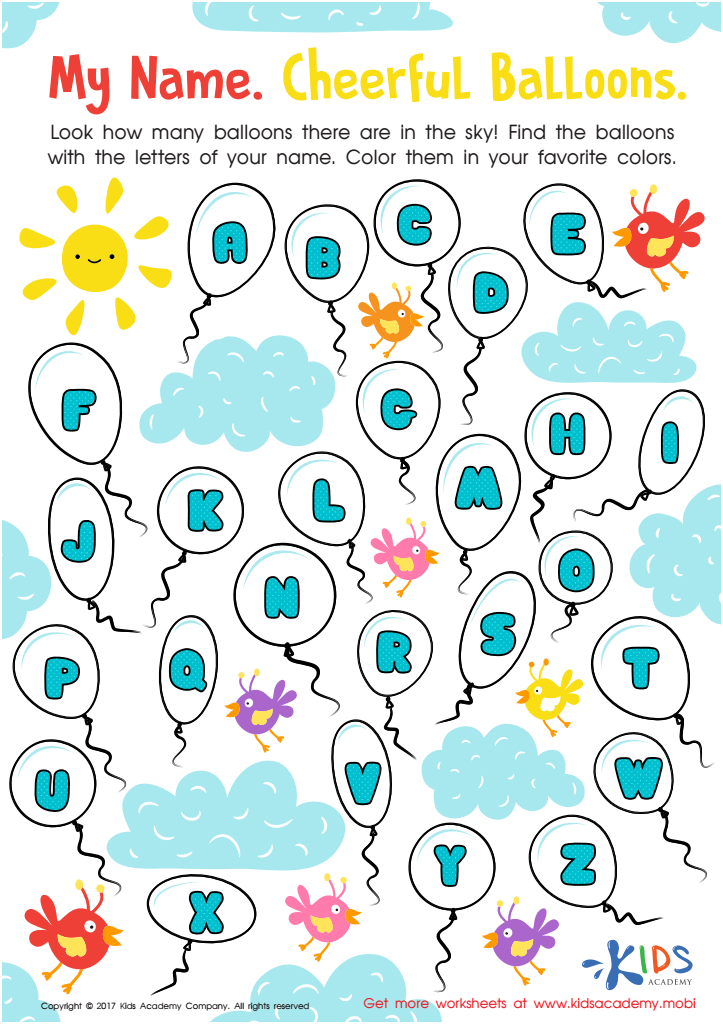
My Name: Cheerful Balloons Worksheet
Assign to My Students
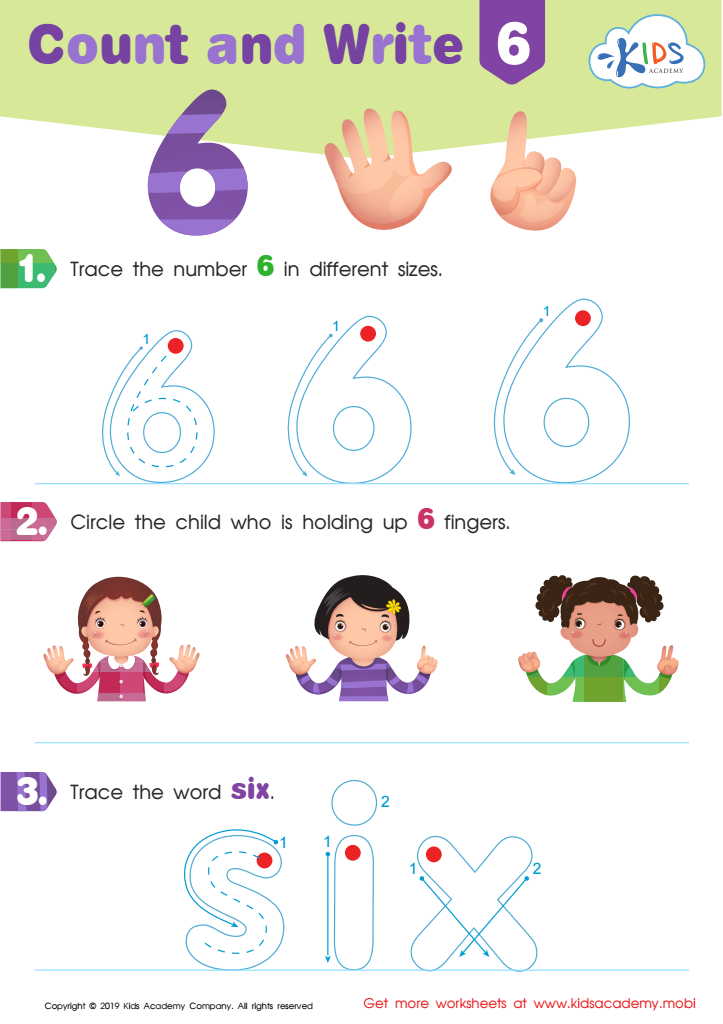
Count and Write 6 Worksheet
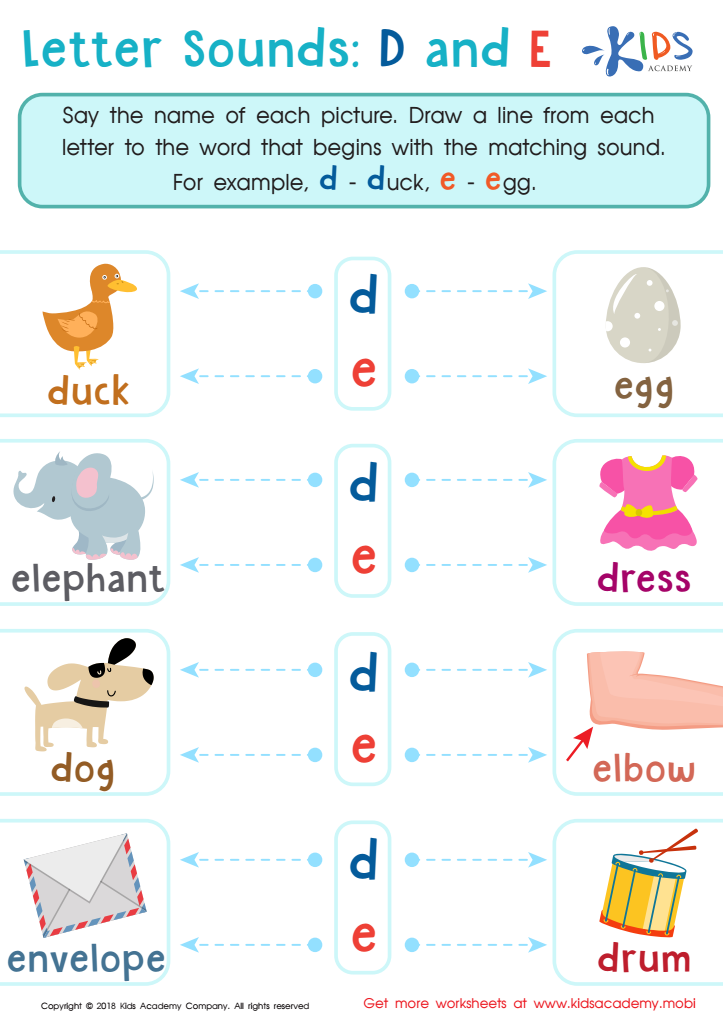
Letter D and E Sounds Worksheet
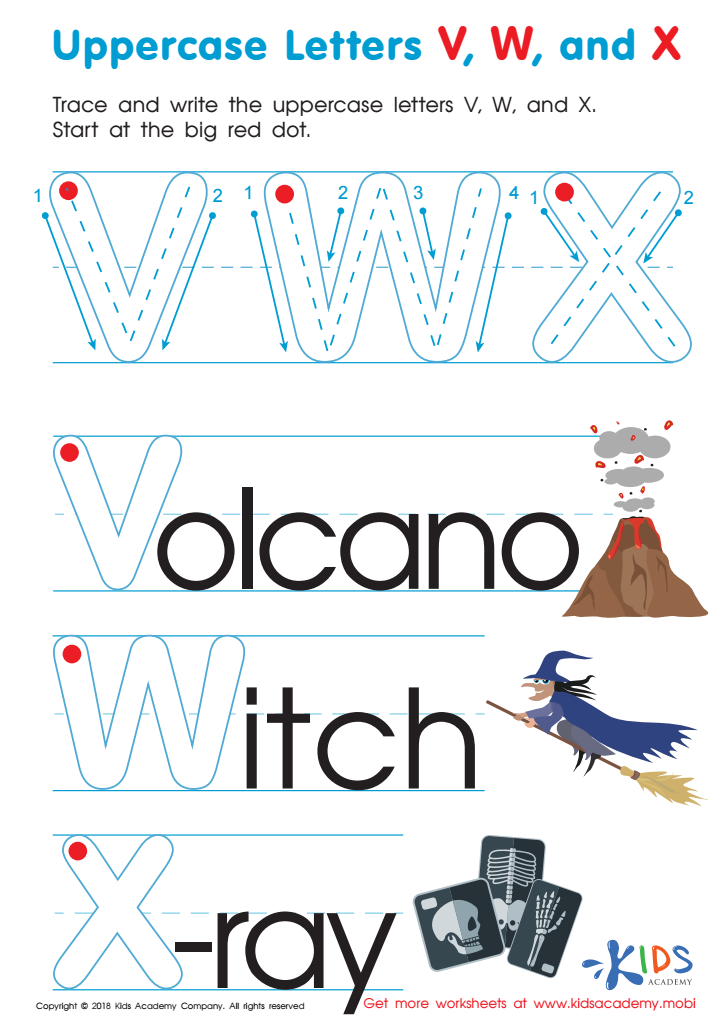
Uppercase Letters V, W, and X Worksheet
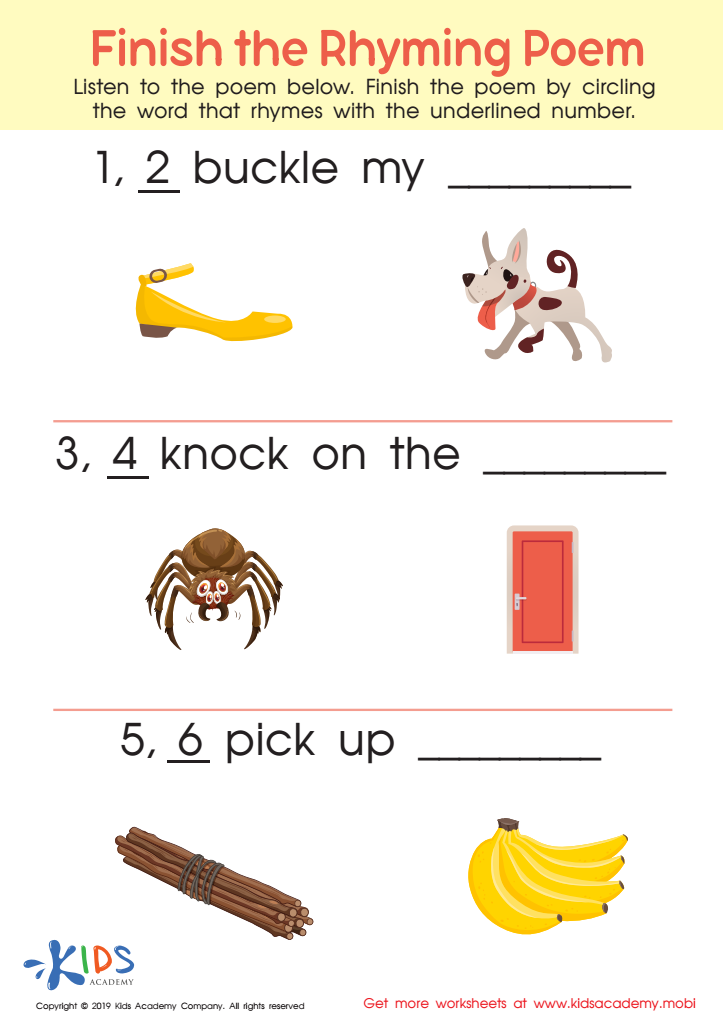
Finish Rhyming Poem Worksheet








Handwriting practice for 5-year-olds is a crucial aspect of early childhood education that parents and teachers should care about for several reasons. First, it helps develop fine motor skills. Young children are just learning to control their hand muscles, and practicing handwriting strengthens those muscles and improves coordination. This foundational skill is essential not only for writing but also for other tasks, such as buttoning clothes and using utensils.
Second, handwriting practice is closely linked with cognitive development. As children learn to form letters, they also enhance their memory and concentration. The process of tracing and writing letters stimulates brain activity and fosters neural connections, aiding in overall cognitive growth.
Third, handwriting is integral to literacy development. When kids practice writing, they gain a better understanding of the alphabet, phonics, and word formation, directly supporting their reading skills. This practice boosts their ability to recognize and comprehend written language, laying the groundwork for future academic success.
Additionally, improved handwriting boosts confidence and self-esteem. Successfully writing letters and words encourages a sense of accomplishment, motivating children to continue learning and overcoming challenges.
In summary, handwriting practice at the age of 5 builds critical motor skills, supports cognitive and literacy development, and fosters confidence, which collectively contribute to a child's holistic growth and preparedness for school.








