Shape Recognition Normal Worksheets for 5-Year-Olds - Page 2
36 filtered results
-
From - To
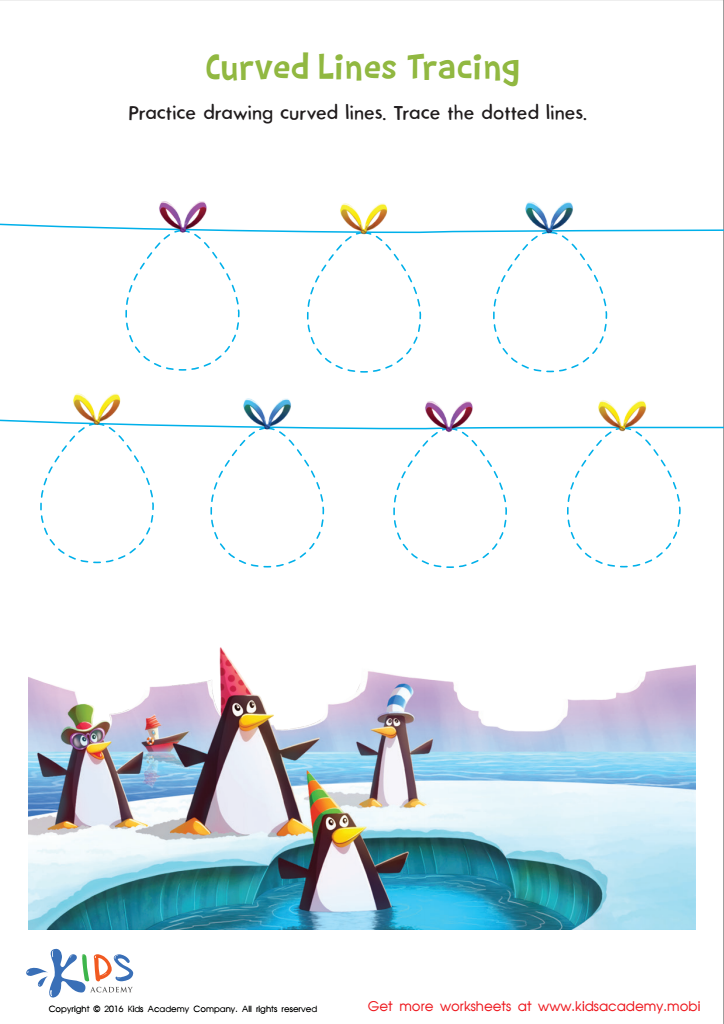
Curved Lines Tracing Worksheet
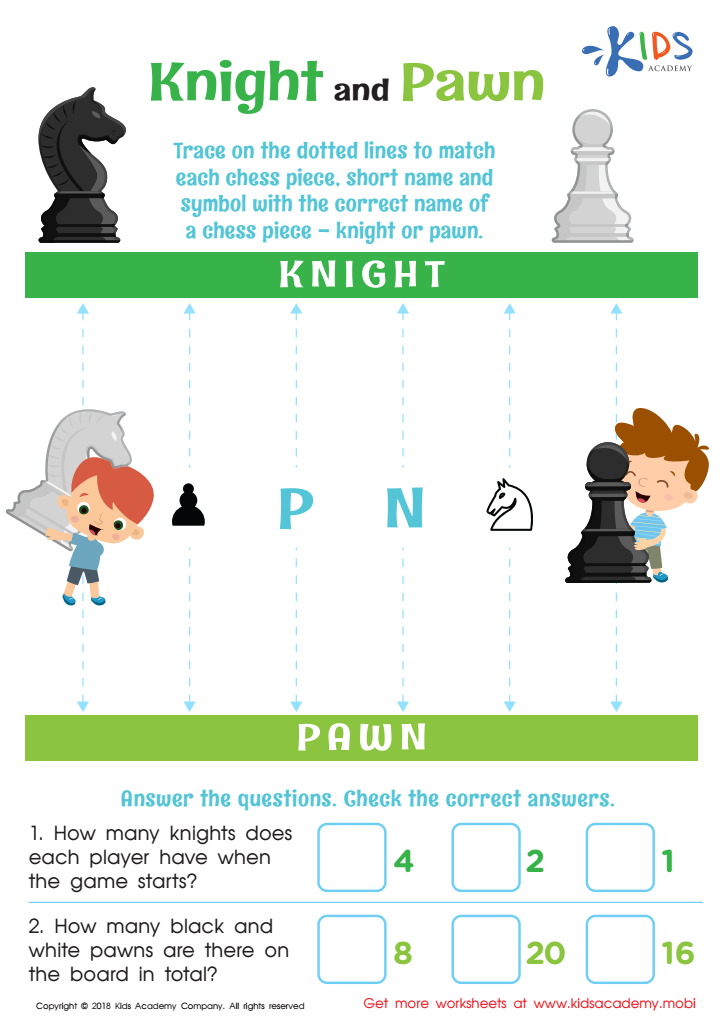
Knight and Pawn Worksheet
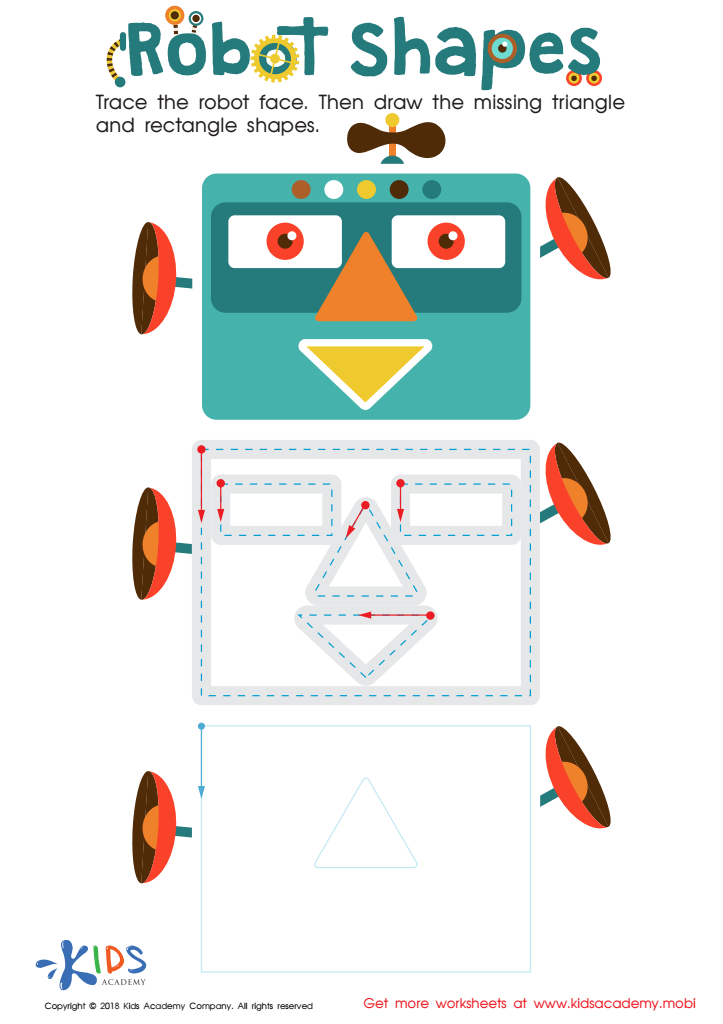
Robot Shapes Worksheet

Matching Shapes Worksheet
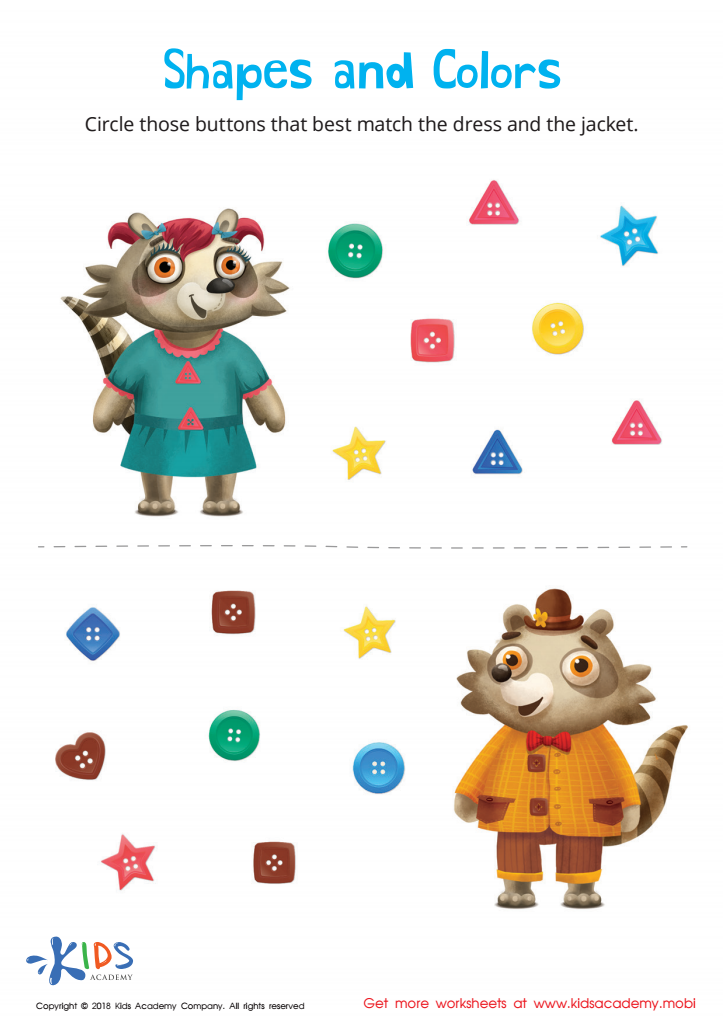
Shapes and Colors Worksheet
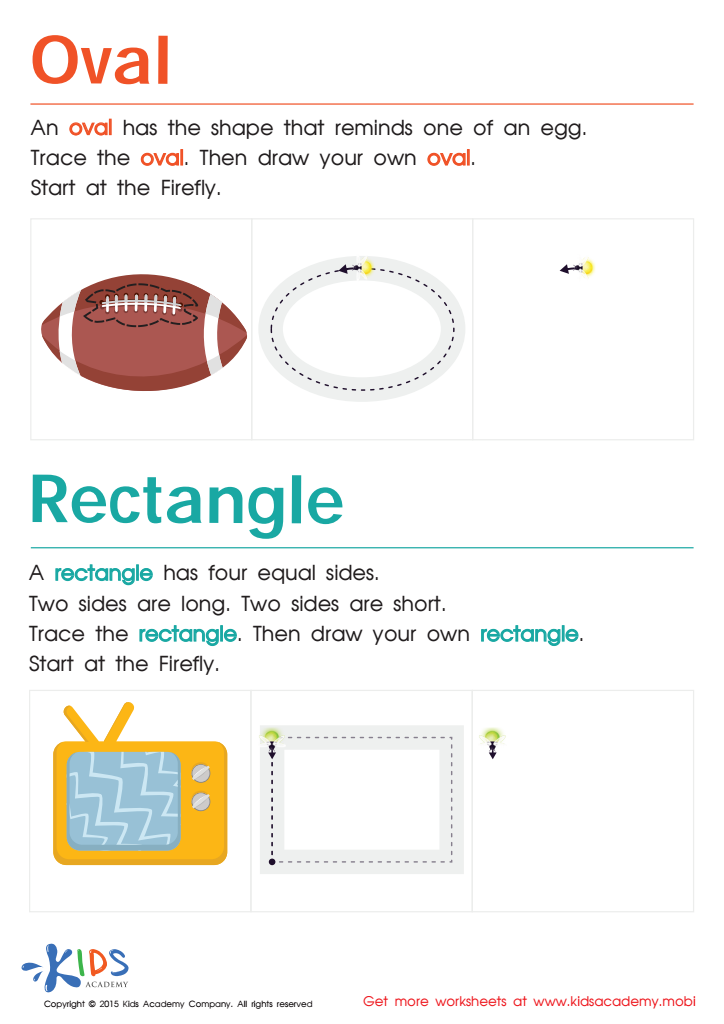
Easy Drawing of Ovals And Rectangles Worksheet

Playground Worksheet
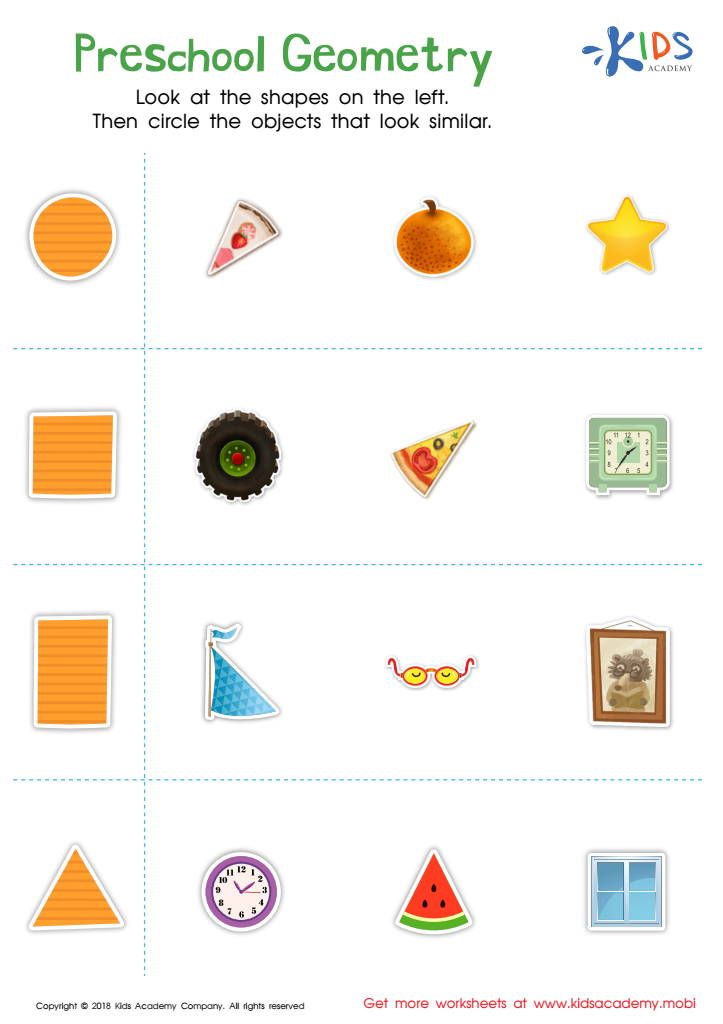
Preschool Geometry Worksheet

Turkey Thanksgiving Day Worksheet
 Assign to My Students
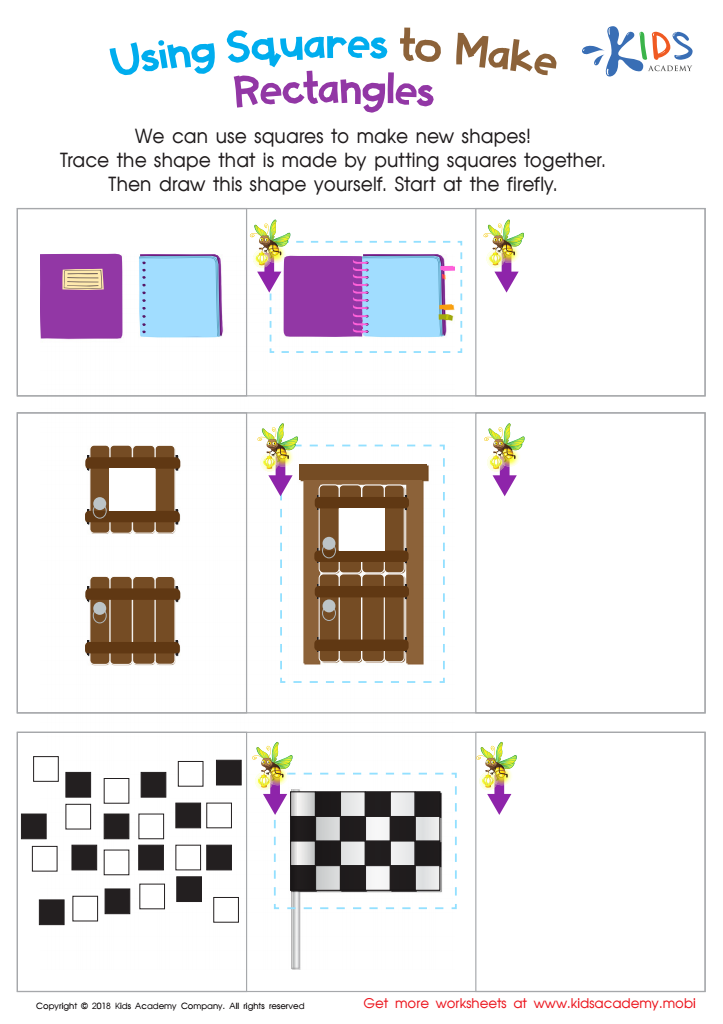
Using Squares to Make Rectangles Worksheet
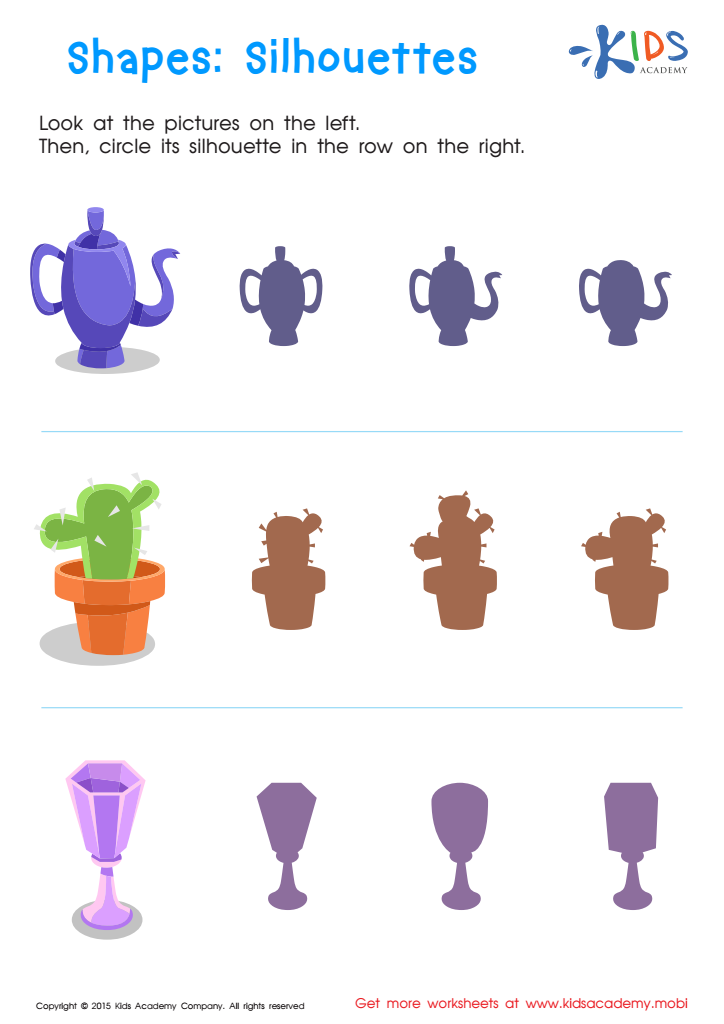
Silhouettes – Shapes Worksheet
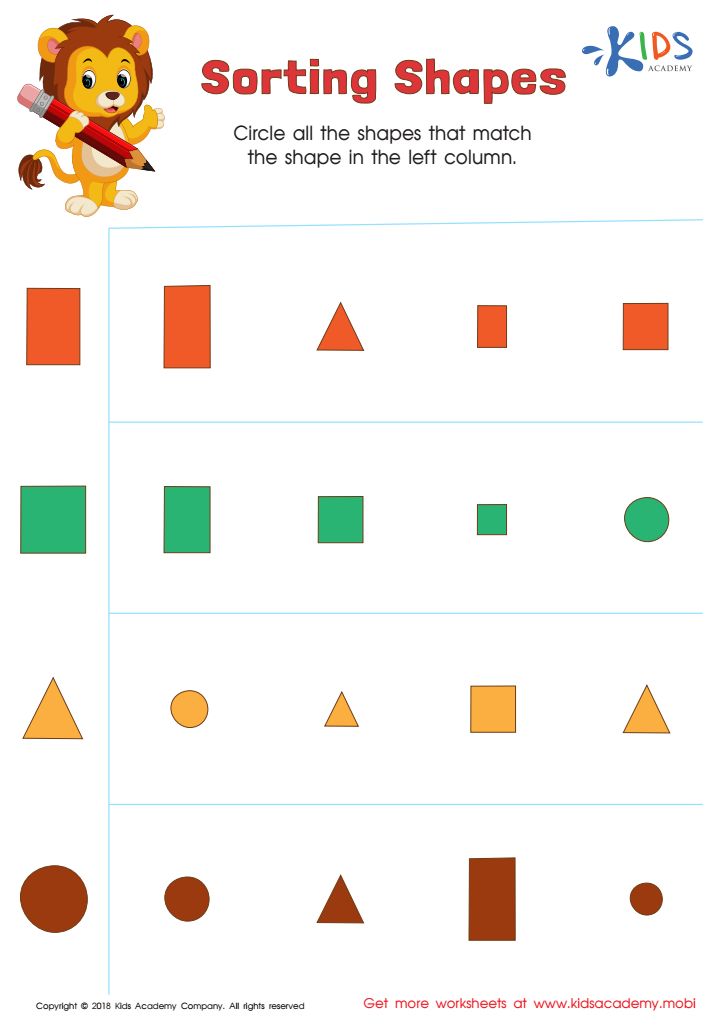
Sorting Shapes - Part 2 Worksheet







Shape recognition is a fundamental cognitive skill for young children, particularly for 5-year-olds experiencing early childhood education. Parents and teachers should prioritize this learning area because it builds essential neural connections and serves as a precursor to more complex mathematical and literacy skills.
Understanding shapes helps children categorize and compare objects, laying the groundwork for recognizing letters and numbers. For instance, distinguishing between circles, triangles, and squares can later help a child differentiate '0,' 'A,' and '4.' Additionally, recognizing shapes fosters spatial awareness, helping children understand the relationship between objects, an important skill in daily life and subjects like geometry.
Shape recognition also enhances fine motor skills as children learn to trace, draw, and create shapes. These activities improve hand-eye coordination, which is crucial for writing. Furthermore, discussing shapes and their properties introduces new vocabulary, aiding language development.
From a social interaction standpoint, shape-related activities often involve teamwork and communication, helping to enhance a child's social skills. Overall, early mastery of shape recognition not only supports academic readiness but also has broad developmental benefits, making its teaching vital for holistic growth.
By integrating shape recognition exercises into a child's routine, parents and teachers can set the stage for a well-rounded educational foundation that will support future learning endeavors.








