Cognitive Development Normal Numbers Worksheets for 5-Year-Olds
9 filtered results
-
From - To
Discover our engaging Cognitive Development Normal Numbers Worksheets designed specifically for 5-year-olds! These interactive resources provide young learners with essential opportunities to hone their number recognition and counting skills. Each worksheet is crafted to foster cognitive growth through fun activities, such as tracing, matching, and number games, promoting problem-solving skills and critical thinking. With our thoughtfully designed materials, children can enhance their understanding of numbers in an enjoyable and supportive environment. Perfect for home or classroom use, our worksheets offer a fantastic way to build foundational math skills while encouraging a love for learning. Start the journey today!

Count and Match Boxes with Vegetables
 Assign to My Students
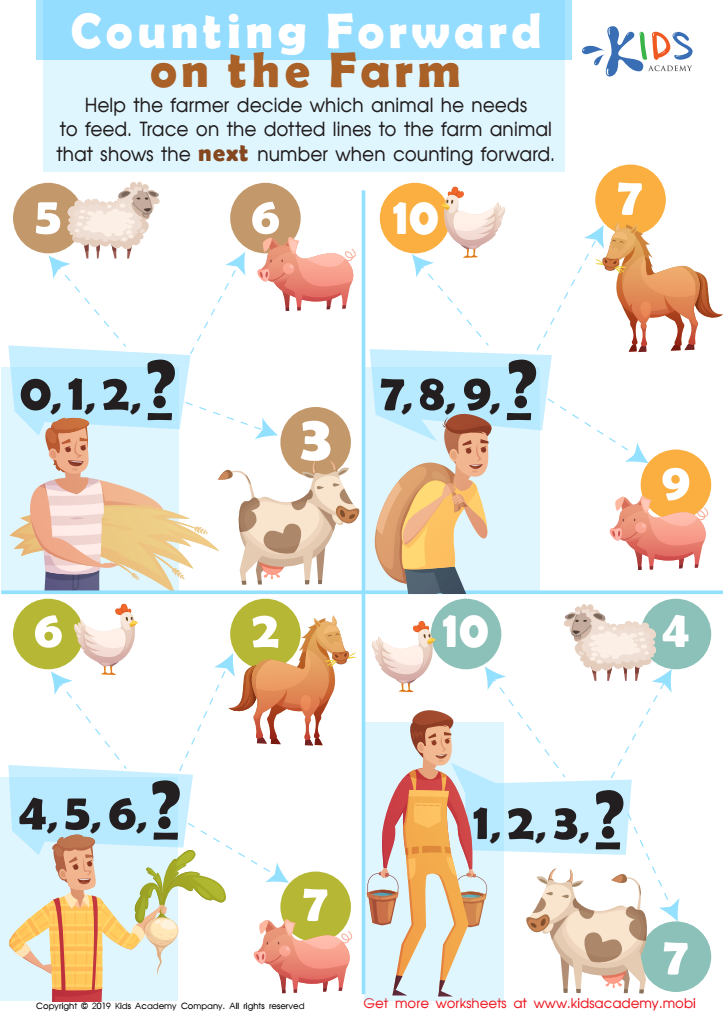
Counting Forward On the Farm Worksheet
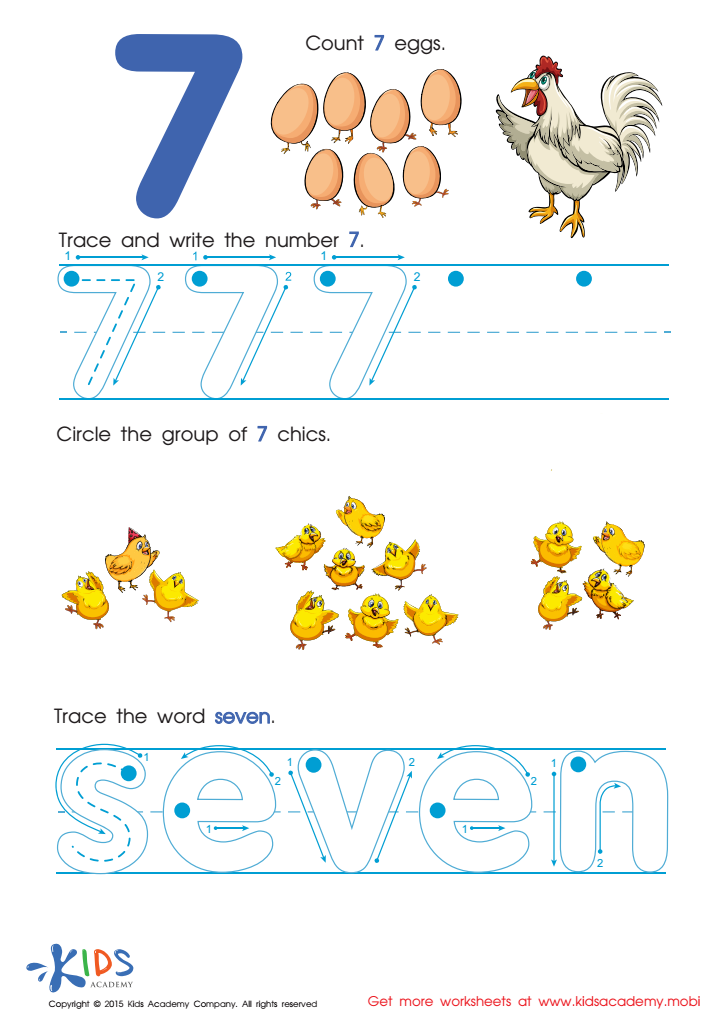
Trace And Write Number 7 with Fun Worksheet
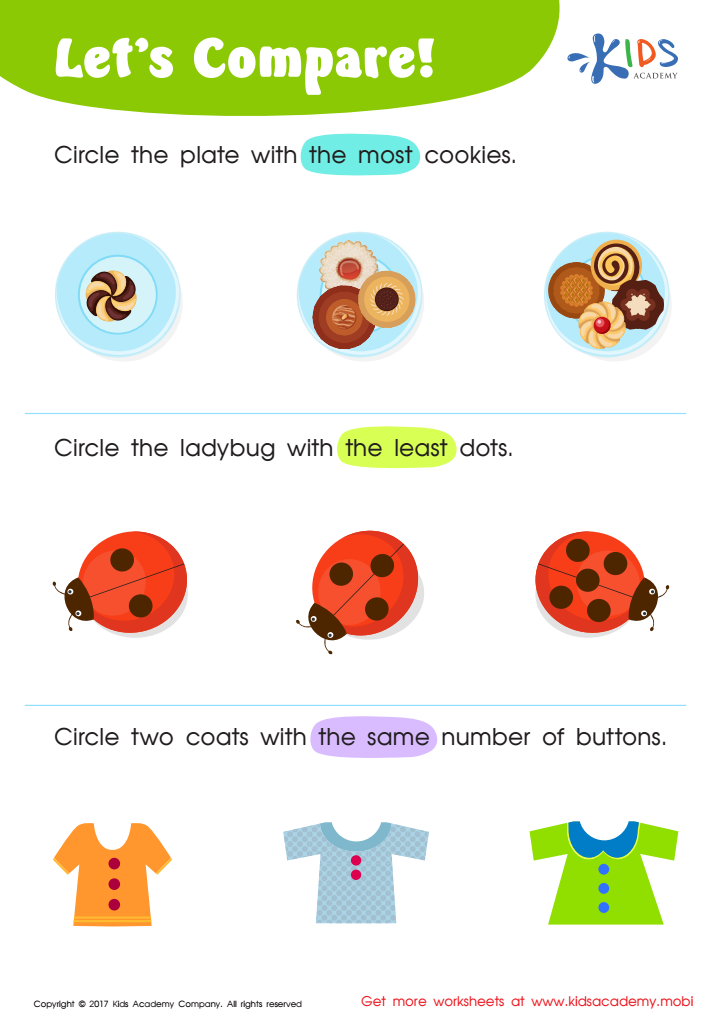
Matching: Classifying Toys by Size Worksheet
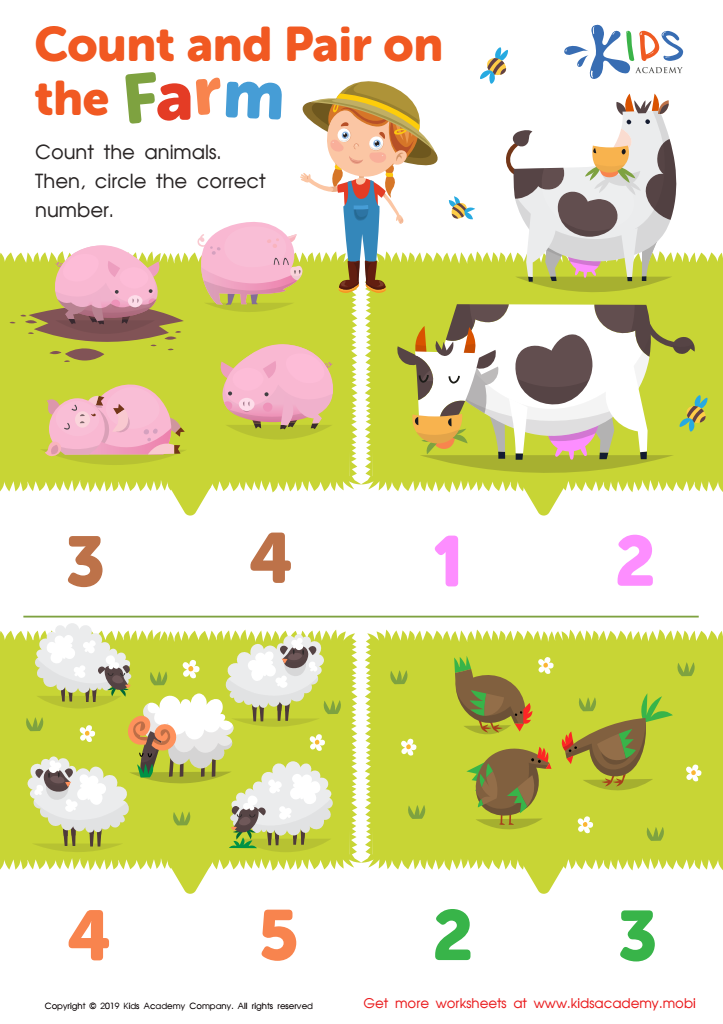
Count and Pair on the Farm Worksheet
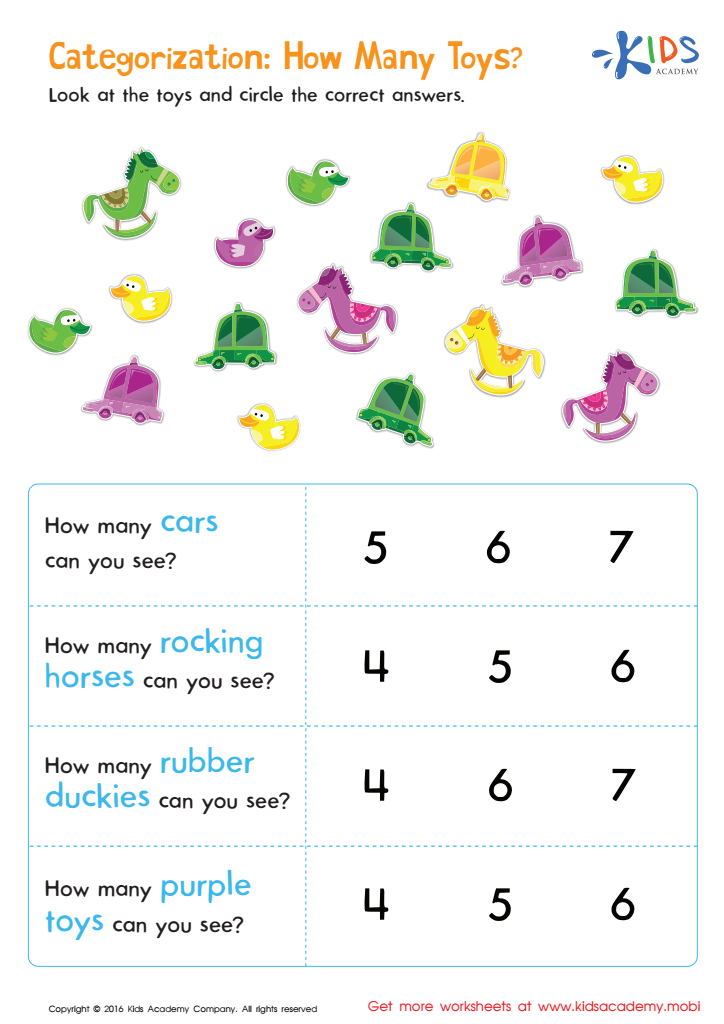
Classifying Toys by Type and Color Sorting Worksheet
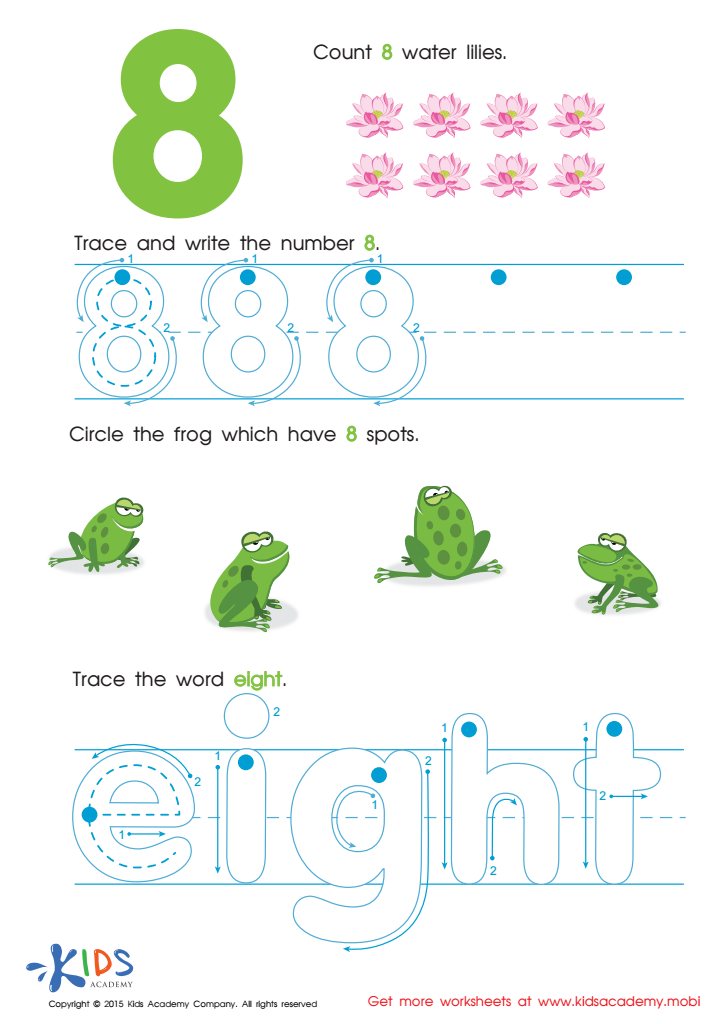
Learn Number 8 Easily Worksheet
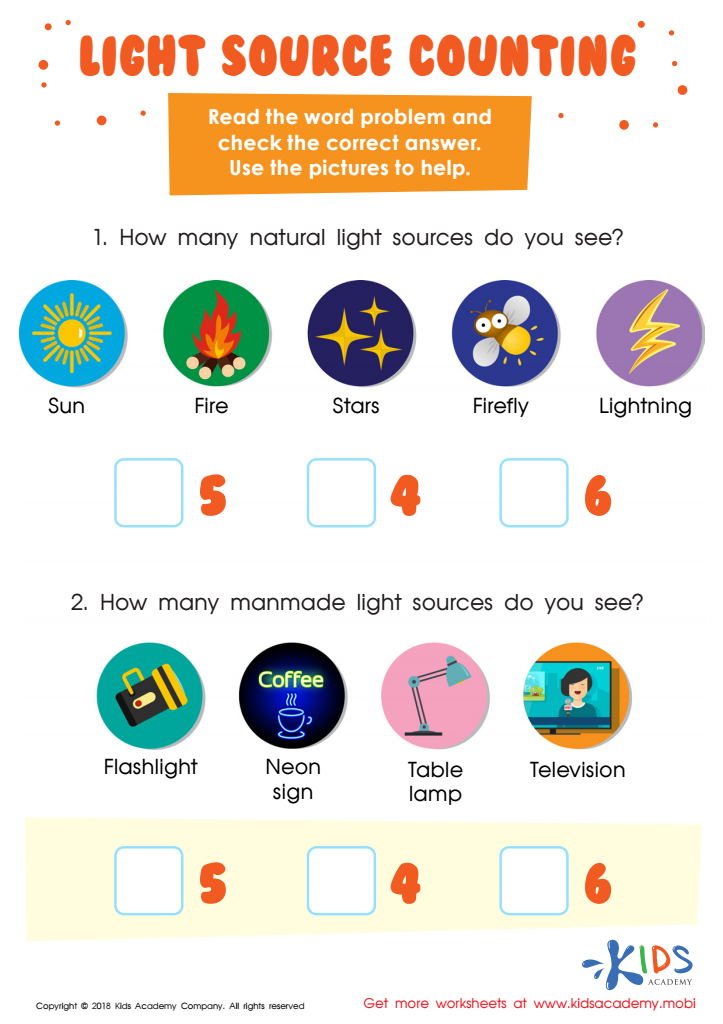
Light Source Counting Worksheet
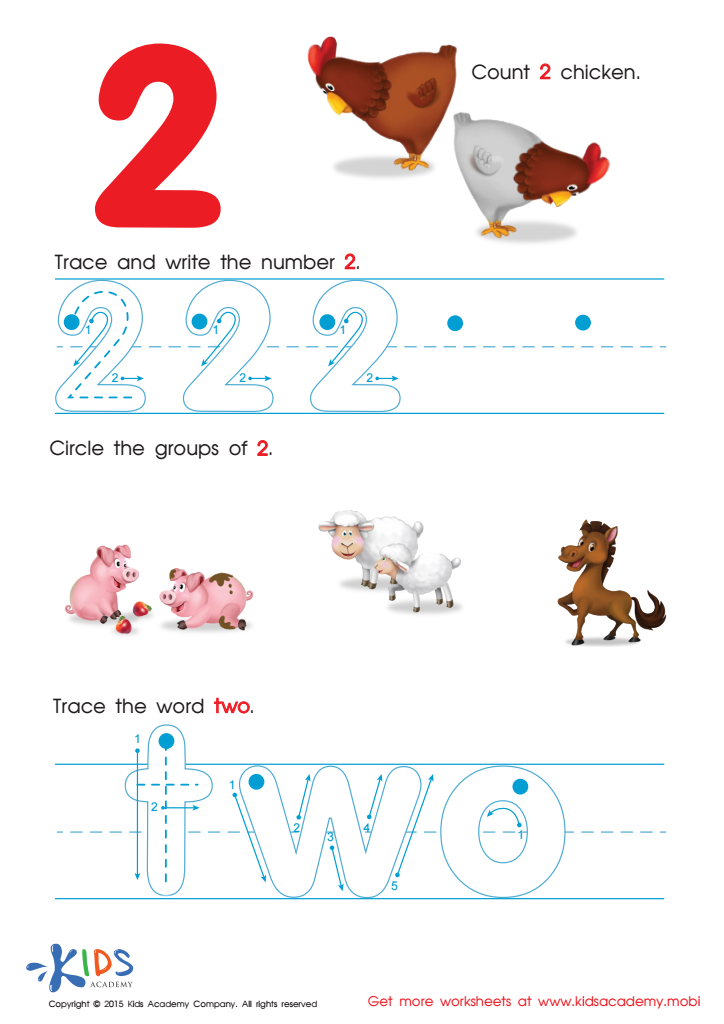
Learn to Write the Number 2 Worksheet








Cognitive development in children, particularly for 5-year-olds, is a crucial aspect of their overall growth that parents and teachers should prioritize. During this stage, children begin to develop critical thinking skills, problem-solving abilities, and basic numeracy, which serve as foundational elements for their future learning. Understanding typical cognitive development milestones assists adults in recognizing when a child may be excelling or struggling, allowing for timely intervention if necessary.
For 5-year-olds, proficiency with numbers includes recognizing numerals, counting forward and backward, and understanding simple addition and subtraction. Monitoring progress in these areas helps parents and educators tailor learning experiences, ensuring they are both challenging and appropriate. Furthermore, cognitive development in early childhood greatly influences a child’s confidence and love for learning; engaged learners are more likely to achieve academic success.
Parents and teachers working together to foster cognitive skills can stimulate curiosity, encourage exploration, and support social interactions. Ultimately, by caring about cognitive development and typical numeric milestones, adults contribute significantly to instilling a solid educational foundation that benefits children not only in school but throughout their lives. Recognizing and supporting these developmental stages equips children with the tools they need to thrive both academically and socially.








