Vocabulary Building Normal Math Worksheets for 5-Year-Olds
6 filtered results
-
From - To
Enhance your child's learning journey with our Vocabulary Building Normal Math Worksheets designed specifically for 5-year-olds! These engaging and interactive worksheets combine essential math skills with vocabulary development, fostering a love for learning. Each worksheet introduces young learners to math terminology, enhancing their understanding of concepts through fun activities. Tailored to suit early learners, these worksheets promote critical thinking while encouraging the use of new words in mathematical contexts. Perfect for home or classroom use, our resources aid in creating well-rounded students. Start building a solid foundation in mathematics and language today, ensuring your child is prepared for future academic success!
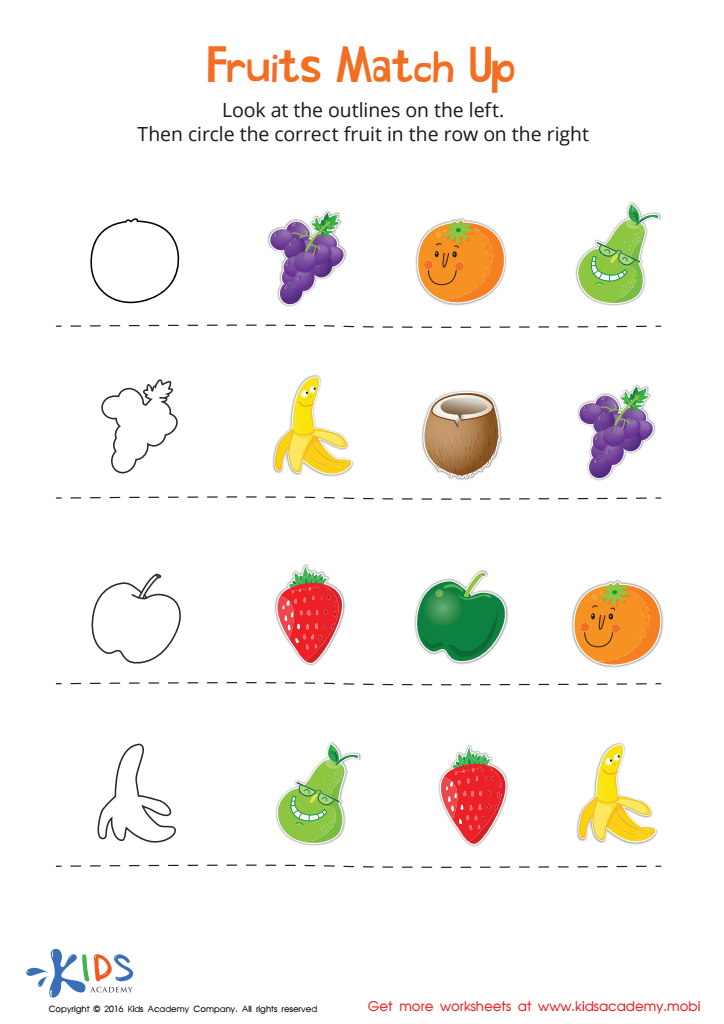
Fruits Match Up Worksheet
 Assign to My Students
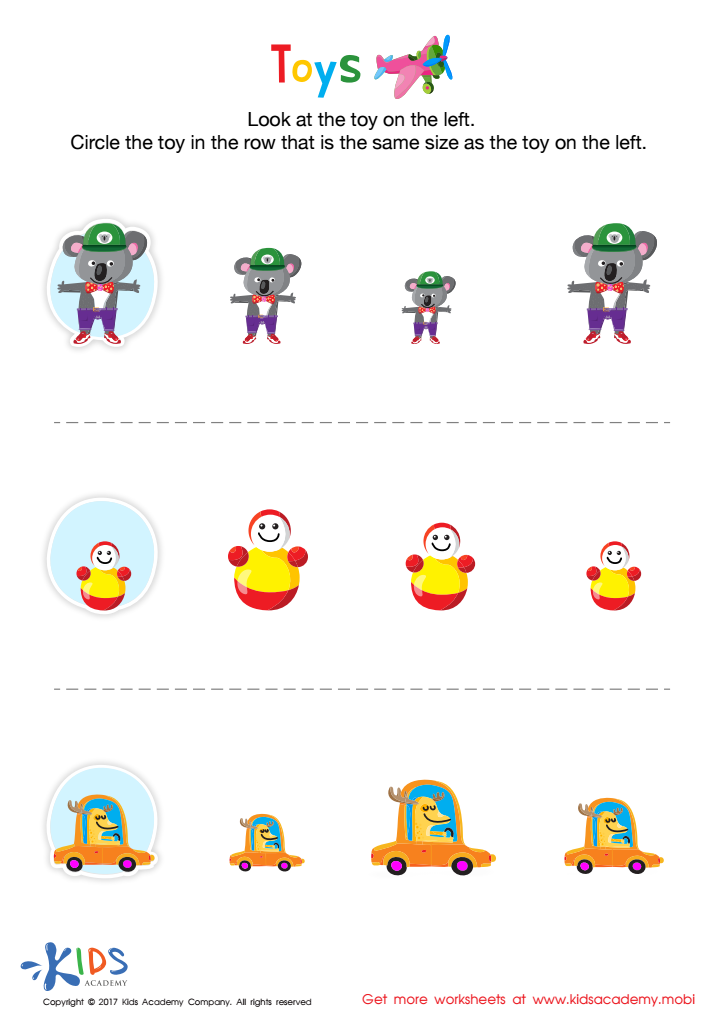
Matching: Classifying Toys by Size Worksheet
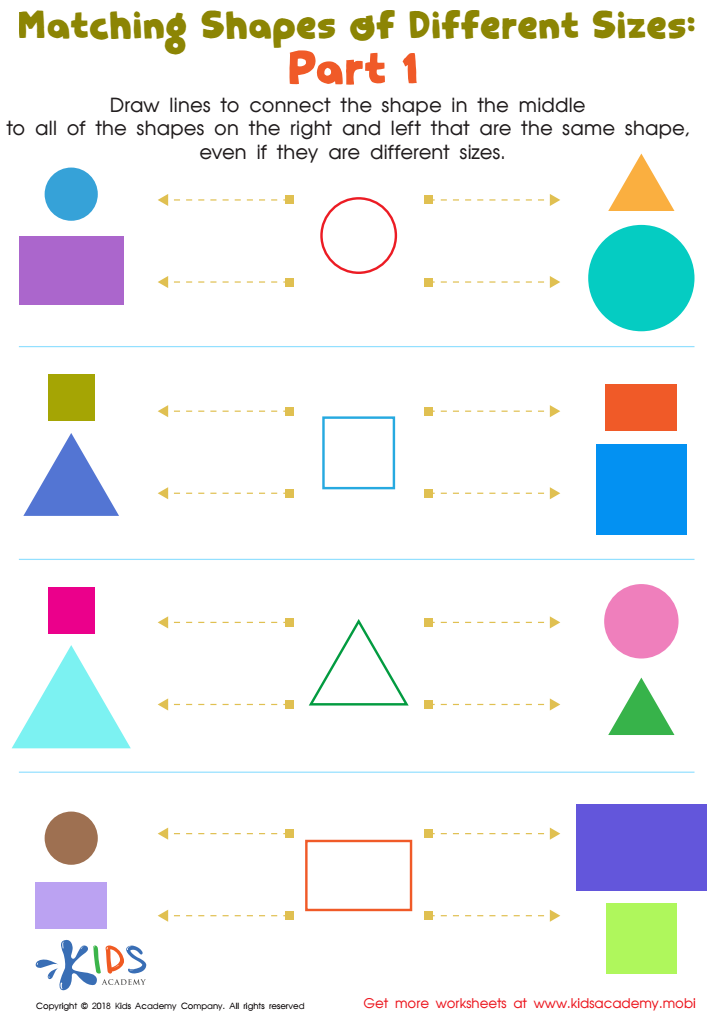
Geometry: part 1 Worksheet
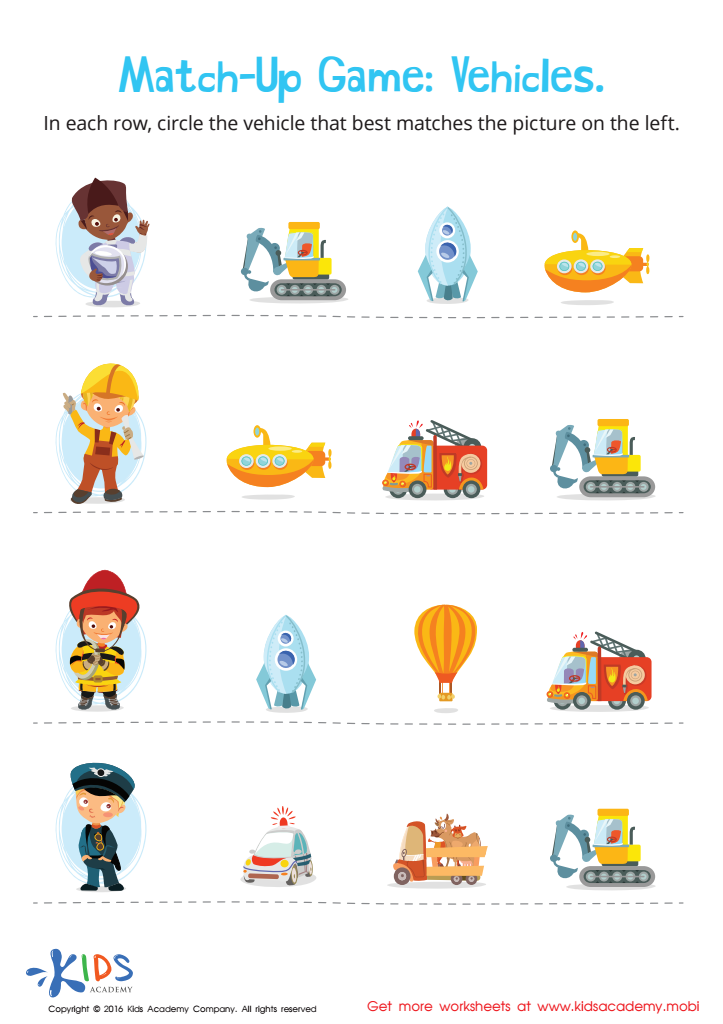
Vehicles Worksheet
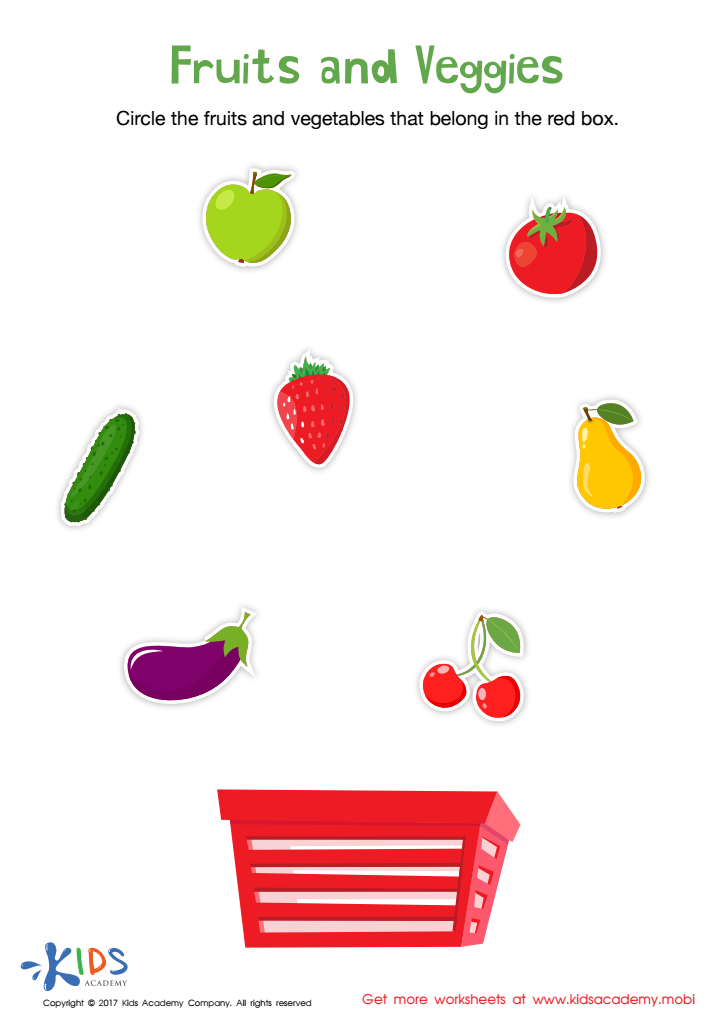
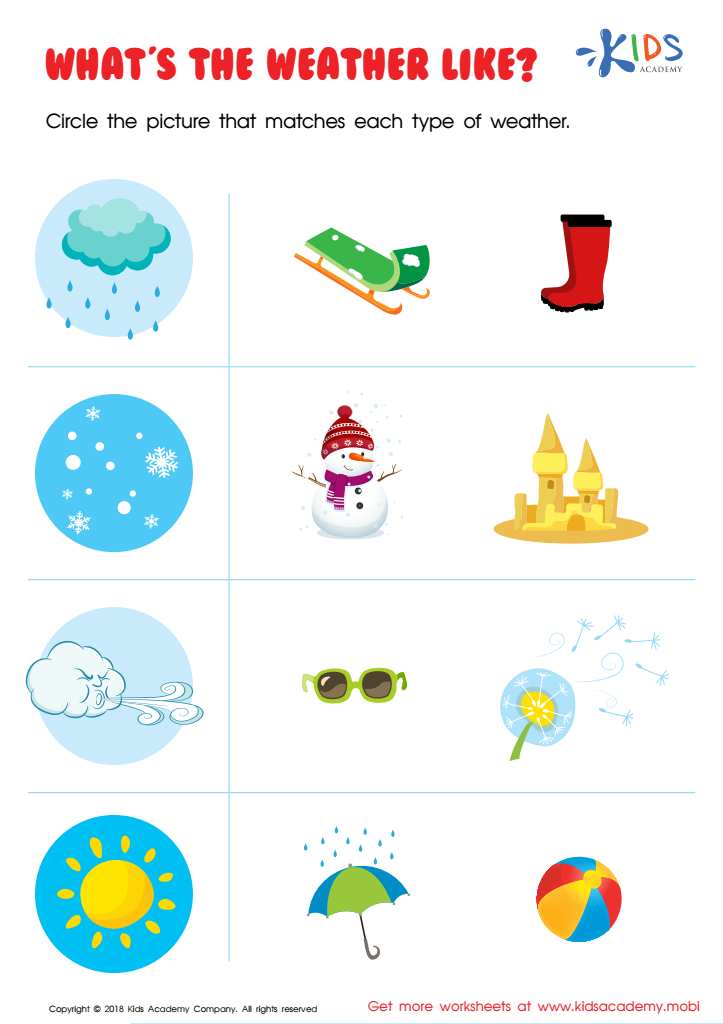
What's the Weather Like? Worksheet







Vocabulary building and early math skills are crucial for 5-year-olds as they form the foundation for lifelong learning and cognitive development. A rich vocabulary enhances a child's ability to express themselves, understand instructions, and engage in conversations, all of which contribute to social interaction and emotional intelligence. When children learn and practice vocabulary in the context of mathematical concepts—such as "more," "less," "tally," or "count"—they develop both language and numerical fluency, promoting critical thinking skills.
Teachers and parents should prioritize these skills to nurture confident learners. Engaging in vocabulary building alongside normal math activities encourages children to articulate their thinking, problem-solve verbally, and comprehend relationships between words and numbers. When children hear and use mathematical vocabulary in context, they are more likely to understand mathematical operations and concepts.
Moreover, these skills significantly impact academic achievement later on. Children who possess strong vocabulary and math foundations enter school ready to succeed, leading to better performance in all subjects. Therefore, creating a supportive environment through discussion, games, and interactive activities that promote both vocabulary and numeracy ensures a brighter future for children, allowing them to thrive in their educational journeys.








