Normal Uppercase Letters Worksheets for Ages 6-7
21 filtered results
-
From - To
Our "Normal Uppercase Letters Worksheets for Ages 6-7" are designed to help young learners strengthen their uppercase letter recognition and writing skills. Each worksheet offers engaging activities that encourage kids to practice tracing, writing, and identifying uppercase letters. These exercises help develop fine motor skills and boost confidence in your child's ability to recognize and use capital letters in different contexts. Perfect for classroom use or at-home practice, our worksheets are crafted to make learning an enjoyable experience for early graders. Equip your child with the essential skills for reading and writing success today!
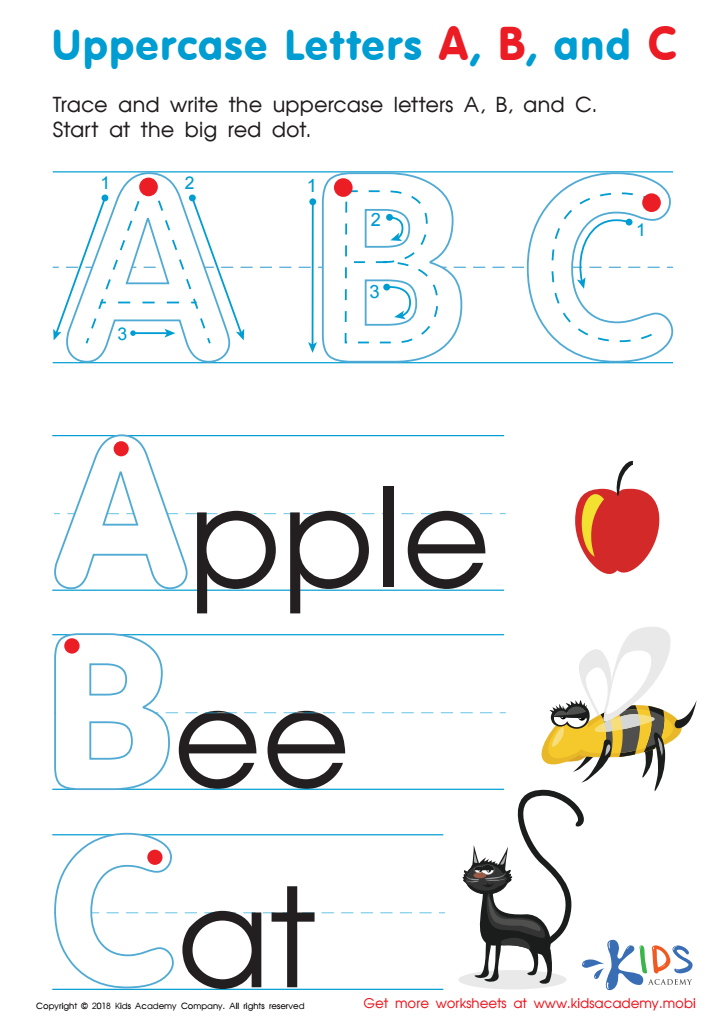
Uppercase Letters A, B, and C Worksheet
 Assign to My Students
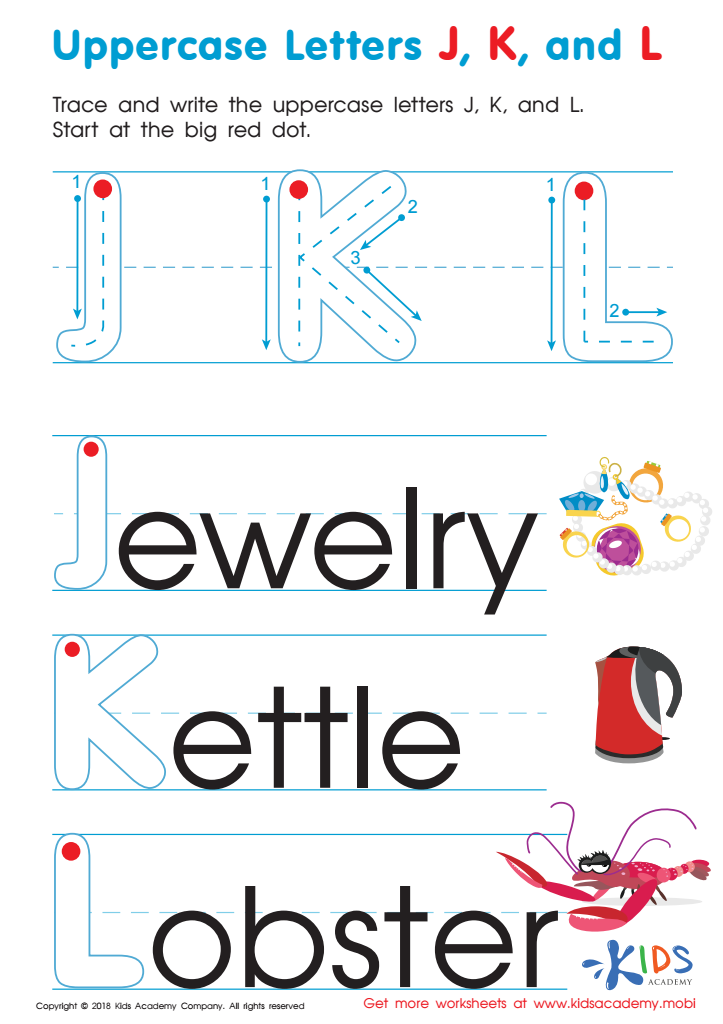
Uppercase Letters J, K, and L Worksheet
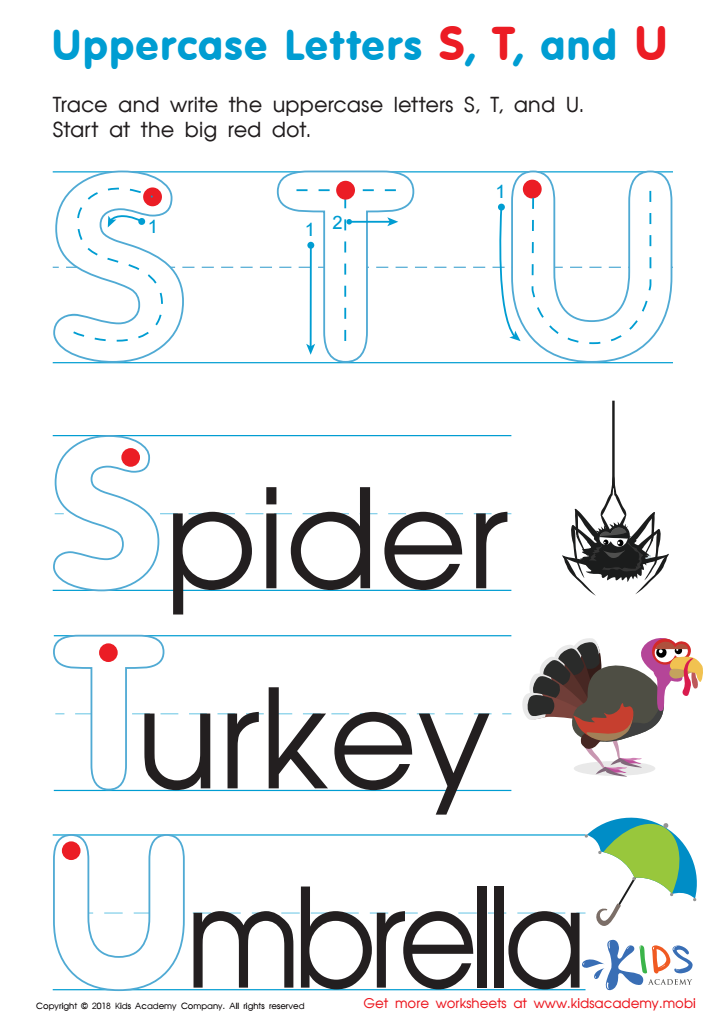
Uppercase Letters S, T, and U Worksheet
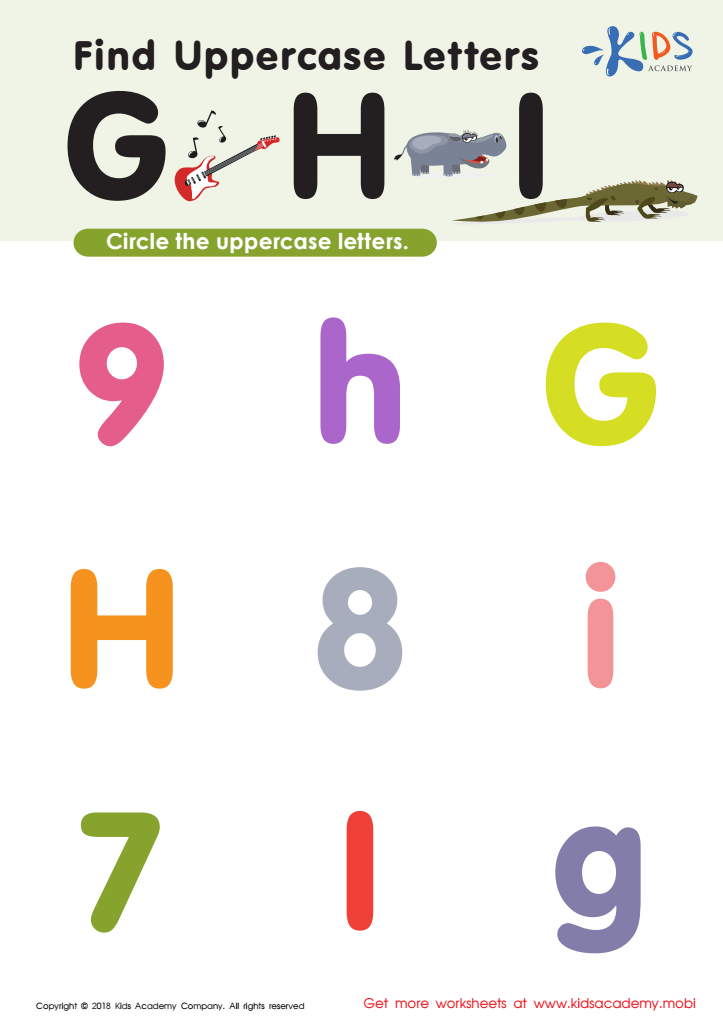
Find Uppercase Letters G, H, and I Worksheet
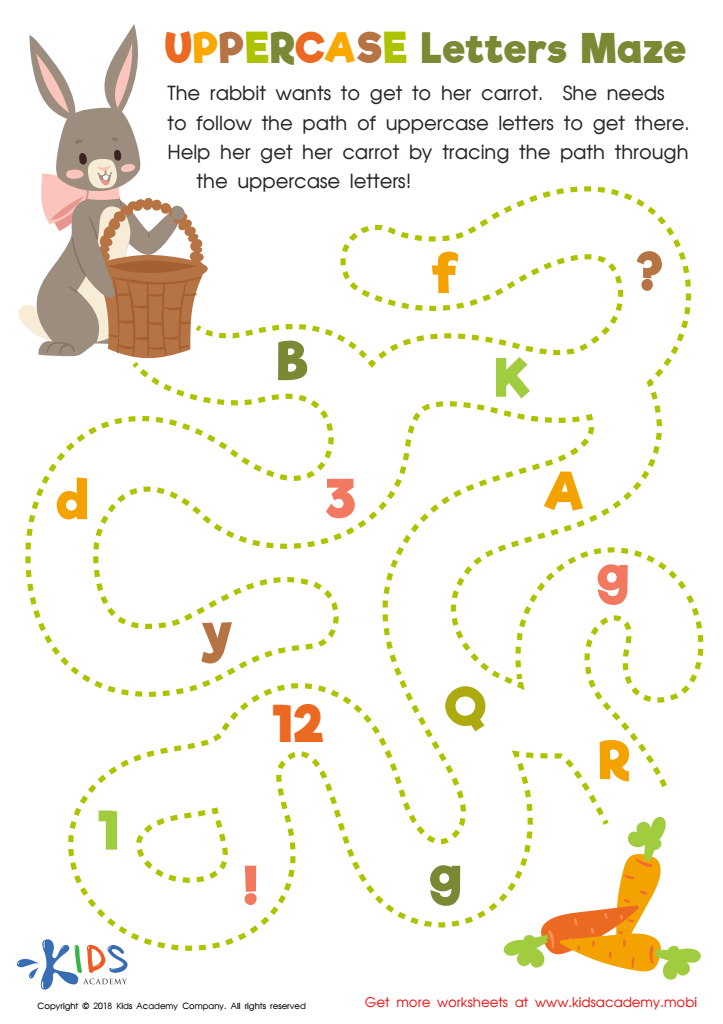
Uppercase Letters Maze Worksheet
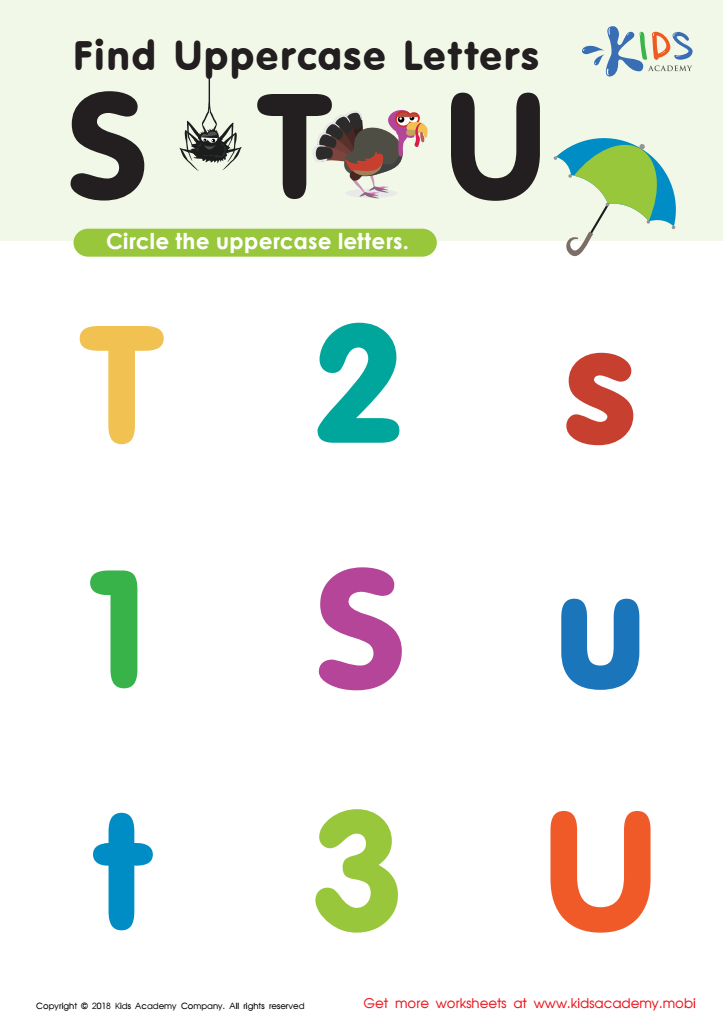
Find Uppercase Letters Worksheet
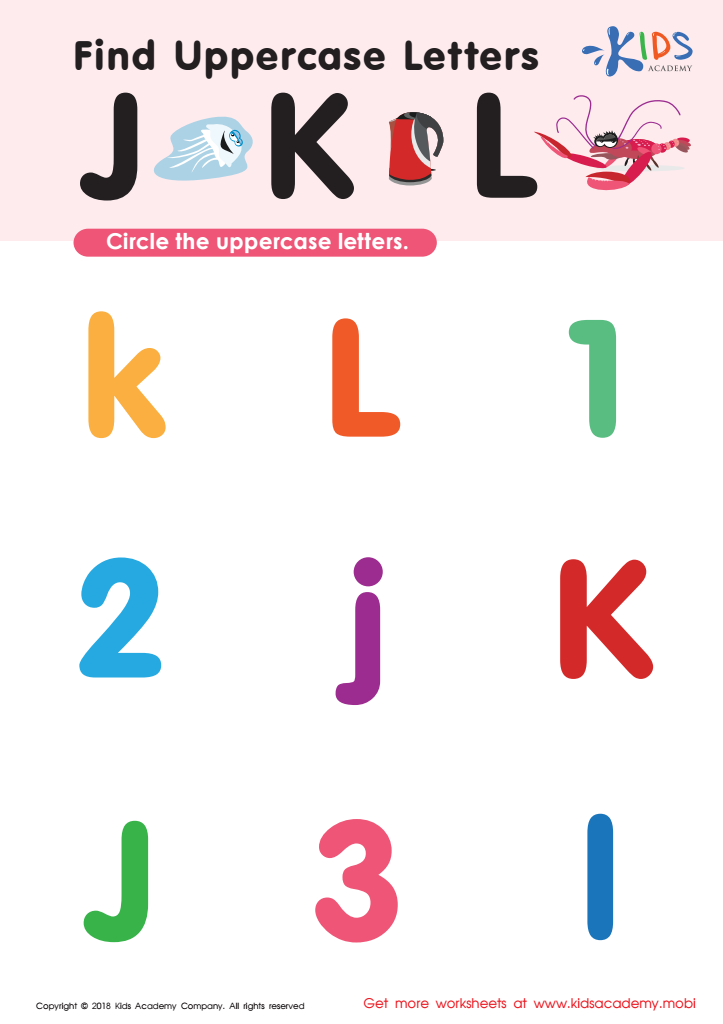
Find Uppercase Letters J, K, and L Worksheet
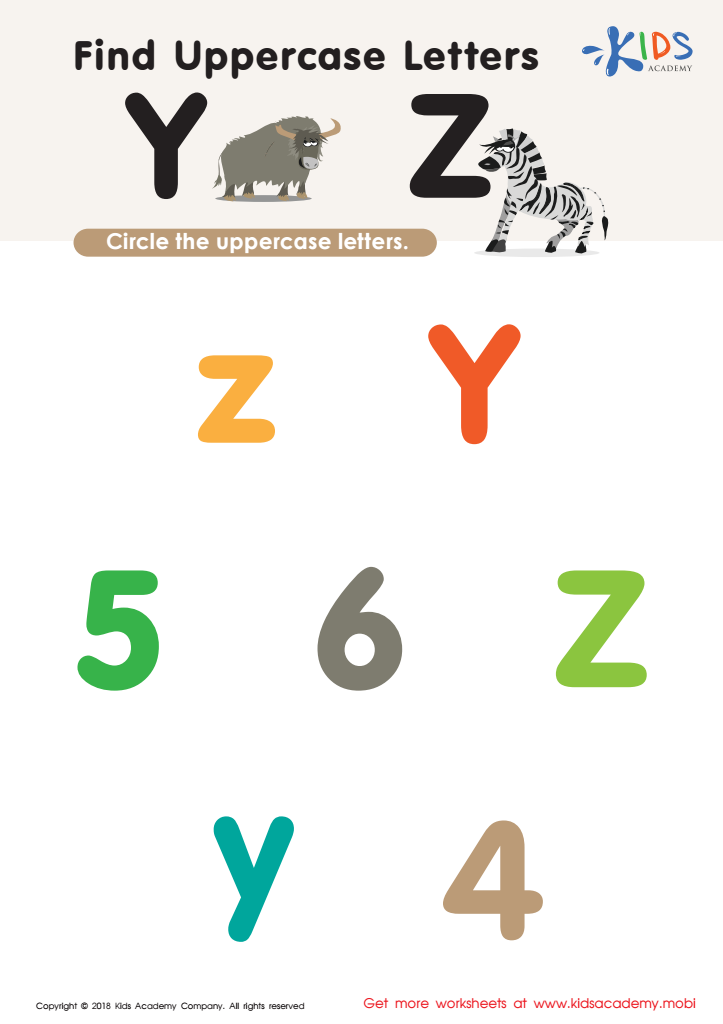
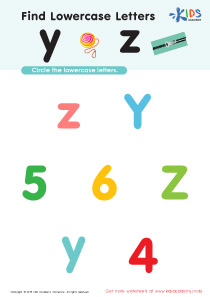
Find Uppercase Letters Y Z Worksheet
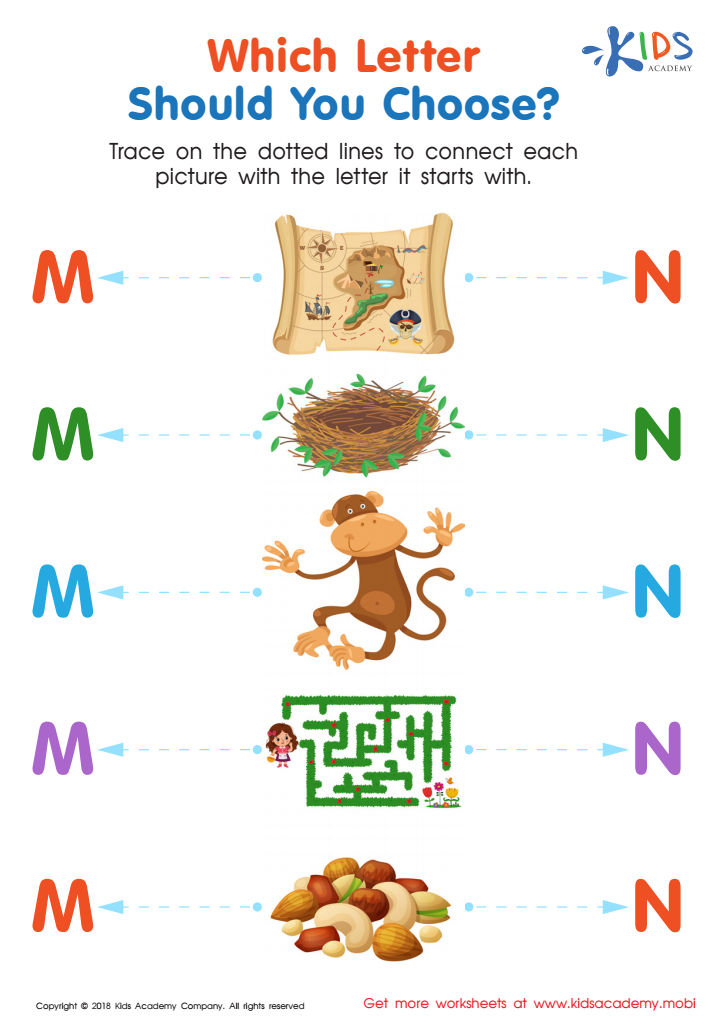
Which Letter Should you Choose? Worksheet
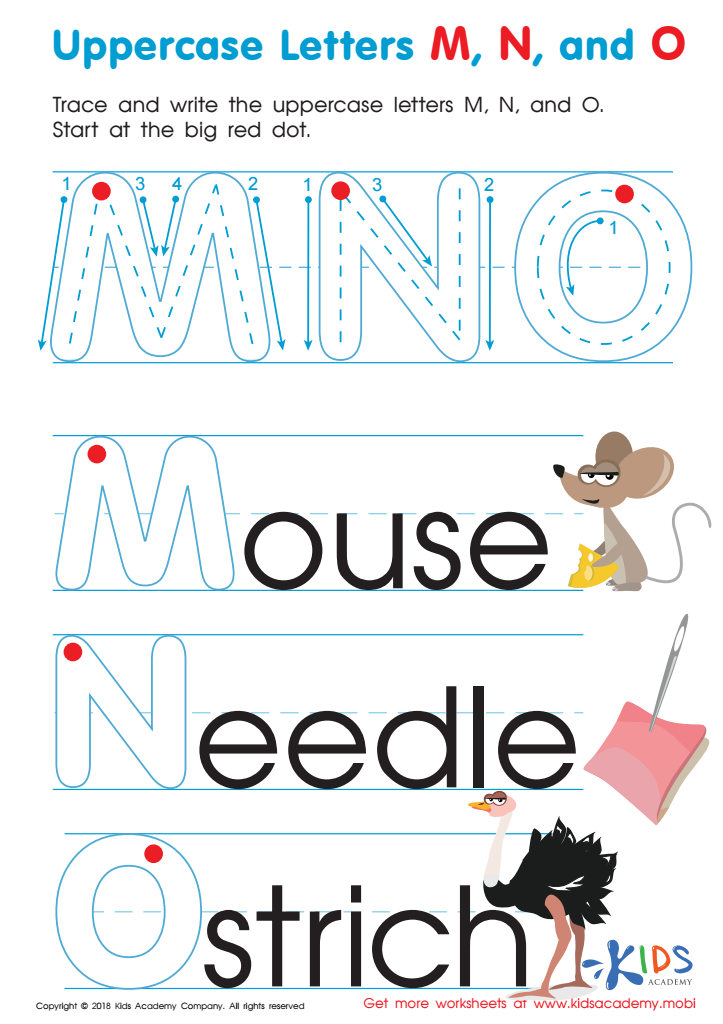
Uppercase Letters M, N, and O Worksheet
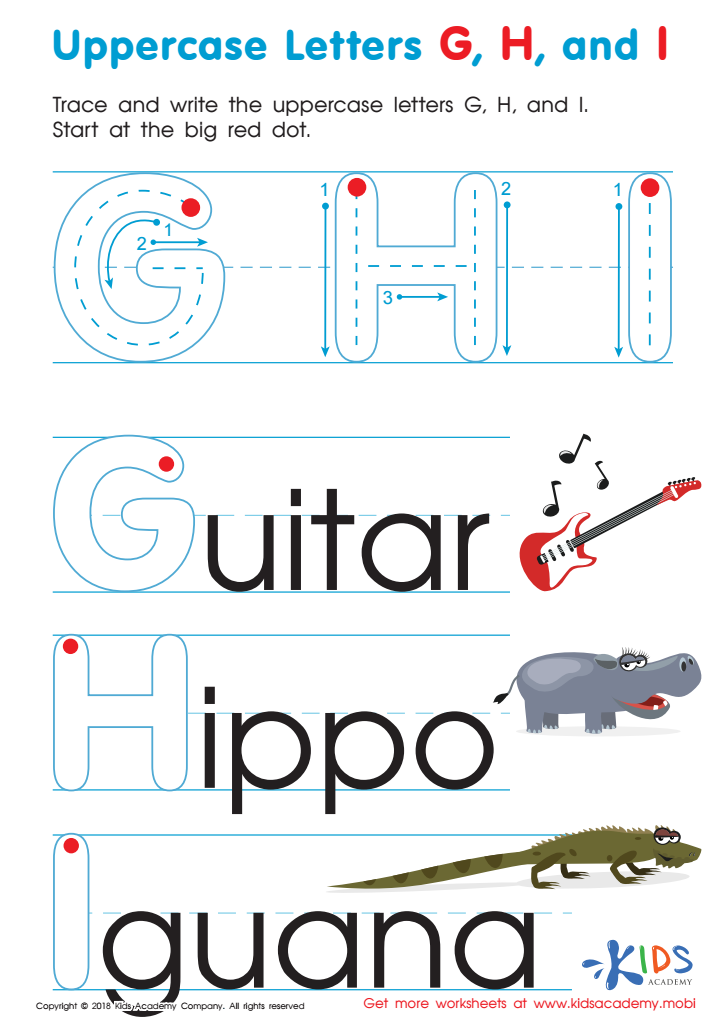
Uppercase Letters G, H, and I Worksheet
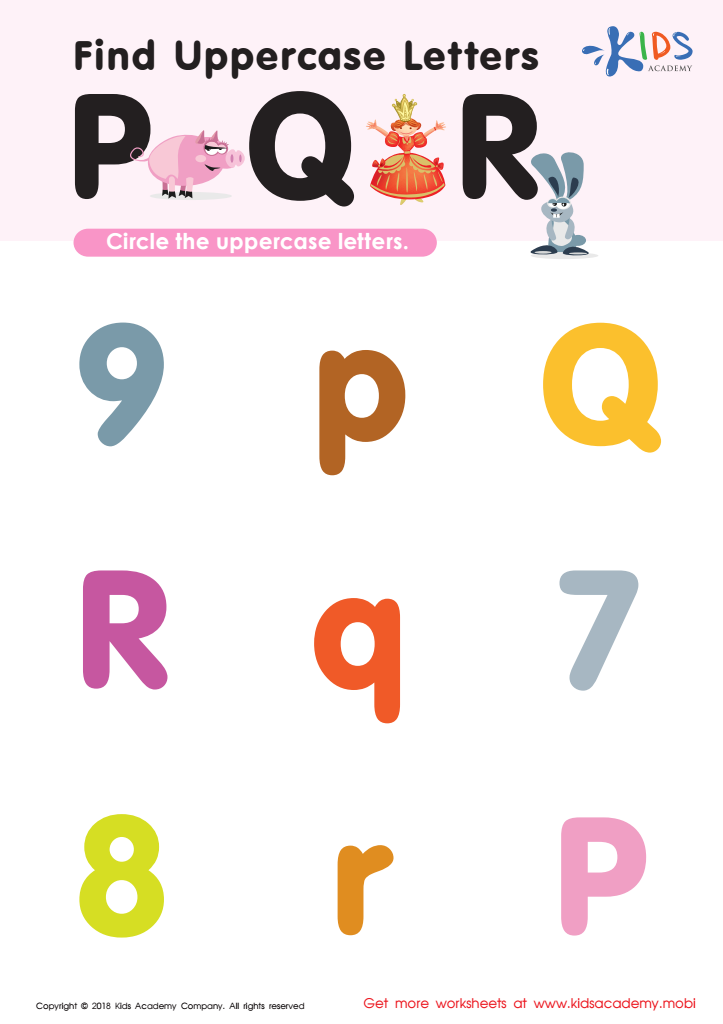
Find Uppercase Letters P, Q, and R Worksheet
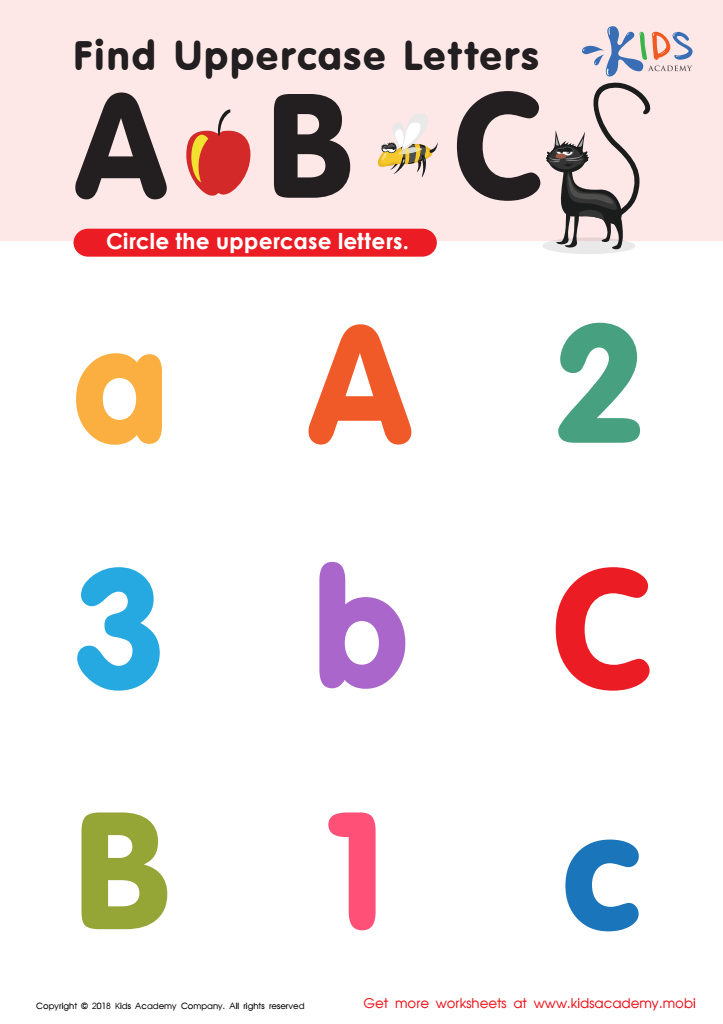
Find Uppercase Letters A, B, and C Worksheet
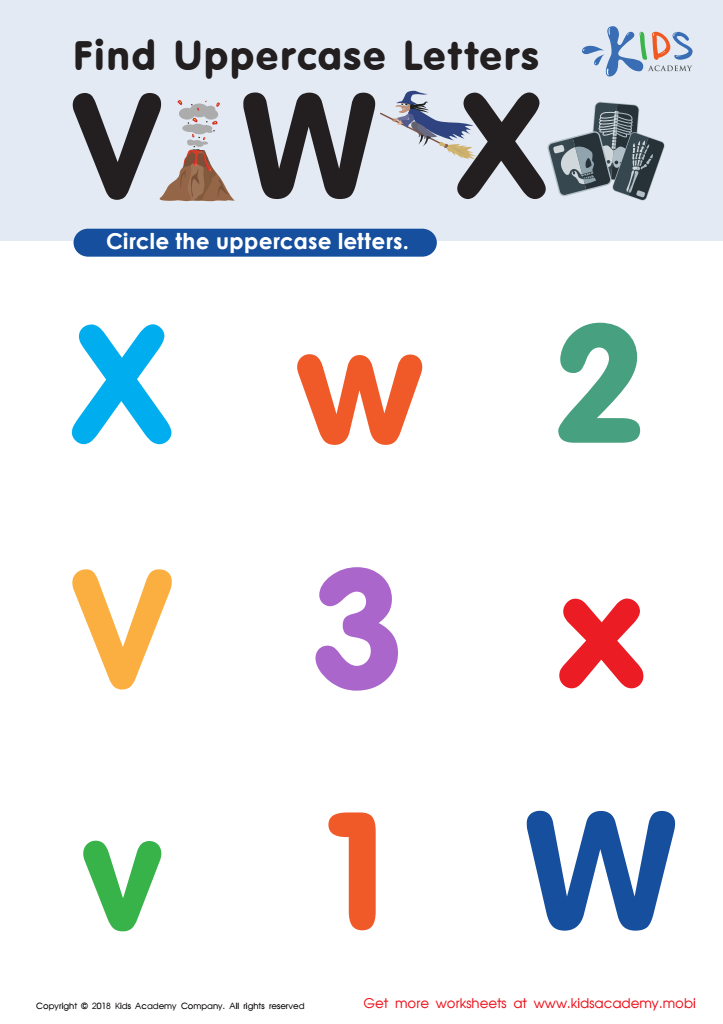
Find Uppercase Letters V, W, X Worksheet
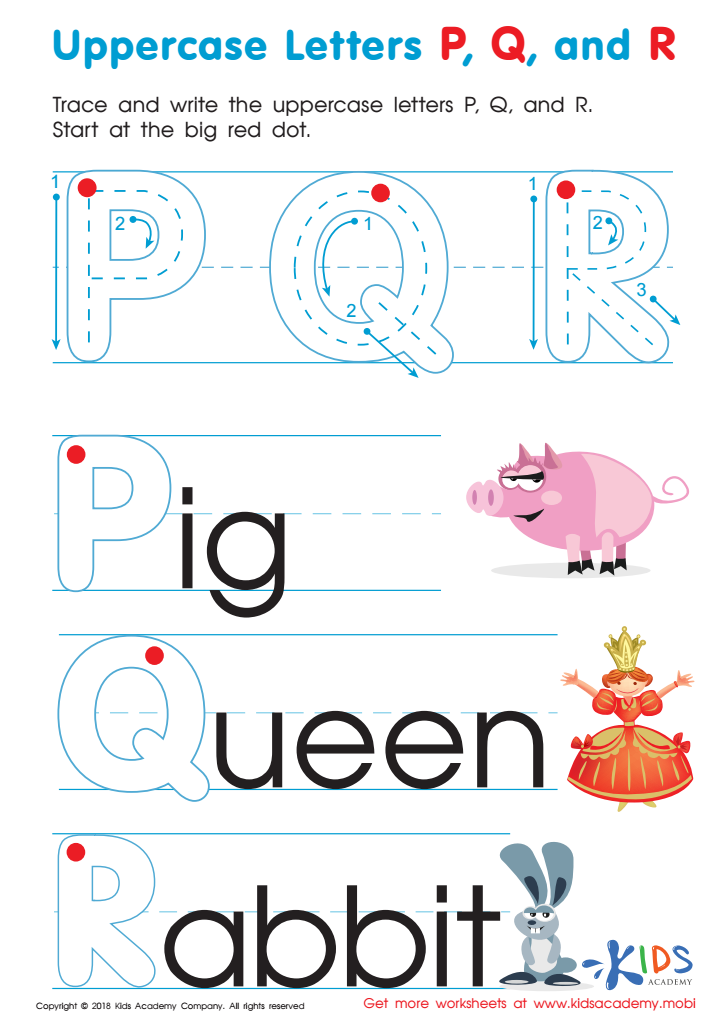
Uppercase Letters P, Q, and R Worksheet
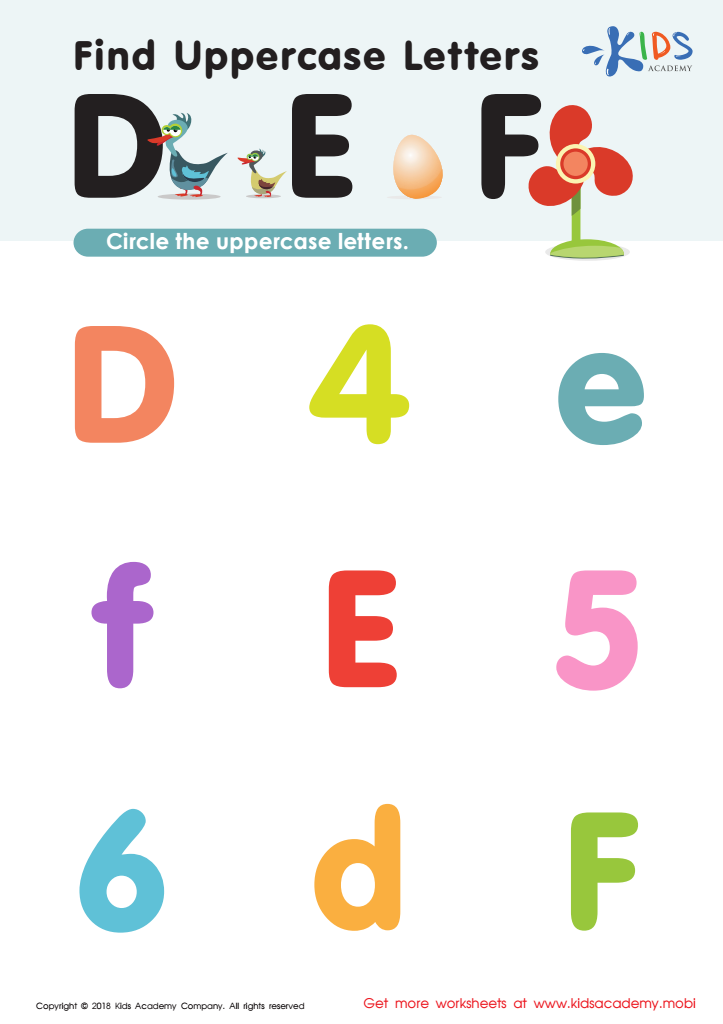
Find Uppercase Letters D, E, and F Worksheet
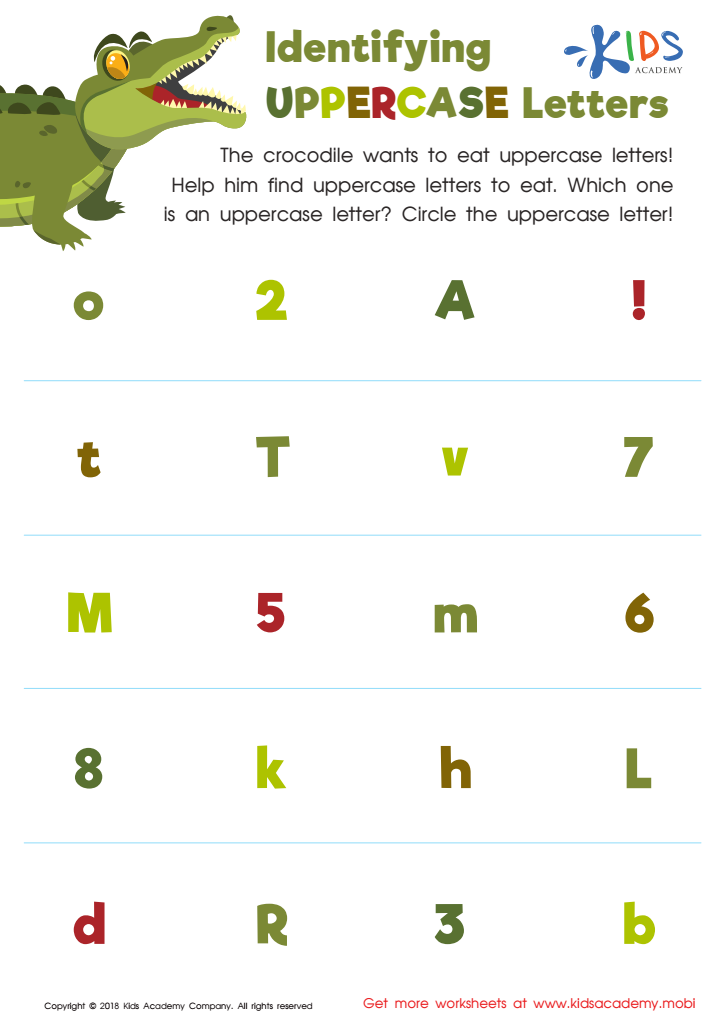
Identifying Uppercase Letters Worksheet
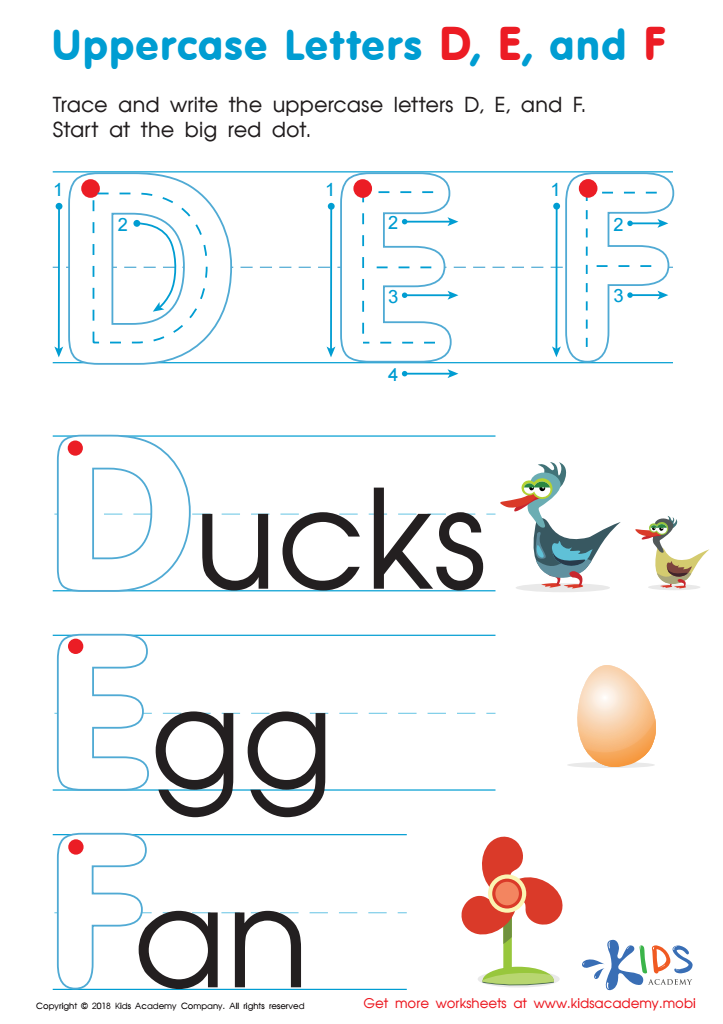
Uppercase Letters D, E, and F Worksheet
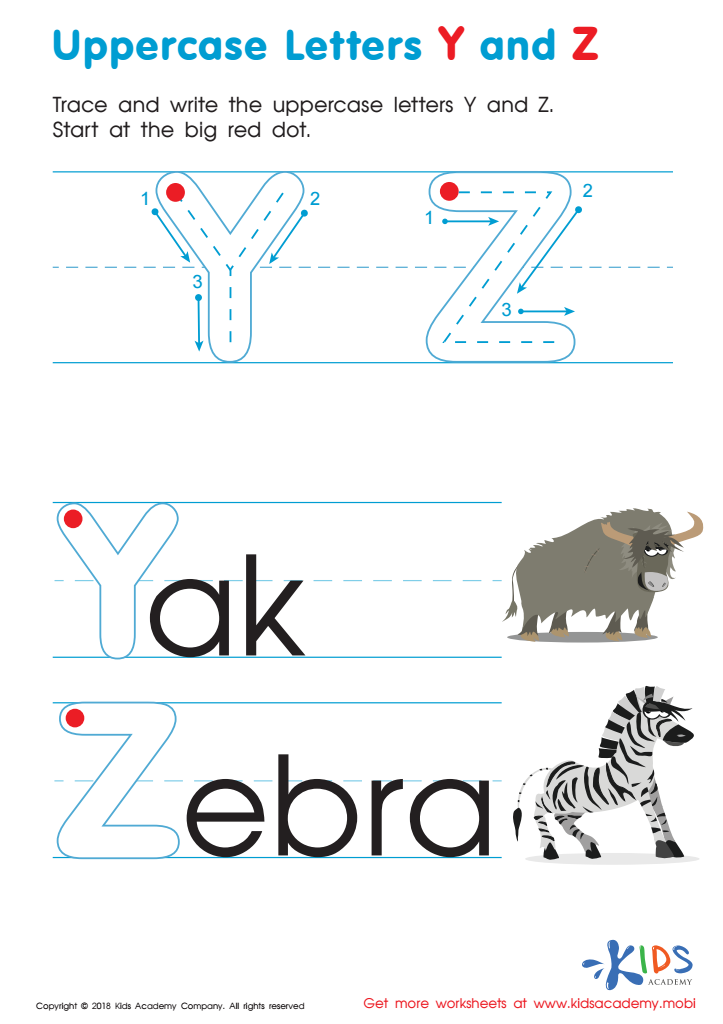
Uppercase Letters Y Z Worksheet
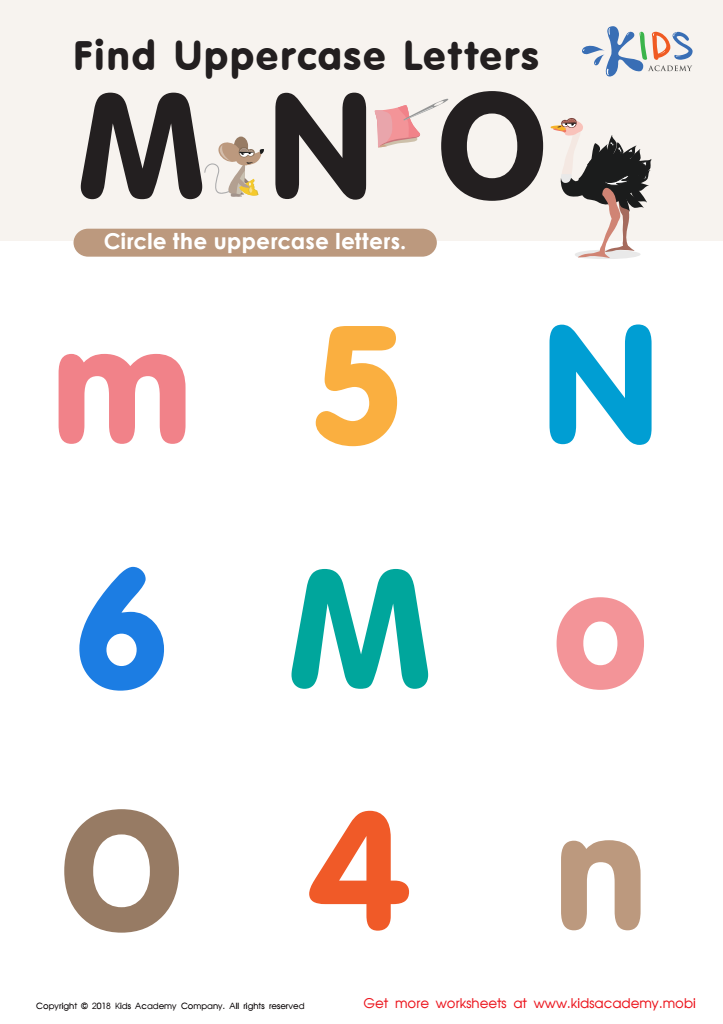
Find Uppercase Letters M, N, and O Worksheet

Uppercase Letters V, W, and X Worksheet








Parents and teachers should be attentive to normal uppercase letter skills in children aged 6-7 because they form a crucial foundation for literacy development. At this age, children are transitioning from recognizing letters to reading and writing independently. Mastery of uppercase letters is important for several reasons.
Firstly, uppercase letters are often the first ones introduced to children because of their simple, uniform shapes, and clarity, making them easier to recognize and write. Encouraging proficiency in uppercase letters helps strengthen fine motor skills, essential for all subsequent writing tasks.
Moreover, uppercase letters are frequently seen in the environment—on signs, in books, and in students' names—making their recognition vital for functional literacy. Knowing uppercase letters also enhances a child’s ability to understand and follow written instructions.
Upper case letters also play an important part in developing reading skills. Early familiarity allows children to comfortably transition into recognizing lowercase letters, blends, and eventually words and sentences. This solid foundation fosters confidence and reduces frustration in the early stages of literacy, positively impacting long-term academic pursuits.
Ultimately, focusing on uppercase letter skills aligns with developmental milestones and plays a key role in nurturing proficient, confident readers and writers. Parents and teachers, therefore, should recognize their critical role in supporting this aspect of early literacy.