Letter tracing skills Normal Worksheets for Ages 6-7
6 filtered results
-
From - To
Discover our engaging Letter Tracing Skills worksheets designed specifically for children aged 6-7. These carefully crafted resources help young learners develop their handwriting abilities while building familiarity with the alphabet. Each worksheet provides ample tracing opportunities, promoting fine motor skills and connecting letters with sounds. With a variety of fun activities, children can practice both uppercase and lowercase letters, ensuring a comprehensive understanding of letter formation. Ideal for enhancing classroom learning or home practice, these printable worksheets make mastering letter tracing enjoyable and effective. Watch your child’s confidence grow as they improve their writing skills with our Normal Worksheets!
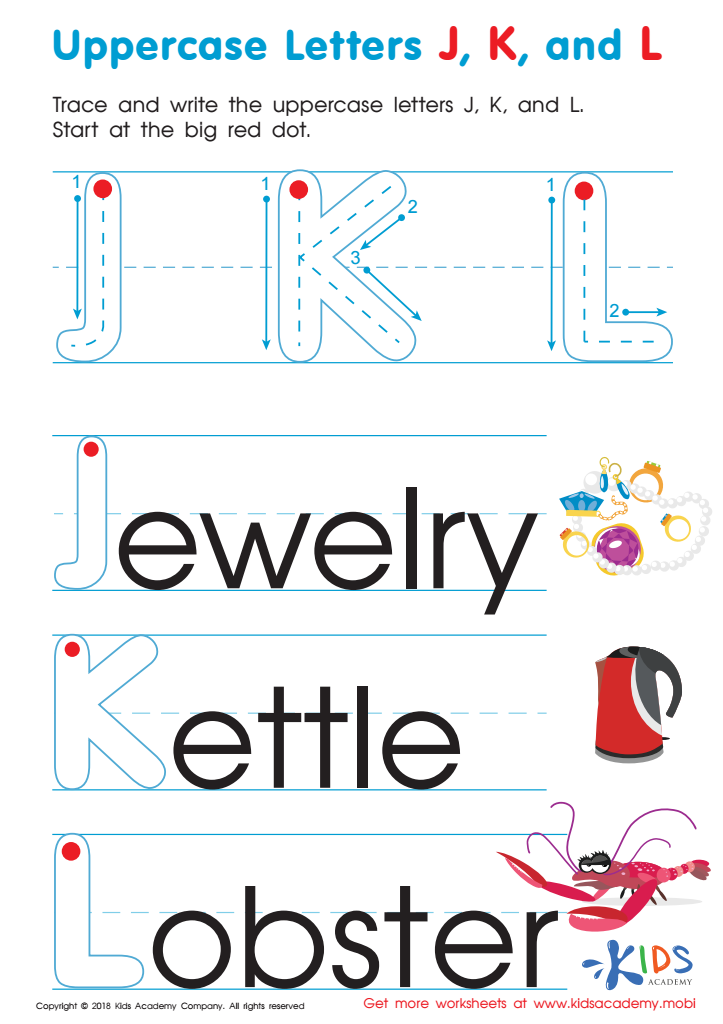
Uppercase Letters J, K, and L Worksheet
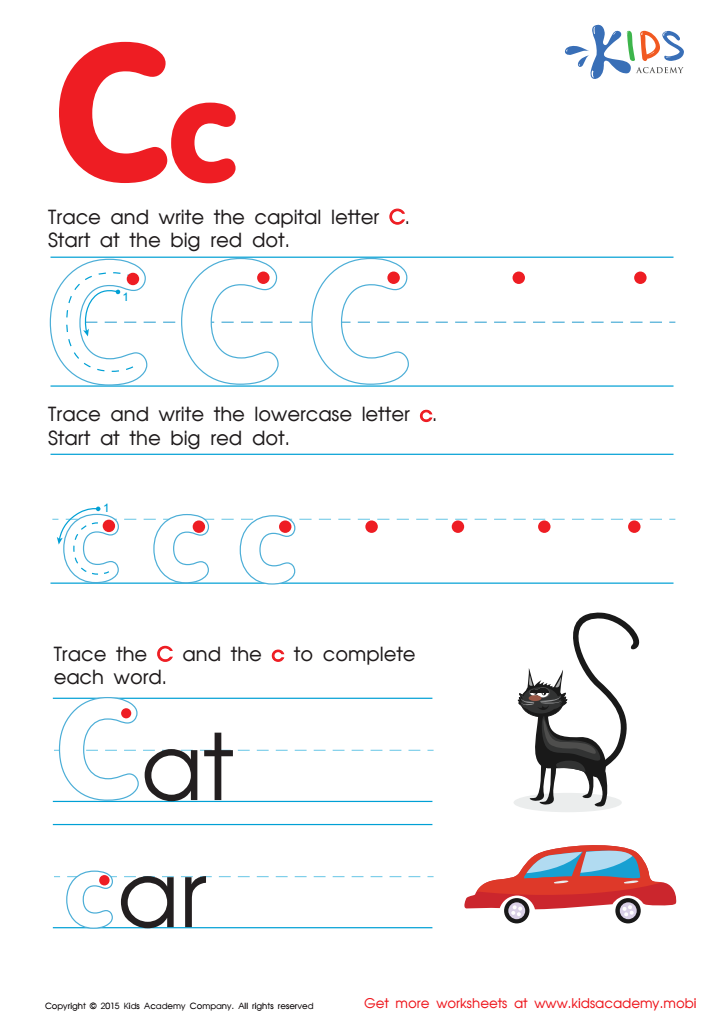
Letter C Tracing Page
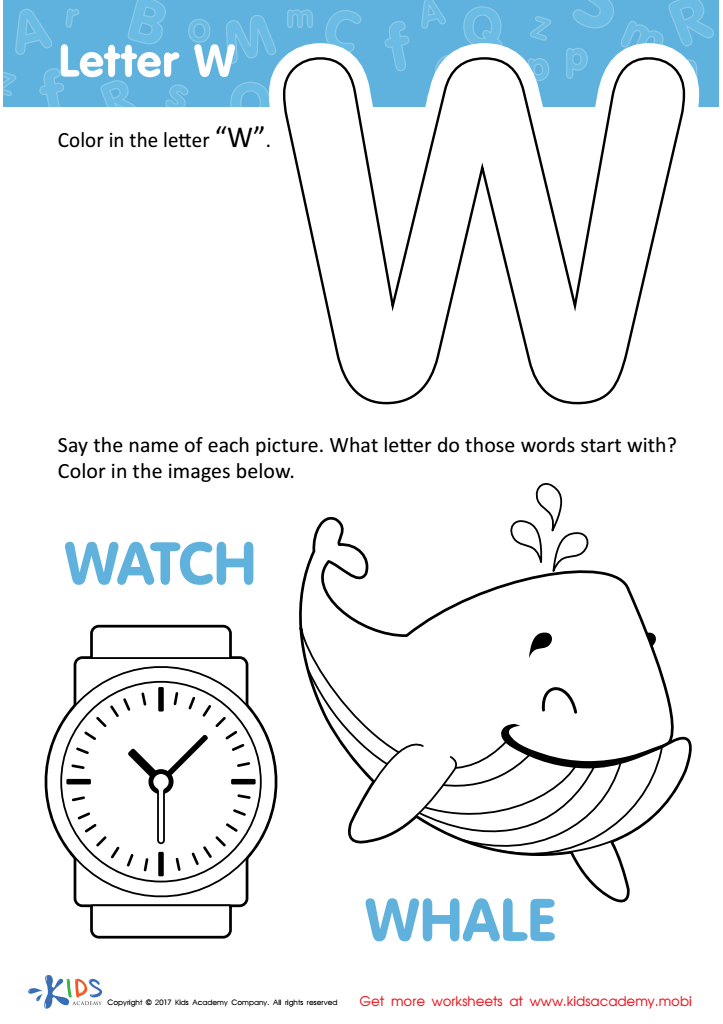
Letter W Coloring Sheet
 Assign to My Students
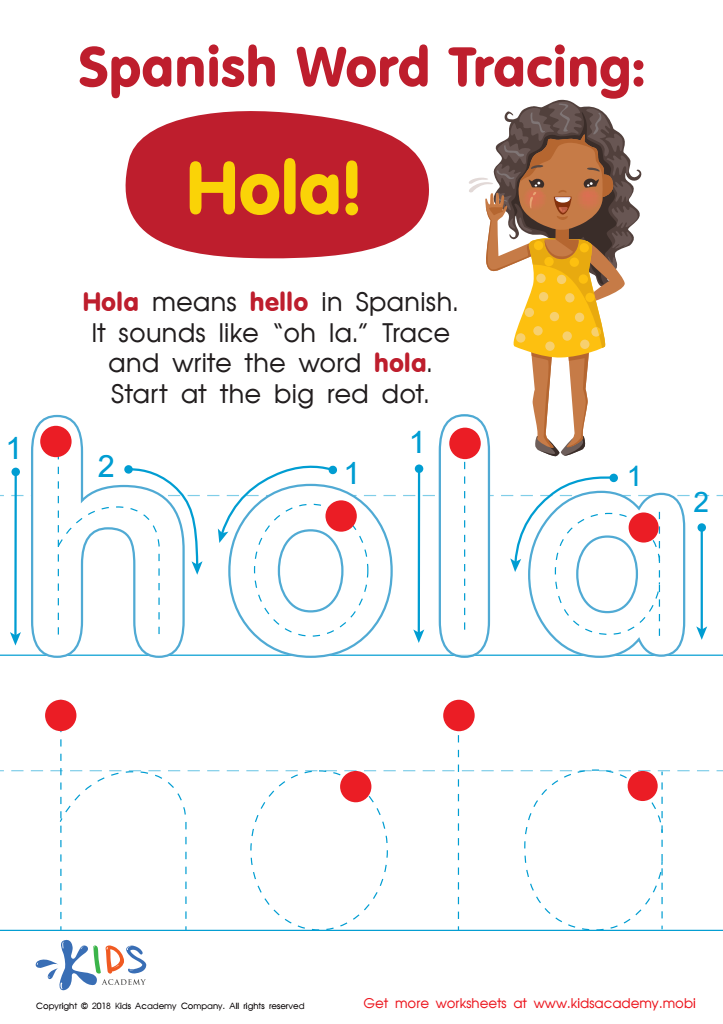
Spanish Word Tracing: Hola Worksheet
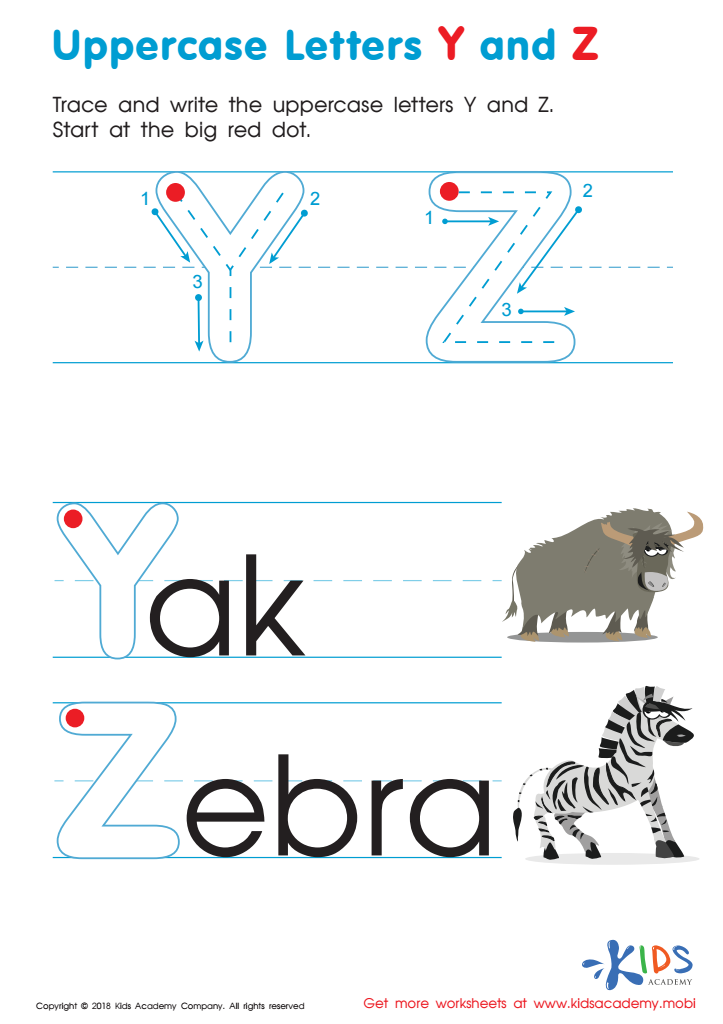
Uppercase Letters Y Z Worksheet
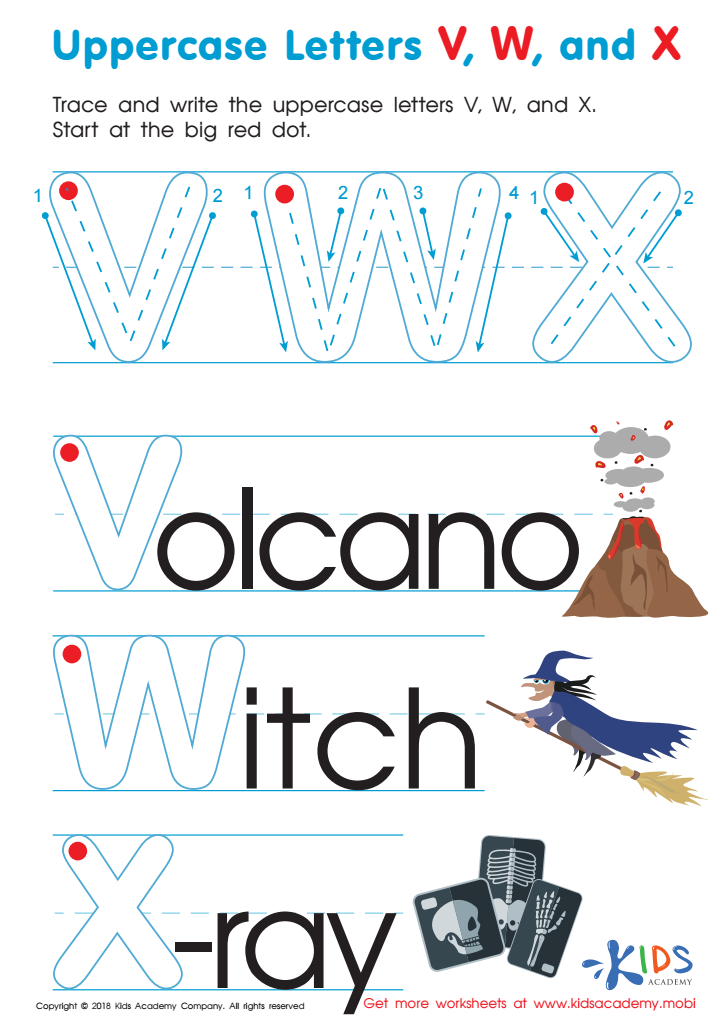
Uppercase Letters V, W, and X Worksheet







Letter tracing skills are crucial for children aged 6-7 as they lay the foundation for successful writing and literacy development. At this age, children are often developing their fine motor skills, which are essential for proper handwriting. Tracing letters helps improve hand-eye coordination and finger dexterity, enabling children to form letters with greater precision.
Moreover, these skills boost confidence in writing tasks, encouraging children to explore their creativity through written expression. As they practice tracing, they become familiar with letter shapes, promoting recognition and recall, which are vital components in reading readiness. Good letter formation contributes to overall literacy engagement; children who are comfortable with writing are more likely to enjoy reading.
Additionally, mastering these skills can enhance a child’s academic performance. Strong handwriting can positively influence teachers’ perceptions and foster greater communication with peers. By engaging in letter tracing exercises, parents and teachers can create an interactive learning environment that supports both skill development and emotional support. Ultimately, fostering these skills at an early stage contributes to successful lifelong learning habits and boosts children's academic confidence. Hence, it is imperative for parents and teachers to prioritize letter tracing for the holistic development of children aged 6-7.








