Visual perception improvement Normal Worksheets for Ages 6-7
8 filtered results
-
From - To
Our Visual Perception Improvement Normal Worksheets for Ages 6-7 are specially designed to enhance children's visual discrimination, memory, and spatial awareness. Packed with engaging and educational activities, these worksheets help young learners recognize shapes, patterns, and objects with ease, boosting their critical thinking and problem-solving skills. Ideal for both classroom and at-home learning, these resources support cognitive development and prepare kids for more advanced academic challenges. Easy to follow and fun-filled, our worksheets foster a love for learning, ensuring your child’s visual perception skills progress dynamically and effectively. Download now to start your child’s visual learning journey!
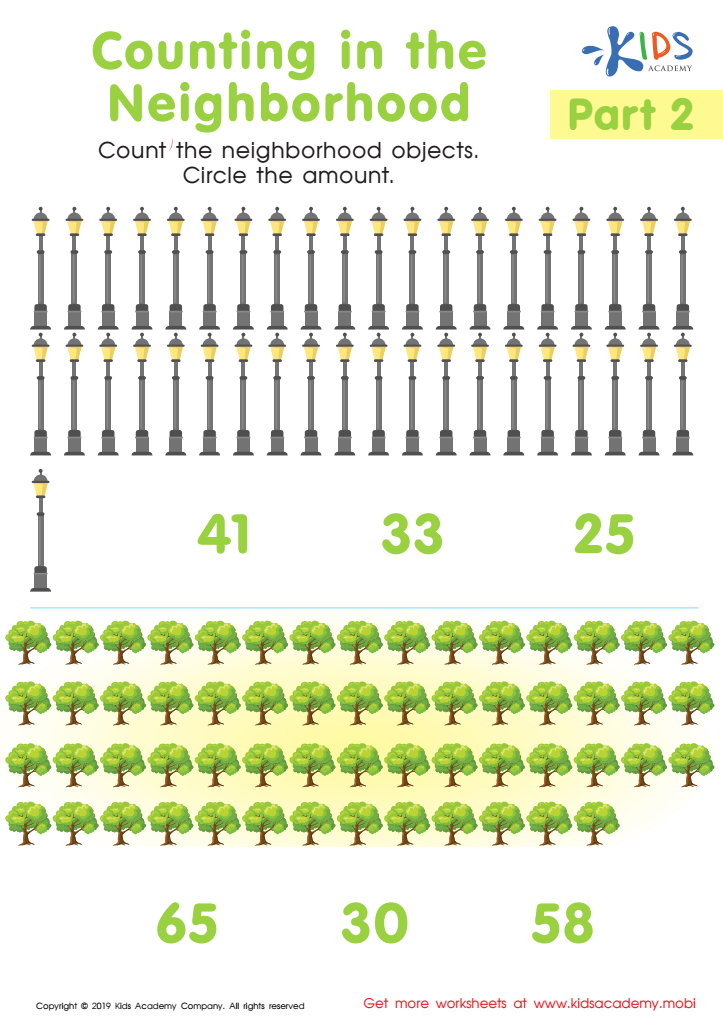
Counting In The Neighborhood Part 2 Worksheet
 Assign to My Students
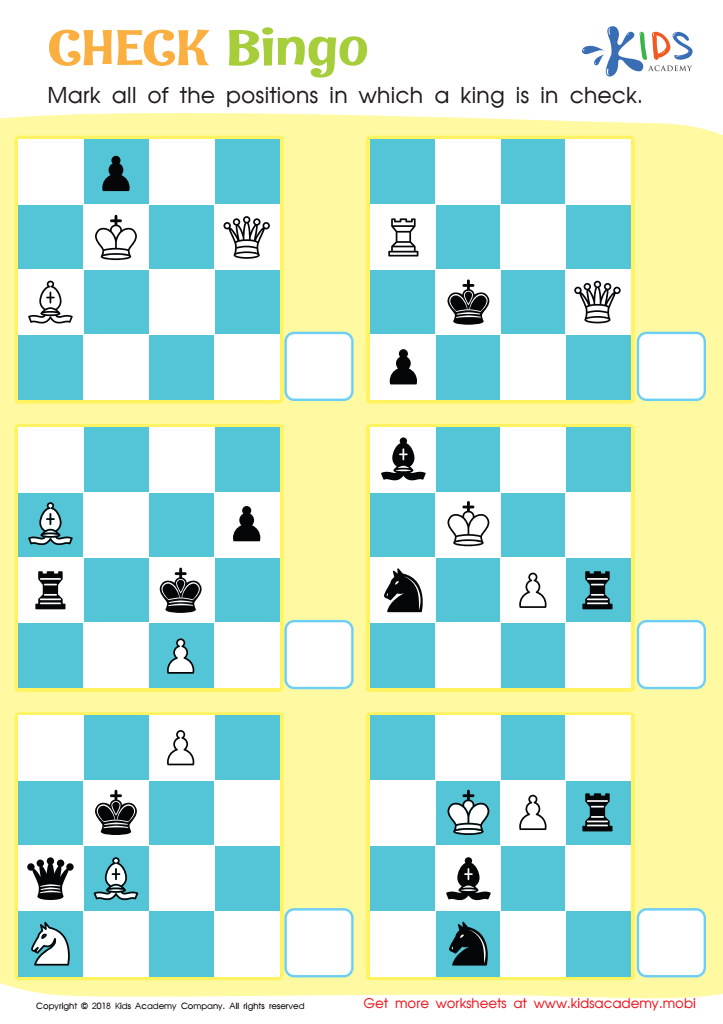
Check Bingo Worksheet
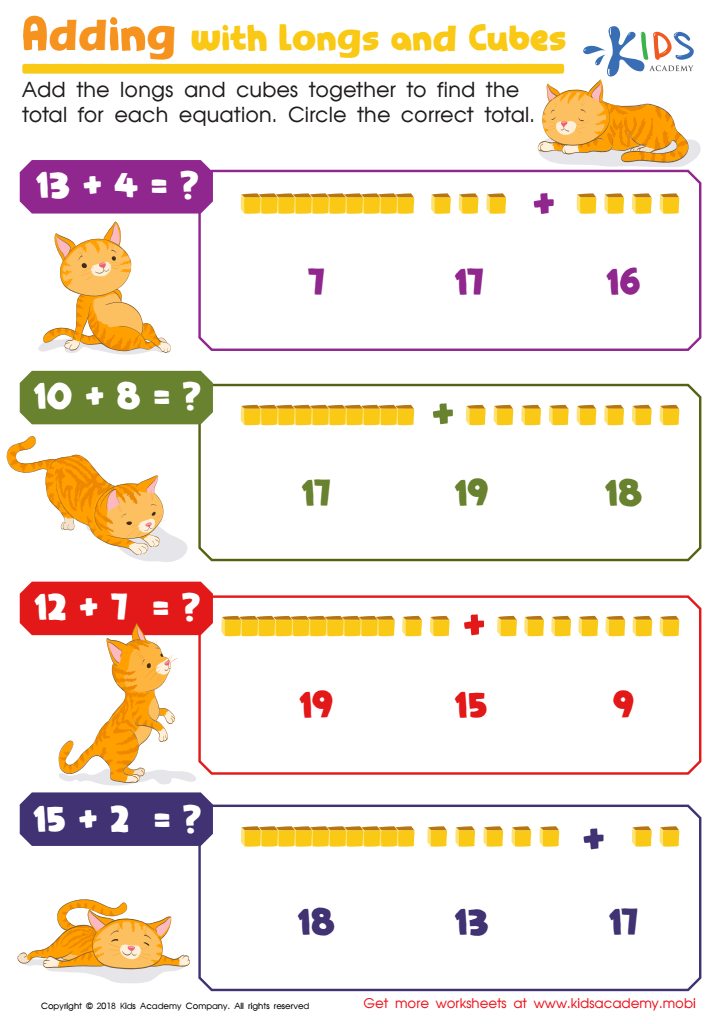
Adding With Longs and Cubes Worksheet
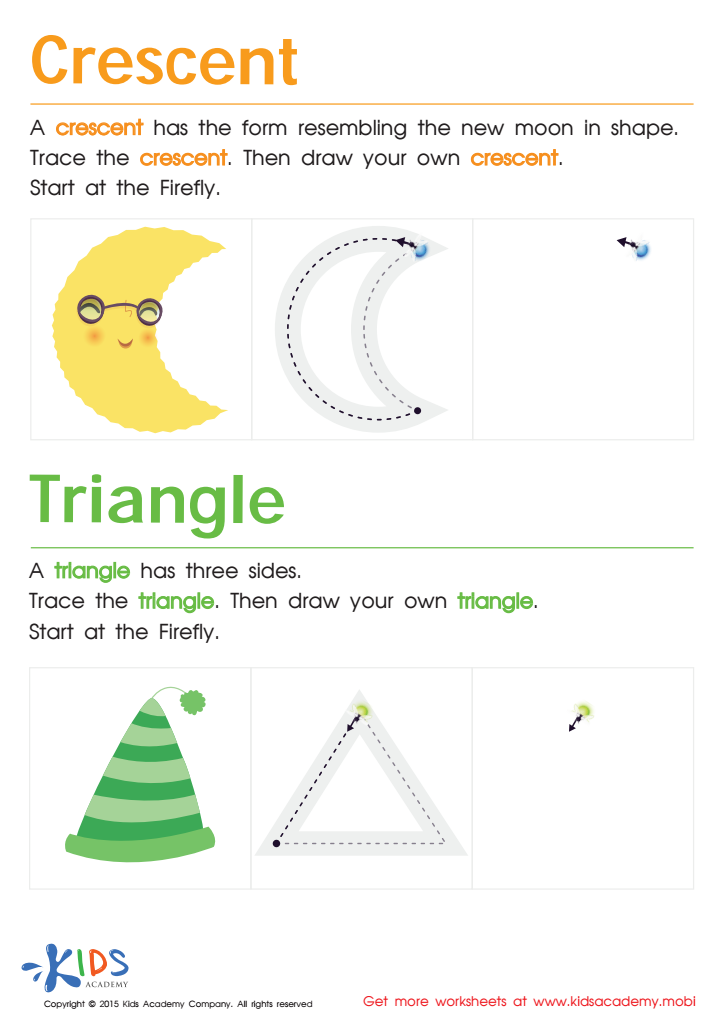
Learning to Draw Crescents And Triangles Worksheet
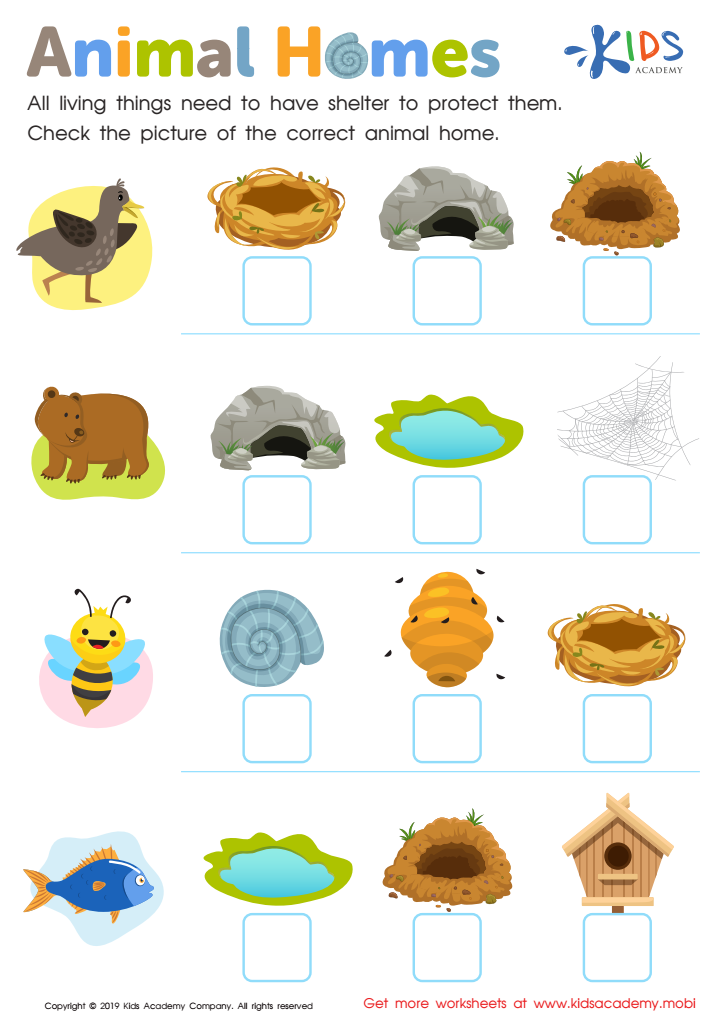
Animal Homes Worksheet
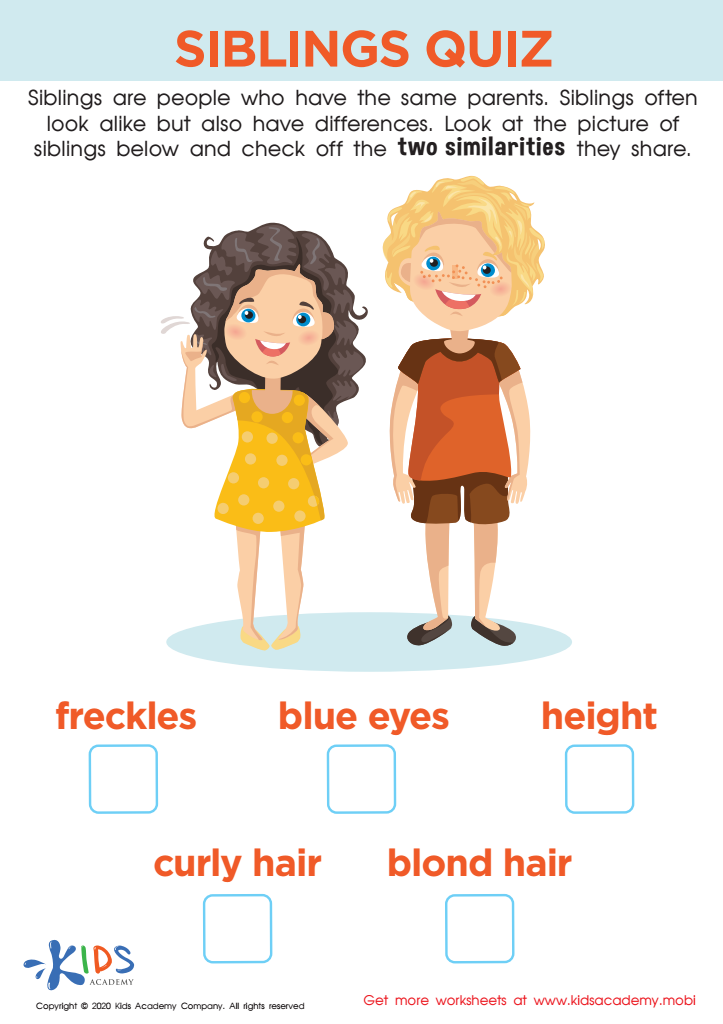
Siblings Quiz Worksheet
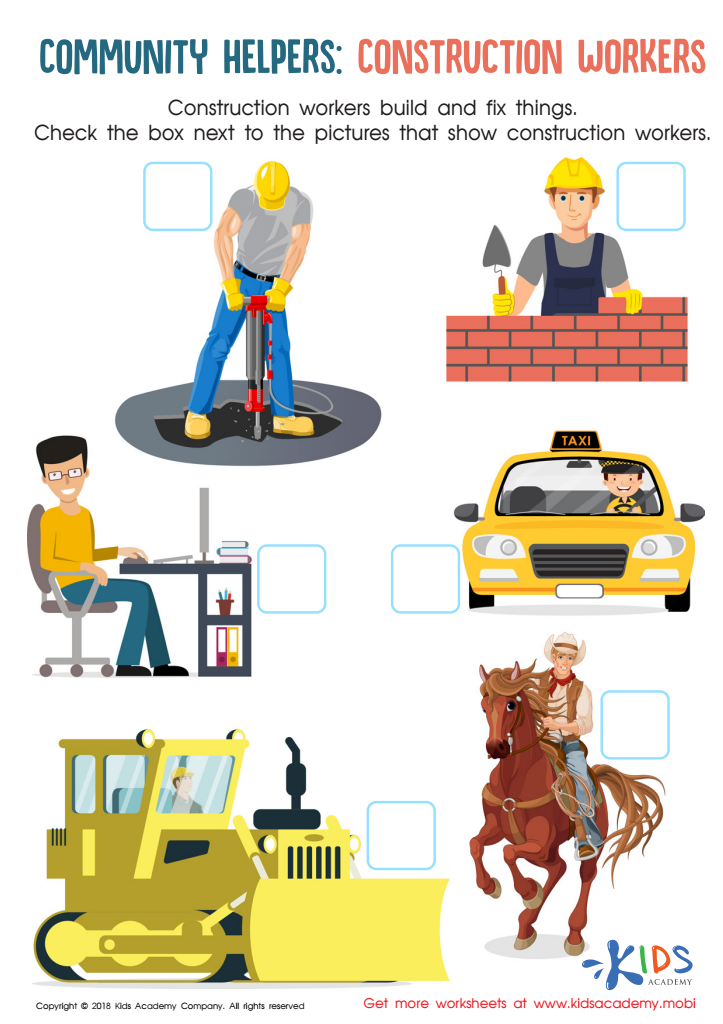
Construction Workers Community Helpers Worksheet
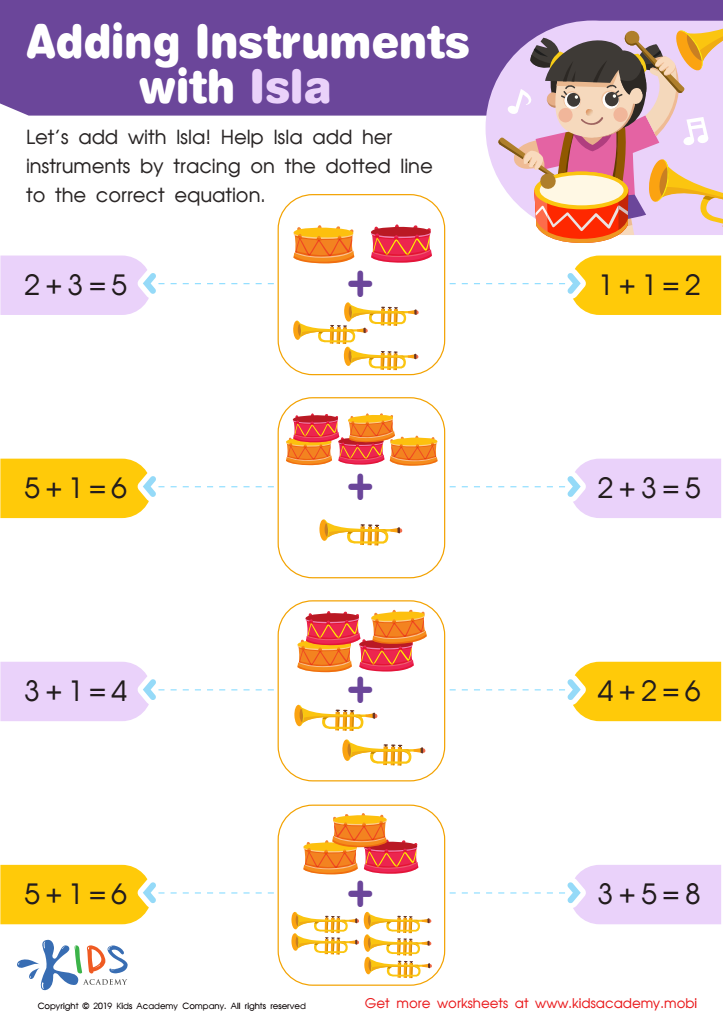
Adding Instruments with Isla Worksheet







Visual perception is crucial for children’s development, especially in the early years, as it directly impacts their ability to learn, process, and interact with their environment. For ages 6-7, visual perception encompasses skills such as recognizing shapes, letters, numbers, patterns, spatial relationships, and distinguishing differences in objects which are foundational for reading, writing, and math.
When a child has strong visual perception skills, they can easily interpret and respond to visual information, improving their academic readiness and overall school performance. For example, recognizing letter shapes is essential for reading and understanding geometry basics for math.
Moreover, visual perception is vital for daily activities and coordination. Improved visual perception enhances a child’s ability to perform tasks like buttoning a shirt, tying shoelaces, or even playing sports, contributing to their confidence and independence.
Parents and teachers, by focusing on activities and interventions that improve a child’s visual perception, help in creating a supportive learning environment. Activities like puzzles, matching games, drawing, and reading can significantly enhance these abilities.
Early identification and improvement in visual perception can prevent future academic difficulties, making it essential to address and encourage visual perceptual development at this pivotal stage. The benefits are holistic, fostering both intellectual growth and practical life skills.








