Fine Motor Skills Normal Math Worksheets for Ages 6-7 - Page 2
36 filtered results
-
From - To
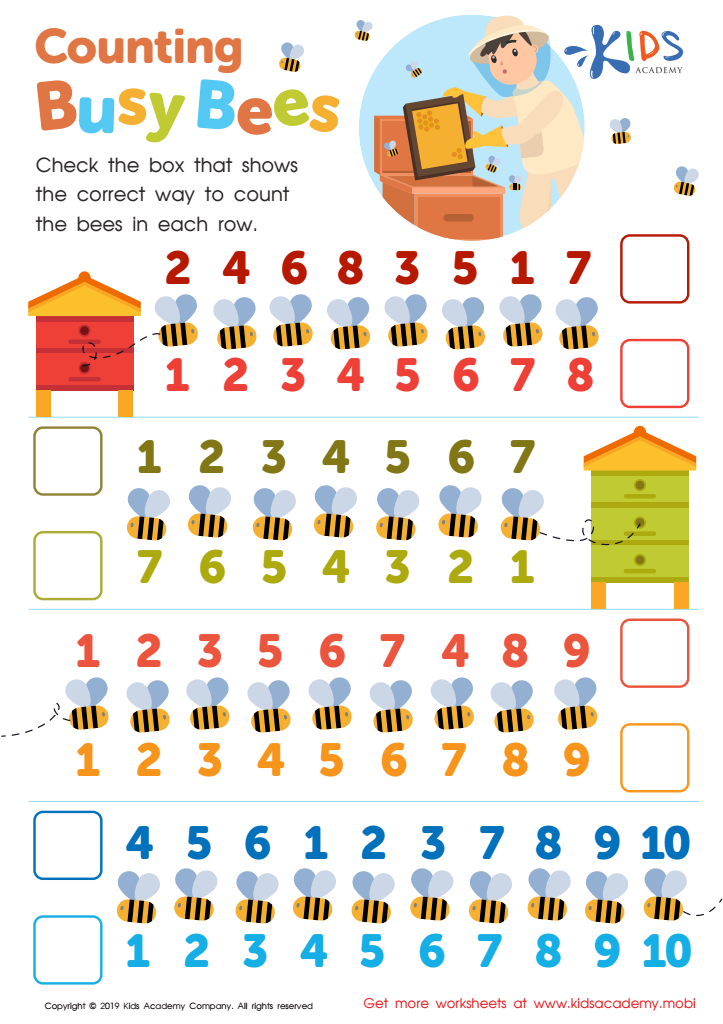
Counting Busy Bees Worksheet
 Assign to My Students
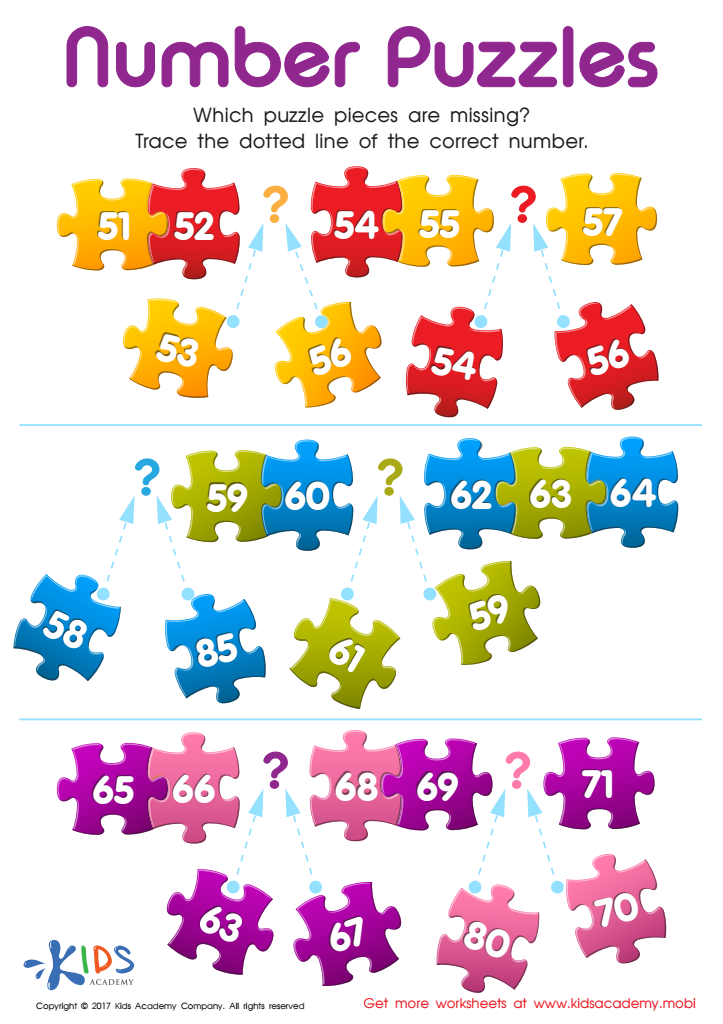
Number Puzzles Worksheet
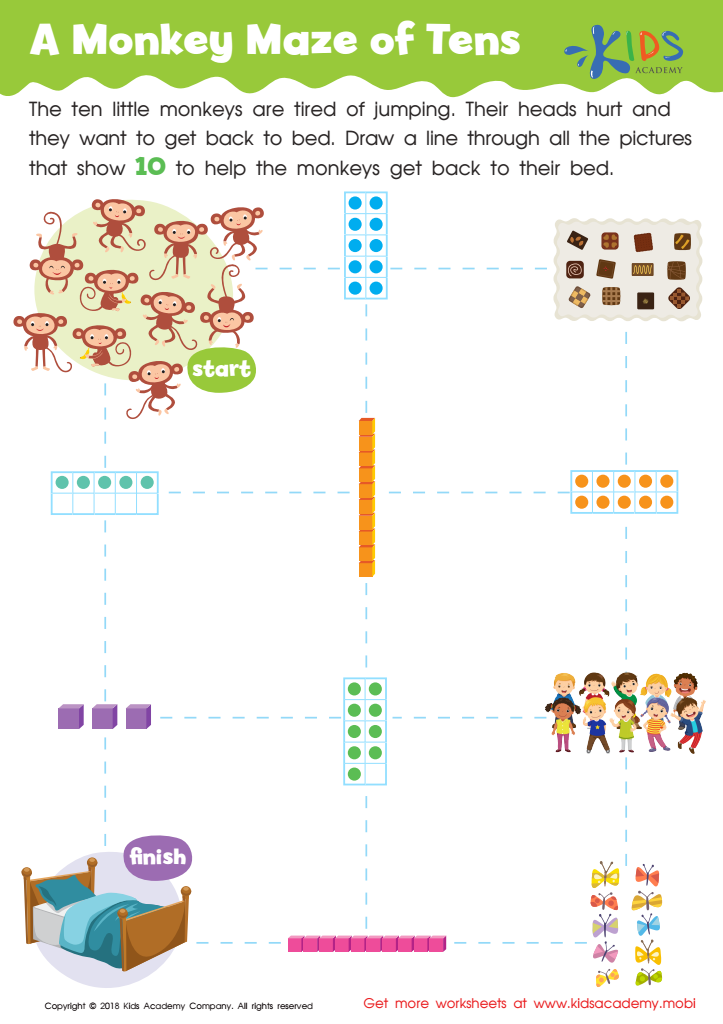
A Monkey Maze of Tens Worksheet
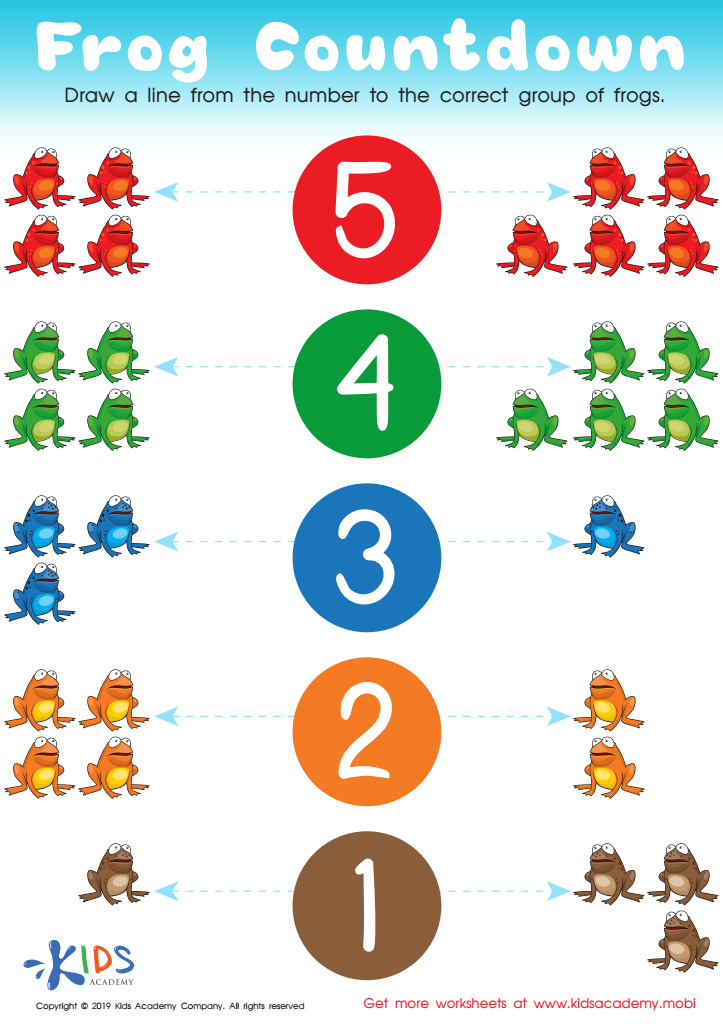
Frog Countdown Worksheet
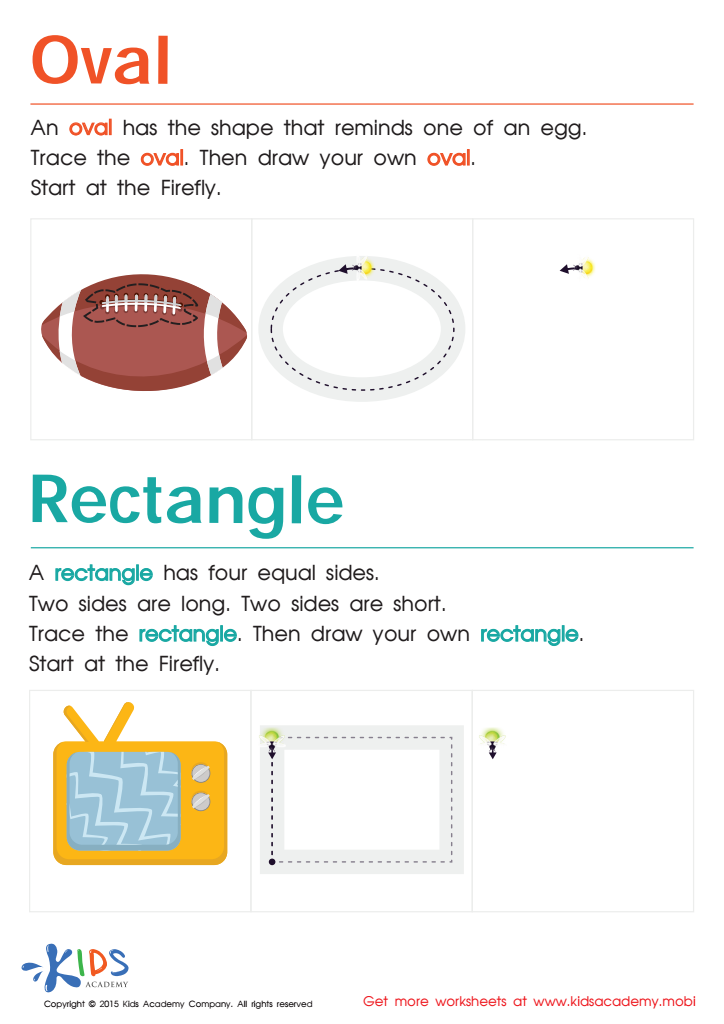
Easy Drawing of Ovals And Rectangles Worksheet
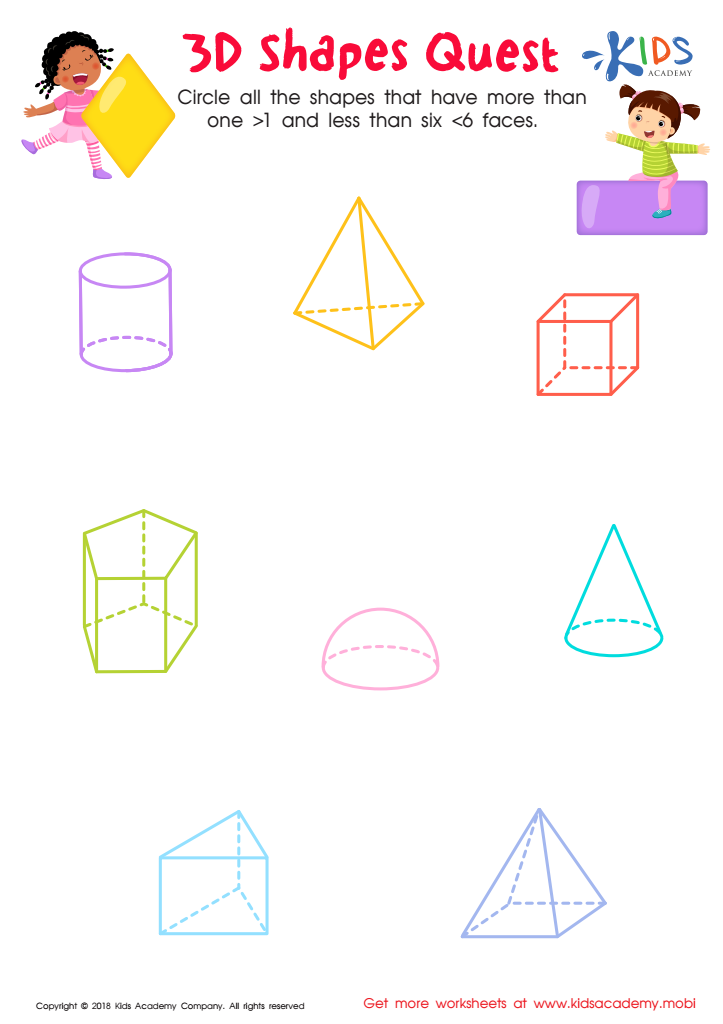
3D Shapes Quest Worksheet
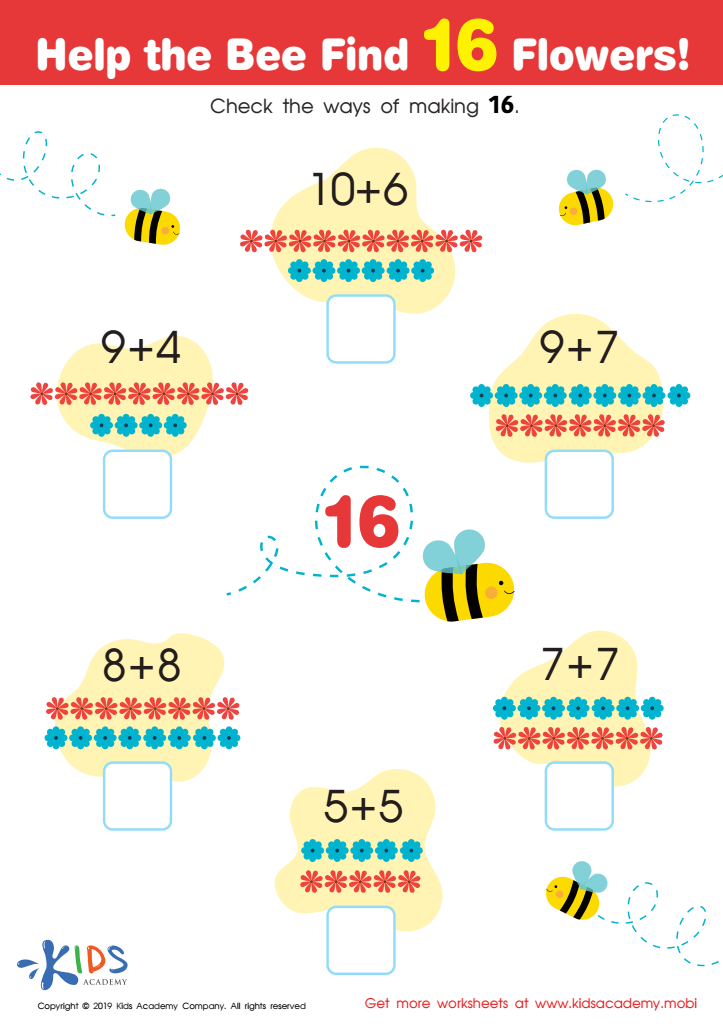
Help the Bee Find 16 Flowers Worksheet
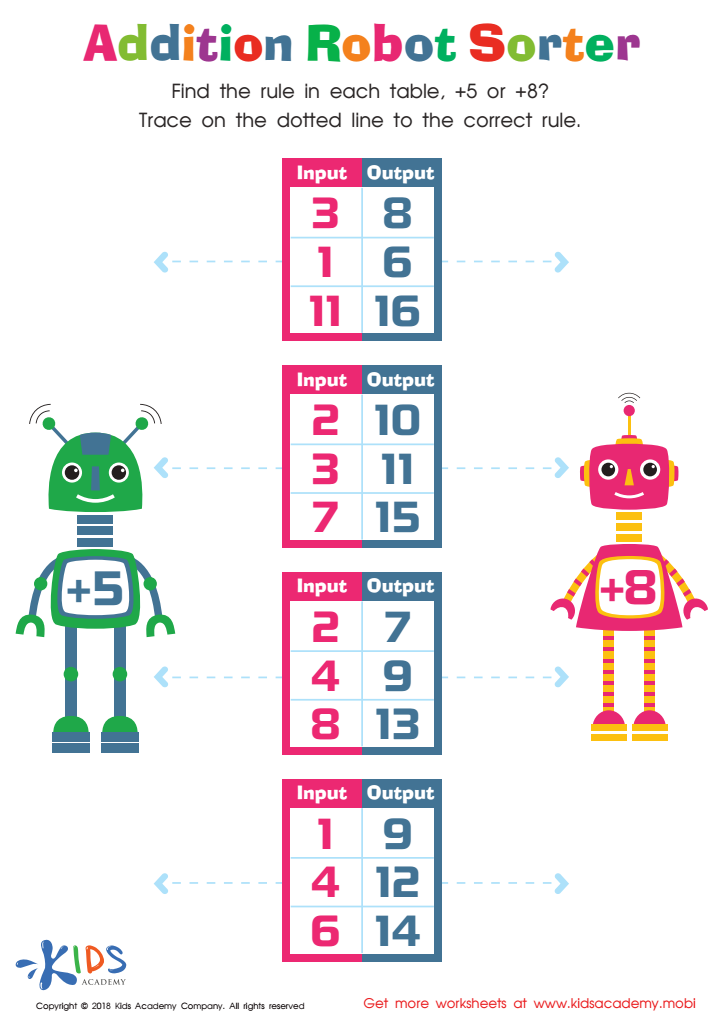
Addition Robot Sorter Worksheet
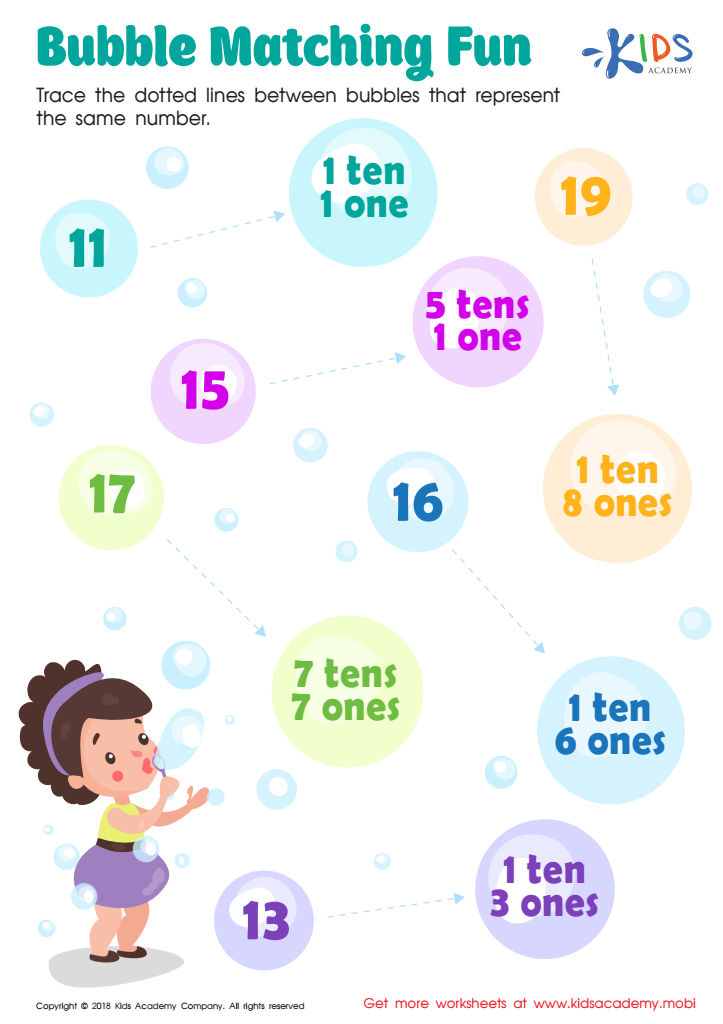
Bubble Matching Fun Worksheet
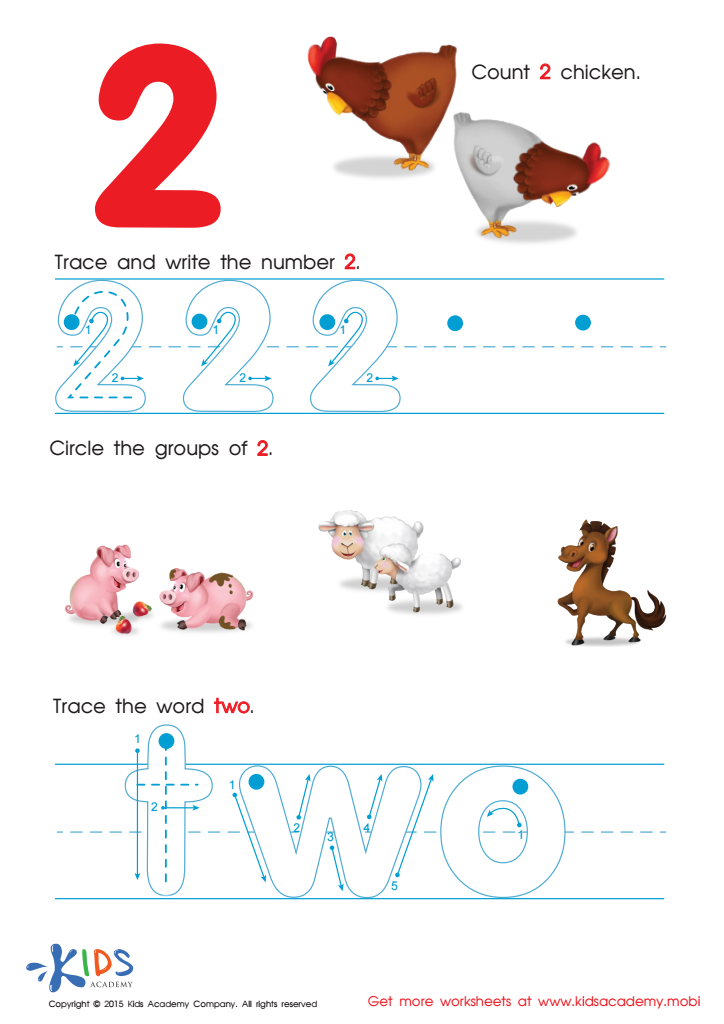
Learn to Write the Number 2 Worksheet
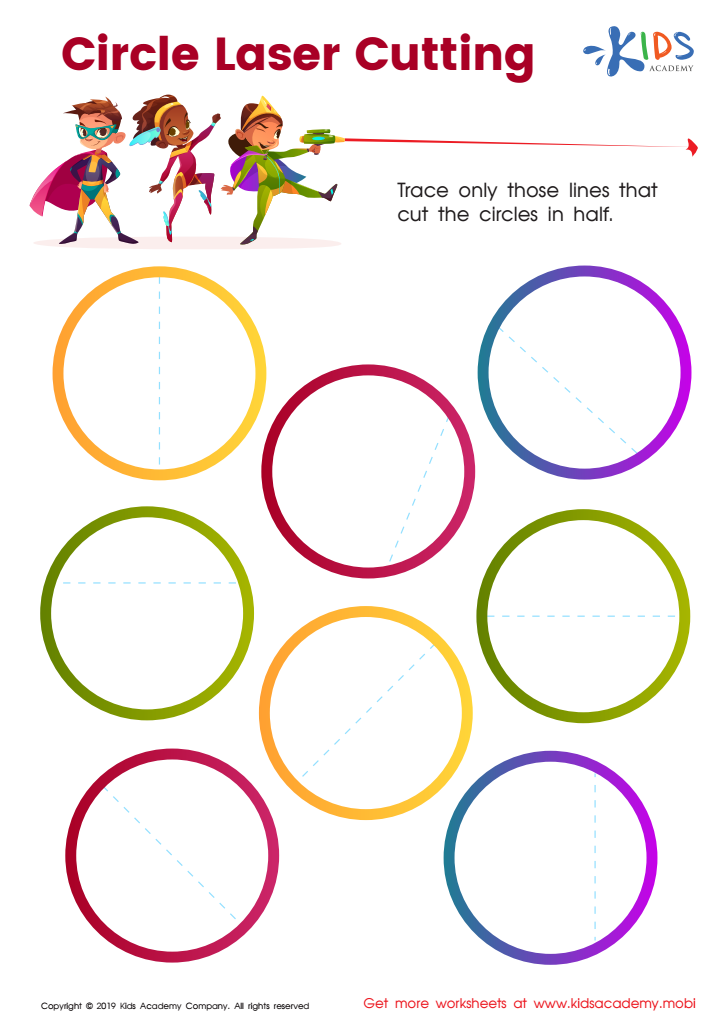
Circle Laser Cutting Worksheet
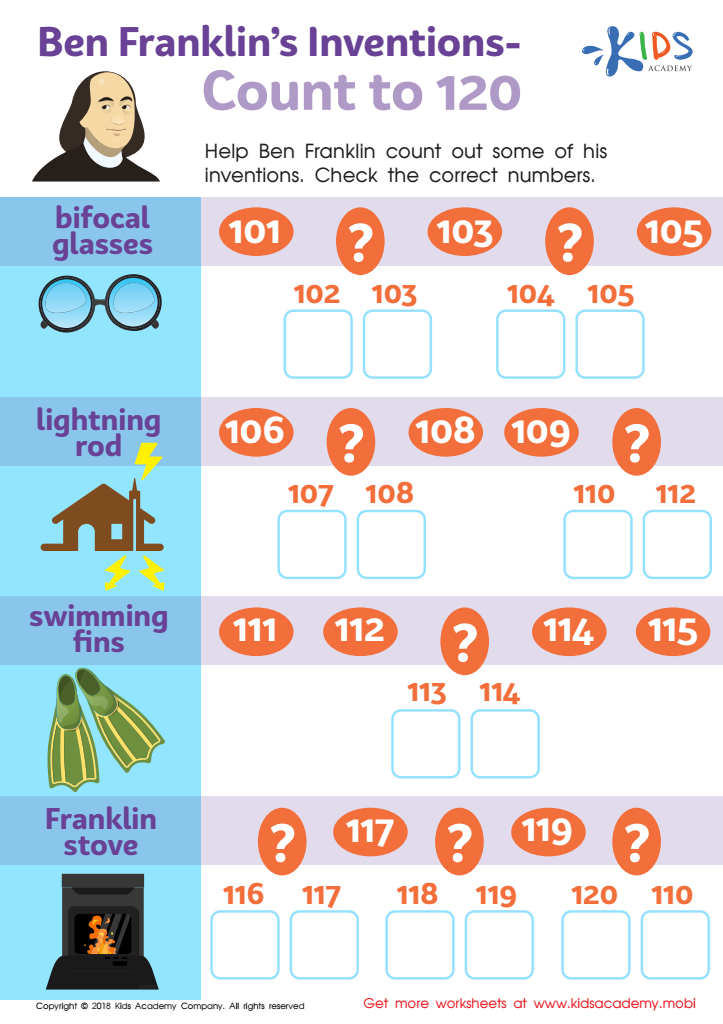
Ben Franklin’s Inventions – Count to 120 Worksheet


.jpg)




Fine motor skills are essential for children aged 6-7 as they lay the foundation for various everyday tasks and academic activities, including math. During this developmental stage, children are refining their hand-eye coordination, dexterity, and precision, which are critical when manipulating numbers, using writing tools, and handling math-related tasks.
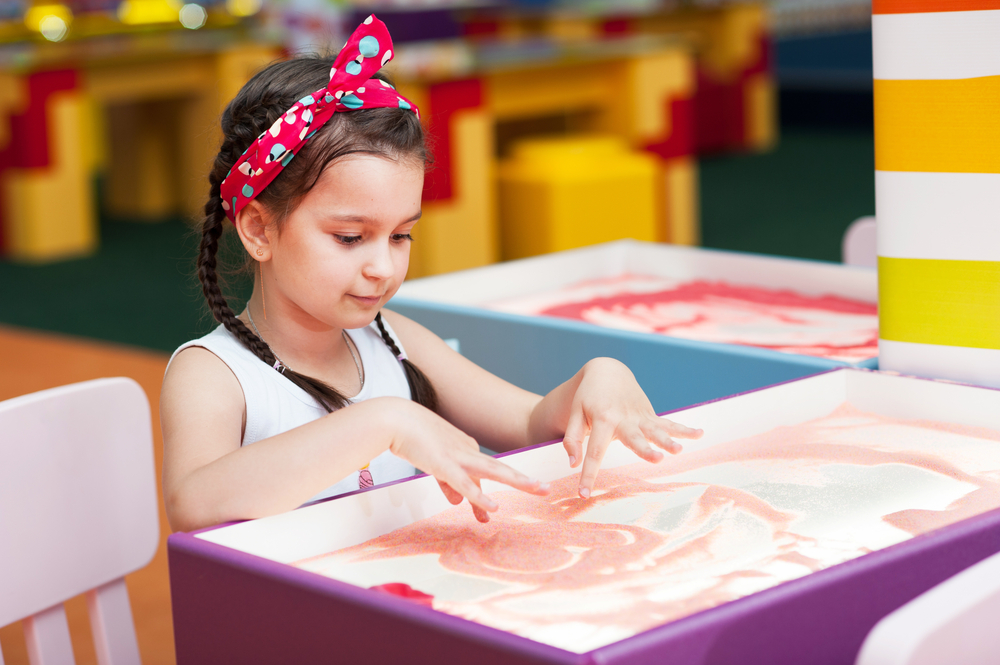
When children engage in hands-on math activities, such as using counters, drawing shapes, or measuring objects, they not only enhance their understanding of mathematical concepts but also practice their fine motor skills. This integration helps improve their ability to grasp a pencil, cut shapes, and organize materials—necessary skills for successful math learning and exploration.
Moreover, strong fine motor skills contribute to improved concentration and attention, essential qualities for effective learning. When children have confidence in their motor abilities, they are more likely to participate in activities and experiments involving math, fostering a positive attitude toward the subject.
In conclusion, parents and teachers should prioritize fine motor skill development in the early stages of schooling. By doing so, they equip children with the necessary tools to navigate math more efficiently and enjoyably, ultimately supporting their overall educational journey.








