Normal Letter Recognition Worksheets for Ages 6-8 - Page 3
83 filtered results
-
From - To
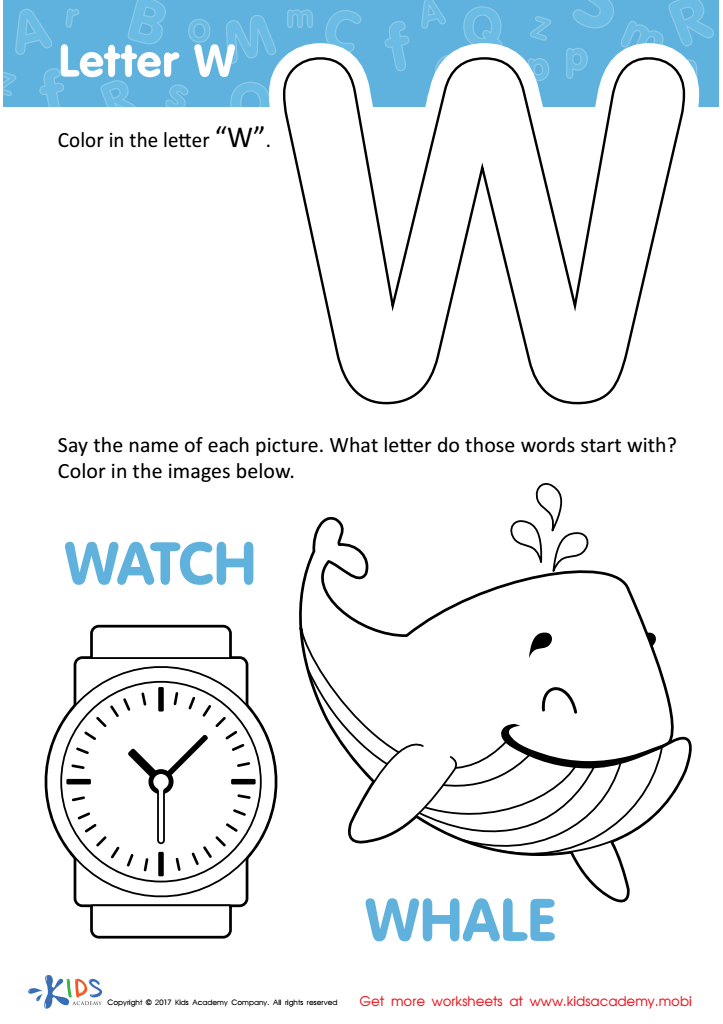
Letter W Coloring Sheet
 Assign to My Students
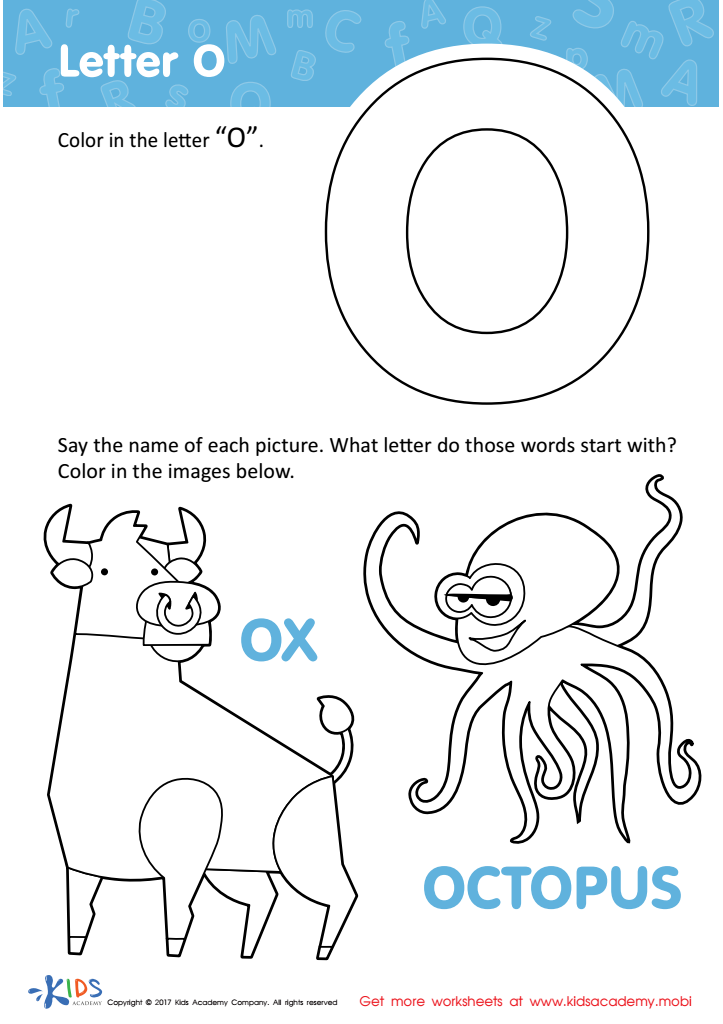
Letter O Coloring Sheet
Assign to My Students
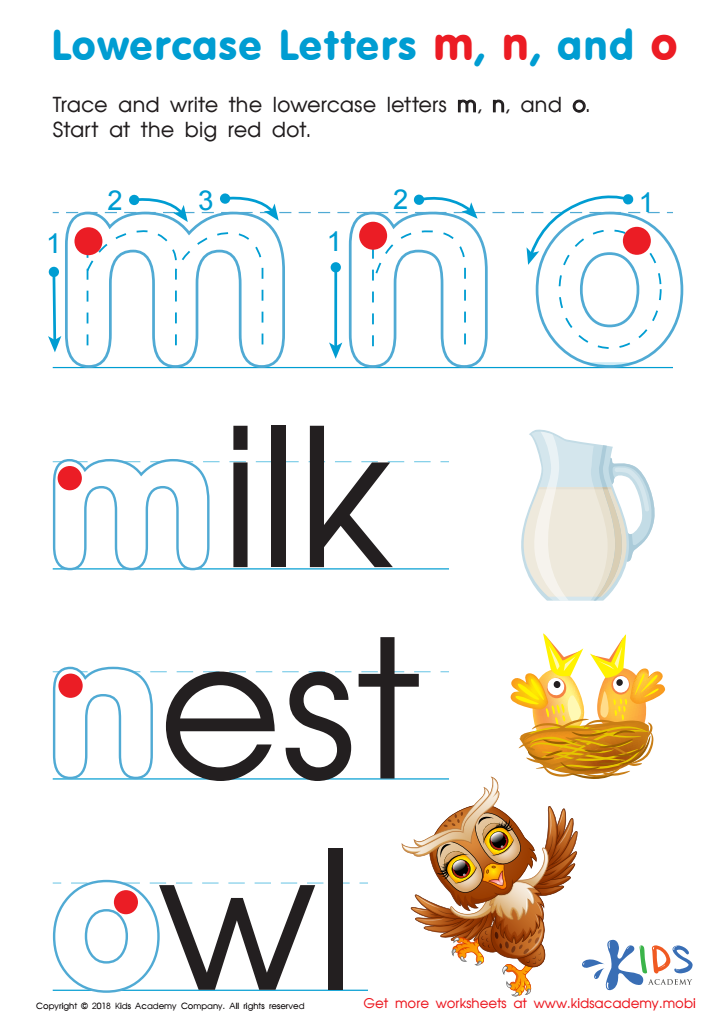
Lowercase Letters m n o Worksheet
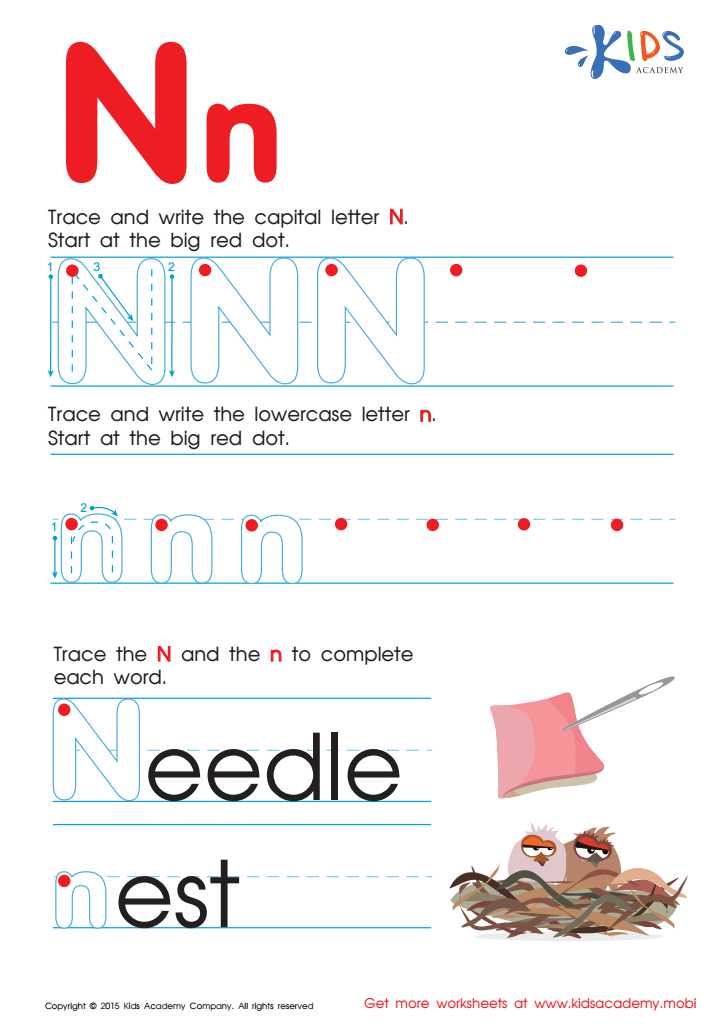
Letter N Tracing Page
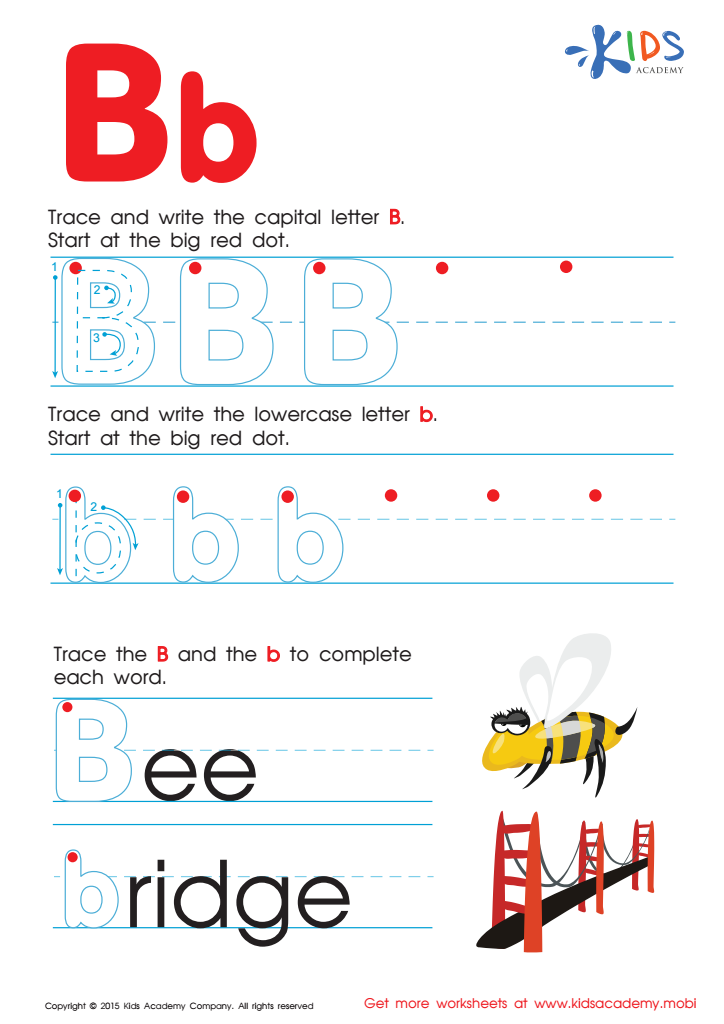
Letter B Tracing Page
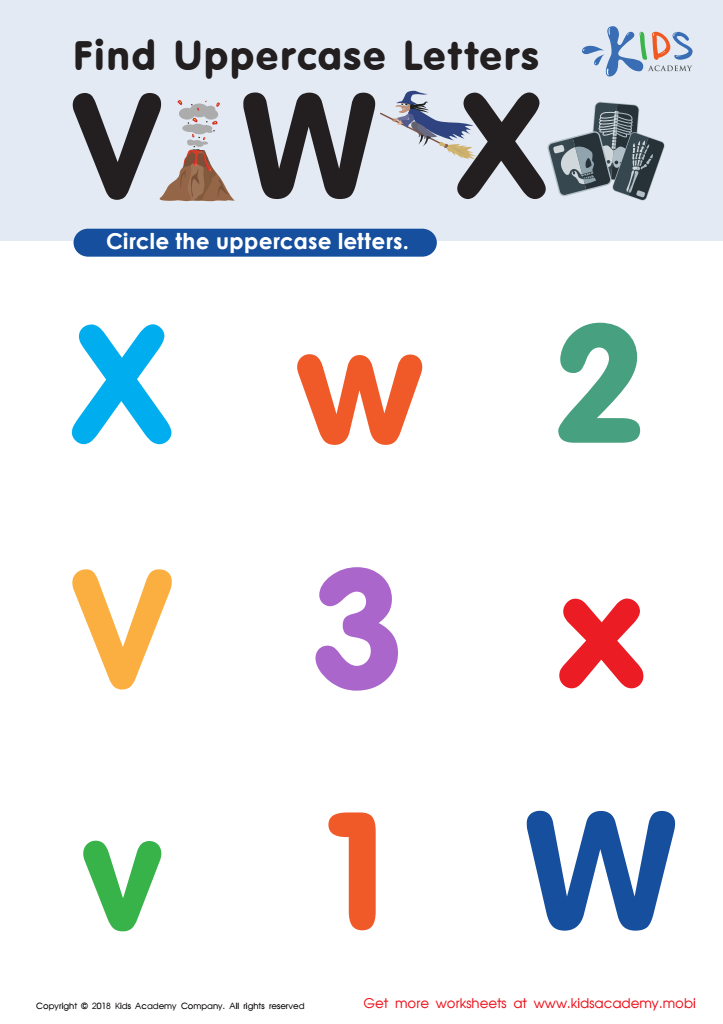
Find Uppercase Letters V, W, X Worksheet
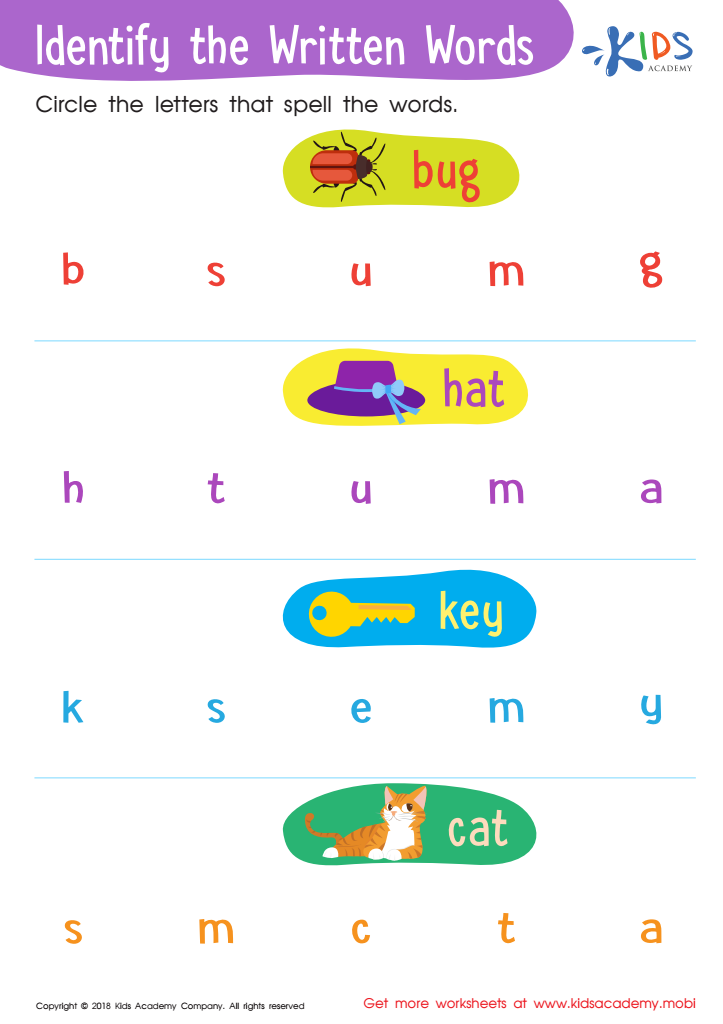
Identify the Written Words Worksheet
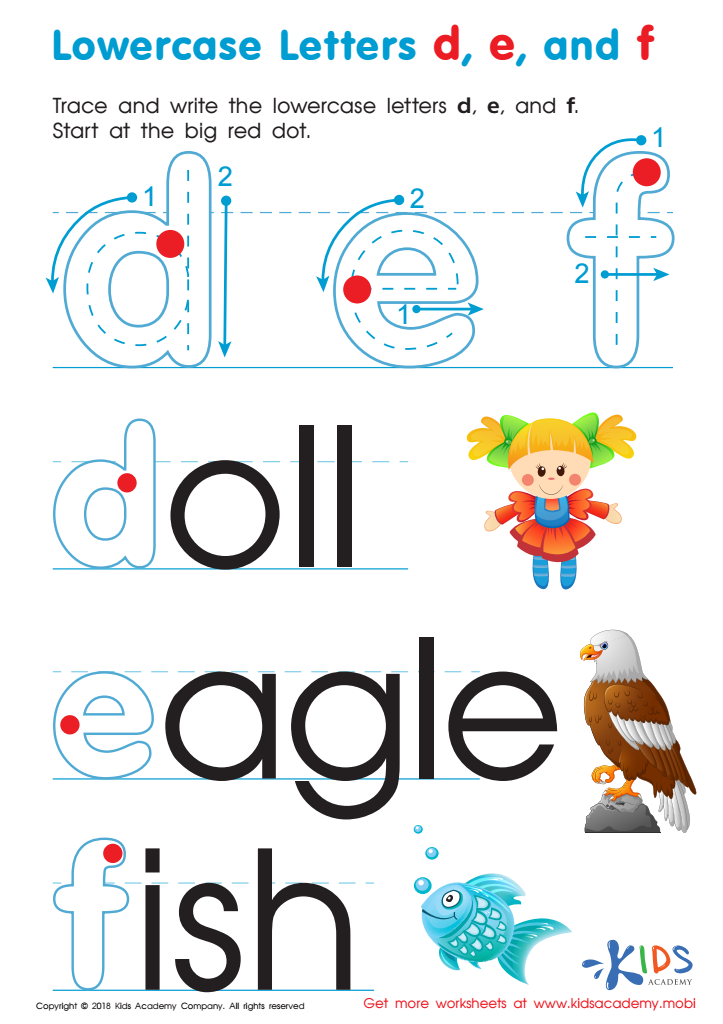
Lowercase Letters d e f Worksheet
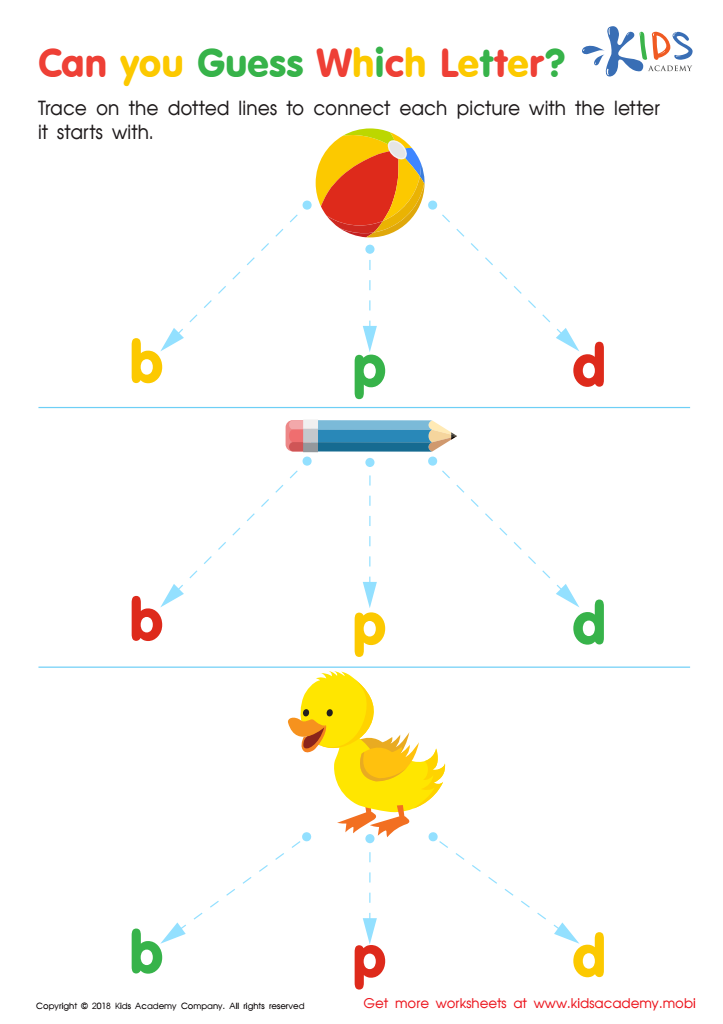
Can you Guess Which Letter? Worksheet
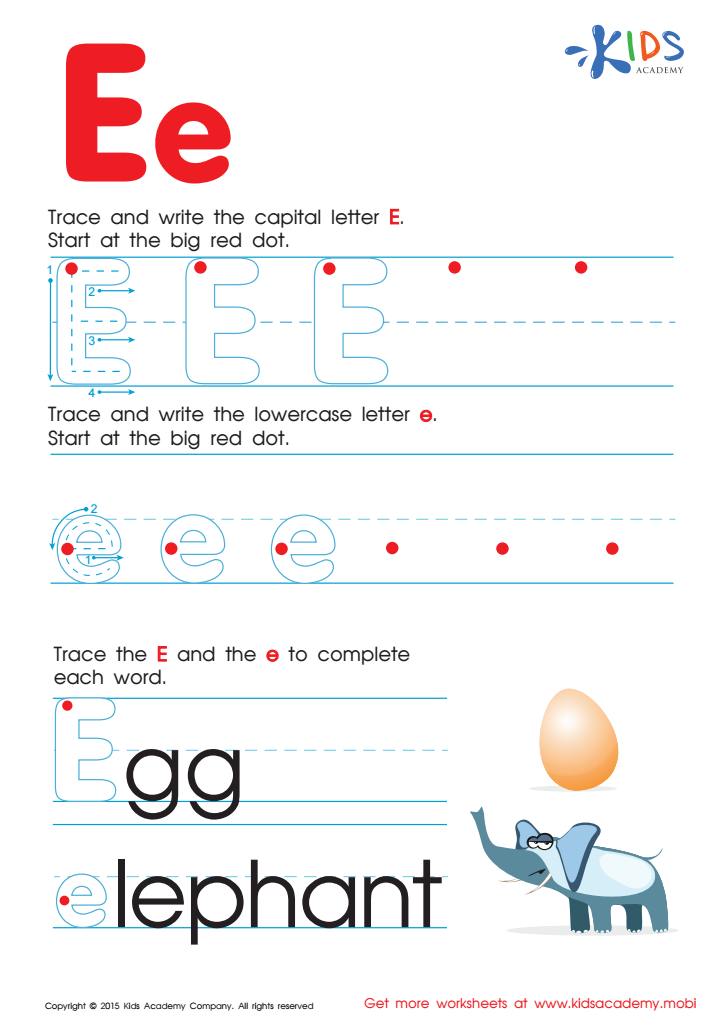
Letter E Tracing Page
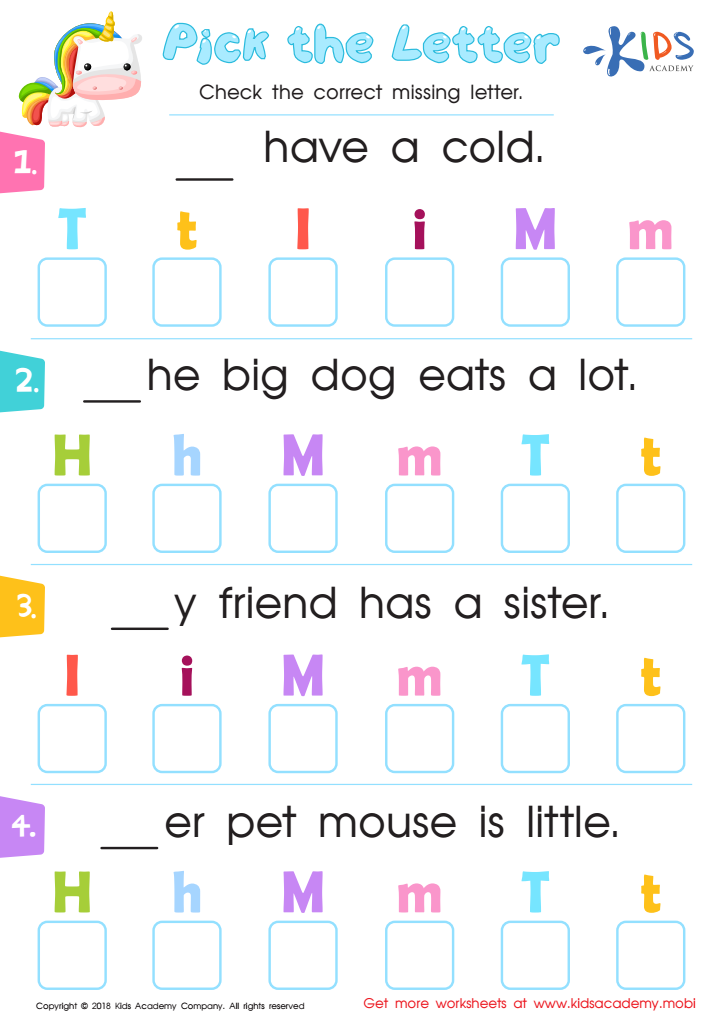
Pick the Letter Worksheet
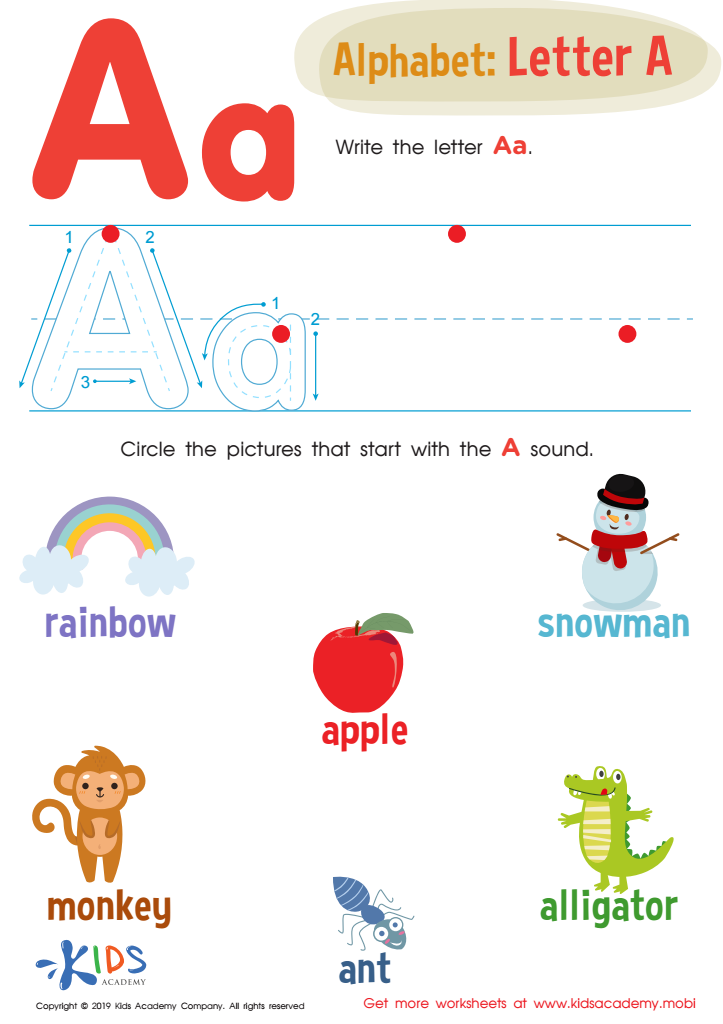
Letter A Tracing Worksheet
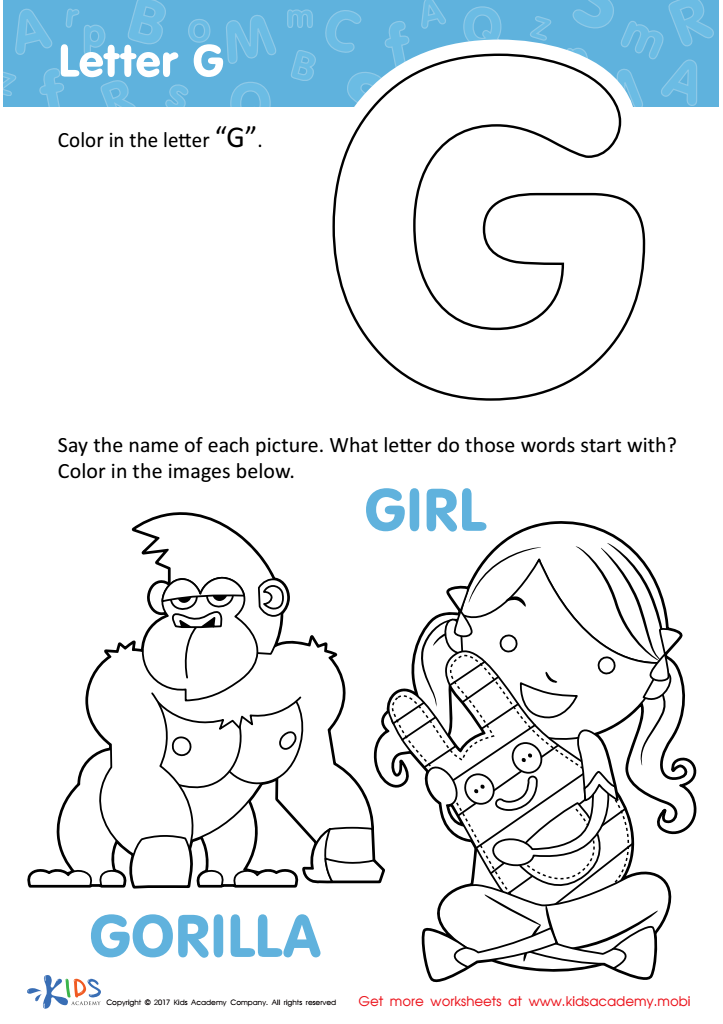
Letter G Coloring Sheet
Assign to My Students
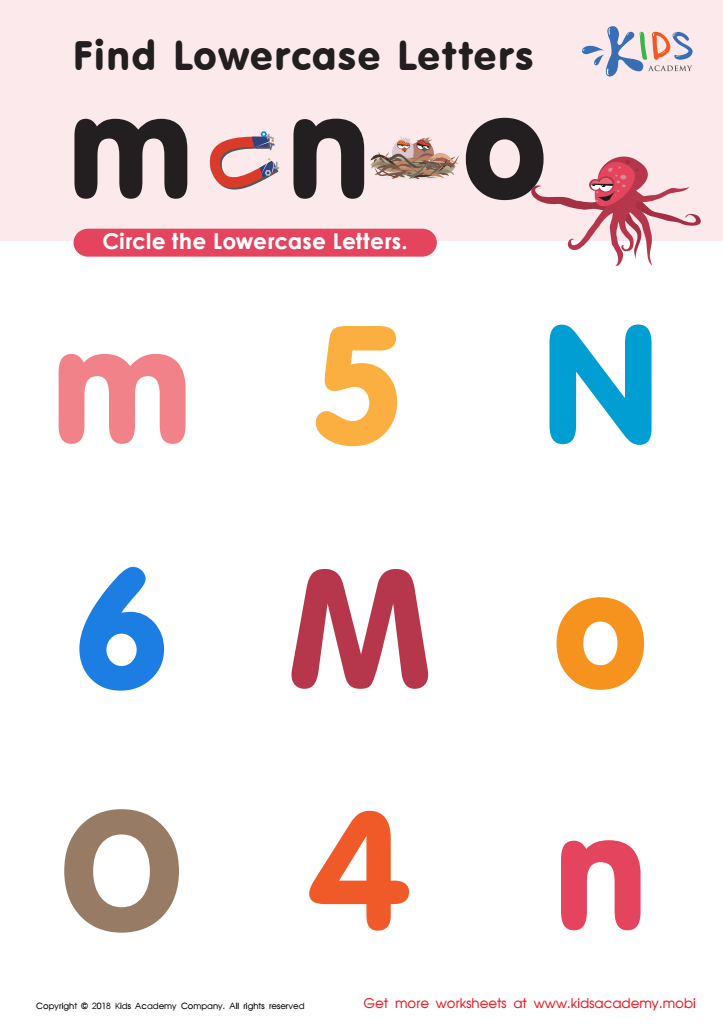
Find Lowercase Letters m n o Worksheet
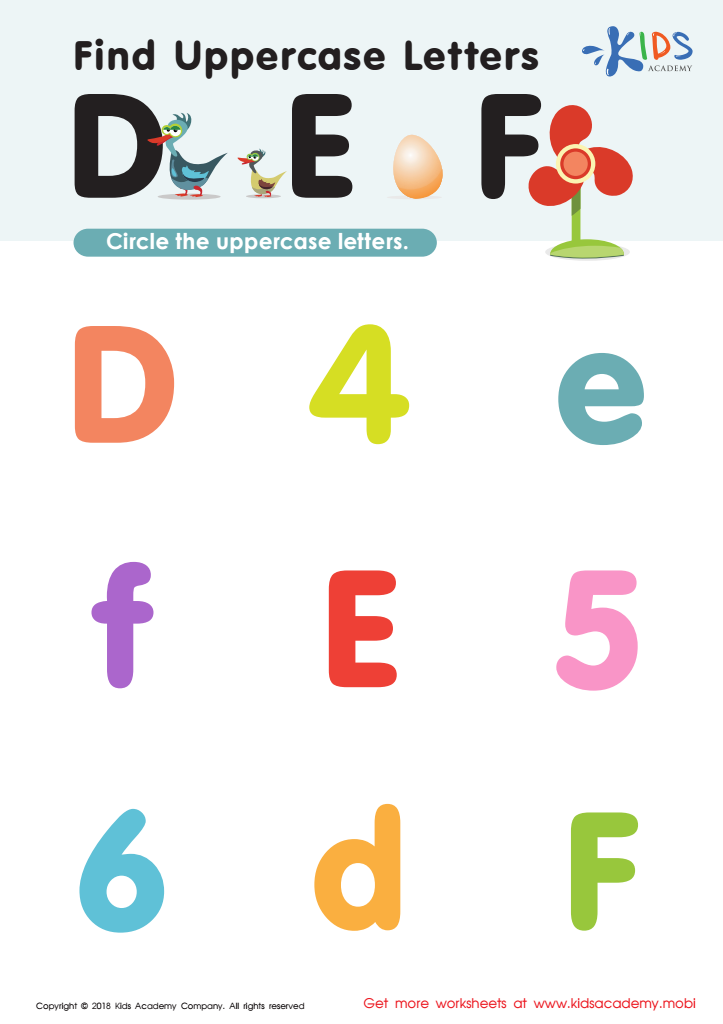
Find Uppercase Letters D, E, and F Worksheet
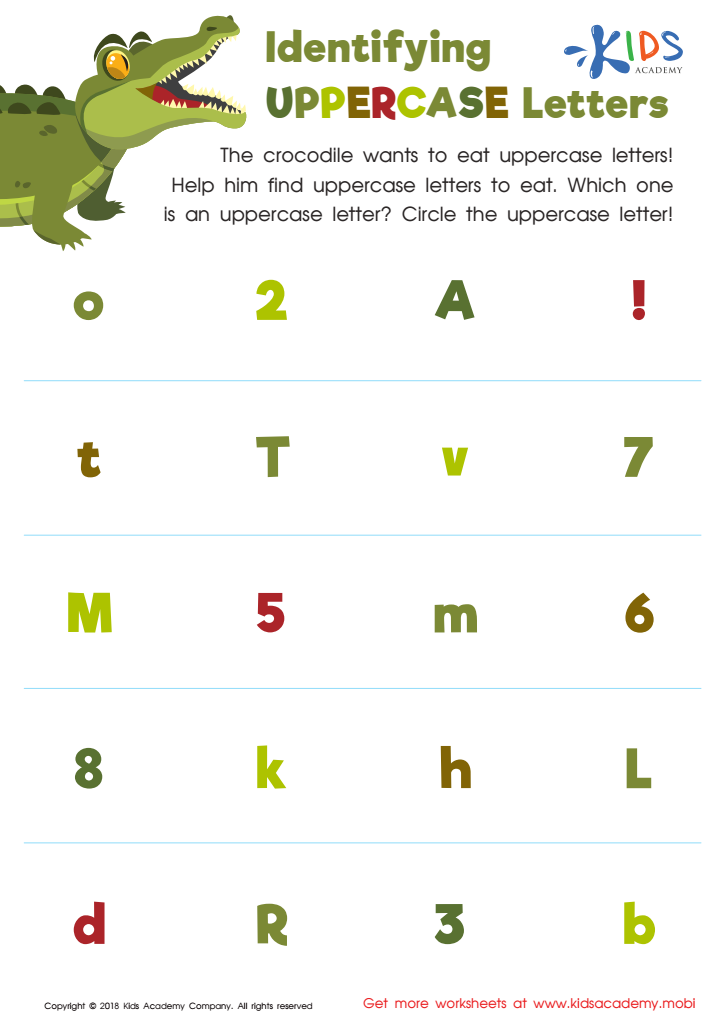
Identifying Uppercase Letters Worksheet
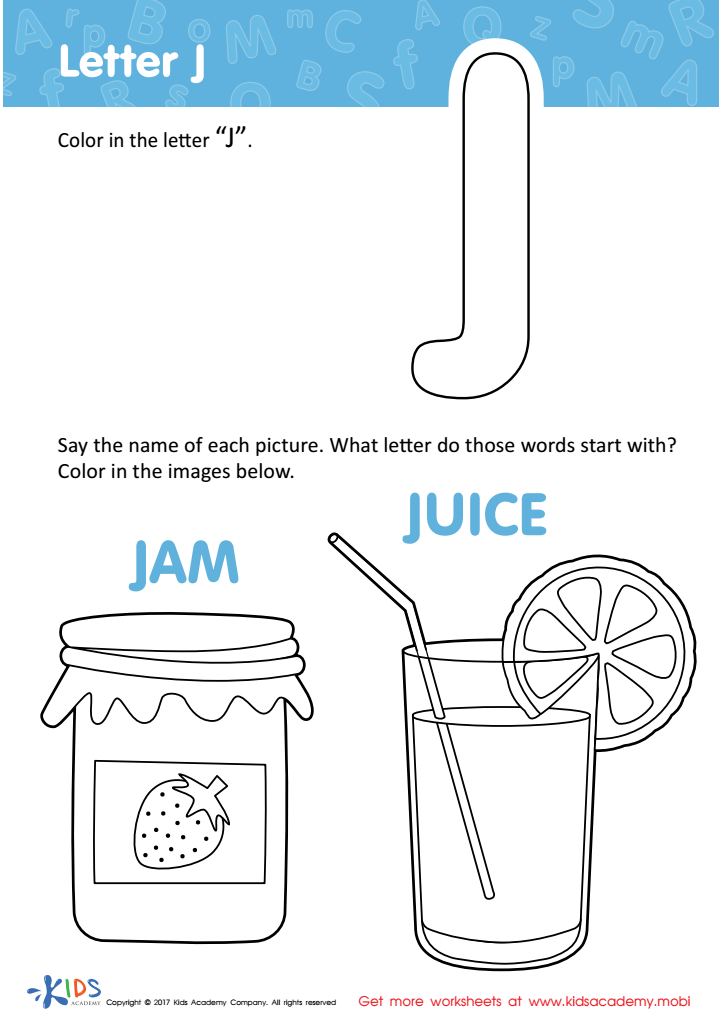
Letter J Coloring Sheet
Assign to My Students
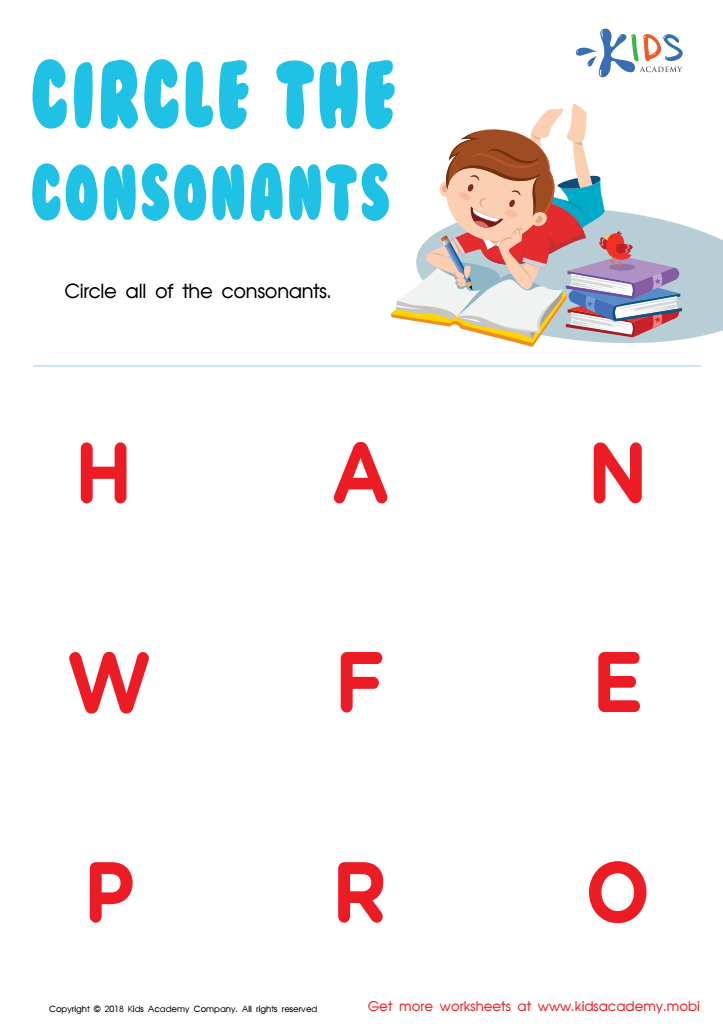
Circle the Consonants Worksheet
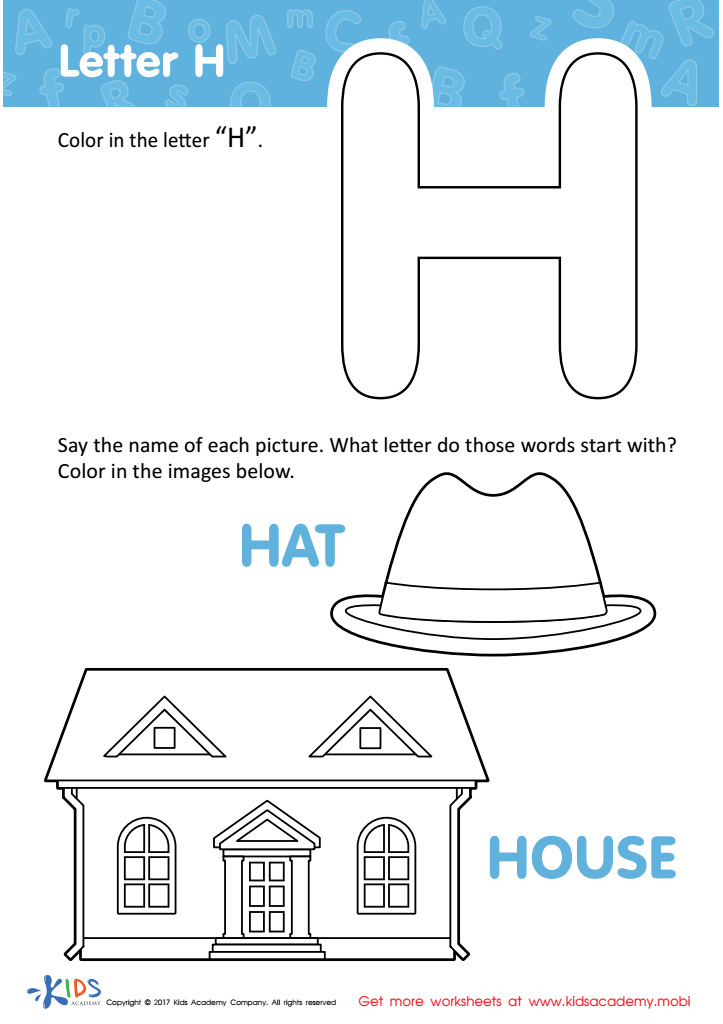
Letter H Coloring Sheet
Assign to My Students
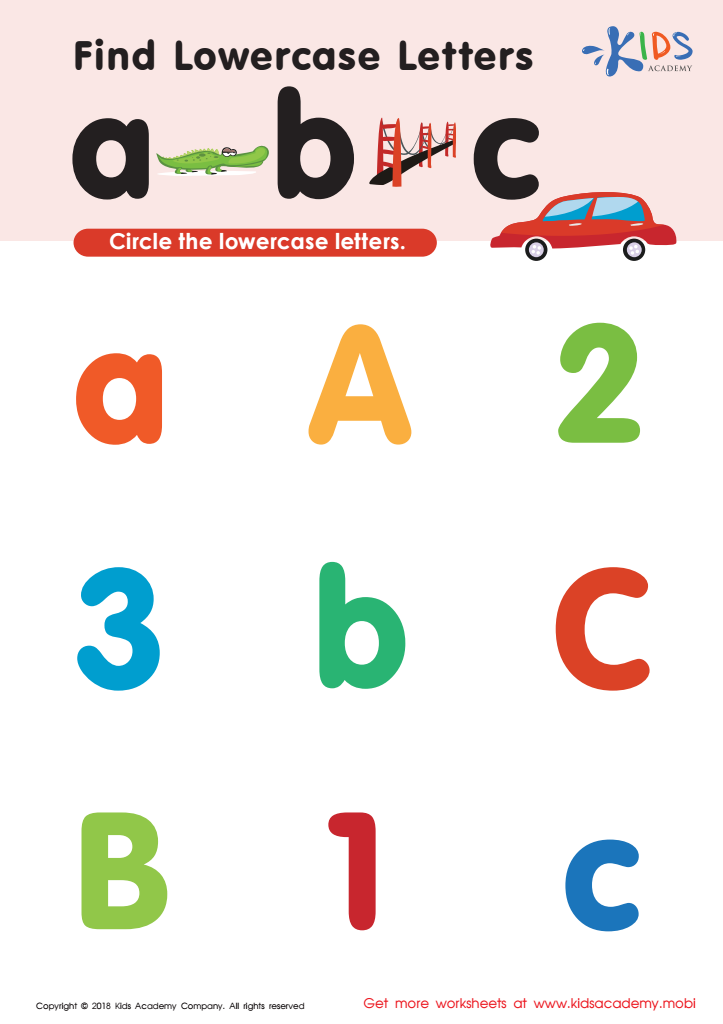
Find lowercase letters a b c Worksheet
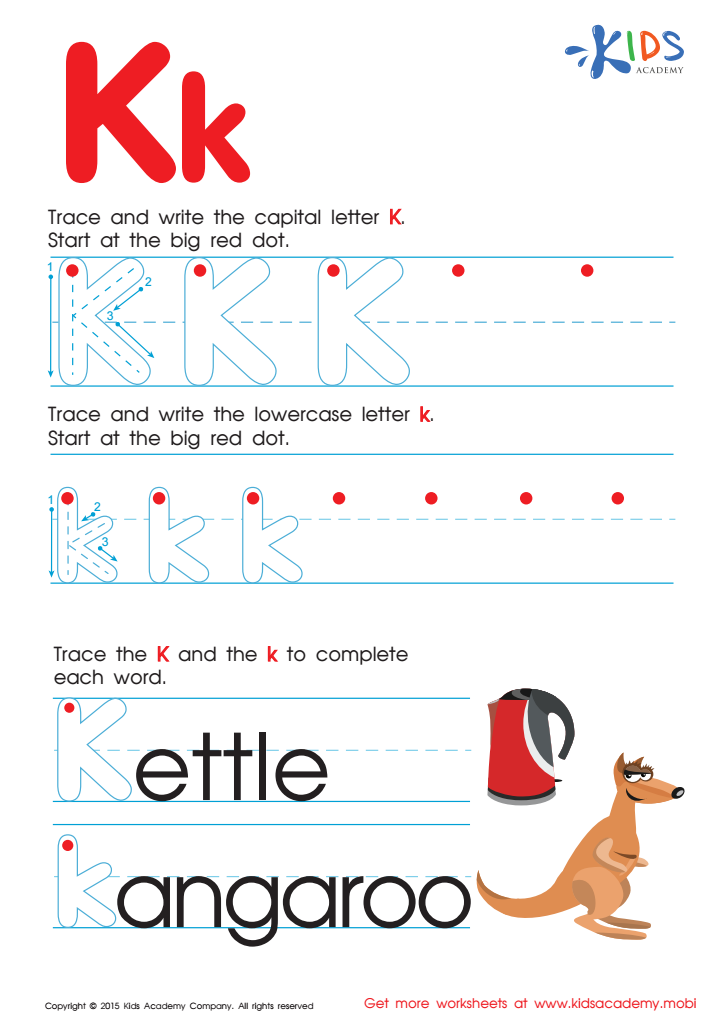
Letter K Tracing Page
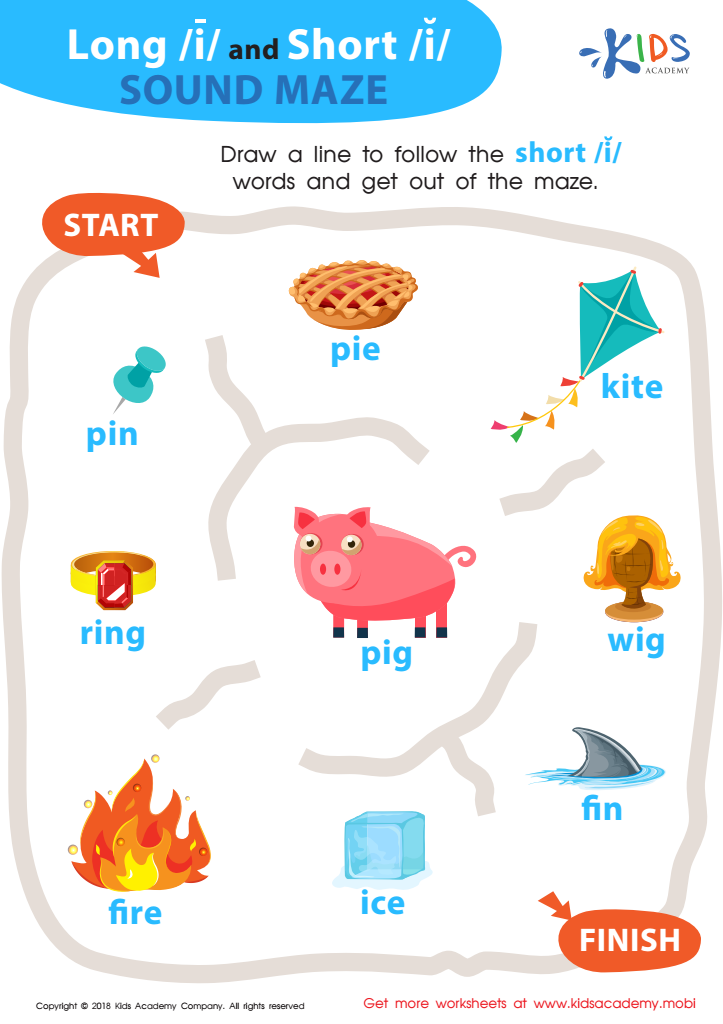
Reading: Long I and Short I Sound Maze Worksheet
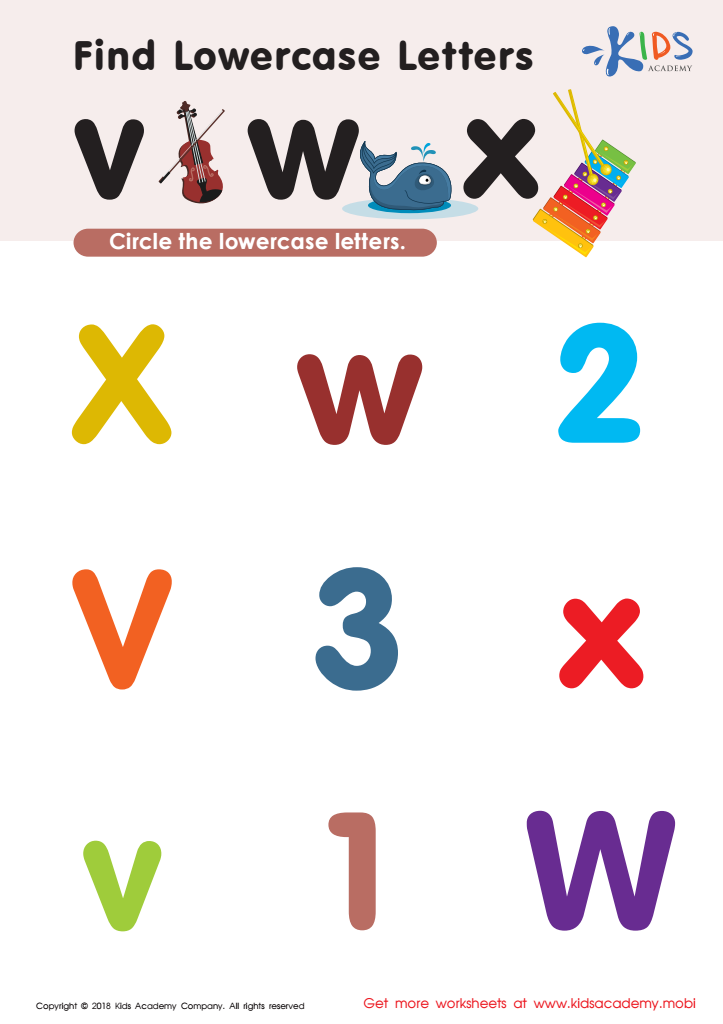
Find Lowercase Letters v w x Worksheet
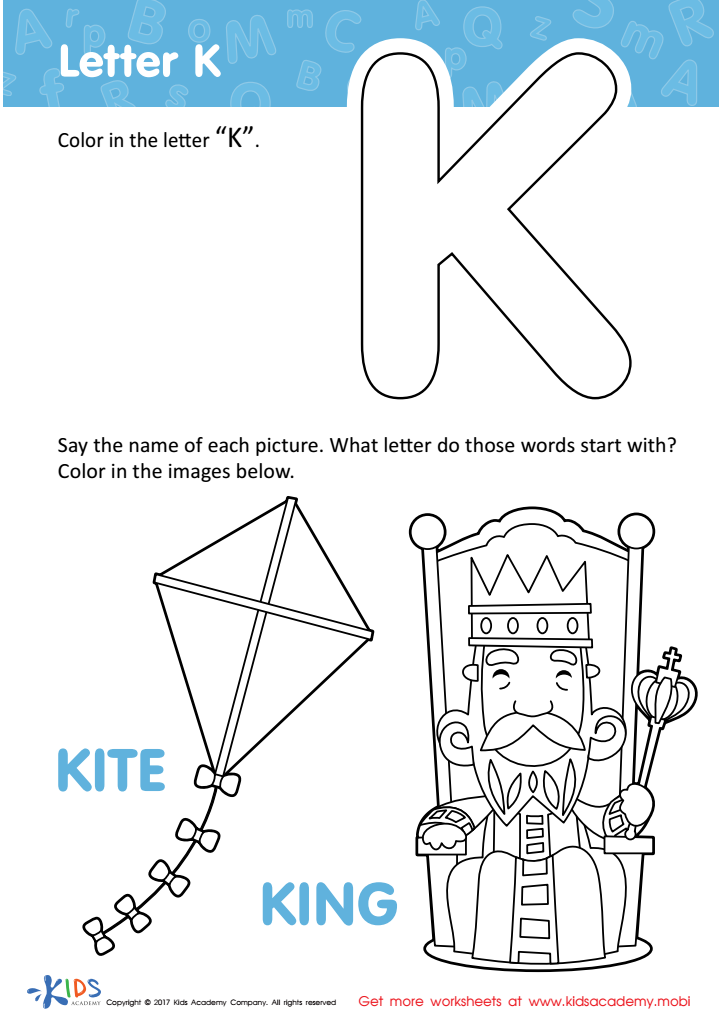
Letter K Coloring Sheet
Assign to My Students








Normal letter recognition among children aged 6-8 is a crucial educational milestone that both parents and teachers should prioritize. During these formative years, children are transitioning from pre-reading to becoming emergent readers. This skill acts as the building block for all future reading and writing activities, which are essential for academic success.
When children recognize letters easily, they can quickly move on to sounding out words, developing vocabulary, and comprehending simple sentences. Proficiency in letter recognition can enhance a child’s confidence and motivation, setting a positive tone for further learning.
Moreover, early letter recognition is fundamental for literacy skills that affect a child’s overall academic performance, social interaction, and cognitive development. Without this skill, children may struggle not only with reading but also with learning other subjects like mathematics and science, as they often require proficient reading skills for understanding problem statements and instructions.
Timely intervention in cases of delayed letter recognition can prevent difficulties such as low self-esteem, lack of interest in school, and potential future reading disorders. Thus, both parents and educators should focus on engaging and consistent approaches to foster letter recognition, including fun activities, educational games, and daily reading sessions, ensuring children build a strong literacy foundation.








