Normal Short Vowels Worksheets for Ages 6-8
17 filtered results
-
From - To
Welcome to our Normal Short Vowels Worksheets designed for children aged 6-8! These engaging and interactive worksheets help young learners master short vowel sounds through fun activities. Each worksheet promotes phonemic awareness, enhances reading skills, and builds foundational knowledge of the alphabet. Your child will enjoy tracing, filling in gaps, and participating in various exercises that reinforce short vowel recognition. Perfect for at-home learning or classroom use, our worksheets are an invaluable resource for educators and parents alike. Encourage your child's reading development while making learning exciting! Start your journey with short vowels today and watch them thrive in literacy.
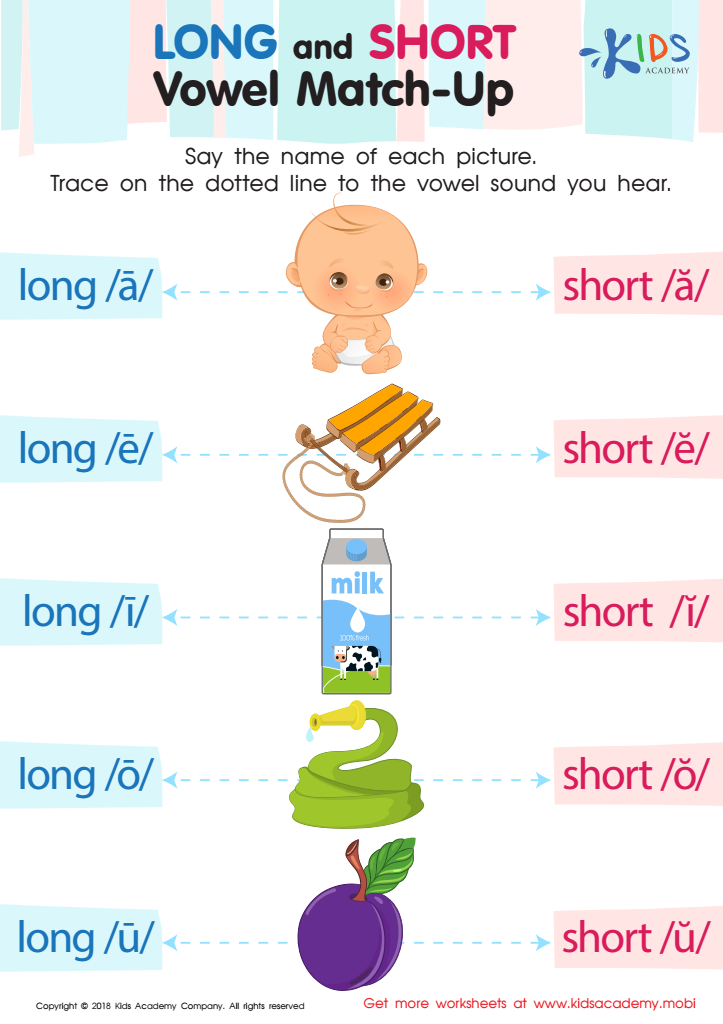
Long and Short Vowel Match up Reading Worksheet
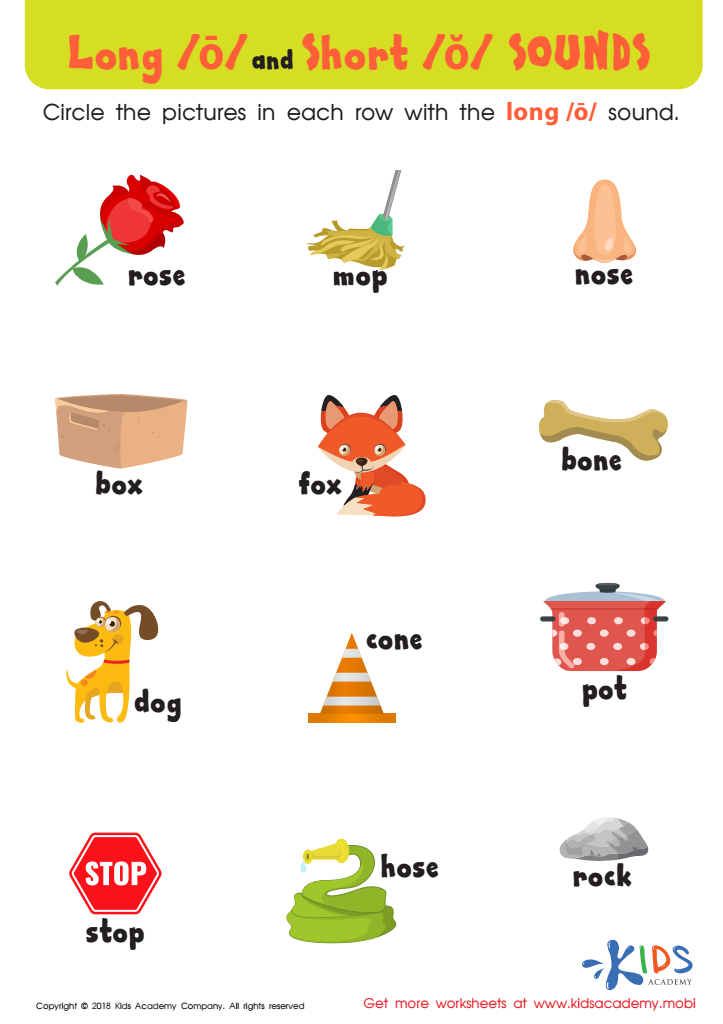
Reading: Long O and Short O Sounds Worksheet
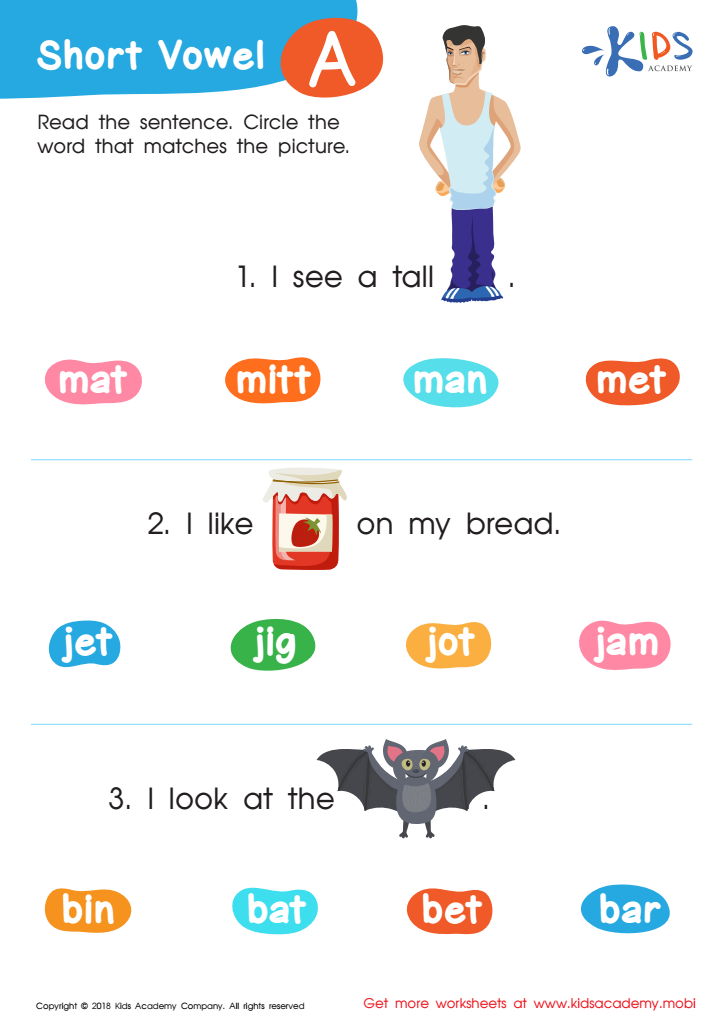
Short Vowel /a/ Worksheet
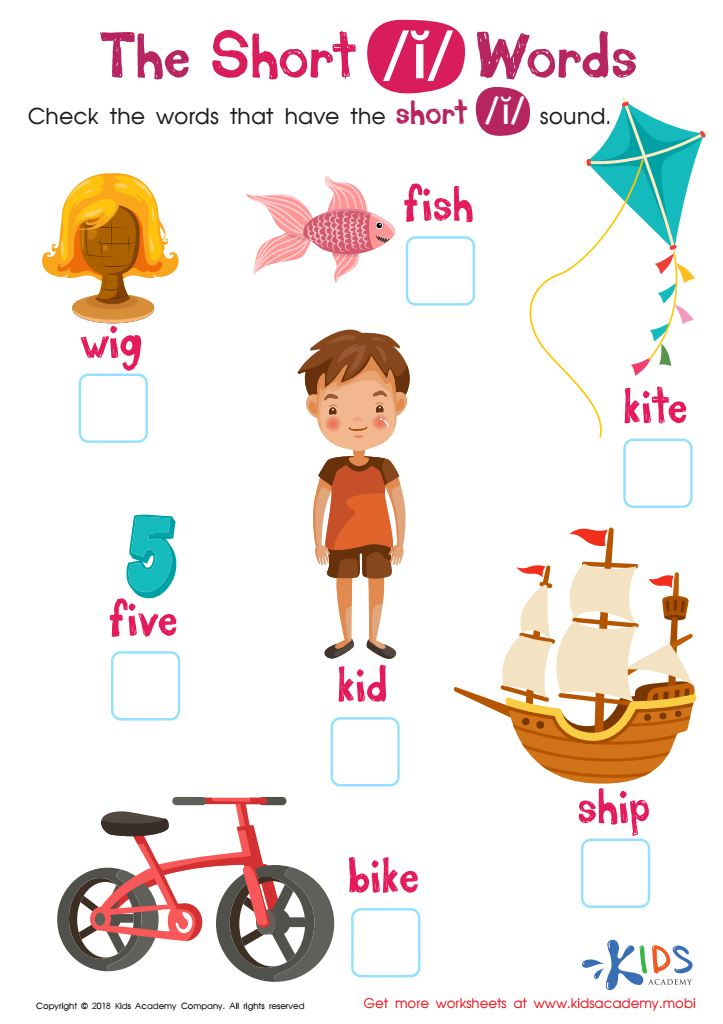
The Short I Words Reading Worksheet
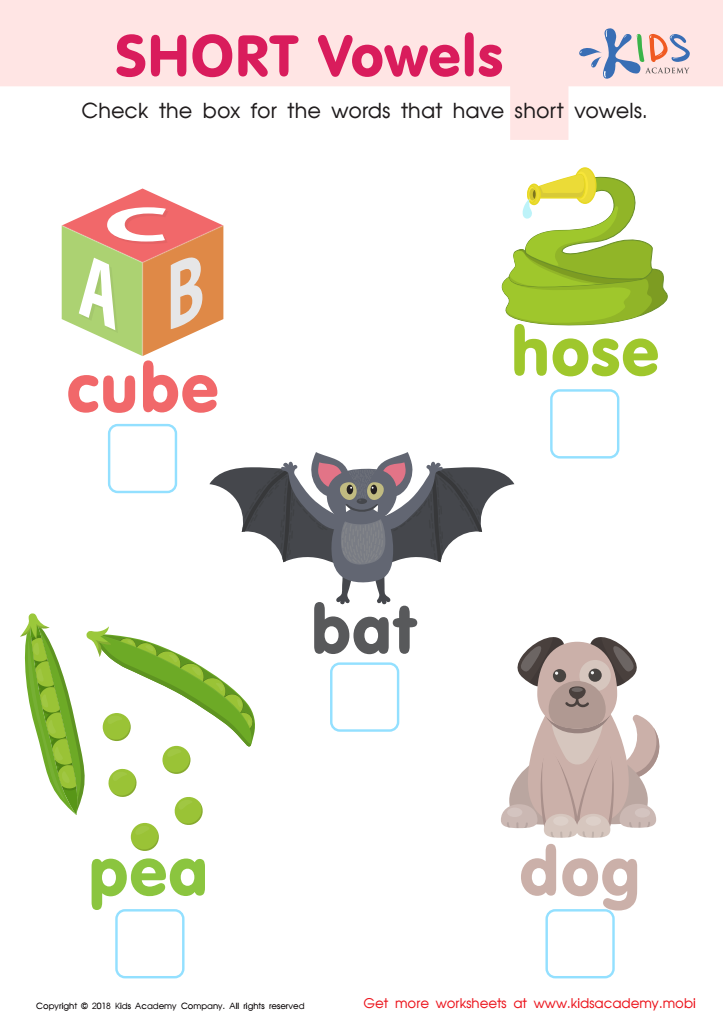
short vowels Worksheet
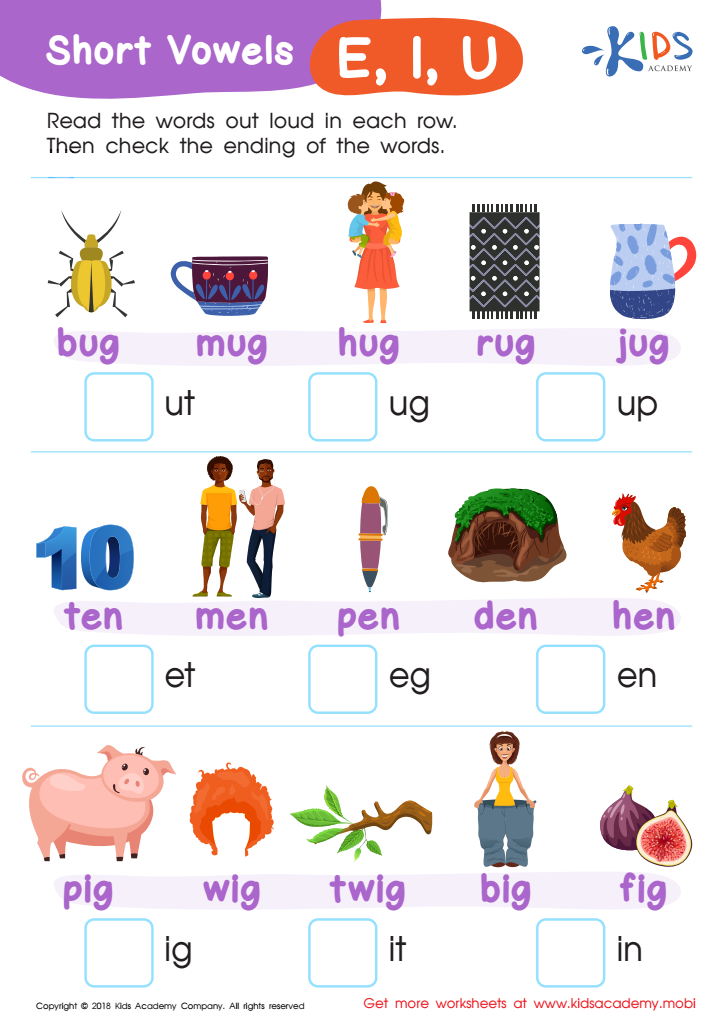
Short Vowels /e/, /i/, and /u/ Worksheet
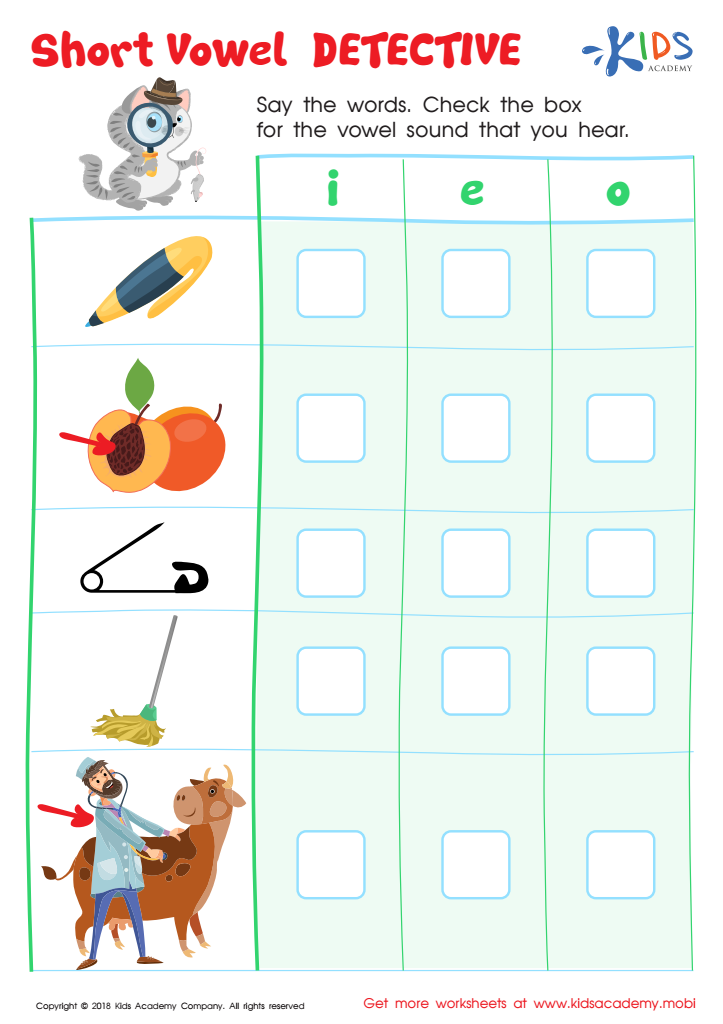
Short Vowel Detective Worksheet
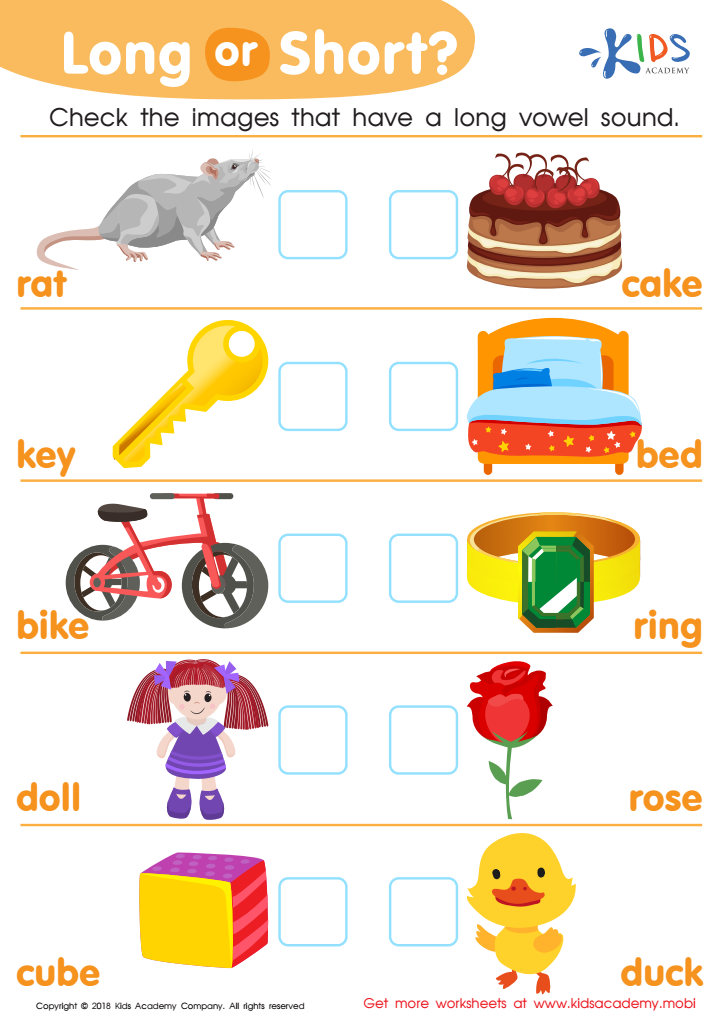
Long or Short Reading Worksheet
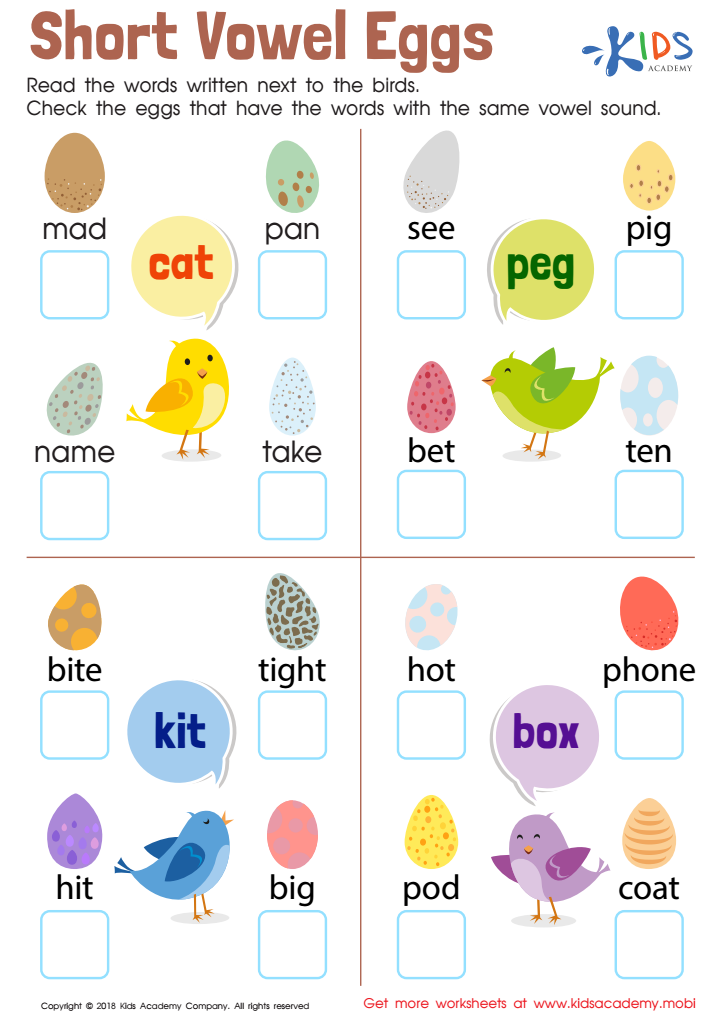
Short Vowel Eggs Worksheet

Long and Short U Worksheet
 Assign to My Students
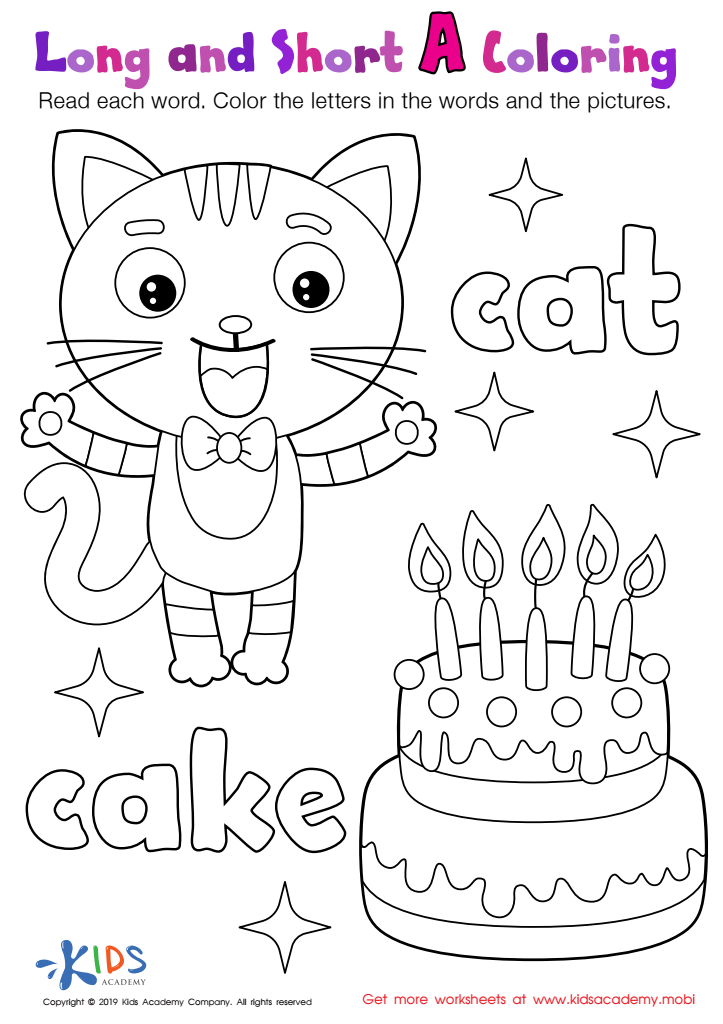
Long and Short A Worksheet
Assign to My Students
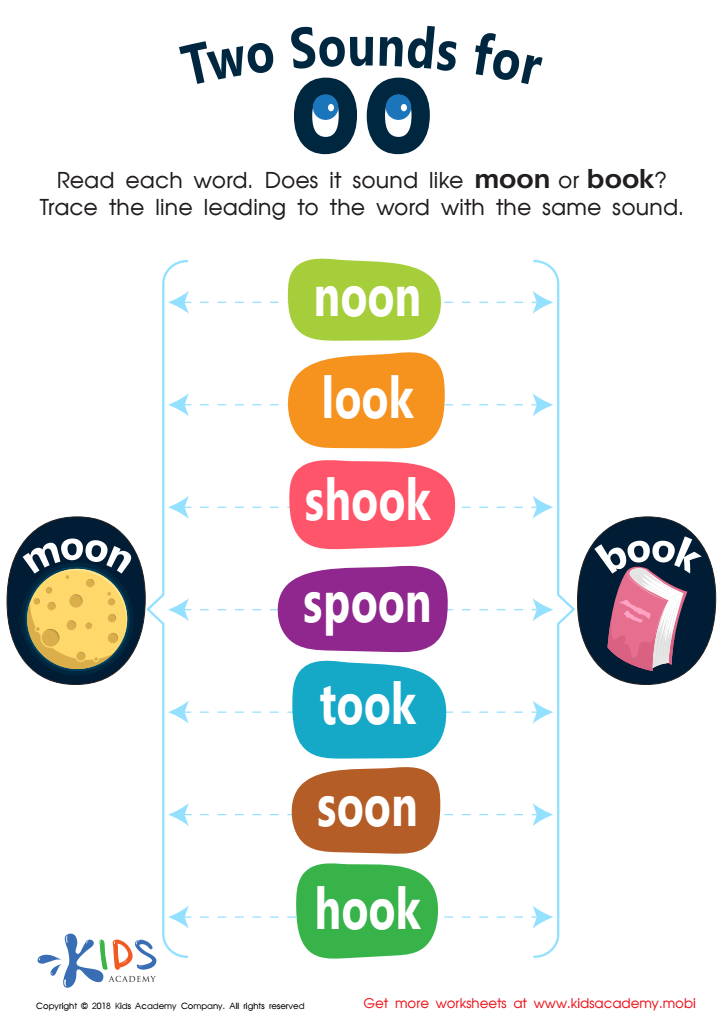
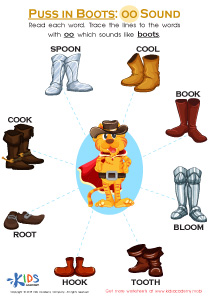
Two Sounds for OO Worksheet
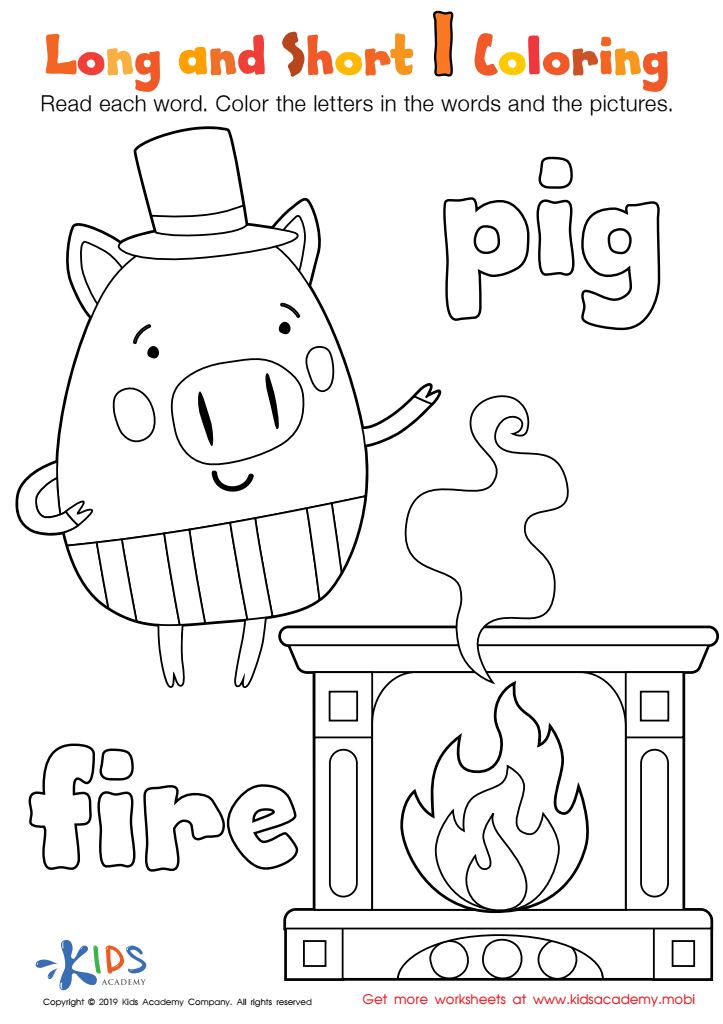
Long and Short I Worksheet
Assign to My Students
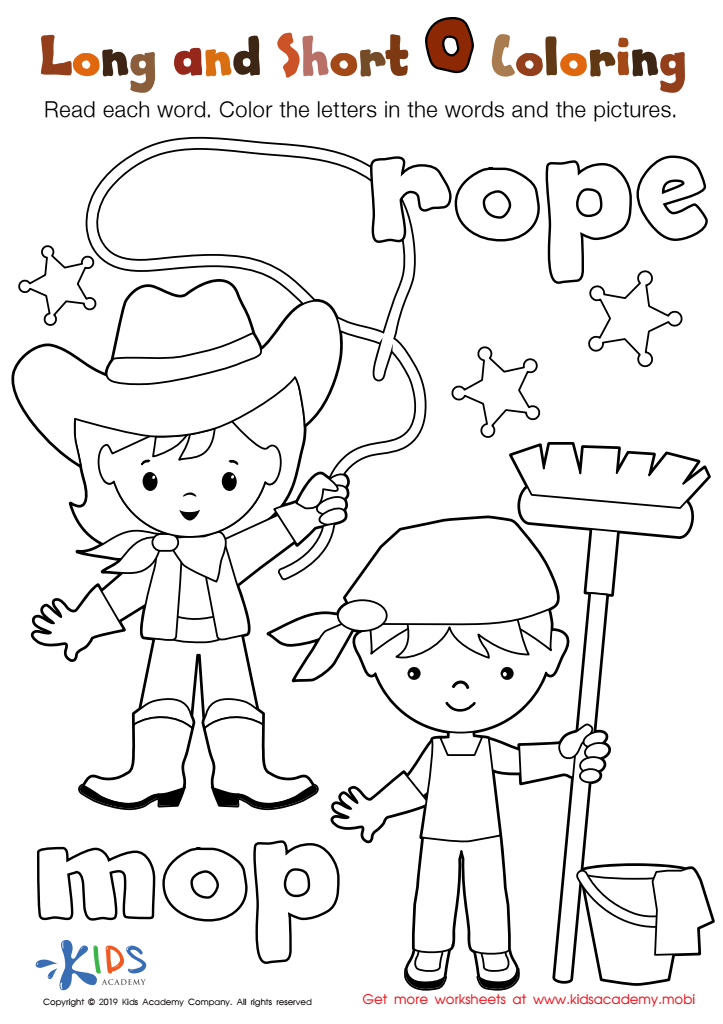
Long and Short O Worksheet
Assign to My Students
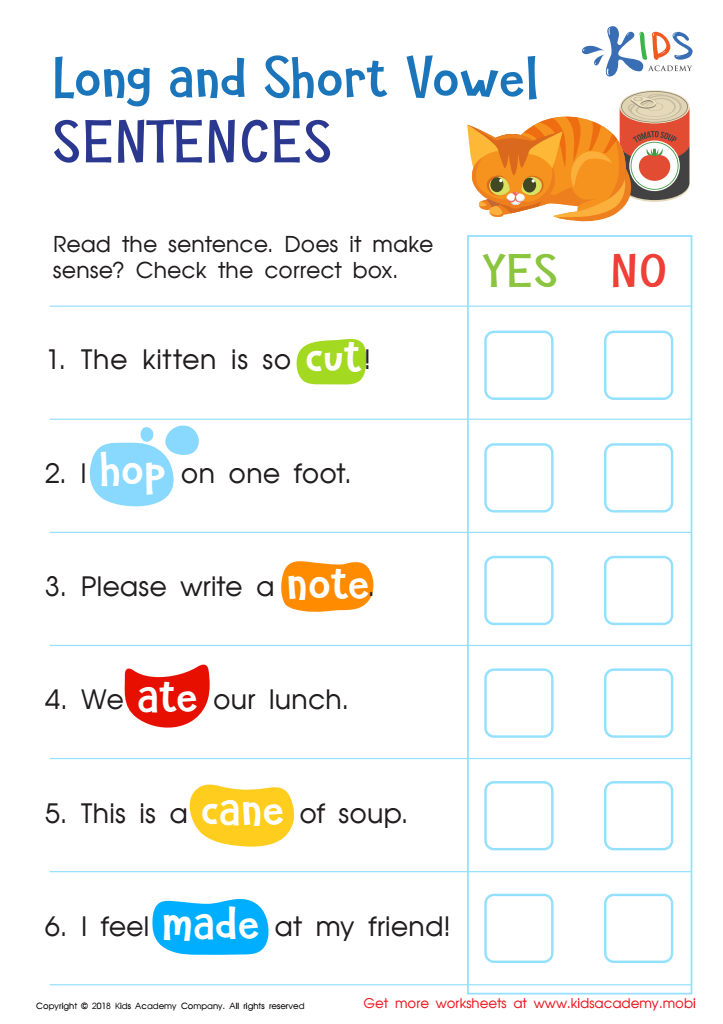
Long and Short Vowel Sentences: Assessment Worksheet
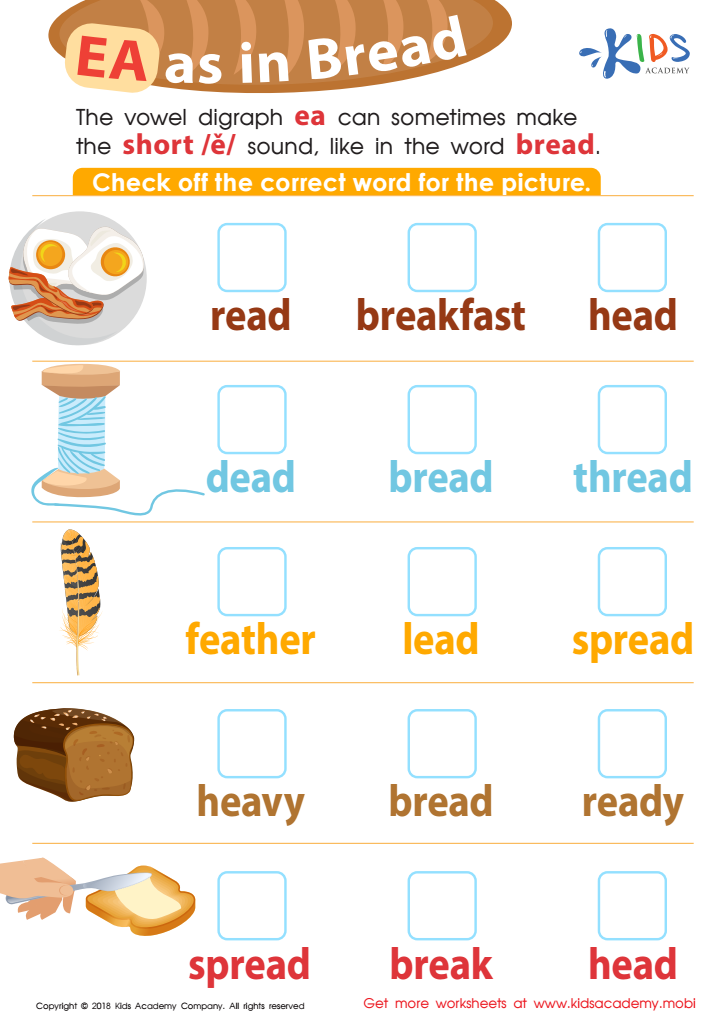
Reading: EA as in Bread Worksheet
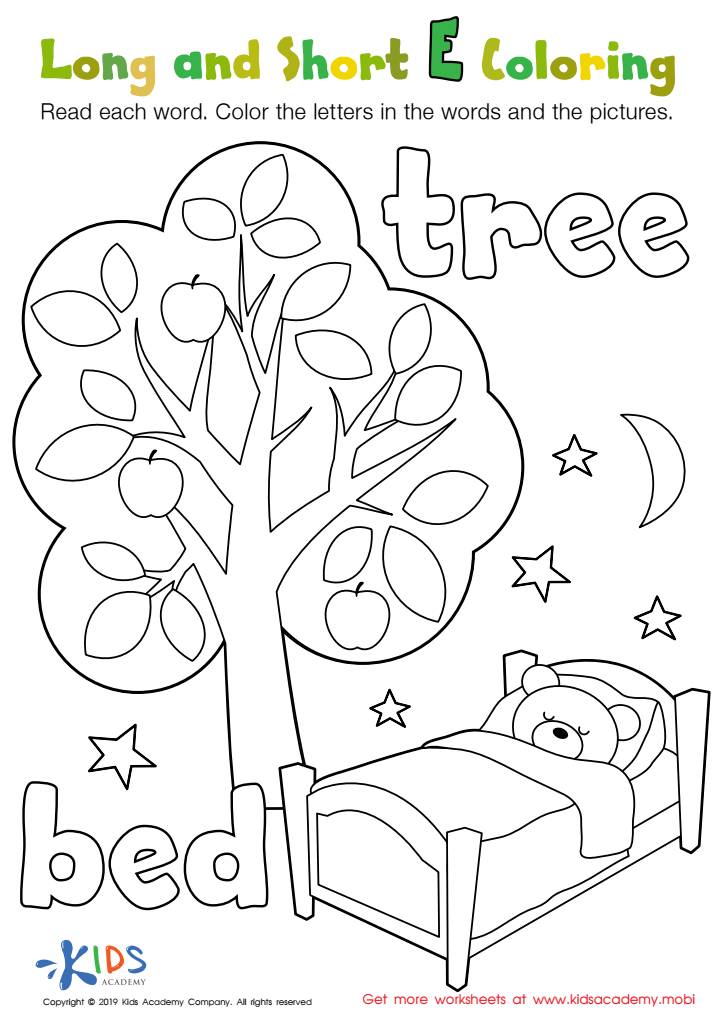
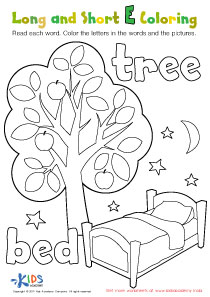
Long and Short E Worksheet
Assign to My Students



Normal short vowels are foundational for literacy development in children aged 6 to 8. At this stage, learners are beginning to grasp the basics of phonics and decoding, which are essential for reading and writing. Short vowels (a, e, i, o, u) play a critical role in forming simple words that children will encounter frequently, such as "cat," "bed," "pig," "hot," and "bus." Understanding these sounds allows children to read fluently and with confidence.
Parents and teachers should care about short vowel instruction because it directly impacts a child's ability to progress in school. Mastery of short vowels fosters phonemic awareness, which helps children blend sounds together and segment words—skills critical for reading development. Furthermore, these short vowel sounds are not only vital for early literacy but also for effective communication. By engaging children with fun activities—like songs, rhyme games, and phonics exercises—adults can reinforce short vowel learning in an enjoyable way.
Ultimately, a strong foundation in normal short vowels sets the stage for successful reading and writing experiences, giving children the tools they need to excel academically and develop a lifelong love for learning.