Normal Tracing Letters Worksheets for Ages 6-8 - Page 2
31 filtered results
-
From - To
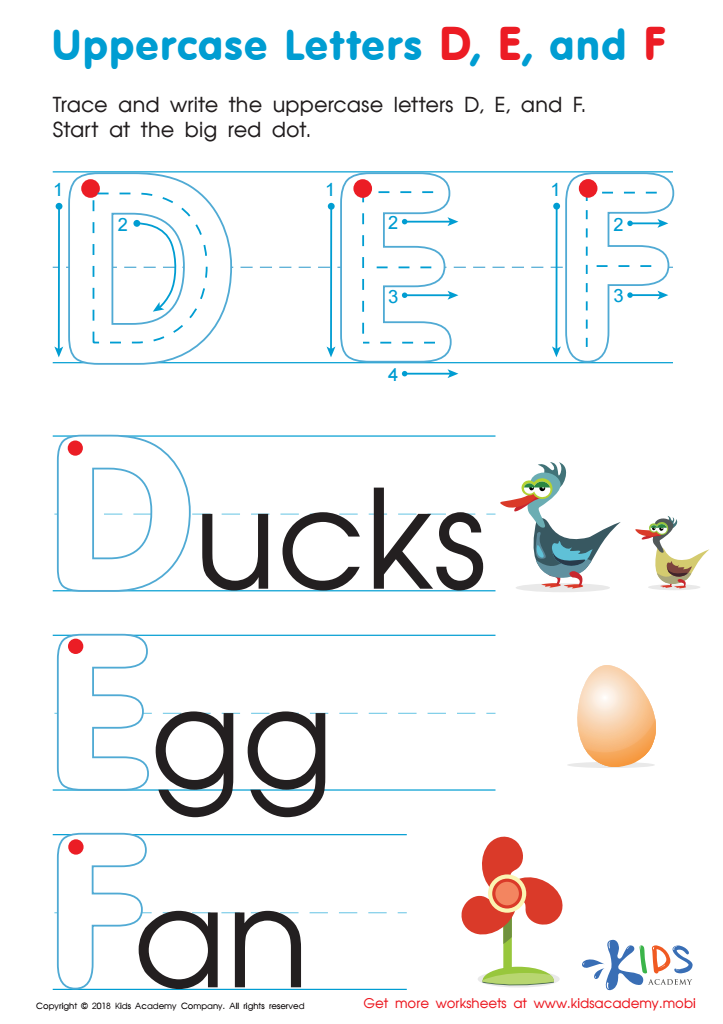
Uppercase Letters D, E, and F Worksheet
 Assign to My Students
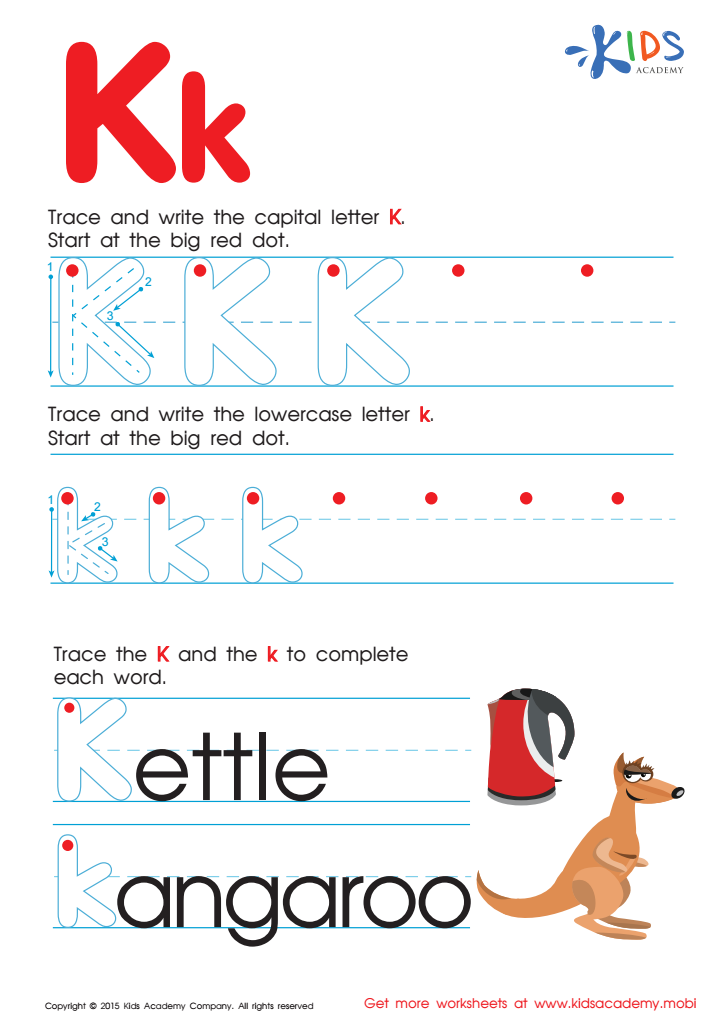
Letter K Tracing Page
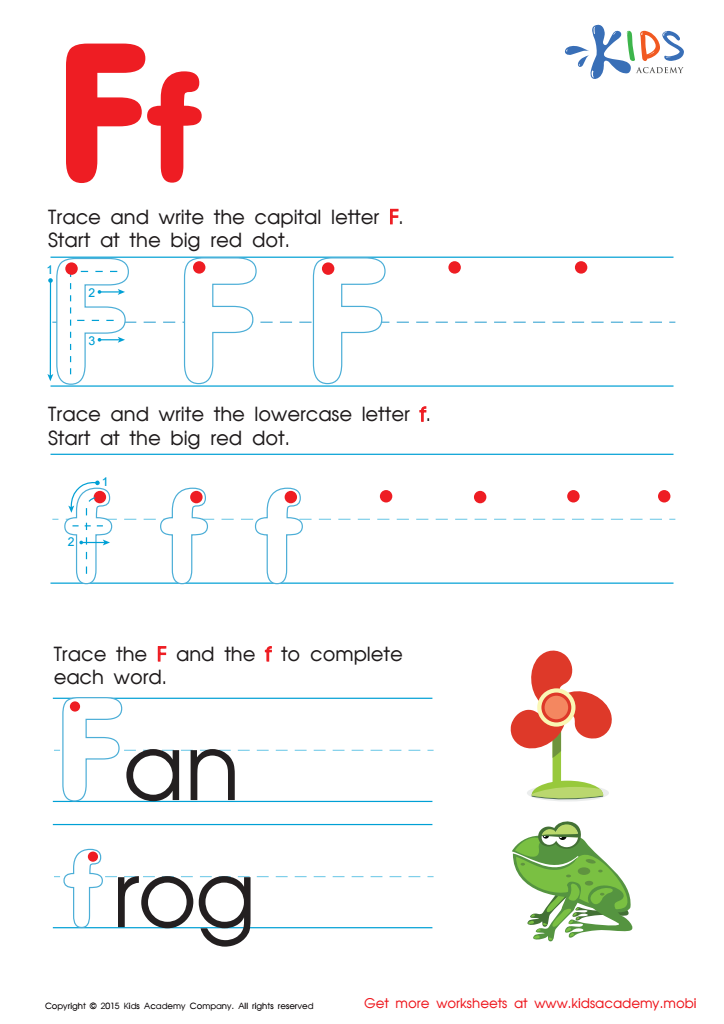
Letter F Tracing Page
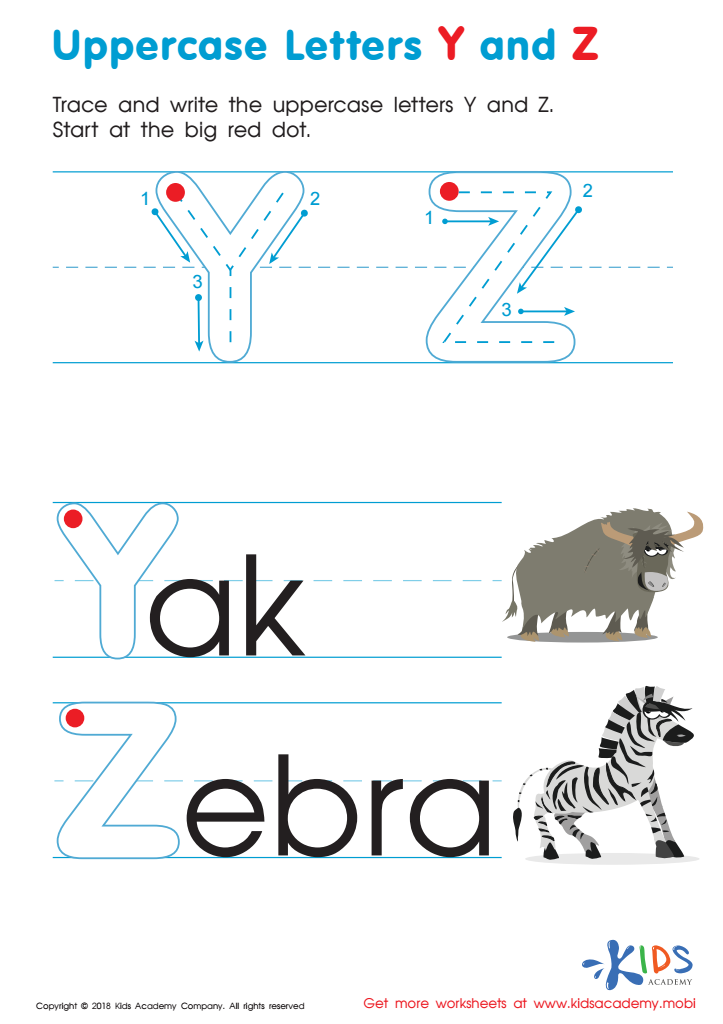
Uppercase Letters Y Z Worksheet
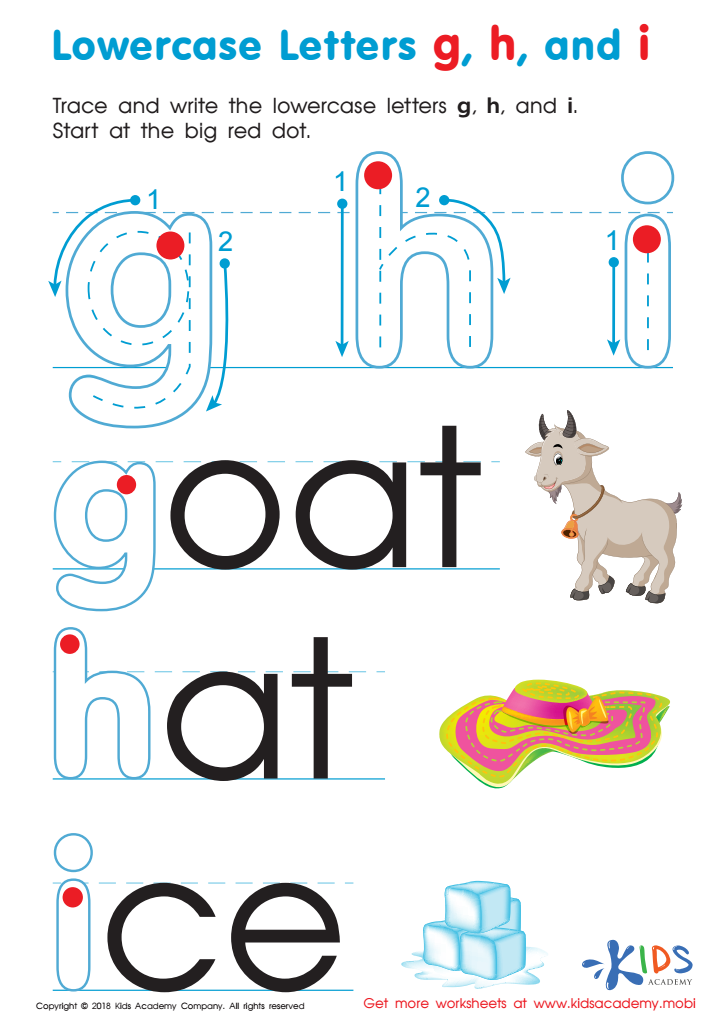
Lowercase Letters g h i Worksheet
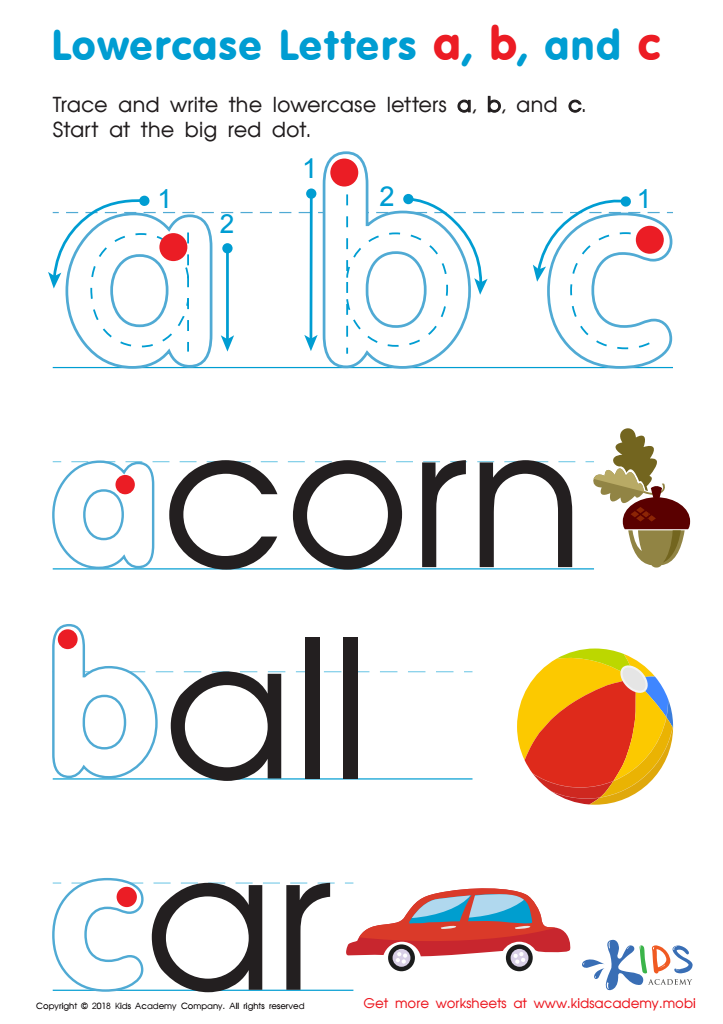
Lowercase Letters a b c Worksheet

Letter D Tracing Page







Normal tracing letters is an essential activity for children aged 6-8, as this developmental stage is crucial for building foundational literacy skills. During these years, children are often learning to read and write independently, making it vital for parents and teachers to engage them in hands-on activities like tracing letters.
Tracing helps improve fine motor skills, hand-eye coordination, and dexterity, all of which are necessary for writing. The repetitive nature of tracing promotes letter recognition and formulation, allowing students to familiarize themselves with the shape and structure of each letter. This repetition aids in reinforcing the earlier skills they have acquired during preschool, ensuring a smooth transition to more complex writing tasks.
Moreover, tracing letters can help introduce proper handwriting techniques. Developing good writing habits early on can reduce frustration and foster confidence in children's writing abilities. For parents and teachers, engaging in tracing activities also provides an opportunity for bonding and fostering a love of learning. By integrating this type of practice into daily routines or classroom activities, adults can help nurture curiosity and enthusiasm for language, enabling children to become proficient readers and writers in the future. Thus, caring about tracing letters directly influences children's literacy success and overall academic confidence.








