Normal Physical Science Worksheets for Ages 6-8 - Page 3
71 filtered results
-
From - To
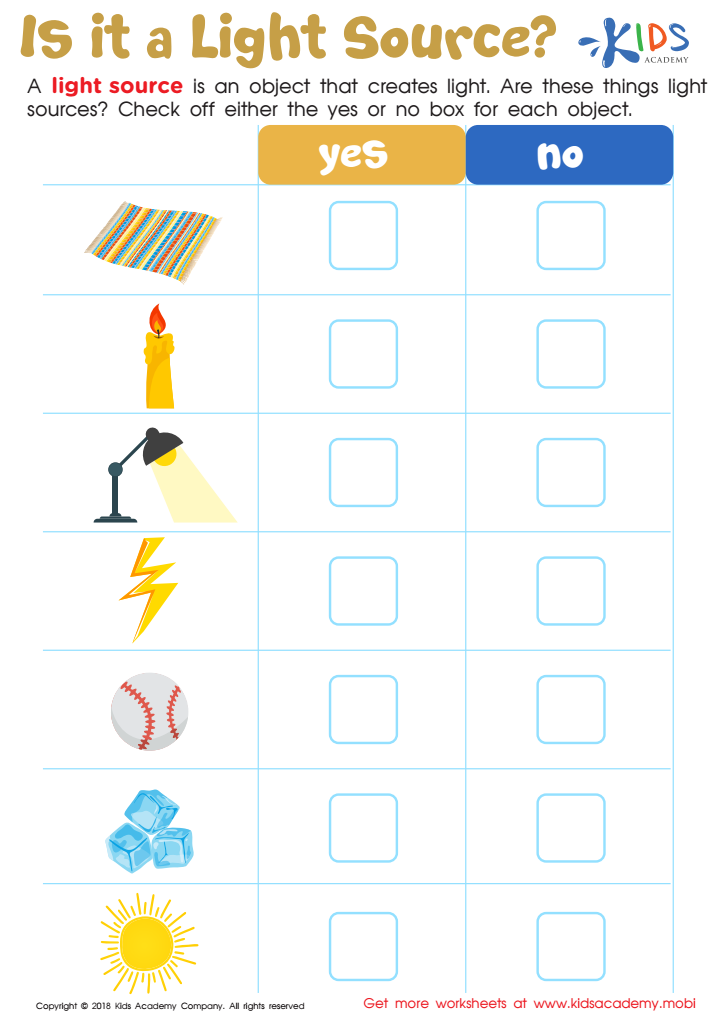
Is It a Light Source? Worksheet
 Assign to My Students
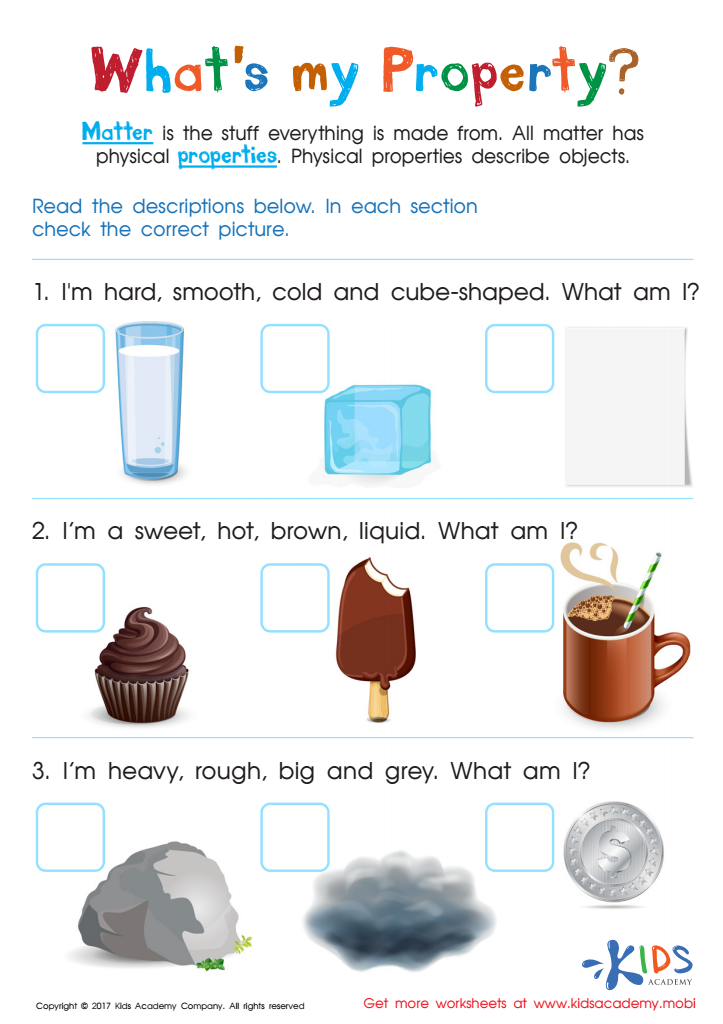
Physical Properties Of Matter Worksheet
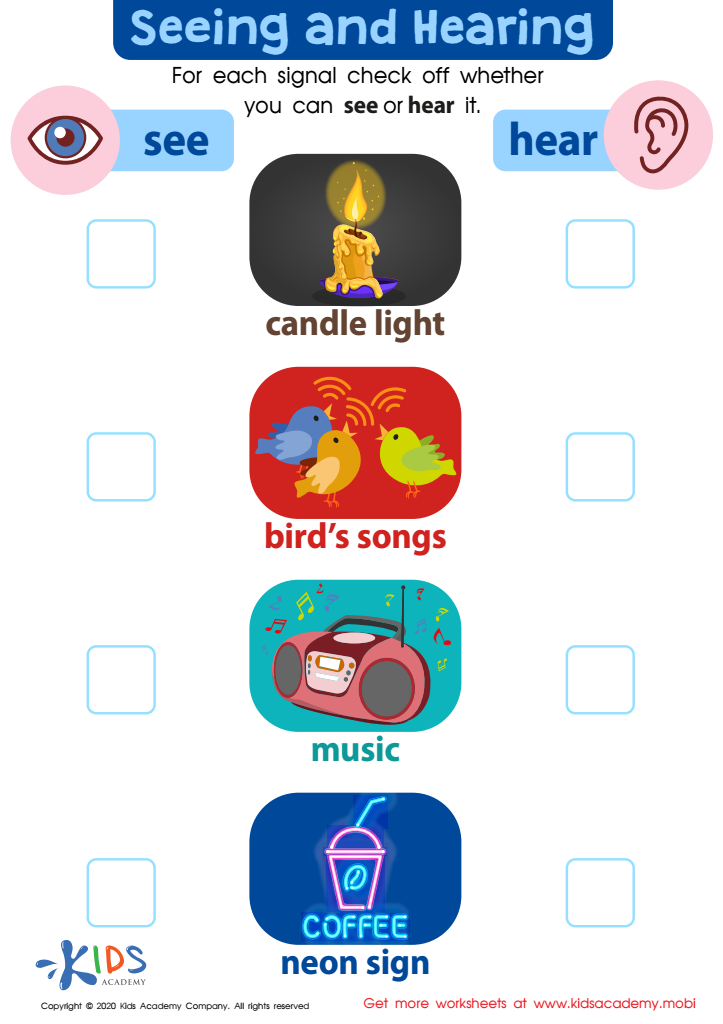
Seeing and Hearing Worksheet
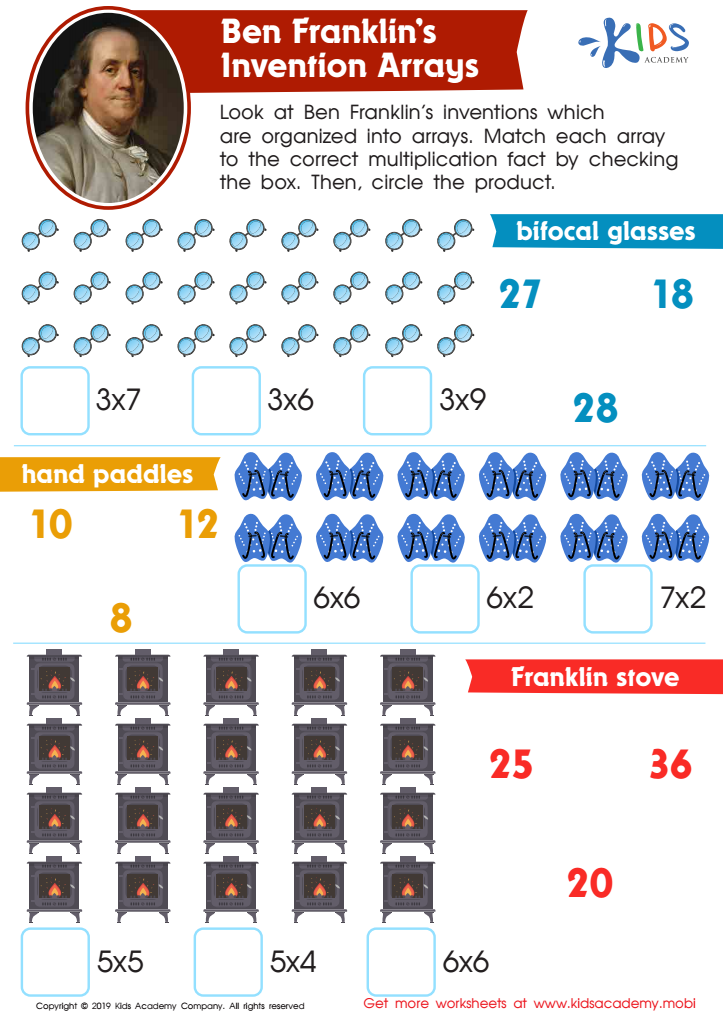
Ben Franklin’s Invention Arrays Worksheet
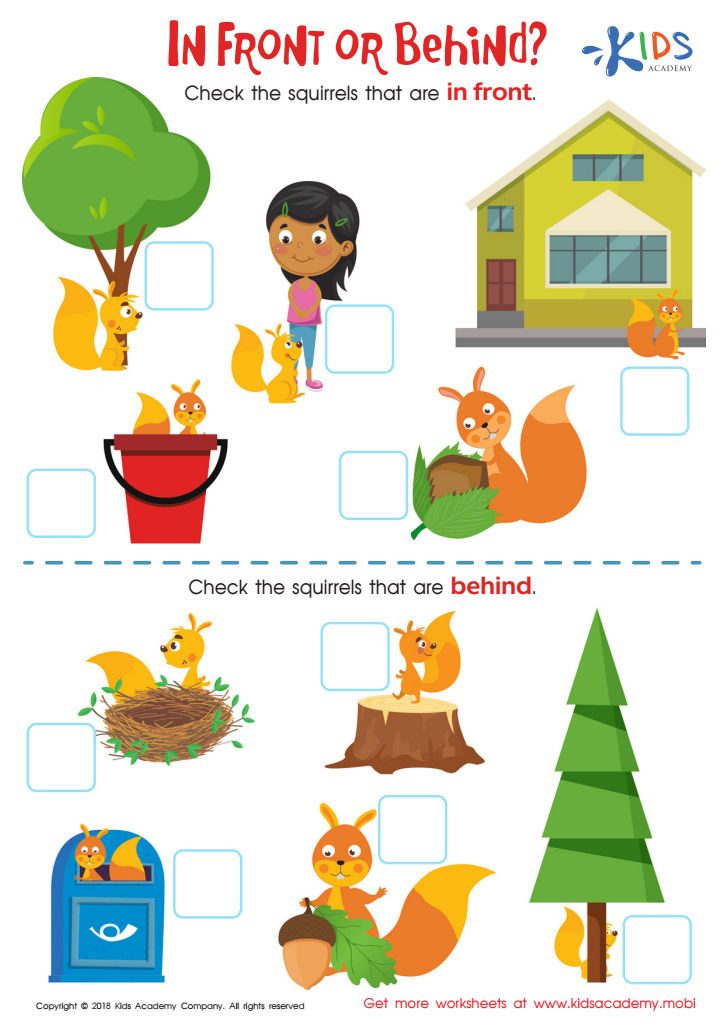
In Front or Behind: Part 2 Worksheet
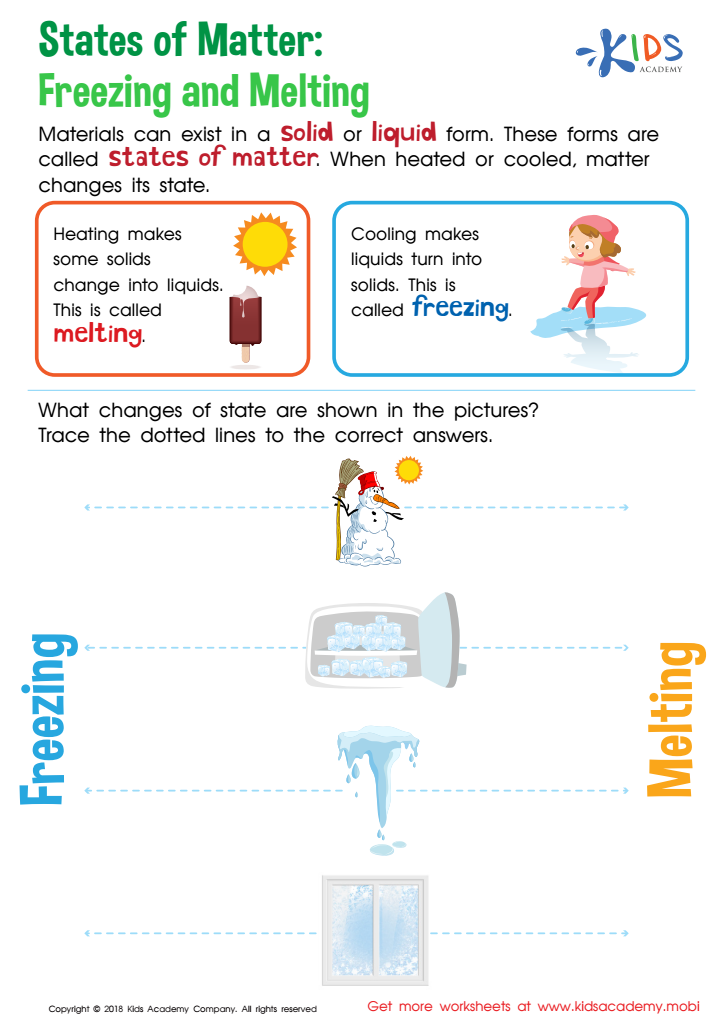
States of Matter: Freezing and Melting Worksheet
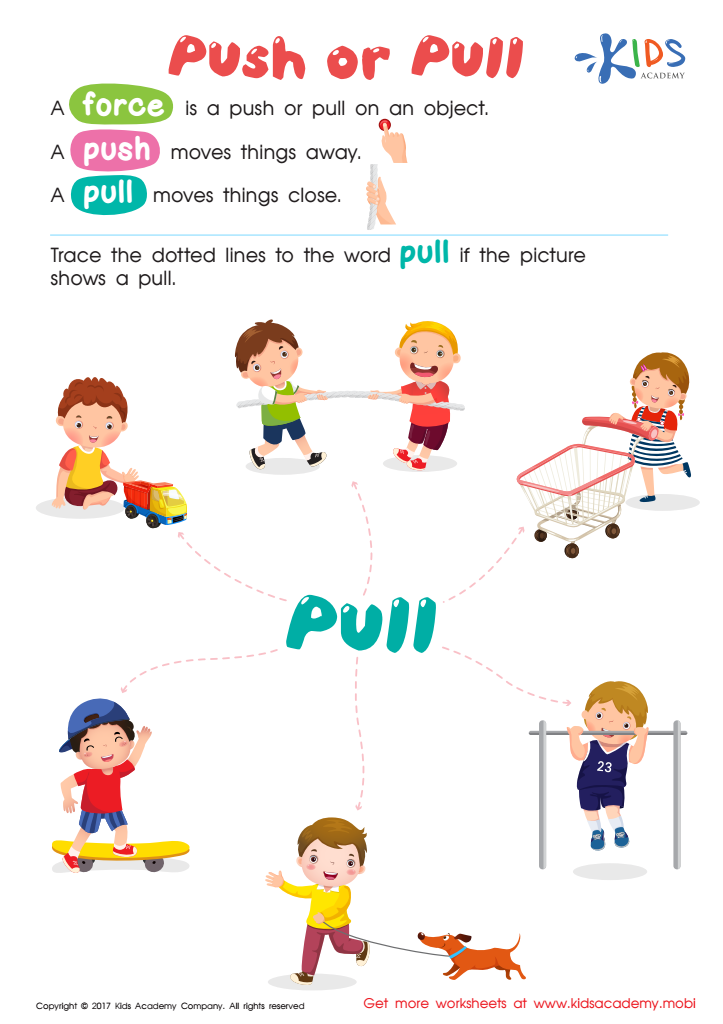
Pull or Push Worksheet
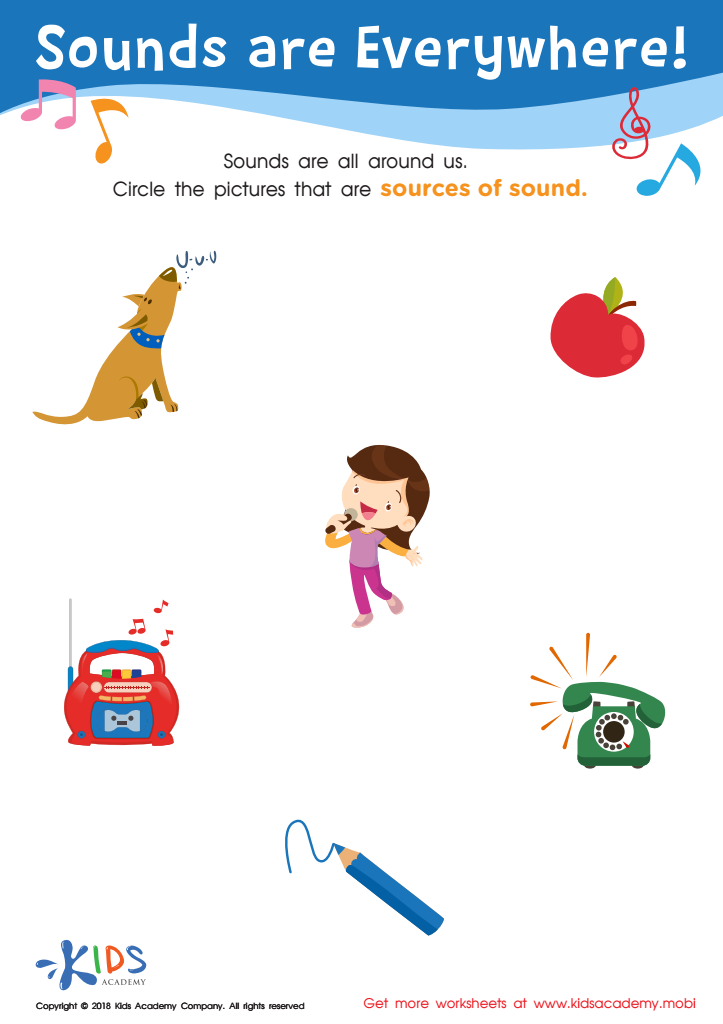
Sounds Are Everywhere! Worksheet
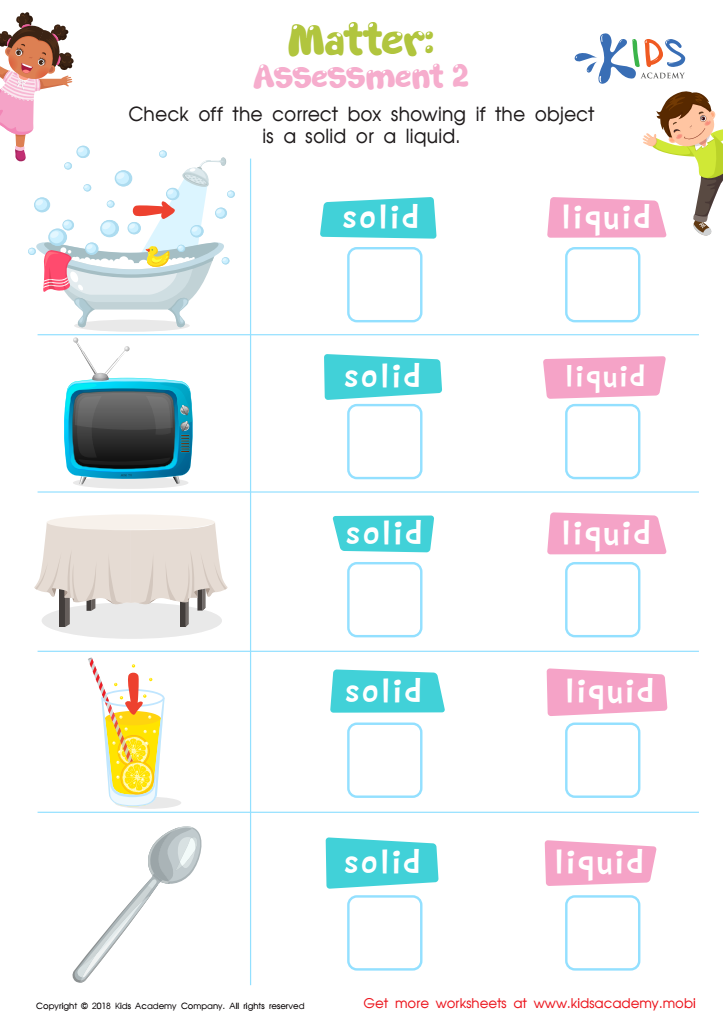
Matter: Assessment 2 Worksheet
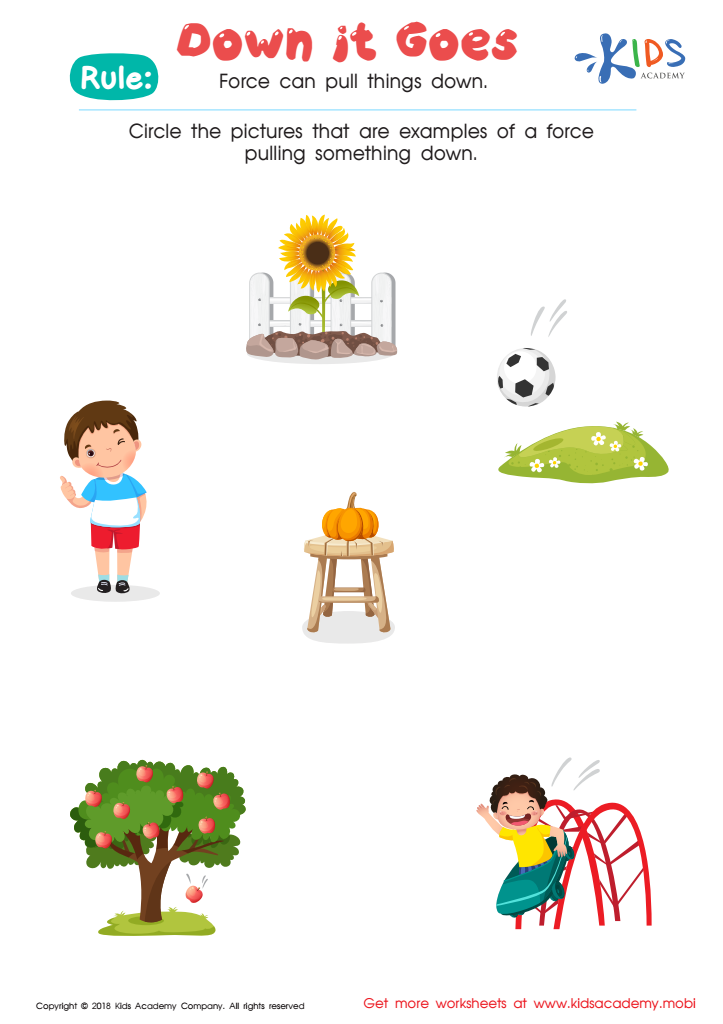
Down it Goes Worksheet
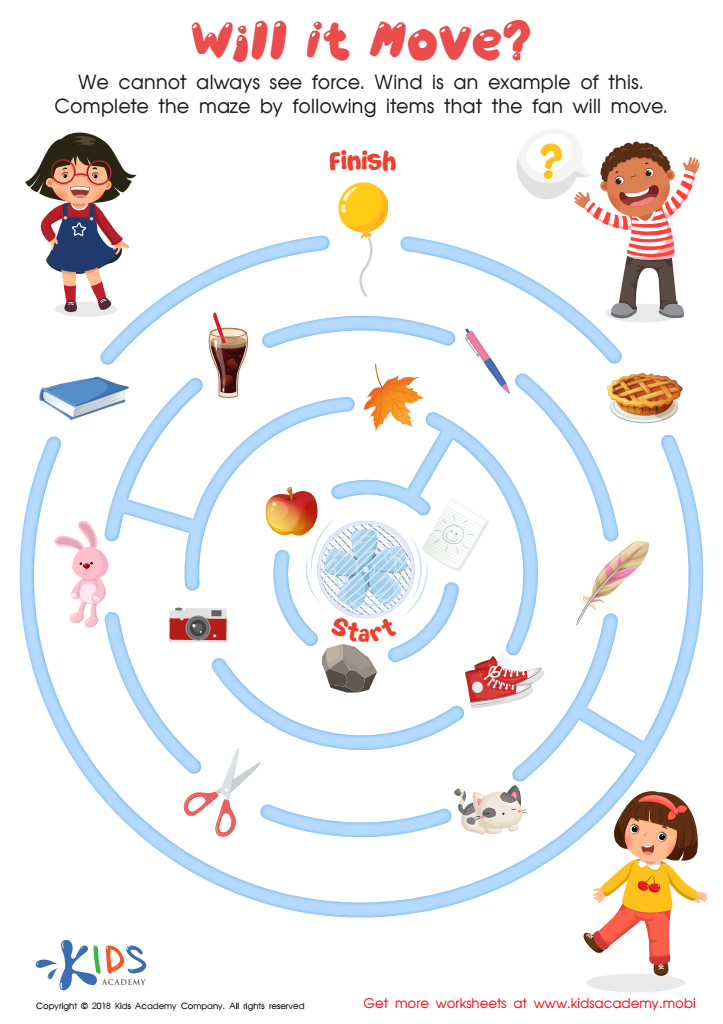
Will it Move? Worksheet
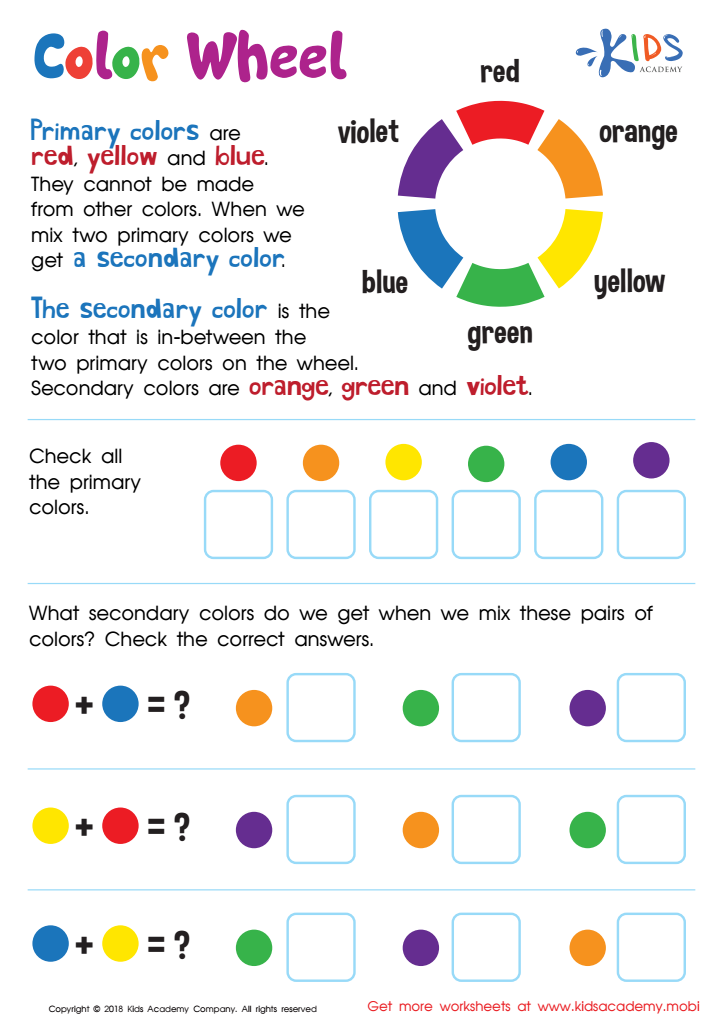
Primary and Secondary Colors Worksheet
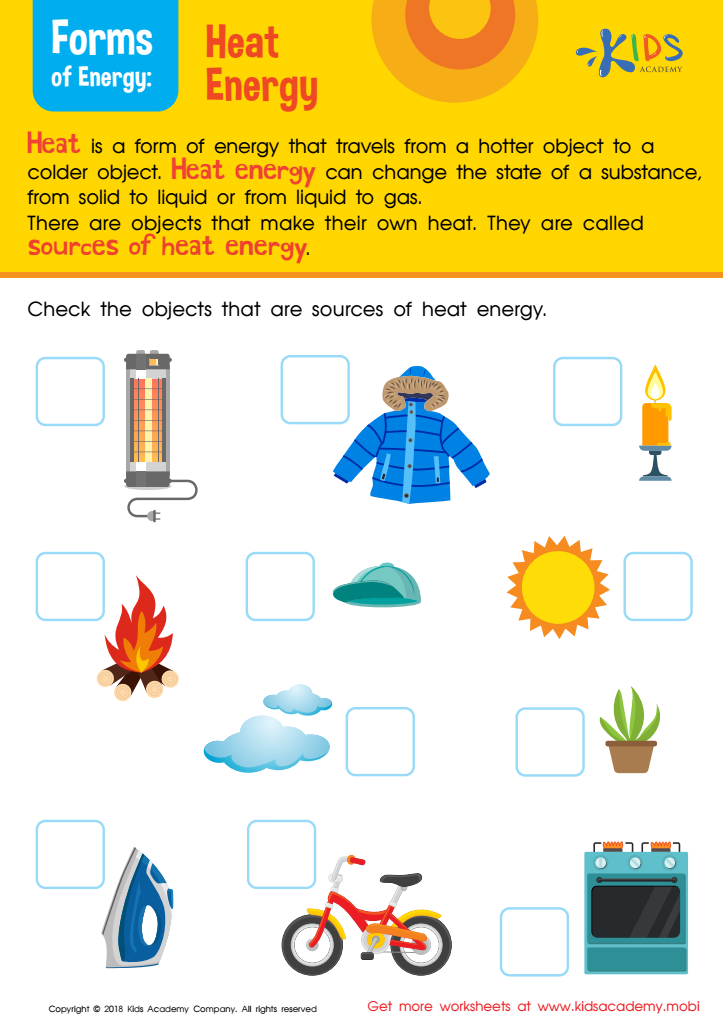
Sources of Heat Energy Worksheet
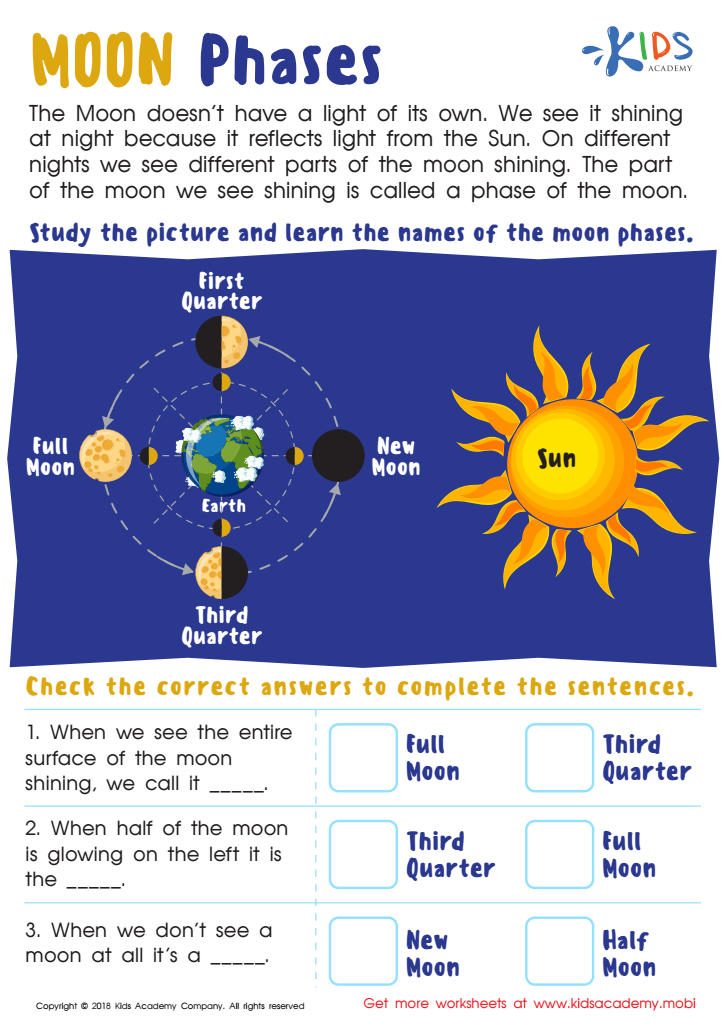
Moon Phases Worksheet
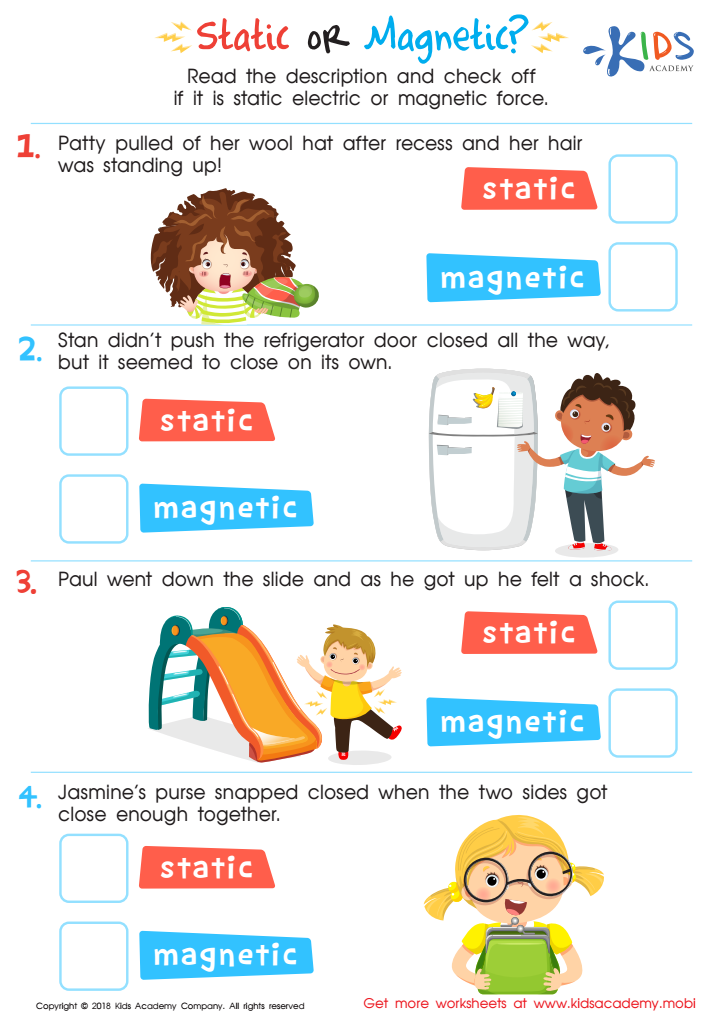
Static or Magnetic Printable Worksheet
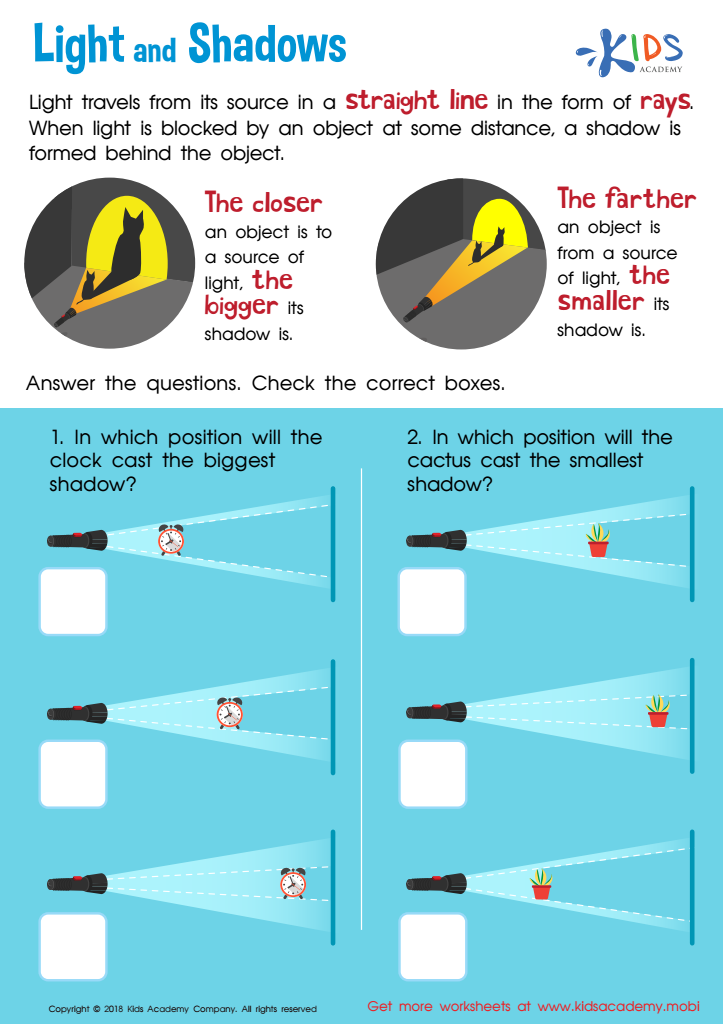
Light and Shadow Worksheet for Grade 3
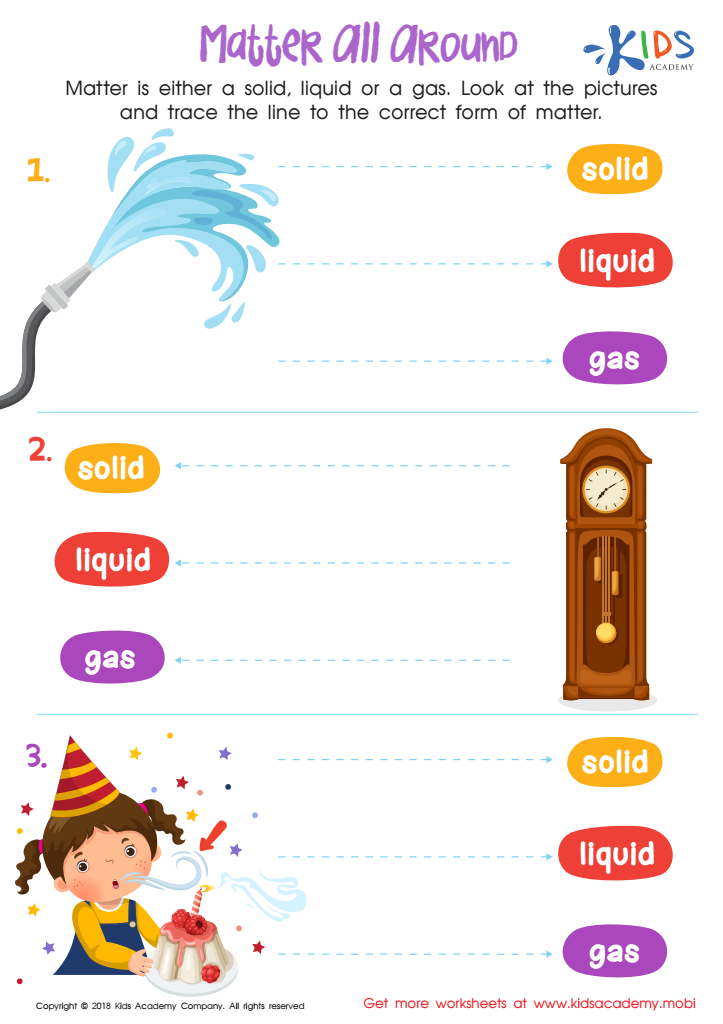
Matter all Around Worksheet
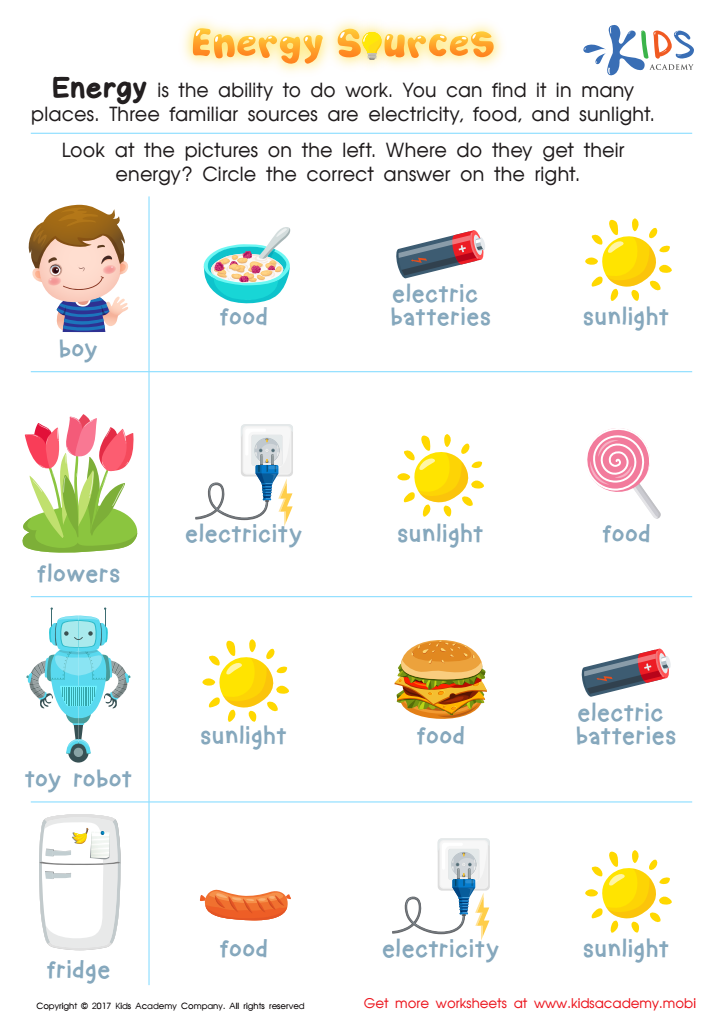
Energy Sources Printable
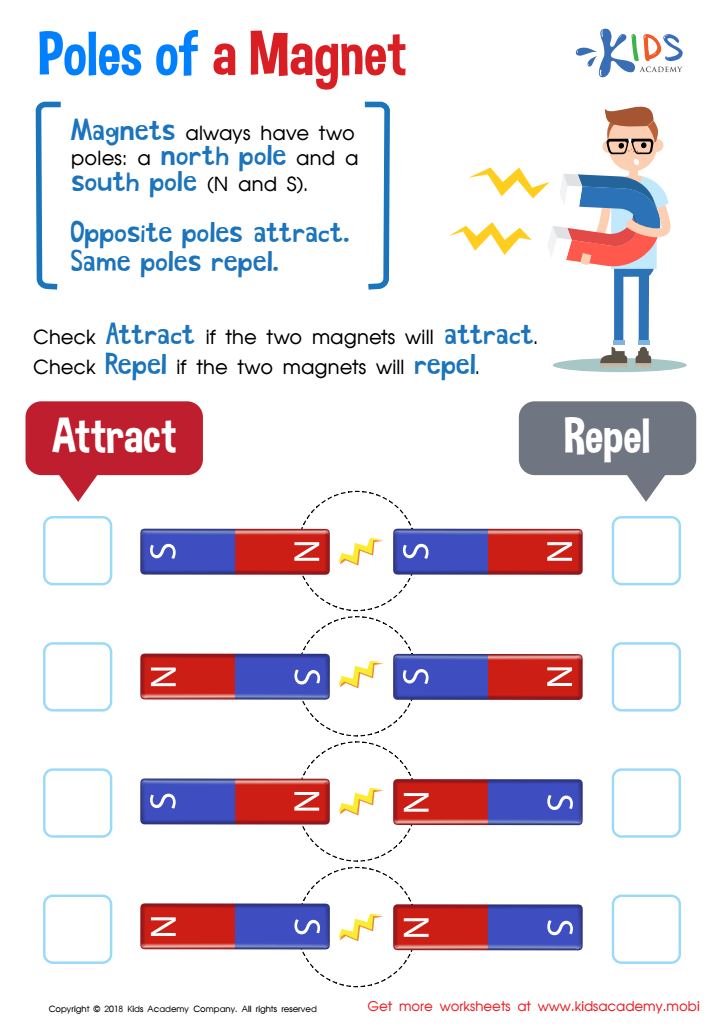
Magnet Poles Attract or Repel Worksheet
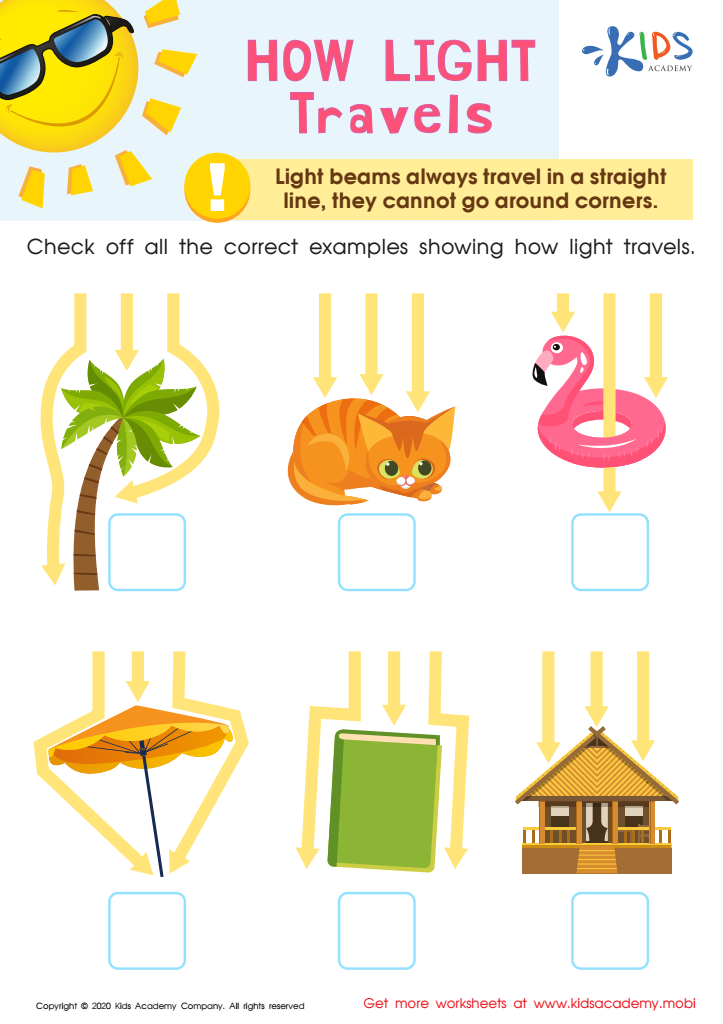
How Light Travels Worksheet
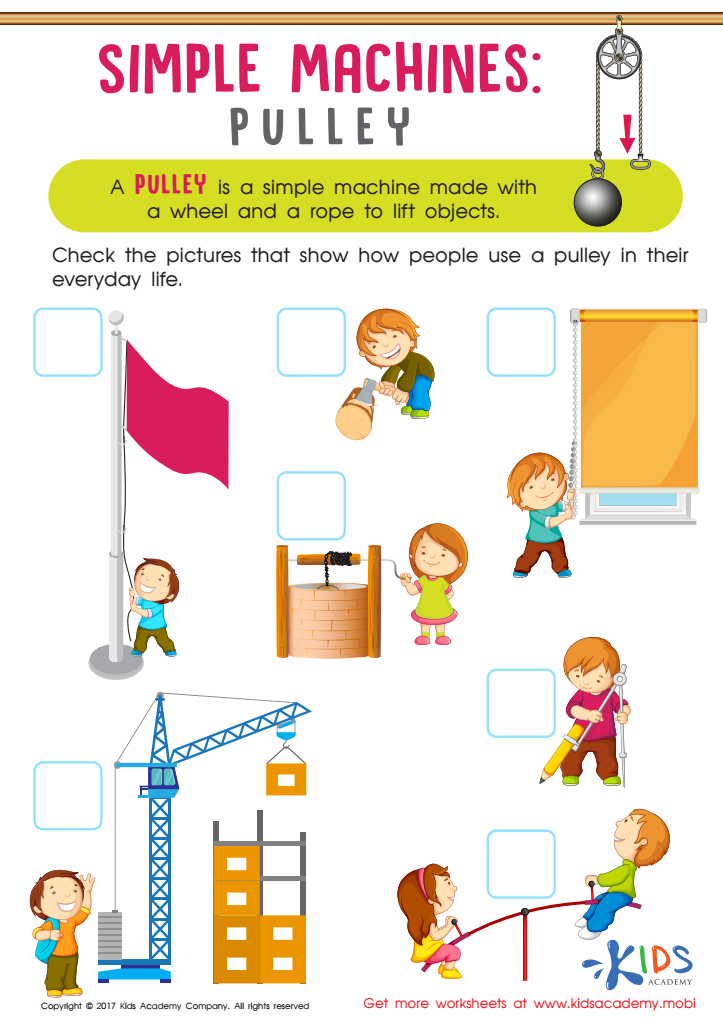
Simple Machines Pulley Worksheet
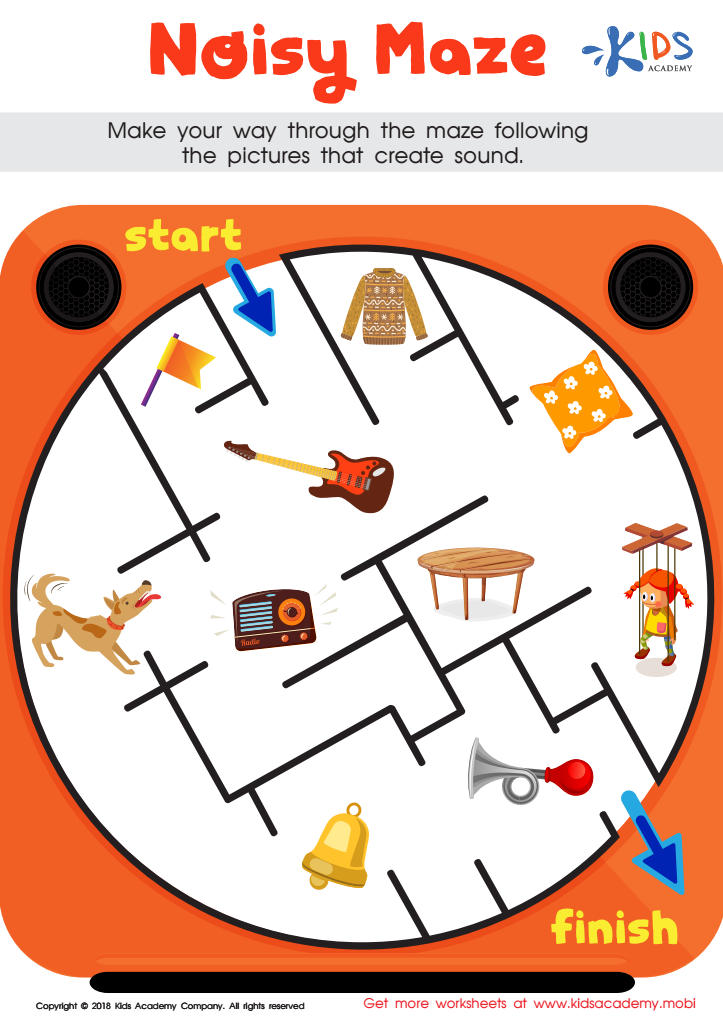
Noisy Maze Worksheet
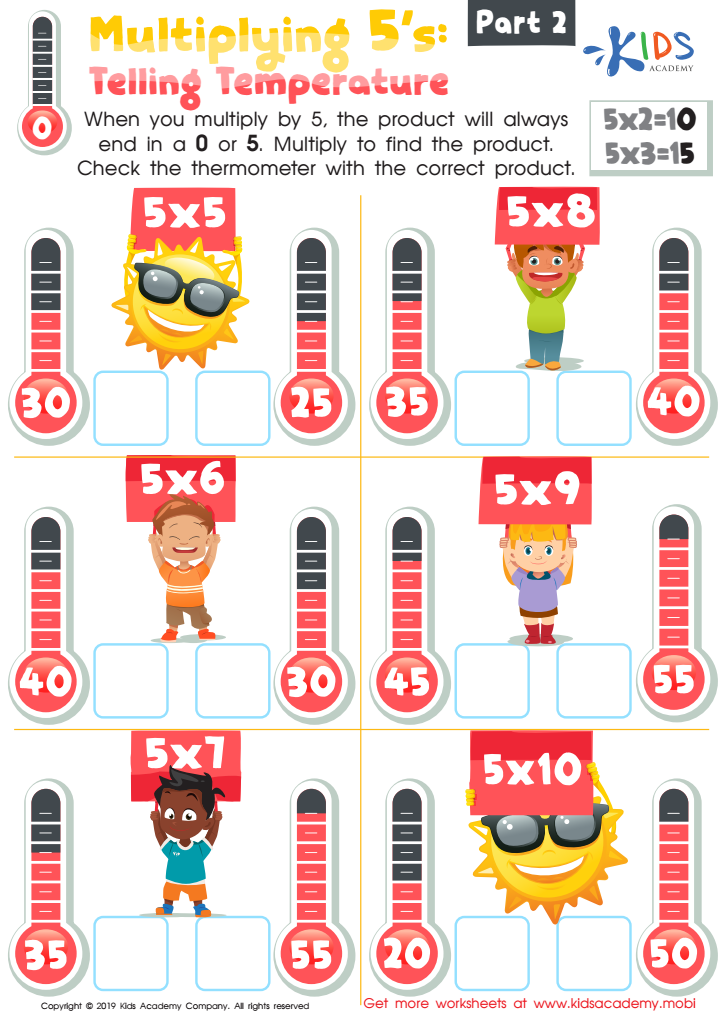
Multiplying 5’s: Telling Temperature Part 2 Worksheet




.jpg)
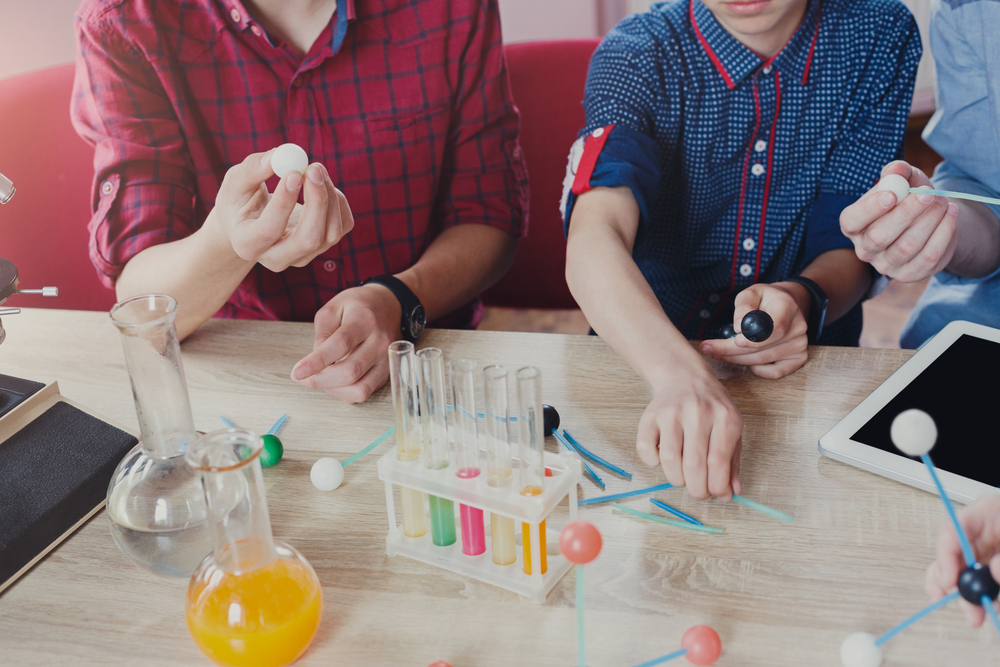


Normal Physical Science for ages 6-8 is crucial because it lays a foundational understanding of the natural world and fosters a child's curiosity. At this age, children are naturally inquisitive, constantly asking "why" and "how." Engaging with physical science helps answer these questions in a structured manner, encouraging critical thinking and problem-solving skills.
Moreover, early exposure to scientific concepts can spark a lifelong interest in the sciences. It supports cognitive development by allowing young learners to explore concepts such as matter, energy, and simple machines through hands-on activities. This hands-on approach helps children connect abstract ideas to real-world experiences, making learning both fun and meaningful.
Teachers and parents play a significant role in nurturing this curiosity. By integrating normal physical science into everyday learning, they can create enriching environments where inquiry thrives. Additionally, introducing young students to scientific literacy at an early age sets the stage for future academic success and can enhance their confidence in exploring STEM fields.
Ultimately, by caring about physical science in early education, parents and teachers are investing in children’s holistic development—not just academically but in cultivating essential life skills and inquisitive minds.







