Normal Phonics Worksheets for Ages 6-9 - Page 7
166 filtered results
-
From - To
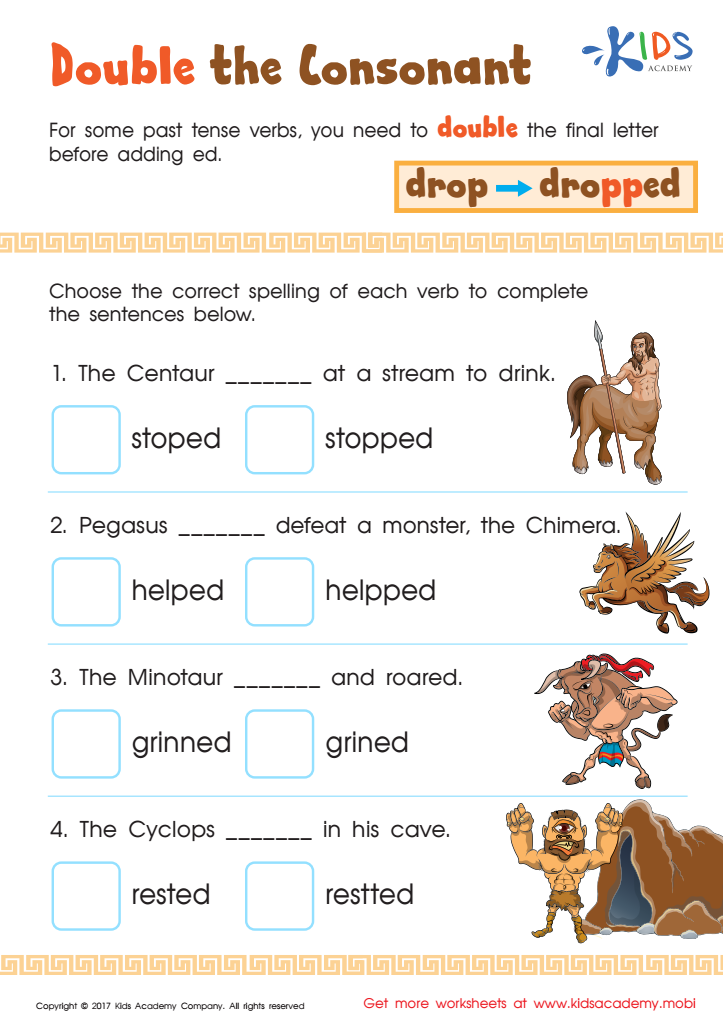
Double Consonant Spelling Worksheet
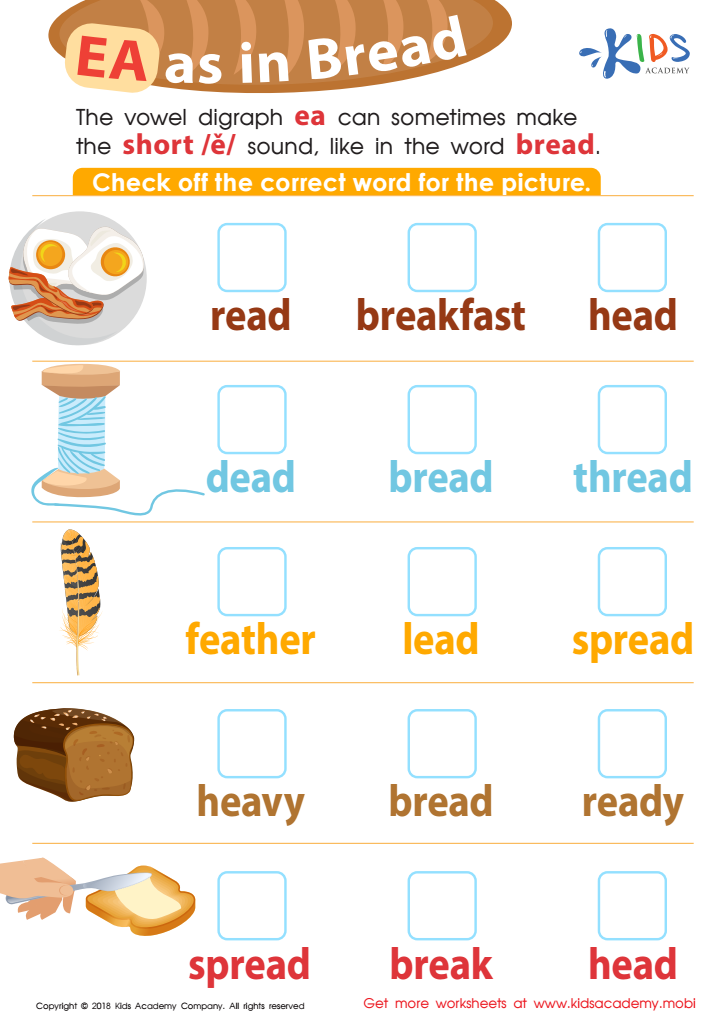
Reading: EA as in Bread Worksheet
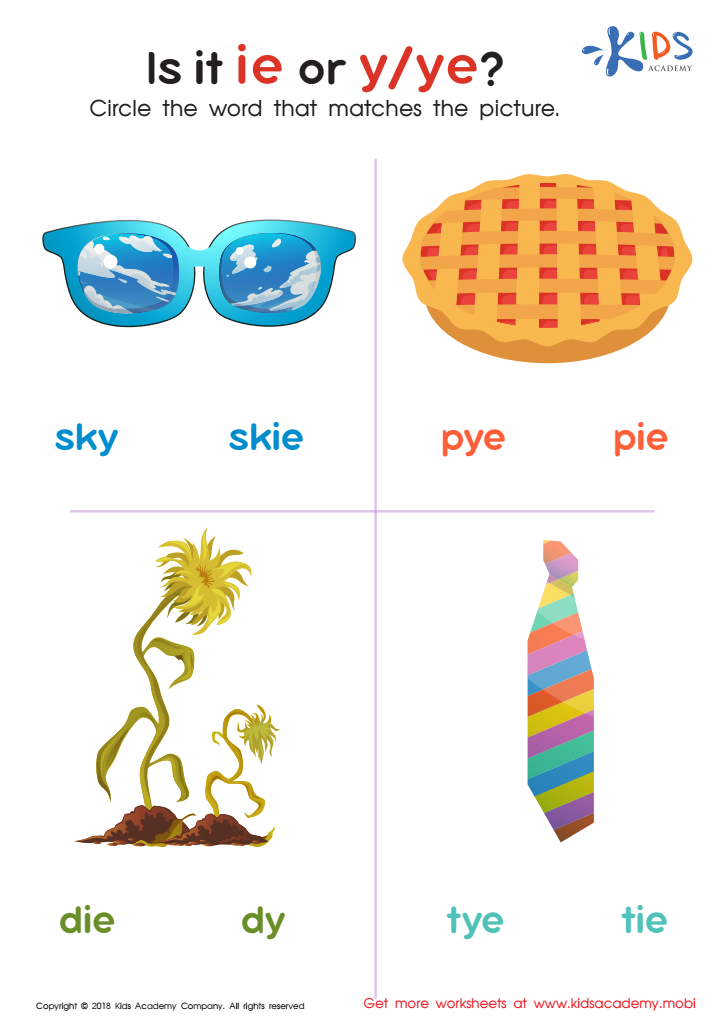
Is It IE or Y/Ye? Worksheet

Long and Short E Worksheet
 Assign to My Students
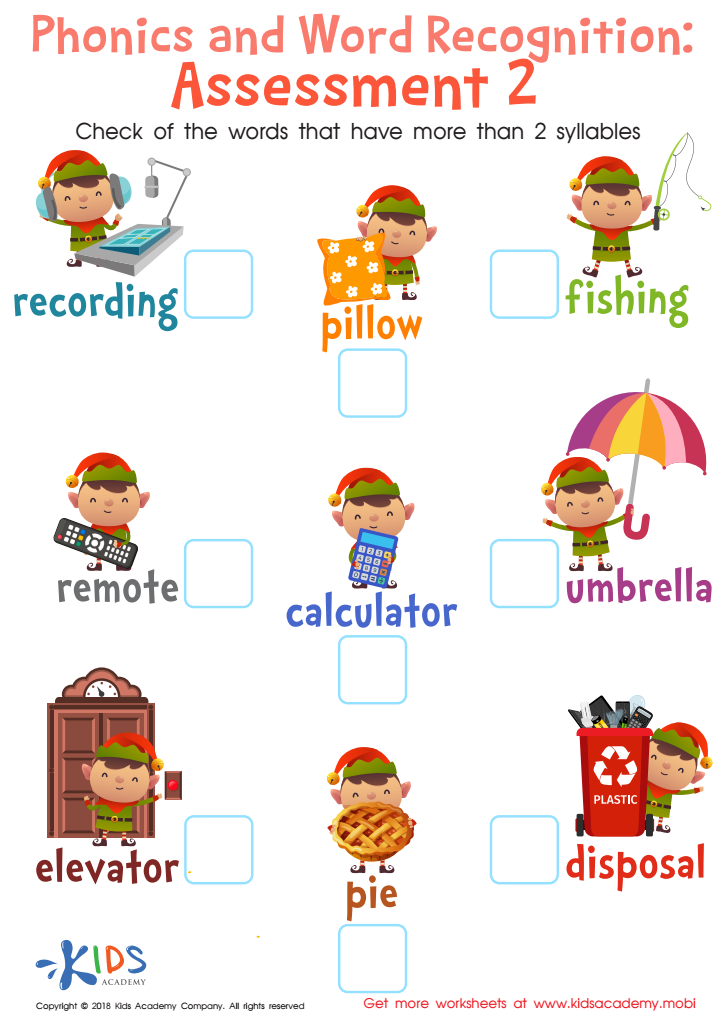
Phonics and Word Recognition: Assessment 2 Worksheet
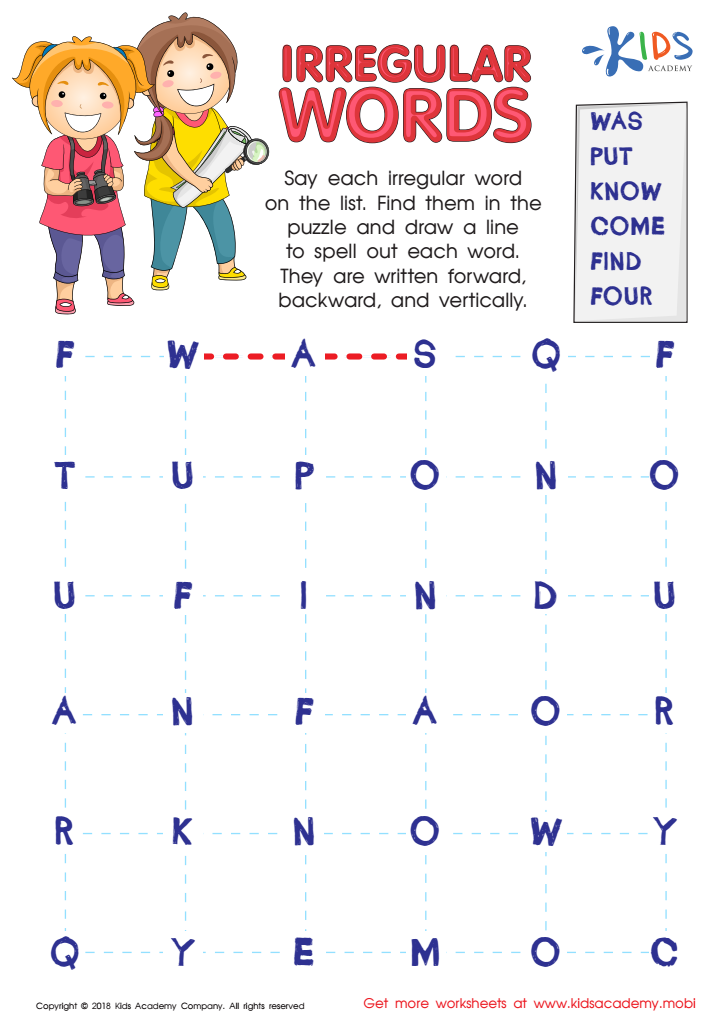
Irregular Words Worksheet
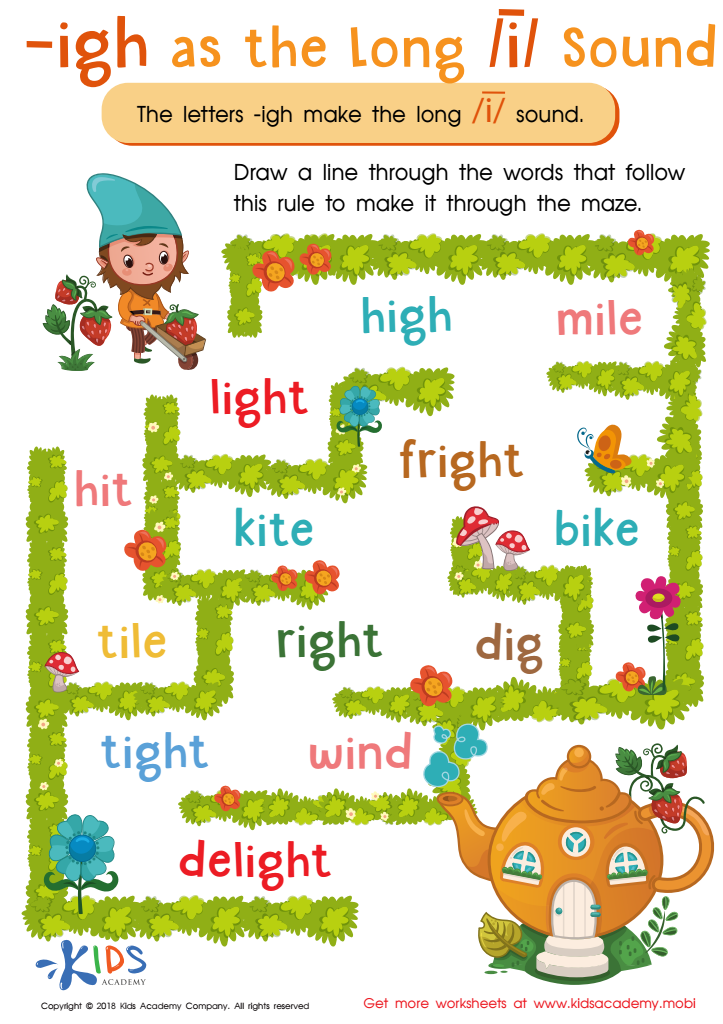
Reading: IGH as Long I Worksheet
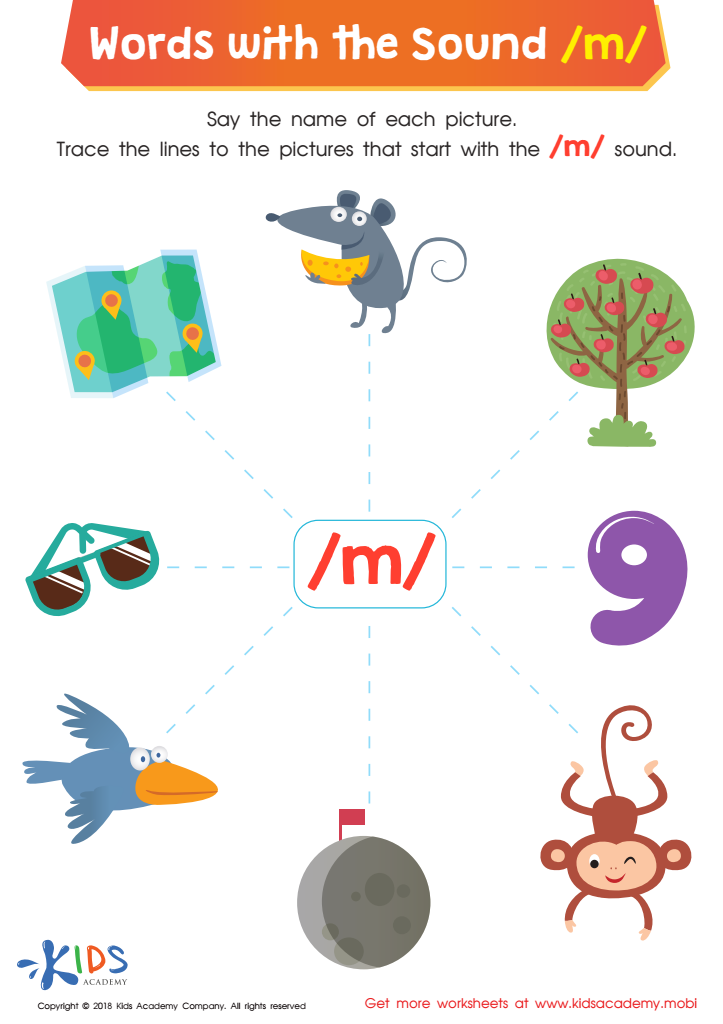
Words with Sound M Reading Worksheet
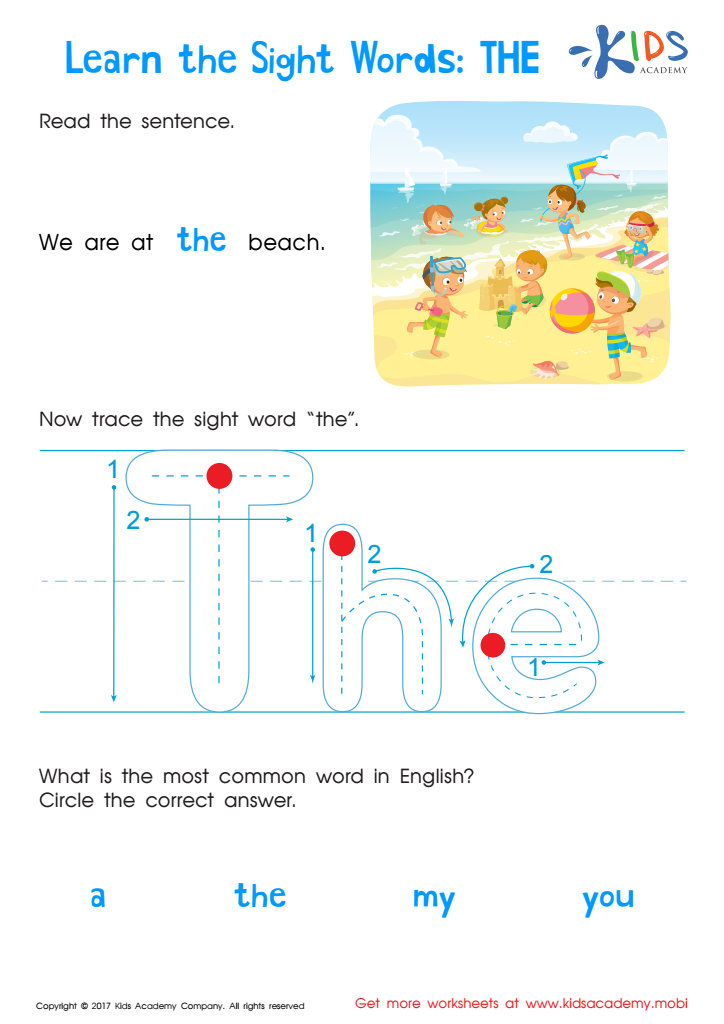
Sight Words: The Worksheet
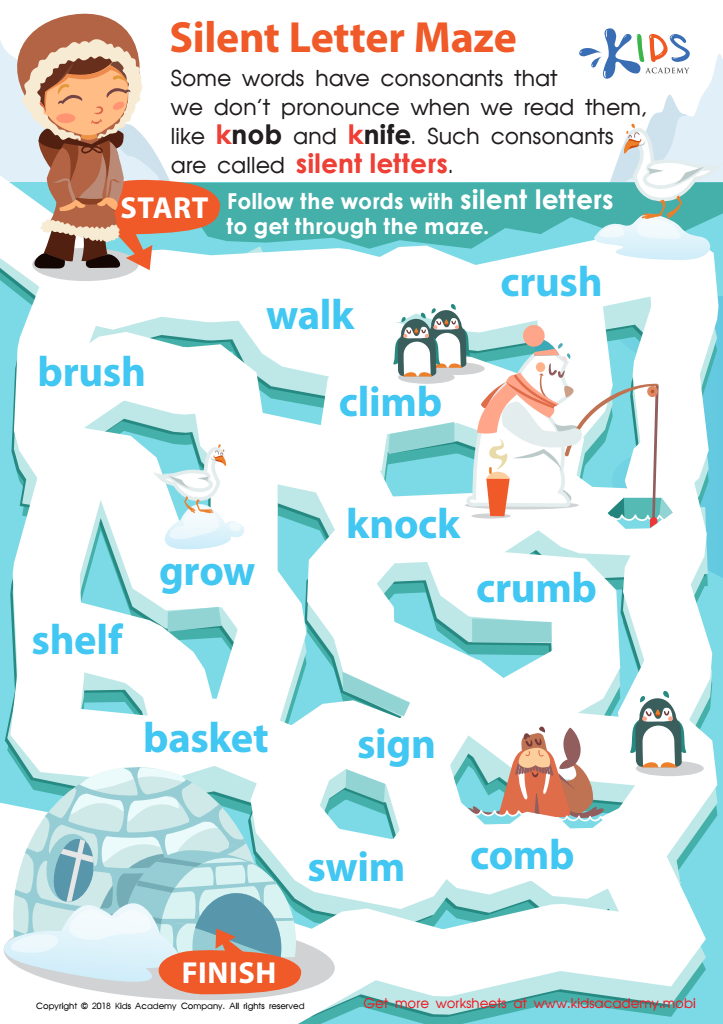
Silent Letter Maze Worksheet
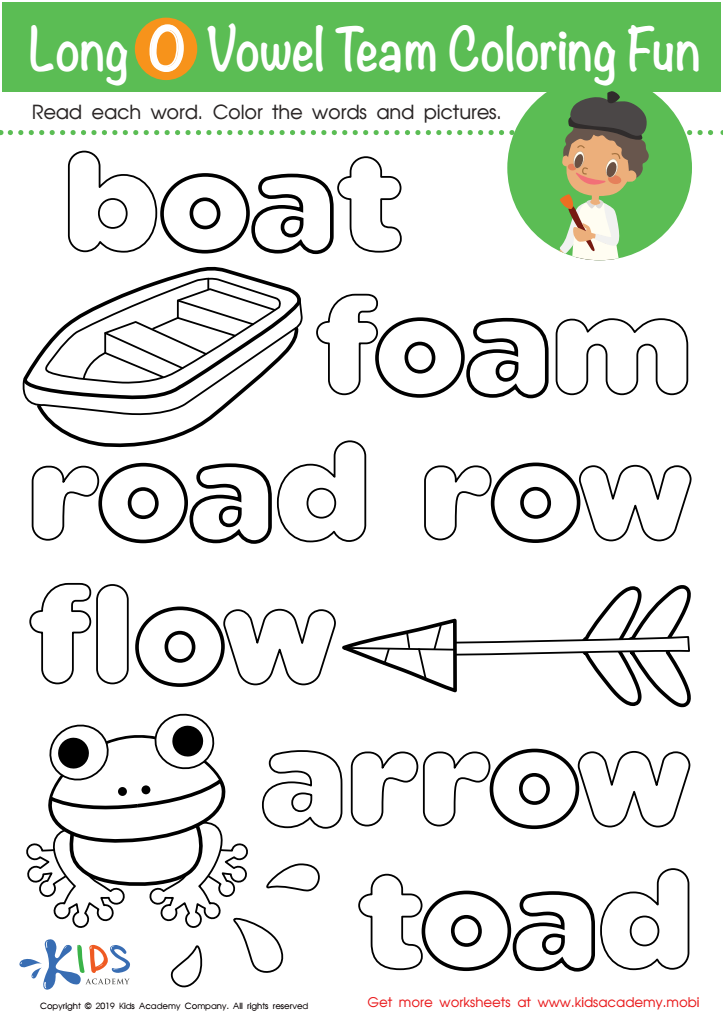
Long O Vowel Team Coloring Worksheet
Assign to My Students
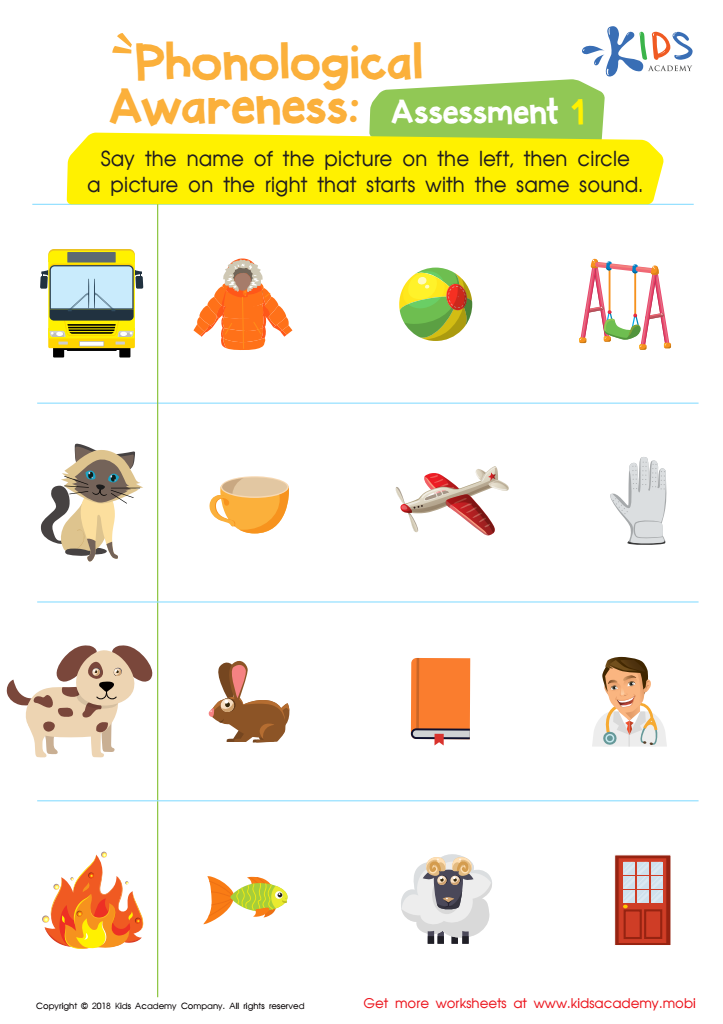
Phonological Awareness: Assessment 1 Worksheet
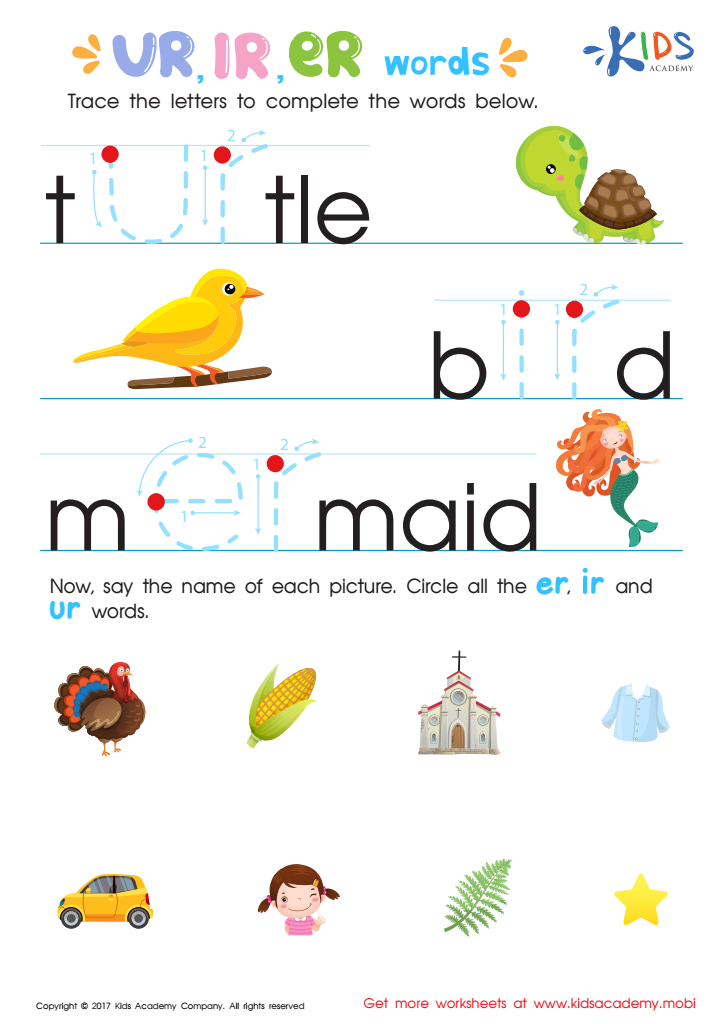
IR UR ER Words Worksheet
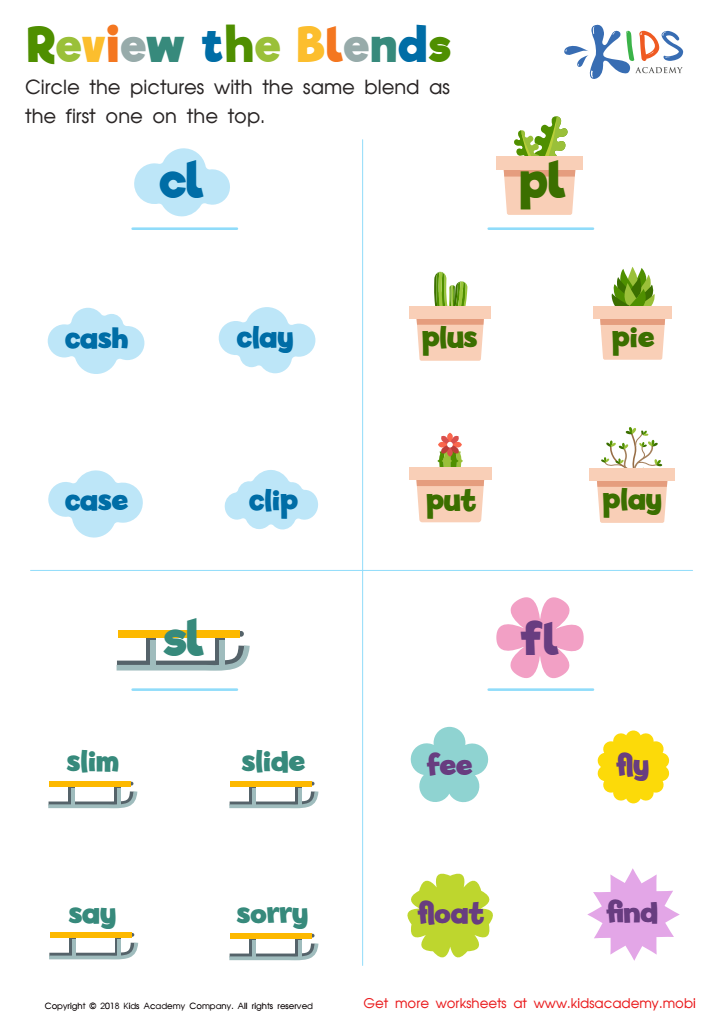
Review the Blends Worksheet
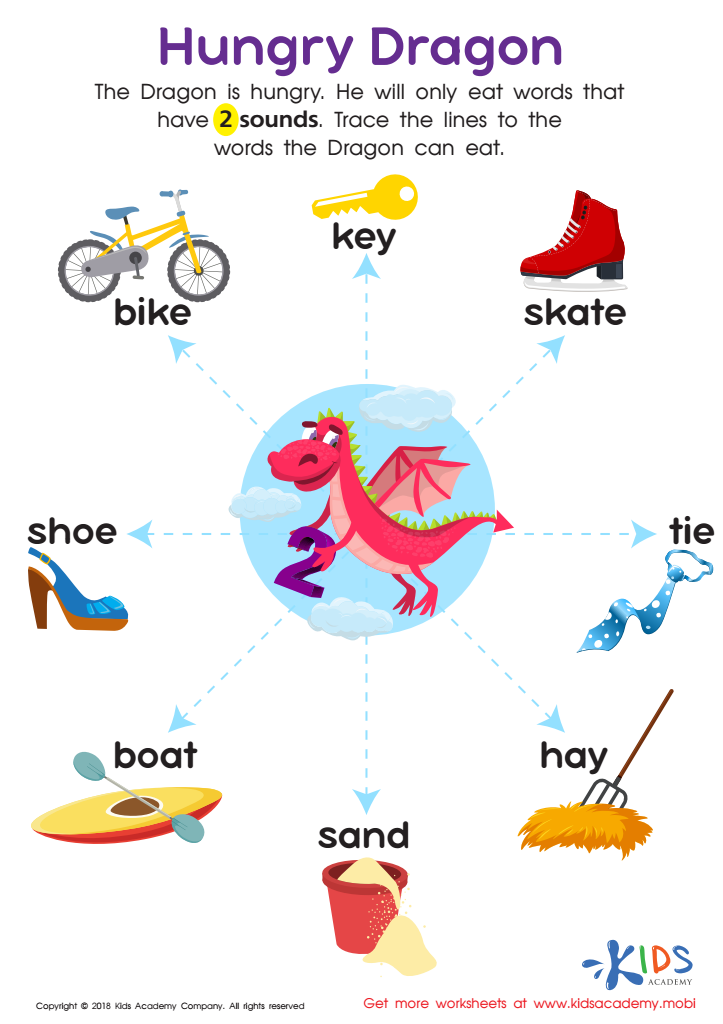
Hungry Dragon Worksheet
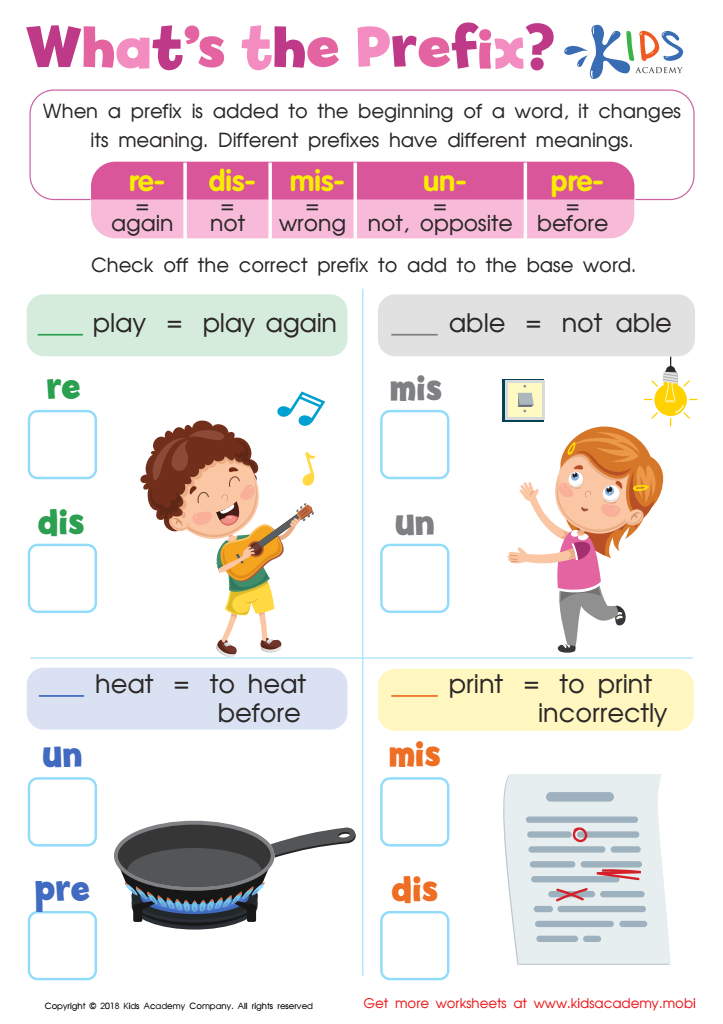
Reading: What Is the Prefix Worksheet
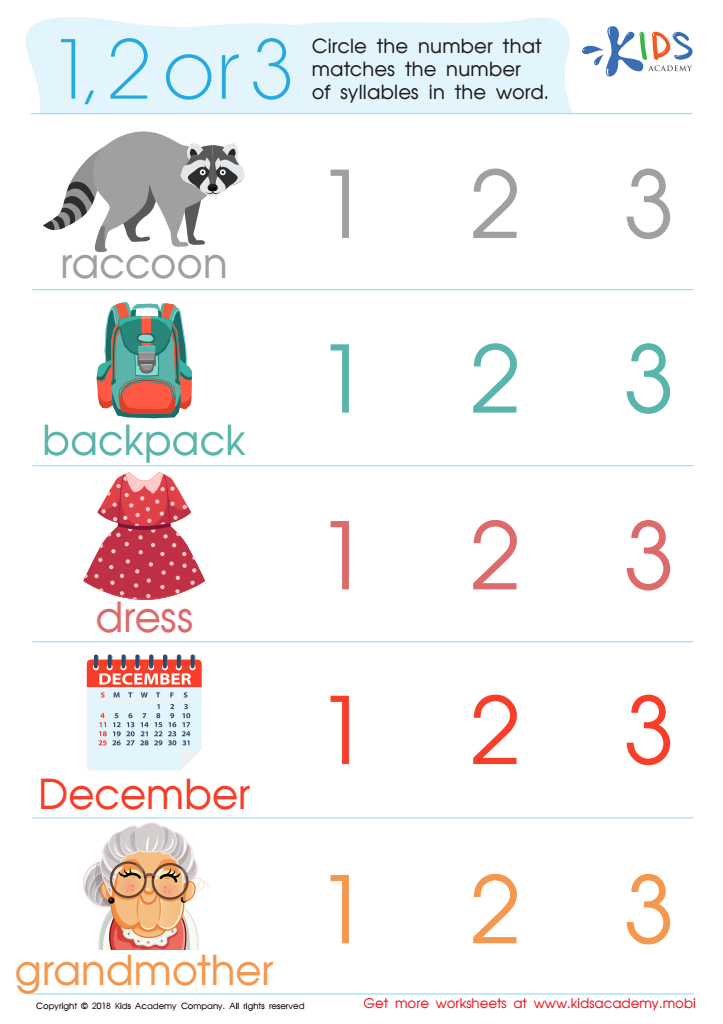
1, 2 or 3? Worksheet
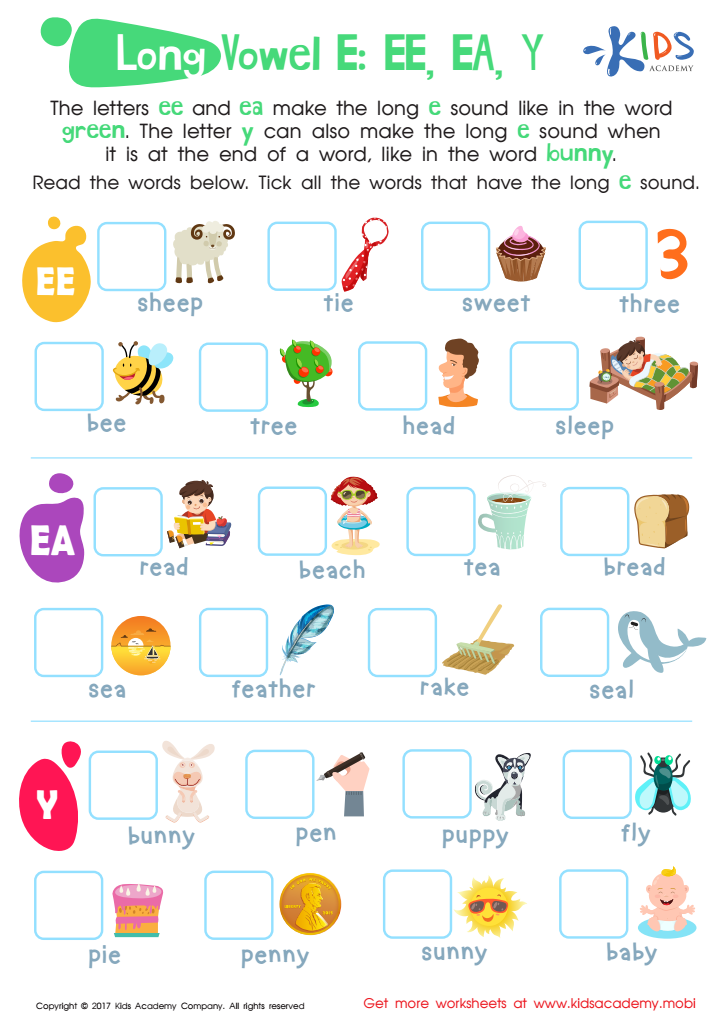
Long Vowel E Printable
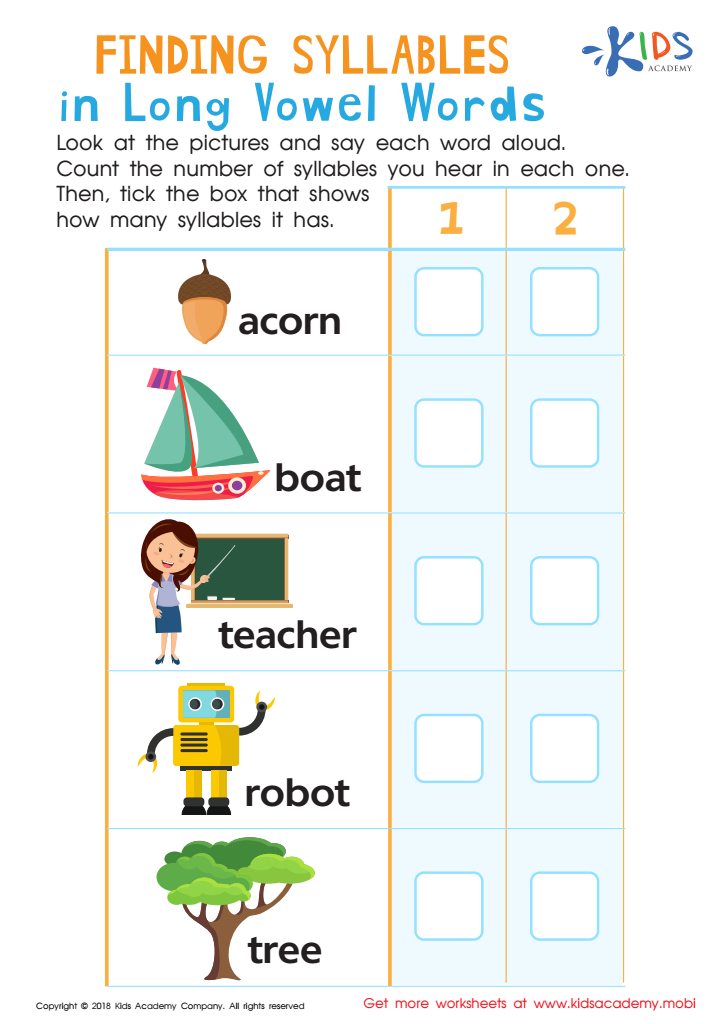
Finding Syllables in Long Vowel Words Worksheet
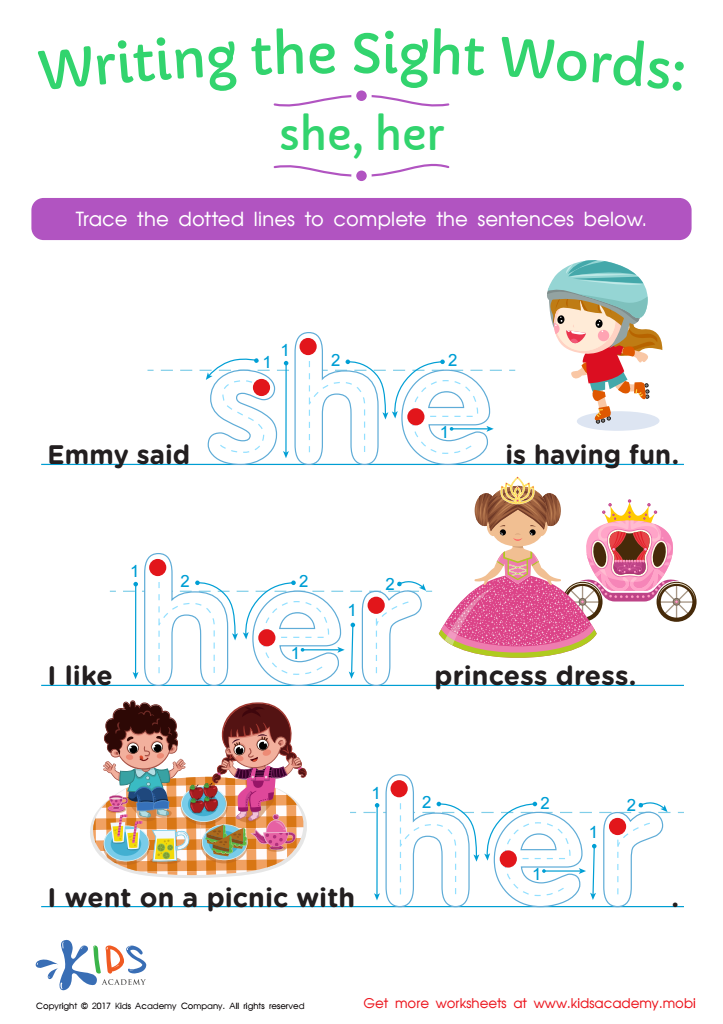
She, Her Printable Sight Words Worksheet
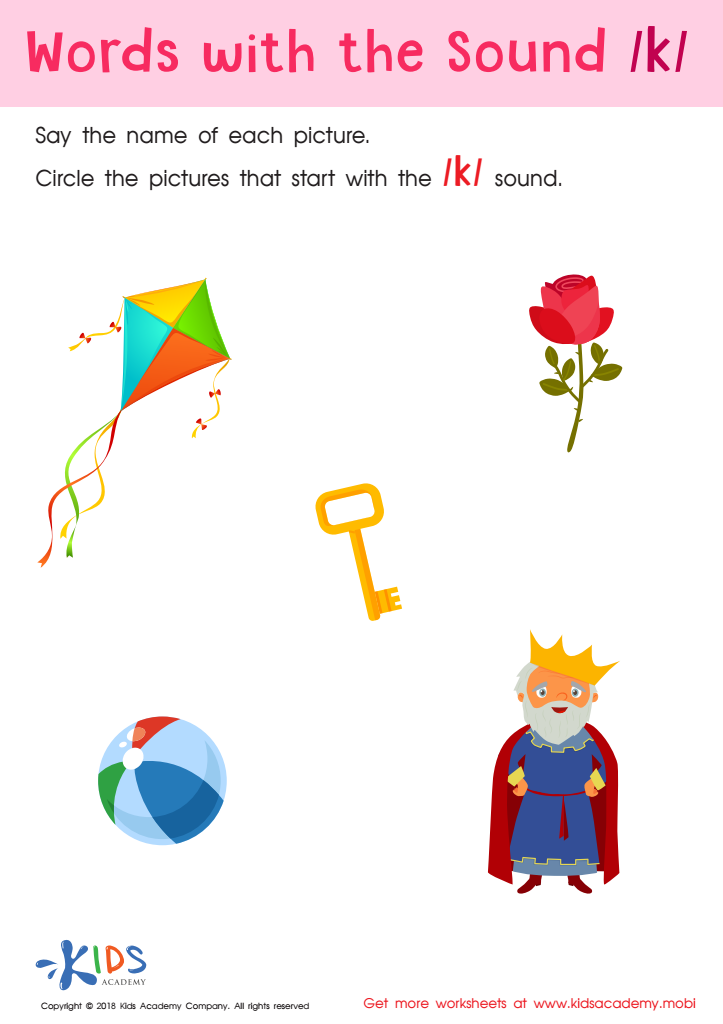
Words with sound k Reading Worksheet








Parents and teachers should prioritize Normal Phonics for ages 6-9 due to its crucial role in developing foundational literacy skills. During this age, children undergo significant cognitive and linguistic growth, making phonics instruction essential for effective reading development. Normal Phonics provides a structured approach that teaches the relationship between letters and their sounds, facilitating word recognition and comprehension.
By mastering phonics, children gain the ability to decode unfamiliar words independently, enhancing their confidence and fluency in reading. This independence not only accelerates their ability to tackle more complex texts but also fosters a love of reading, which is vital for lifelong learning.
Moreover, phonics instruction supports diverse learners, including those who may struggle with reading. A phonics-based curriculum helps identify and address specific areas of difficulty, which can be instrumental in preventing reading delays.
For teachers, implementing Normal Phonics allows for a consistent framework that aligns with educational goals and standards, ensuring all students receive a comprehensive literacy education. For parents, understanding phonics enables them to support their child's reading journey at home, creating a collaborative effort that reinforces classroom learning. Ultimately, embracing Normal Phonics equips children with essential tools for academic success and a lifetime of literacy engagement.







