Enhance your child's problem-solving skills with our engaging "Logical Thinking Normal Worksheets for Ages 6-9." Designed to challenge young minds, these printable worksheets stimulate cognitive development through fun, interactive activities. Our thoughtfully crafted exercises target essential logical thinking skills, including pattern recognition, sequencing, and critical analysis. Perfect for classroom or at-home learning, these worksheets cater to varying difficulty levels, ensuring every child can grow and succeed at their own pace. Stimulate curiosity and boost academic confidence with activities that make learning enjoyable and rewarding. Discover the power of play in education today on Kids Academy.

Check out this FREE "Logical thinking" Trial Lesson for age 6-9!

Understanding Place Value - Hundreds Only

Favorites
With answer key
Interactive
  • 6-9
  • Logical thinking
  • Normal
Hotel Mix-up Worksheet

Hotel Mix-up Worksheet

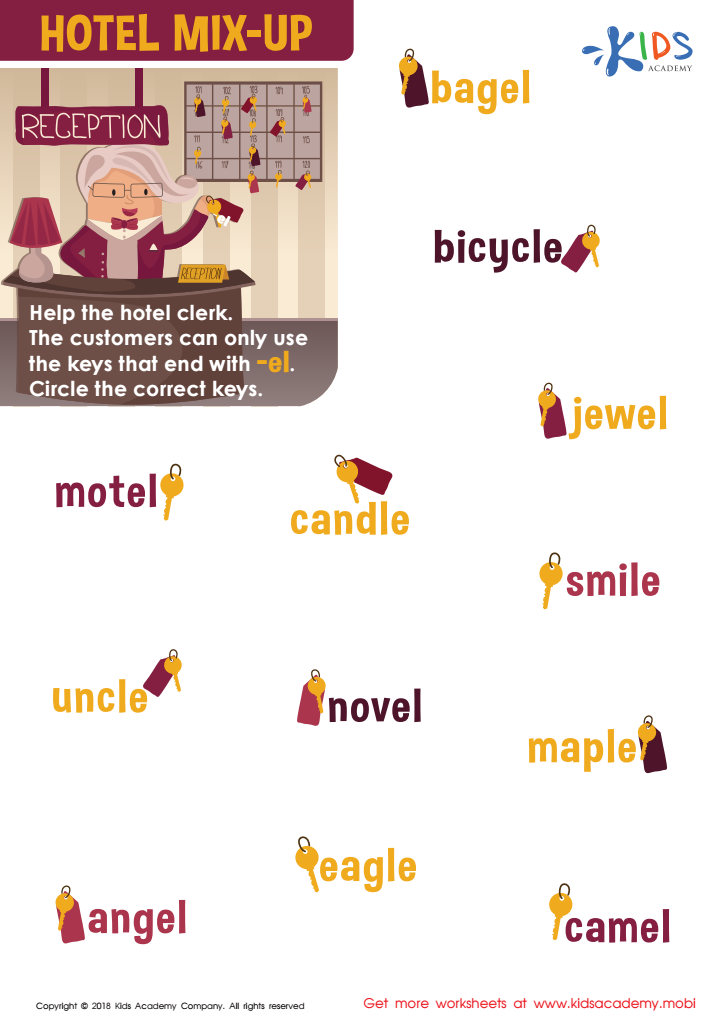
Before doing this worksheet, explain to your kids what a hotel is. It's a building where guests can stay for a few days and pay for their stay. In this exercise, the hotel clerk needs help finding the correct keys. Have your kids circle words ending with -el to find the right ones.
Hotel Mix-up Worksheet
Worksheet
Turn Around Dominos Worksheet

Turn Around Dominos Worksheet

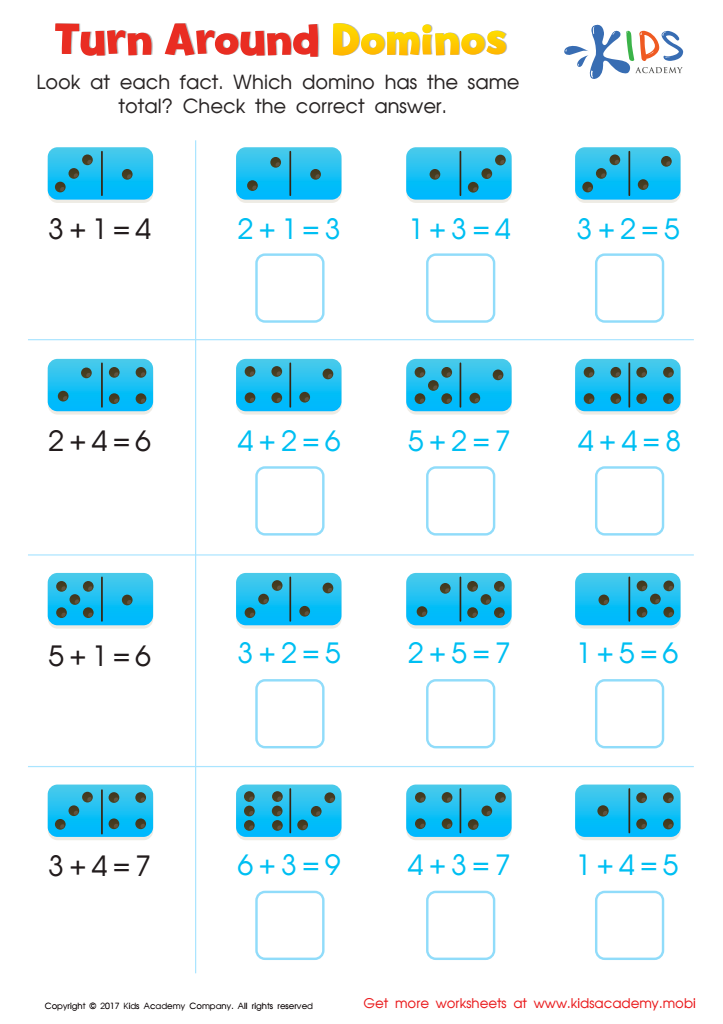
Encourage your child to flex their mental muscles with this math worksheet. Look through the left side's dominos and their values and then check the three boxes on the right. Ask your child if any of the right box's dominos are similar. This requires focus and careful observation.
Turn Around Dominos Worksheet
Worksheet
Hundreds Puzzle Worksheet

Hundreds Puzzle Worksheet

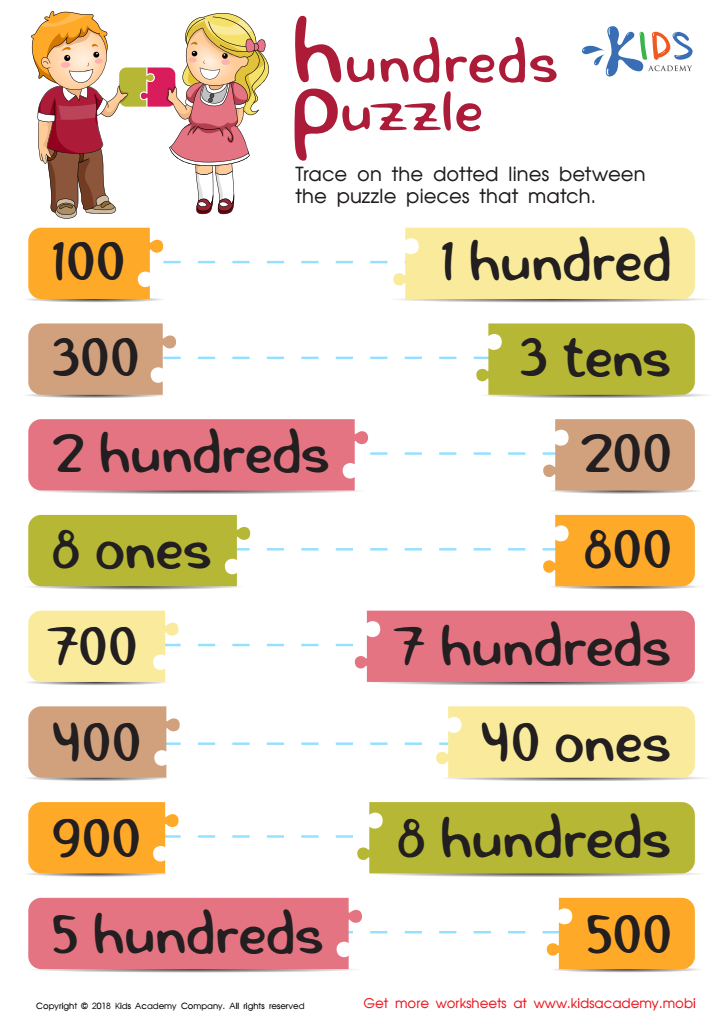
This tracing sheet can help your child improve their number knowledge, from hundreds to tens. On the left are different numbers, with the same on the right. Ask your child to connect the matching numbers with the dotted lines. Make learning numbers fun with this traceable printout.
Hundreds Puzzle Worksheet
Worksheet
The Dog and His Bone Worksheet

The Dog and His Bone Worksheet

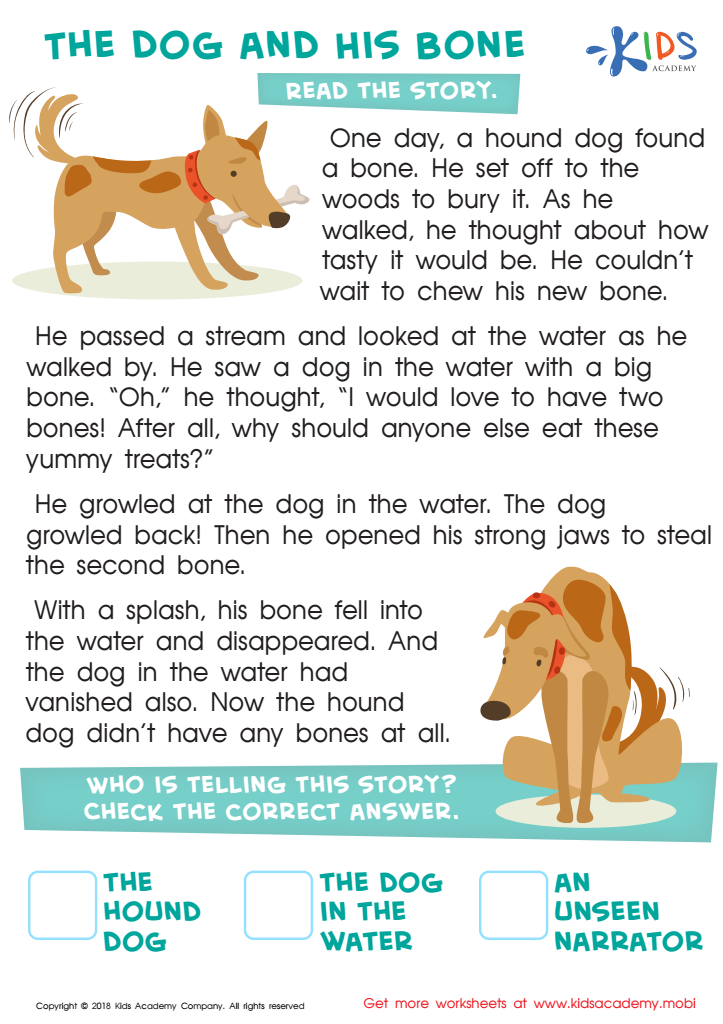
Read the story of The Dog and His Bone to your kids, making sure they take in the details. Ask them the questions in this worksheet and help them check the answers. Encourage them to think carefully.
The Dog and His Bone Worksheet
Worksheet
Tommys Test Worksheet

Tommys Test Worksheet

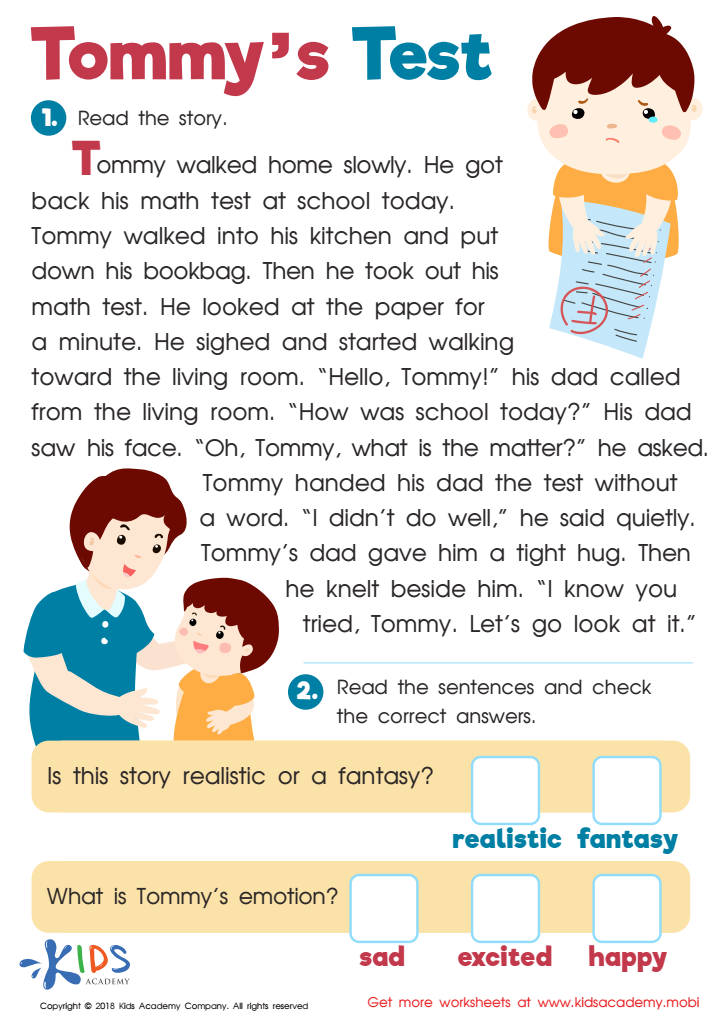
Reading short stories to your students builds a bond, teaches new words and lessons. Read the story aloud and then have them listen for details. Ask them the questions at the bottom and help them check the answers.
Tommys Test Worksheet
Worksheet
Two-Step Hiking Problems Worksheet

Two-Step Hiking Problems Worksheet

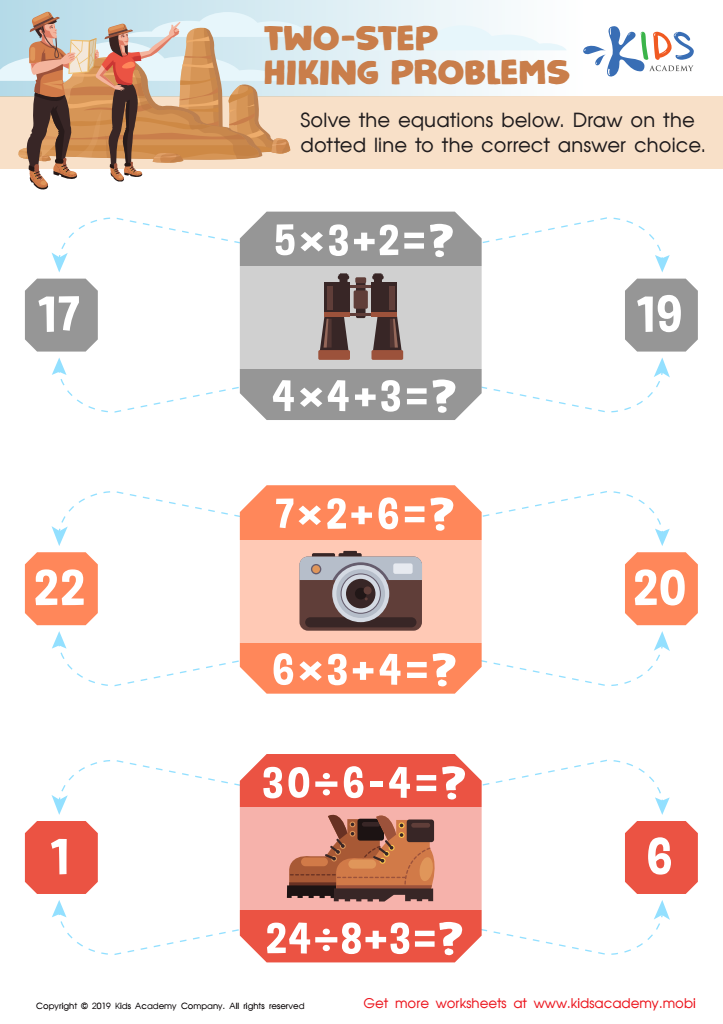
Help your kids ease into math with this worksheet. Solve the three basic equations, then draw on the dotted line to the correct answer. You can help your kids make their journey smoother by guiding them through it.
Two-Step Hiking Problems Worksheet
Worksheet
What's the Missing Side Worksheet

What's the Missing Side Worksheet

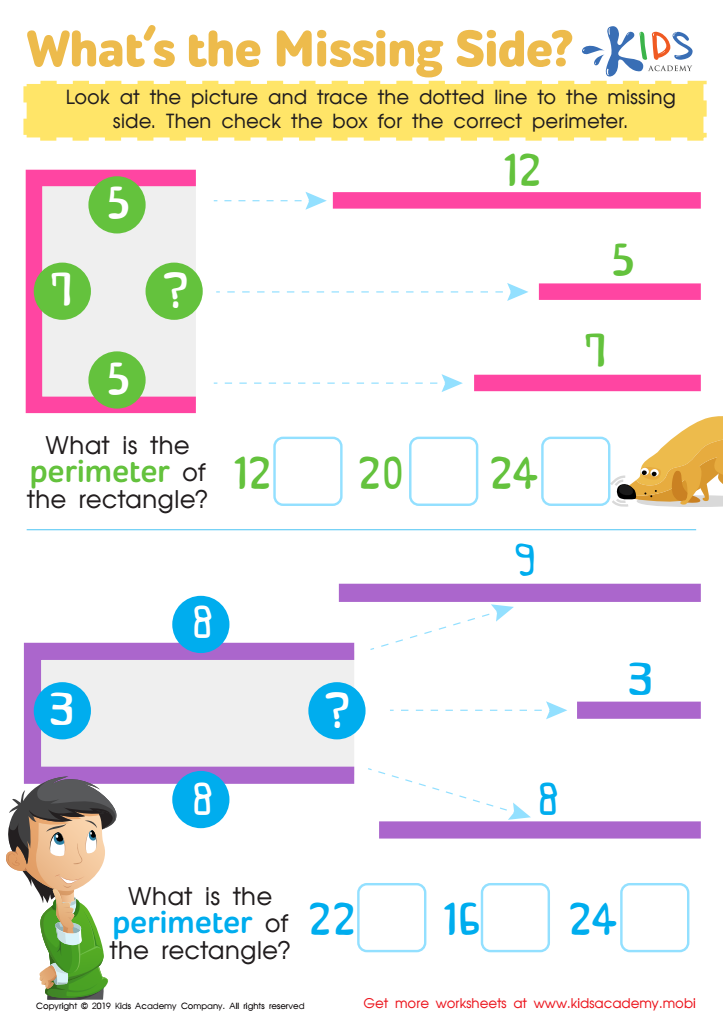
Assist your pupils in improving math skills with fun exercises like the tracing sheet. Show them the picture and guide them to trace the missing side. Ask them to check the box of the right perimeter afterwards. Doing this regularly can help them to enjoy and appreciate the subject more.
What's the Missing Side Worksheet
Worksheet
Geometric Maze for Kids

Cinderella Geometry Maze Worksheet

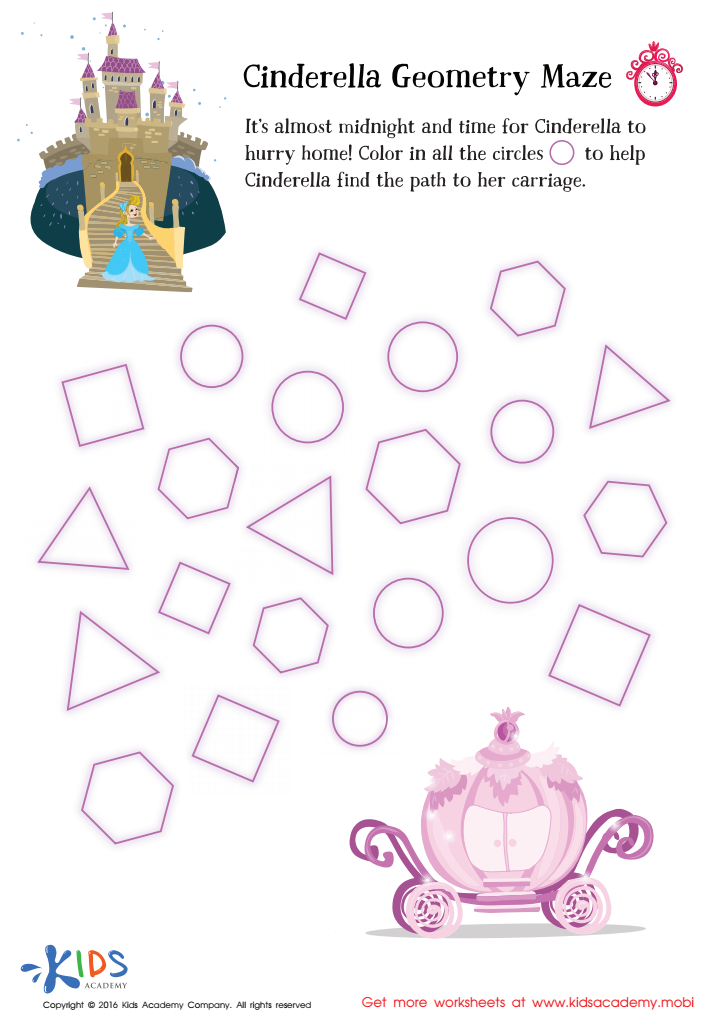
Help Cinderella hurry home! Your preschooler will have fun problem-solving and sorting shapes in this geometric maze. As they shade in the circles, they'll be helping their favorite princess reach her carriage on time. Not only that, but they'll strengthen their logic skills in the process. Get this and other fairy tale mazes to keep them entertained while learning.
Cinderella Geometry Maze Worksheet
Worksheet
Who Is It? Worksheet

Who Is It? Worksheet

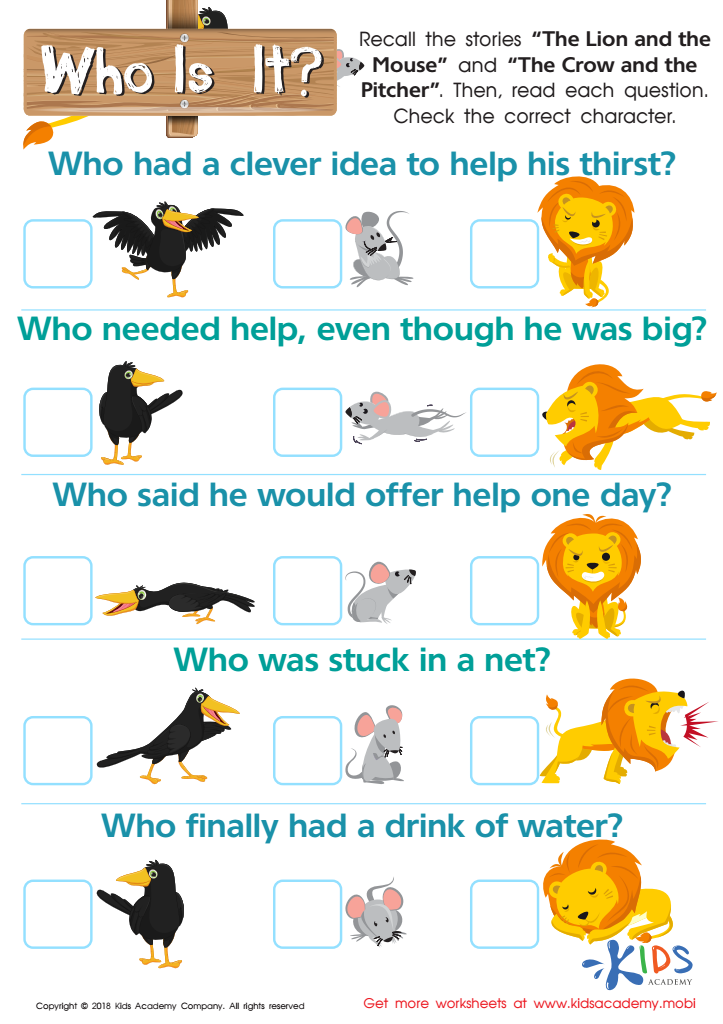
This worksheet helps students recall details from The Crow and the Pitcher and The Lion and the Mouse stories. Students will answer questions about the characters' actions. Use it to assess their understanding of both stories, as this is a key comprehension skill.
Who Is It? Worksheet
Worksheet
What Comes First Worksheet

What Comes First Worksheet

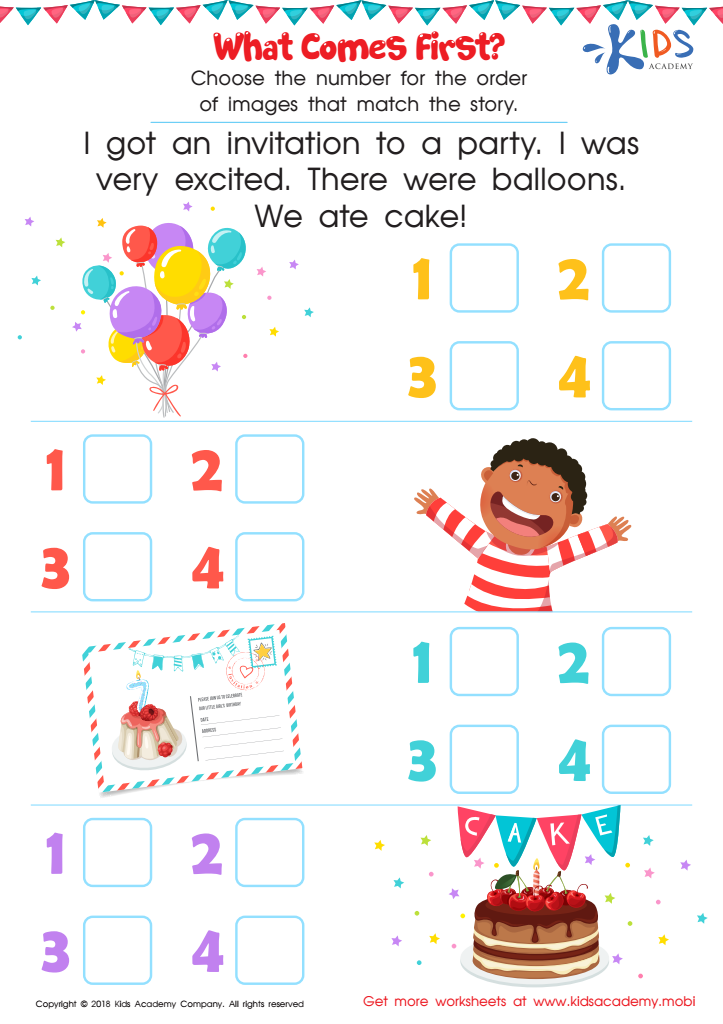
Before you start, ask your child what they see in the picture. Read the story aloud together, then show them the images in order, numbered 1-5. Ask them to choose the numbers that match the story. Have fun and enjoy this party worksheet with your little one! (80 words)
What Comes First Worksheet
Worksheet
Pattern Recognition Worksheet

Practice Patterns Worksheet

Practice Patterns Worksheet
Worksheet
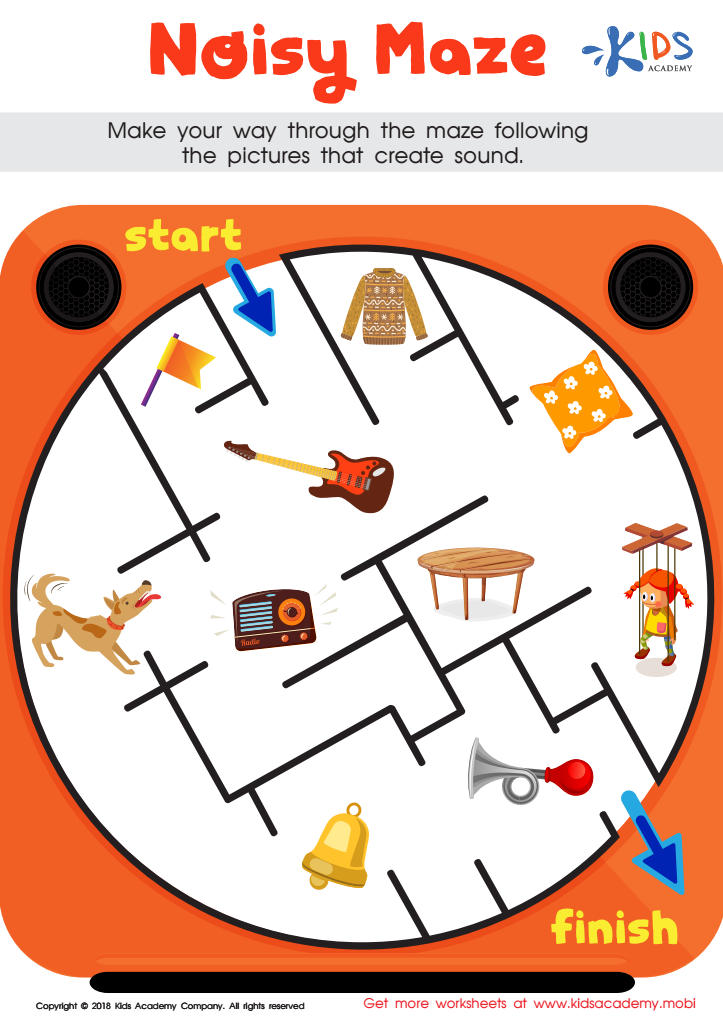
Noisy Maze Worksheet


Noisy Maze Worksheet

Have your kids name some objects that make noise? Then, look at the worksheet with them and help them identify each object. Guide them through the maze, following the sound-producing pictures.
Noisy Maze Worksheet
Worksheet


Logical thinking is the process of reasoning consistently and deriving valid conclusions. For children aged 6-9, it's crucial for several reasons. At this stage of development, their cognitive abilities are advancing rapidly. Encouraging logical thinking aids in problem-solving, an essential skill that will benefit them throughout life. When children solve puzzles or follow step-by-step instructions, they practice breaking down complex problems into manageable parts, a critical aspect of logical reasoning.

Moreover, logical thinking nurtures curiosity and a love for learning. When children understand the reasoning behind "why" and "how," they're more engaged and motivated to explore new concepts. This foundational skill enhances their academic performance, especially in subjects like math and science, where logical reasoning is often required.

Logical thinking also plays a significant role in emotional development. Children start to understand cause and effect in social situations, aiding in better decision-making and improved relationships with peers. This, in turn, boosts their self-confidence and independence.

Teachers and parents act as guides in nurturing these skills. Activities such as puzzles, strategy games, asking open-ended questions, and encouraging exploration contribute immensely. Supporting logical thinking helps children build a robust foundation for academic and personal success, making it a vital focus for educators and parents alike.