Phonics recognition Normal Worksheets for Ages 6-9
13 filtered results
-
From - To
Enhance your child’s reading skills with our engaging Phonics Recognition Normal Worksheets designed specifically for ages 6-9. These worksheets provide a fun and educational way for young learners to master phonics through various interactive activities such as matching sounds, identifying letters, and practicing blends. Each worksheet supports building essential literacy skills while fostering a love for reading. Tailored to meet developmental milestones, our resources are perfect for both classroom and home use. Encourage your child's confidence and competency in reading by incorporating these effective phonics exercises into their daily routine. Discover the joy of learning with our printable worksheets today!
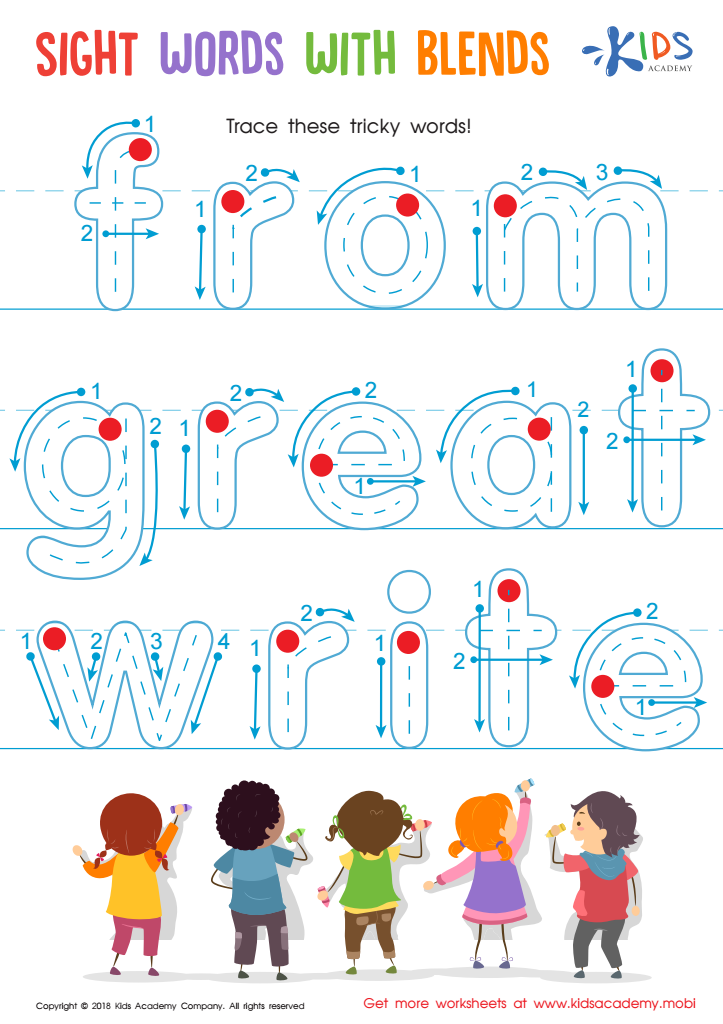
Sight Words with Blends Worksheet
 Assign to My Students
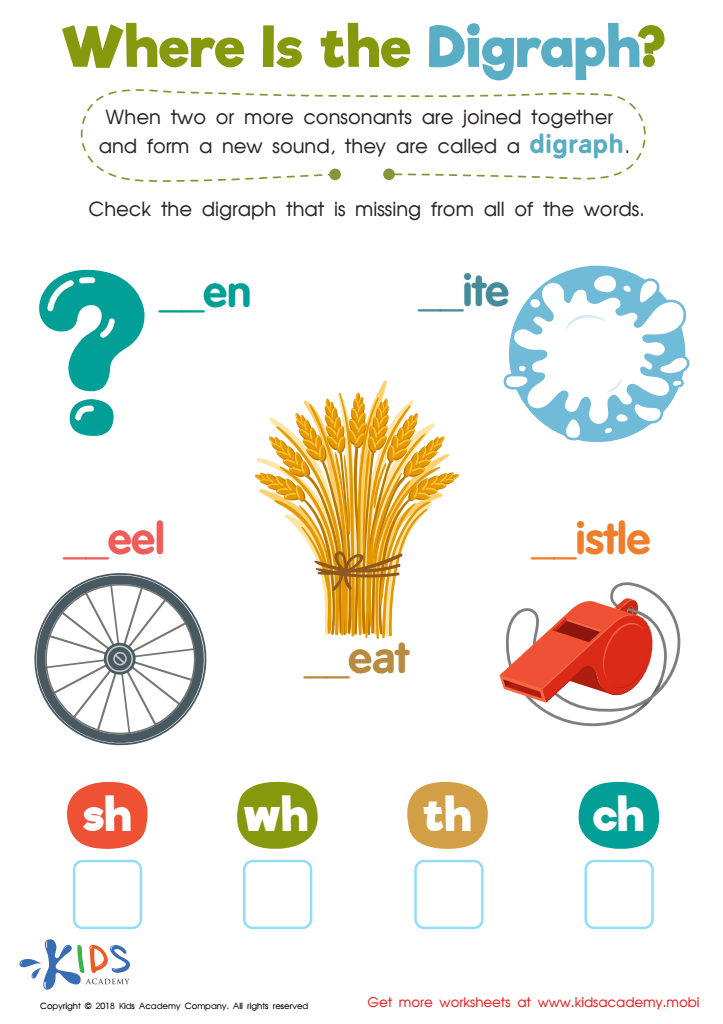
Where Is the Digraph? Worksheet
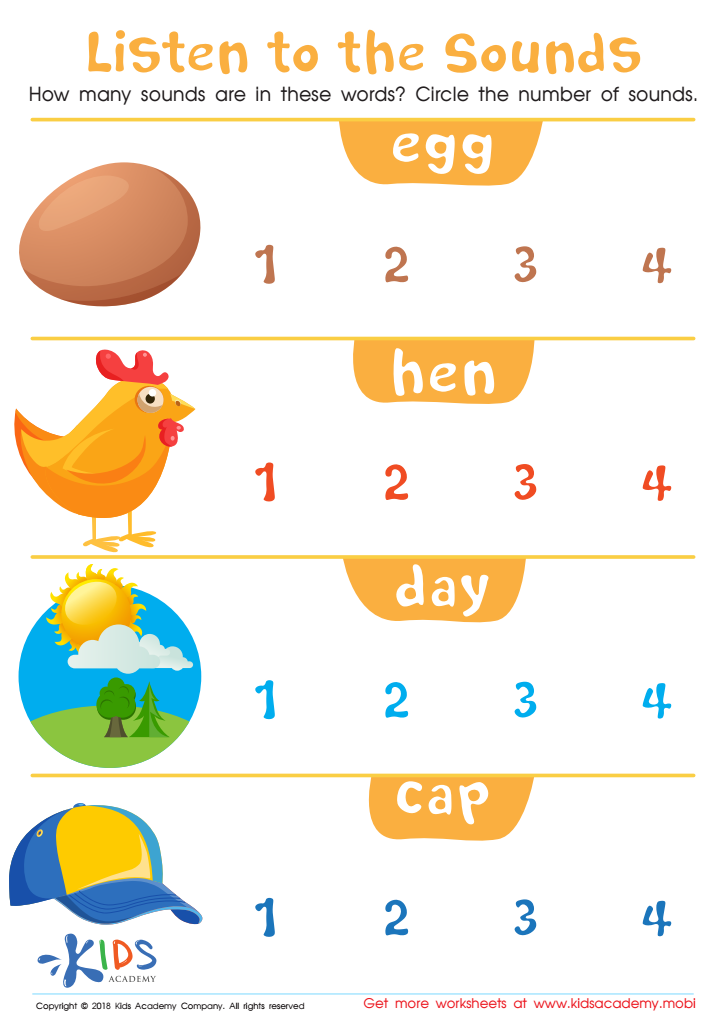
Listen to the Sounds Worksheet
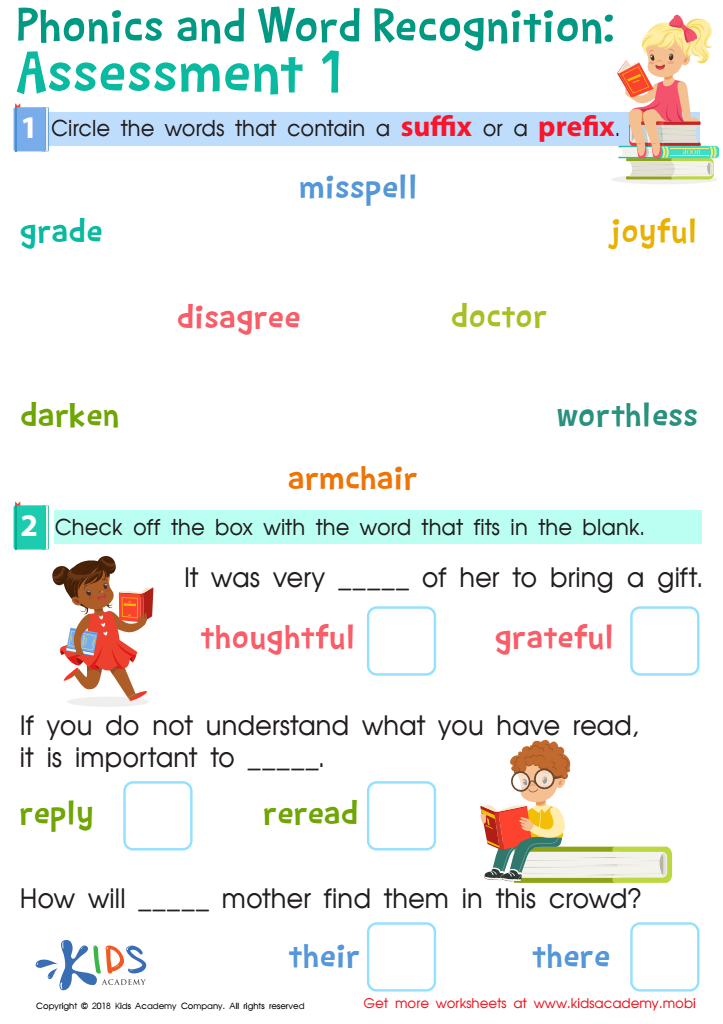
Phonics and Word Recognition: Assessment 1 Worksheet
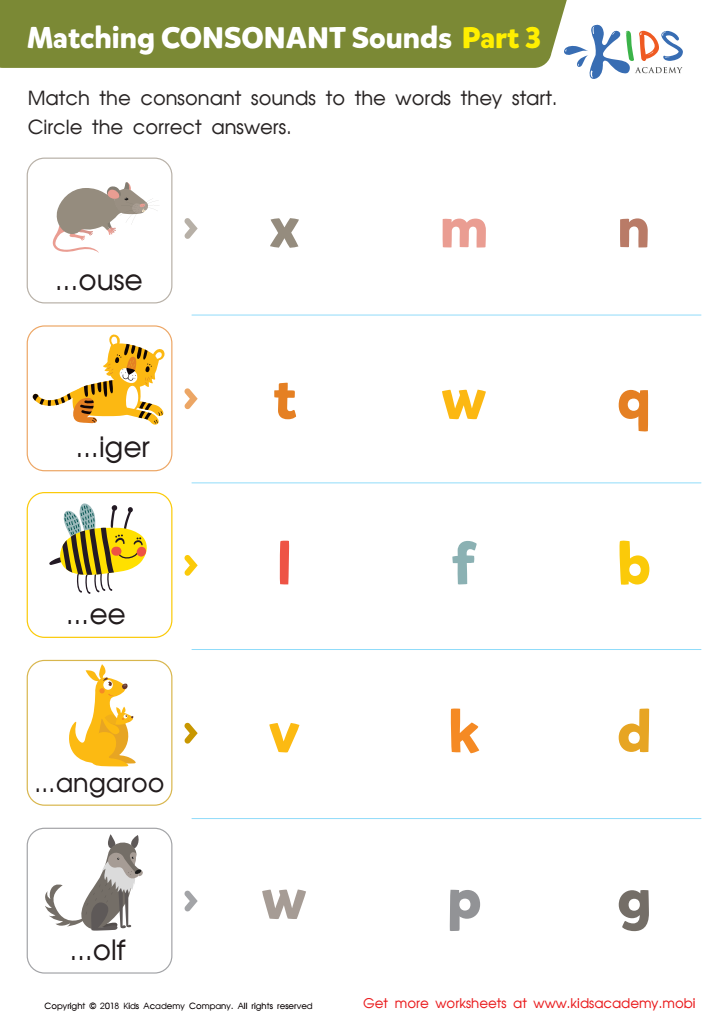
Matching Consonant Sounds: Part 3 Worksheet
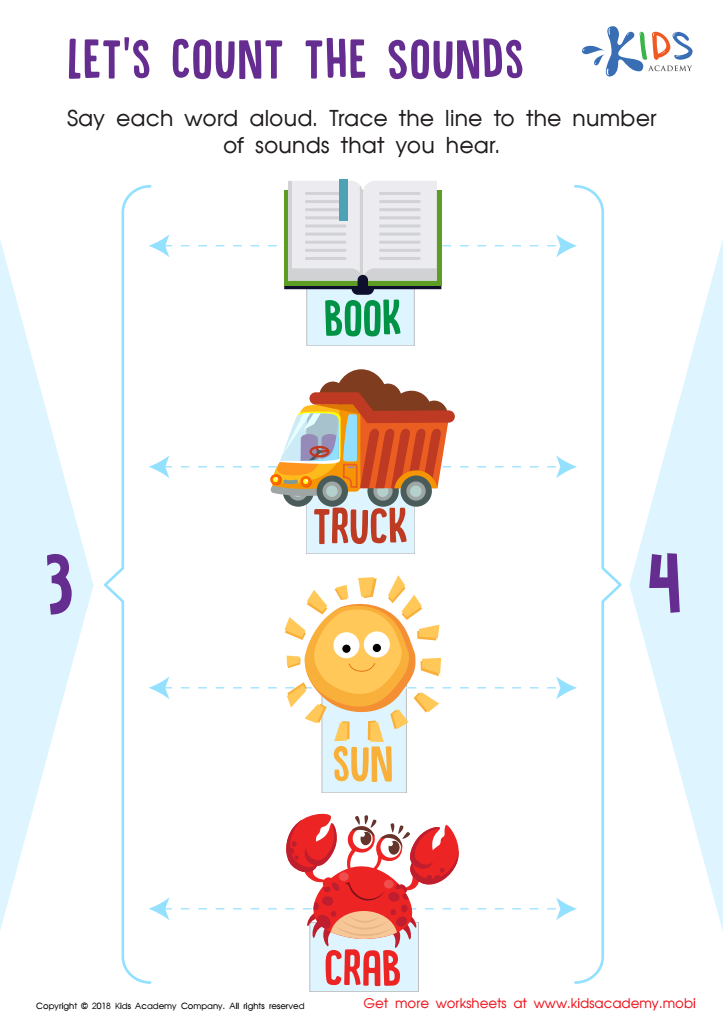
Let's Count the Sounds Worksheet
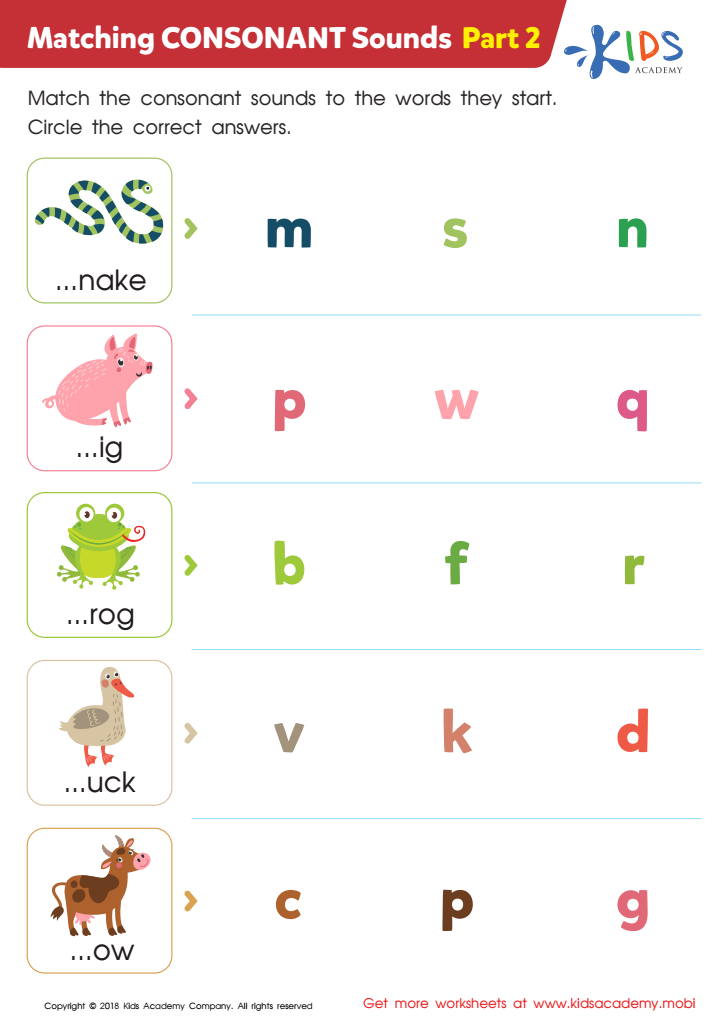
Matching Consonant Sounds: Part 2 Worksheet
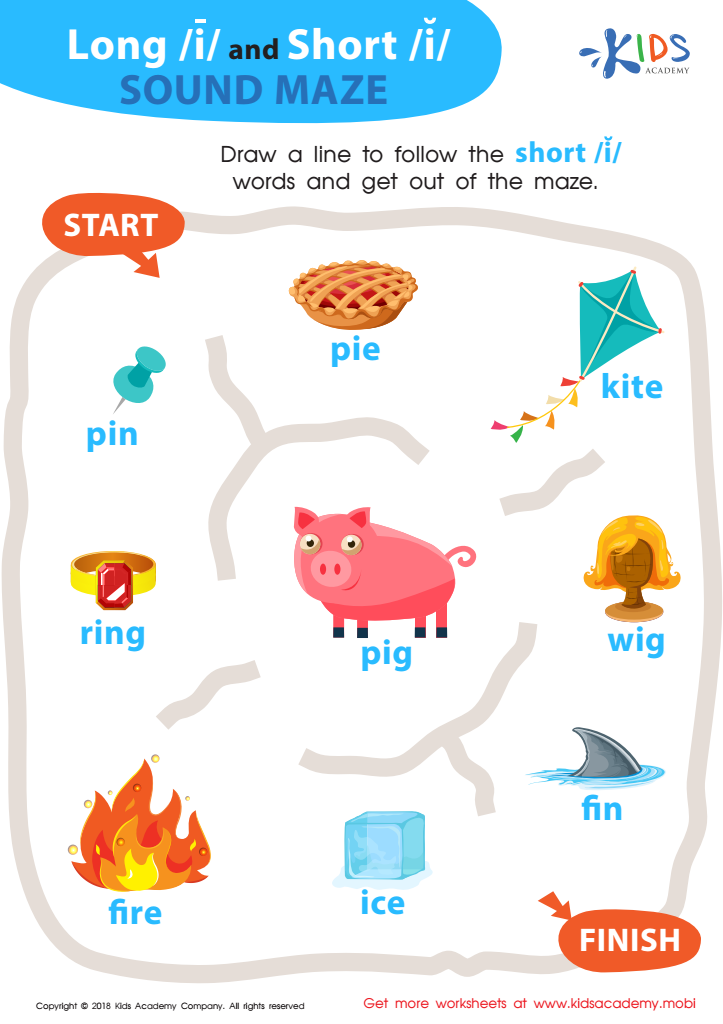
Reading: Long I and Short I Sound Maze Worksheet
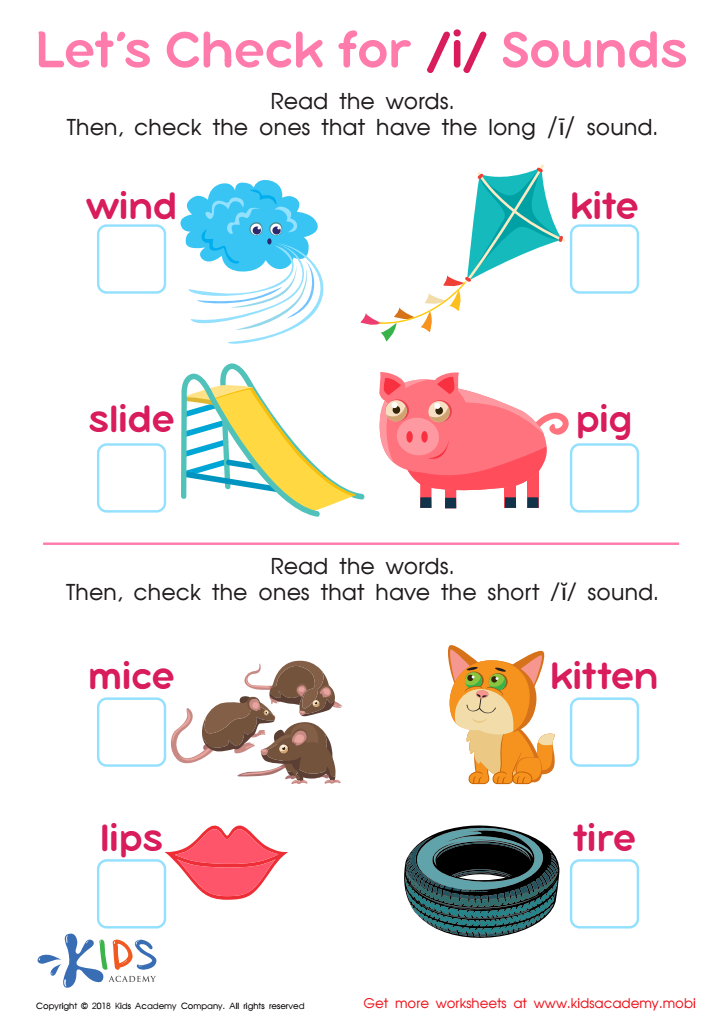
Let's Check for «i» Sounds Worksheet
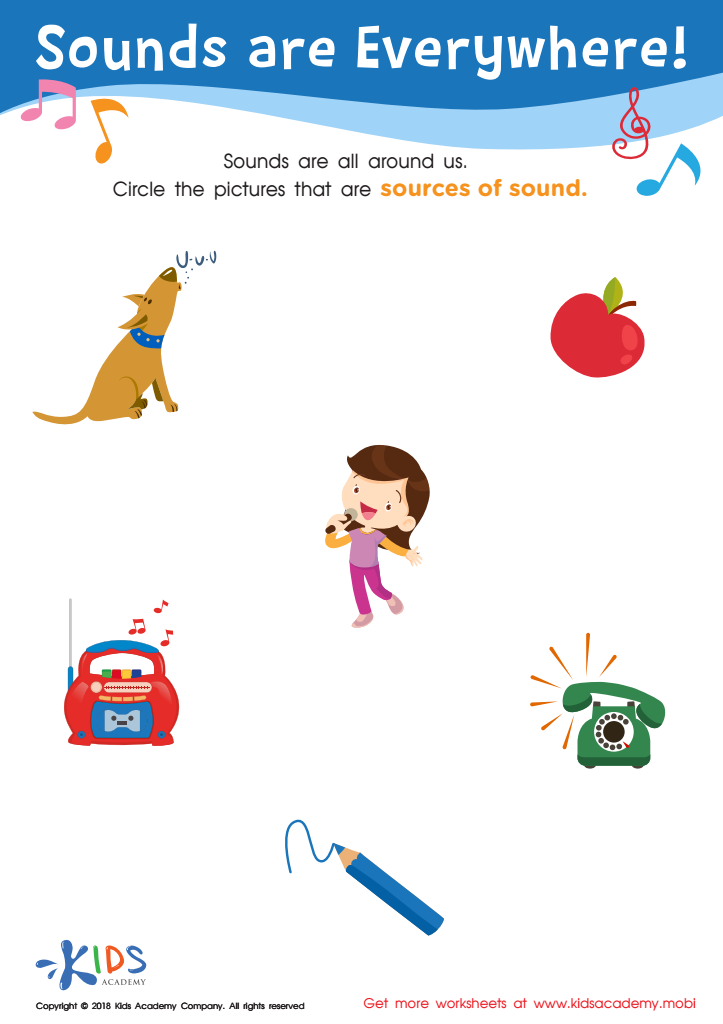
Sounds Are Everywhere! Worksheet
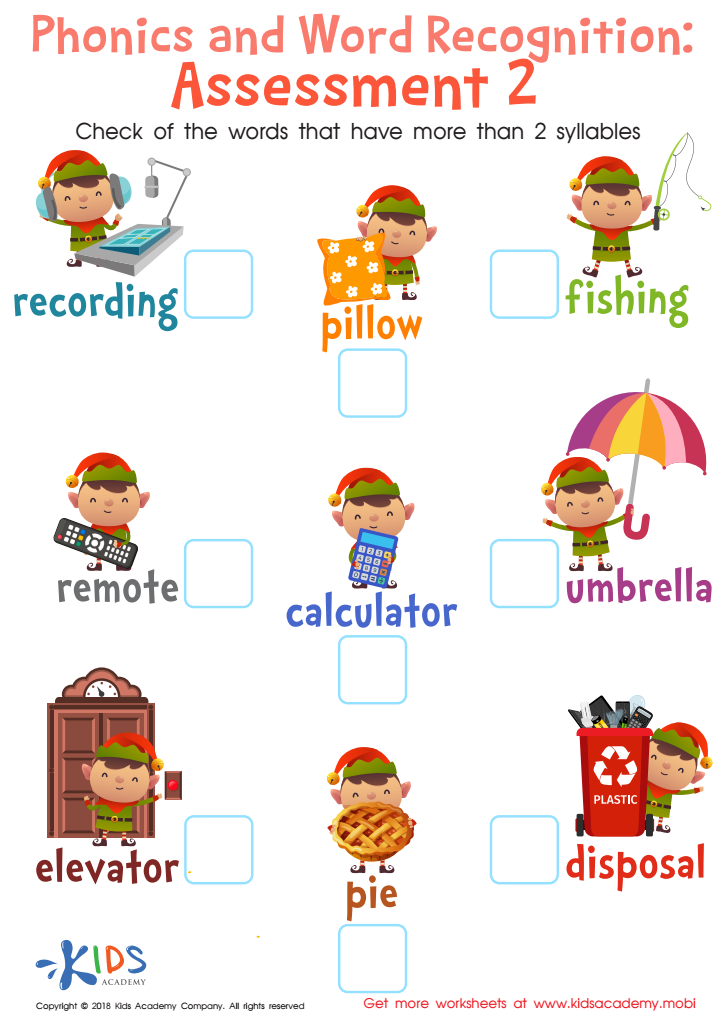
Phonics and Word Recognition: Assessment 2 Worksheet
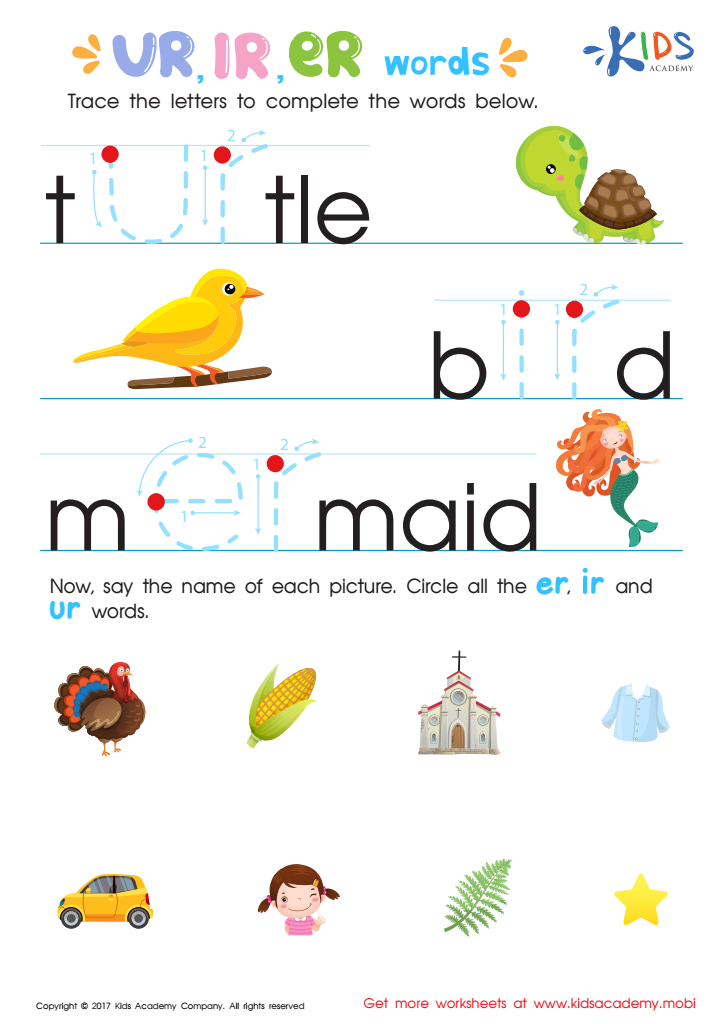
IR UR ER Words Worksheet
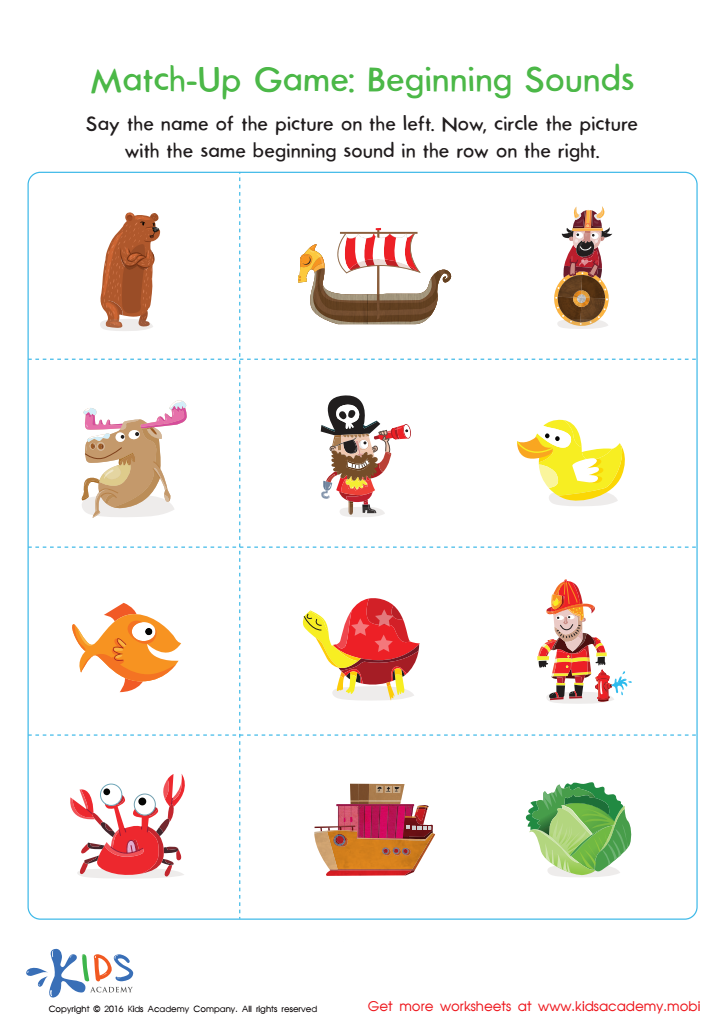
Match–Up Game: Beginning Sounds Worksheet







Phonics recognition is a foundational skill critical for reading fluency and literacy development in children aged 6-9. Parents and teachers should care about this skill because it lays the groundwork for effective reading strategies. Phonics teaches children the relationship between sounds (phonemes) and their corresponding letters or groups of letters (graphemes), enabling them to decode new words independently.
In this age group, developing phonics recognition can significantly boost a child's confidence and motivation in reading. This is a pivotal time when children transition from learning to read to reading to learn. Strong phonics skills directly impact a child's ability to comprehend texts, engage with subjects across the curriculum, and express themselves clearly in writing.
Moreover, early interventions through phonics education can help identify and address language and reading difficulties, thereby preventing long-term academic challenges. For parents, being aware of their child's phonics progress allows for additional support at home, fostering a collaborative learning environment. Teachers benefitting from phonics instruction can equip students with essential tools, prepare them for standardized assessments, and cultivate a lifelong love for reading. Overall, phonics recognition is fundamental to a child's linguistic development and capacity for future academic success.








