Spelling improvement Normal Worksheets for Ages 6-9
16 filtered results
-
From - To
Unlock your child's spelling potential with our Spelling Improvement Worksheets for ages 6-9! These engaging, printable resources are specially designed to enhance phonetic skills, vocabulary retention, and overall confidence in spelling. Each worksheet features age-appropriate exercises that align with early learning standards, ensuring a fun and effective learning experience. With colorful illustrations and interactive tasks, your child will enjoy honing their spelling skills at their own pace. Perfect for home or classroom use, our worksheets are an invaluable tool for fostering your child's love of language and improving their academic performance. Start exploring today and watch their spelling skills soar!
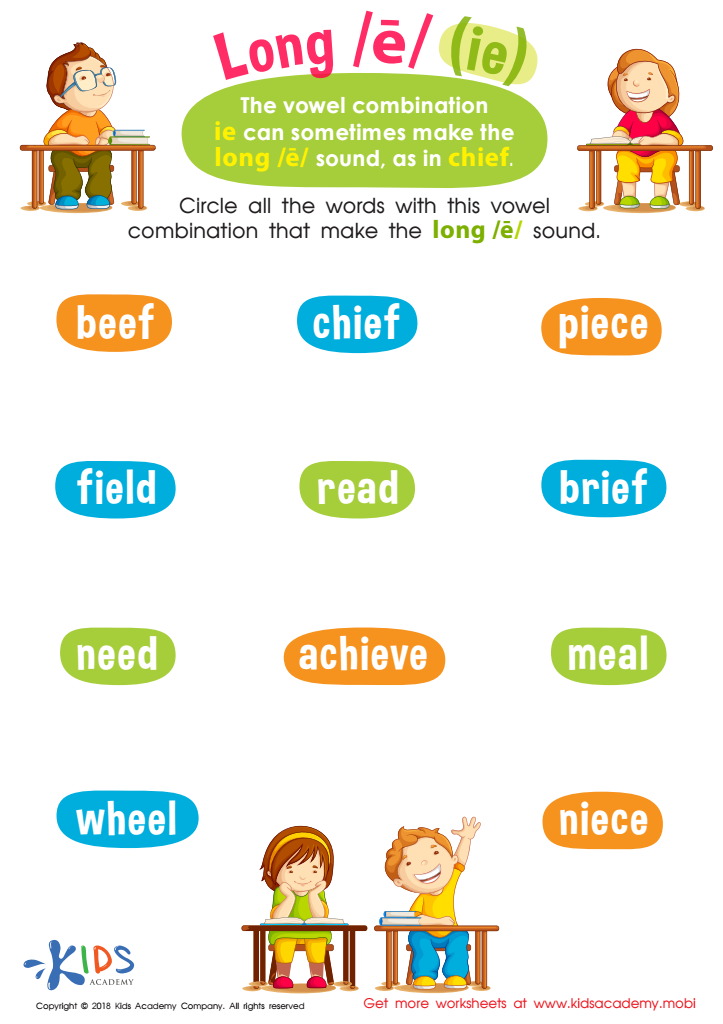
Reading: Long E and IE Worksheet
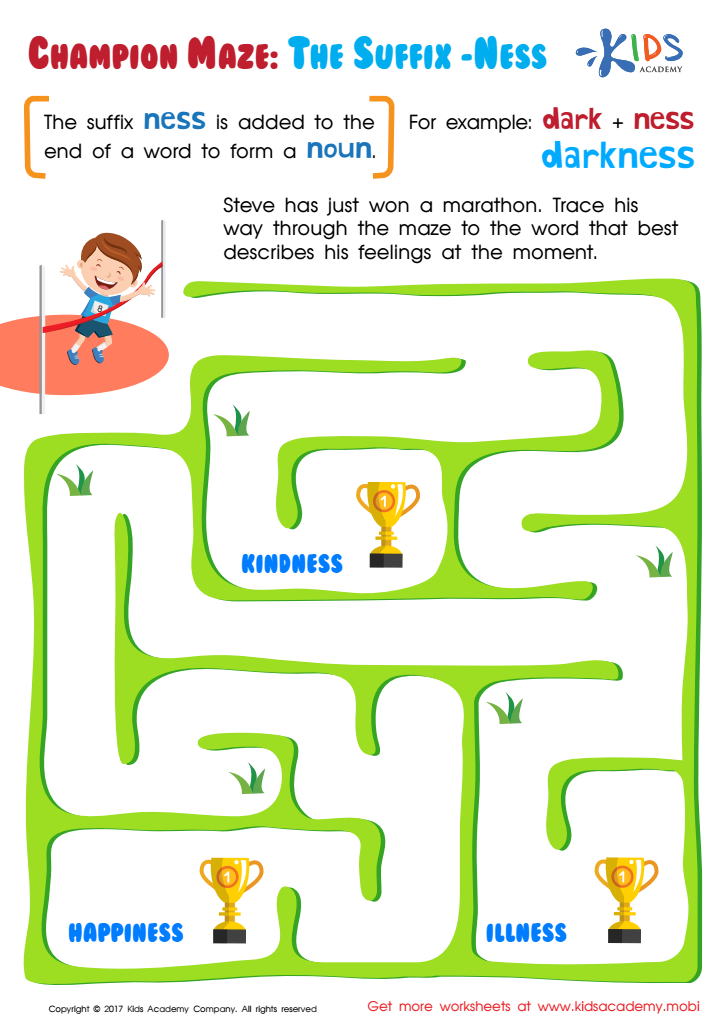
Suffix Ness Worksheet
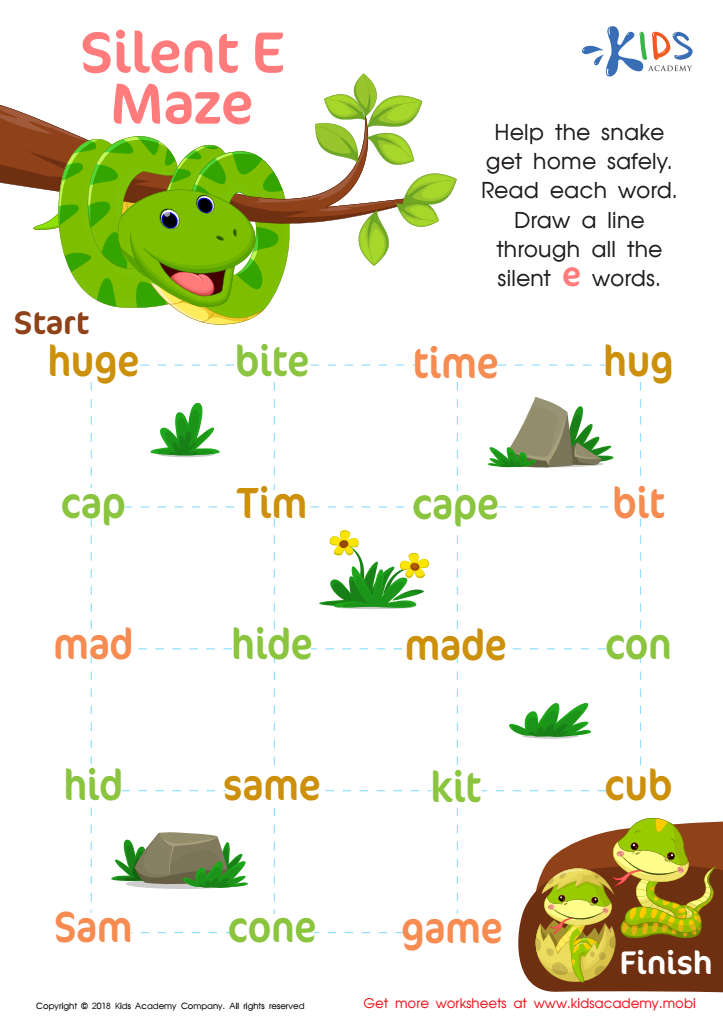
Silent E Maze Worksheet
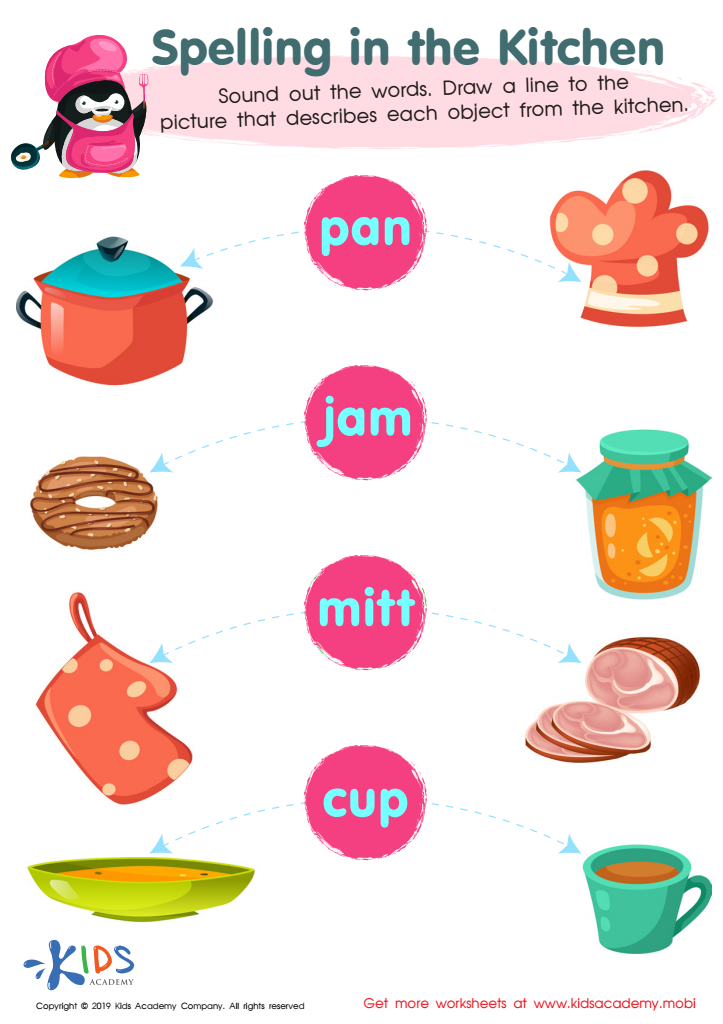
Spelling in the Kitchen Worksheet
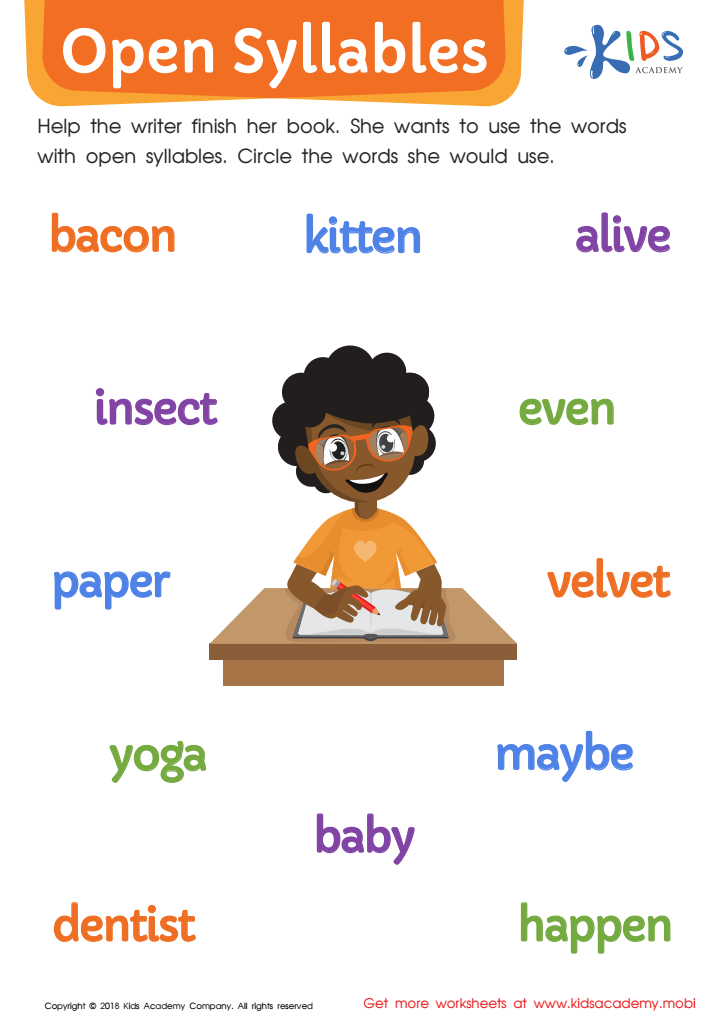
Open Syllables Worksheet
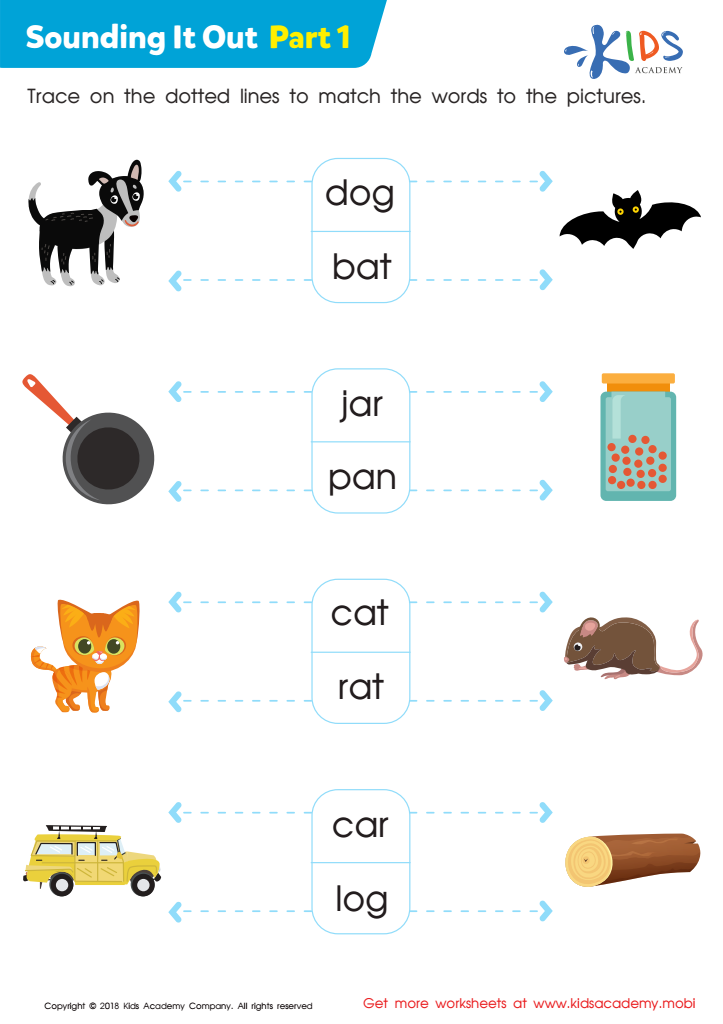
Sounding it Out: Part 1 Worksheet
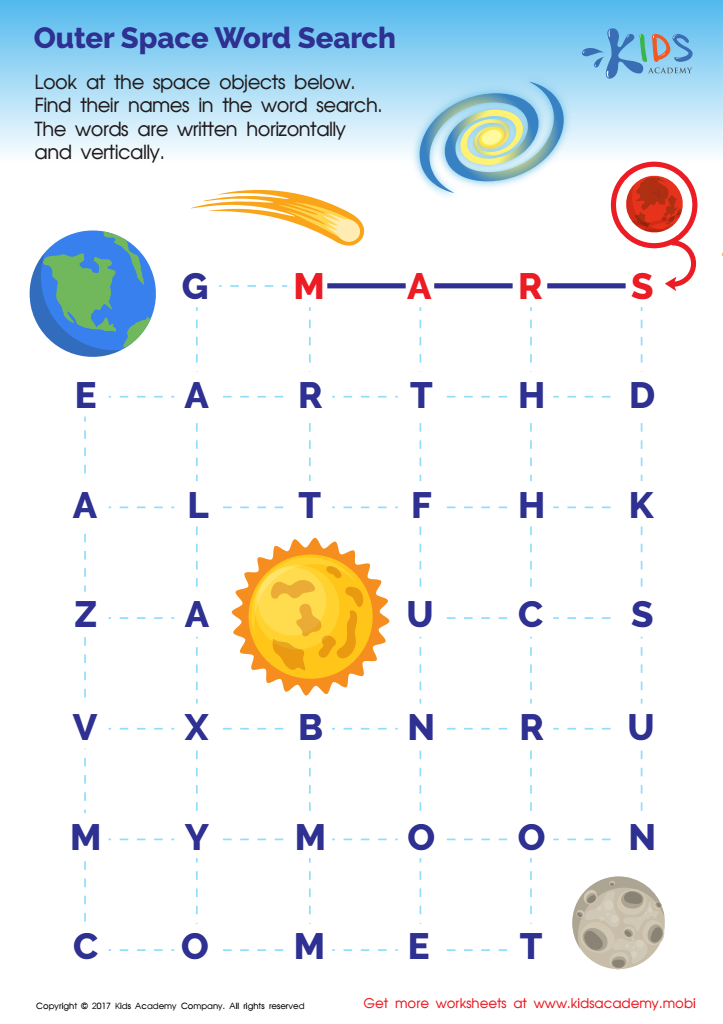
Outer Space Word Search Printable
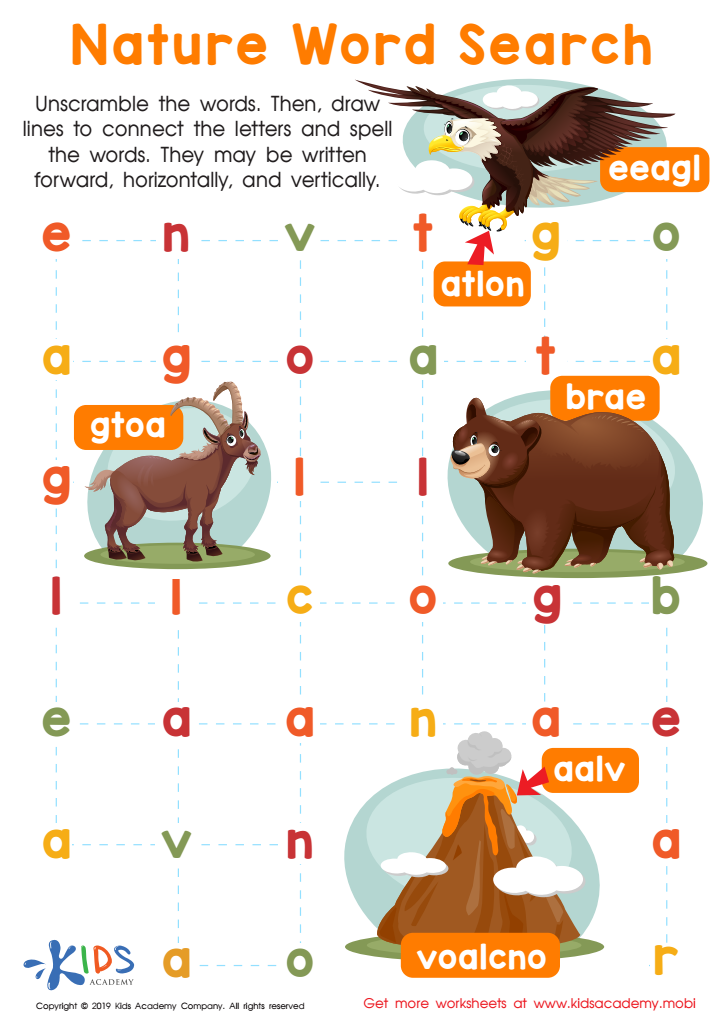
Nature Word Search Worksheet
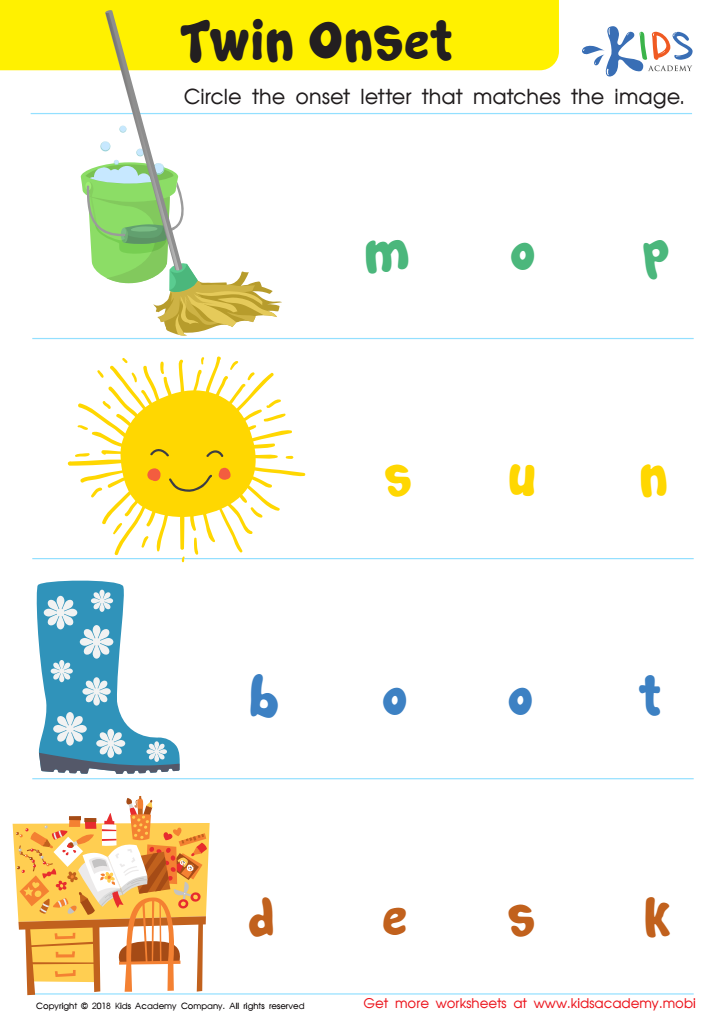
Twin Onset Worksheet
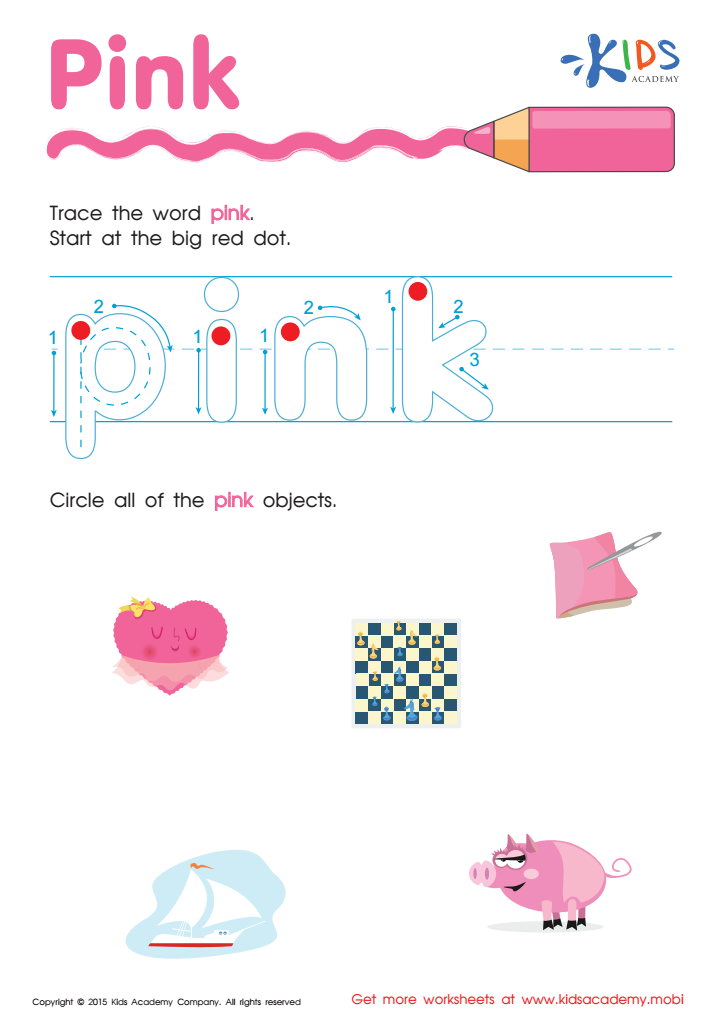
Pink Tracing Color Words Worksheet
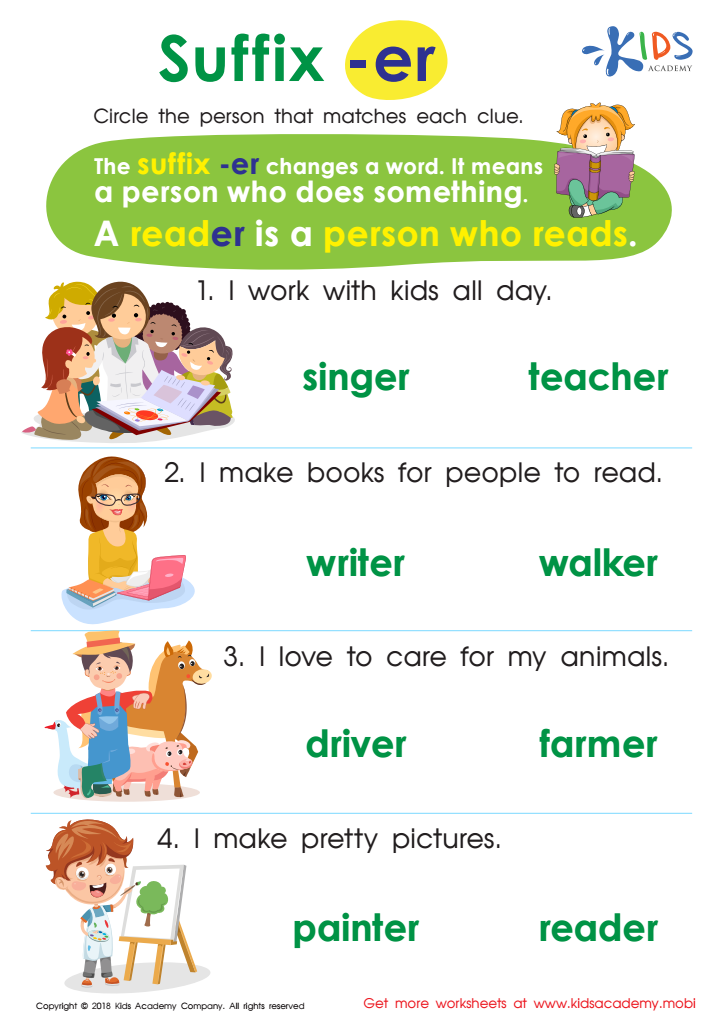
Suffix –er Printable Worksheet
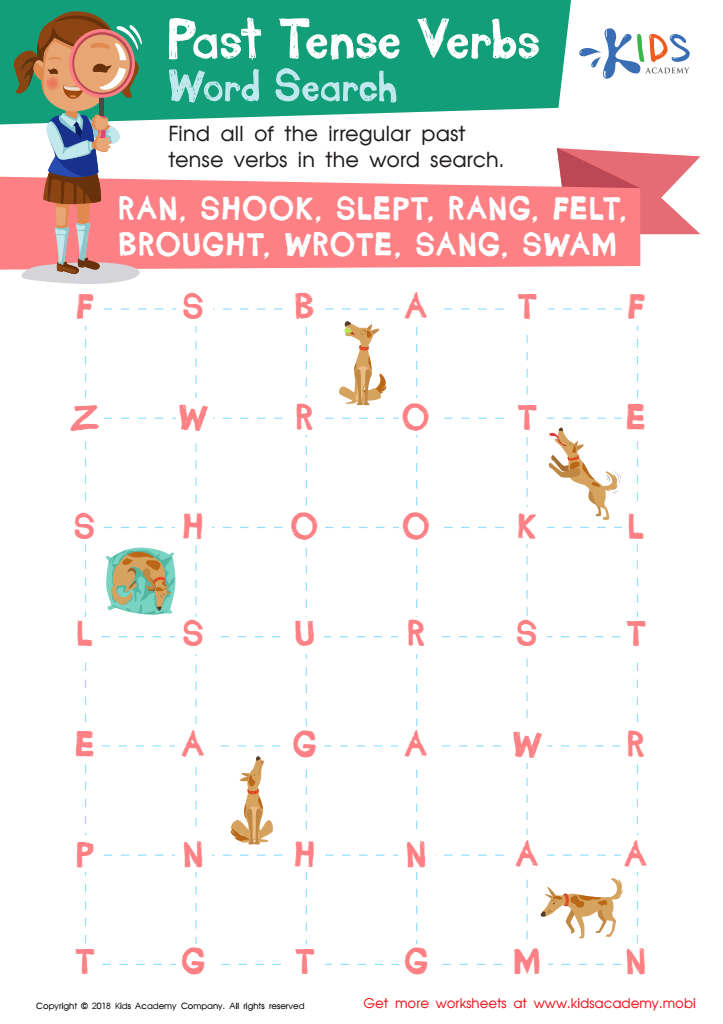
Past Tense Verbs Word Search Worksheet
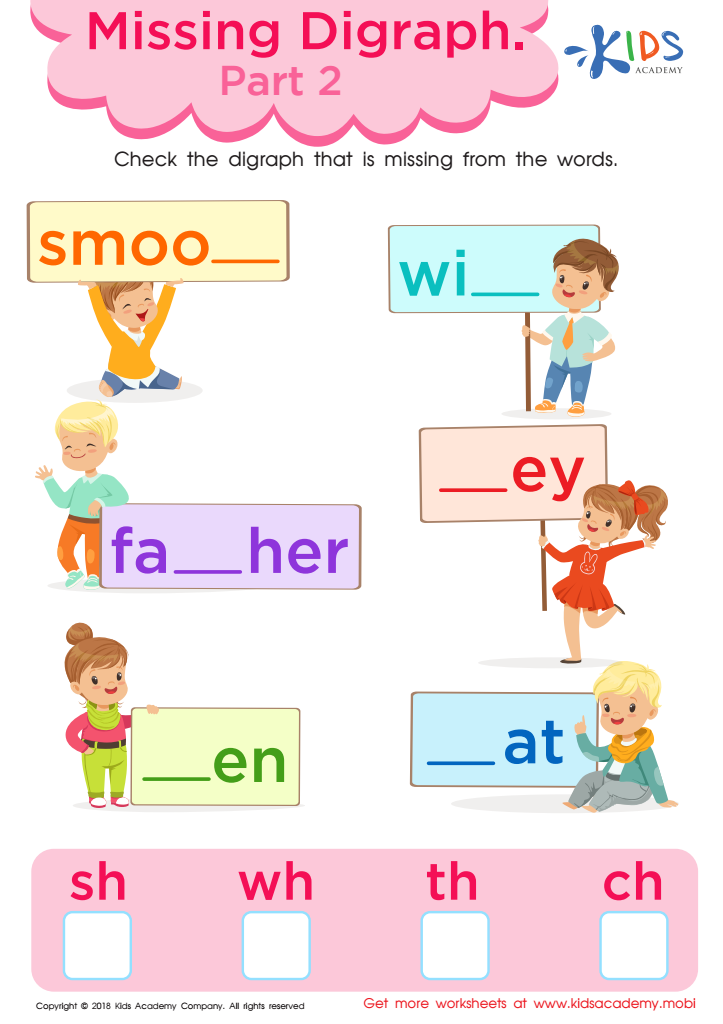
Missing Digraph: Part 2 Worksheet
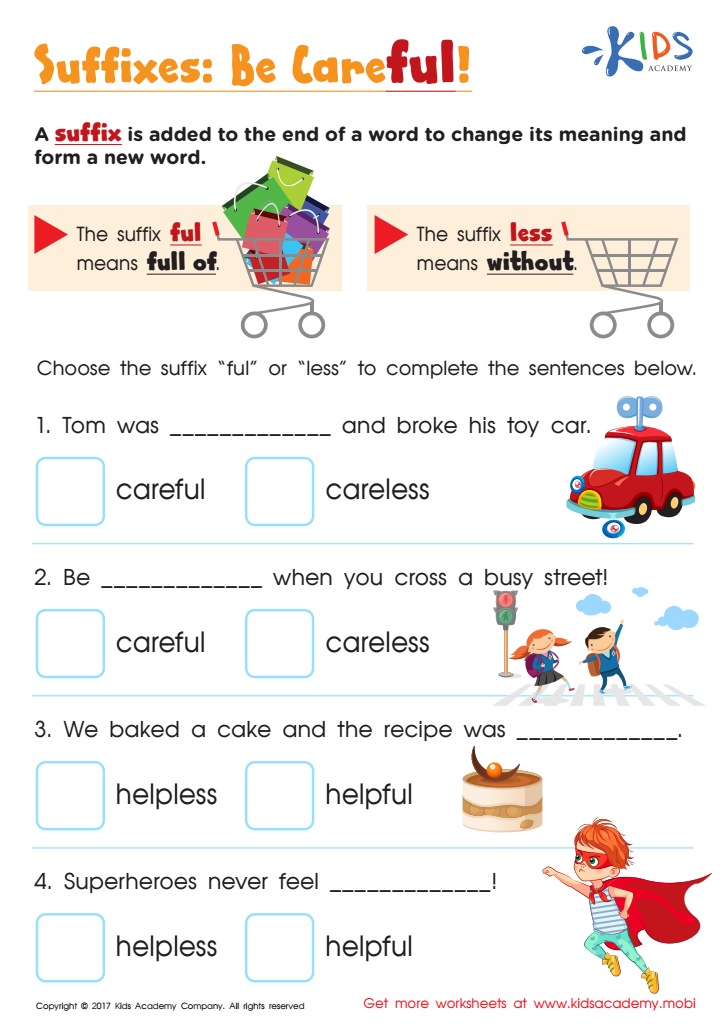
Suffixes Ful and Less Worksheet
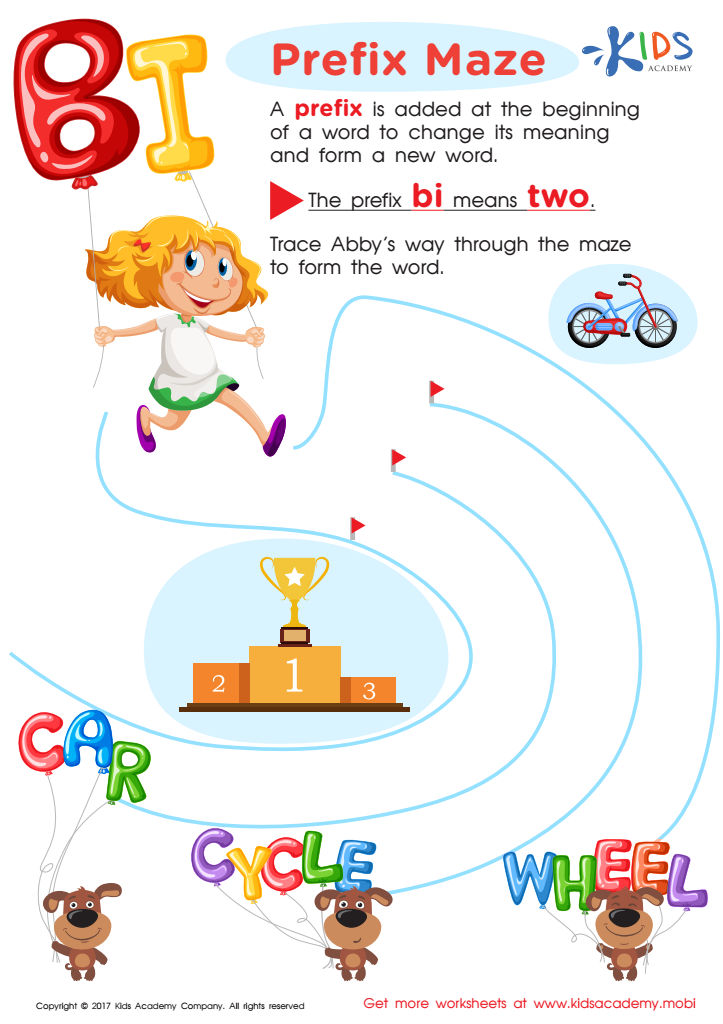
Prefix Bi Words Worksheet
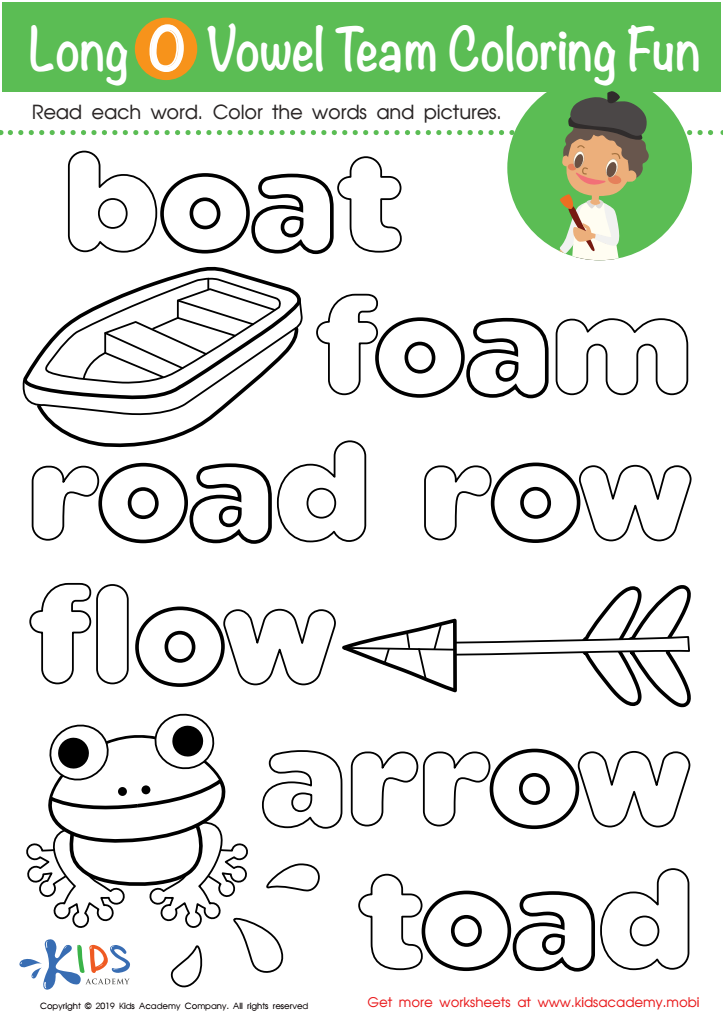
Long O Vowel Team Coloring Worksheet
 Assign to My Students







Spelling improvement is crucial for children aged 6-9 as it lays the foundation for their overall literacy and communication skills. During this developmental stage, children experience rapid growth in language acquisition, making it an ideal time to focus on spelling. Improved spelling directly impacts reading comprehension, as children need to recognize words to understand them in context. This skill fosters confidence in young learners, enabling them to express themselves more clearly in writing.
Additionally, focusing on spelling helps develop critical thinking and problem-solving abilities. Children learn to decipher word patterns and understand phonics, which enhances their cognitive skills. As they navigate various spelling rules, they also build resilience, learning the importance of practice and perseverance.
Furthermore, strong spelling skills correlate with academic success and can decrease frustration in the classroom. This can lead to a more positive attitude toward learning and greater participation, both of which are essential for personal and academic development.
For parents and teachers, promoting spelling improvement is vital not only for enhancing language skills but also for nurturing a lifelong love for reading and writing. When children feel confident in their spelling abilities, they are more likely to engage with texts and communicate effectively.








