Vocabulary enhancement Normal Reading Worksheets for Ages 6-9 - Page 2
79 filtered results
-
From - To
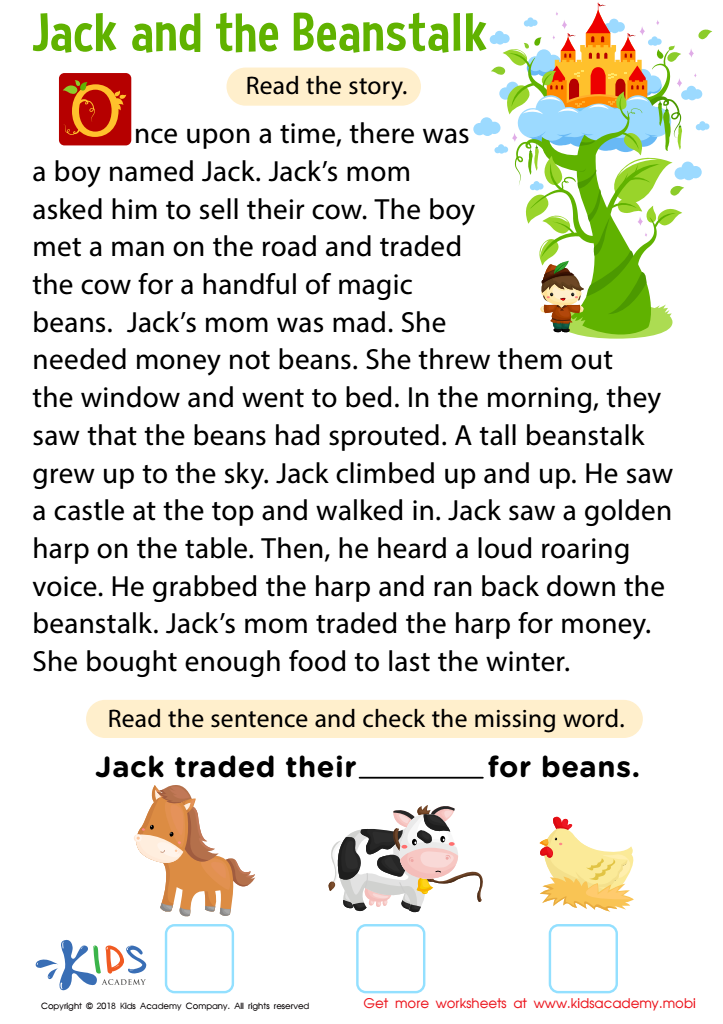
Jack and Beanstalk Worksheet
 Assign to My Students
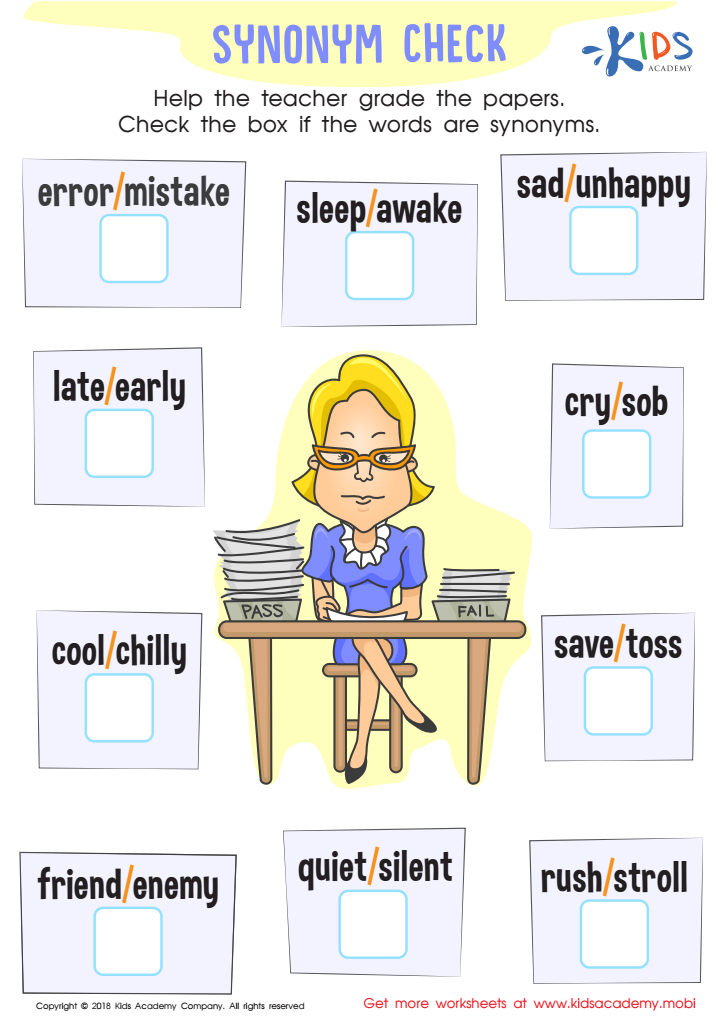
Synonym Check Worksheet
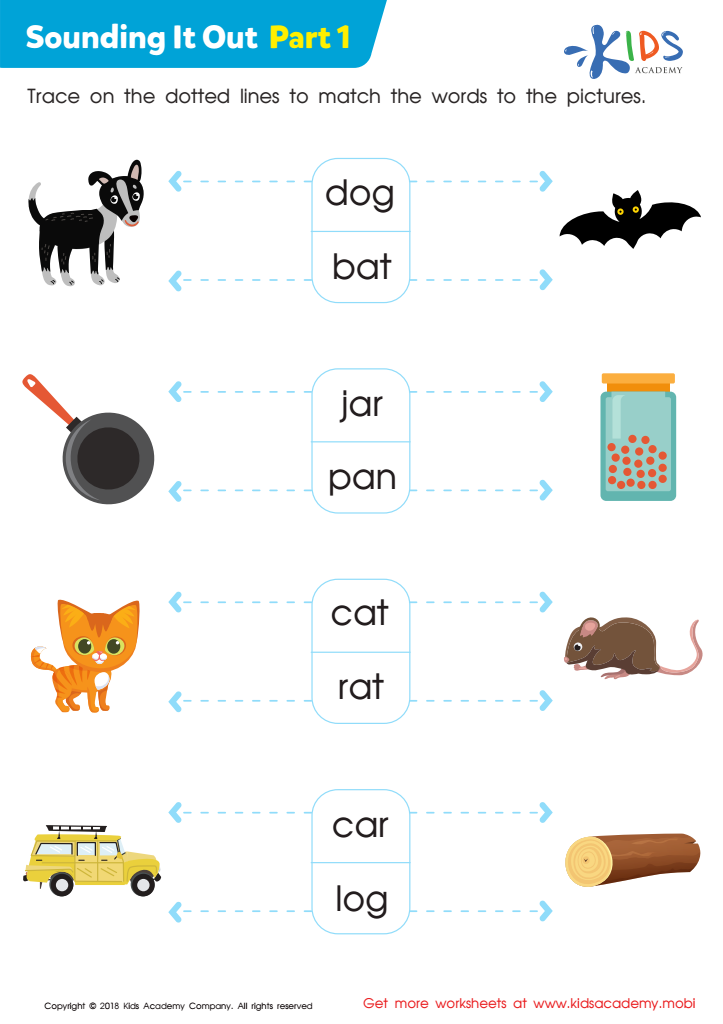
Sounding it Out: Part 1 Worksheet
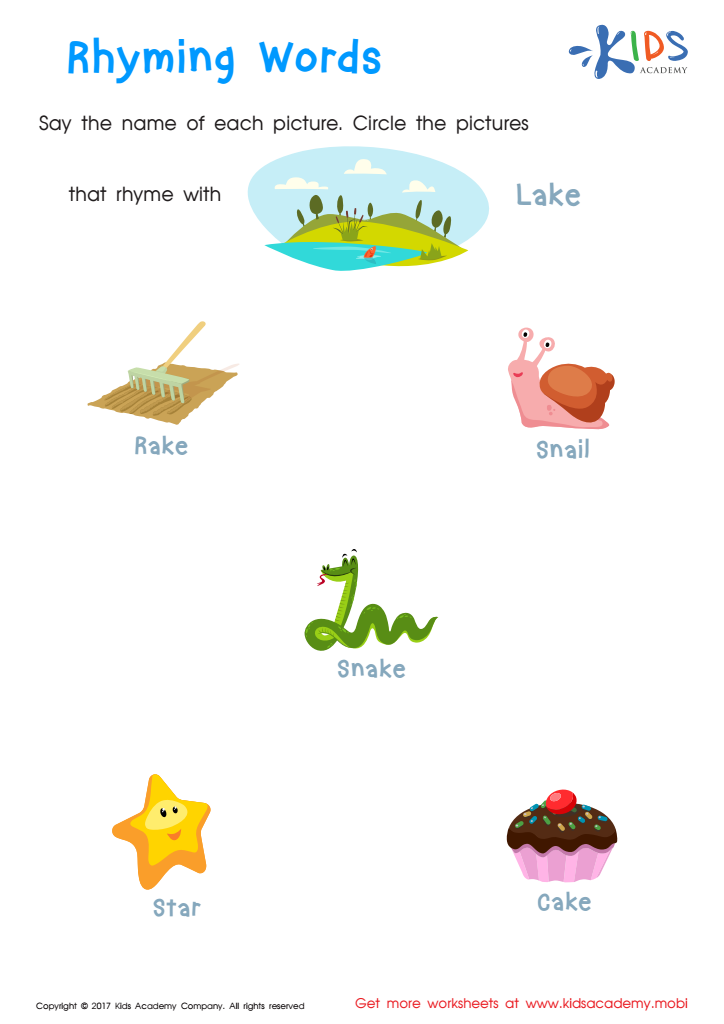
Rhyming Words Rhyming Worksheet
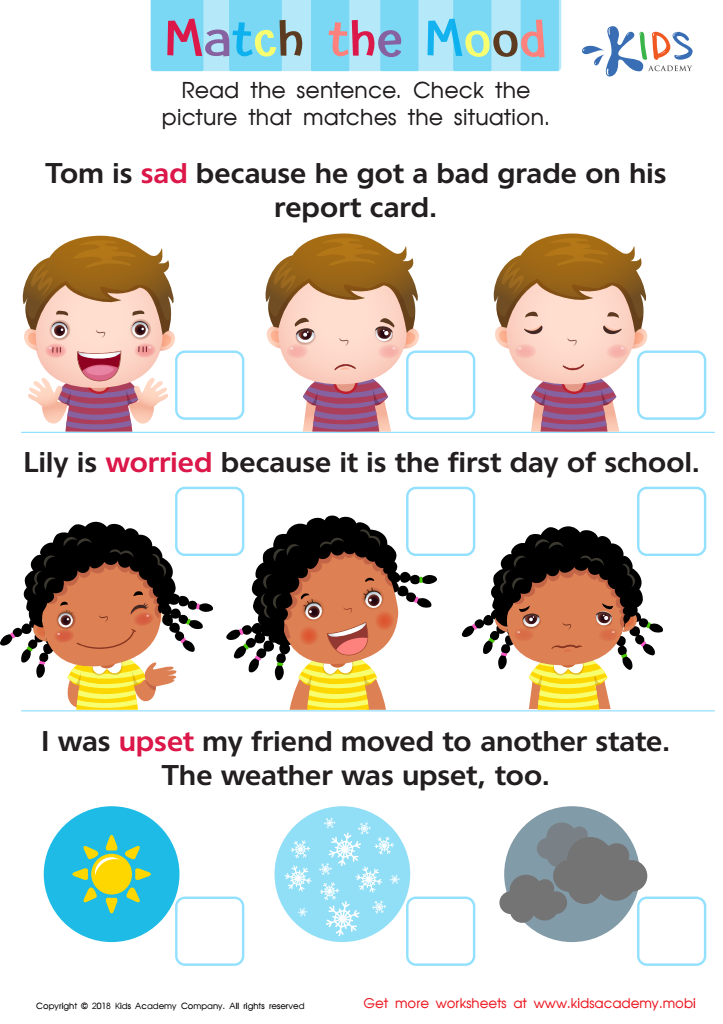
Match The Mood Worksheet
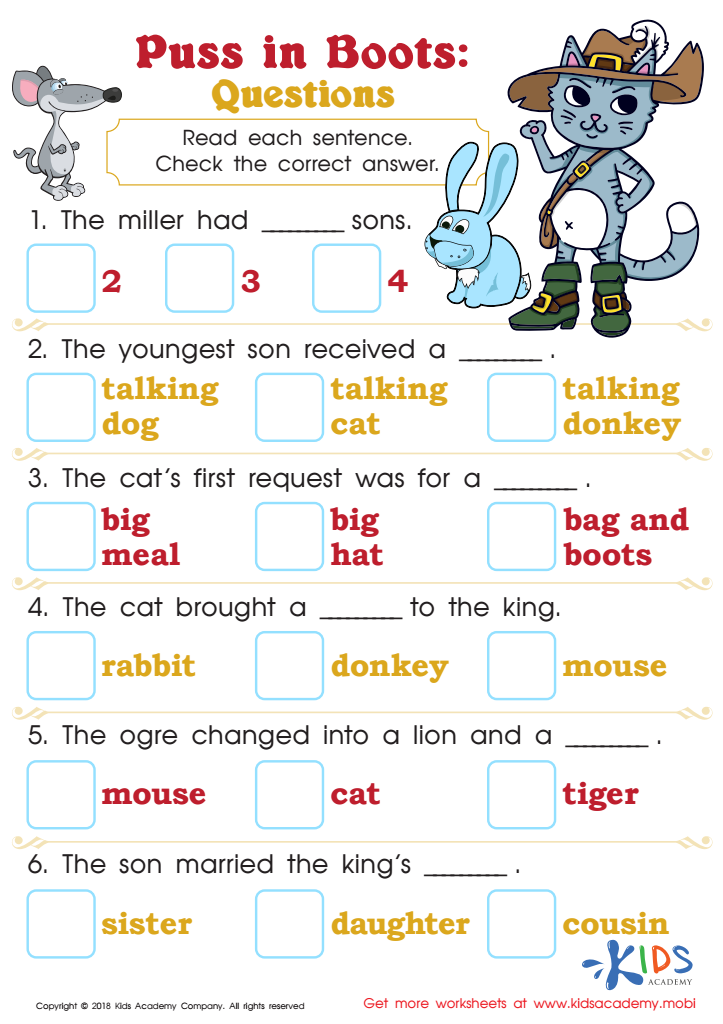
Puss in Boots: Questions Worksheet
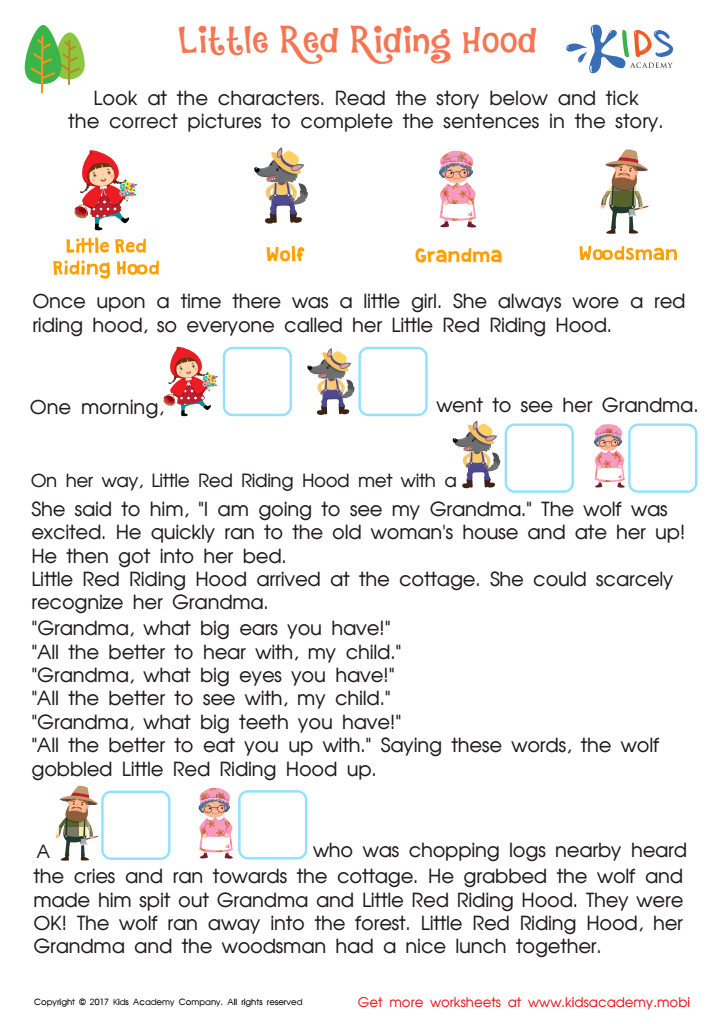
Little Red Riding Hood Printable
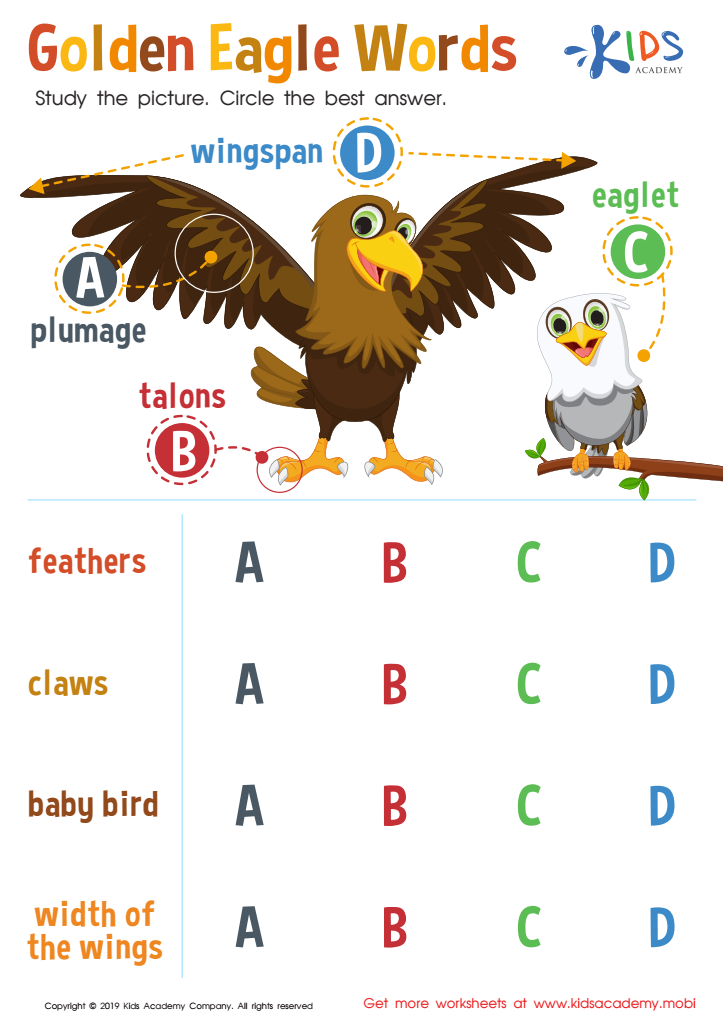
Golden Eagle Words Worksheet
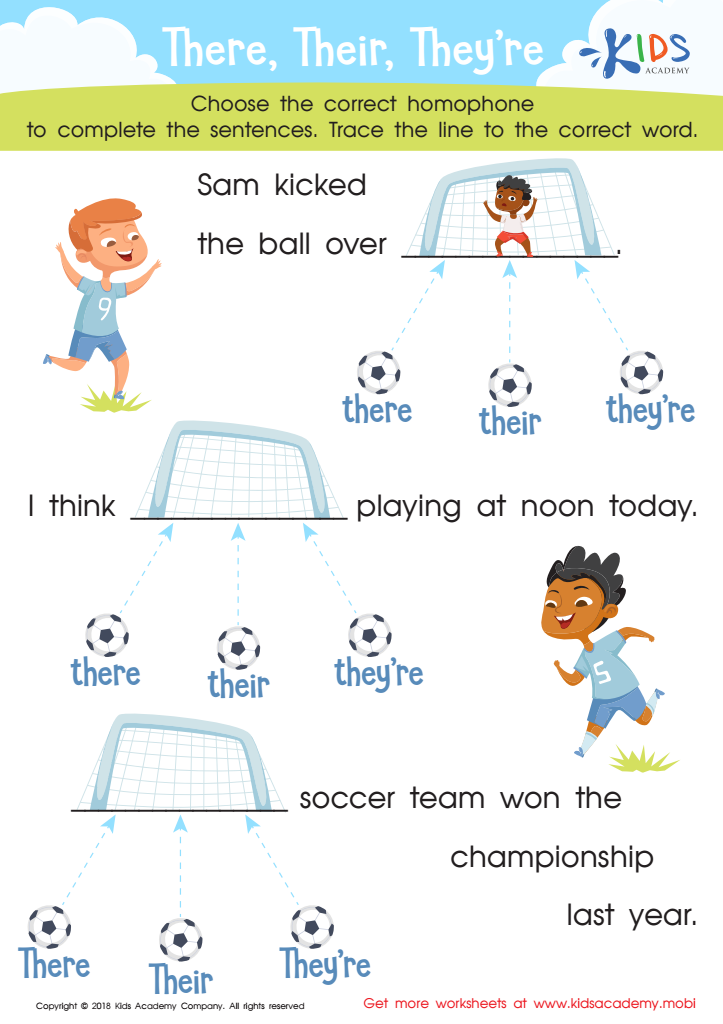
There, Their, They're Worksheet
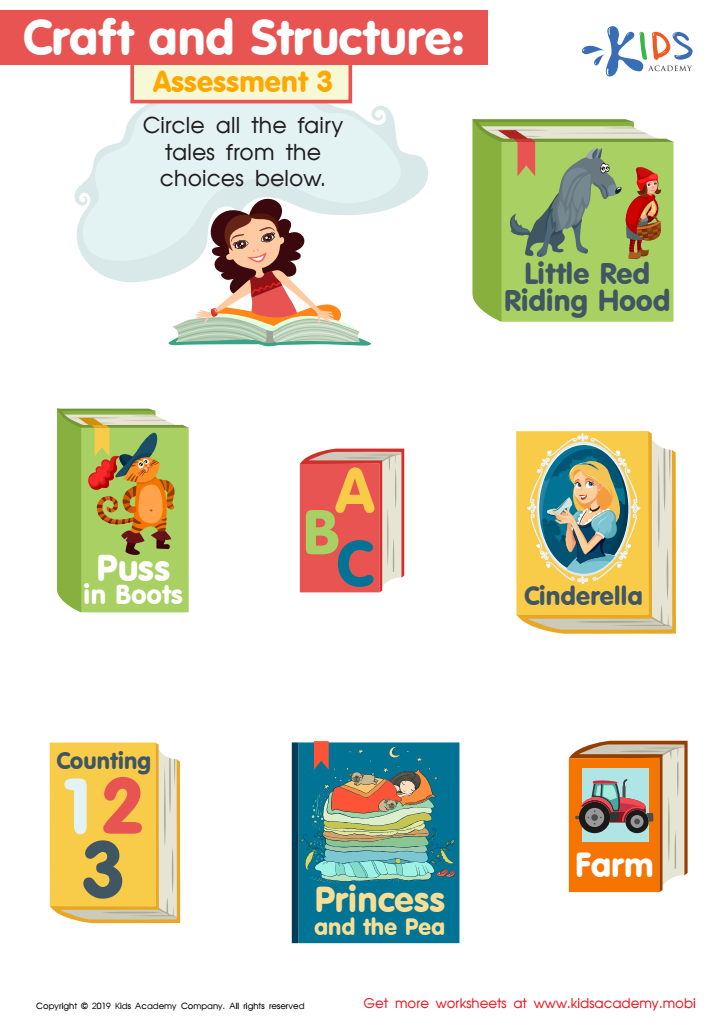
Craft and Structure: Assessment 3 Worksheet
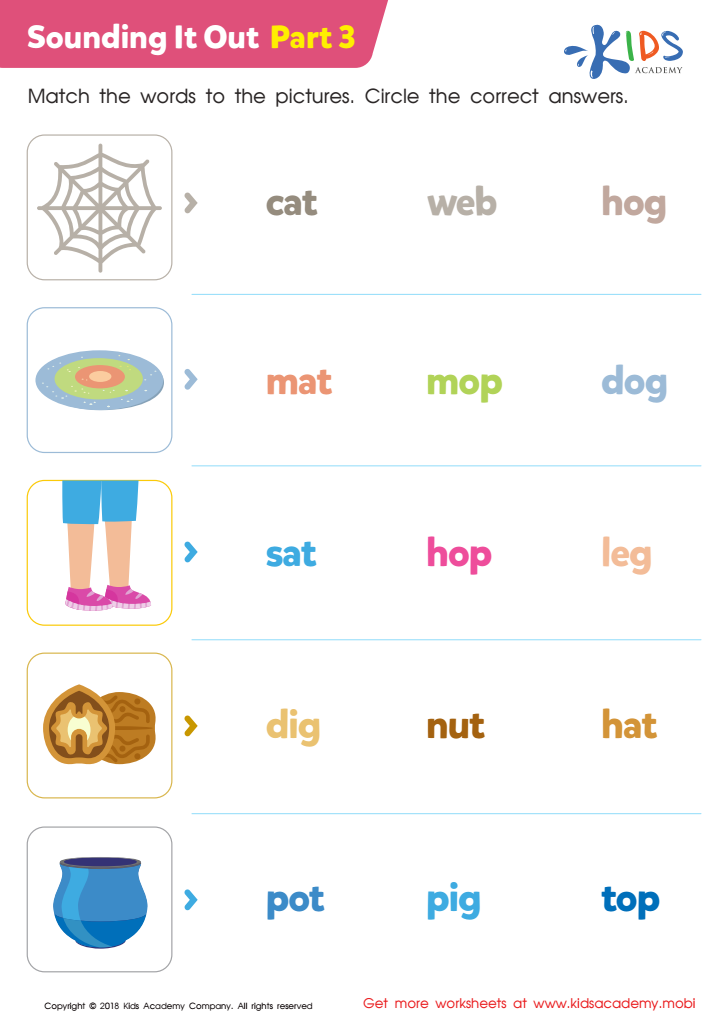
Sounding it Out: Part 3 Worksheet
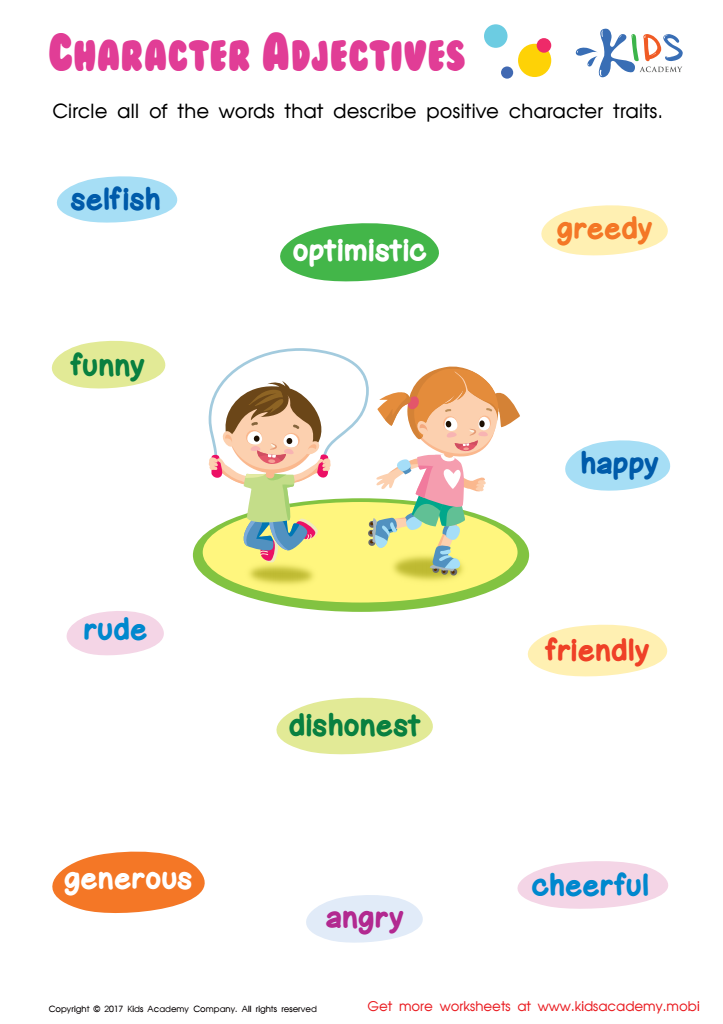
Character Adjectives Worksheet
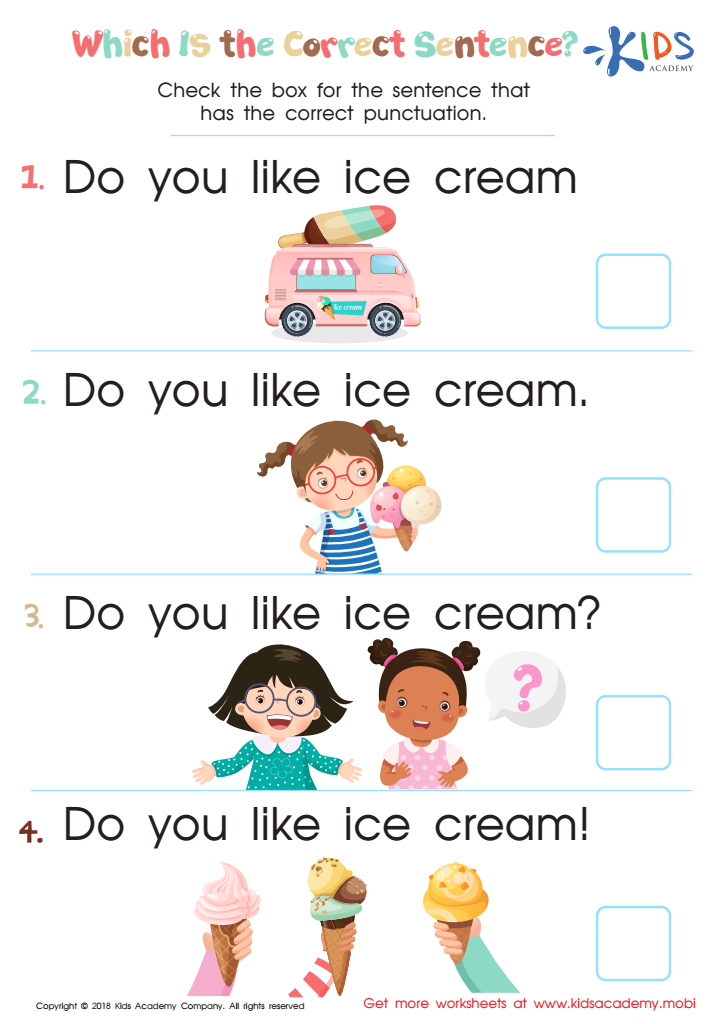
Which is the Correct Sentence? Worksheet
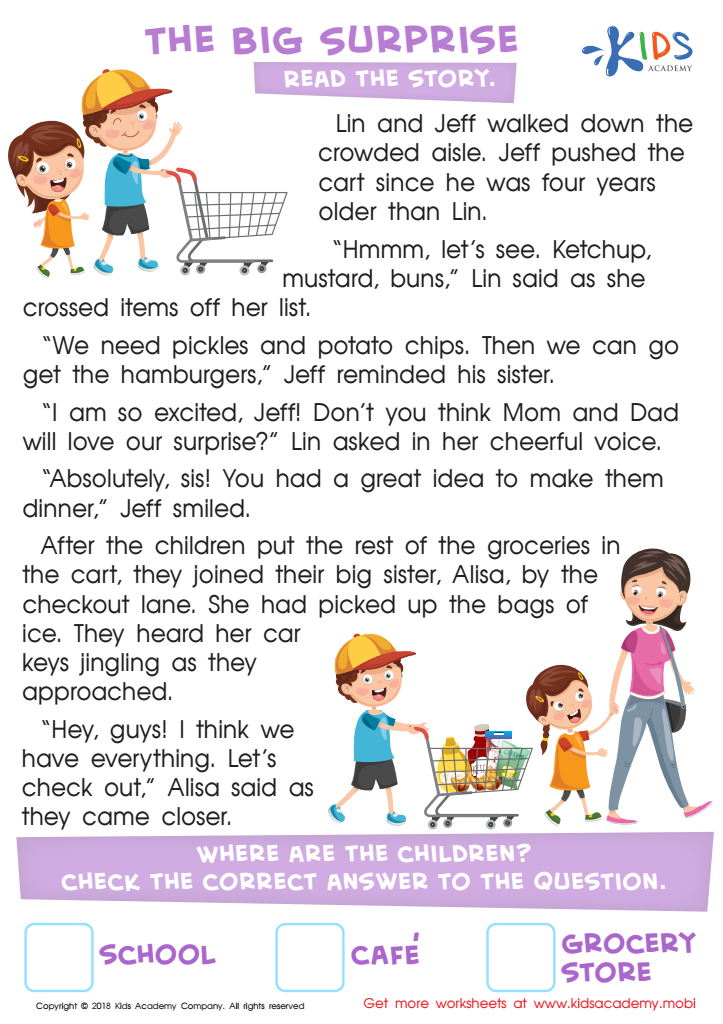
The Big Surprise Worksheet
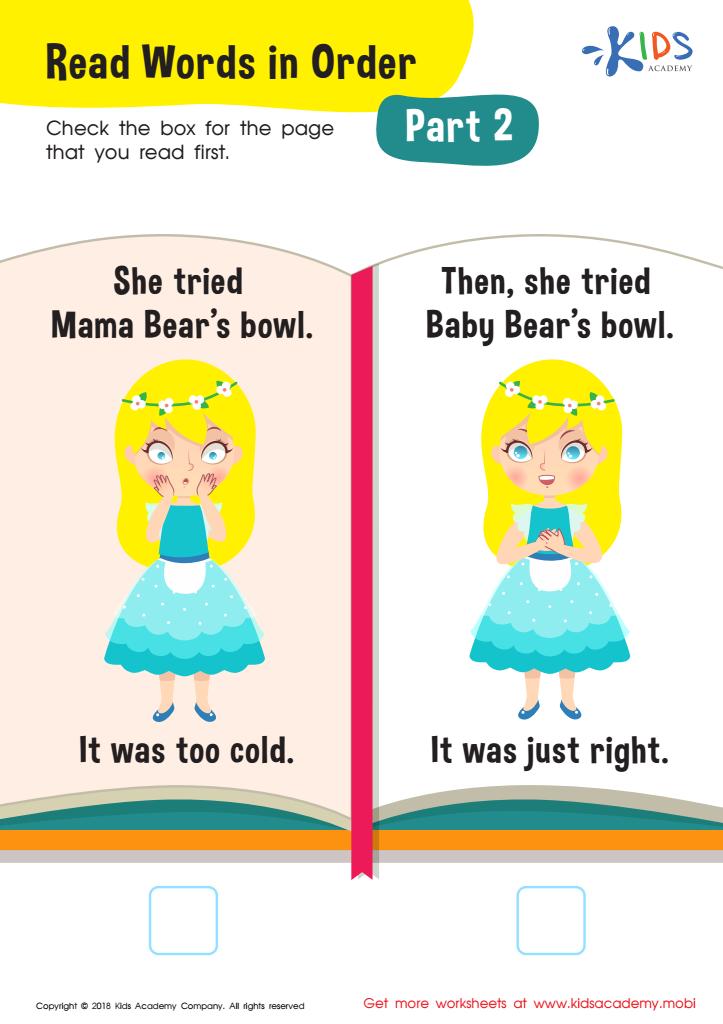
Read Words Order Part 2 Worksheet
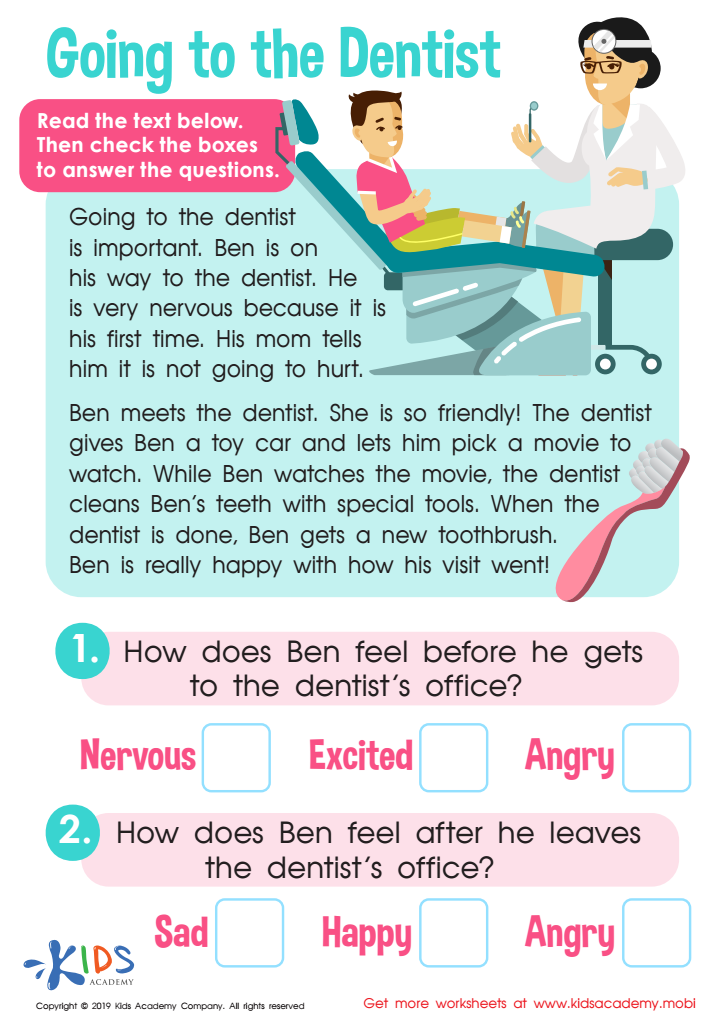
Going to the Dentist Worksheet
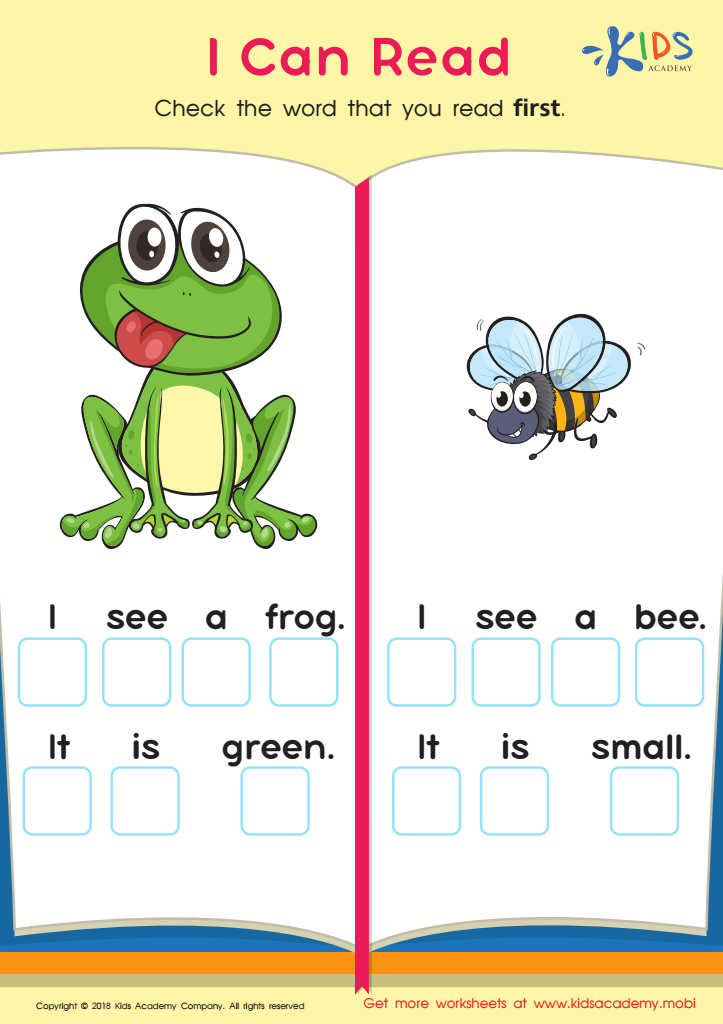
I Can Read Worksheet
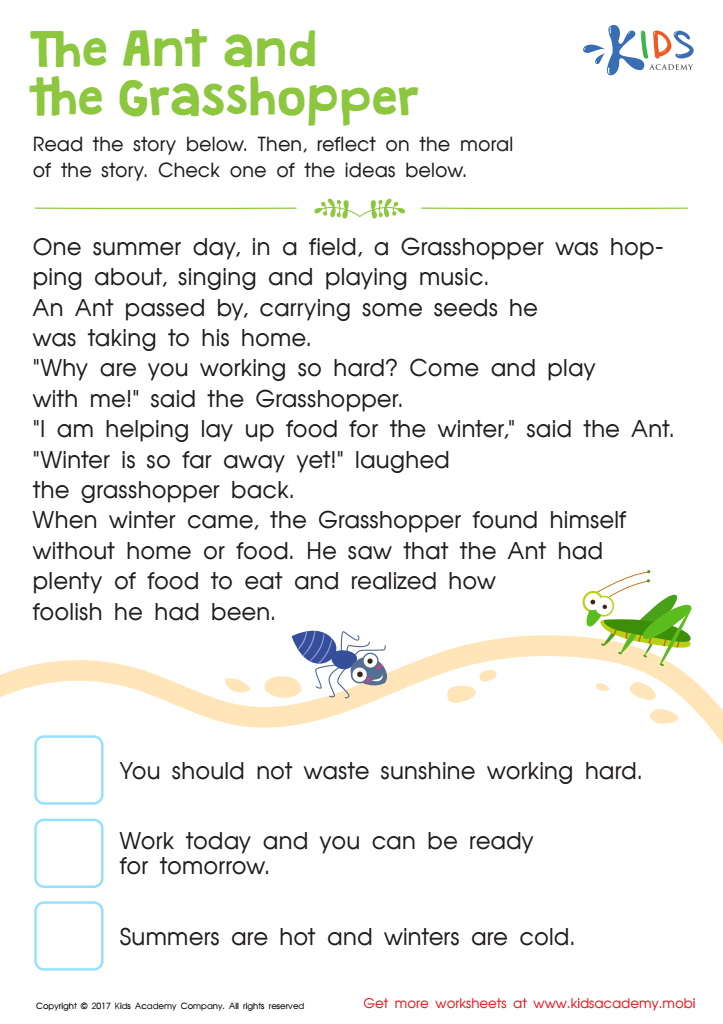
The Ant and The Grasshopper Printable
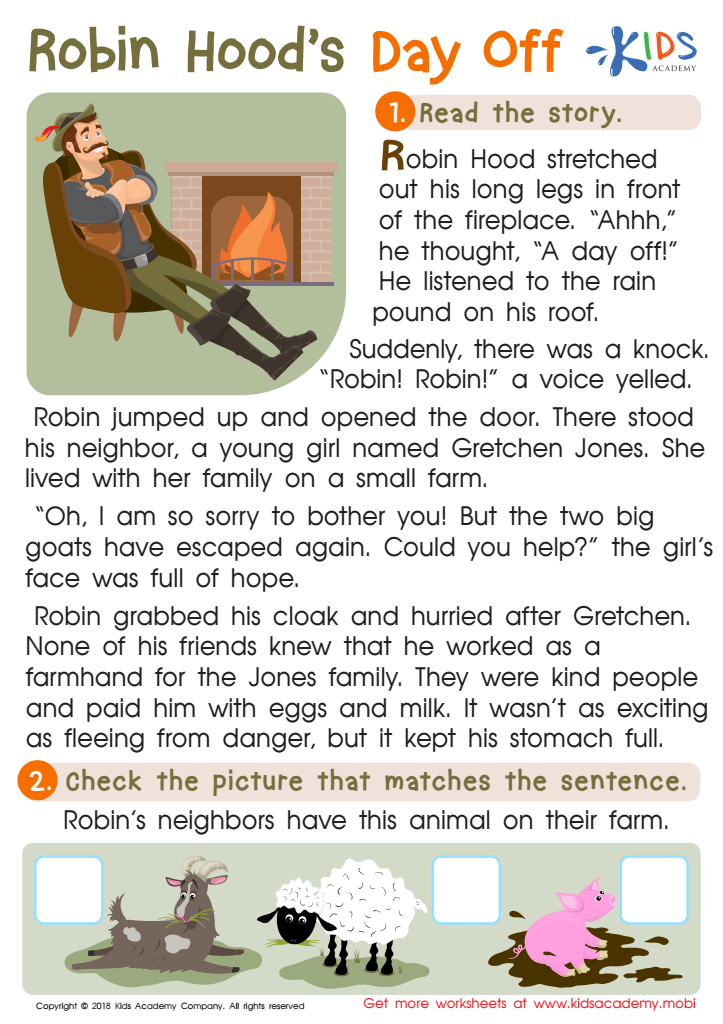
Robin Hood's Day Off Worksheet
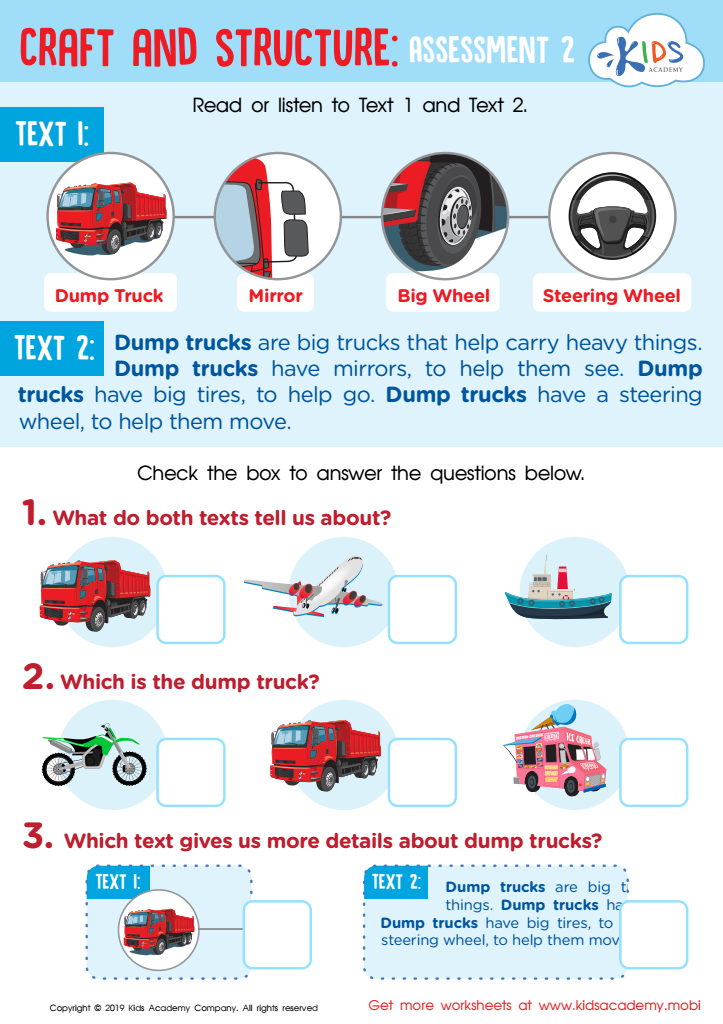
Craft and Structure: Assessment 2 Worksheet
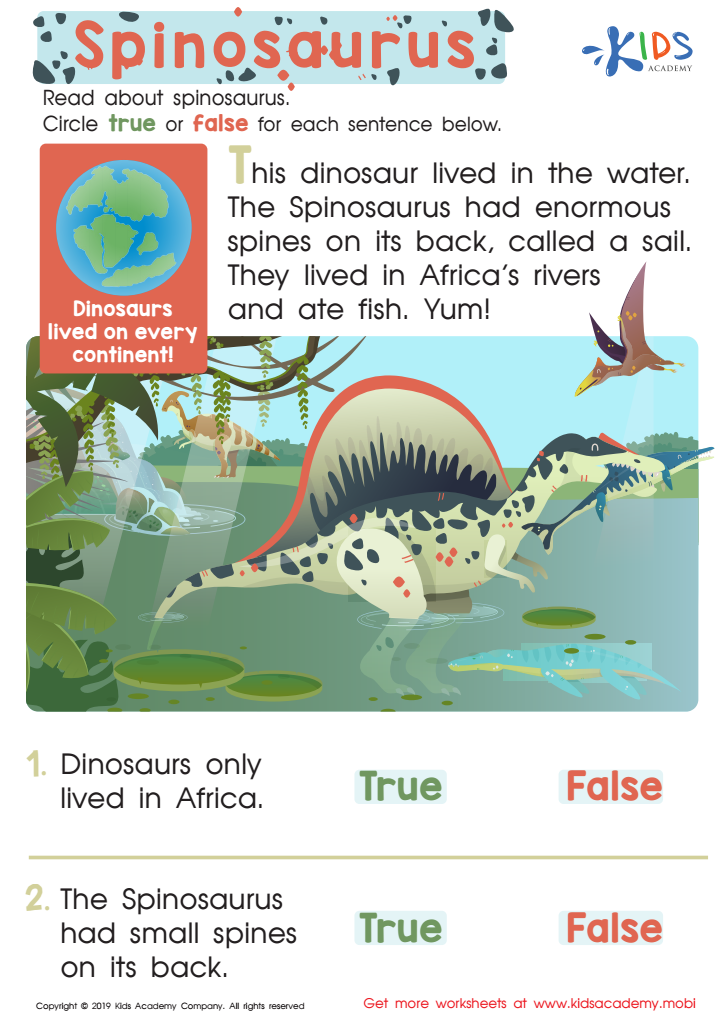
Spinosaurus Assessment Worksheet
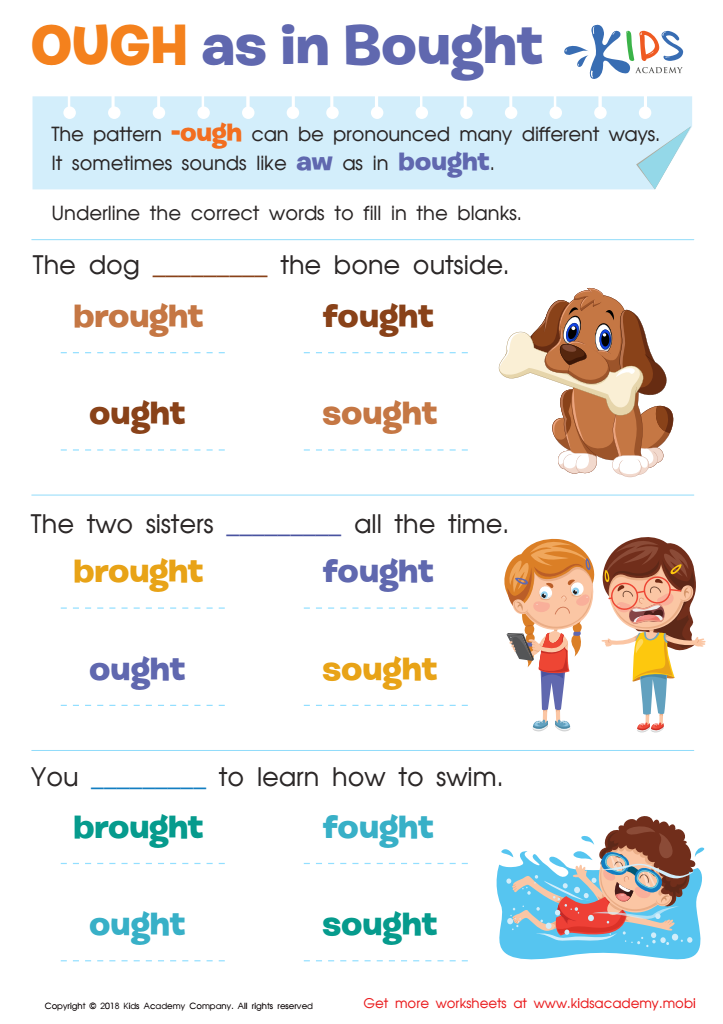
OUGH as in Bought Worksheet
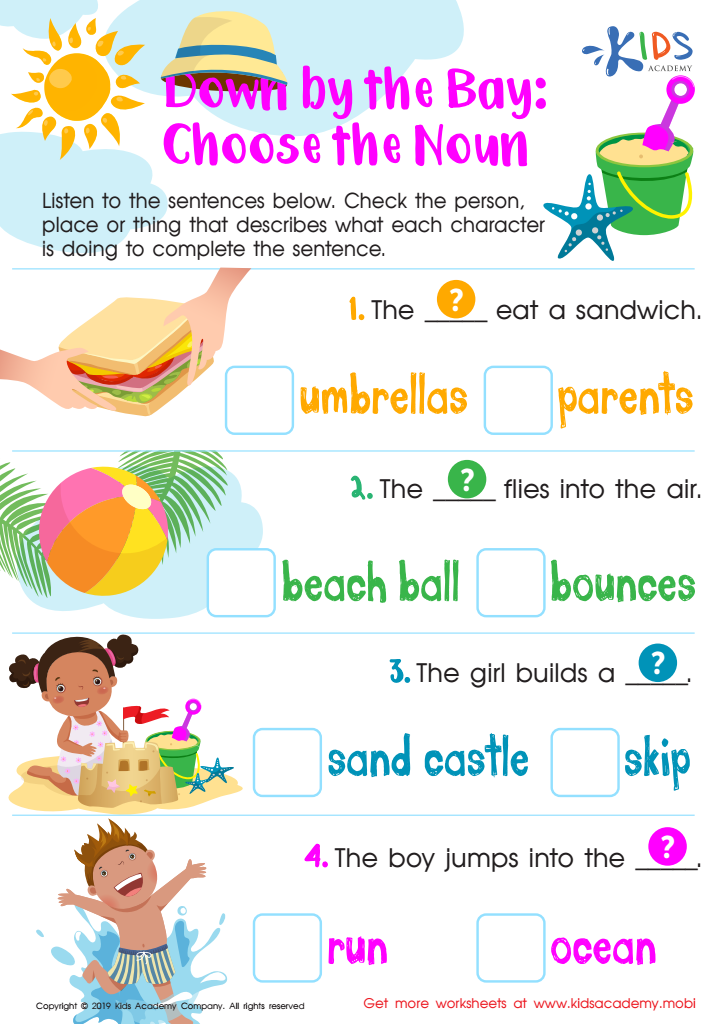
Down by the Bay: Choose the Noun Worksheet








Parents and teachers should prioritize vocabulary enhancement for children ages 6-9 because this developmental stage is critical for language acquisition and literacy skills. During these years, children are transitioning from learning to read to reading to learn, and a robust vocabulary serves as the foundation for comprehension and communication.
Enhanced vocabulary not only helps children understand what they read but also enriches their experiences and expressions in everyday conversations. Building a wide-ranging vocabulary improves writing skills, promotes critical thinking, and allows children to articulate their thoughts and feelings more effectively.
Moreover, strong vocabulary skills are closely linked to academic success across subjects. Children with a rich vocabulary are better equipped to tackle complex texts and concepts in science, math, and social studies. Additionally, proficiency in vocabulary increases self-esteem and confidence, encouraging children to participate actively in discussions and broader learning environments.
Furthermore, vocabulary enhancement fosters cultural understanding and awareness. By exposing children to diverse words and phrases, educators and parents can cultivate empathy and appreciation for different perspectives. In an increasingly interconnected world, strong communication skills rooted in vocabulary will help them navigate their social and academic landscapes with ease and competence.








