Counting skills Normal Math Worksheets for 6-Year-Olds - Page 3
84 filtered results
-
From - To
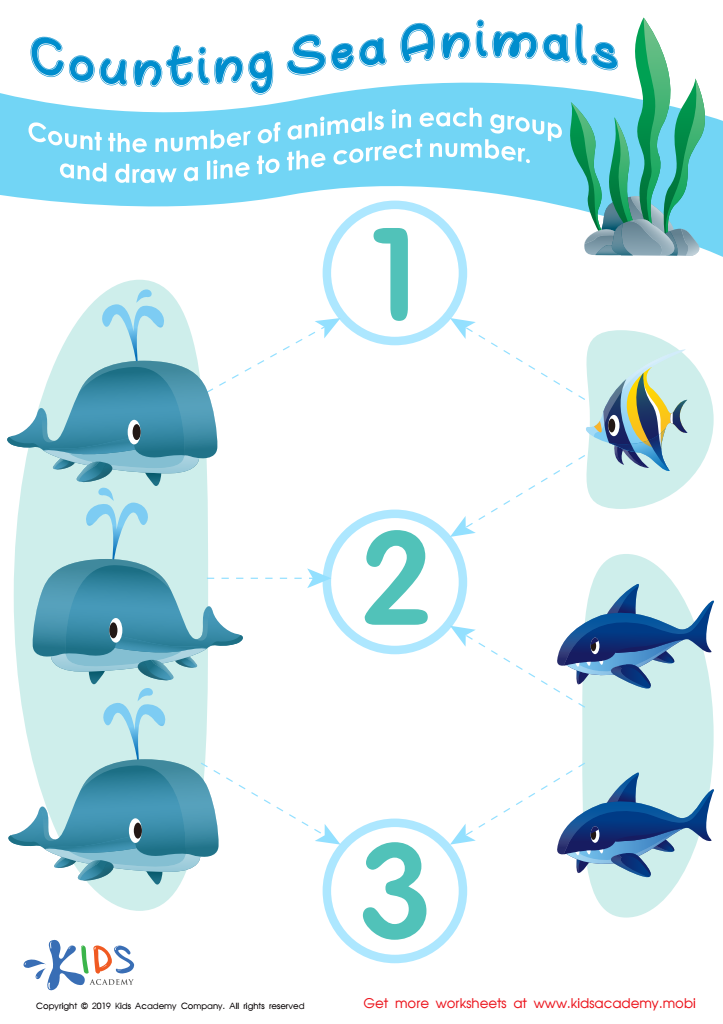
Counting Sea Animals Worksheet
 Assign to My Students
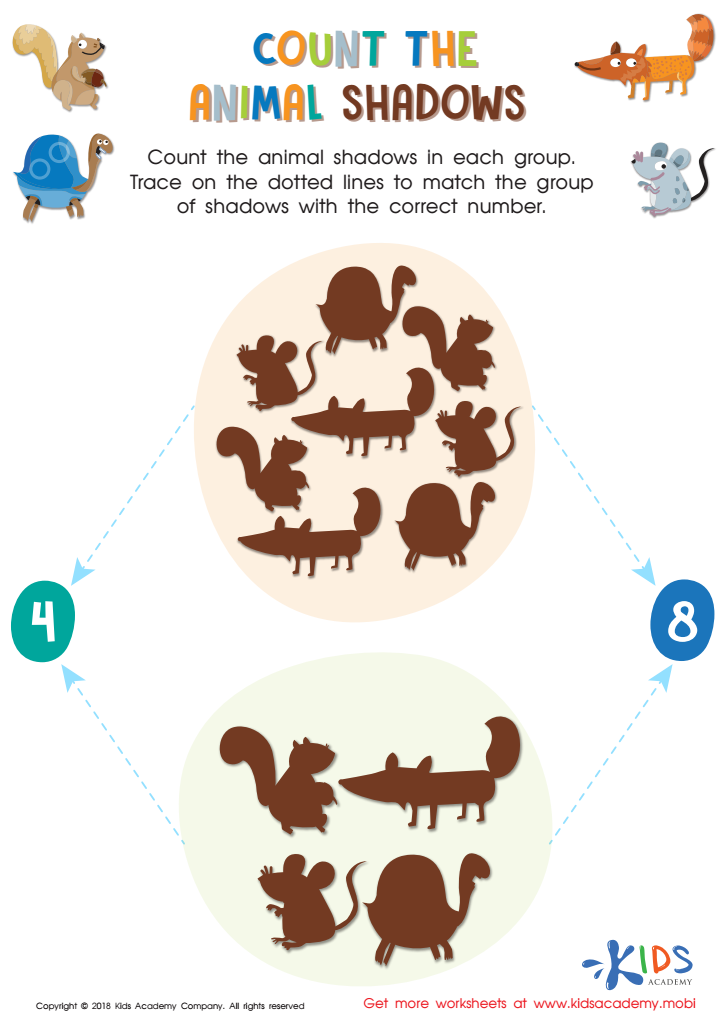
Count the Animal Shadows Worksheet
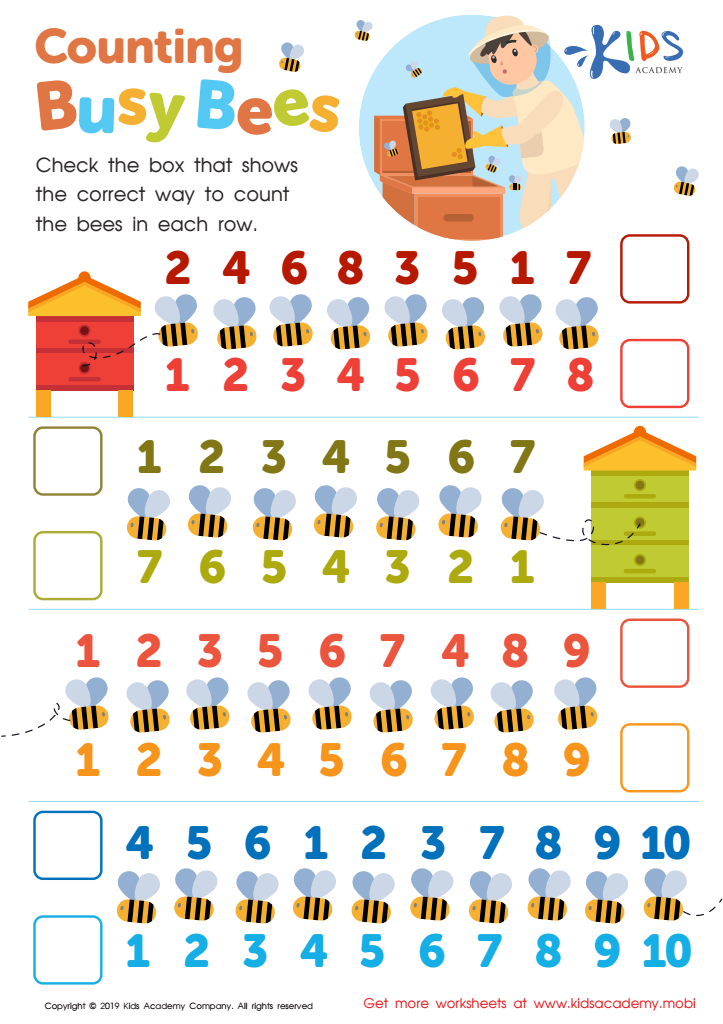
Counting Busy Bees Worksheet
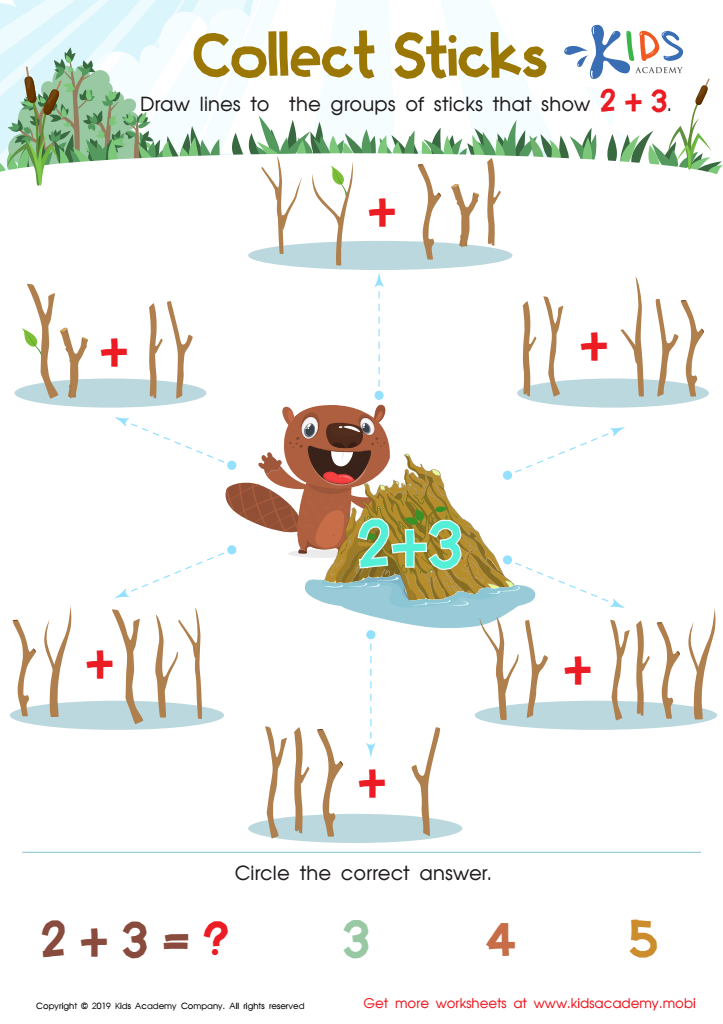
Collect Sticks Worksheet
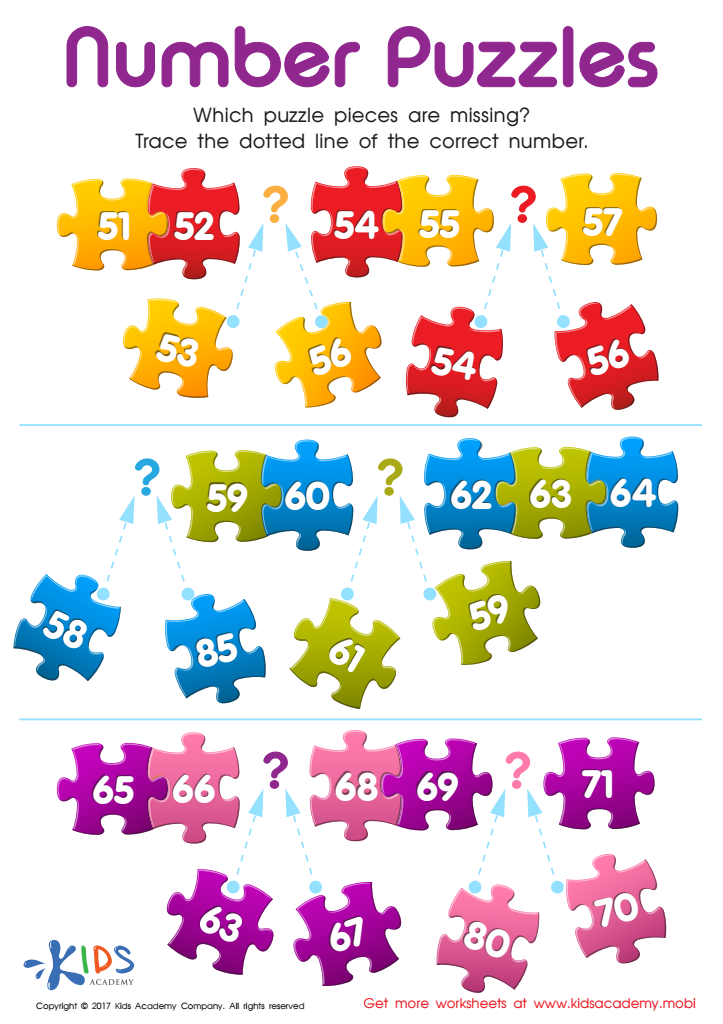
Number Puzzles Worksheet
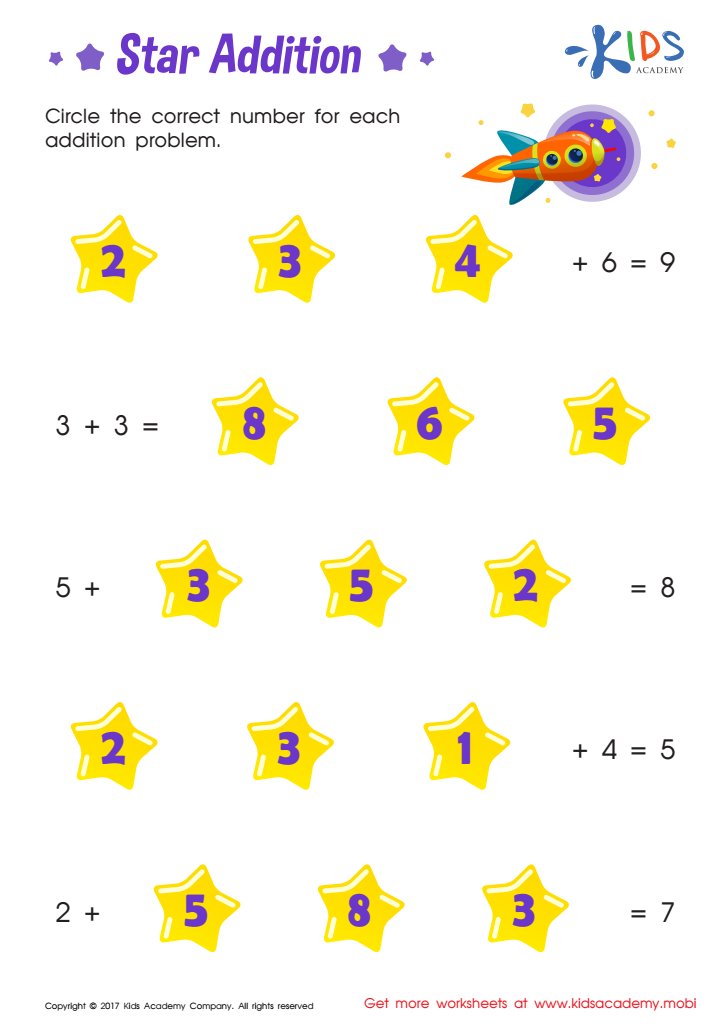
Star Addition Printable
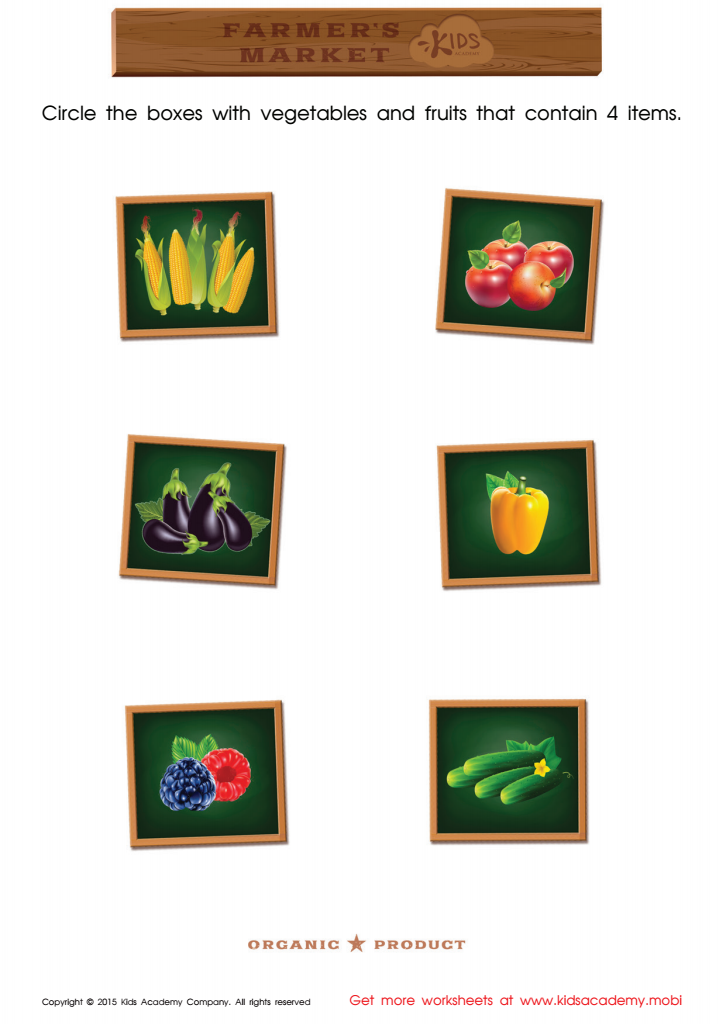
Count and Match Vegetables 2 – 8 Math Worksheet
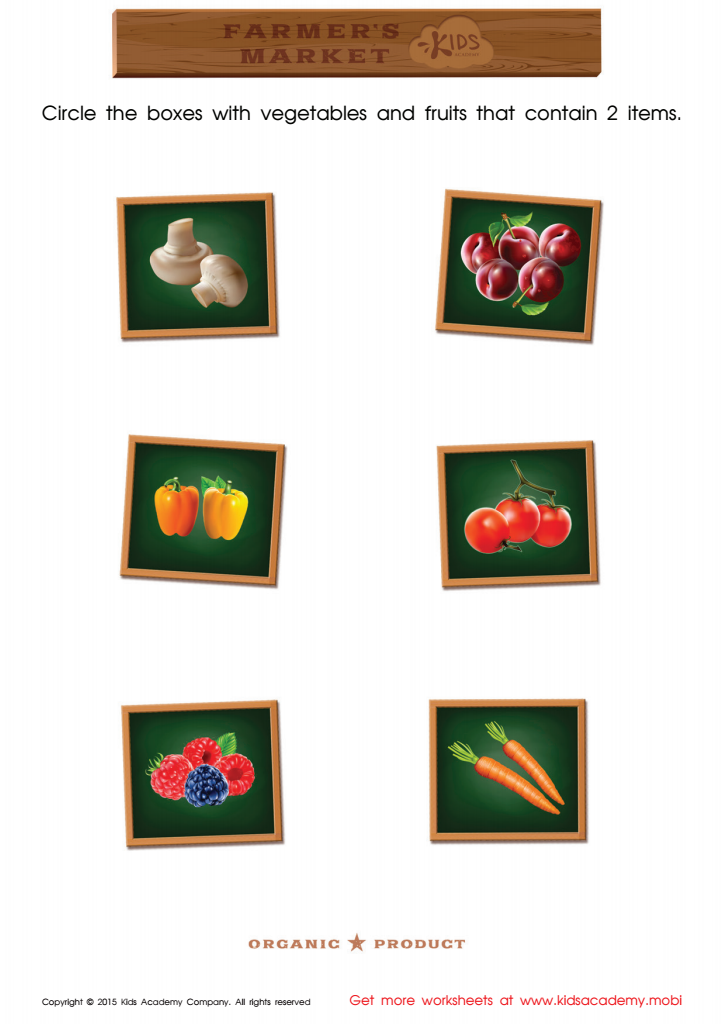
Count and Match Vegetables and Points Math Worksheet
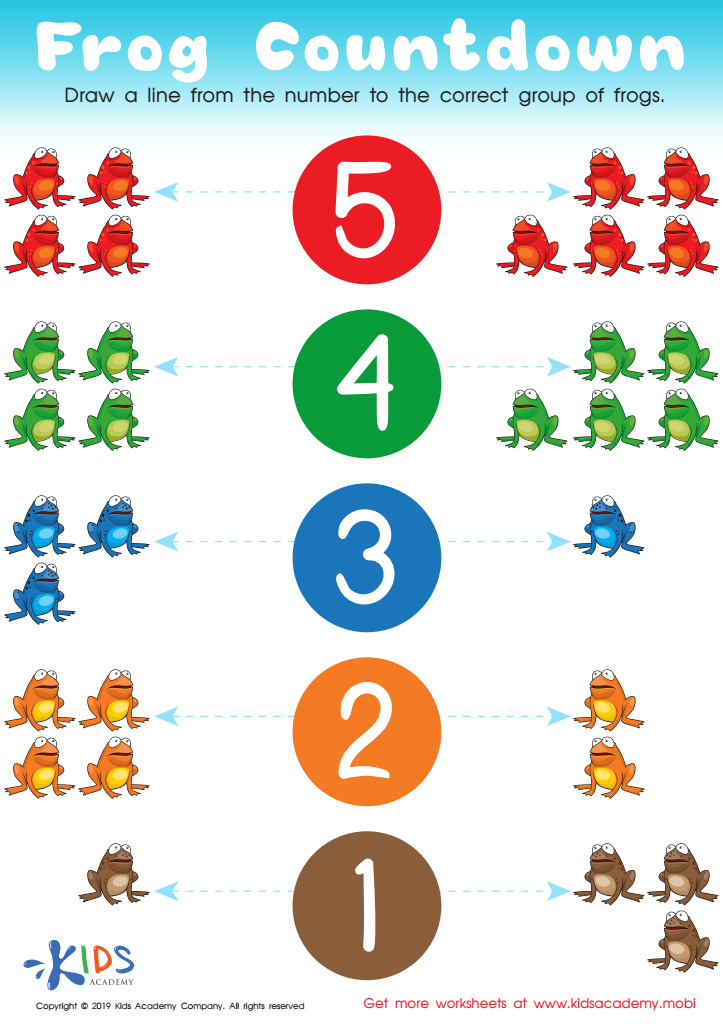
Frog Countdown Worksheet
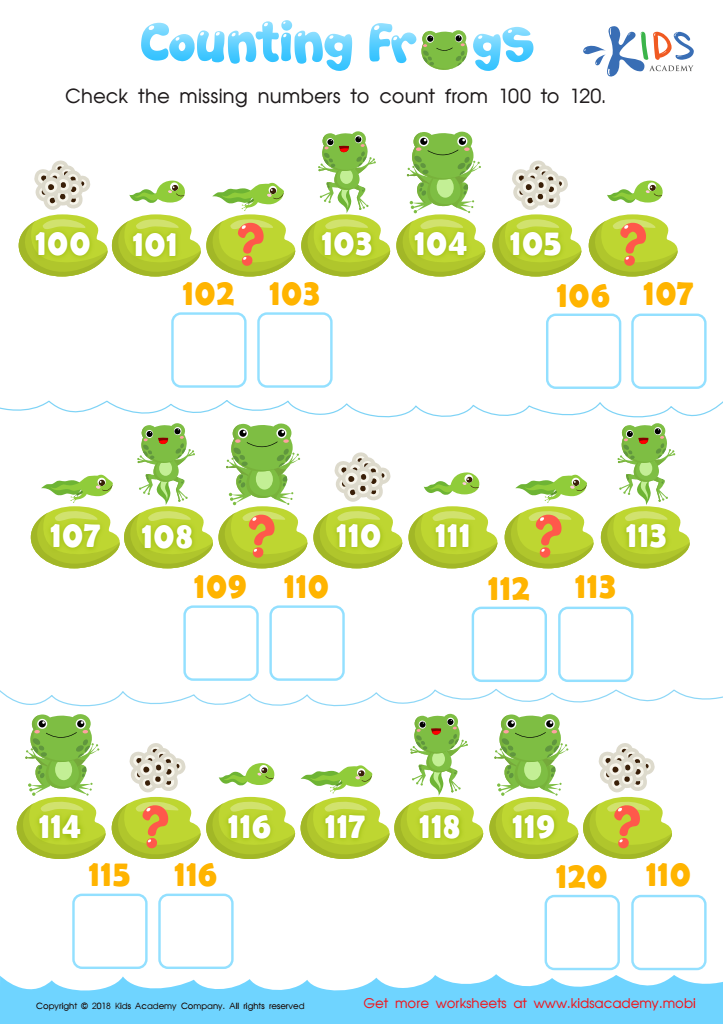
Counting Frogs Worksheet
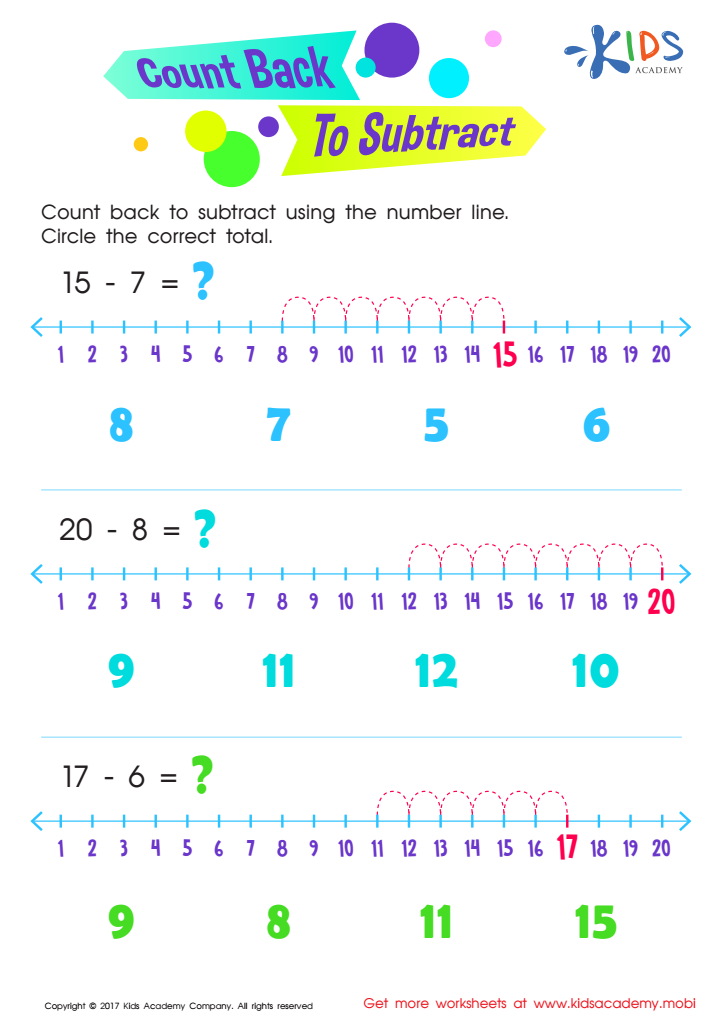
Count Back to Subtract Substraction Worksheet
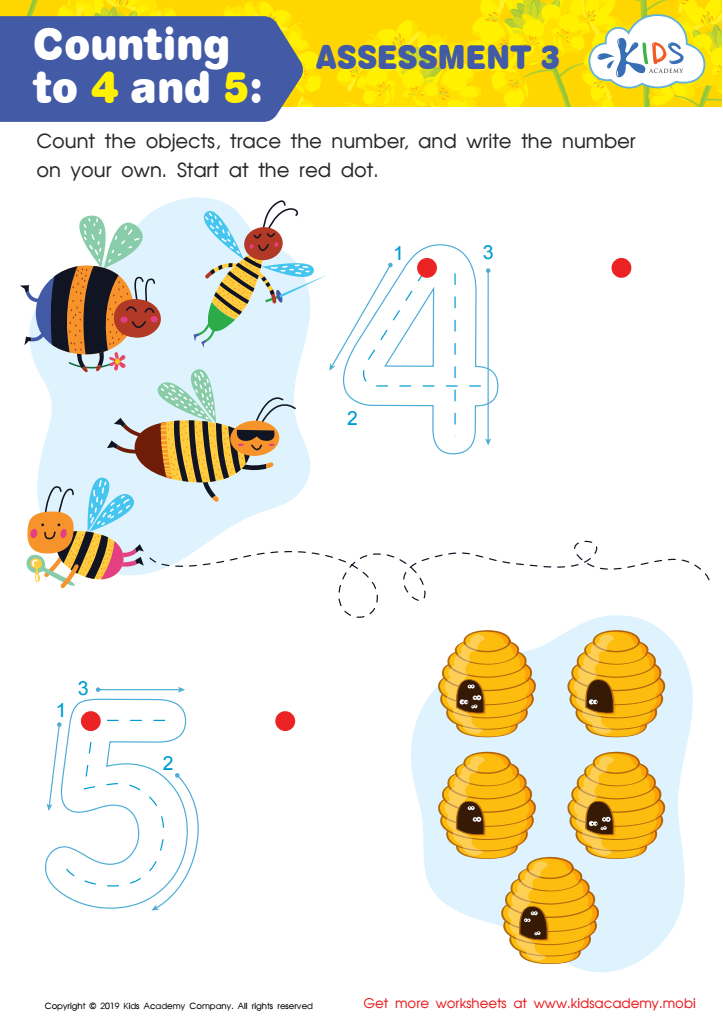
Counting to 4 and 5: Assessment 3 Worksheet
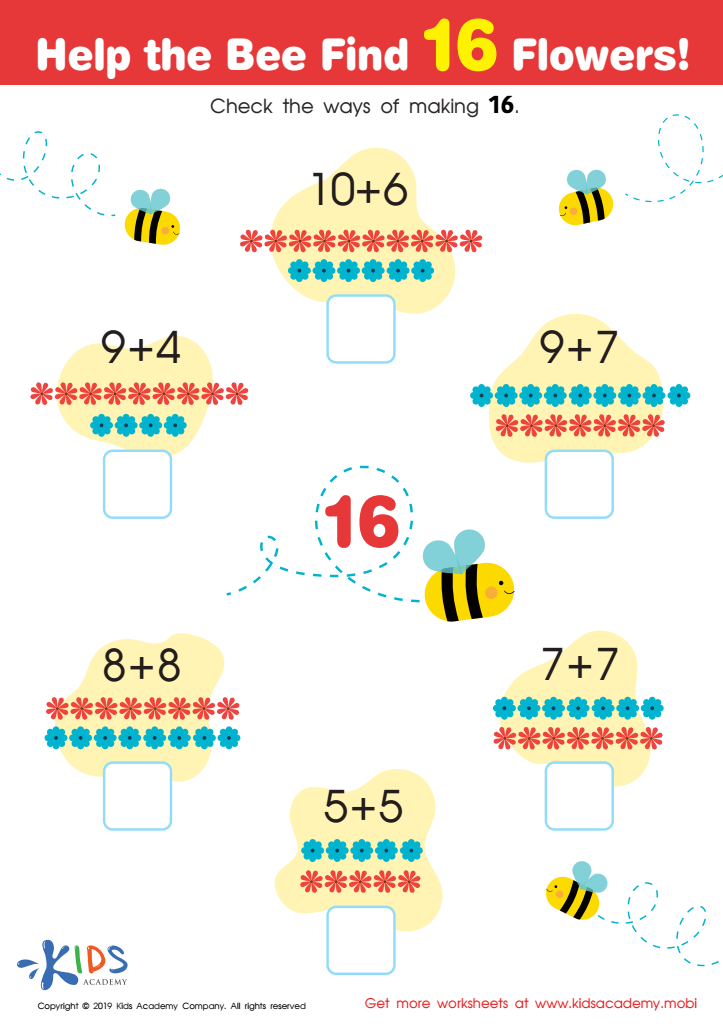
Help the Bee Find 16 Flowers Worksheet
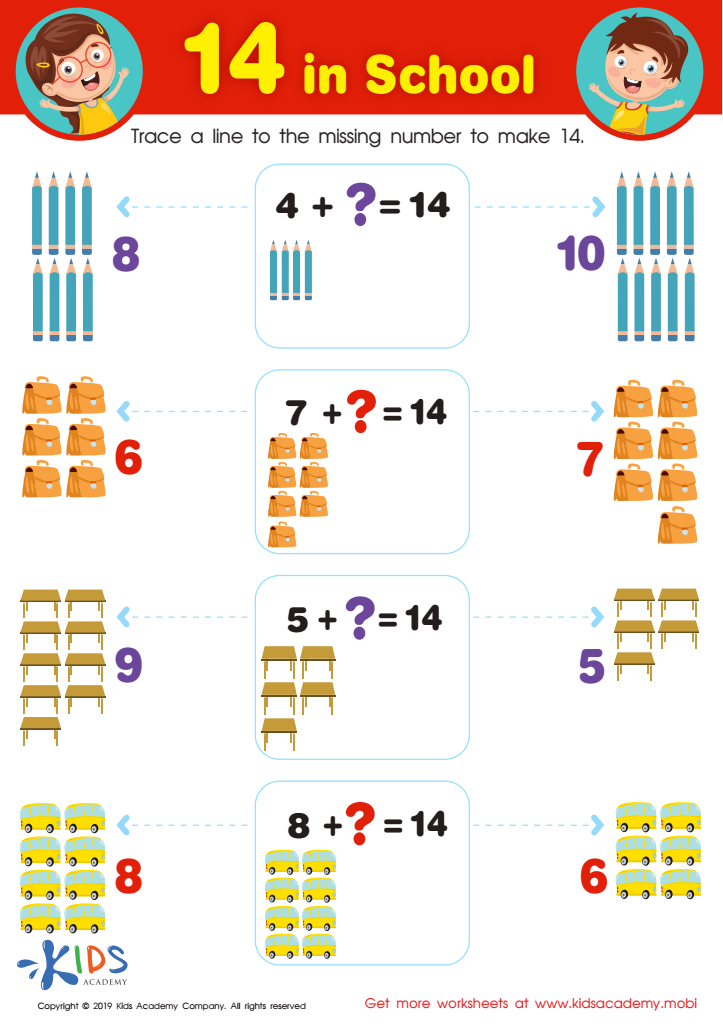
14 in School Worksheet
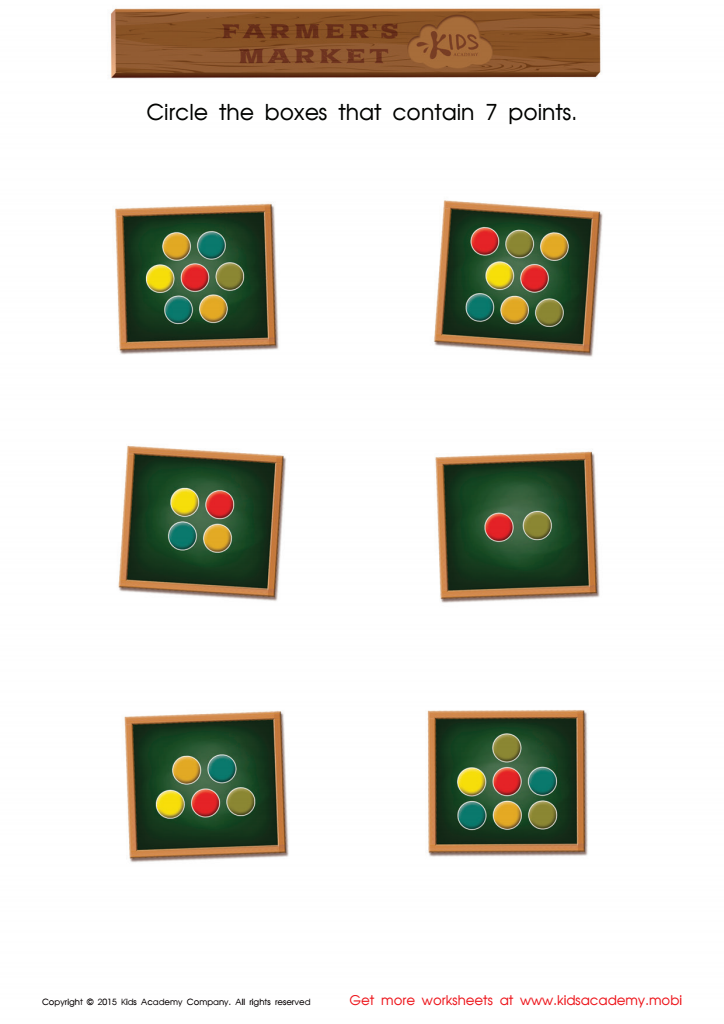
Count and Match Points 7 Math Worksheet
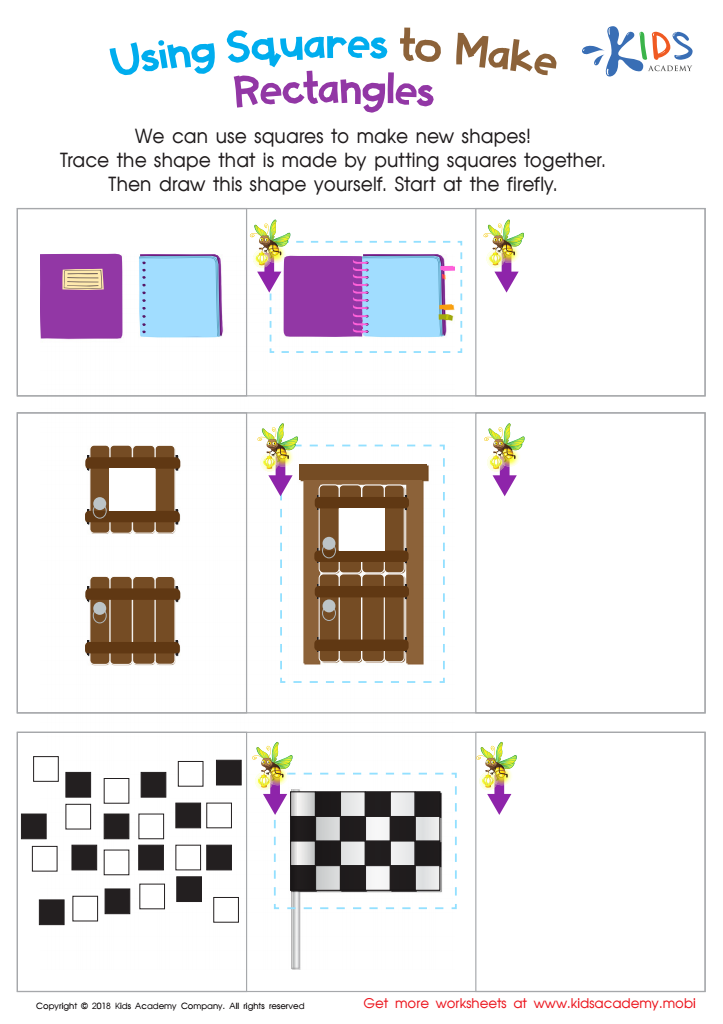
Using Squares to Make Rectangles Worksheet
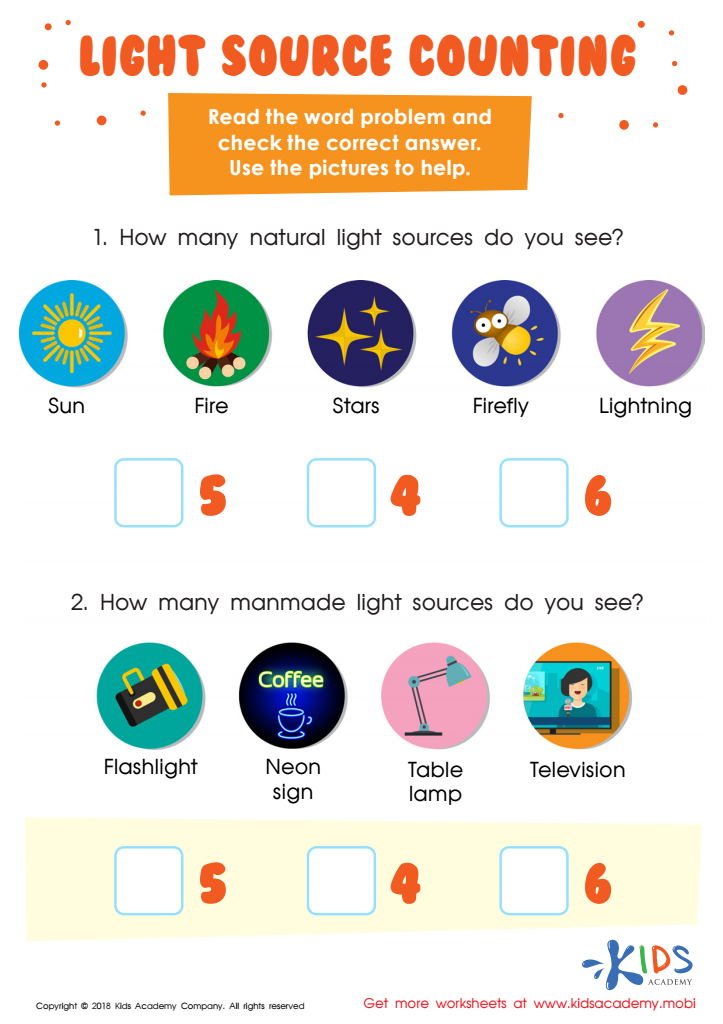
Light Source Counting Worksheet
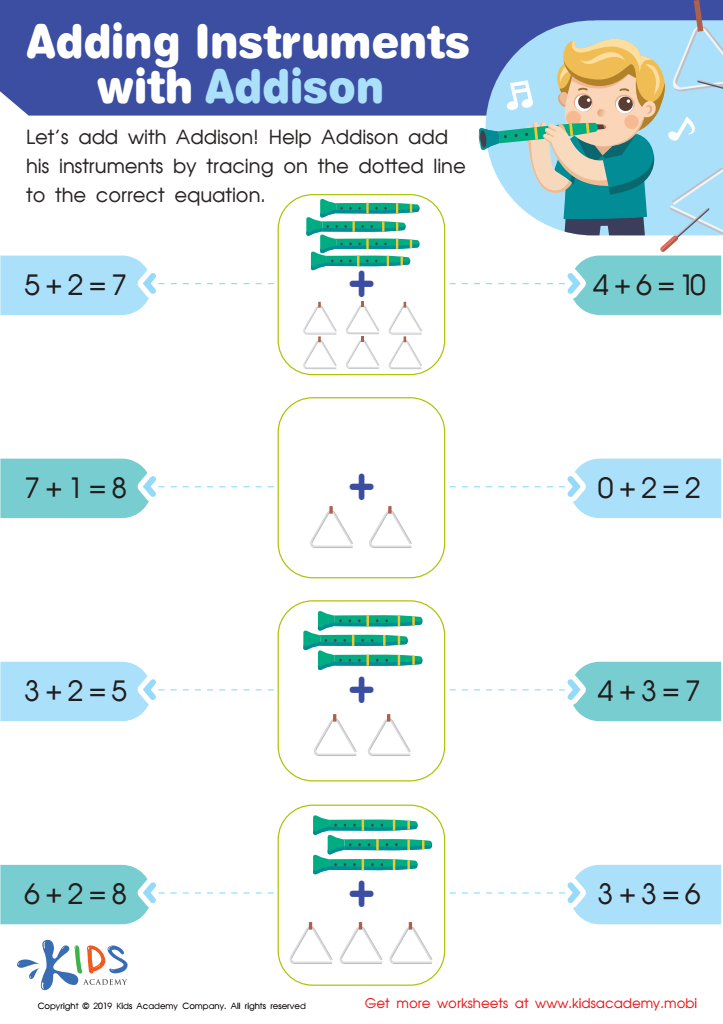
Adding Instruments with Addison Worksheet
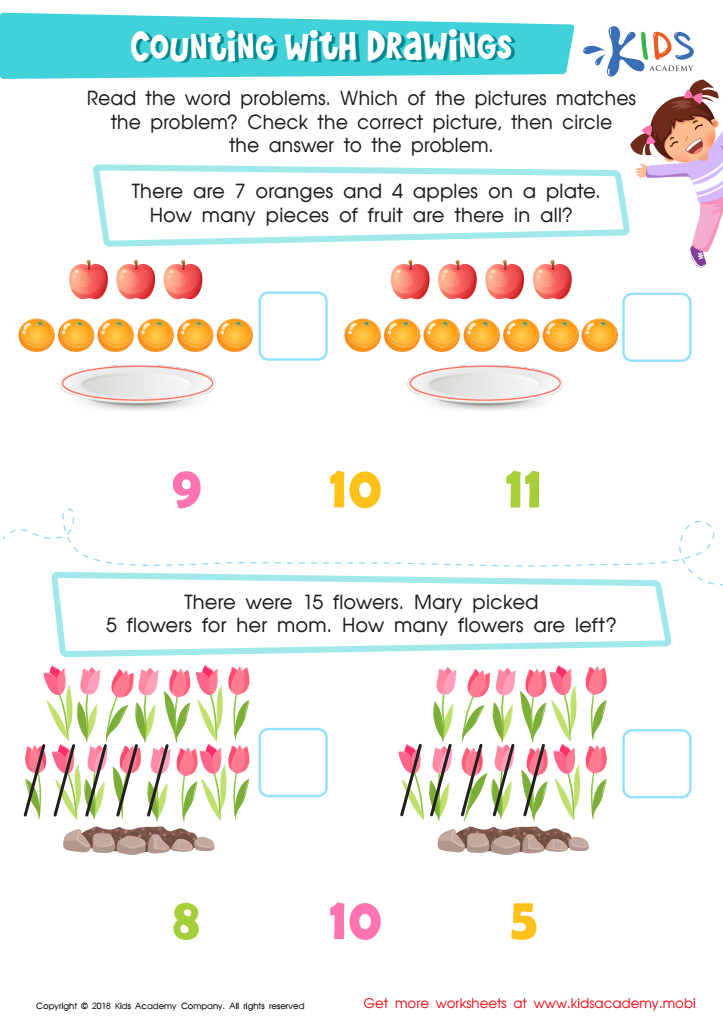
Counting with Drawings:Fruits & Flowers Worksheet
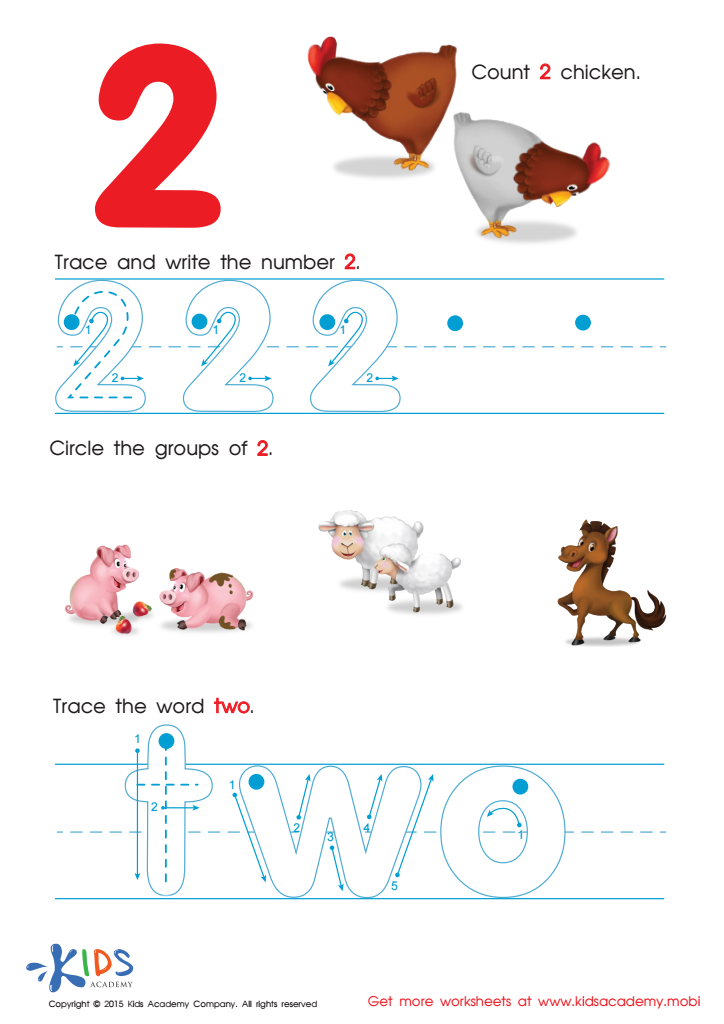
Learn to Write the Number 2 Worksheet
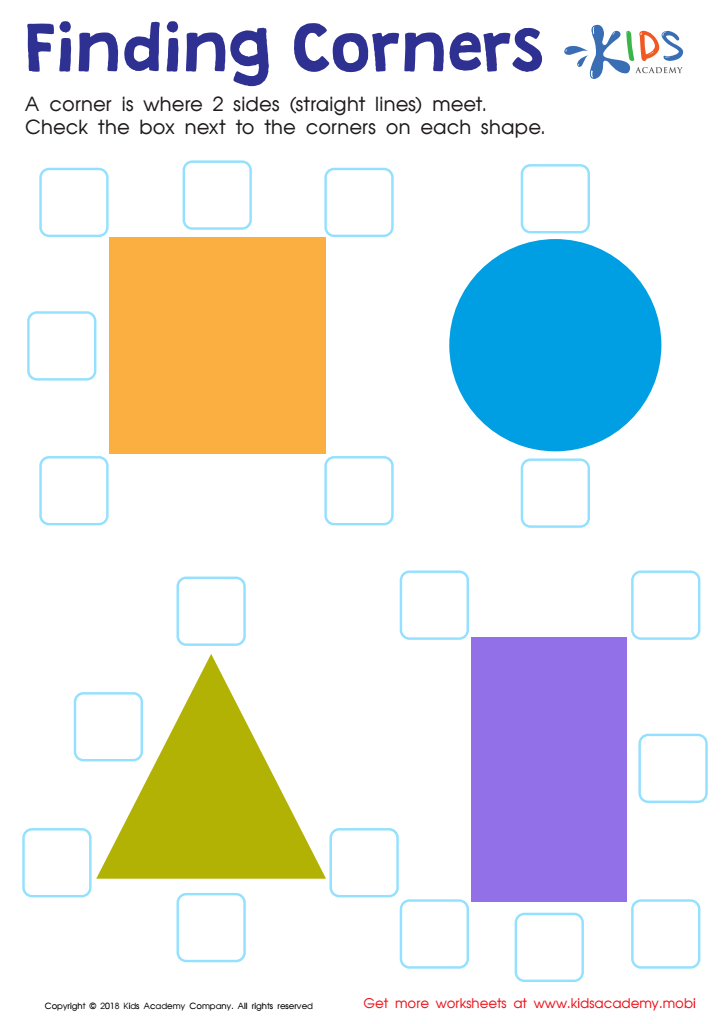
Finding Corners Worksheet
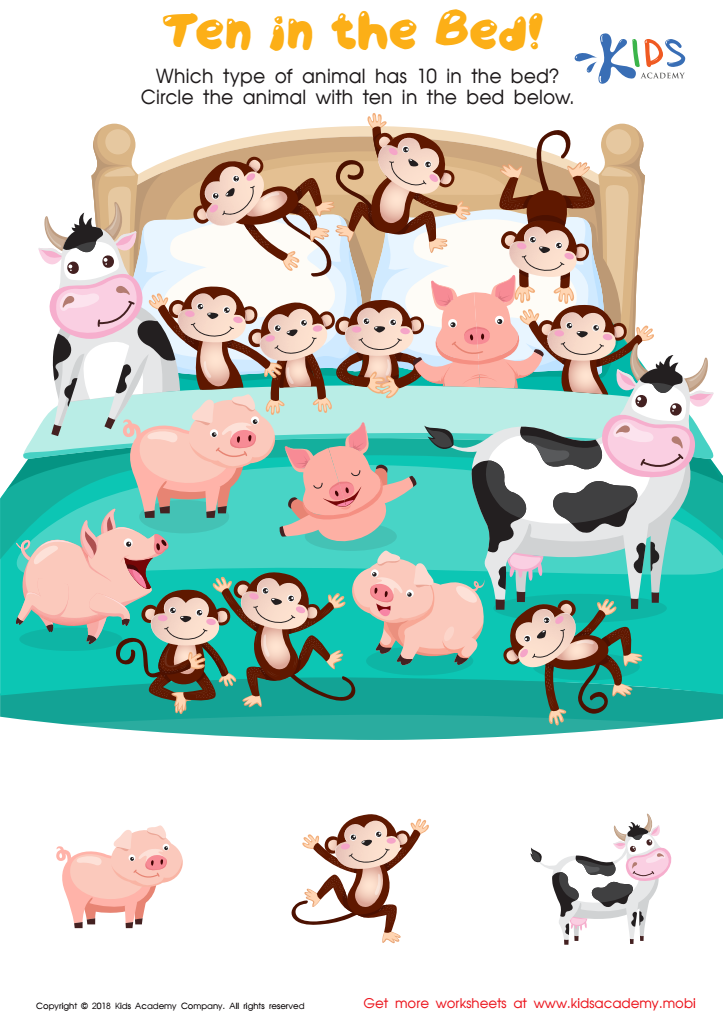
Ten in the Bed Worksheet
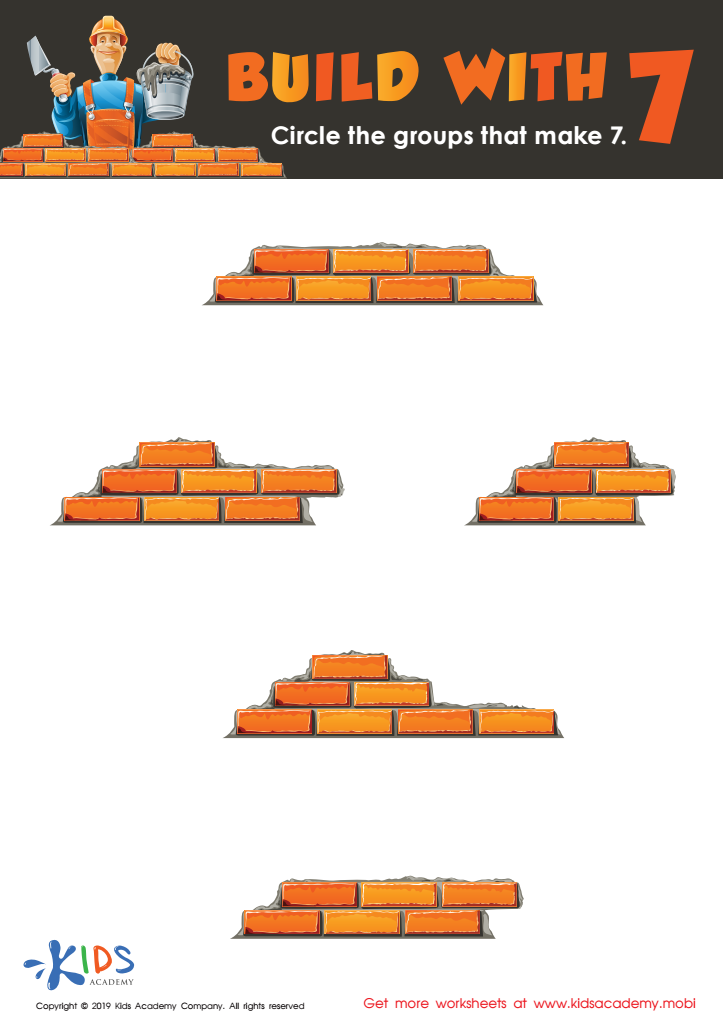
Build with 7 Worksheet
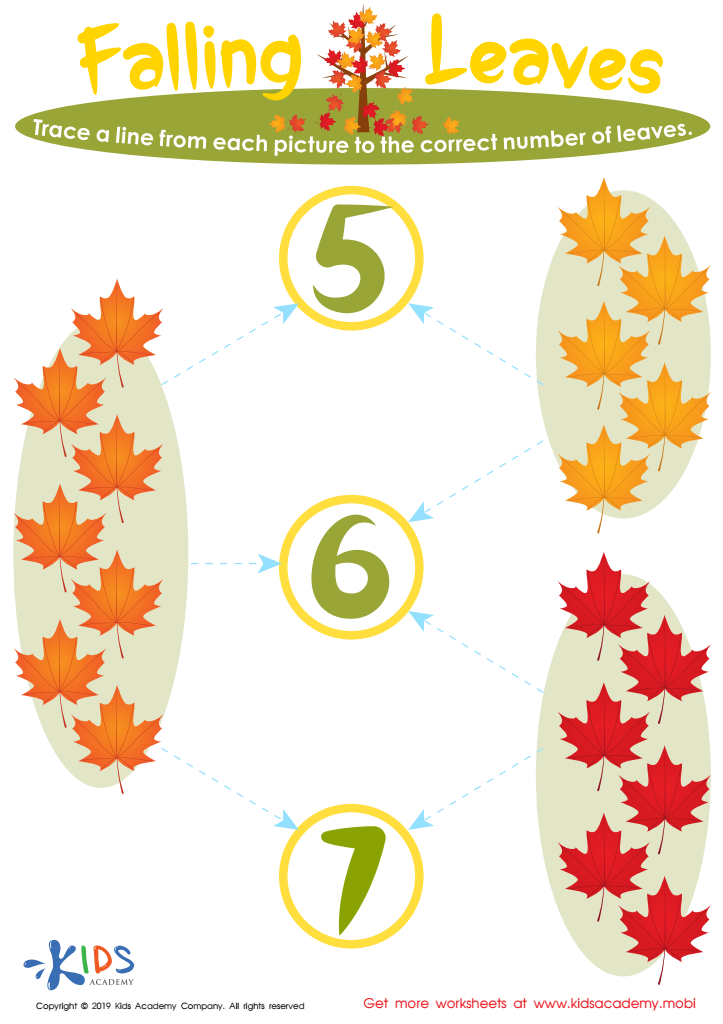
Falling Leaves Worksheet








Counting skills form the foundation of early math education and are crucial for six-year-olds as they enter primary school. At this age, children are not only learning to count, but they are also developing critical thinking and problem-solving abilities. Strong counting skills foster number sense, enabling children to understand patterns, quantify objects, and comprehend relationships between numbers, which are essential for more complex mathematical concepts later on.
Moreover, proficient counting abilities enhance a child's confidence and willingness to engage with mathematics. This encourages a positive attitude toward learning, reducing anxiety around math as they progress in their education. Parents and teachers who prioritize counting skills help lay the groundwork for future mathematical success, impacting performance in subjects well beyond basic arithmetic.
Additionally, counting activities can be fun and interactive, allowing for quality bonding time, whether through games, songs, or everyday activities. Engaging children in counting fosters not only academic growth but also enhances cognitive and social skills, preparing them for a wider spectrum of learning experiences. By emphasizing counting skills at this young age, educators and parents can cultivate a lifelong appreciation for math and its practical applications in everyday life.








