Phonics Skills Normal Alphabet Worksheets for Ages 7-8 - Page 2
39 filtered results
-
From - To
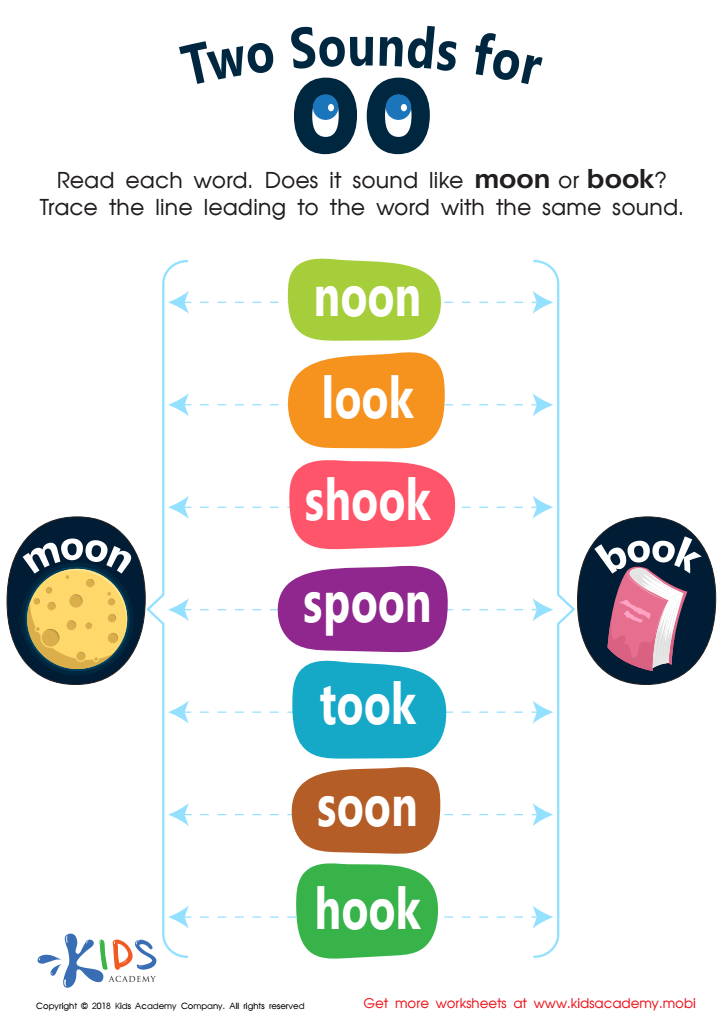
Two Sounds for OO Worksheet
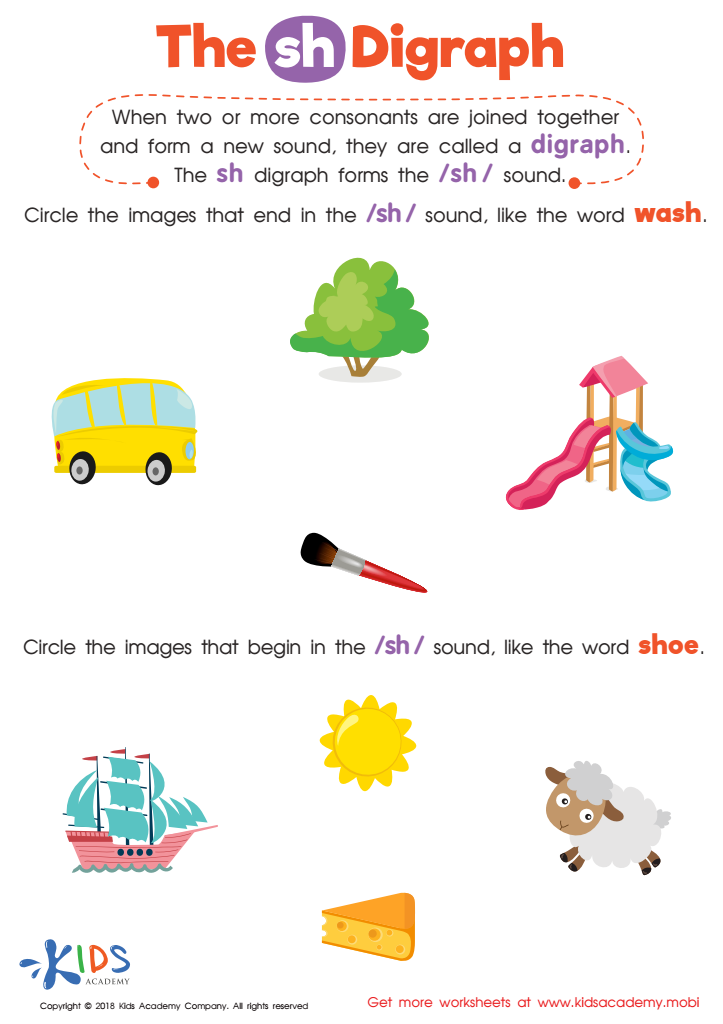
The SH Digraph Worksheet
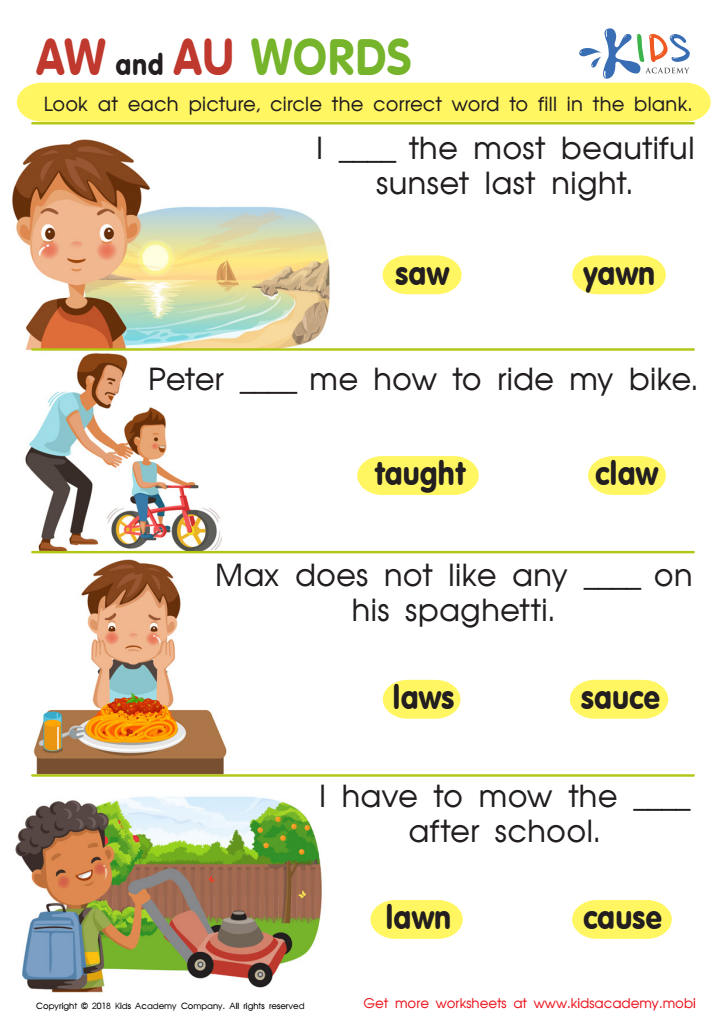
Reading: AW and AU Words Worksheet
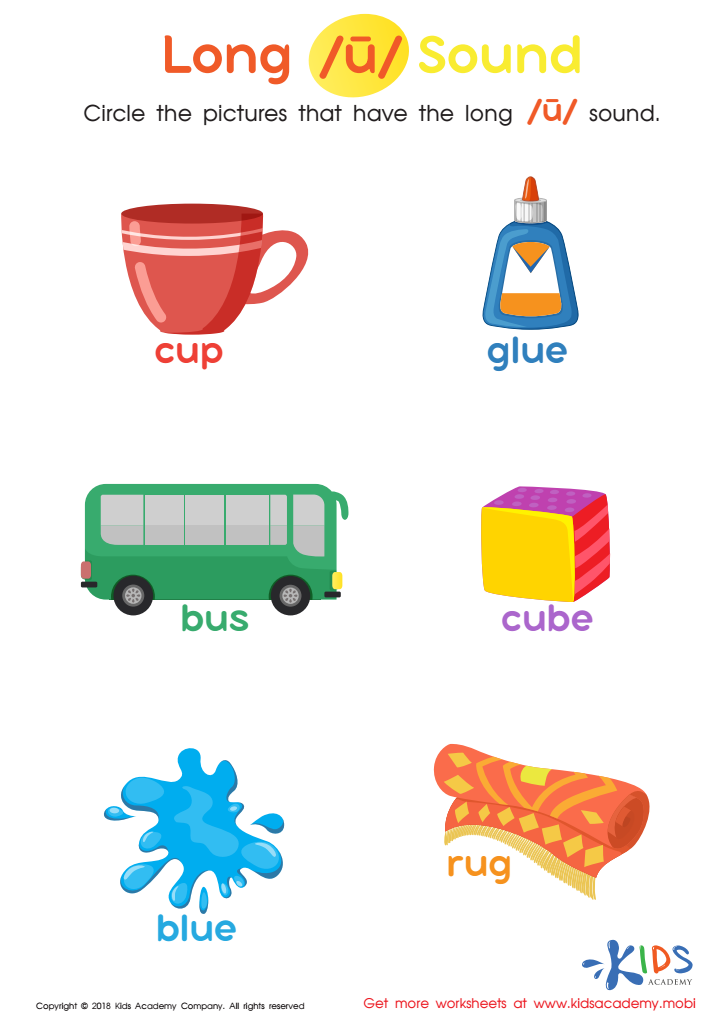
Long «u» Sound Worksheet
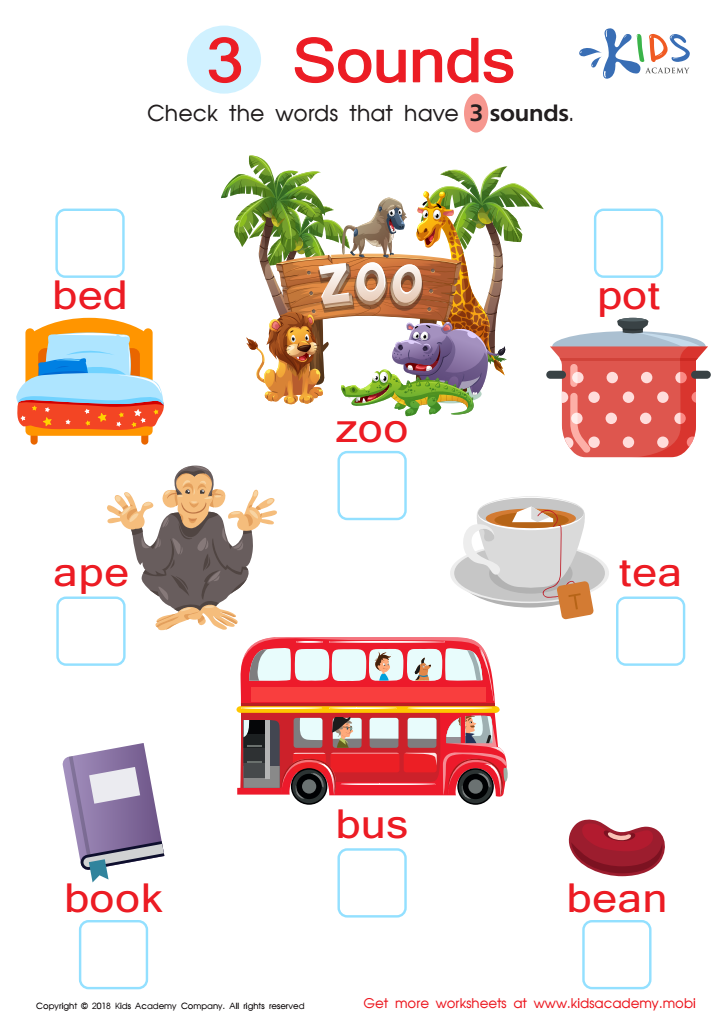
3 Sounds Worksheet
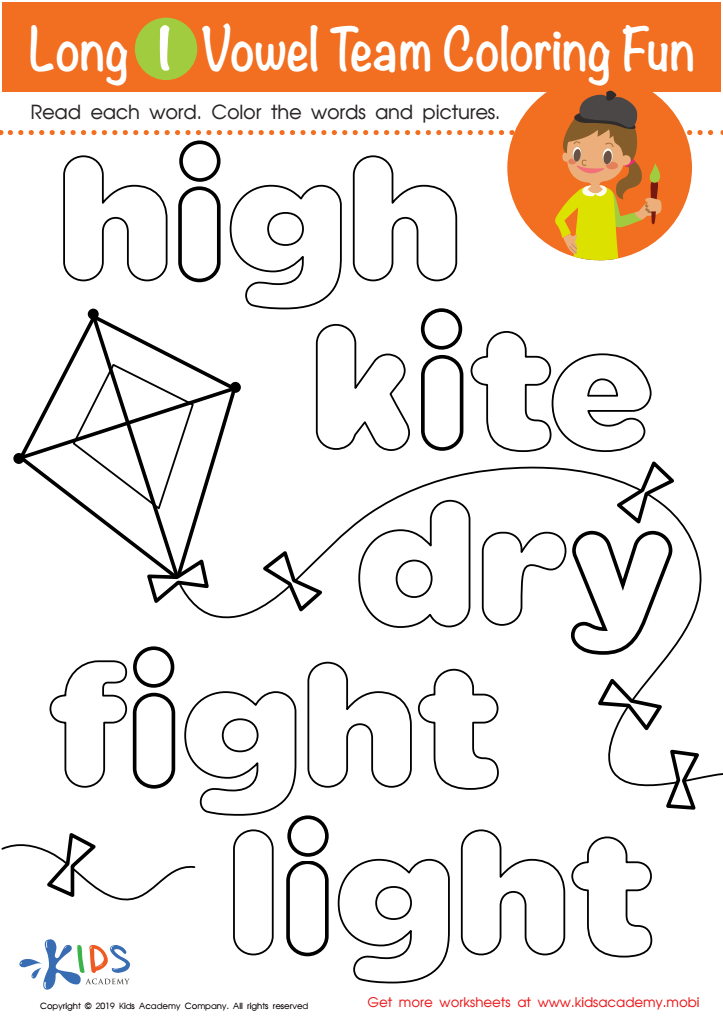
Long I Vowel Team Coloring Worksheet
 Assign to My Students
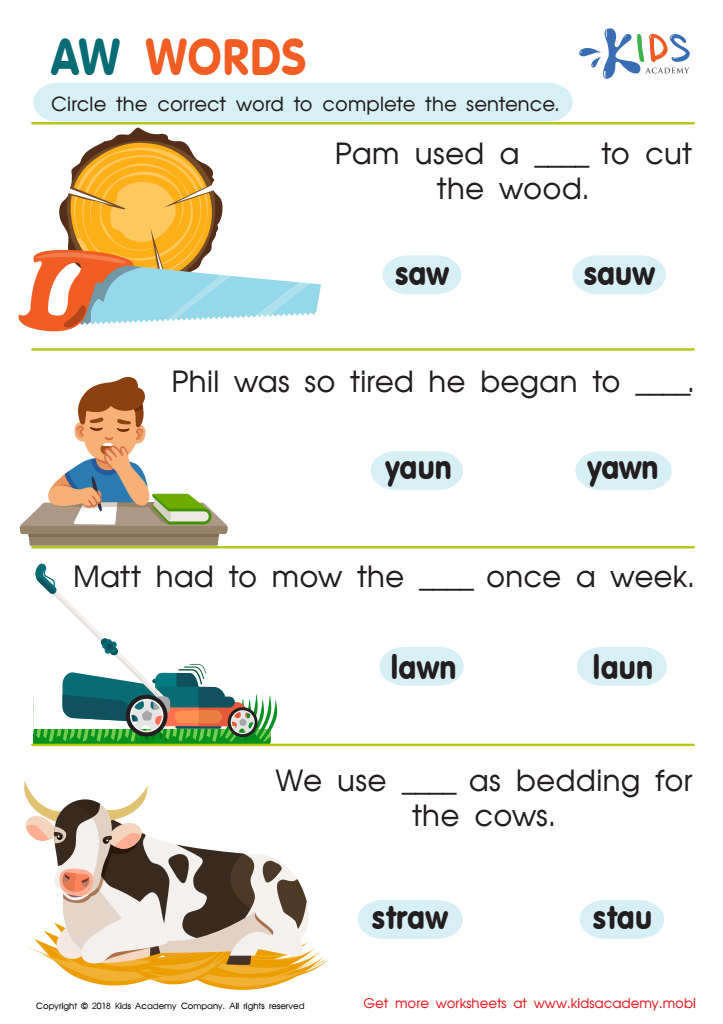
Reading: AW Words Worksheet
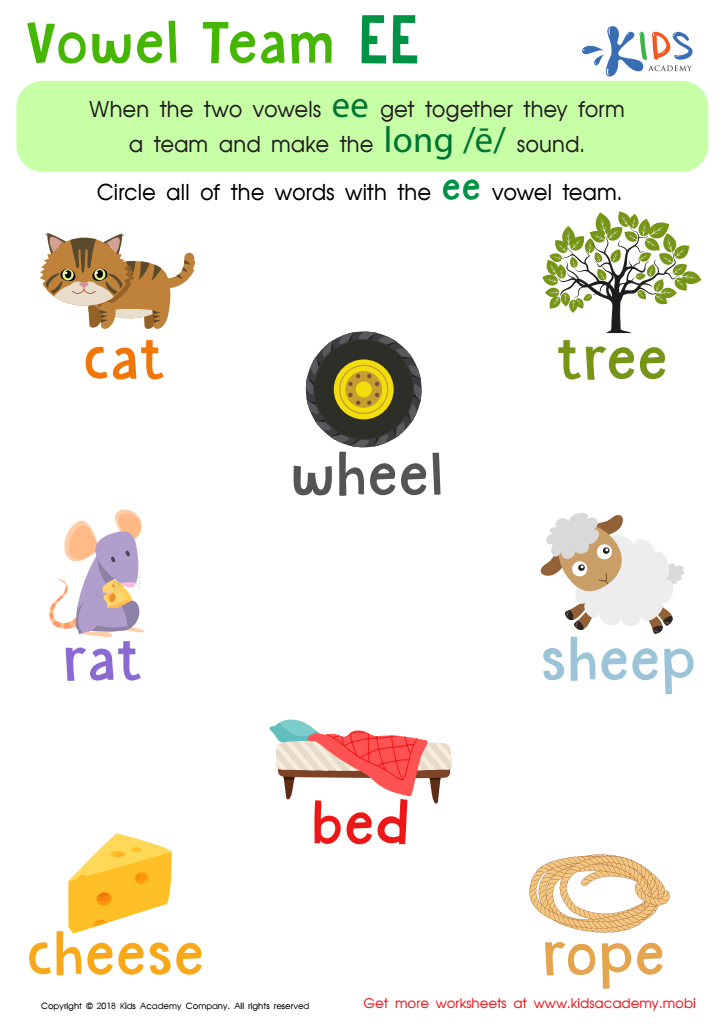
Reading: Vowel Team EE Worksheet
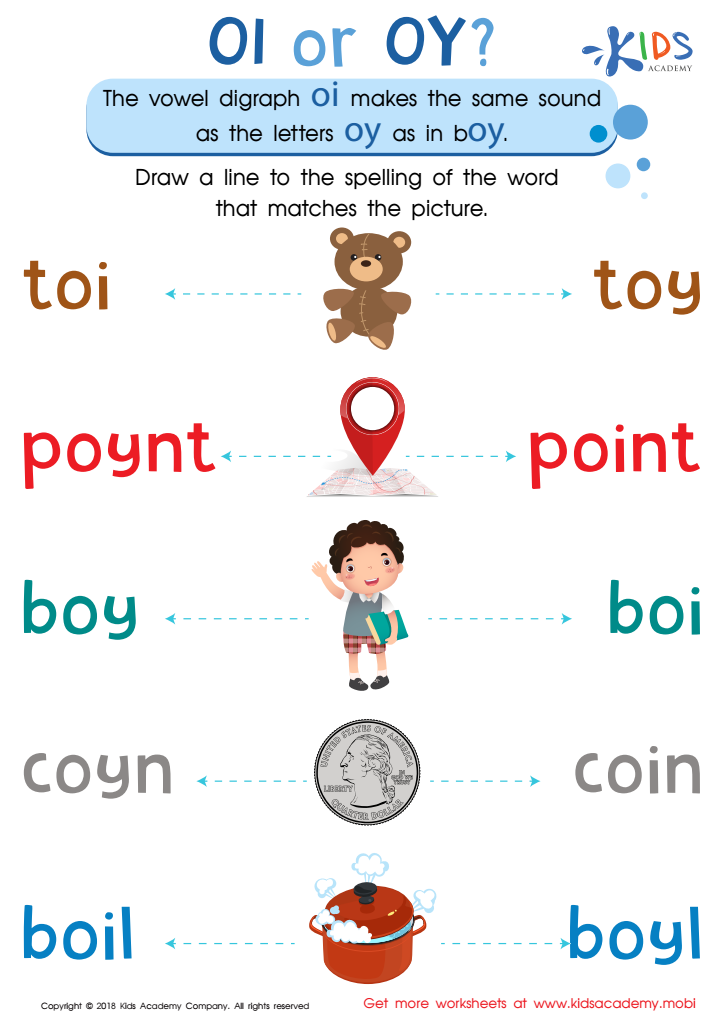
Reading: OI and OY Worksheet
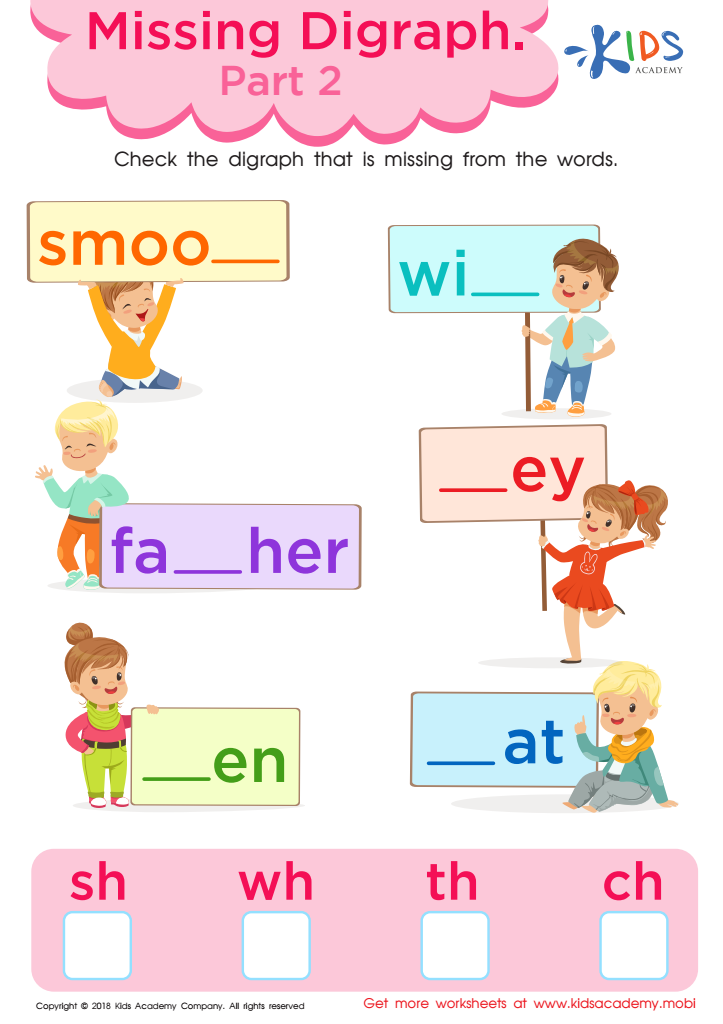
Missing Digraph: Part 2 Worksheet
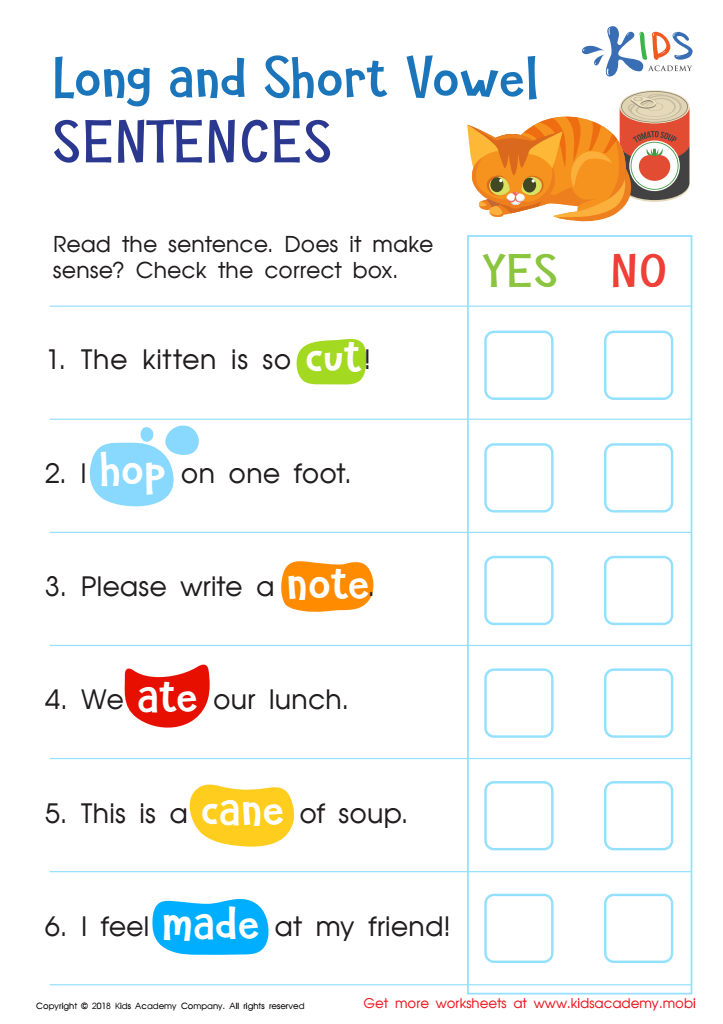
Long and Short Vowel Sentences: Assessment Worksheet
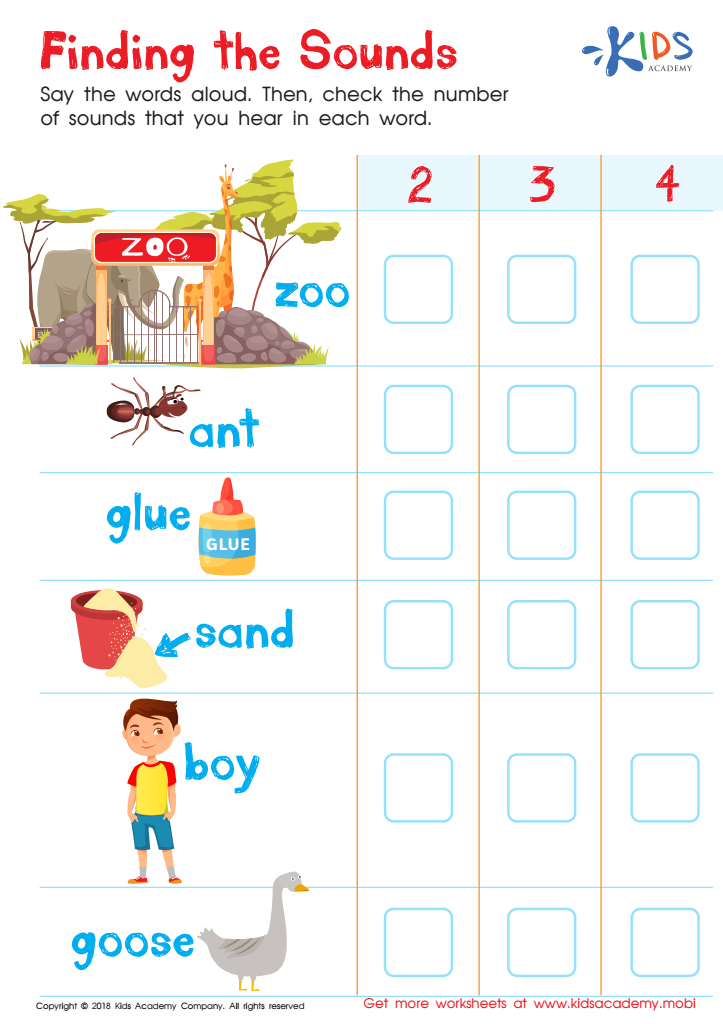
Finding the Sounds Worksheet
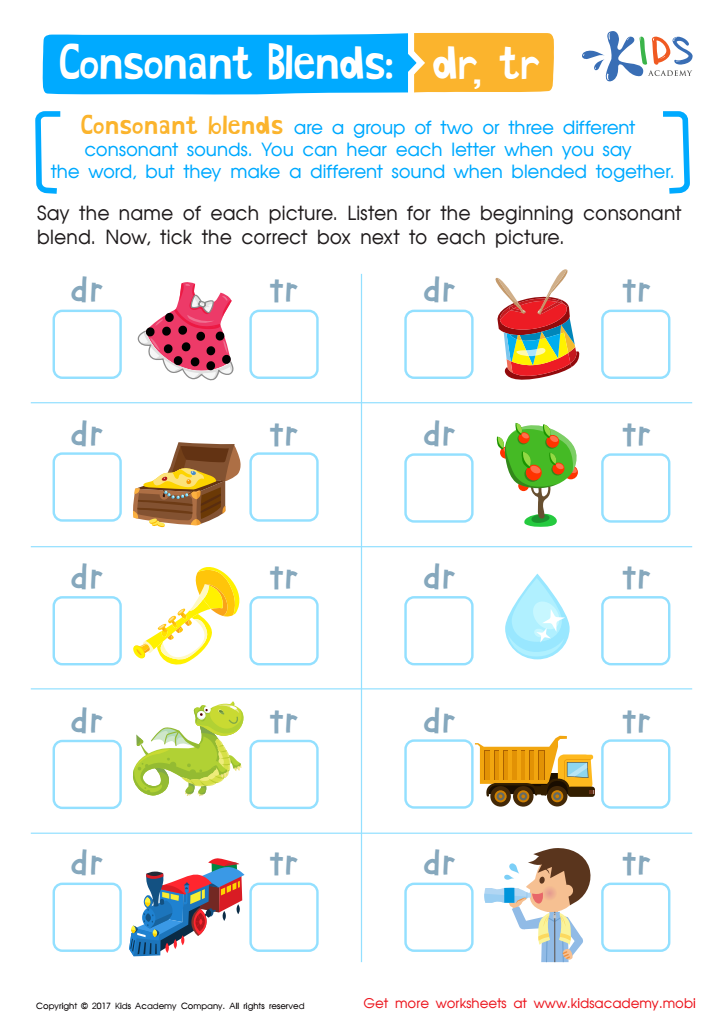
Consonant Blends: "Dr" and "Tr" Printable
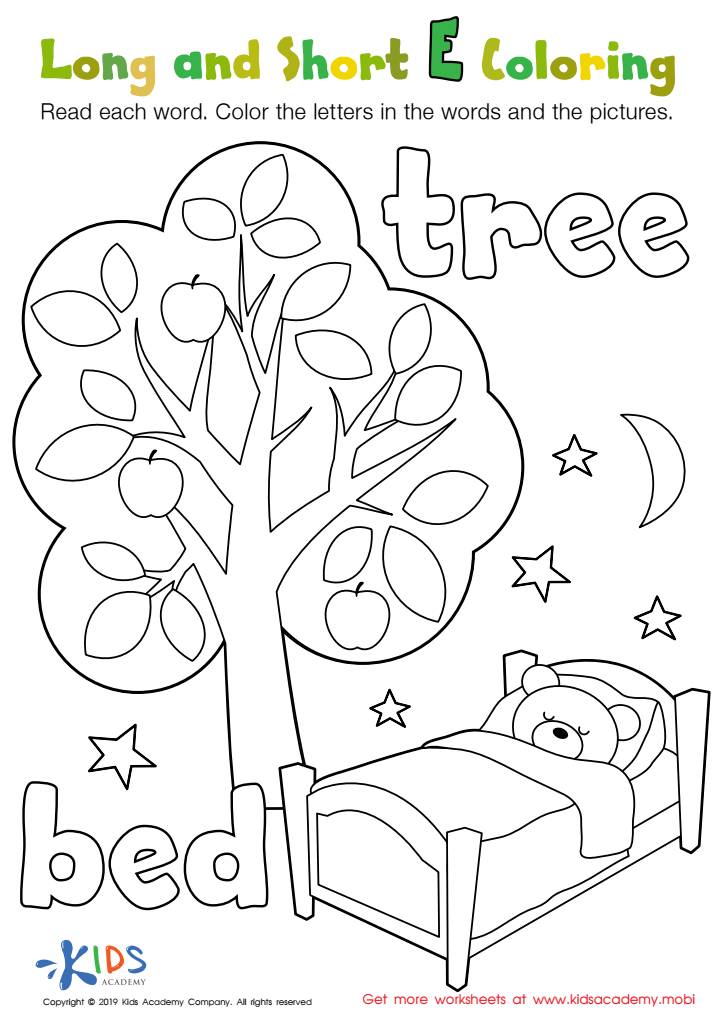
Long and Short E Worksheet
Assign to My Students
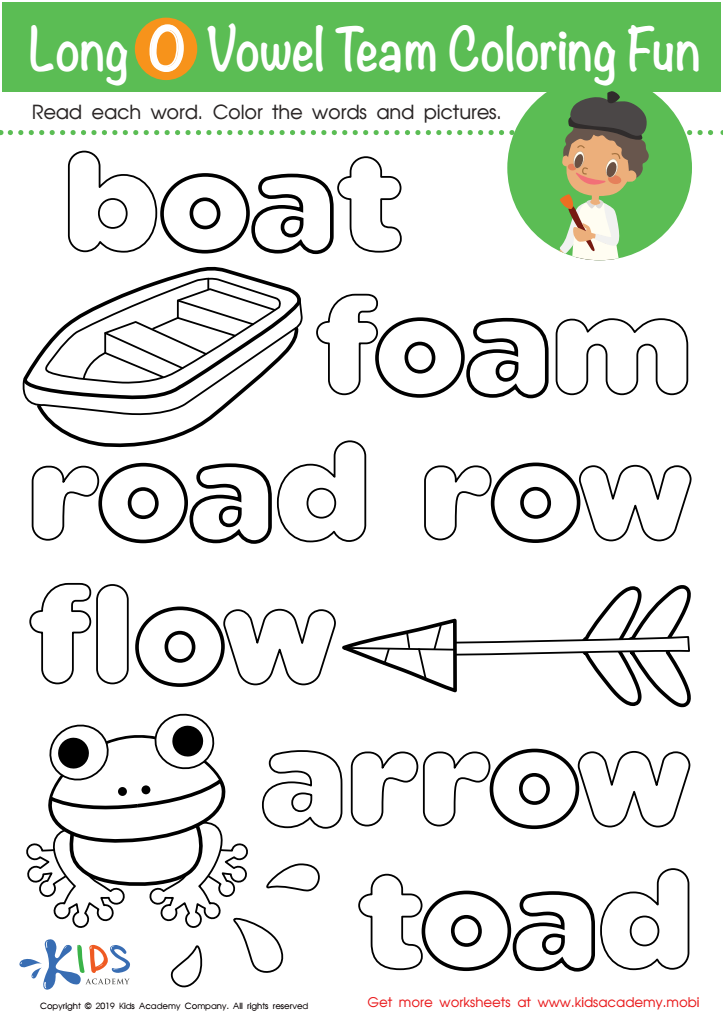
Long O Vowel Team Coloring Worksheet
Assign to My Students







Phonics skills in the normal alphabet for children aged 7-8 are crucial for their literacy development, forming the foundation for successful reading and writing. This age group transitions from recognizing letters to decoding words, making phonics instruction essential.
Firstly, strong phonics skills enable children to convert written symbols (letters) into sounds. This is vital because English is a language where letters and groups of letters represent specific sounds. Mastery of these relationships allows children to sound out unfamiliar words and enhances their ability to read smoothly and confidently.
Secondly, phonics instruction supports spelling skills. By understanding the sounds letters make and the rules of spelling, children can spell new words accurately, aiding written communication. This reinforces learning as reading and writing skills are closely connected.
Moreover, phonics lays the groundwork for fluency, comprehension, and vocabulary expansion. Fluency in reading - achieved through phonics - frees cognitive resources, enabling children to focus on understanding the meaning of the text, which enriches their vocabulary and overall learning.
Lastly, phonics-based literacy skills boost self-confidence and academic performance. Children with strong phonics abilities tend to perform better across subjects, as reading is integral to all learning areas. Fostering these skills not only aids academic success but also instills a lifelong love for reading and continuous learning. Thus, parents and teachers play a pivotal role by prioritizing phonics education for children aged 7-8.







