Cognitive Development Normal Worksheets for Ages 7-8 - Page 2
37 filtered results
-
From - To
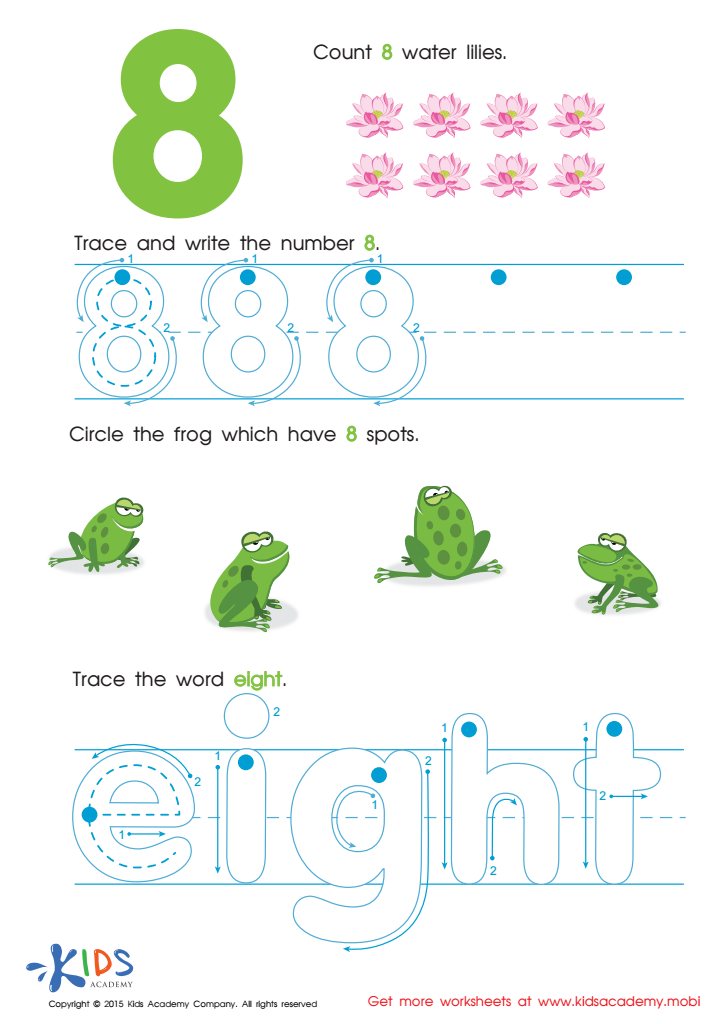
Learn Number 8 Easily Worksheet
 Assign to My Students

Traditional Dance Printable
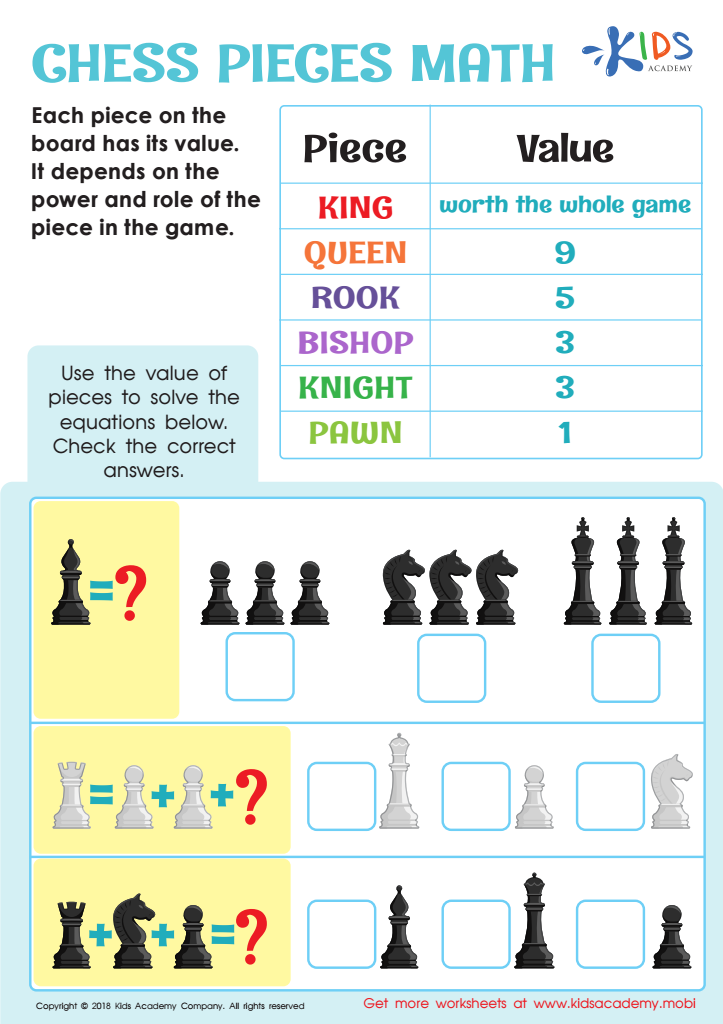
Chess Pieces Math Worksheet
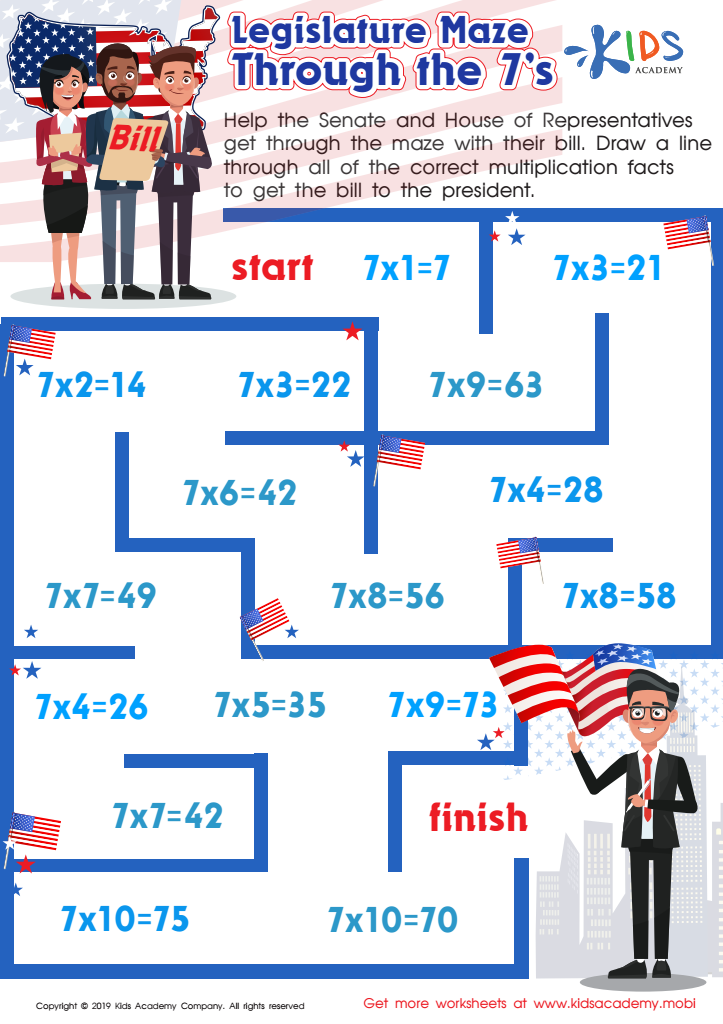
Legislature Maze Through the 7’s Worksheet

Light Sources and Shadows Worksheet

Seasons Match Worksheet

Arctic Animals Worksheet
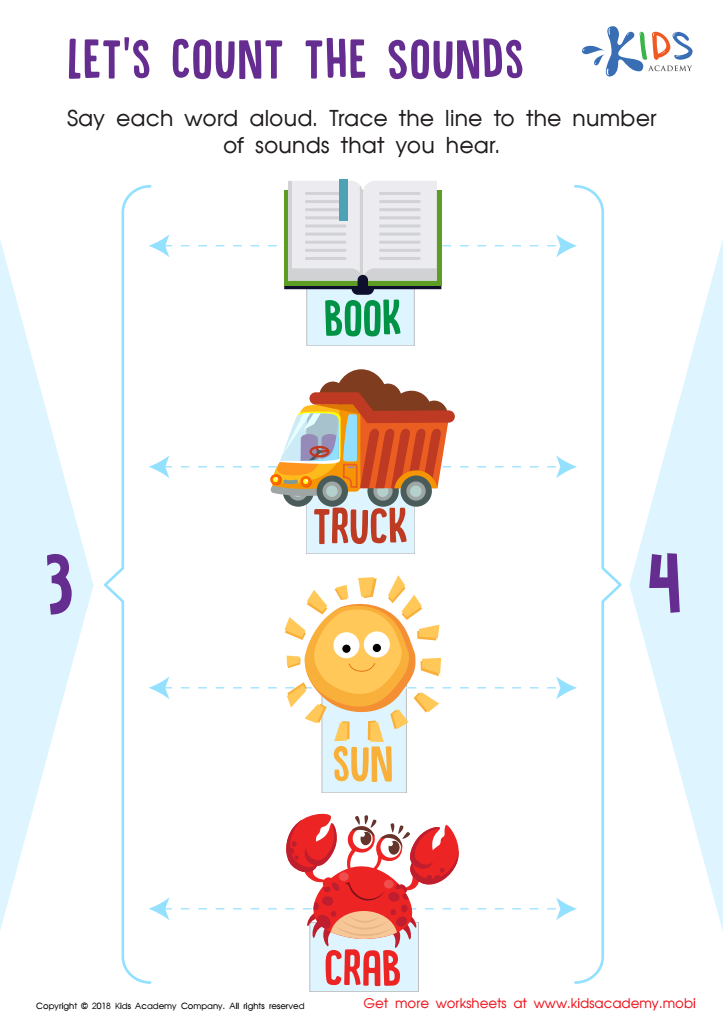
Let's Count the Sounds Worksheet
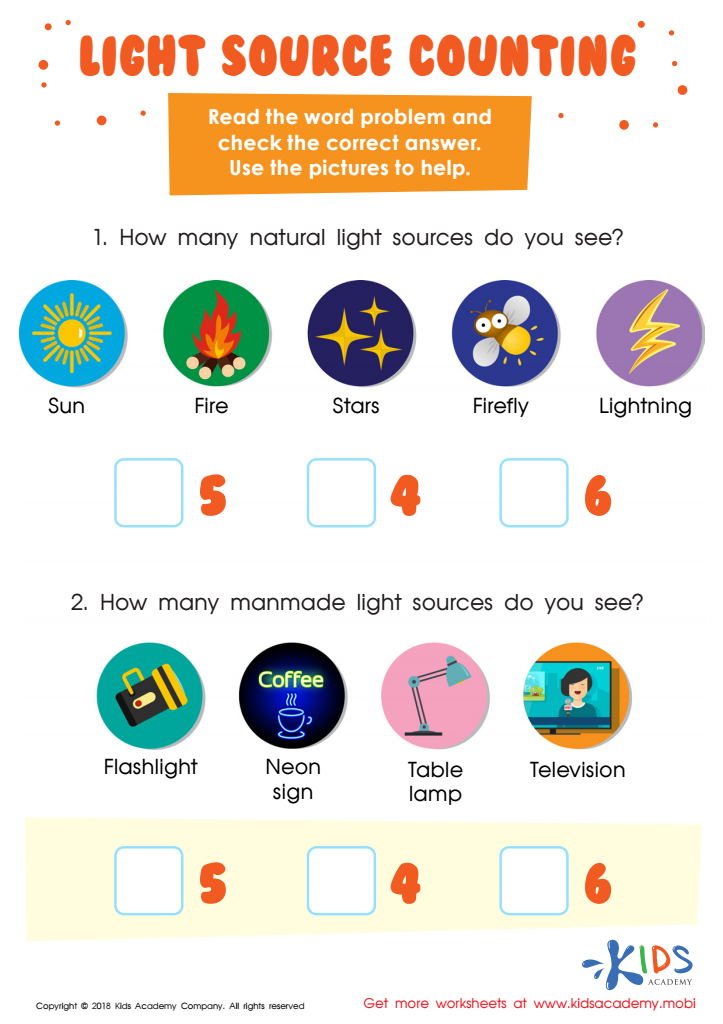
Light Source Counting Worksheet
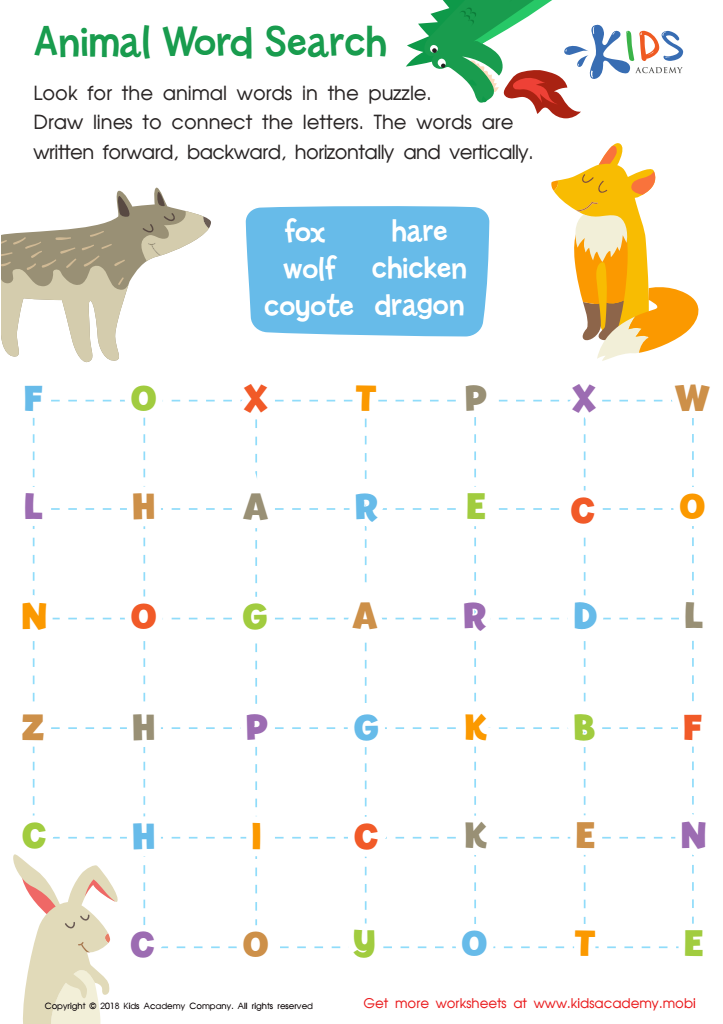
Animal Word Search Worksheet
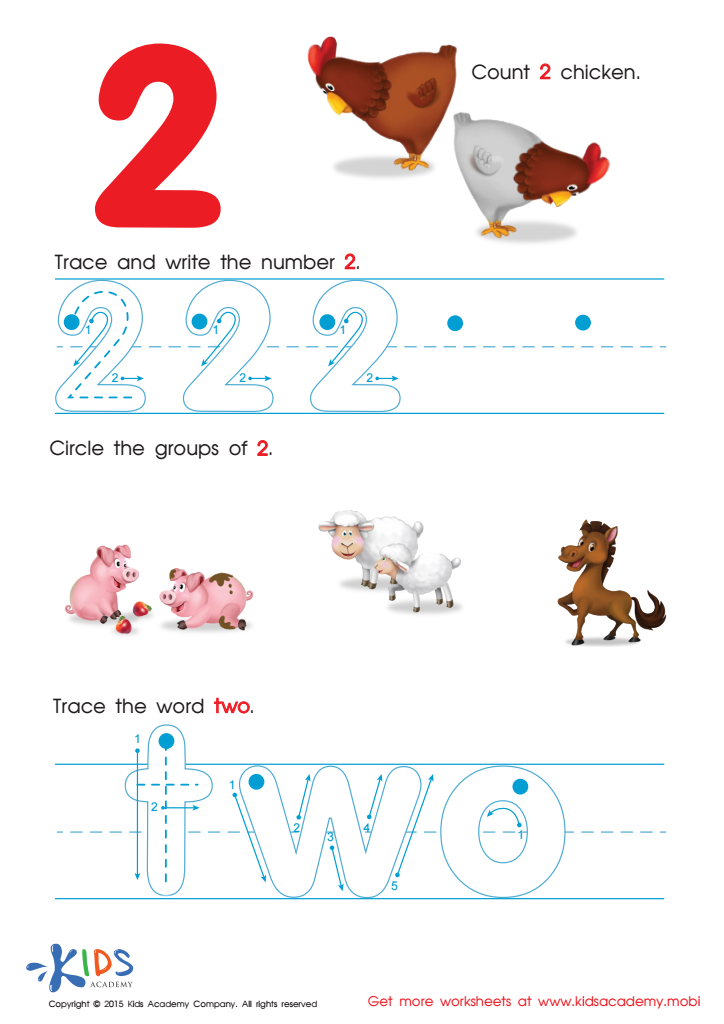
Learn to Write the Number 2 Worksheet
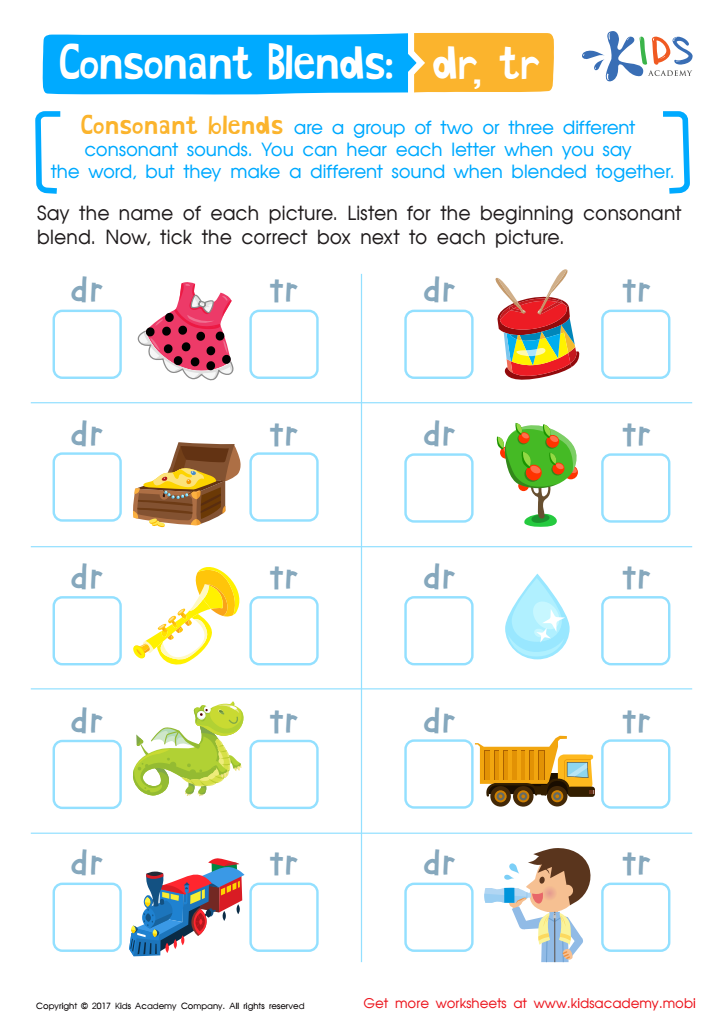
Consonant Blends: "Dr" and "Tr" Printable







Cognitive development in children aged 7 to 8 is crucial for several reasons, and both parents and teachers should pay close attention to this stage. During these years, kids experience significant advancements in their thinking abilities. They shift from concrete thinking to more abstract reasoning, enabling them to understand complex ideas, solve problems, and better grasp cause-and-effect relationships. This stage is also characterized by improved memory, attention span, and critical thinking skills, crucial for academic success.
Understanding the norms of cognitive development can help parents and teachers recognize whether a child is on track or may need additional support. When educators and caregivers are aware of developmental milestones, they can create a stimulating learning environment tailored to the child's needs. This support fosters a love of learning and stimulates higher-order thinking skills essential for future education.
Moreover, addressing cognitive development can enhance social skills. As children begin to engage in cooperative play and peer interaction, strong cognitive skills will help them negotiate, take turns, and resolve conflicts effectively. By nurturing cognitive growth, both parents and teachers play a vital role in laying a strong foundation for lifelong learning, social interaction, and emotional resilience.








