
Normal Addition Facts Worksheets for Ages 7-8
15 filtered results
Difficulty Level
Grade
Age
-
From - To
Subject
Activity
Standards
Boost your child’s math skills with our Normal Addition Facts Worksheets for Ages 7-8! Designed to align with standard school curriculums, these worksheets make learning addition engaging and fun. Each worksheet provides a variety of exercises aimed at building a solid foundation in basic addition, enhancing speed and accuracy in solving problems. Perfect for both classroom use and home practice, our worksheets feature colorful illustrations and diverse question formats to keep young learners interested. Foster a love for math and help your child gain confidence in their arithmetic abilities with our expertly crafted addition worksheets.
Favorites
With answer key
Interactive
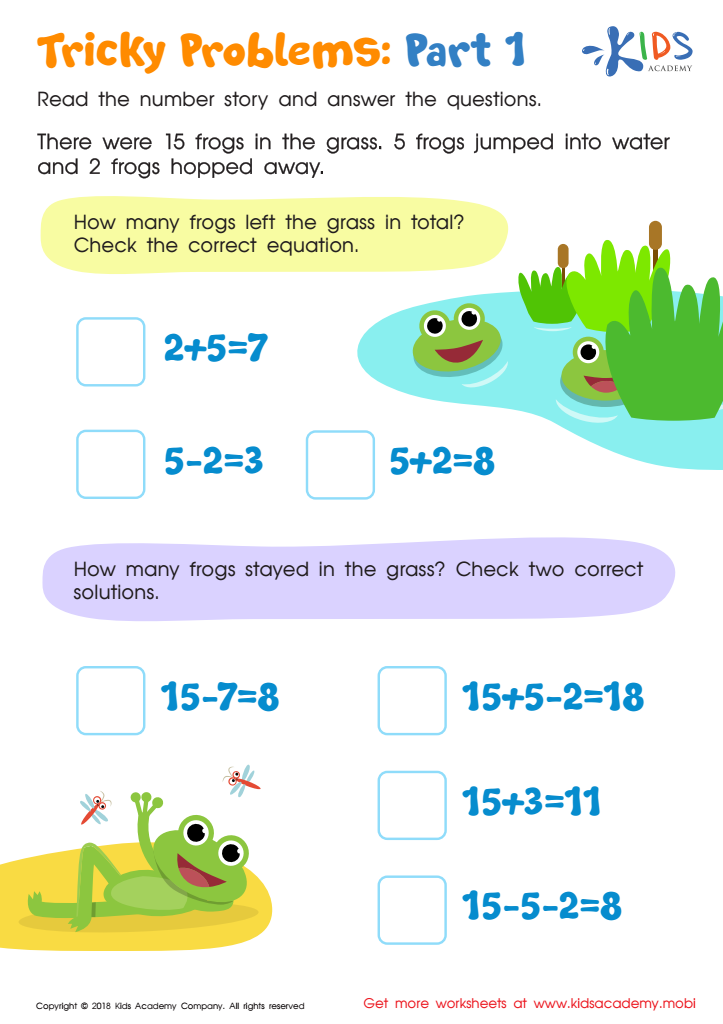
Tricky Problems Worksheet: Part 1
Visualizing word problems can help students solve them. This fun PDF worksheet encourages students to create mental images using math facts, then check boxes to match the equations for basic addition problems. It's a great way to build confidence in solving math.
 Assign to My Students
Tricky Problems Worksheet: Part 1
Worksheet
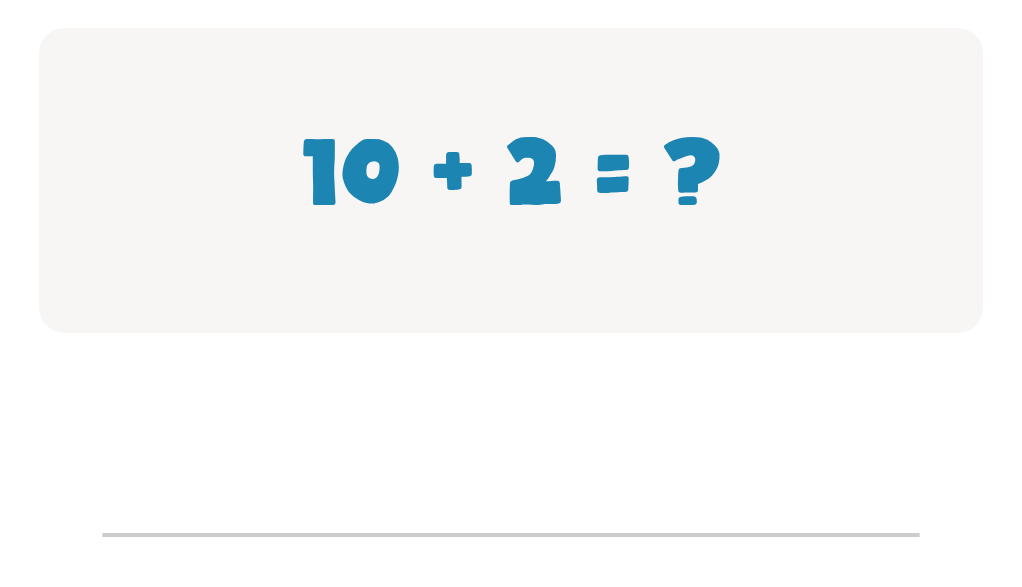

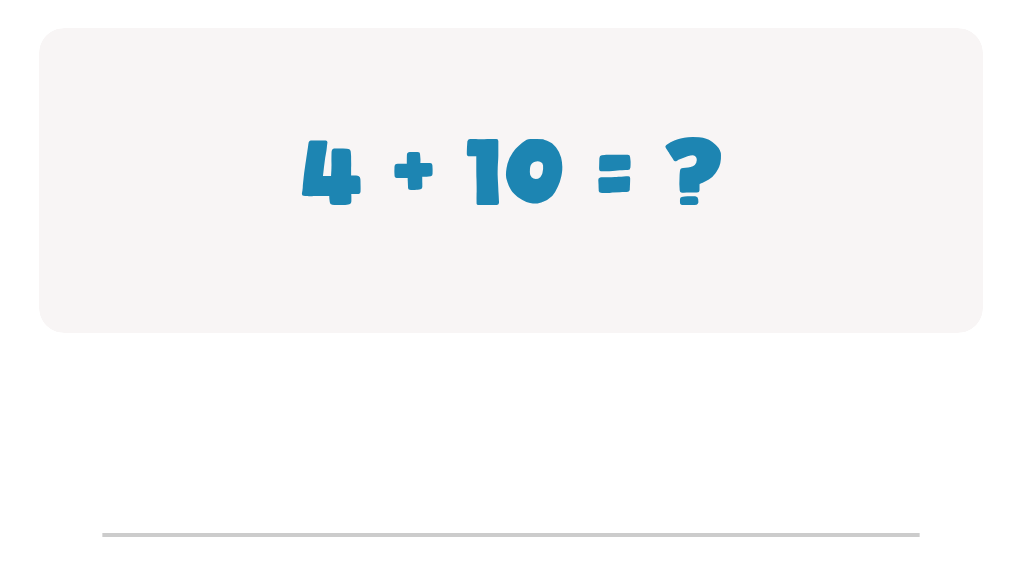
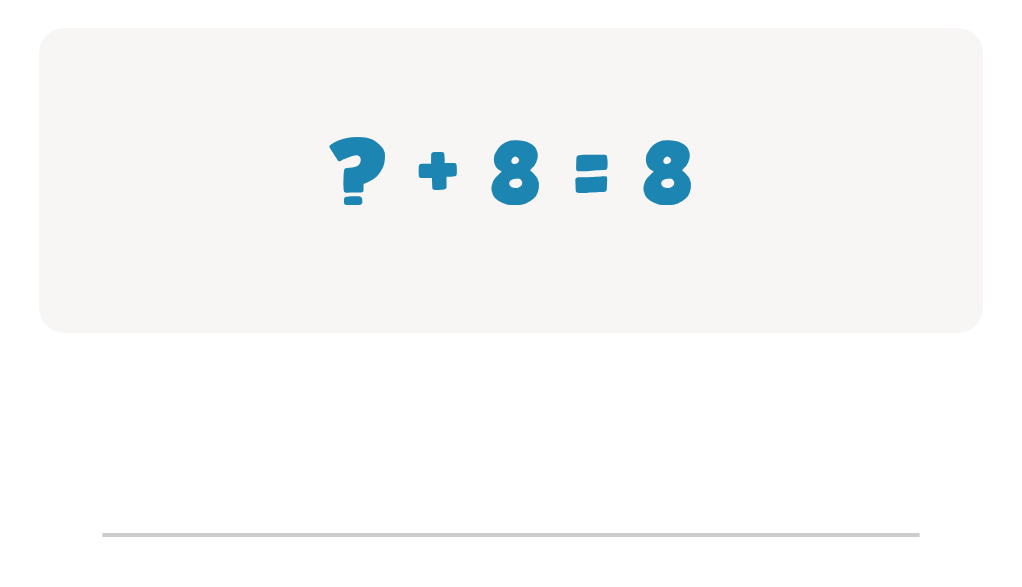

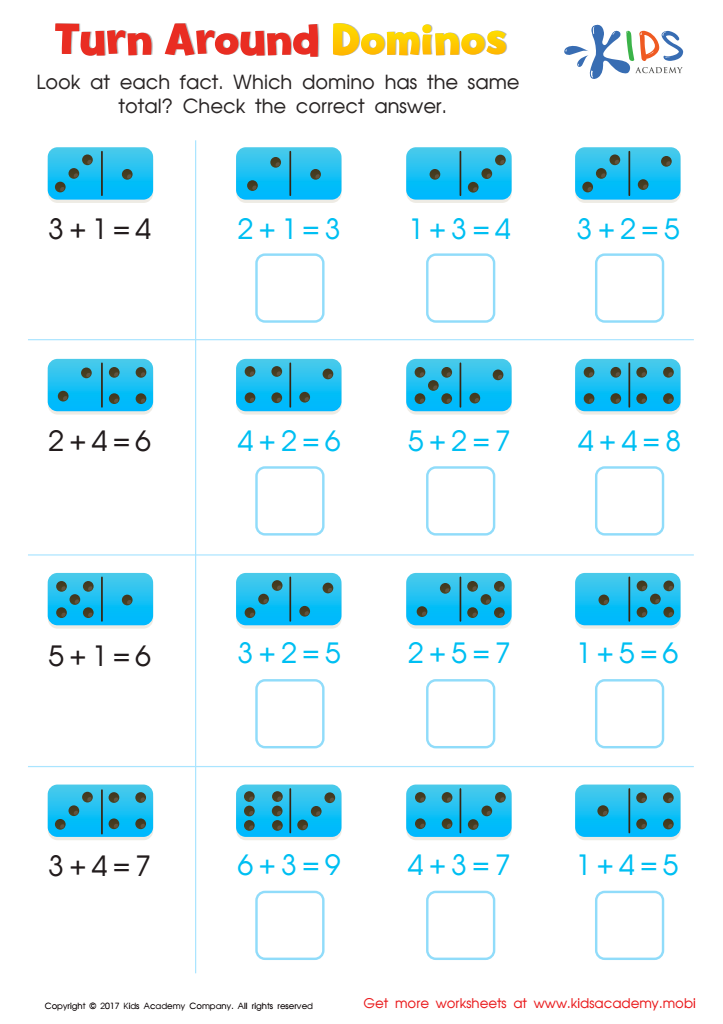
Turn Around Dominos Worksheet
Encourage your child to flex their mental muscles with this math worksheet. Look through the left side's dominos and their values and then check the three boxes on the right. Ask your child if any of the right box's dominos are similar. This requires focus and careful observation.
Turn Around Dominos Worksheet
Worksheet
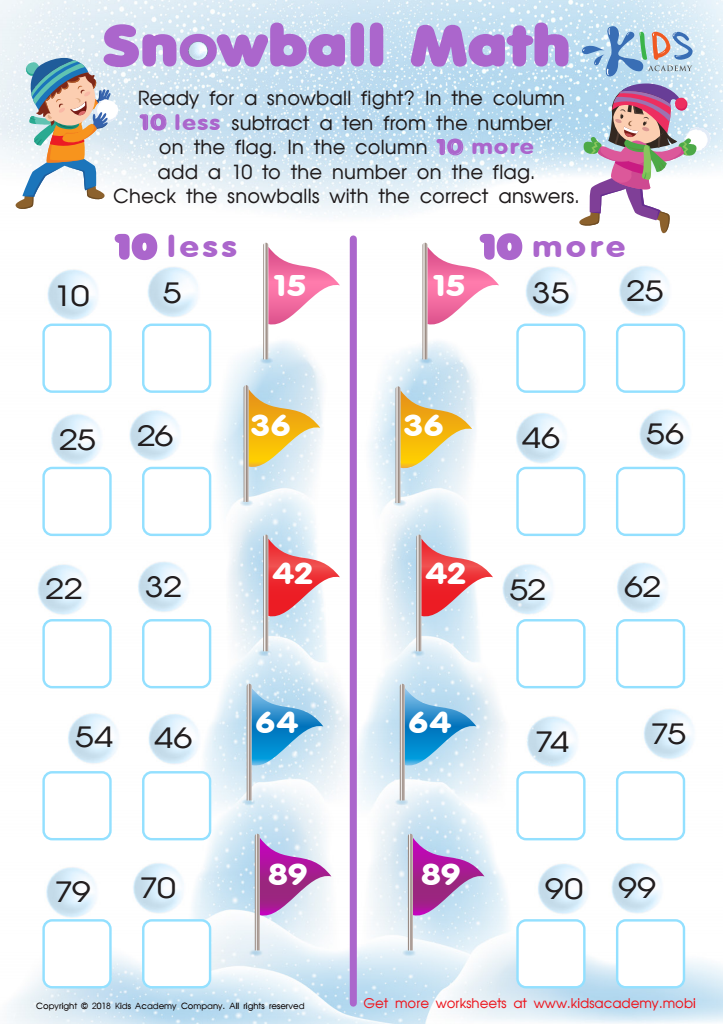
Snowball Math Worksheet
Kids can have a snowball fight and build math skills at the same time with this free worksheet. Kids can use tens to add and subtract for quick math equations and select the correct answers. No need to worry about getting cold either - these snowballs won't chill you!
Snowball Math Worksheet
Worksheet
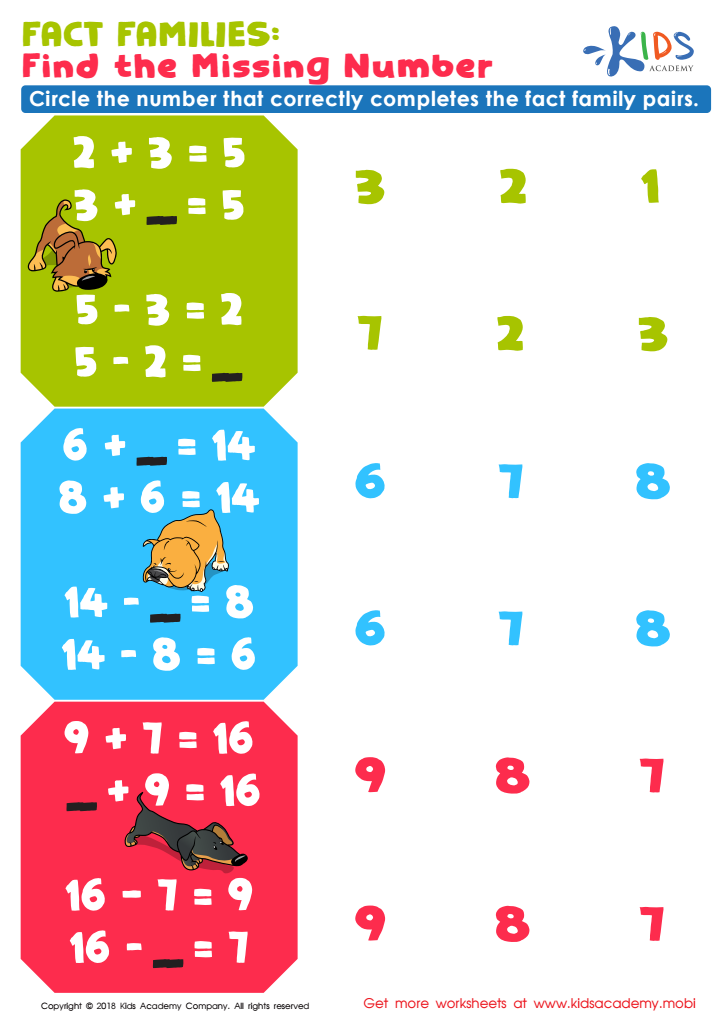
Fact Families: Find Missing Number Worksheet
Assess your student's addition and subtraction knowledge with this worksheet exercise. Task them to identify missing numbers in the fact families and circle the number that completes the pair. Strengthen their reasoning skills and enhance their math concepts.
Fact Families: Find Missing Number Worksheet
Worksheet
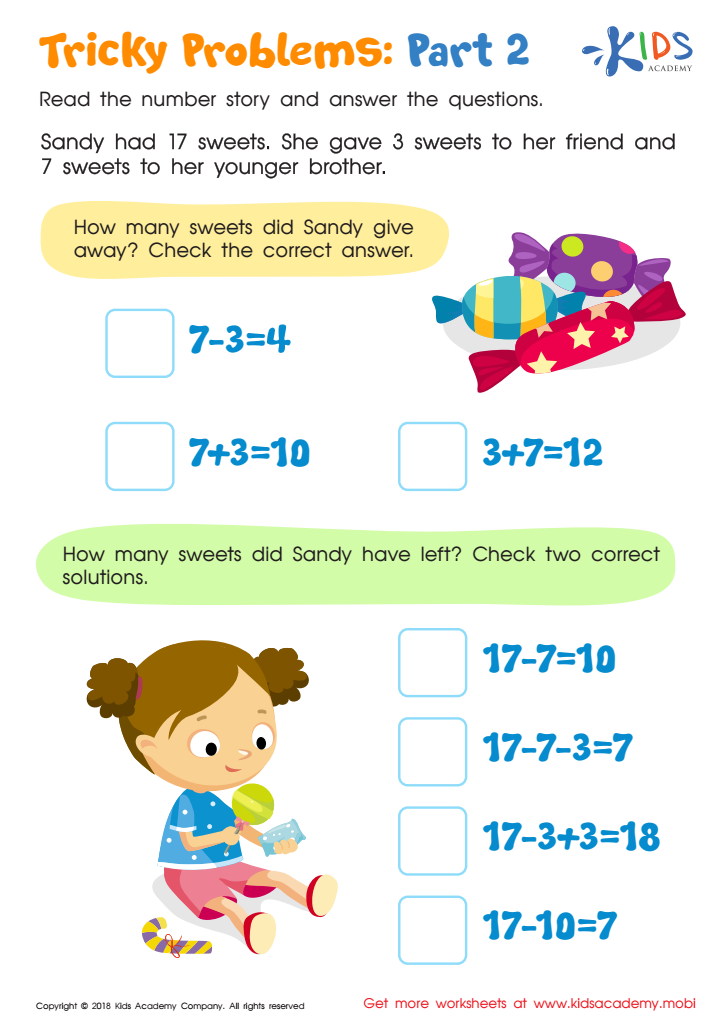
Tricky Problems Worksheet: Part 2
Help your little math learner visualize number stories with this engaging worksheet. They'll connect pictures to the story and use math facts to find the sums. After that, they'll be able to identify the correct number sentences to match. Let them practice and get better at problem solving!
Tricky Problems Worksheet: Part 2
Worksheet
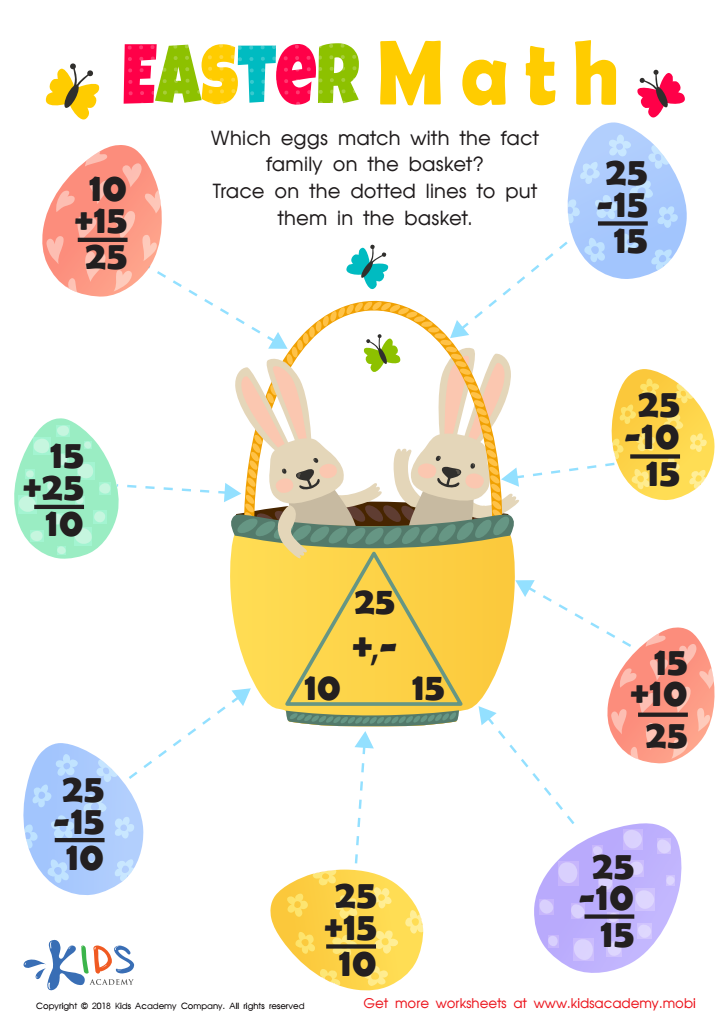
Fact Families: Easter Math Worksheet
Kids will love this vibrant PDF packed with Easter math fun! Match facts with the colorful eggs, add and subtract multiples of five to boost automaticity, and have a blast with the bunny friends!
Fact Families: Easter Math Worksheet
Worksheet
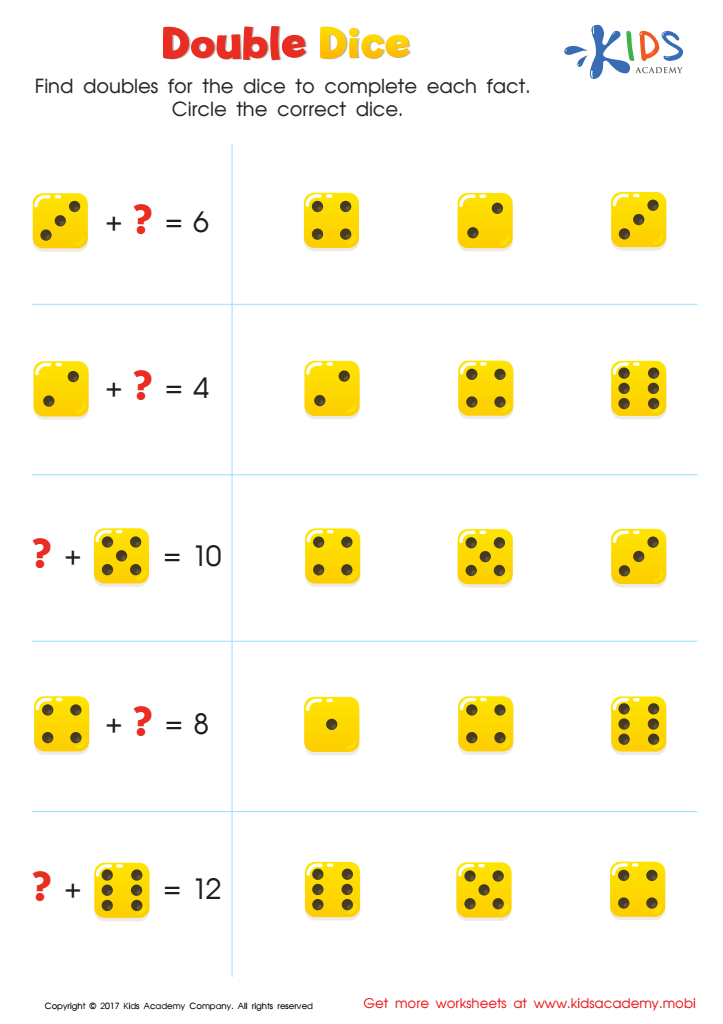
Addition Facts: Double Dice Worksheet
Are you looking for ways to make maths more engaging for kids? Maths can be a bore, but by teaching kids from an early age that it can be fun, they won't struggle with it. This worksheet is a great way to start: your child needs to identify the number on the left dice and find its double on the right. The sum of the two dice is also given.
Addition Facts: Double Dice Worksheet
Worksheet
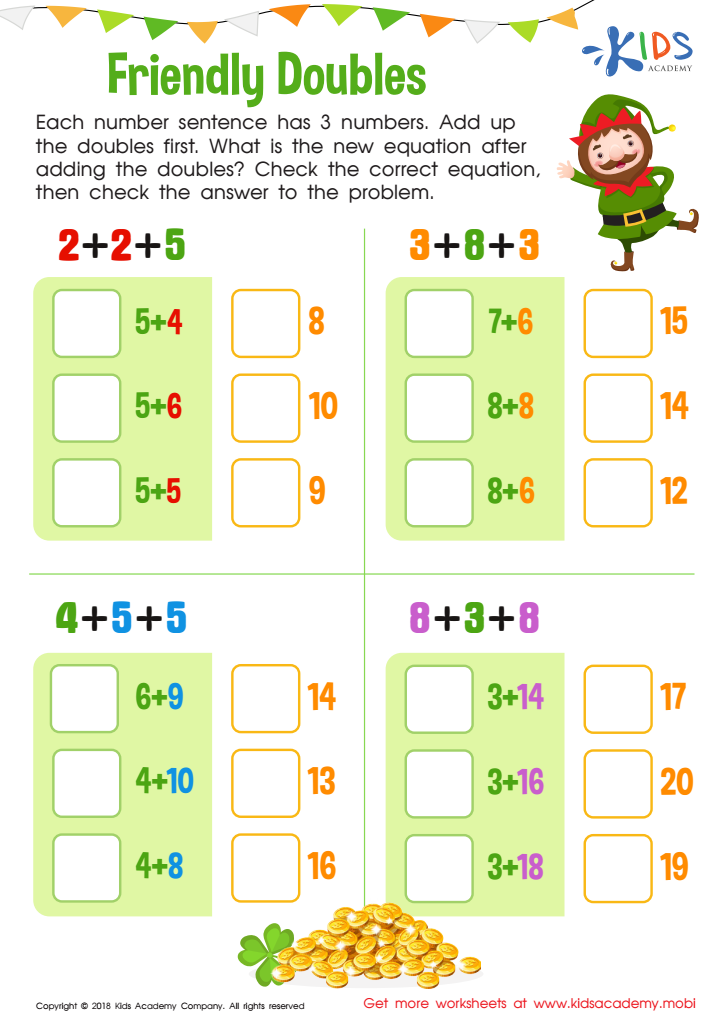
Friendly Doubles Worksheet
Kids will love this animated worksheet with bright colors! It helps them learn how to use doubles facts to answer three addend addition problems. It boosts their math skills, making computation easier, faster and more efficient. It also assists with adding and subtracting larger numbers. Let the power of doubles get them started!
Friendly Doubles Worksheet
Worksheet
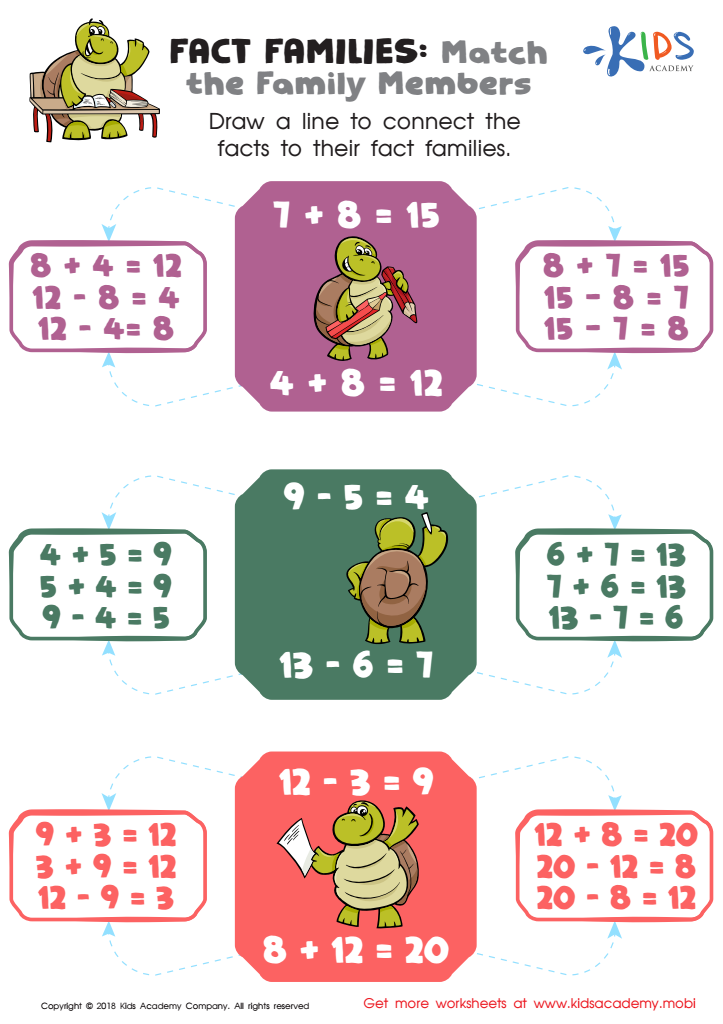
Fact Families: Match Family Members Worksheet
Give your kids a hand at solving this math pdf! Have them figure out the missing numbers and then draw lines to connect the correct fact families. This worksheet will help your students practice addition skills while aiding the turtle in the picture. Let's get those brains working!
Fact Families: Match Family Members Worksheet
Worksheet
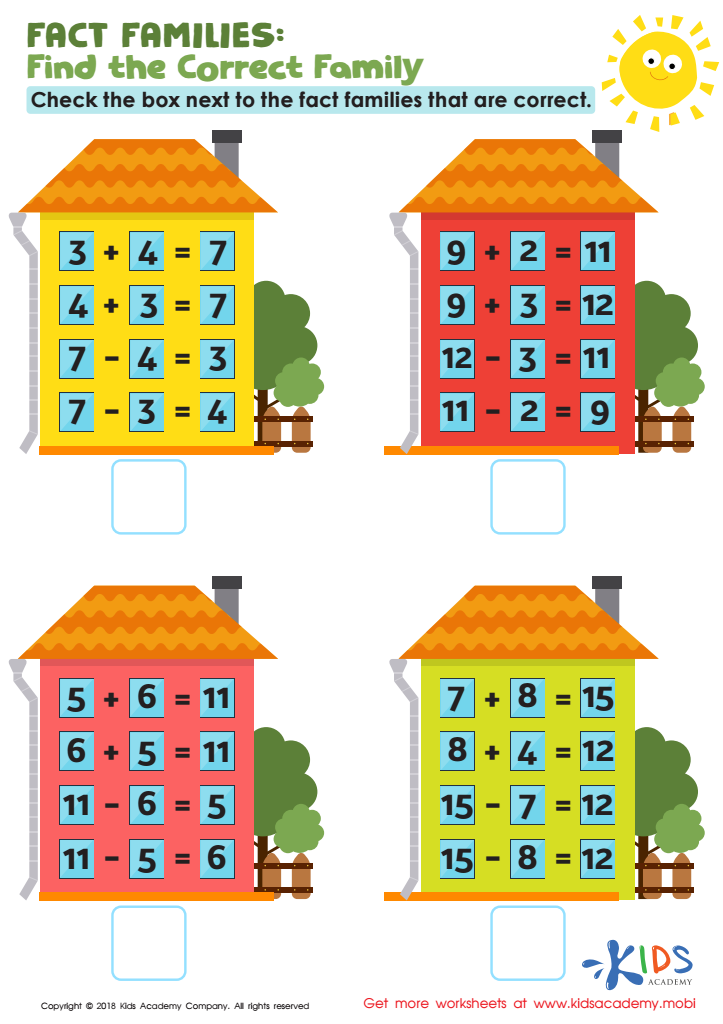
Fact Families: Find Correct Family Worksheet
Test your students' math and reasoning skills with this worksheet. It features 4 houses, each with a group of fact families on it. Some are correct, some are wrong - help students identify which are correct and circle the box next to them. This will help them progress in school.
Fact Families: Find Correct Family Worksheet
Worksheet
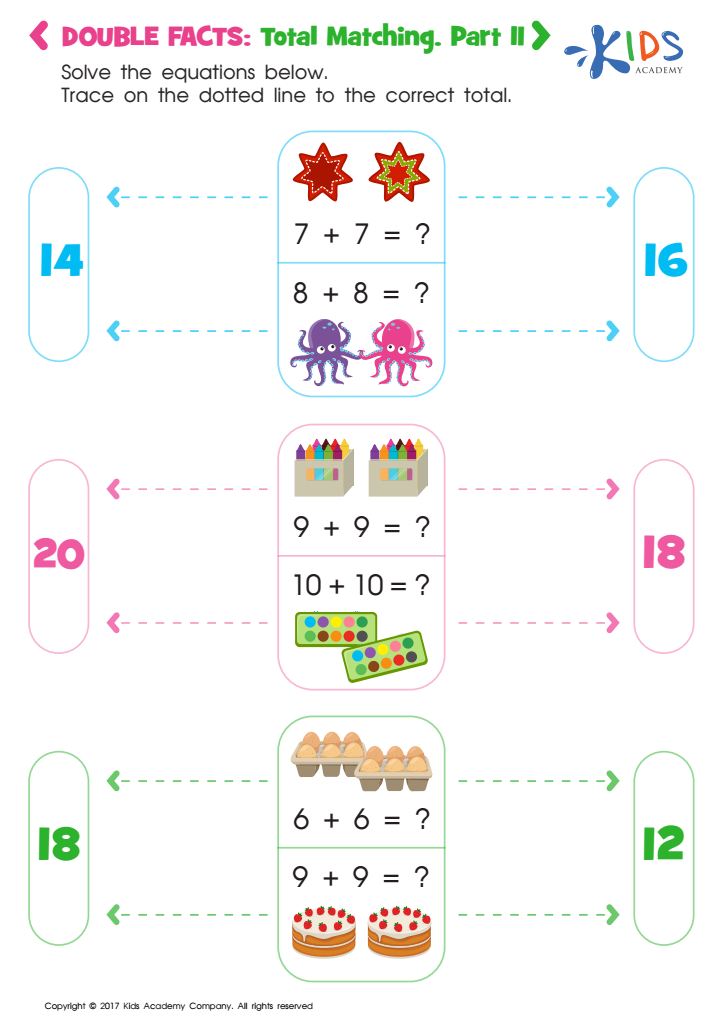
Double Facts: Total Matching 2 Worksheet
Having trouble with math? This printable worksheet is perfect for your child or student. It features simple addition problems that can be solved with your help. Trace the dotted line to the right answer and make counting numbers stress-free! Your young one will be solving math equations in no time.
Double Facts: Total Matching 2 Worksheet
Worksheet
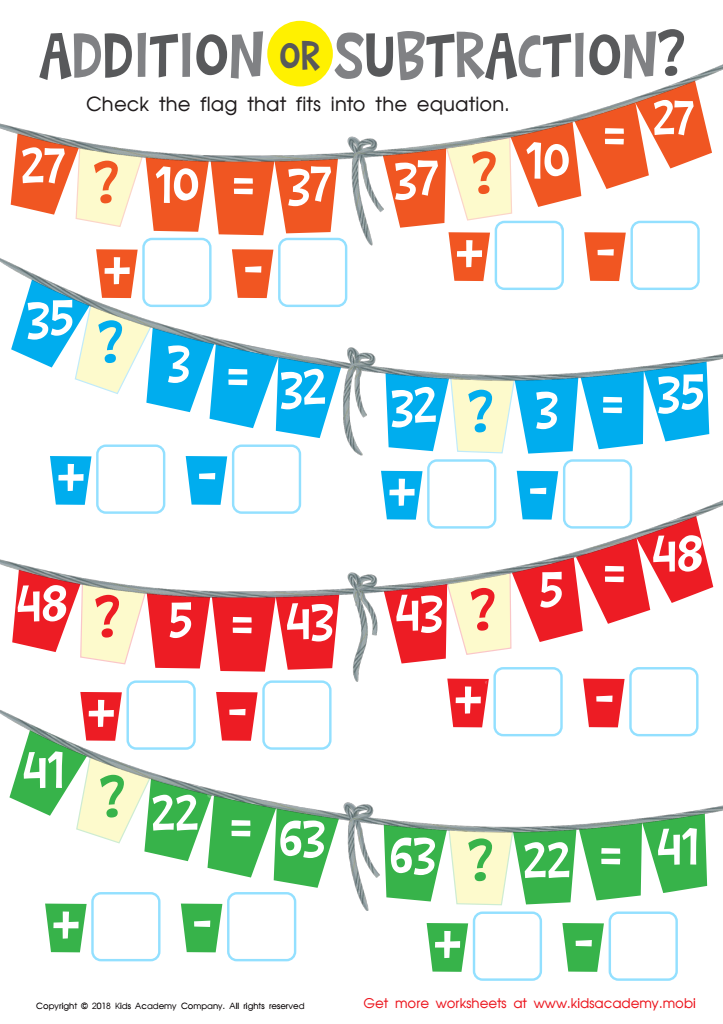
Addition or Subtraction? Worksheet
Help your math whiz's number skills advance with these colorful flag equations! With the free PDF, they'll learn to solve addition and subtraction facts by following the correct orders of operation. And the best part? They'll develop a deeper understanding of how the different operations work together within equations. Give it a try and watch their skills soar!
Addition or Subtraction? Worksheet
Worksheet
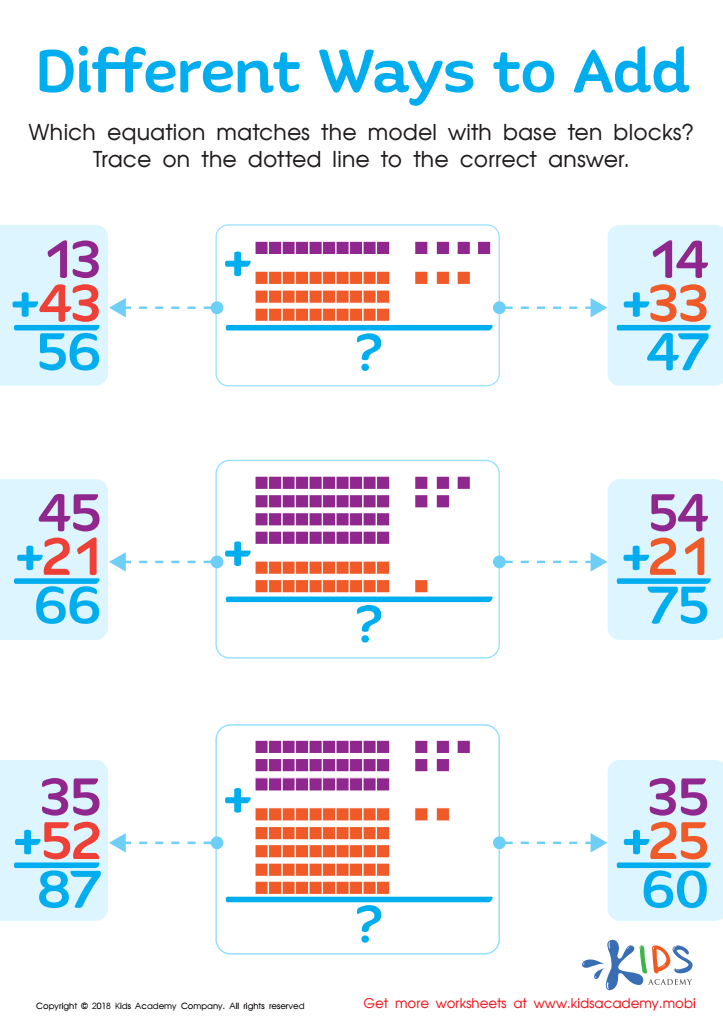
Different Ways to Add Worksheet
This worksheet enhances math skills by having students match equations to base ten pictures and tracing lines. It not only helps with fine motor skills, but also encourages number sense, with various ways to add and build upon existing math knowledge.
Different Ways to Add Worksheet
Worksheet
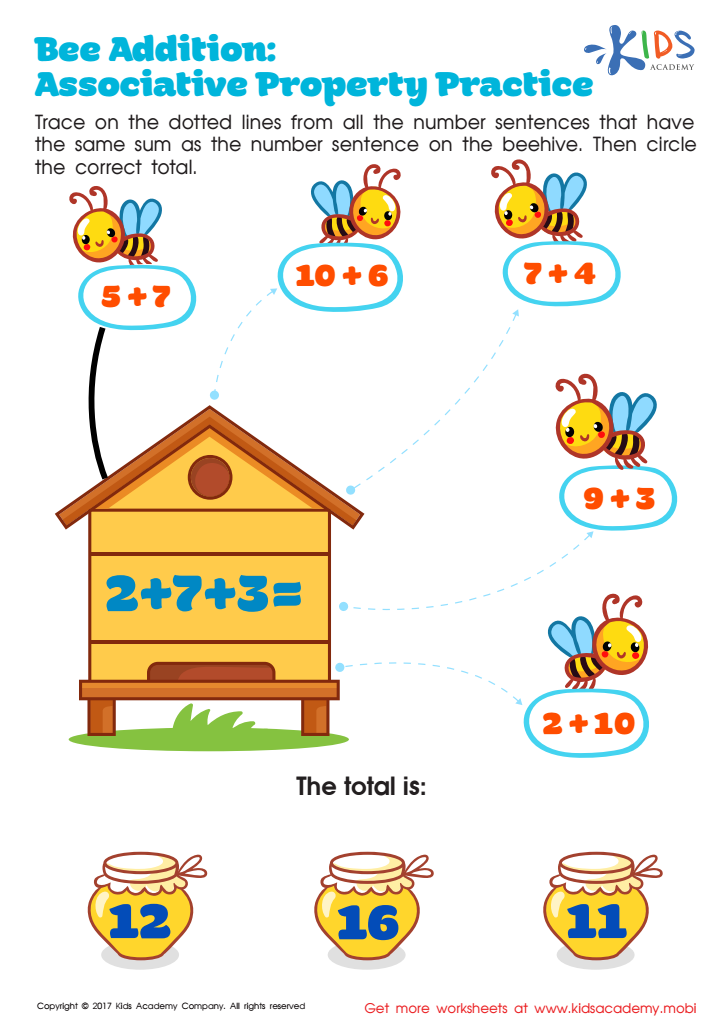
Bee Addition: Associative Property Practice Worksheet
Come to the beehive to practice the associative property of addition! This worksheet will help your child better understand addition facts. Compare equations to the 3-digit problem in the hive, solve each to find the correct answers, and trace the dotted line to show the worker bees home. Complete the sheet to find all the matching equations!
Bee Addition: Associative Property Practice Worksheet
Worksheet
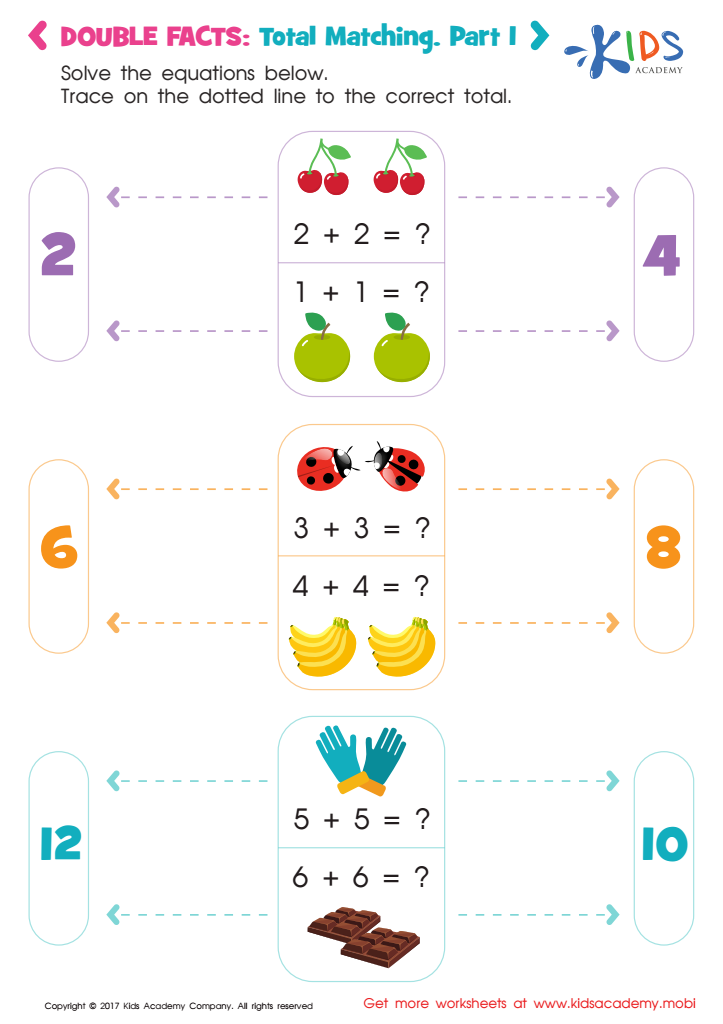
Double Facts: Total Matching Worksheet: Part 1
Help your students take their numbers knowledge further with this fun math worksheet! Solving equations has never been more fun; simply trace the dotted lines with a pencil to the correct answer. As your child gets the hang of it, watch them be amazed as math problems become playtime.
Double Facts: Total Matching Worksheet: Part 1
Worksheet
Join Kids Academy for Free
Who is primarily going to use this learning content?








Parents and teachers should care about normal addition facts for ages 7-8 because mastering these facts forms a foundational skill critical to a child's future mathematical development. At this age, students are in the early stages of building their proficiency in math. Knowing addition facts fluently is essential because it:
-
Enhances Confidence: When children can quickly recall addition facts, they gain confidence in their math abilities. This positive self-perception encourages them to tackle more complex problems with persistence and enthusiasm.
-
Foundation for Higher Math: Addition is a cornerstone for other arithmetic operations such as subtraction, multiplication, and division. Competency in addition underpins understanding of these more advanced concepts and ensures a smoother transition to more sophisticated math topics later on.
-
Cognitive Load Management: For young students, working memory is limited. When basic facts are automatic, it reduces cognitive load and frees up mental resources. This allows them to concentrate more effectively on problem-solving steps, application of multi-step processes, and understanding new mathematical concepts.
-
Academic Success: Fluency in fundamental addition facts contributes to greater academic success in math, not just in primary school but throughout a student's educational journey. This mastery can have long-term benefits including better performance in standardized tests and readiness for more challenging coursework.
Parents and teachers play a crucial role in reinforcing these skills through practice, games, and positive reinforcement, fostering an environment that values mathematical literacy from an early age.








