Basic Math Skills Normal Worksheets for Ages 7-9 - Page 2
32 filtered results
-
From - To
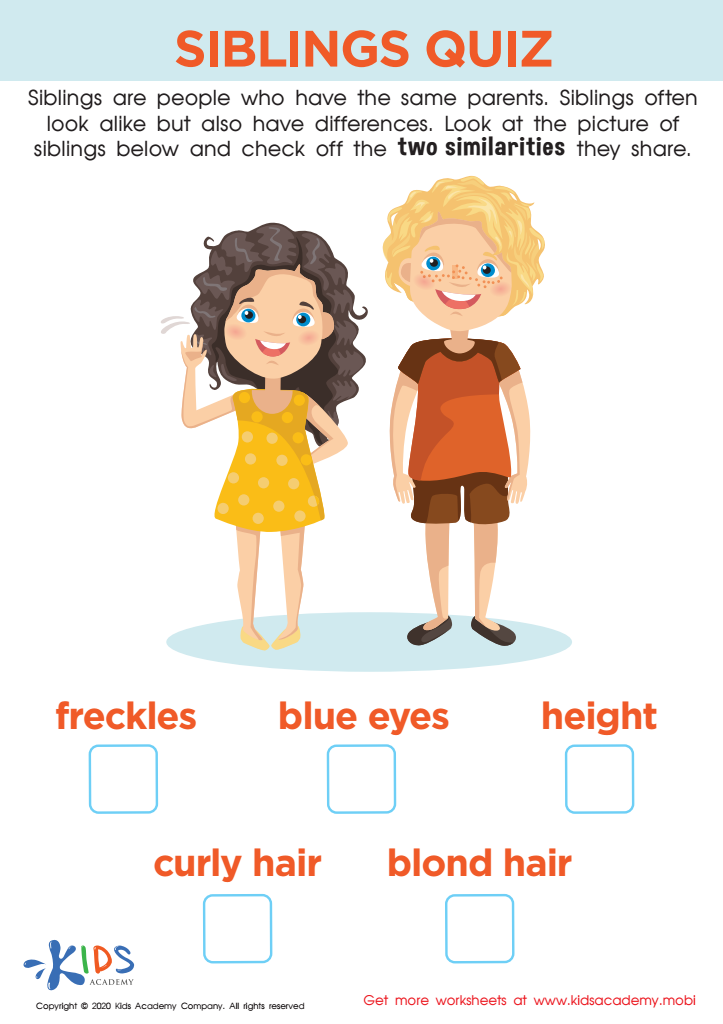
Siblings Quiz Worksheet
 Assign to My Students
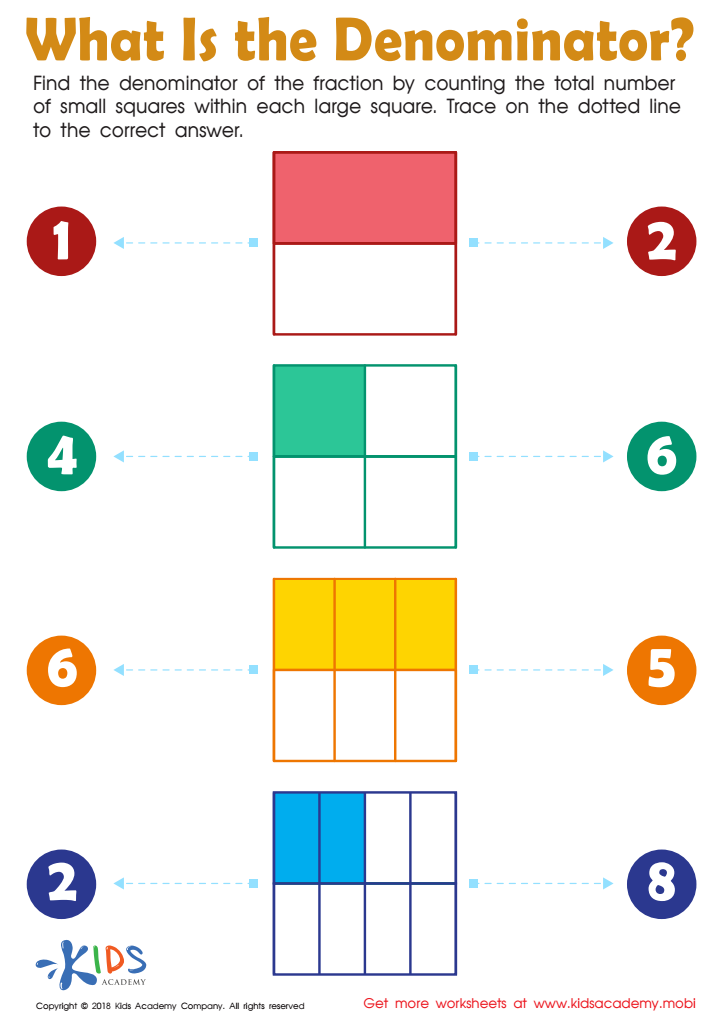
What Is the Denominator? Worksheet
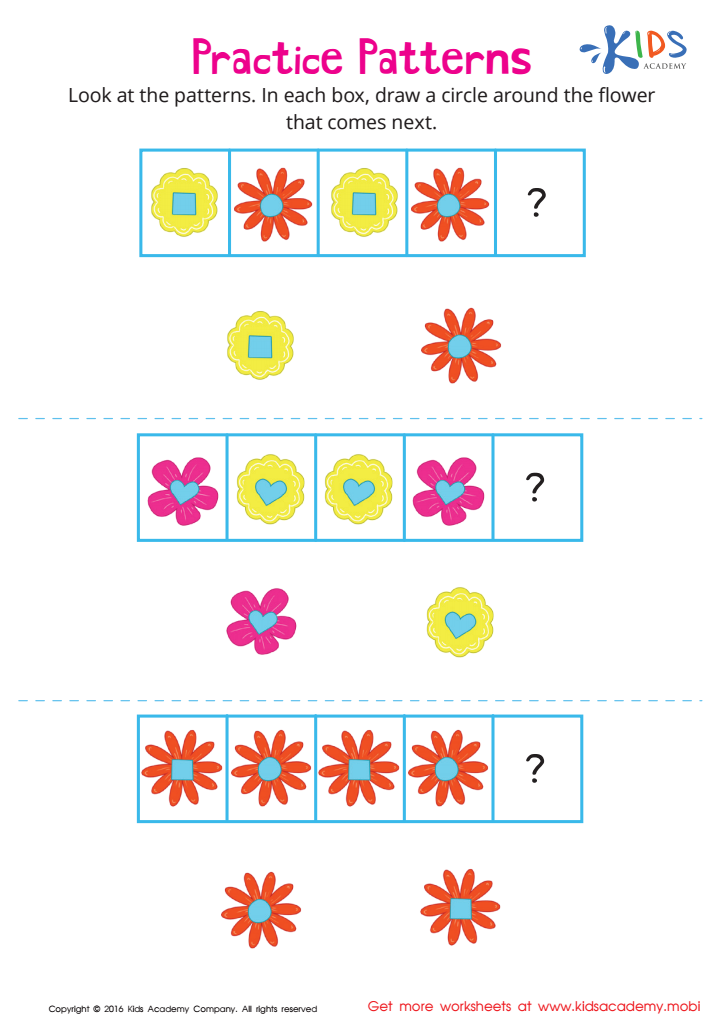
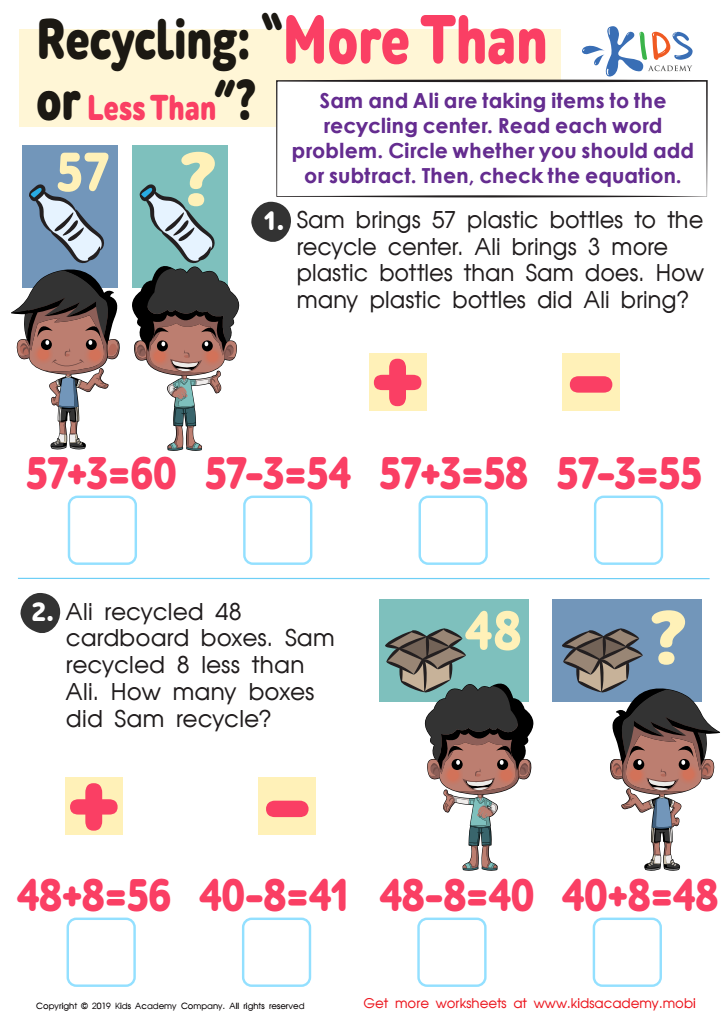
Recycling - More or Less Worksheet
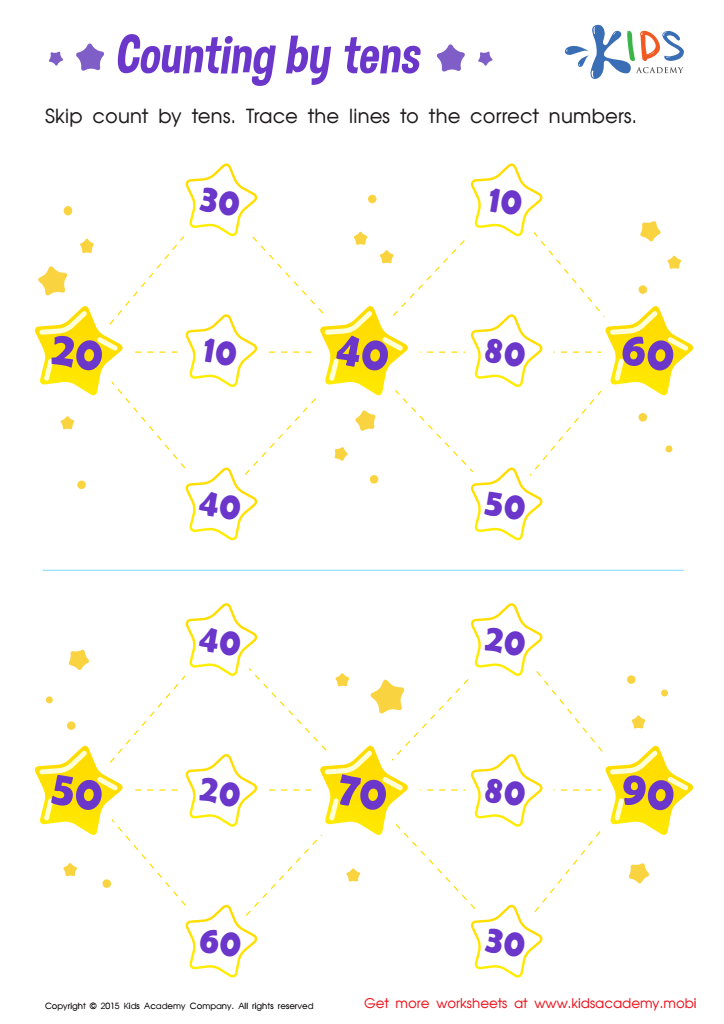
Learn Dozens: Counting by Tens Printable
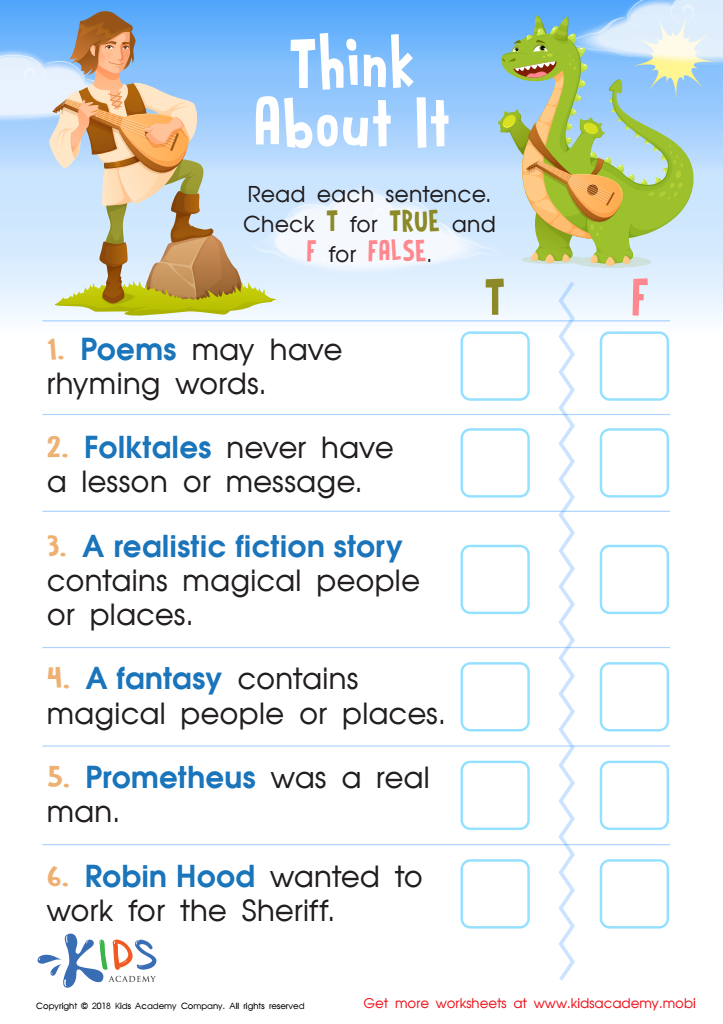
Think About It: Assessment Worksheet
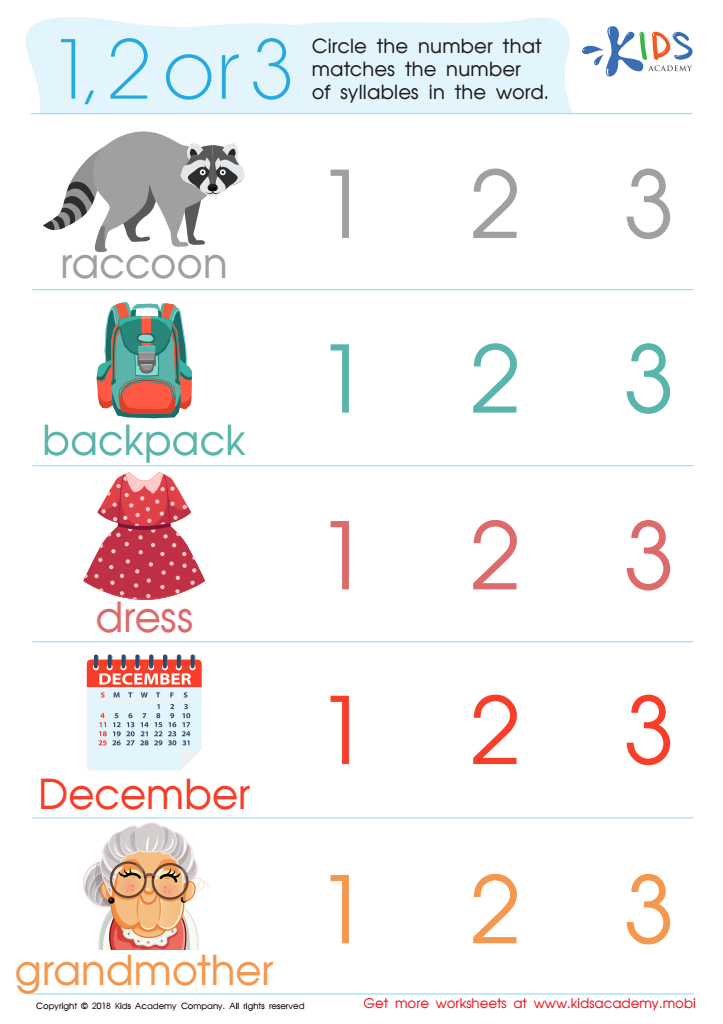
1, 2 or 3? Worksheet
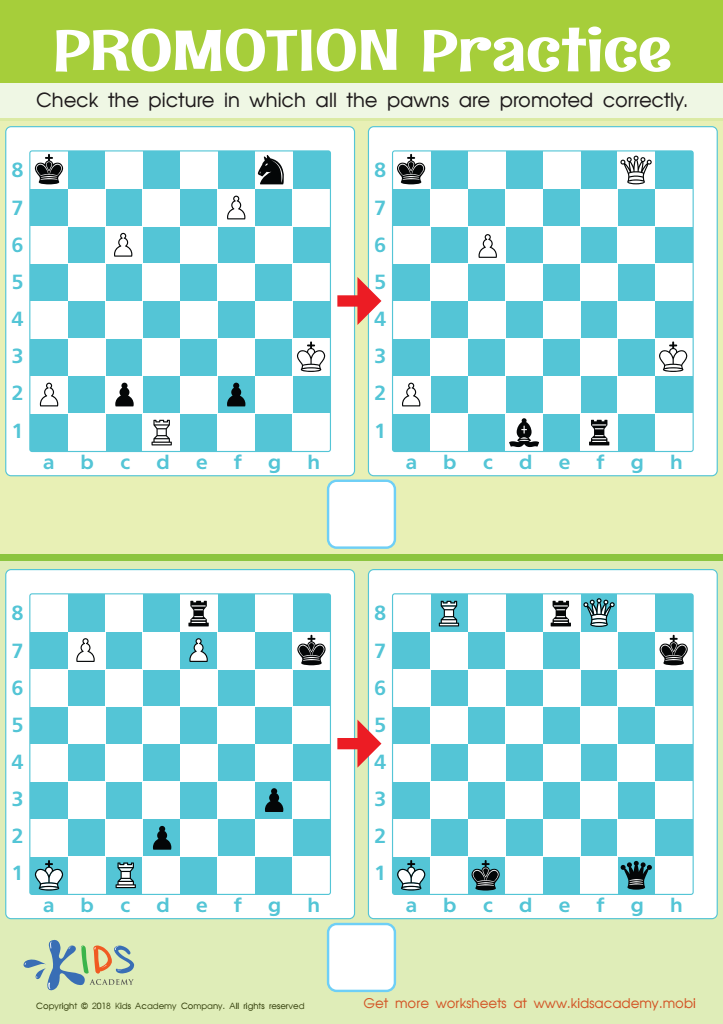
Promotion Practice Worksheet








Parents and teachers should prioritize basic math skills for children aged 7-9 because this foundational stage lays the groundwork for future academic success and daily life competence. At this age, children typically develop critical thinking and problem-solving abilities that are essential across all subjects. Mastering basic math concepts, such as addition, subtraction, multiplication, and division, fosters confidence and encourages children to engage with more complex mathematical ideas later on.
Additionally, strong math skills enhance a child’s ability to analyze information, make informed decisions, and develop reasoning. These skills support various aspects of life, from understanding money and budgeting to interpreting data in the digital age. Furthermore, early intervention in areas where children struggle can help prevent long-term learning difficulties, ensuring they don’t fall behind as curriculum demands increase.
Moreover, fostering a positive attitude towards math during these formative years can combat math anxiety, leading to a lifelong appreciation for the subject. Engaging parents in their child’s math journey through games and practical applications can create a supportive learning environment, reinforcing the importance of these skills beyond the classroom. In essence, basic math skills are critical not only for academic achievement but also for preparing children for a successful future.








