Number Sequencing Normal Worksheets for Ages 7-9
9 filtered results
-
From - To
Discover our engaging Number Sequencing Normal Worksheets designed specifically for children ages 7-9! These printable resources help young learners enhance their number recognition and sequencing skills through fun and relevant activities. The worksheets cover various concepts, including counting, ordering, and pattern recognition, tailored to boost math proficiency. Clear instructions and vibrant graphics make learning enjoyable, encouraging kids to practice independently or alongside teachers and parents. Ideal for classroom use or at-home learning, these worksheets foster essential early math skills while making the process interactive. Download now to support your child's mathematical journey and build a strong foundation in number sequencing!
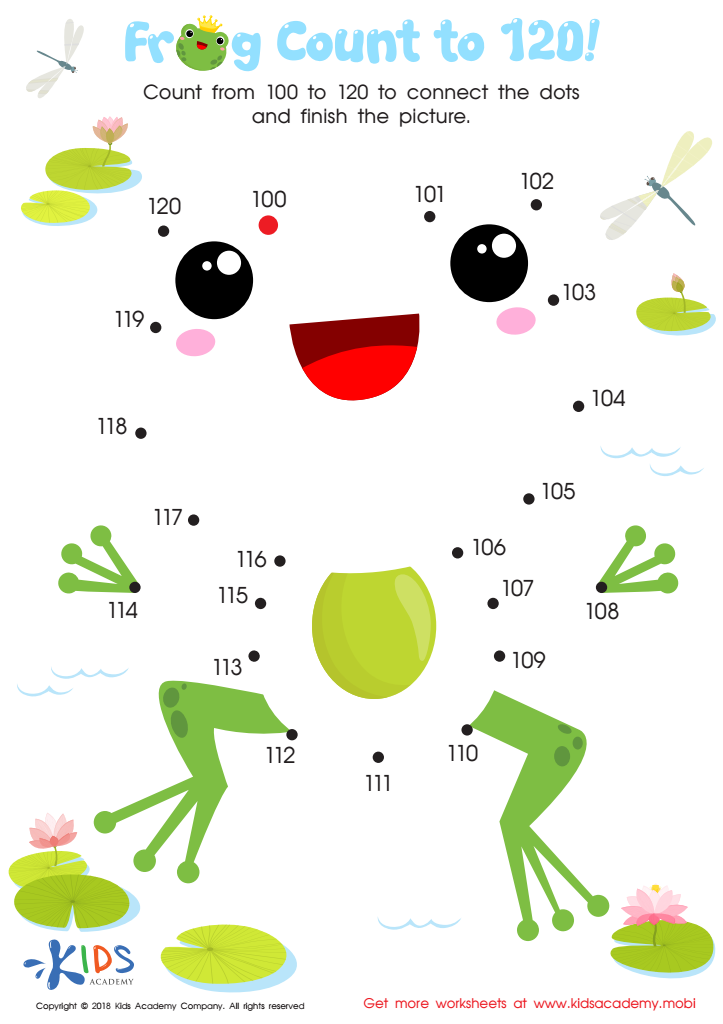
Frog Count to 120 Worksheet
 Assign to My Students
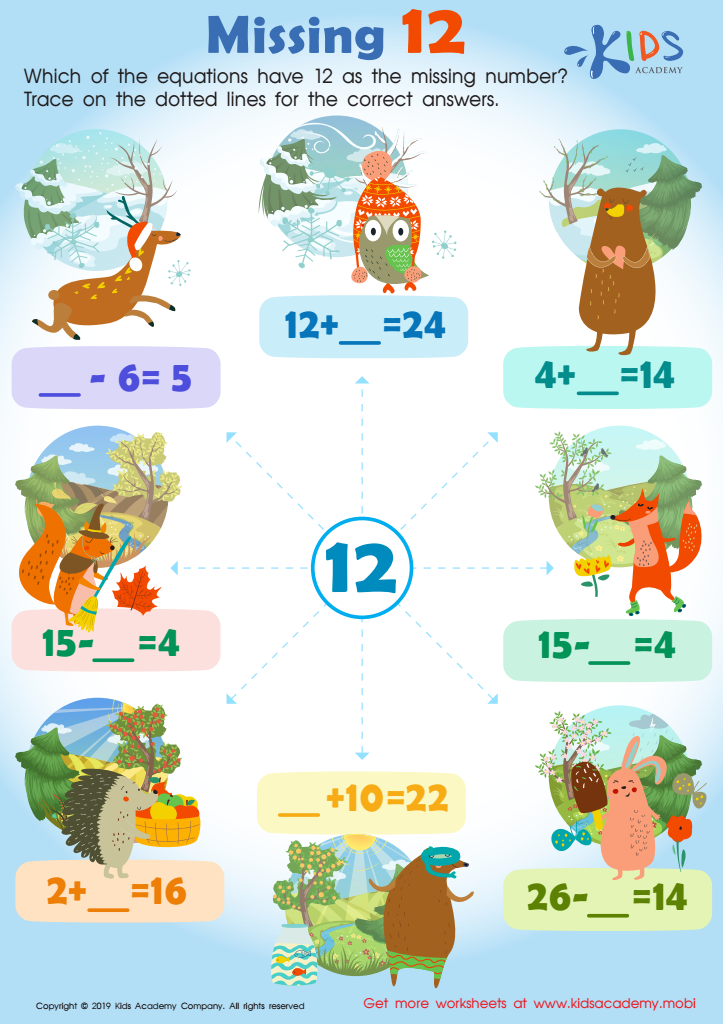
Missing 12 Worksheet
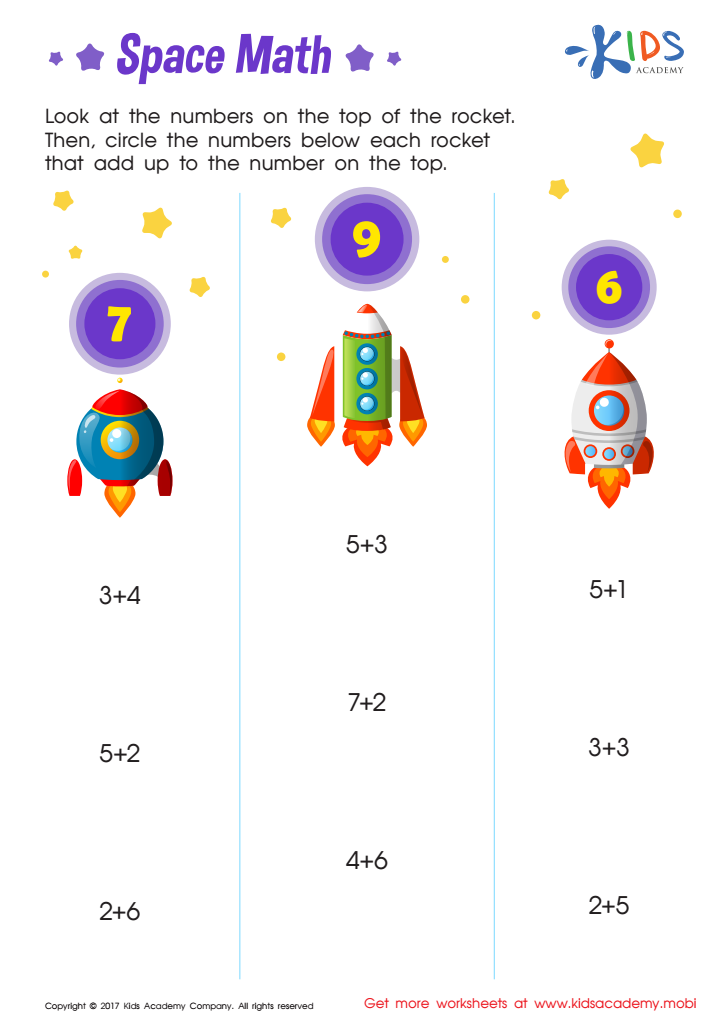
Addition: Space Math Worksheet
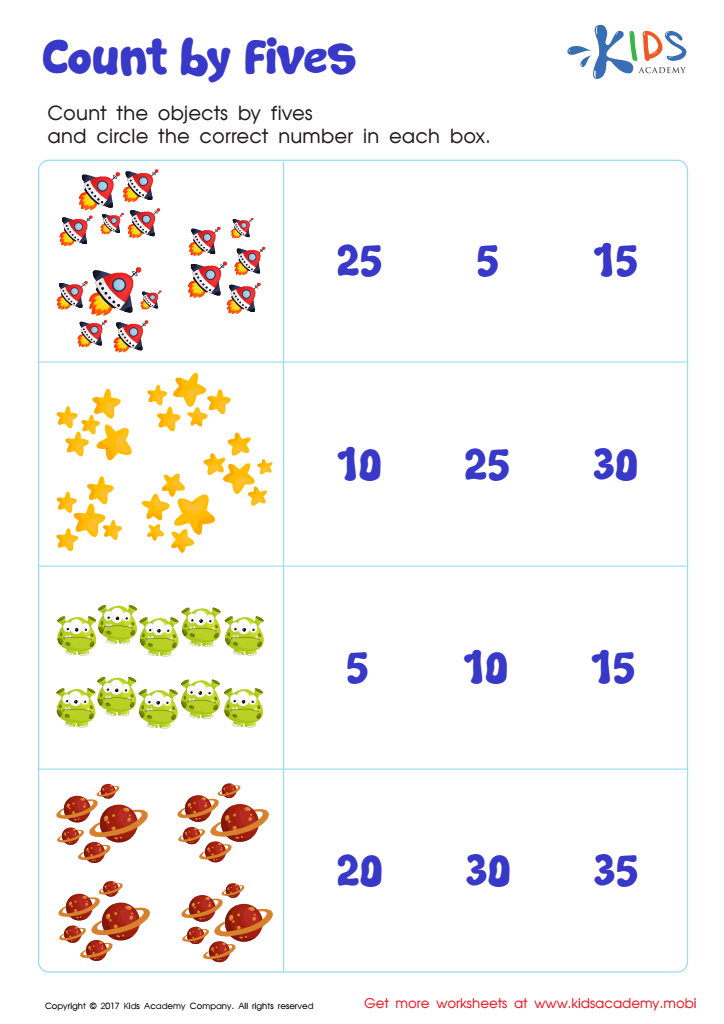
Skip Counting by 5s: Space Math Printable
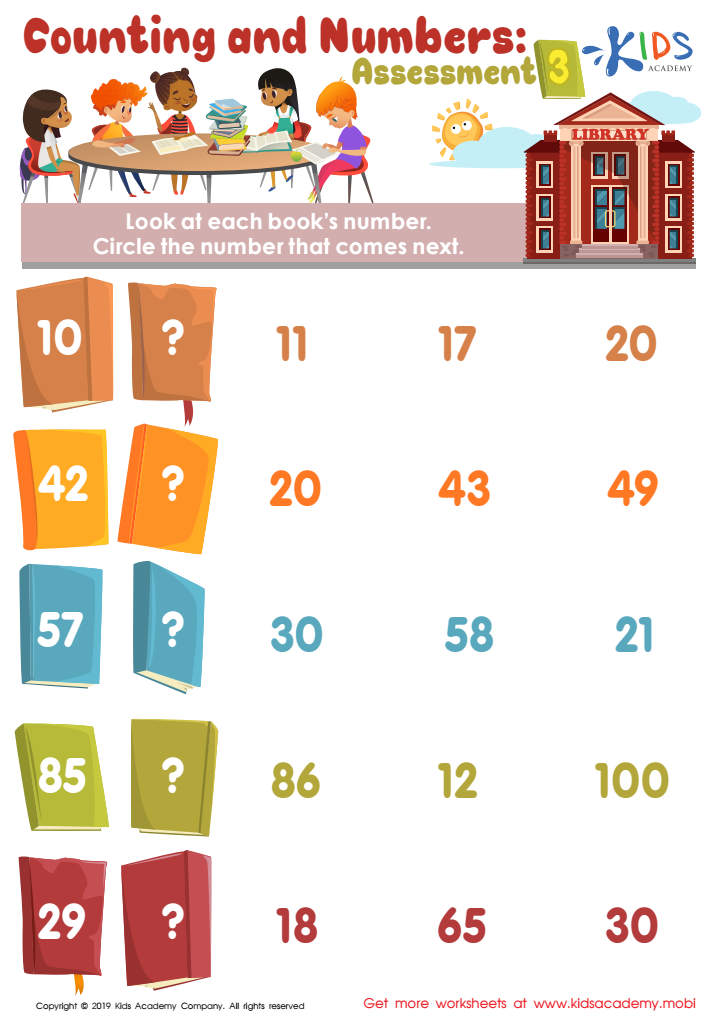
Counting and Numbers: Assessment Worksheet
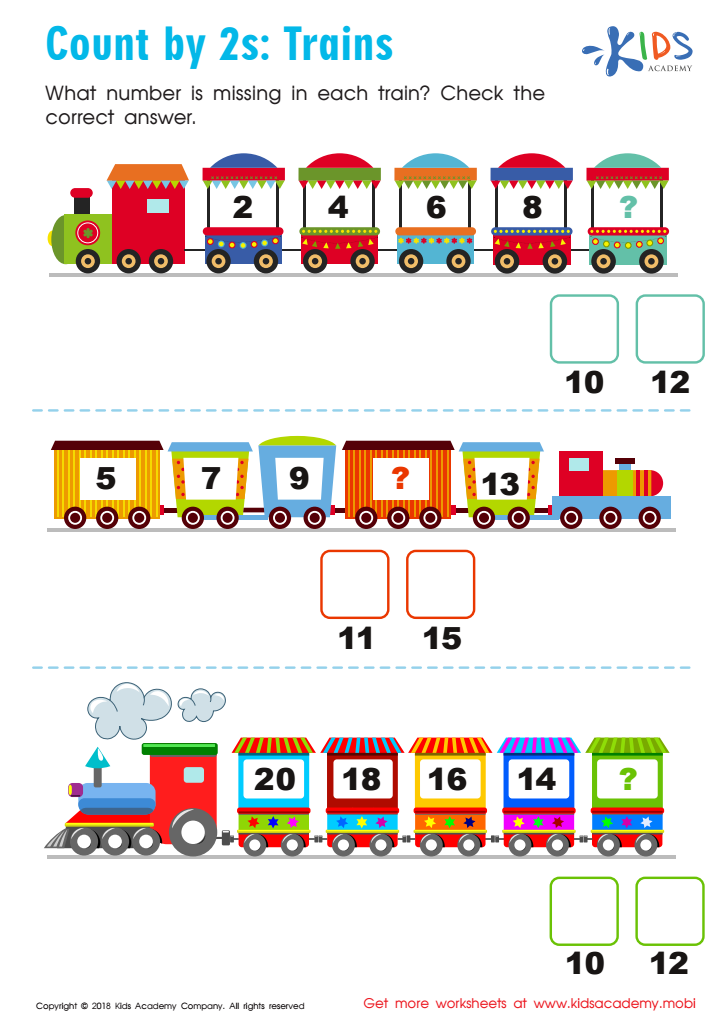
Count by 2's: Trains Worksheet
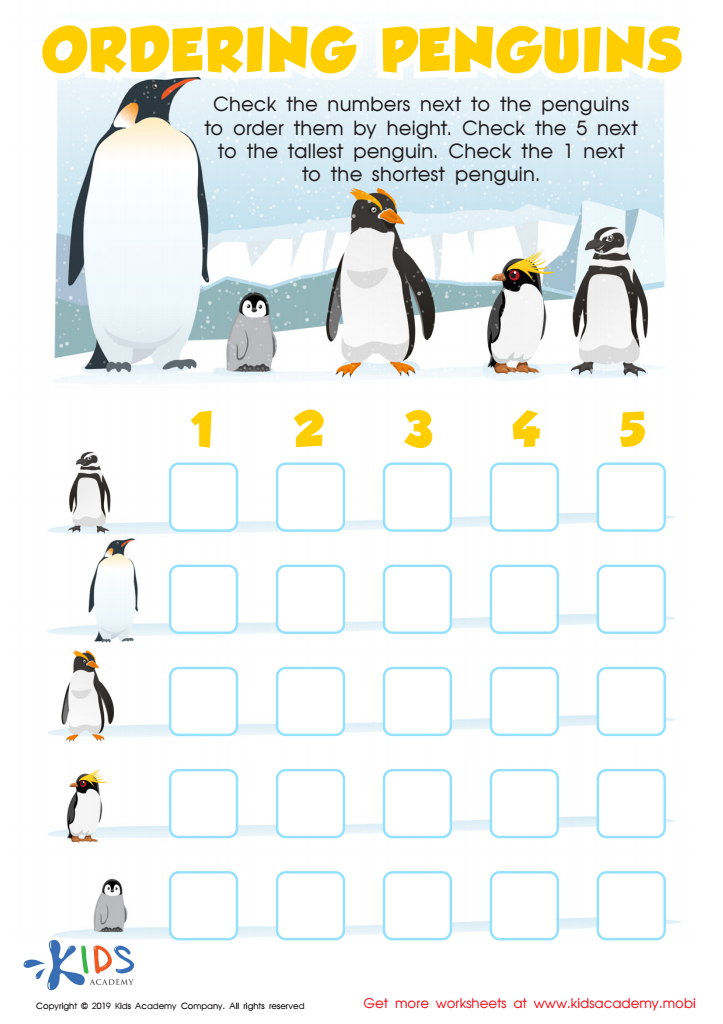
Ordering Penguins Worksheet
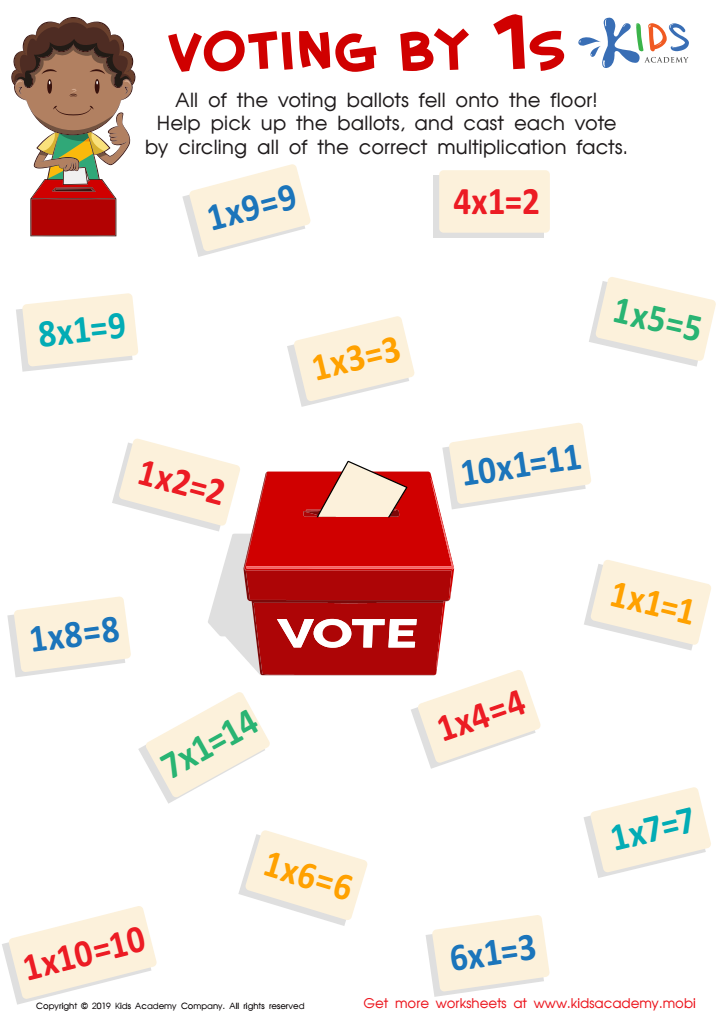
Voting by 1s Worksheet
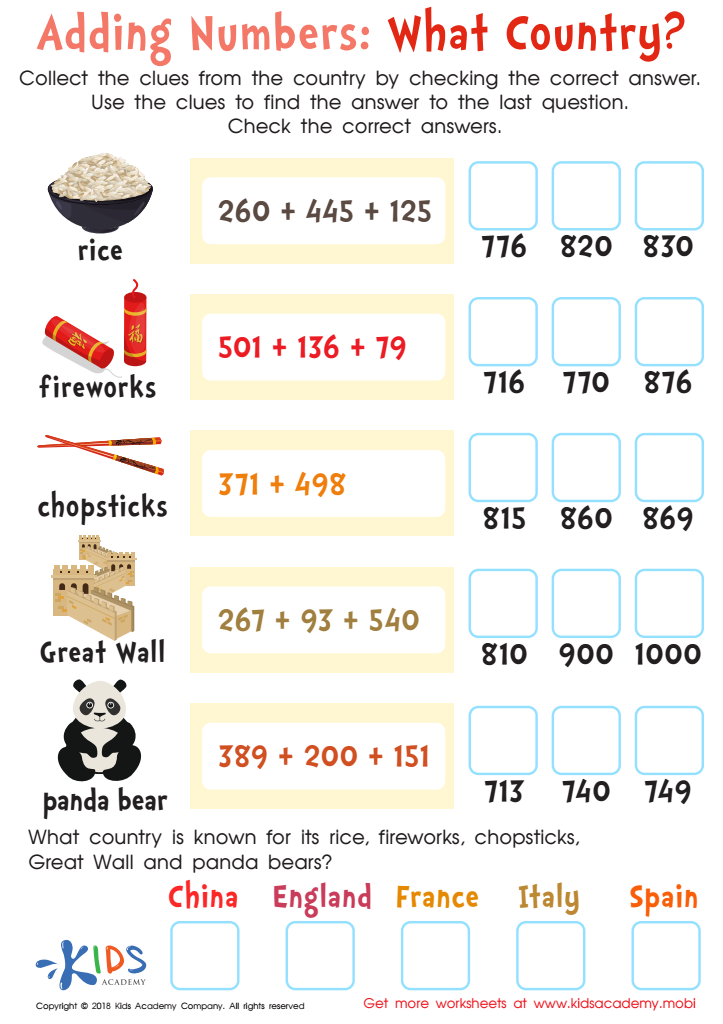
Adding Numbers: What Country Worksheet




%20(1).jpg)



Number sequencing is a foundational skill for children aged 7-9 that plays a crucial role in their overall mathematical development. This skill involves understanding patterns, the order of numbers, and the relationships between them, which serve as a building block for more complex arithmetic operations like addition, subtraction, and even multiplication.
Parents and teachers should care about number sequencing because it fosters critical thinking and problem-solving abilities. By mastering sequencing, children improve their cognitive skills, as recognizing patterns in numbers is closely related to recognizing patterns in everyday life and learning situations.
Moreover, number sequencing enhances a child's ability to comprehend mathematics in various contexts, leading to better performance in school. It helps them understand the concept of place value, a key area of focus in early number sense development, which is essential for later mathematics.
Initiating number sequencing activities can also build confidence, encouraging a positive attitude toward learning. When children feel competent in basic math skills, they are more likely to engage in higher-order math concepts and develop a love for learning. Thus, fostering number sequencing is fundamental to nurturing a child’s lifelong learning journey in mathematics and beyond.








