Normal Addition Worksheets for Ages 7-9 - Page 3
56 filtered results
-
From - To

Adding Numbers: Cardinal Directions Worksheet
 Assign to My Students
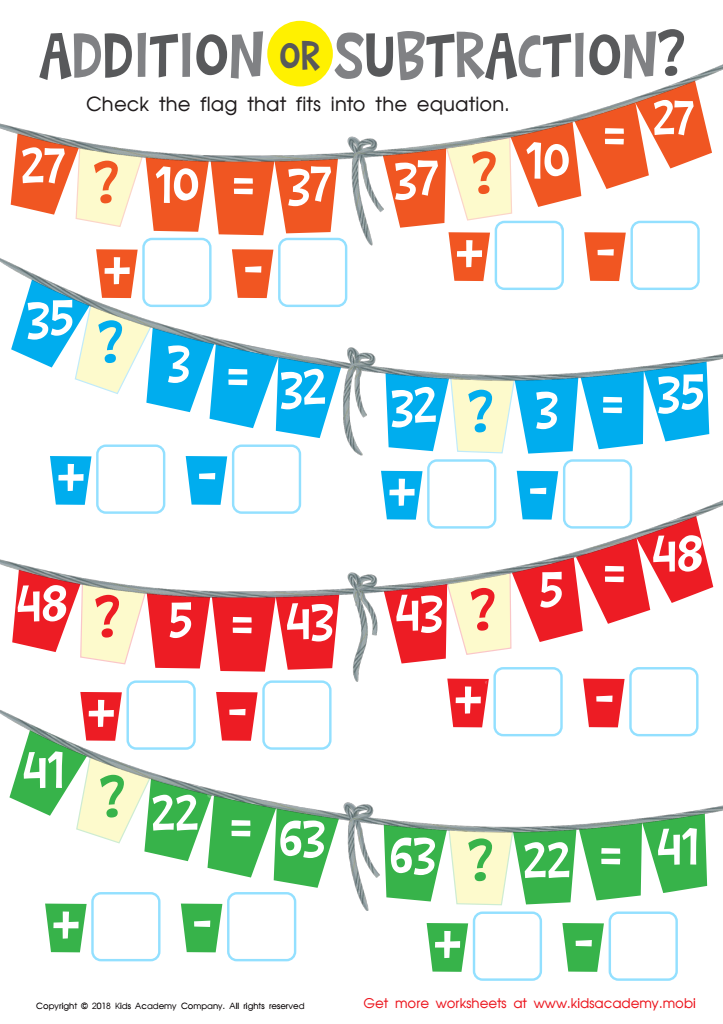
Addition or Subtraction? Worksheet
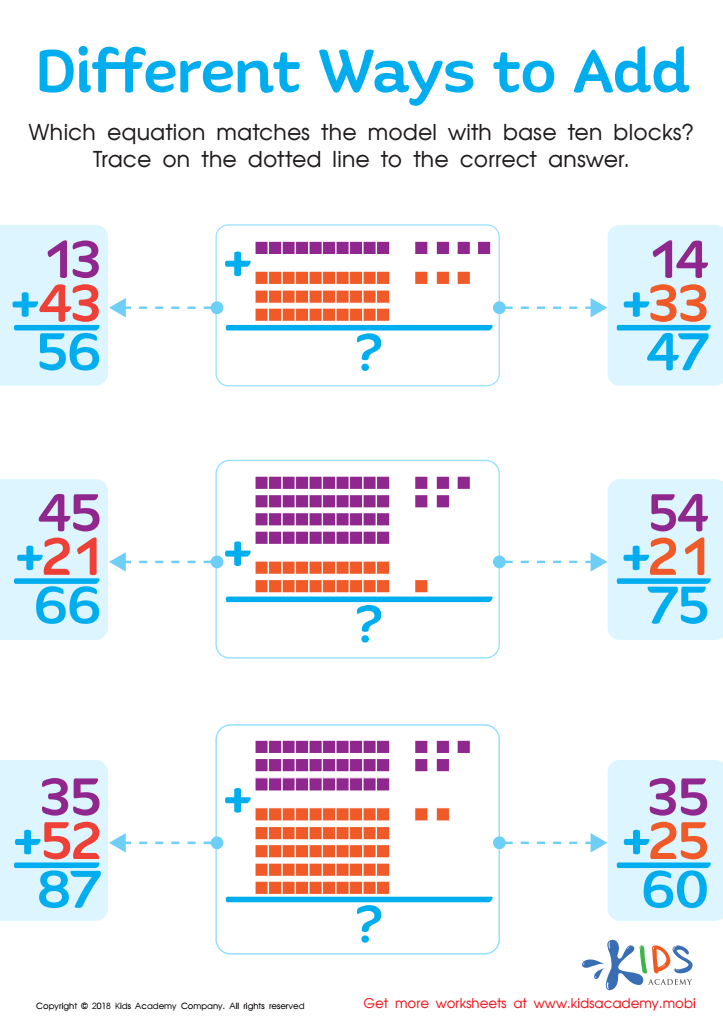
Different Ways to Add Worksheet
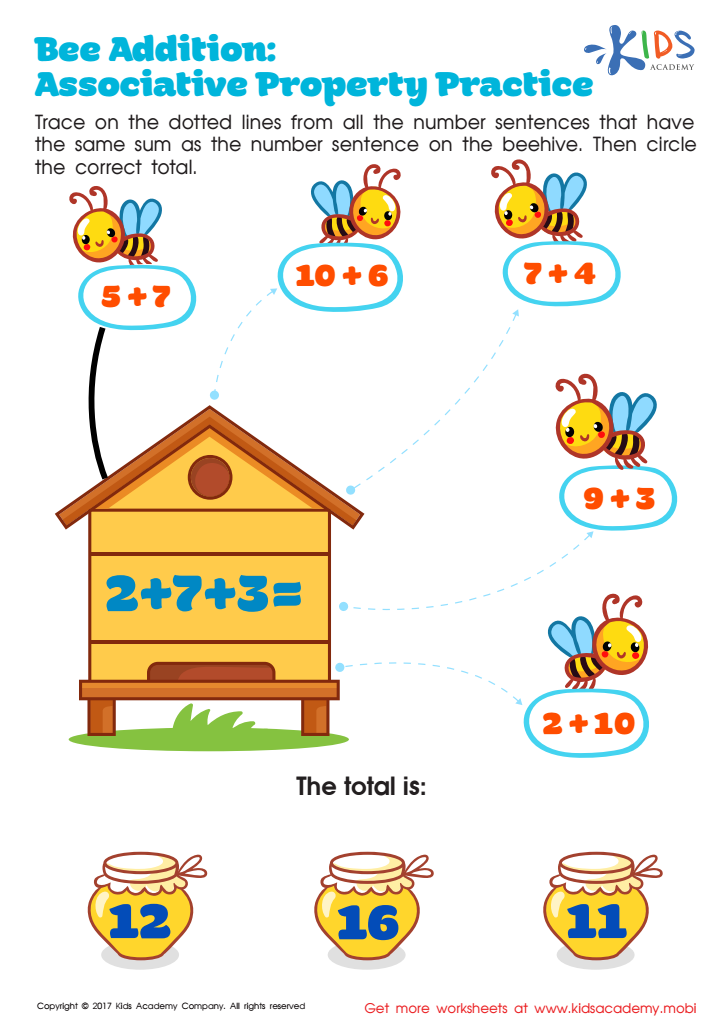
Bee Addition: Associative Property Practice Worksheet
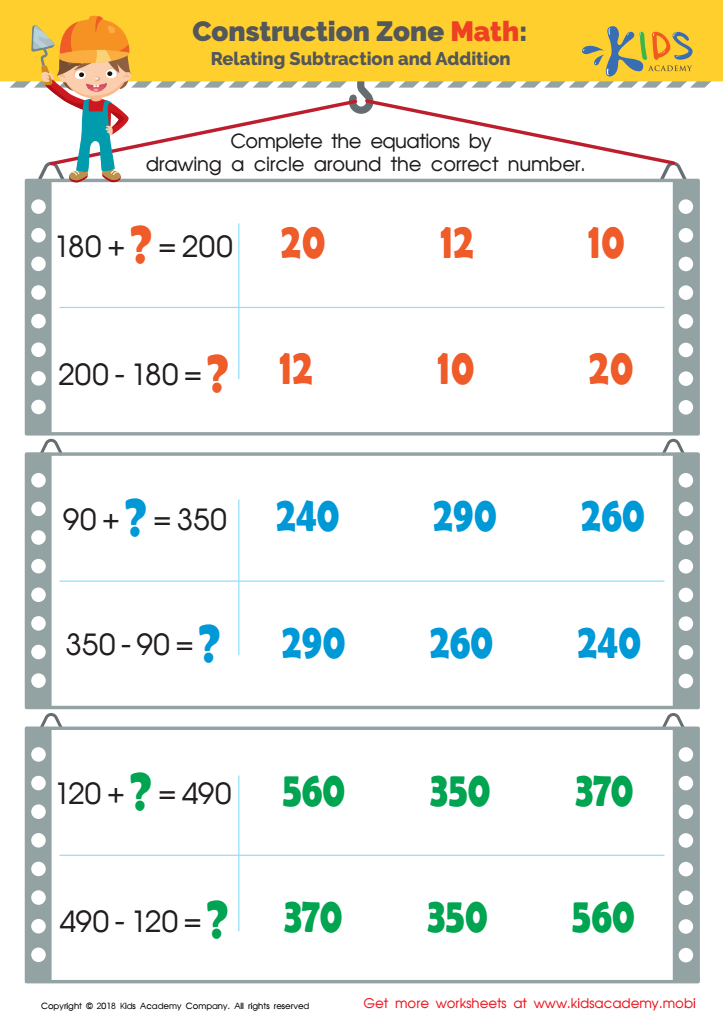
Construction Zone Math: Relating Subtraction and Addition Worksheet
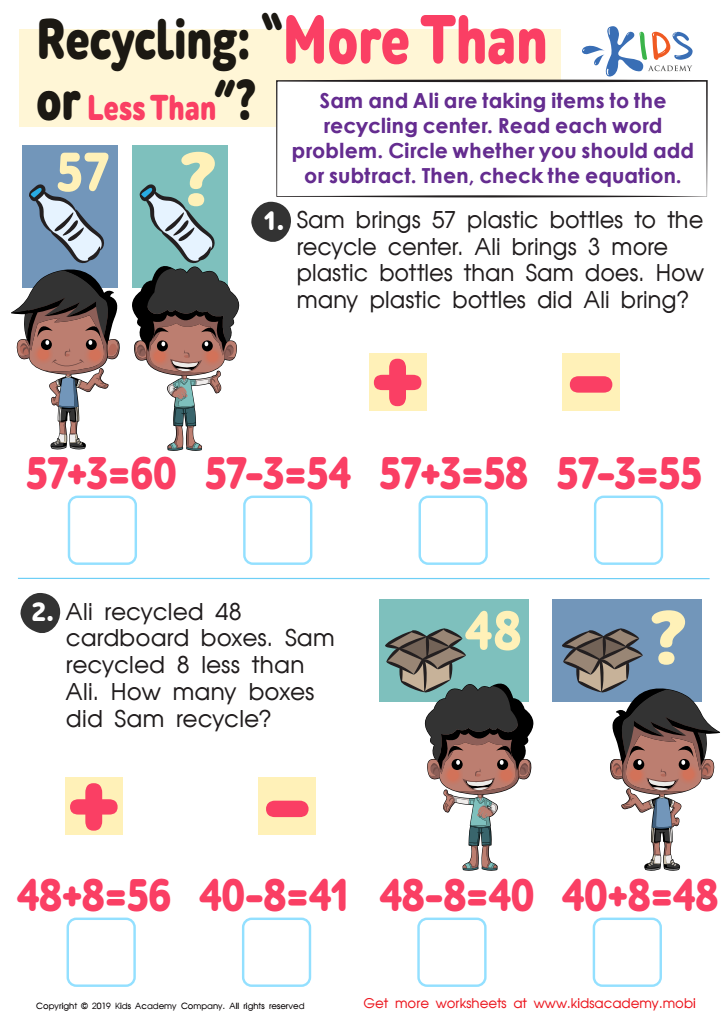
Recycling - More or Less Worksheet
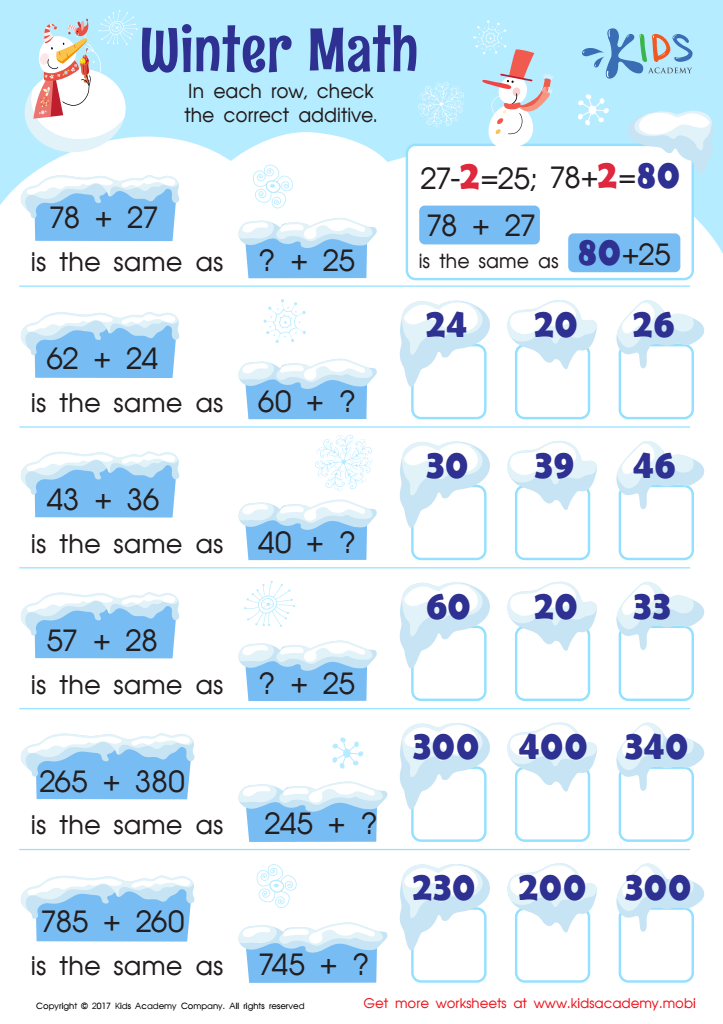
Free Addition Worksheet
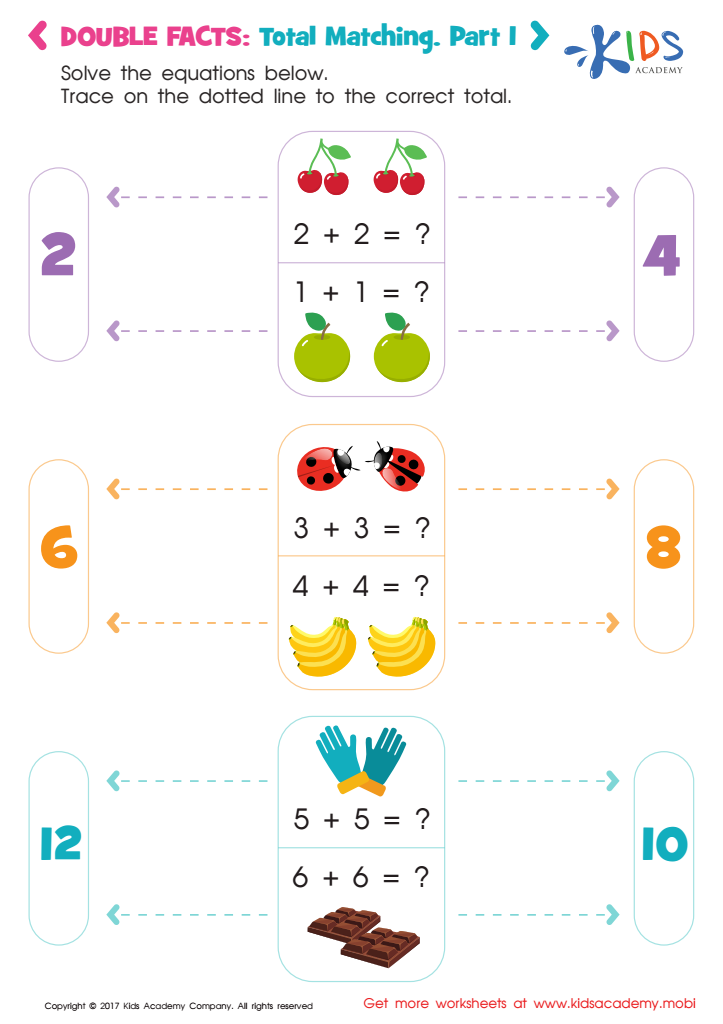
Double Facts: Total Matching Worksheet: Part 1






.jpg)

Parents and teachers should care about normal addition for children aged 7-9 because it is fundamental to their mathematical development and overall cognitive growth. At this age, children are in a critical stage of developing problem-solving and critical-thinking skills. Mastering basic addition sets the foundation for more complex mathematical concepts such as subtraction, multiplication, and division, which are essential for higher-level math and everyday life skills.
Moreover, early competence in addition helps build a child's confidence and reduces math anxiety, a common issue that can hinder academic performance and attitude toward learning in general. Proficiency in addition also enhances a child's ability to perform basic calculations quickly and accurately, which is beneficial not only in academics but also in real-life scenarios like shopping, cooking, and time management.
By ensuring that children understand and are comfortable with addition, parents and teachers contribute to creating a solid mathematical base upon which further education can be built. This also encourages a positive relationship with learning and growth, fostering resilience and perseverance in tackling new challenges.
Early education in normal addition, therefore, plays an essential role in a child's overall academic success and personal development, turning them into confident, capable, and adaptable learners.