Counting practice Normal Numbers Worksheets for 7-Year-Olds
15 filtered results
-
From - To
Welcome to our Counting Practice Normal Numbers Worksheets designed specifically for 7-year-olds! These engaging worksheets help young learners enhance their counting skills with fun exercises tailored to be both educational and entertaining. Students will explore numbers through interactive activities, fostering essential skills in number recognition, sequencing, and basic arithmetic. Our worksheets align with standard learning objectives, ensuring your child develops confidence in their abilities. Whether used at home or in school, these counting practice exercises provide a solid foundation for future math success. Download our worksheets today and watch your child thrive in their number journey!
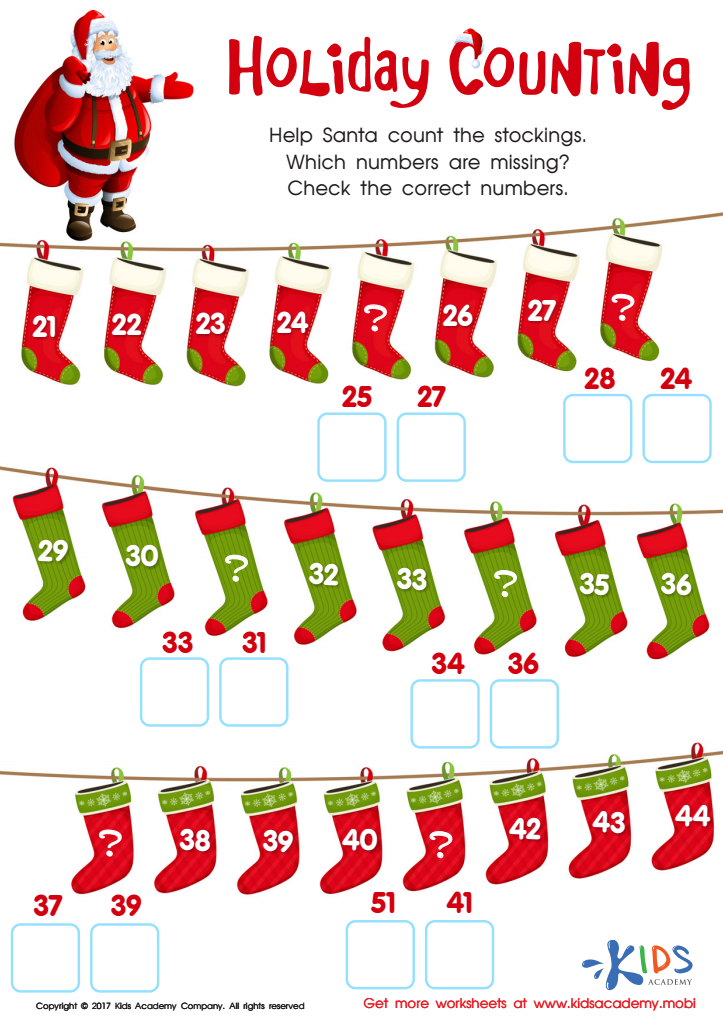
Holiday Counting Worksheet
 Assign to My Students
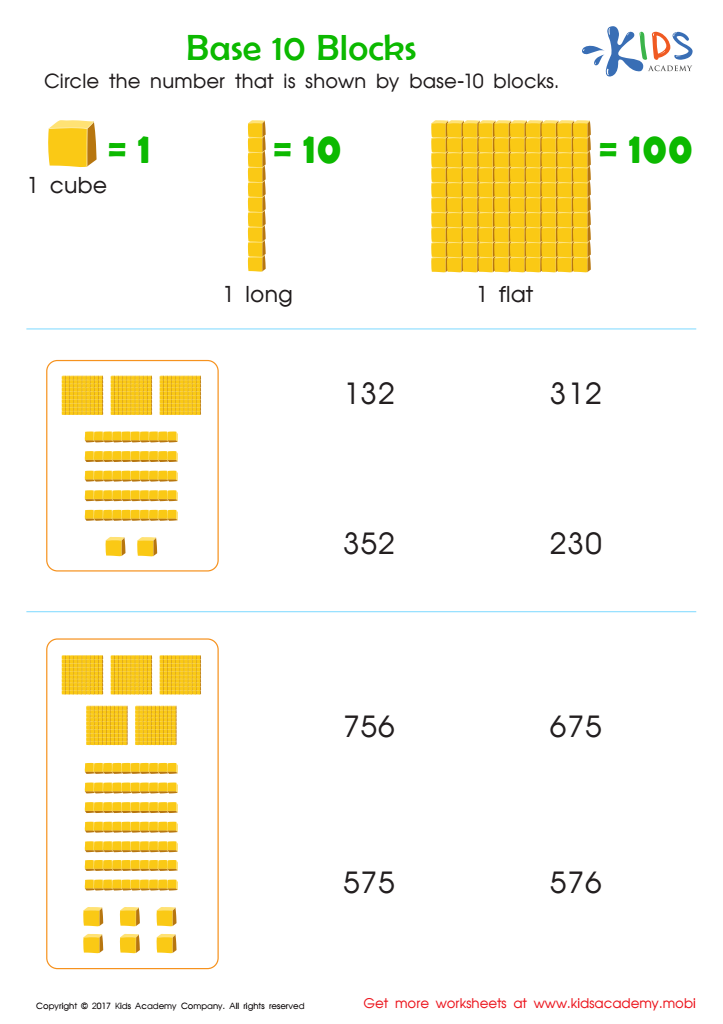
Base Ten Blocks Worksheet
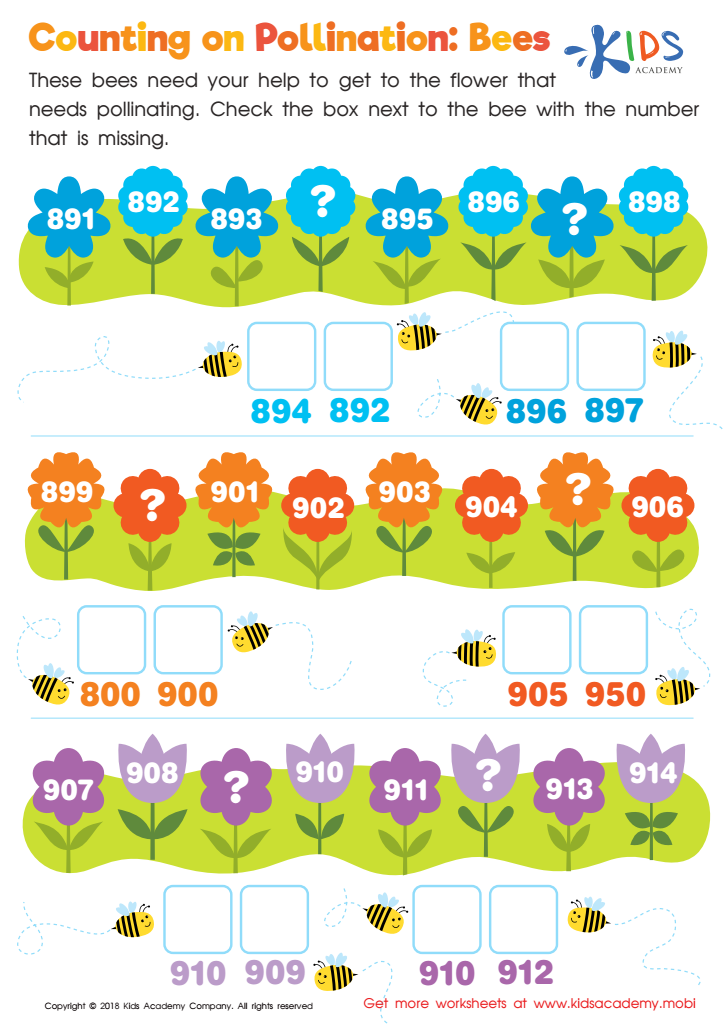
Counting on Pollination: Bees Worksheet
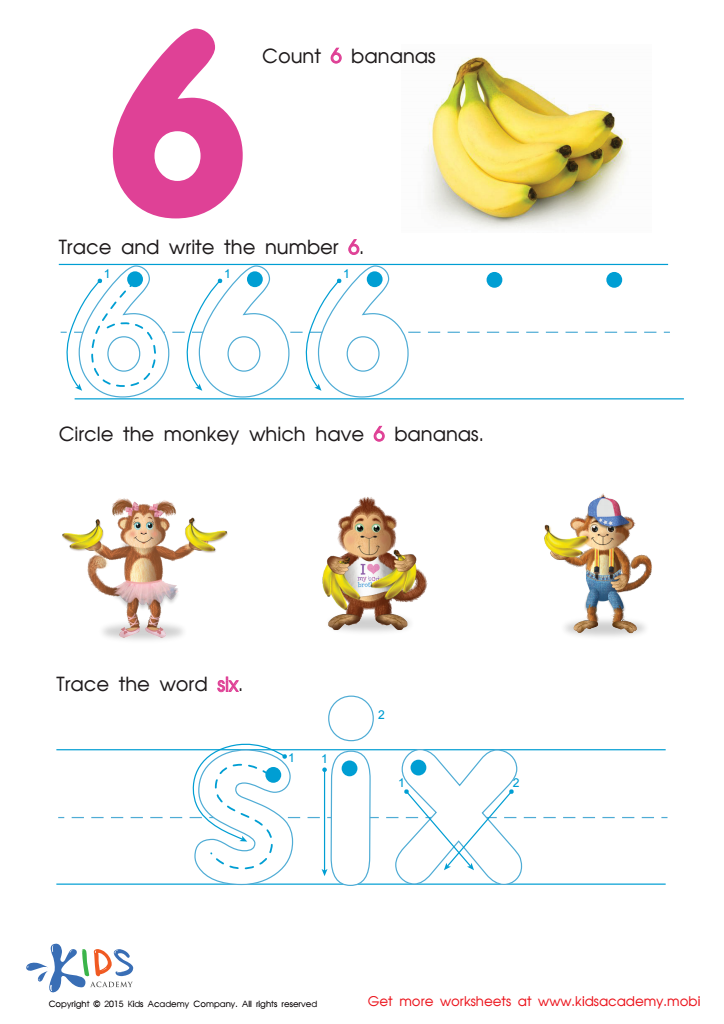
Tracing And Writing Number 6 Worksheet
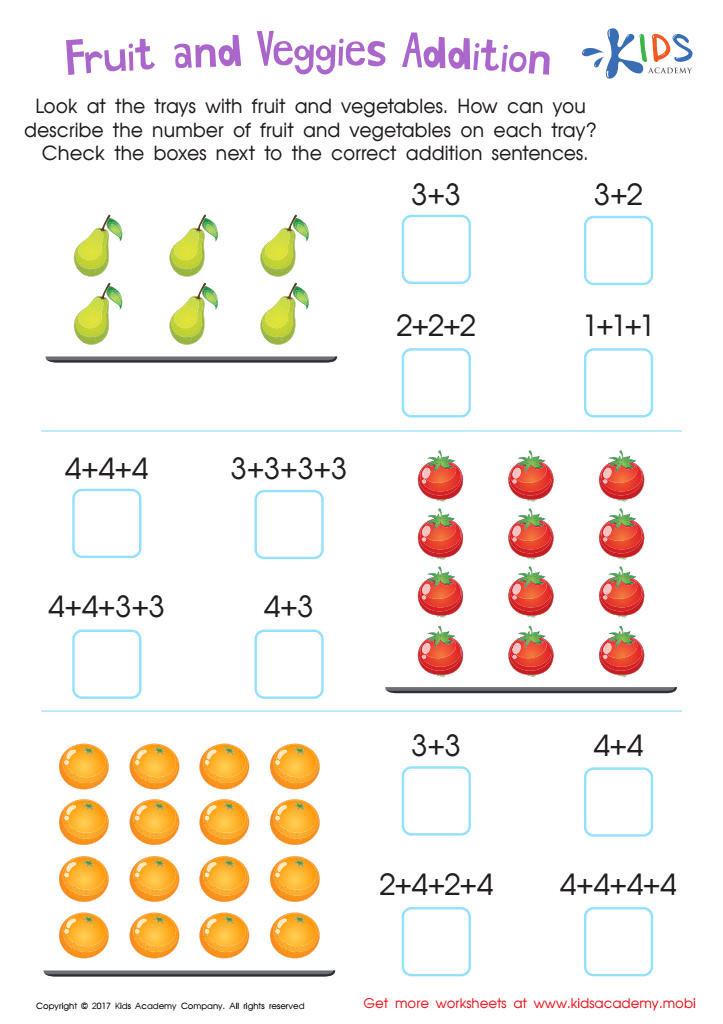
Fruit and Veggies Worksheet
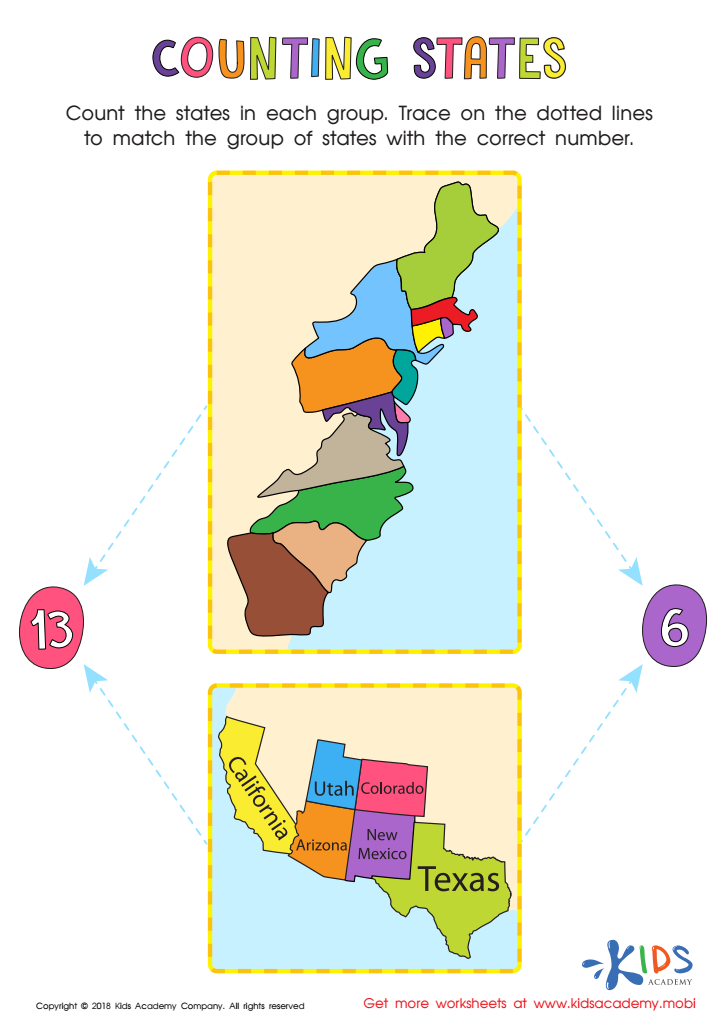
Counting States Worksheet
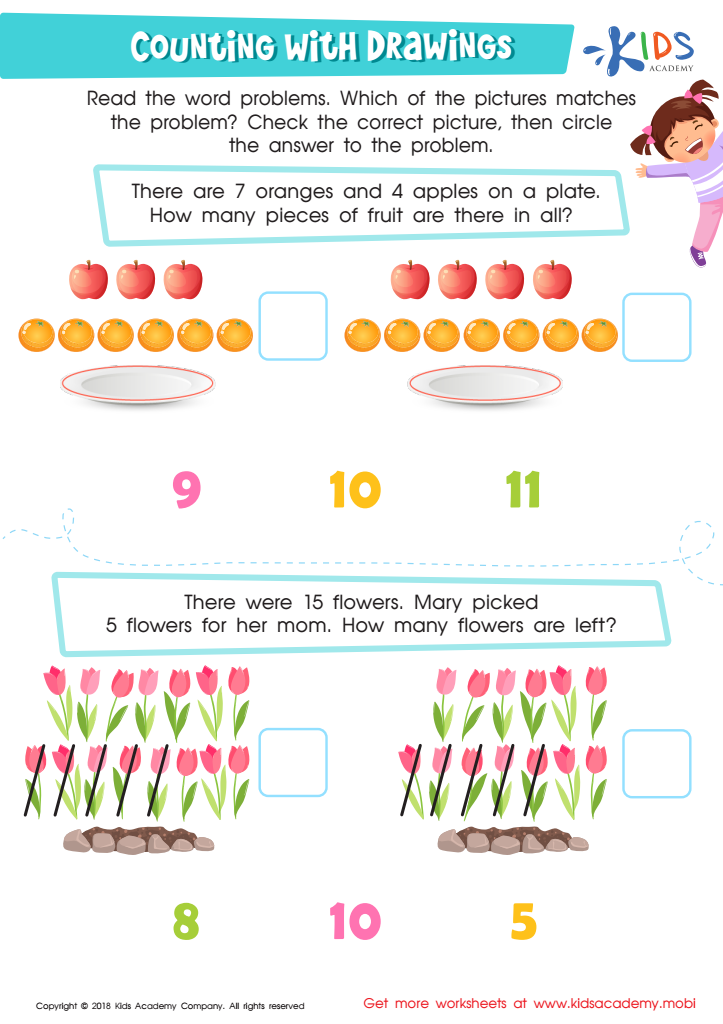
Counting with Drawings: Fruits & Chocolates Worksheet
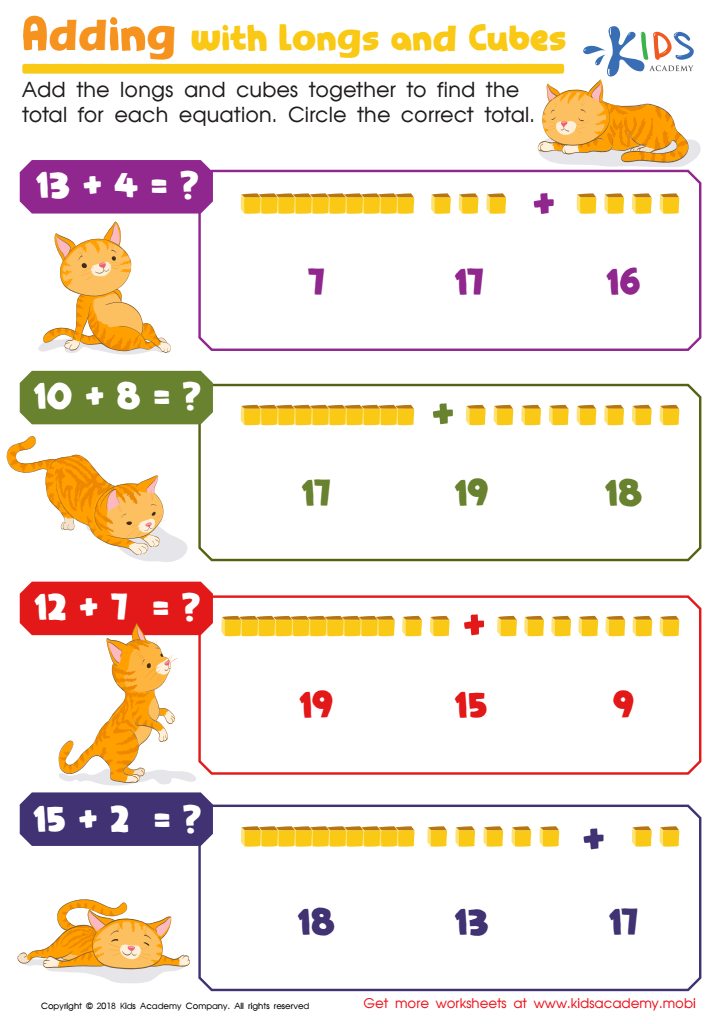
Adding With Longs and Cubes Worksheet
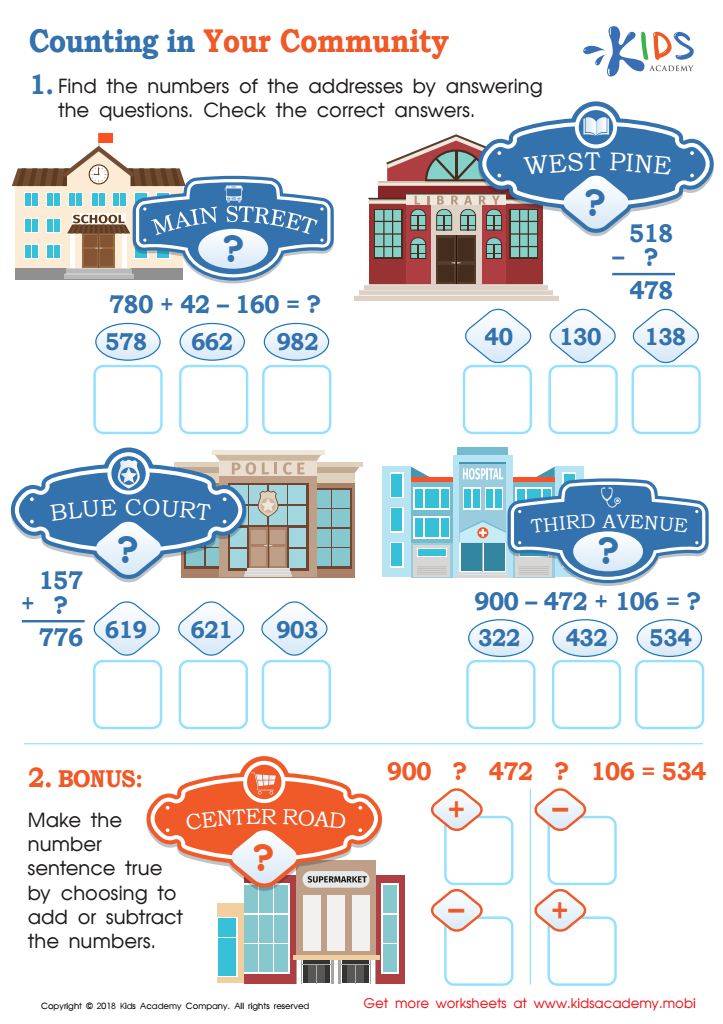
Counting in Your Community Worksheet
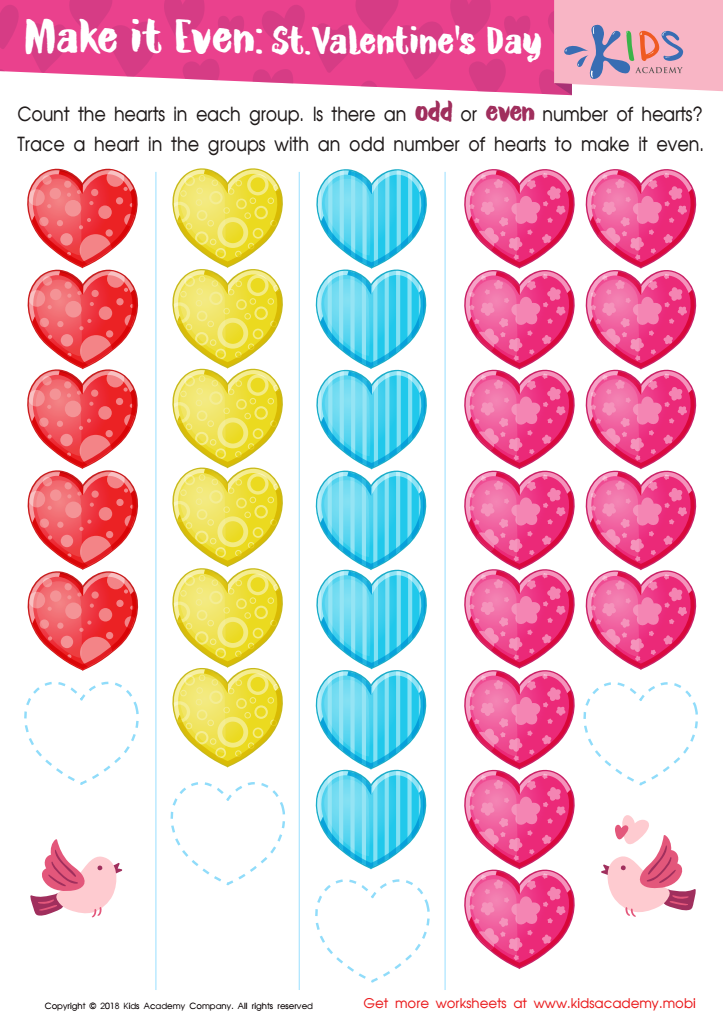
Make it Even: St. Valentine's Day Worksheet
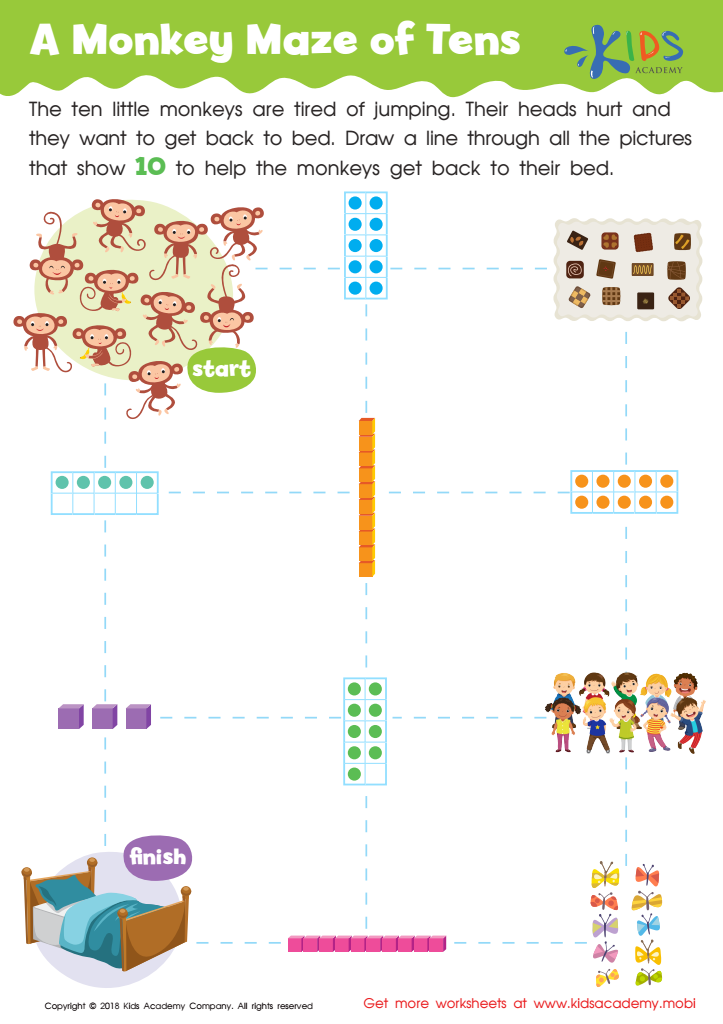
A Monkey Maze of Tens Worksheet
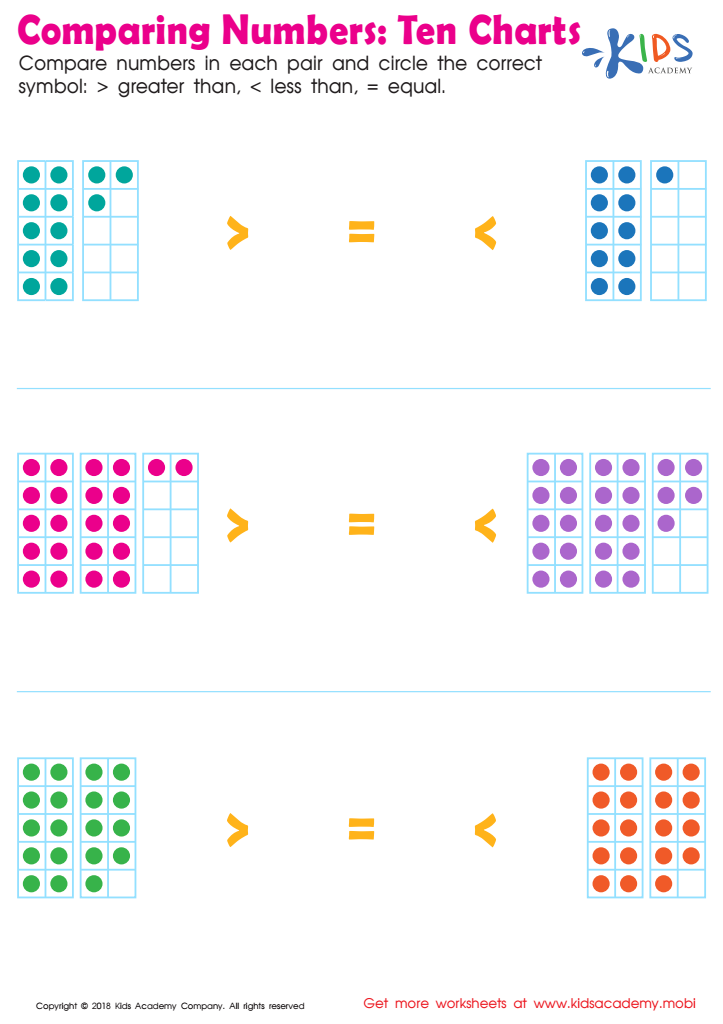
Ten Charts Worksheet
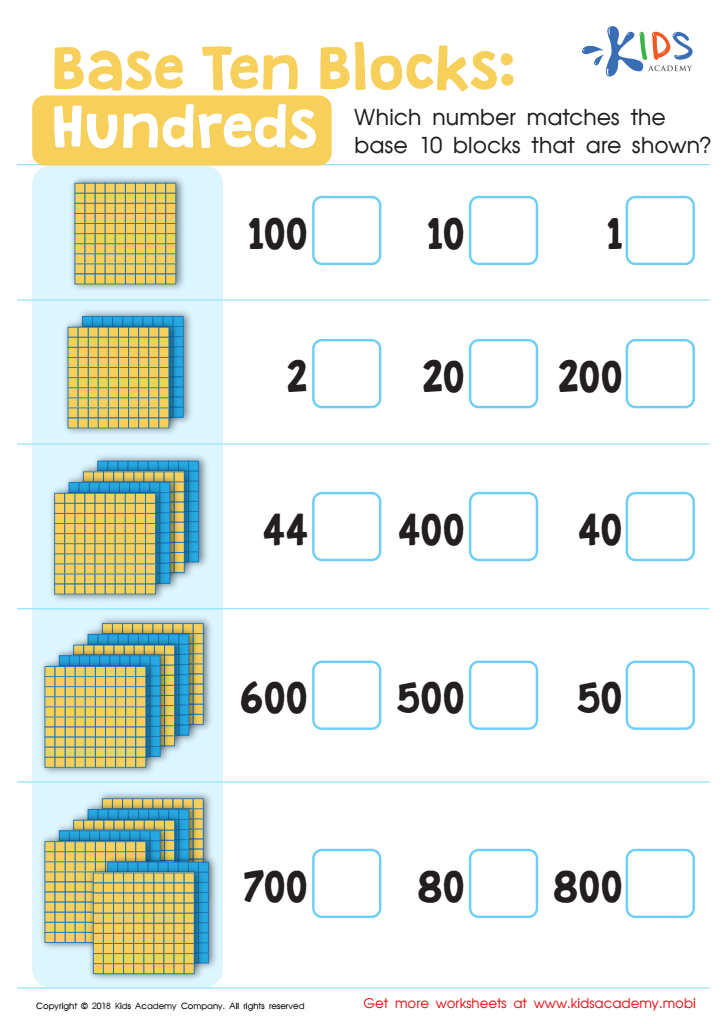
Base Ten Blocks: Hundreds Worksheet
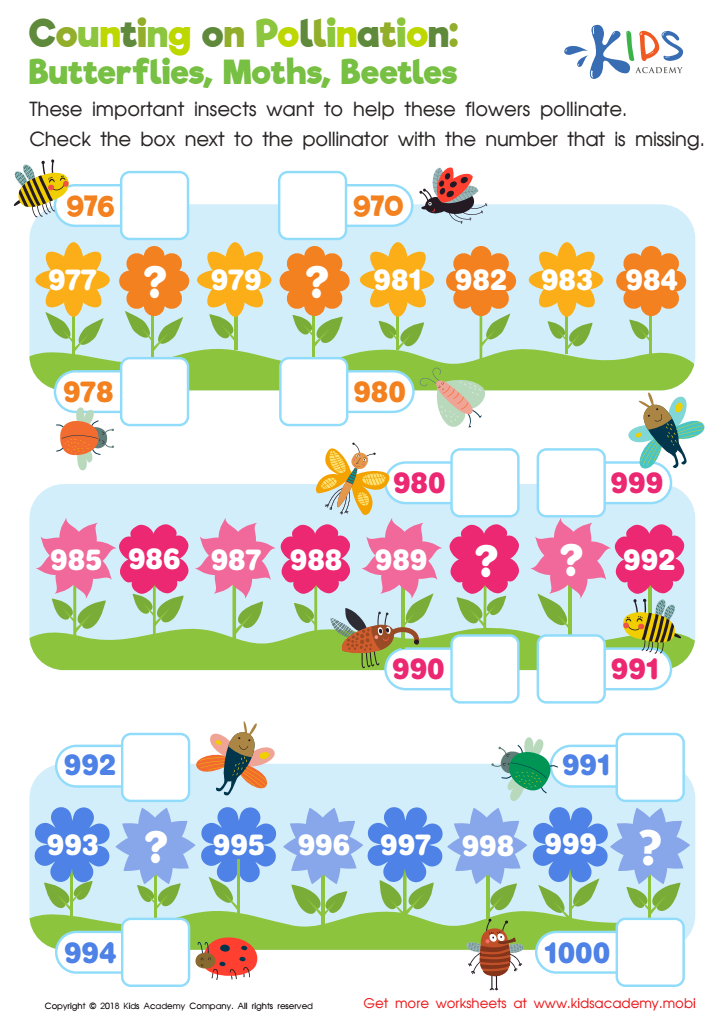
Counting on Pollination: Butterflies, Moths, Beetles Worksheet
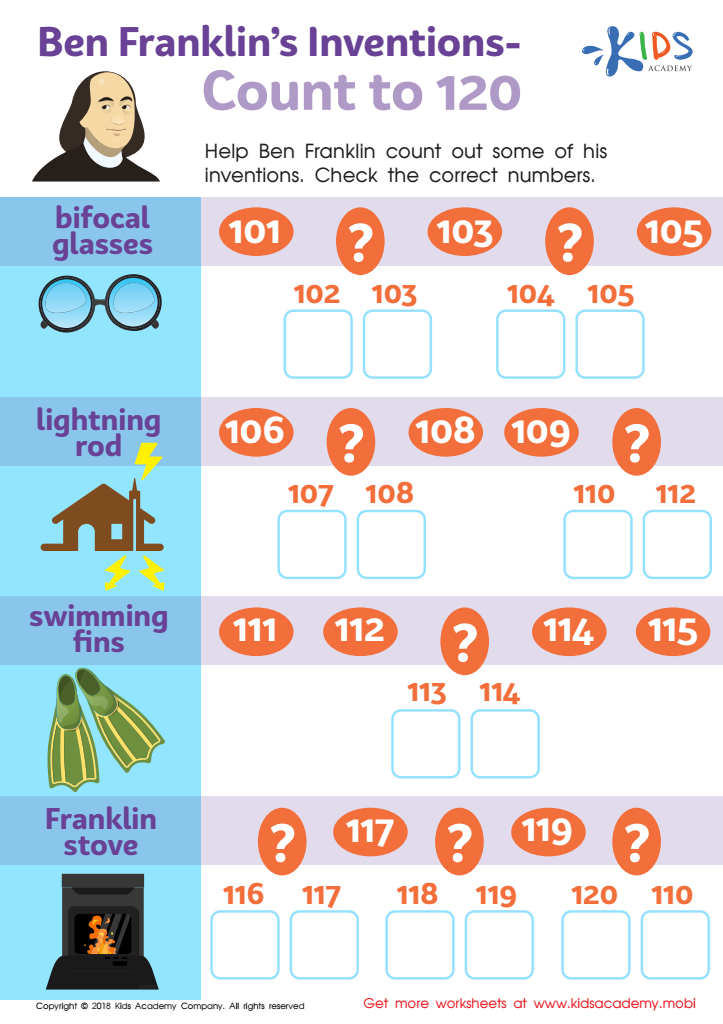
Ben Franklin’s Inventions – Count to 120 Worksheet




.jpg)



Counting practice with normal numbers is crucial for 7-year-olds as it lays a solid foundation for their mathematical understanding. At this age, children begin to transition from concrete counting to abstract numerical concepts, making it essential for them to gain confidence and fluency in counting. This skill not only aids in basic arithmetic, such as addition and subtraction, but also becomes fundamental for more complex topics like multiplication and division.
Furthermore, counting practices enhance cognitive abilities such as problem-solving and critical thinking. As children learn to count and recognize patterns in numbers, they develop logical reasoning skills essential for lifelong learning. Engaging in counting activities can also deepen their understanding of sequences, place value, and estimation.
Additionally, counting integrates well with real-world applications. It helps children manage everyday tasks, like counting money or measuring ingredients when cooking, fostering practical life skills. When parents and teachers prioritize counting practice, they help children become proficient and confident in math, laying the groundwork for academic success in later years. Ultimately, investing time in counting lays the structural framework for children's overall educational growth and prepares them for future challenges in mathematics and beyond.








