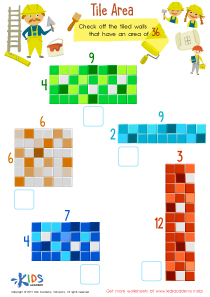
Problem-Solving Skills Normal Numbers Worksheets for Ages 8-9
13 filtered results
-
From - To
Unlock your child's potential with our "Problem-Solving Skills Normal Numbers Worksheets for Ages 8-9" from Kids Academy. These engaging and interactive worksheets are tailored to boost mathematical reasoning and critical thinking while reinforcing number skills. Perfect for young learners, each worksheet presents real-life problems and challenges that make learning numbers enjoyable and effective. Enhance your child’s ability to analyze, deduce, and solve math problems confidently as they practice with a variety of exercises. Ideal for both classroom and home use, these worksheets pave the way for academic success and lifelong problem-solving abilities. Start mastering numbers today!
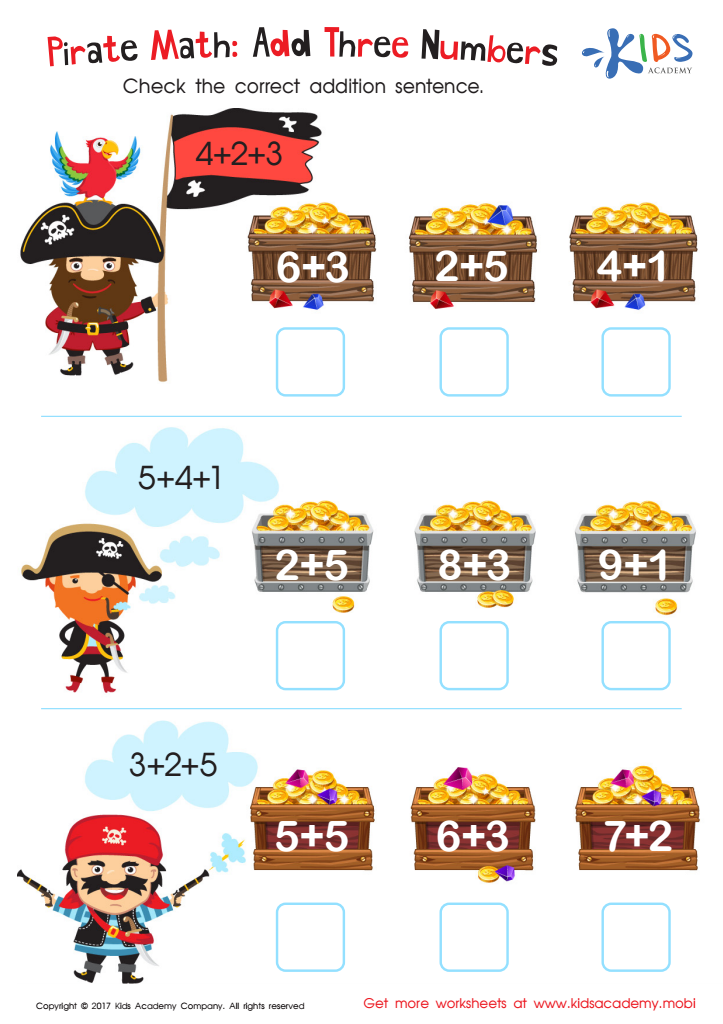
Pirate Math Printable
 Assign to My Students
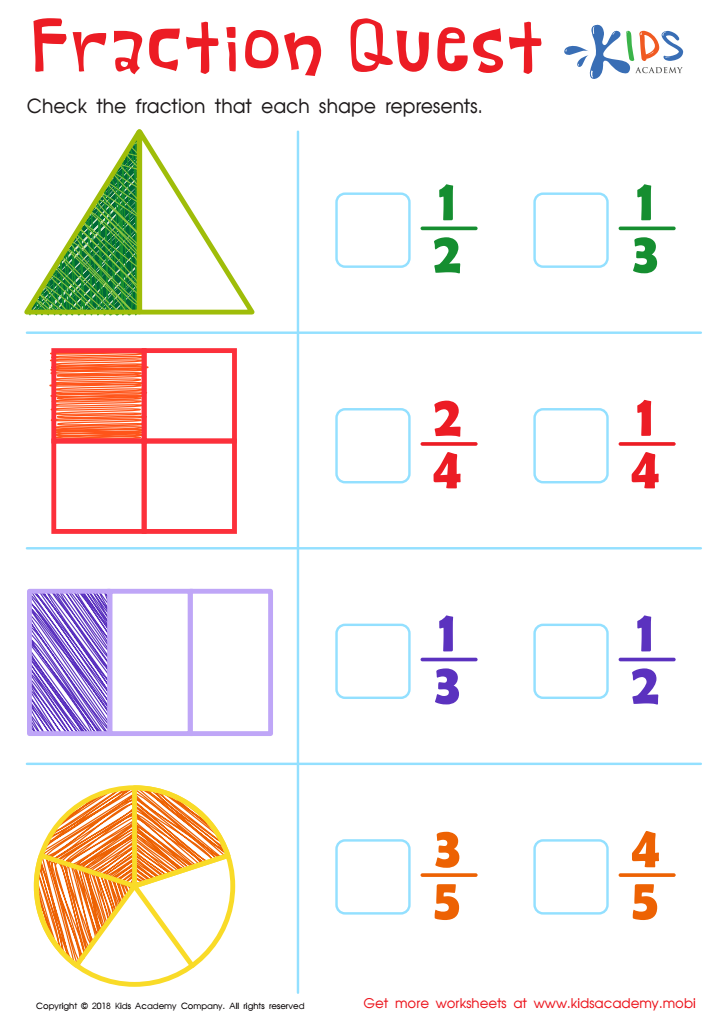
Fraction Quest Worksheet
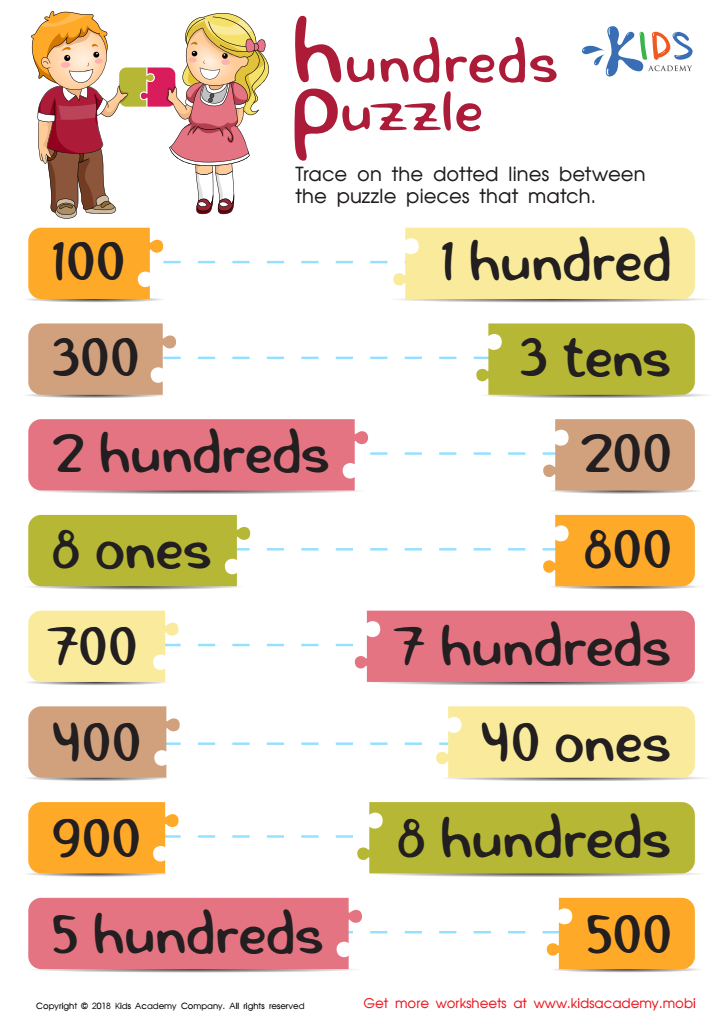
Hundreds Puzzle Worksheet
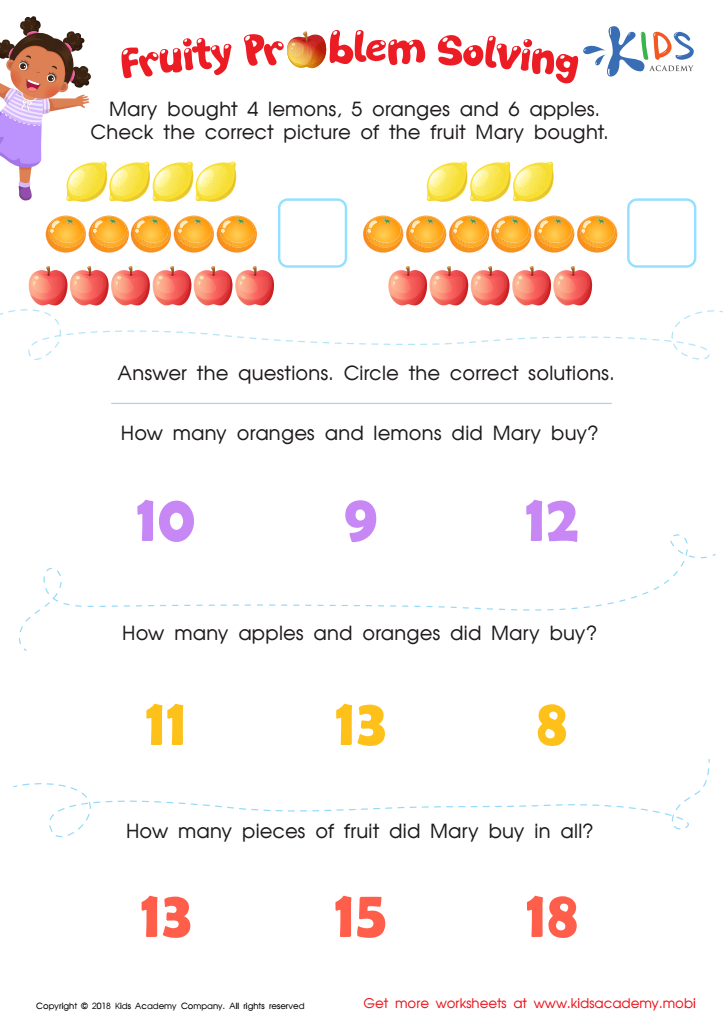
Fruity Problem Solving Worksheet
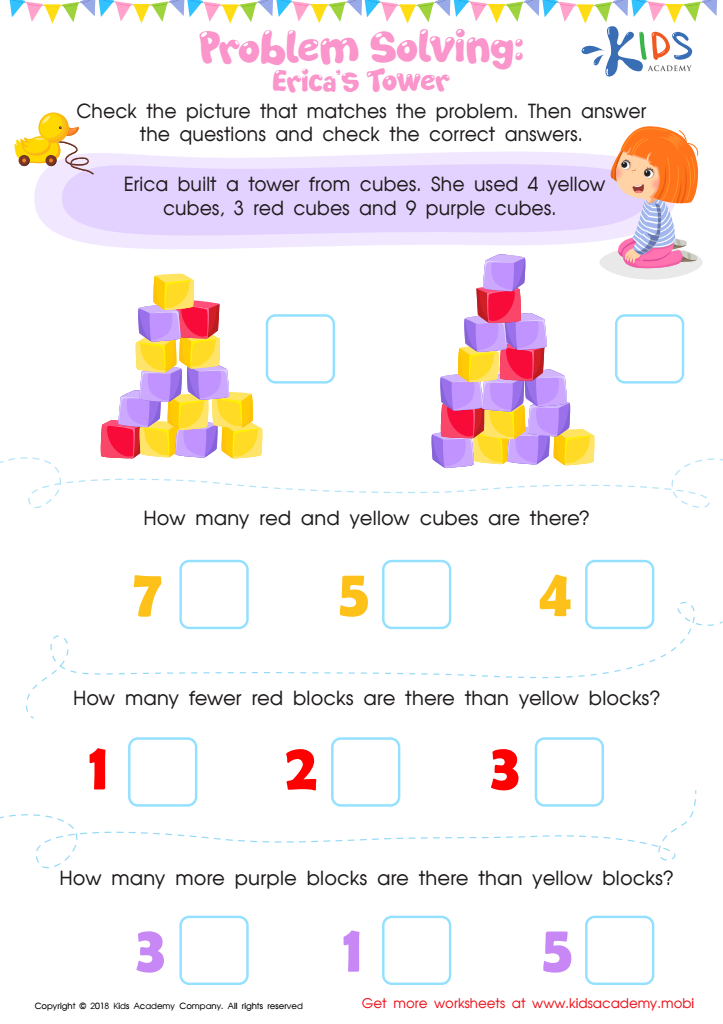
Problem Solving: Erica's Tower Worksheet
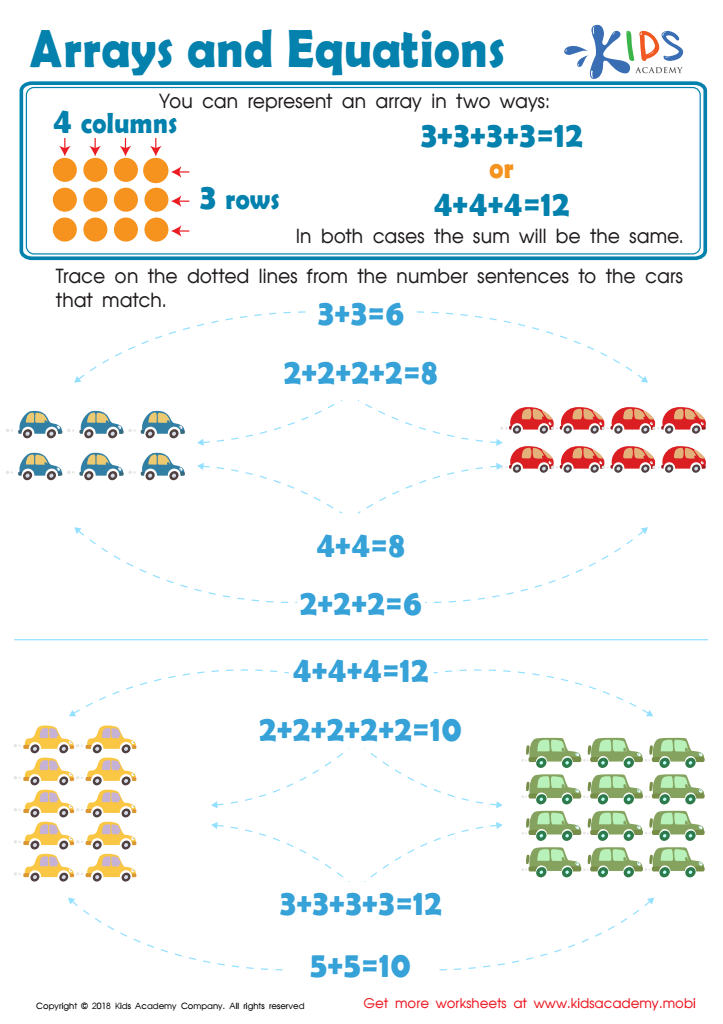
Arrays and Equations Worksheet
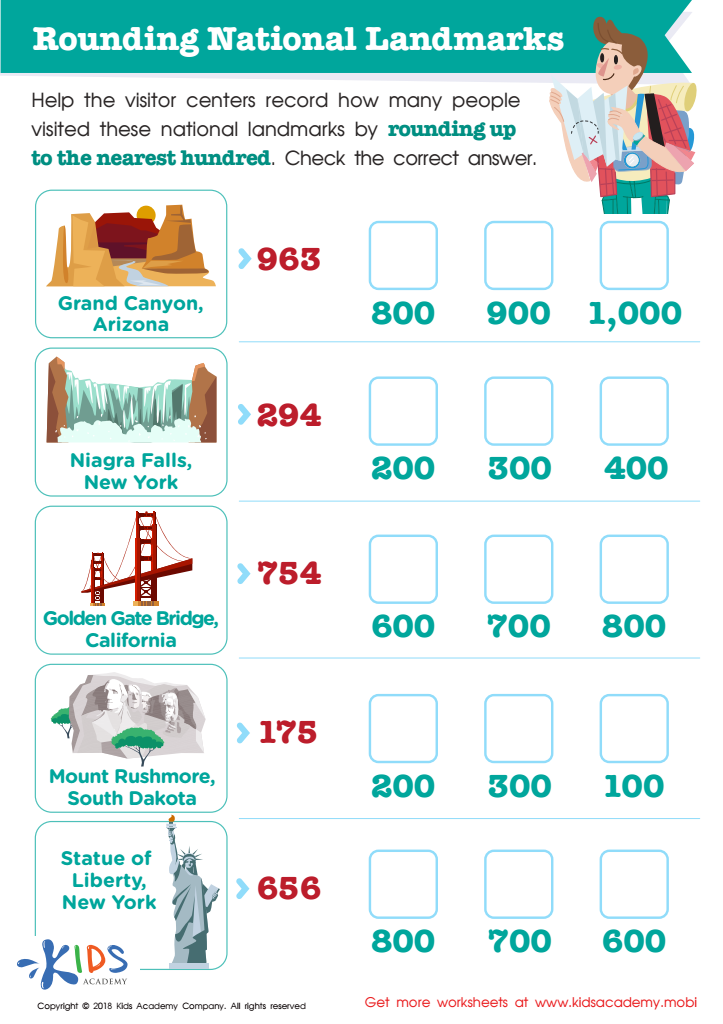
Rounding National Landmarks Worksheet

Equal Fractions Maze Worksheet
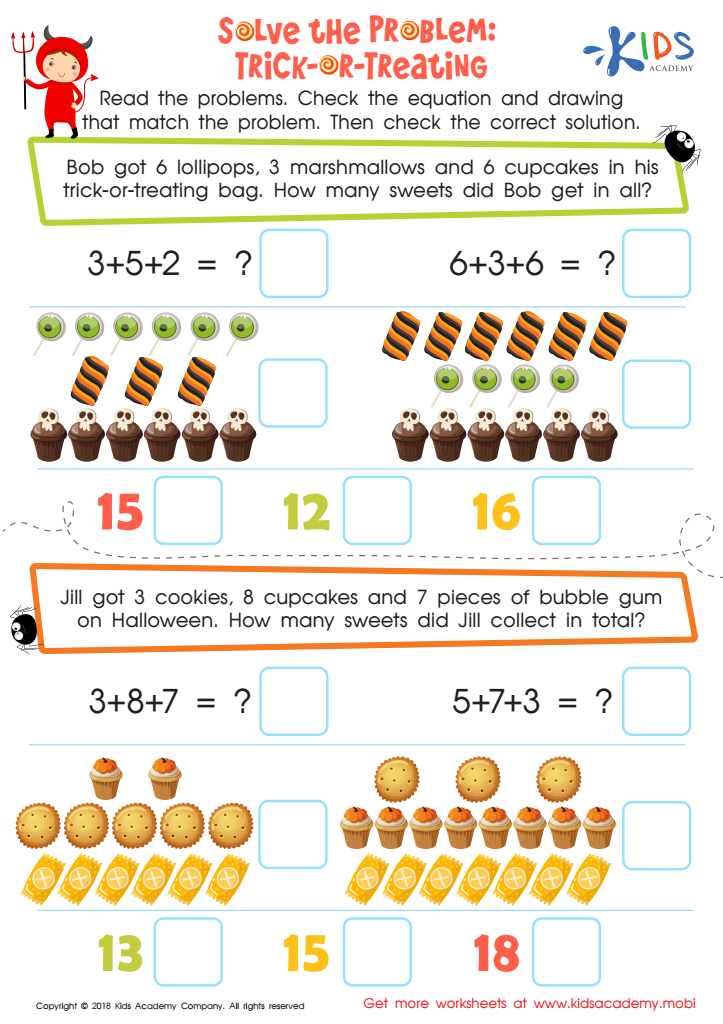
Solve the Problem: Trick–or–treating Worksheet
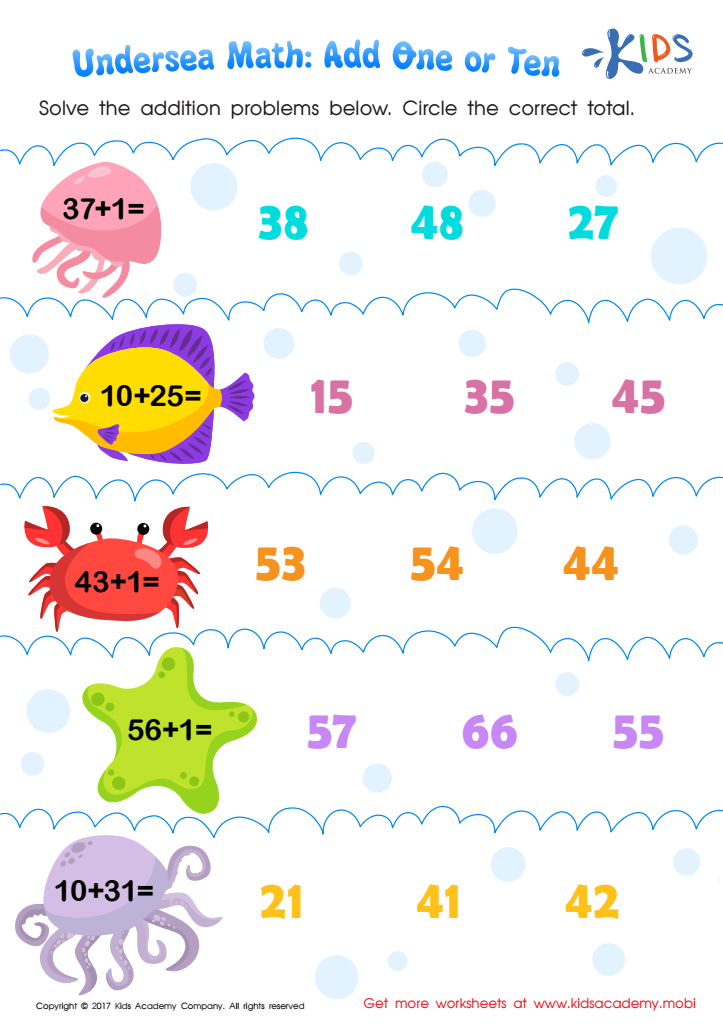
Undersea Math Worksheet
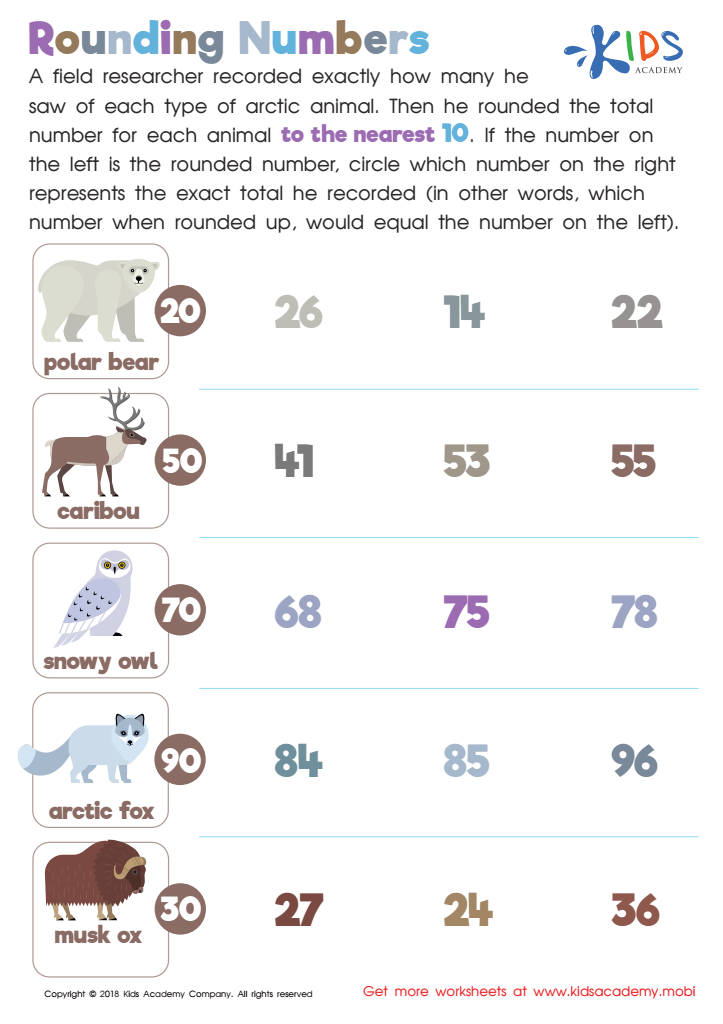
Rounding Numbers Worksheet
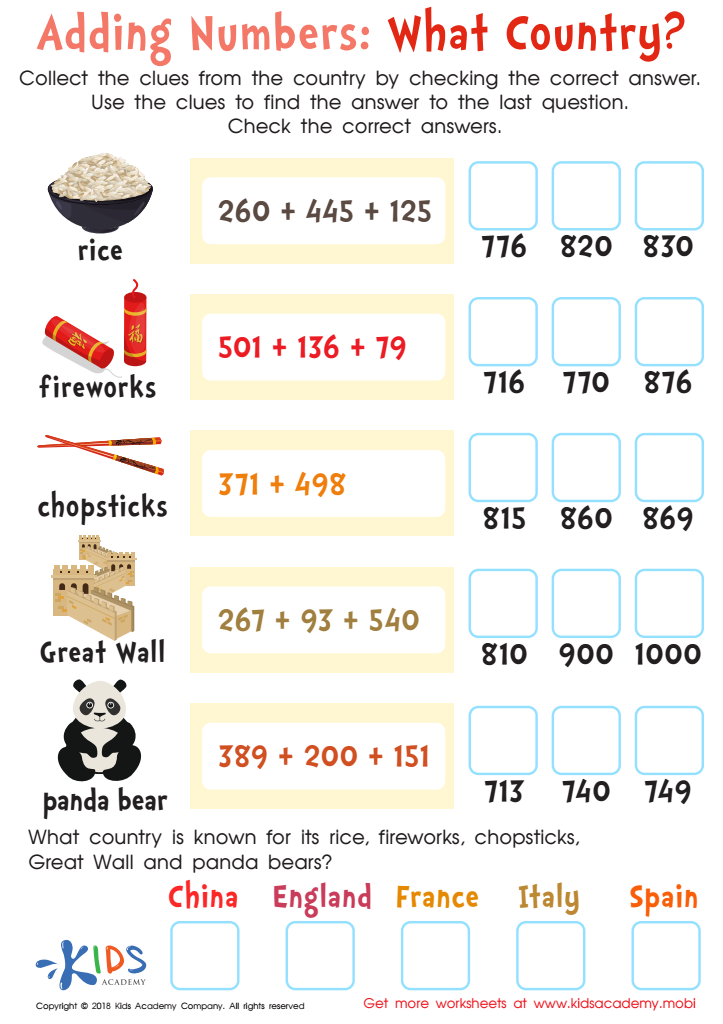
Adding Numbers: What Country Worksheet
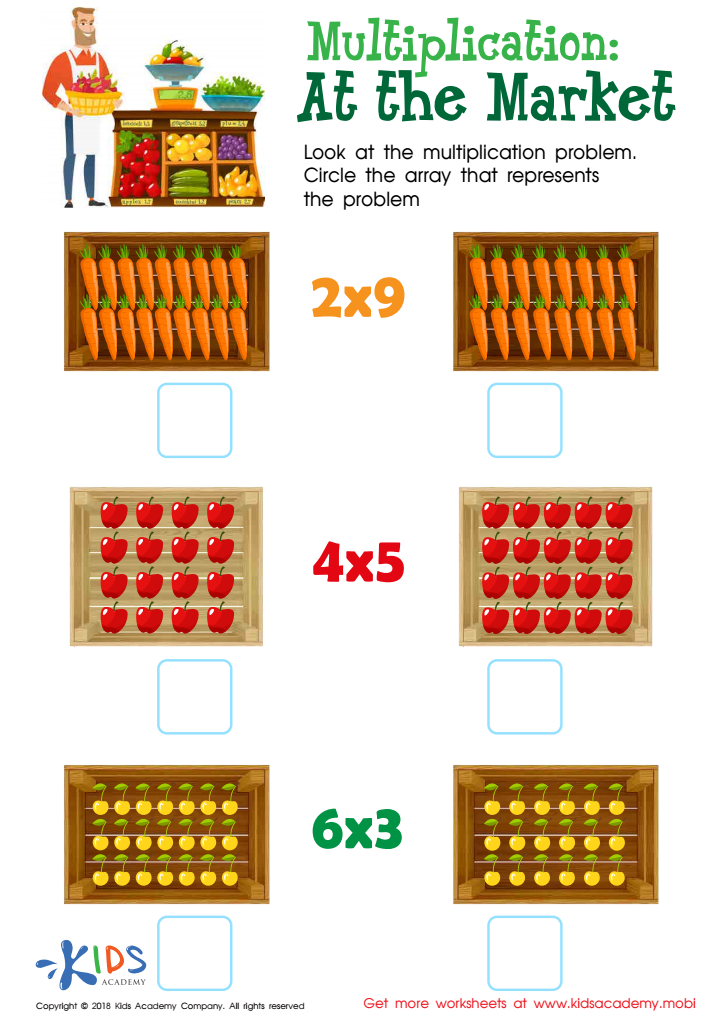
At the Market Worksheet








Problem-solving skills are fundamental for children aged 8-9 as they set the stage for critical cognitive development and future academic success. At this age, kids are transitioning from concrete to more abstract thinking. Introducing problem-solving with normal numbers — those that aren’t complex fractions or decimals — helps solidify their basic arithmetic skills like addition, subtraction, multiplication, and division in a practical context.
Fostering problem-solving skills empowers children to approach mathematical challenges with confidence and creativity. It teaches them to analyze problems, identify solutions, and implement strategies methodically. These skills extend beyond mathematics, contributing to overall cognitive abilities including logical reasoning and critical thinking. For example, problem-solving tasks can improve reading comprehension by requiring children to follow steps and understand sequences.
Moreover, mastering these skills early boosts self-esteem and encourages a positive attitude toward learning. Children who can solve problems independently feel more confident in their abilities and are less likely to develop anxiety about mathematics or other subjects.
Parents and teachers play a crucial role in nurturing these skills. By integrating problem-solving activities into daily tasks and lessons, they provide children with a strong foundation for a lifetime of learning, ensuring they are well-equipped to handle more complex academic and real-world challenges in the future.