
Fine Motor Skills Normal Math Worksheets for Ages 8-9
12 filtered results
Difficulty Level
Grade
Age
-
From - To
Subject
Activity
Standards
Our "Fine Motor Skills Normal Math Worksheets for Ages 8-9" are thoughtfully designed to enhance both fine motor and math skills in young learners. These engaging activities promote better hand-eye coordination, dexterity, and precision while reinforcing key math concepts such as addition, subtraction, multiplication, and division. Each worksheet is filled with fun illustrations and practical exercises to keep your child motivated and excited about learning. Ideal for home practice or classroom use, these worksheets are an excellent resource to support your child’s developmental milestones and academic success. Unlock their potential with activities that make learning enjoyable and effective!
Favorites
With answer key
Interactive
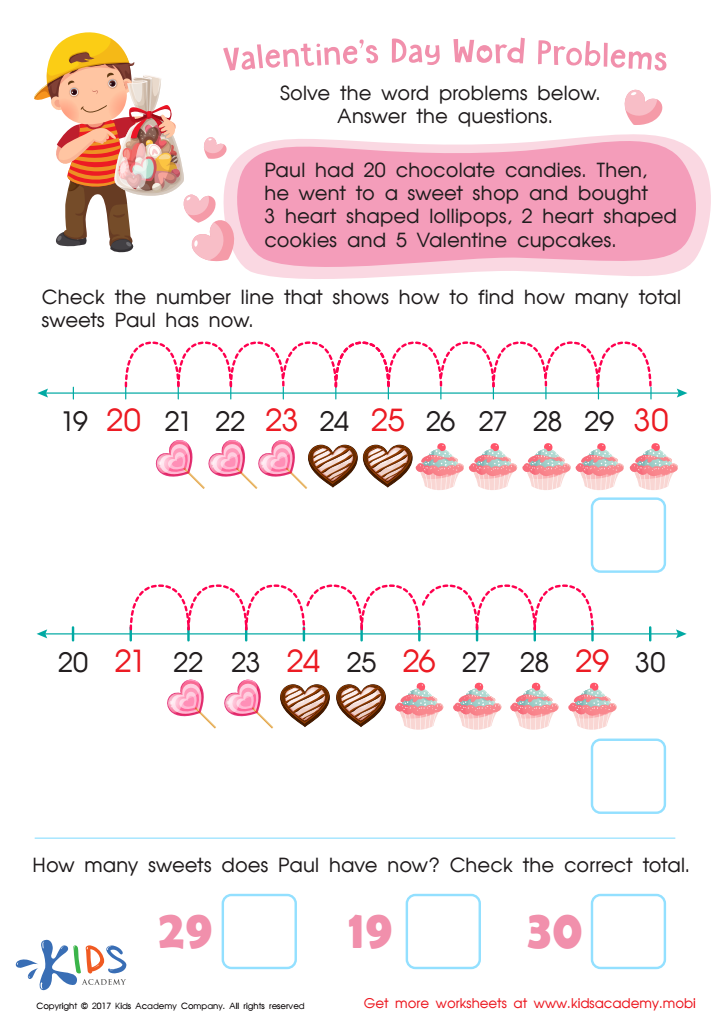
Valentines Day 2 Printable
This PDF worksheet uses a number line to help solve the problems. Your child will be ready for Valentine's Day after completing it. Counting and adding from 20 is also reinforced.
 Assign to My Students
Valentines Day 2 Printable
Worksheet
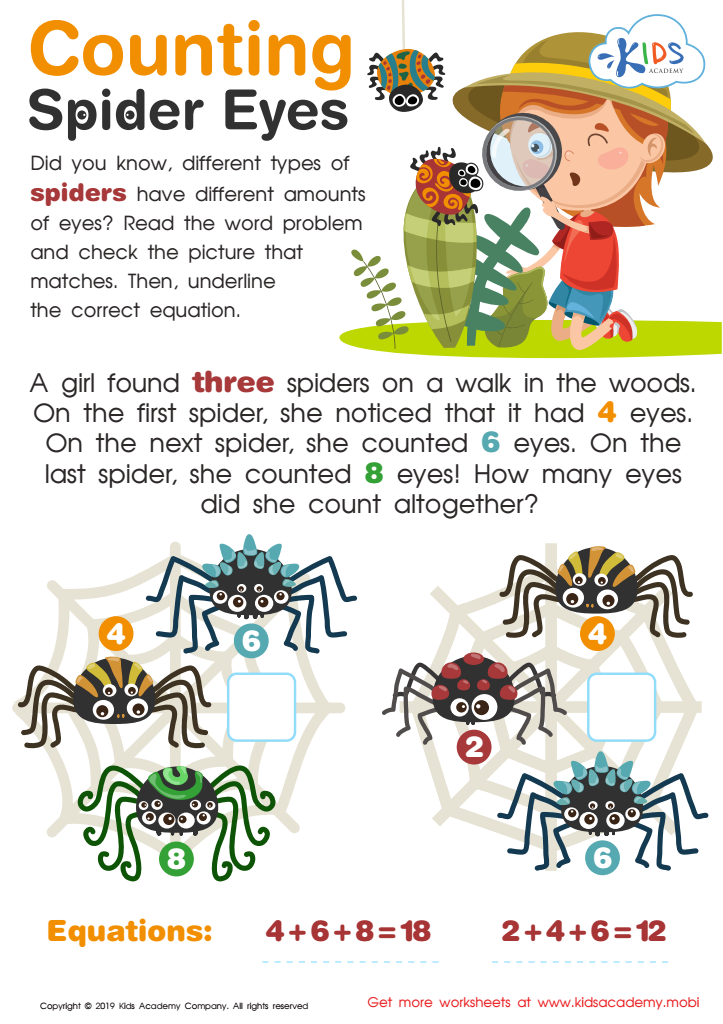
Counting Spider Eyes Worksheet
Did you know different spiders have different eye numbers? Kids will love learning this fact and solving the spider word problems on this free worksheet! Word problems promote a deeper understanding of the concept, plus they get to add up the spiders’ eyes while solving addition problems with more than one addend. Fun and math all in one!
Counting Spider Eyes Worksheet
Worksheet
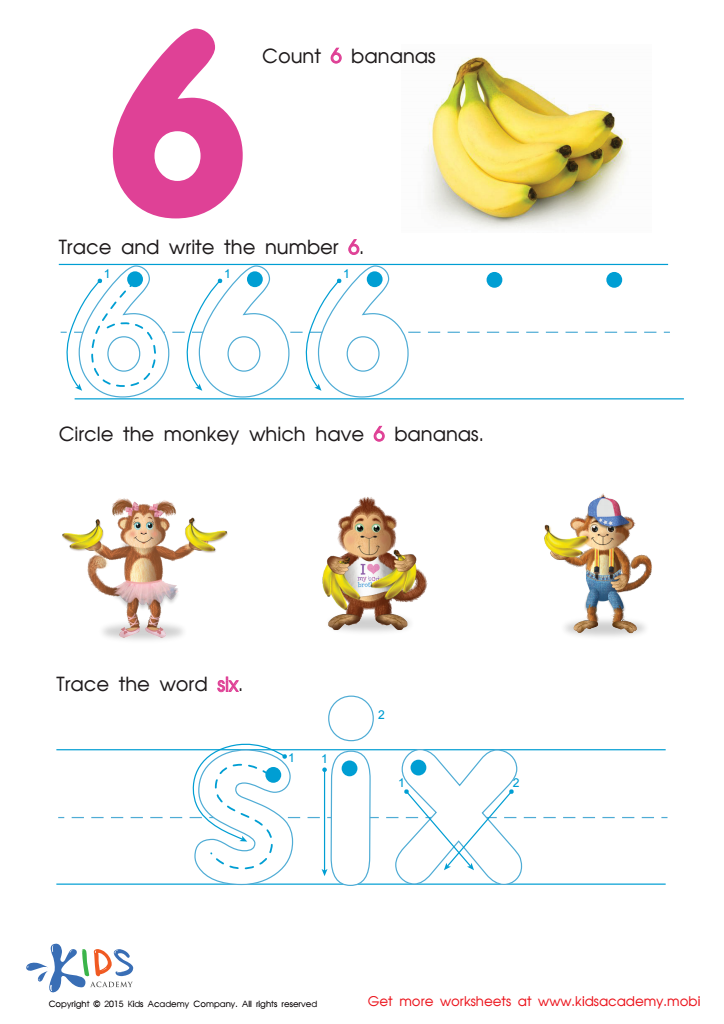
Tracing And Writing Number 6 Worksheet
Learn numbers in a fun way with our preschool number worksheets. Count six bananas, trace and write the number, find the monkey with six bananas, and trace the word "six." Explore more activities at Kids Academy.
Tracing And Writing Number 6 Worksheet
Worksheet
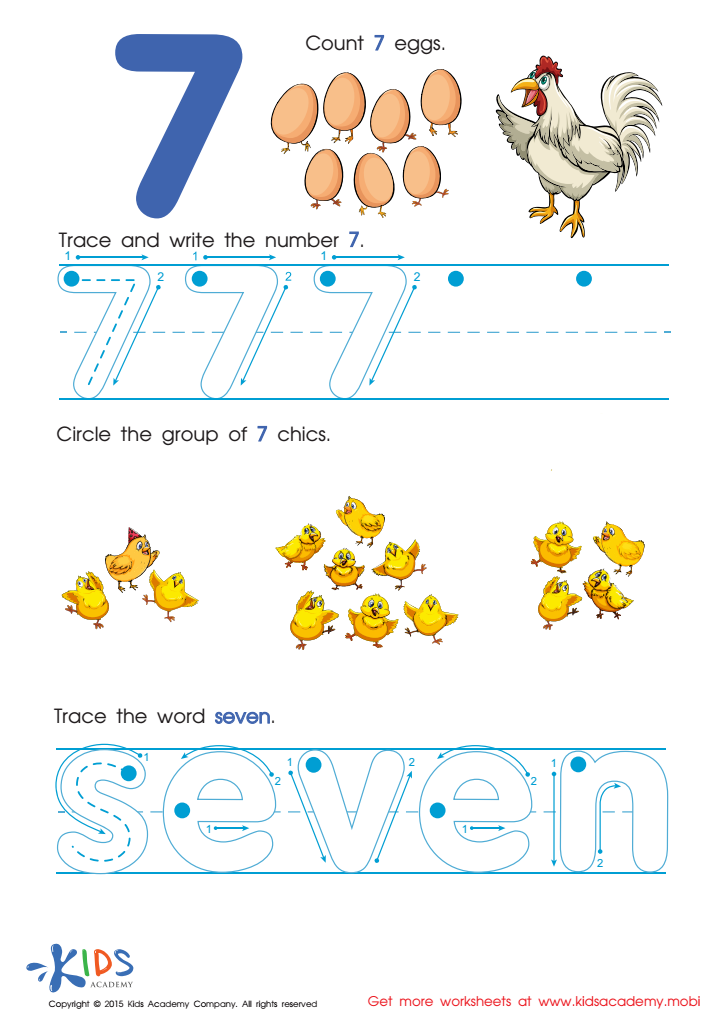
Trace And Write Number 7 with Fun Worksheet
Try one with a cute hen and its seven eggs! Trace and write the number 7, circle the group of seven chicks, and trace the word "seven". Fun and educational!
Trace And Write Number 7 with Fun Worksheet
Worksheet
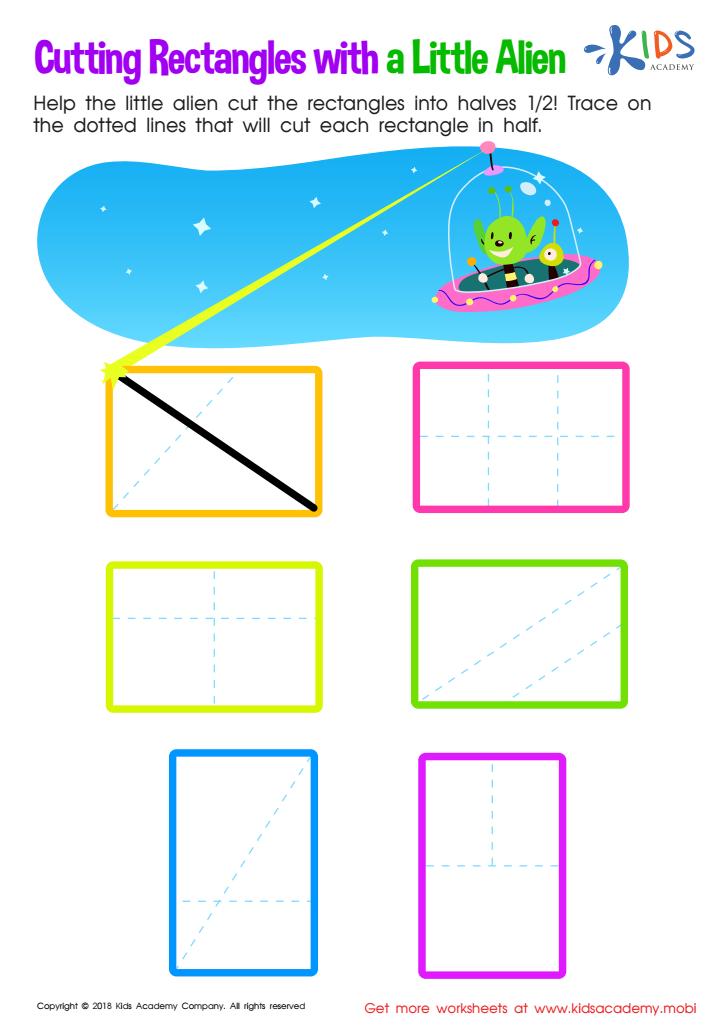
Cutting Rectangles with Alien Worksheet
If your students are interested in aliens and otherworldly events, they'll love this exercise! It requires them to help a small alien cut rectangles into halves (½). They must trace the dotted lines to accurately cut each rectangle.
Cutting Rectangles with Alien Worksheet
Worksheet
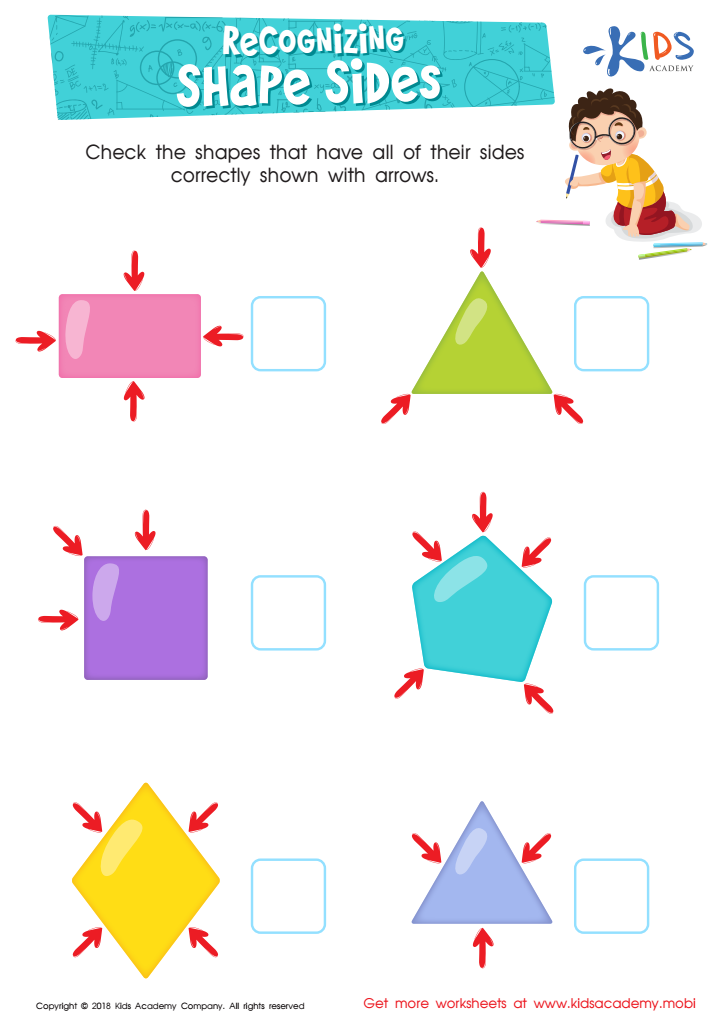
Recognizing Shape Sides Worksheet
This exercise will help your child recognize shape sides. Go over the difference between sides and angles first, then have them check the shapes with arrows to show the sides. They'll quickly get the hang of it and find it much easier after completing the colorful worksheet.
Recognizing Shape Sides Worksheet
Worksheet
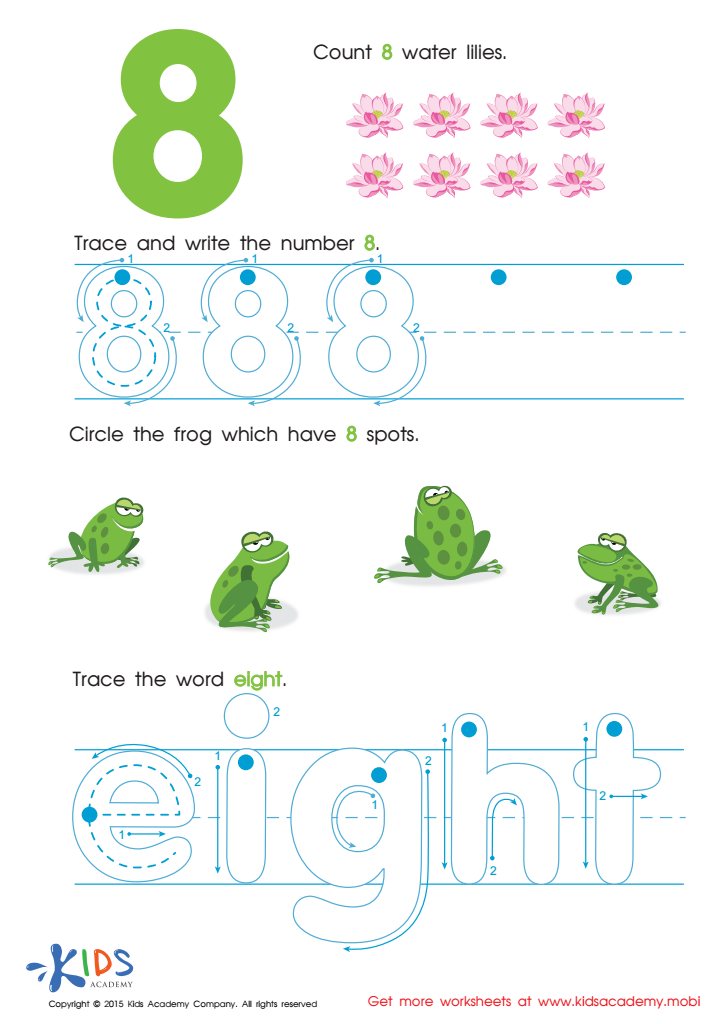
Learn Number 8 Easily Worksheet
Kids can trace, write numbers and learn to pronounce them through exciting activities and games. Try our number worksheets for preschoolers to make learning fun!
Learn Number 8 Easily Worksheet
Worksheet
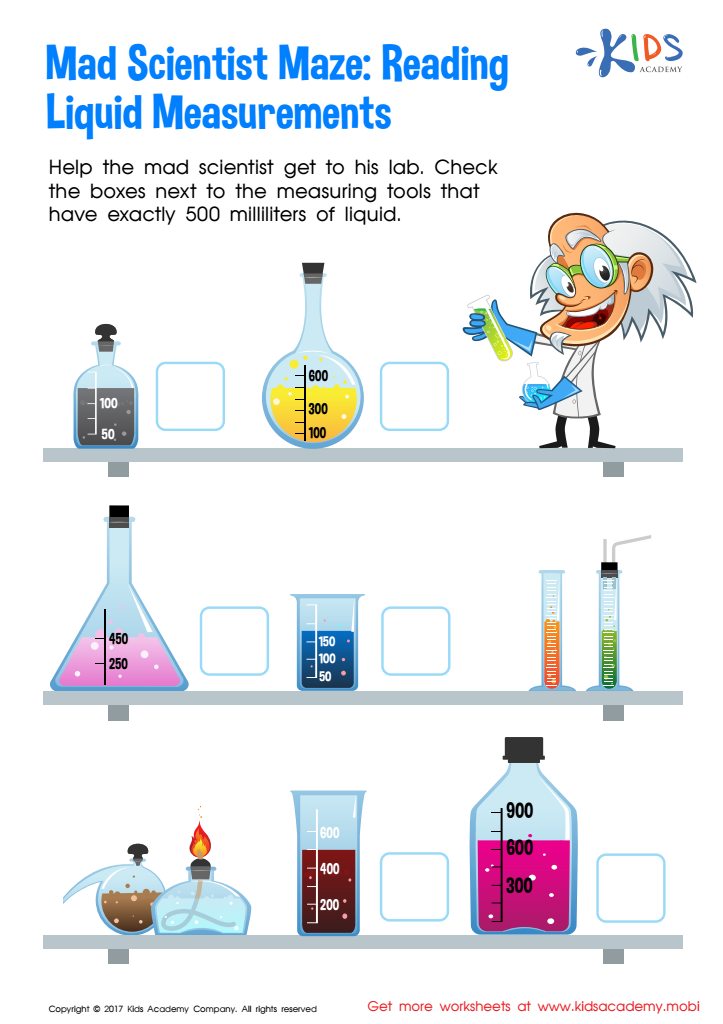
Reading Liquid Measurement Worksheet
Help a mad scientist return to his lab by having your child measure the liquid in each flask. Their results will determine his fate!
Help a mad scientist return to his lab! Kids can practice reading liquid measurements to the millimeter on this worksheet. Determine the amount of liquid in each flask and let your child's results decide the scientist's fate!
Reading Liquid Measurement Worksheet
Worksheet
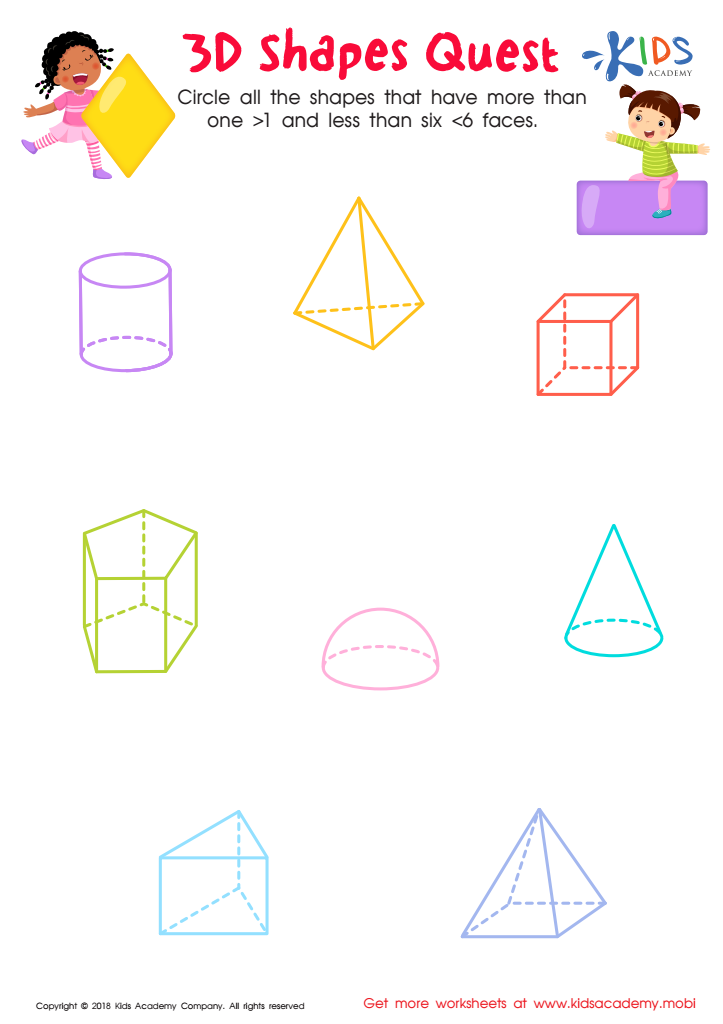
3D Shapes Quest Worksheet
Ask your child if they know what faces of shapes are. If not, explain that faces are flat surfaces on shapes. Ask what a square and rectangle have in common - both have four faces. Your child's task is to circle shapes with more than 1 and less than 6 faces in this exercise.
3D Shapes Quest Worksheet
Worksheet
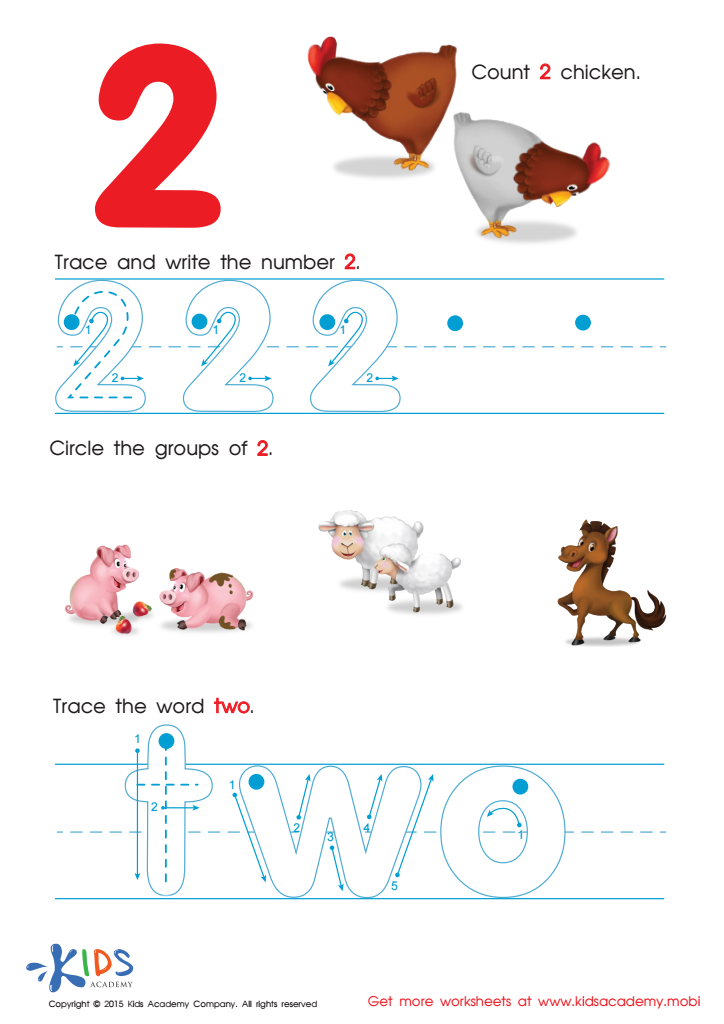
Learn to Write the Number 2 Worksheet
Teaching numbers should be fun! Ask your kids to count the two chicks, circle the groups of two among the animals, then trace and write the number and word. Get more fun worksheets from Kids Academy.
Learn to Write the Number 2 Worksheet
Worksheet
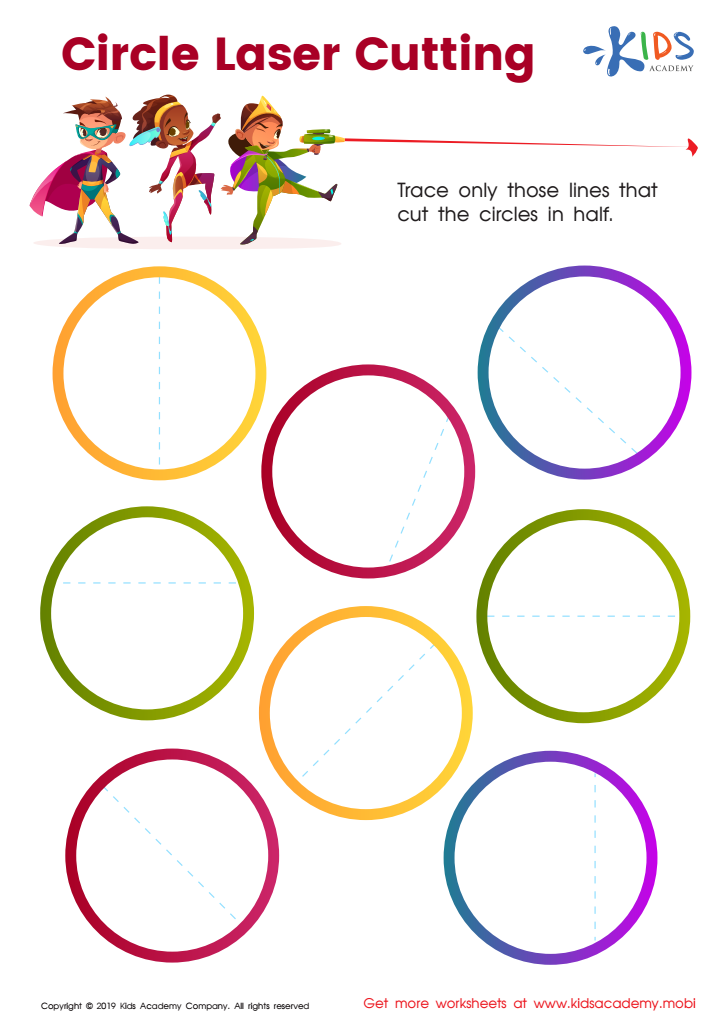
Circle Laser Cutting Worksheet
Encourage your kids to learn geometry! Remind them that when shapes are cut into two equal parts, they are called halves. Have them look at the circles in the worksheet, and trace the lines that cut the circles in half. Geometry is an essential part of education, and although it may not be exciting, it's a valuable skill to have.
Circle Laser Cutting Worksheet
Worksheet
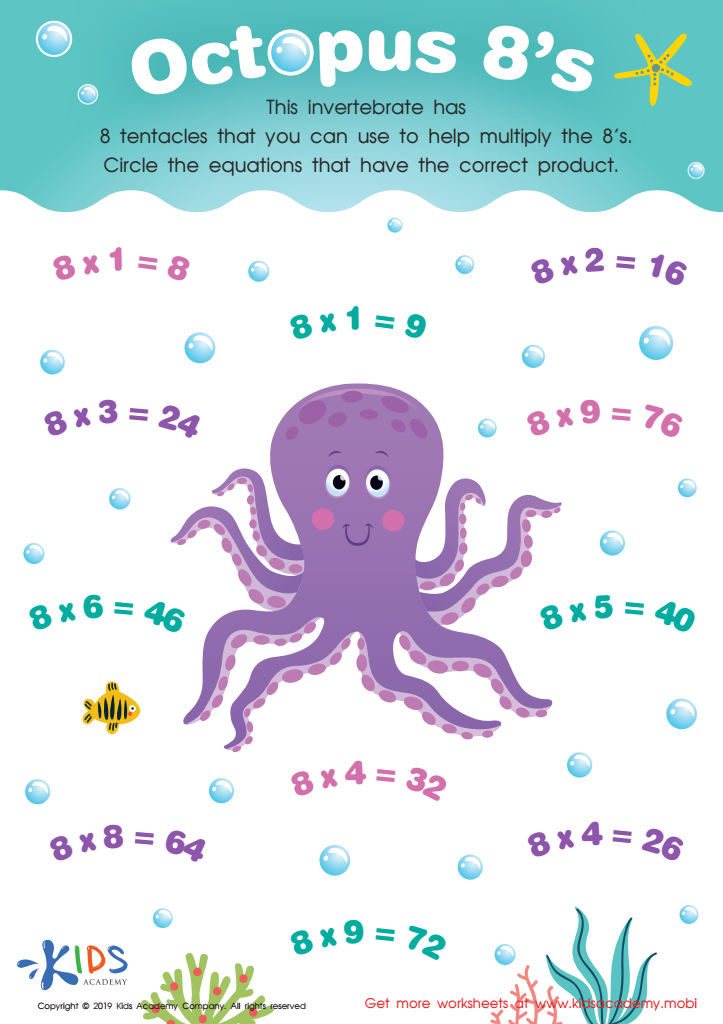
Octopus 8’s Worksheet
Can your child identify the octopus in the worksheet? It's an invertebrate with 8 tentacles. Have your child circle the equations with the correct products, and see if they can tell you some other features of the octopus too.
Octopus 8’s Worksheet
Worksheet
Join Kids Academy for Free
Who is primarily going to use this learning content?







Fine motor skills are crucial for children's overall development, especially around ages 8-9, as they significantly impact academic and life skills. These skills involve the coordination of small muscles, particularly in the hands and fingers, enabling tasks like writing, drawing, and manipulating objects. At this age, many children are in the third grade, an educational stage where they are required to handle more complex schoolwork.
Writing, for example, demands fine motor precision for proper letter formation, neatness, and speed, all of which contribute to effective communication. Poor fine motor skills can lead to frustrations, decreased academic achievement, and reduced self-esteem. Additionally, mathematics often requires precise hand-eye coordination to draw shapes, handle manipulatives, and align numbers correctly, emphasizing the need for dexterous capabilities.
Beyond academics, fine motor skills are essential for daily tasks like buttoning clothes, tying shoelaces, and using utensils. Developing these skills promotes independence and self-confidence. For teachers and parents, prioritizing fine motor activities such as threading beads, using scissors, and engaging in art projects can foster this development, ensuring children are well-prepared for both school and daily life.
Investing time in strengthening these skills helps set a foundation for future learning and prevents potential academic obstacles, making it a paramount concern for parents and teachers alike.








